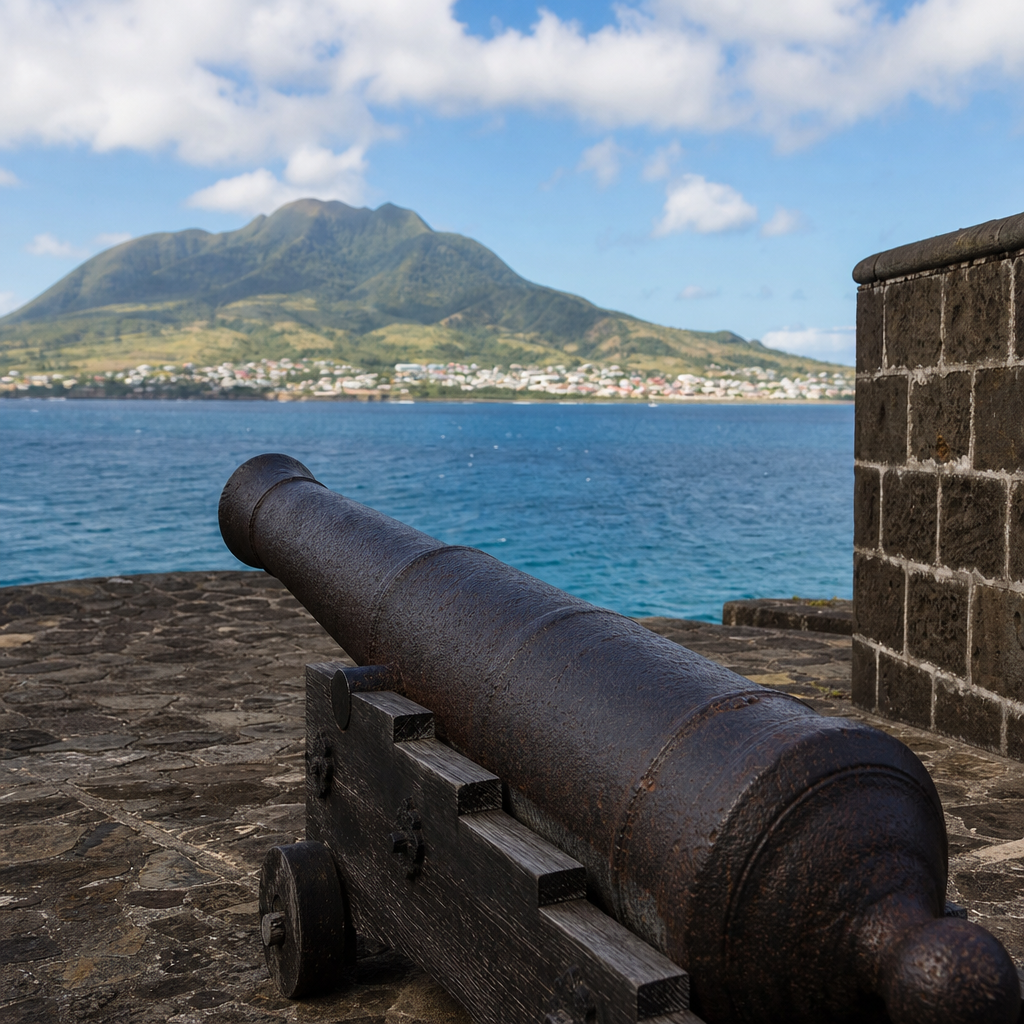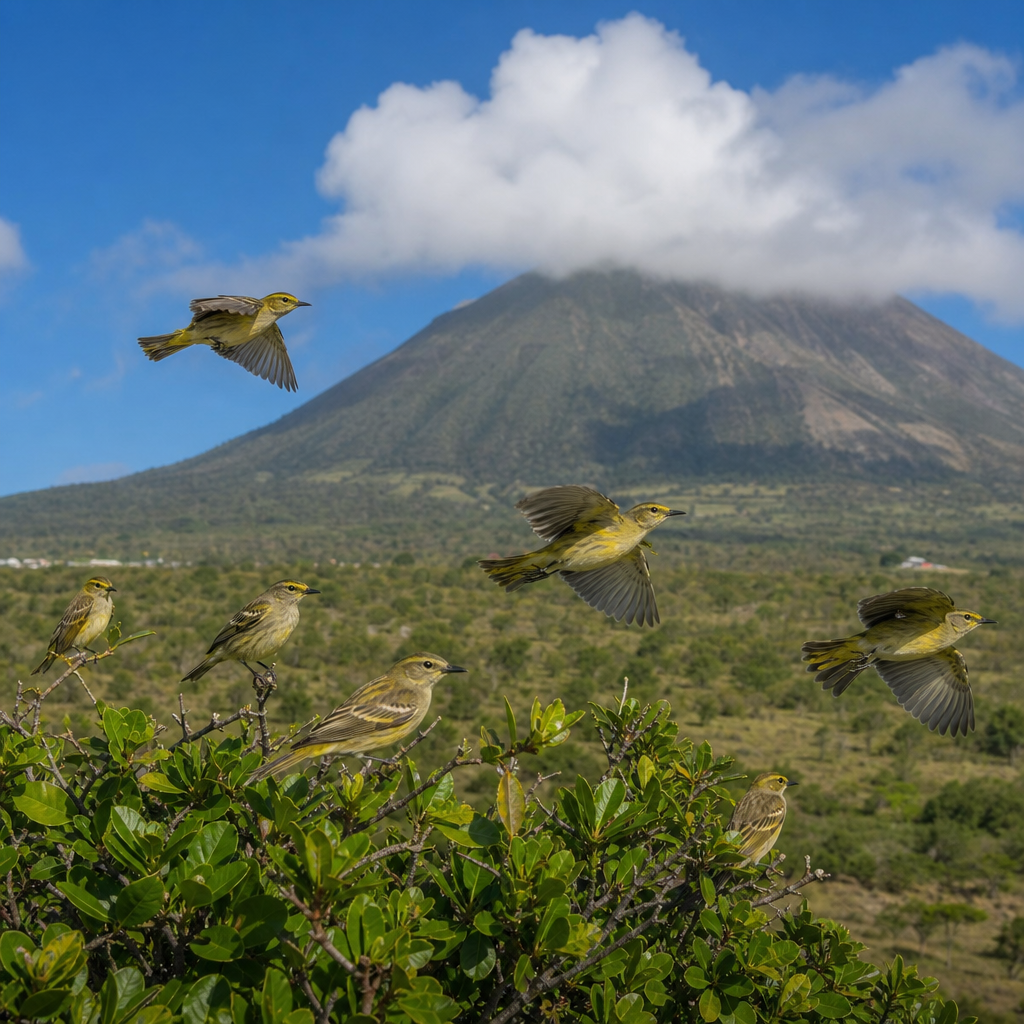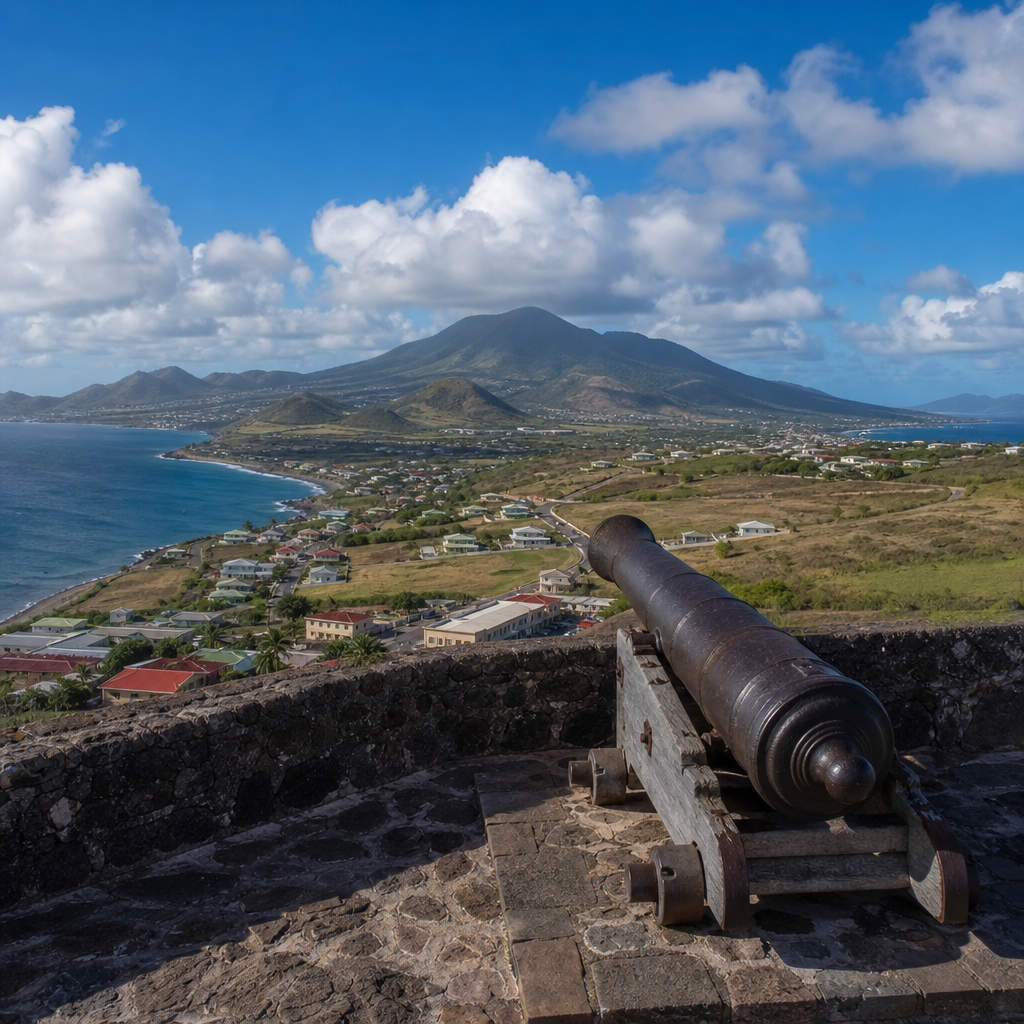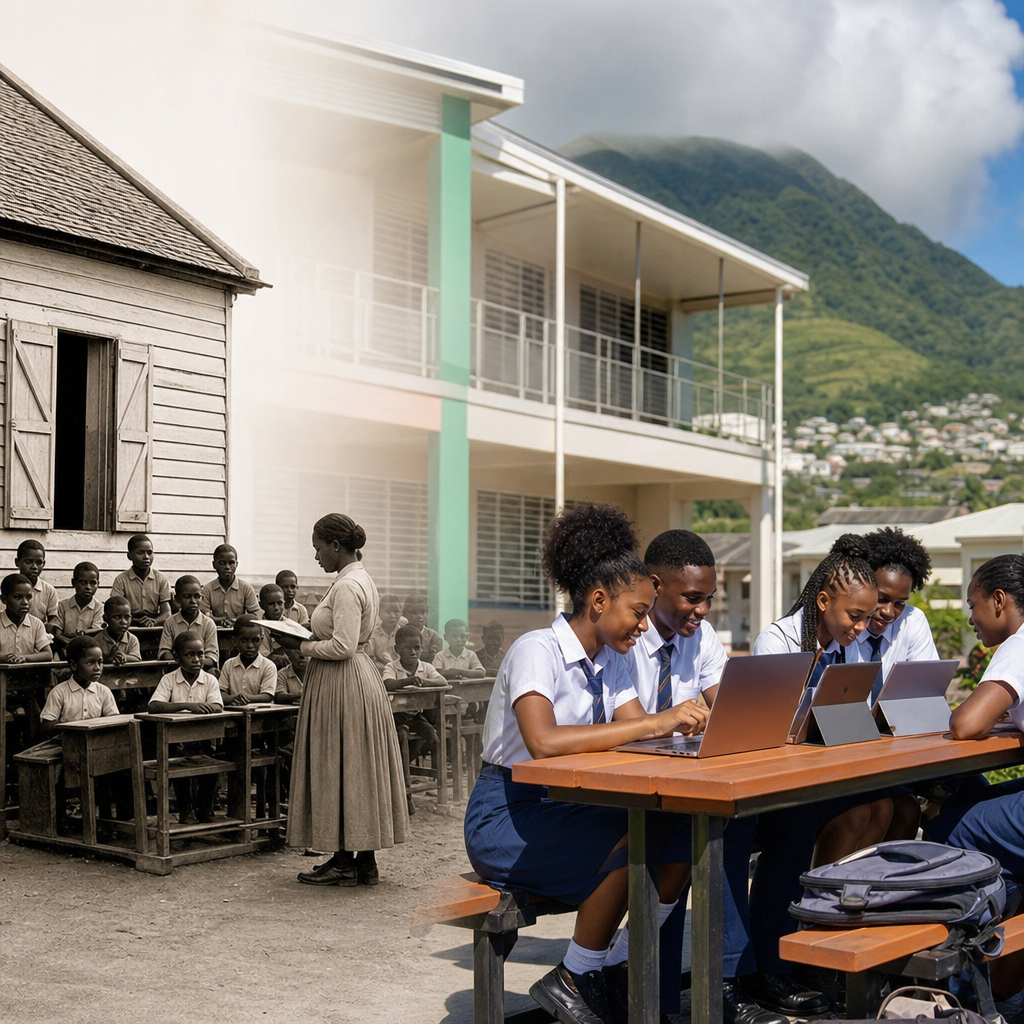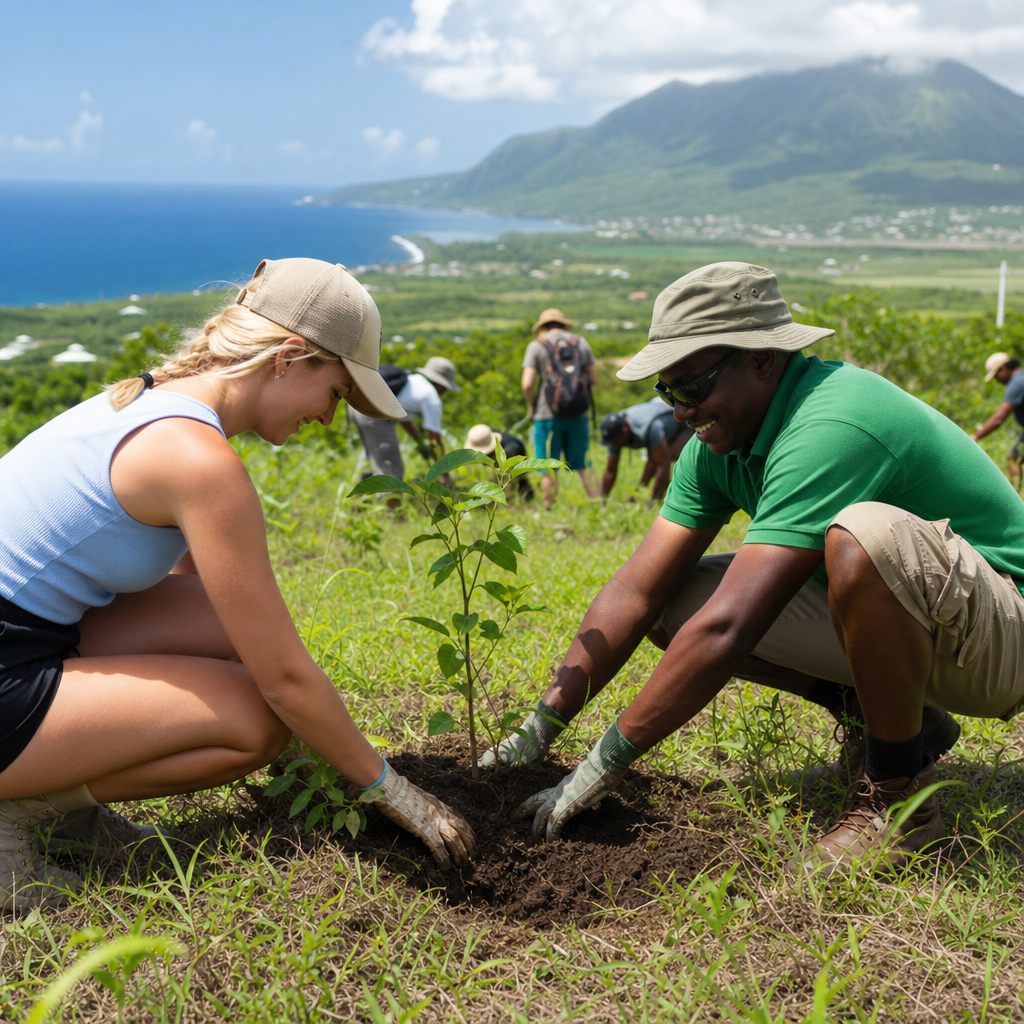
Tree planting activities for tourists in Nevis offer a practical way to experience the island beyond its beaches while contributing to long-term environmental health, community resilience, and the future of sustainable tourism. Nevis, the smaller island in the Federation of Saint Kitts and Nevis, is known for Nevis Peak, coastal villages, historic estates, and a tourism model that still feels personal rather than industrial. That scale matters. On a compact island, land use decisions, storm impacts, freshwater protection, biodiversity loss, and visitor behavior are closely linked, so even modest conservation programs can produce visible results. When travelers join a tree planting activity, they are not simply placing a seedling in the ground. They are participating in watershed protection, habitat restoration, erosion control, carbon storage, and local education efforts that strengthen the island’s natural systems.
In practice, tree planting tourism in Nevis usually sits within a broader set of environmentally responsible travel experiences. These can include heritage farm visits, guided rainforest walks, beach cleanups, school garden partnerships, hotel sustainability programs, and community volunteer days. The term tree planting activities for tourists in Nevis therefore covers several formats: organized hotel excursions, nonprofit-led restoration days, school or village greening projects, corporate incentive group service events, and customized eco-tours that combine learning with hands-on fieldwork. Some focus on native species in upland areas, while others emphasize fruit trees, coastal stabilization, shade creation, or ornamental planting in public spaces. The most credible programs are not symbolic photo opportunities. They are tied to site assessments, species selection, seasonal rainfall patterns, maintenance plans, and local priorities.
This matters for two reasons. First, travelers increasingly want measurable positive impact from their trips, not just low guilt consumption. Second, islands like Nevis face specific environmental pressures that make restoration work useful when done well. Intense rainfall can wash away exposed soil. Drought periods can stress young trees. Hurricanes can damage mature canopy cover. Development, invasive plants, and fragmented habitats can reduce ecological resilience. I have seen the difference between a well-designed planting day and a poorly planned one: the former starts with clear goals, locally appropriate species, trained guidance, and aftercare; the latter ends with dead seedlings and good intentions. For visitors deciding how to spend their time and money, understanding that difference is the key to choosing a worthwhile activity.
Why tree planting fits sustainable tourism in Nevis
Tree planting aligns naturally with sustainable tourism in Nevis because it creates a direct exchange between visitor presence and local environmental benefit. Tourism depends on healthy landscapes, reliable water resources, pleasant microclimates, scenic roads, and biodiversity-rich experiences. Trees support all of those assets. In upland and roadside areas, root systems help stabilize soil and reduce runoff. In settlement areas, shade trees lower surface temperatures and improve walkability. In agroforestry settings, fruit and timber trees can diversify farm income while protecting soil. In schoolyards and public parks, planted trees become visible reminders that environmental stewardship is part of local identity rather than an imported trend.
Nevis is especially suitable for this kind of activity because the island’s tourism brand already includes wellness, heritage, nature, and low-density luxury. Visitors often arrive seeking a slower pace and more meaningful engagement than they would get in larger cruise-dominated destinations. A tree planting excursion can fit neatly into that expectation. Guests may spend a morning with a guide learning about endemic and native species, historical land use, and watershed dynamics, then join a planting session and return with a clearer sense of place. Hotels and villas also benefit. Purposeful activities extend guest spend, strengthen sustainability messaging, and create stories visitors share long after departure.
The strongest argument, however, is practical rather than promotional. Trees are infrastructure. They intercept rainfall, improve infiltration, store carbon, cool built areas, support pollinators, and add habitat complexity. The Food and Agriculture Organization, the International Union for Conservation of Nature, and many Caribbean resilience initiatives consistently emphasize that restoration succeeds when it responds to local ecology and community use. In Nevis, that can mean planting species suited to elevation, wind exposure, salt tolerance, or soil depth rather than choosing whatever looks attractive in a nursery. Tourists who join well-run programs get more than a volunteer moment; they gain a grounded lesson in how island sustainability actually works.
What tourists can expect from a tree planting experience
A typical tree planting activity for tourists in Nevis begins with orientation, not digging. Organizers usually explain the site, the objective of the project, and the species being used. Visitors may hear why one slope needs deep-rooted natives, why a school prefers shade trees around play areas, or why a coastal site requires salt-tolerant varieties. Equipment is simple: gloves, spades, water, mulch, and sometimes stakes or guards. Good operators also discuss footwear, hydration, sun protection, and terrain, since planting may take place on uneven ground or after rain.
The activity itself is usually accessible to beginners. Participants are shown how wide and deep to dig, how to loosen roots if a seedling is pot-bound, where the root flare should sit relative to the soil line, and how to firm the soil without compacting it too heavily. Mulching matters because it reduces moisture loss and suppresses weeds, but mulch should not be piled against the trunk. Watering after planting is essential, especially on exposed sites. These practical details sound small, yet they largely determine survival rates. I have worked on volunteer planting days where half the educational value came from correcting common mistakes such as burying trunks too deep or planting unsuitable species too close together.
Many programs add interpretation so the day feels connected to Nevis rather than generic volunteer tourism. A guide might explain the role of forest cover around Nevis Peak, the legacy of plantation agriculture, or the importance of restoring tree cover near ghauts and drainage lines. Some experiences combine planting with birdwatching, medicinal plant knowledge, composting demonstrations, or visits to farms using mixed cropping systems. The best tours answer obvious traveler questions directly: How long does it take? Usually two to four hours. Is it physically demanding? Often moderate, but site dependent. Can children join? Frequently yes, with supervision. Do you return to see the tree? Sometimes, through GPS mapping, photo updates, or repeat visits on future trips.
Types of tree planting projects available on the island
Not all tree planting projects in Nevis serve the same purpose, and travelers should understand the differences before booking. Some programs focus on ecological restoration. These typically use native or well-adapted species to rebuild canopy, improve habitat connectivity, and protect slopes or water catchments. Other projects are community greening efforts that place shade or fruit trees in villages, school compounds, playing fields, churches, and roadside corridors. These deliver social benefits quickly because residents see and use the results every day. A third category involves agroforestry, where trees are integrated into working farms to improve soil, reduce heat stress, support pollinators, or diversify harvests.
Hotel-based sustainability programs form another important segment. A resort may partner with local environmental groups to let guests plant trees on estate grounds or nearby community sites. When managed seriously, these programs can fund nursery operations, maintenance crews, and educational materials. When managed poorly, they risk becoming transactional gestures with little ecological value. Ask whether the site was selected by local experts, what species are used, and who maintains the trees for at least the first year. If those answers are vague, the activity is likely more marketing than restoration.
| Project type | Main goal | Typical species choice | Best for travelers who want |
|---|---|---|---|
| Forest restoration | Erosion control, habitat, watershed protection | Native or site-adapted canopy trees | High environmental impact and learning |
| Community greening | Shade, beautification, public use | Shade trees, fruit trees, hardy ornamentals | Visible local benefit and easy participation |
| Agroforestry planting | Farm resilience and diversified production | Fruit, timber, nitrogen-fixing support species | Interest in food systems and rural livelihoods |
| School projects | Education and campus cooling | Small shade trees, fruit trees, teaching garden species | Family-friendly service experiences |
| Hotel partnership projects | Guest engagement and funding support | Mixed, depending on site plan | Convenient booking through accommodation |
Because this page serves as a miscellaneous hub within sustainable tourism, it is useful to note that related activities often overlap. Travelers interested in tree planting in Nevis are also likely to value wildlife tours, regenerative agriculture visits, low-impact hiking, heritage landscape interpretation, reef-safe coastal excursions, and volunteer opportunities tied to schools or community groups. Tree planting acts as a gateway experience: once visitors understand how land, water, farming, climate, and tourism connect, other responsible activities on the island make more sense.
Choosing a credible program and avoiding greenwashing
The easiest way to evaluate a tree planting activity in Nevis is to ask five direct questions. What problem is this project solving? Which species are being planted, and why? Who selected the site? What maintenance happens after tourists leave? How is success measured? Credible organizers answer these questions clearly. They may mention survival rates, rainy-season scheduling, partnerships with schools or government departments, nursery sourcing, and follow-up watering. They should also be honest about limitations. A newly planted tree does not offset a flight in any simple way, and restoration gains take years to mature. Programs that acknowledge that reality are usually more trustworthy than those making dramatic climate claims.
Species selection is one of the strongest signals of quality. In Caribbean island restoration, “right tree, right place” is non-negotiable. Native species often provide the best habitat value, but not every site requires an exclusively native palette. Community spaces may need durable shade trees. Farms may need productive fruit species. Wind-exposed ridges require different choices than sheltered schoolyards. Good projects explain this nuance. They also avoid invasive species and consider spacing, mature canopy size, and conflicts with utilities or structures. If an operator cannot name the species or their purpose, that is a warning sign.
Maintenance planning matters even more than planting day enthusiasm. Young trees in tropical climates face weed competition, browsing, drought stress, and storm damage. Without watering, mulching, and replacement of losses, survival drops quickly. Serious programs budget for care over months or years, often using local staff, volunteers, or school groups. Some track plantings digitally with simple maps or tagged records. Others provide guests with updates, which helps build repeat visitation and trust. From my experience, the most successful visitor programs are the ones that treat tourists as temporary contributors to a long-term local process, not as the heroes of the story.
Best practices for visitors before, during, and after planting
Preparation improves both the visitor experience and the project outcome. Before joining a tree planting activity in Nevis, confirm the meeting point, duration, transport, and weather policy. Wear closed-toe shoes with grip, lightweight long sleeves if possible, and clothing you do not mind staining. Bring water, reef-safe sunscreen if the day includes coastal time, insect repellent where appropriate, and a hat. If you have mobility limits, ask whether the site is flat, muddy, steep, or exposed. Responsible operators welcome these questions because matching participants to the right project reduces risk and increases satisfaction.
During the activity, listen carefully to local instructions even if you have planted trees elsewhere. Soil conditions, rainfall, and species handling vary by site. Avoid stepping on root zones or piling excavated soil against neighboring seedlings. Take photos, but do not slow down the group during tool use or safety briefings. If children are participating, assign each one a clear role such as mulching, watering, or labeling rather than leaving them to improvise. Many family groups find that planting becomes more meaningful when a guide connects the tree to a story about storms, birds, fruit, or village history.
After the activity, extend the impact. Support local nurseries, donate to community environmental groups, choose accommodations with measurable sustainability practices, and return for other low-impact experiences on the island. Share accurate information rather than exaggerated claims. Saying “we helped plant native shade trees at a school in Nevis” is better than claiming to have solved climate change. If the operator offers updates, follow them. If the site welcomes repeat visits, check on the trees during a future trip. Sustainable tourism works best when one small action leads to a longer relationship with place, people, and stewardship.
Why this hub matters for sustainable travel planning in Nevis
Tree planting activities for tourists in Nevis deserve attention because they translate sustainable tourism from an abstract promise into a visible, local, and teachable practice. The best programs improve landscapes, support communities, and help visitors understand the island’s environmental realities. They use appropriate species, answer practical questions, and commit to maintenance after the planting day ends. They also connect naturally to broader interests such as farming, hiking, education, heritage, and climate resilience, making them a strong hub topic within the wider sustainable tourism landscape.
For travelers, the main benefit is simple: you leave Nevis with more than photos. You leave having contributed to shade, soil protection, habitat, and community value in a way that respects local knowledge. For tourism businesses and organizers, well-run tree planting builds credibility because it demonstrates care, not just messaging. If you are planning a responsible trip, make tree planting one of the experiences you compare carefully, book thoughtfully, and follow up on afterward. Start with a credible local program, ask good questions, and let that experience guide the rest of your sustainable travel choices in Nevis.
Frequently Asked Questions
What are tree planting activities for tourists in Nevis, and why are they becoming popular?
Tree planting activities in Nevis give visitors a chance to take part in hands-on environmental work during their stay, usually by joining a guided planting session organized by a hotel, local conservation group, community initiative, or eco-focused tour provider. Instead of experiencing the island only through beaches, dining, and sightseeing, travelers can contribute directly to landscape restoration, biodiversity support, and long-term climate resilience. On a small island like Nevis, these efforts can have a visible and meaningful impact because forests, watersheds, coastal buffers, and agricultural land are all closely connected to daily life, tourism, and storm recovery.
These activities are becoming more popular because many travelers now want experiences that feel purposeful as well as memorable. Nevis already appeals to visitors looking for a more personal and less industrial tourism model, so conservation-based experiences fit naturally with the island’s character. Planting a tree can also create a stronger sense of connection to place. Visitors learn about native species, erosion control, rainfall patterns, food security, and how healthy vegetation supports everything from hillside stability to community wellbeing. For many tourists, it turns a holiday into something more participatory, educational, and lasting.
What kinds of trees do tourists usually plant in Nevis?
The species chosen for tourist tree planting in Nevis depend on the specific goals of the project, the location, and local environmental priorities. In some cases, visitors may help plant native or ecologically valuable species that support habitat restoration, watershed protection, and soil stability, especially in areas affected by erosion or land-use pressure. In other programs, fruit trees or useful community species may be selected to support food access, shade, education, or neighborhood beautification. The exact species should ideally be chosen by local experts who understand the island’s ecology, rainfall conditions, elevation, and long-term land management needs.
This matters because successful tree planting is not just about putting any seedling in the ground. The right tree has to match the site. Coastal areas, slopes, school grounds, historic estates, and community open spaces all have different needs. Well-planned projects consider root systems, wind tolerance, water demand, survival rates, and maintenance requirements. The most responsible programs also avoid treating tree planting as a symbolic photo opportunity. Instead, they focus on species that will thrive and provide real benefits over time, whether that means strengthening a landscape against heavy rain, creating shade, improving biodiversity, or contributing to the island’s broader sustainability goals.
Do I need any experience or special equipment to join a tree planting activity in Nevis?
No prior experience is usually required. Most tree planting activities for tourists in Nevis are designed to be accessible to beginners and are led by guides, environmental staff, or community organizers who explain the process step by step. Participants are typically shown how to handle a seedling, prepare the planting hole, place the tree at the correct depth, and secure the soil properly. If mulch, compost, watering, or protective barriers are part of the program, those instructions are usually included as well. The focus is on making the experience meaningful and manageable rather than technical or physically intense.
In terms of equipment, organizers often provide the essentials such as gloves, small tools, and planting materials, but visitors should still come prepared for outdoor conditions. Lightweight clothing, closed-toe shoes, sunscreen, insect repellent, a hat, and water are generally smart choices. Because Nevis can be warm and humid, comfort matters. Some sites may also involve uneven ground, mud, or short walks, so practical footwear is important. If you have mobility concerns or health limitations, it is a good idea to ask in advance about terrain, duration, weather exposure, and the level of physical activity involved. Reputable providers are usually happy to explain what to expect.
How does planting trees in Nevis actually help the island and local communities?
Tree planting can support Nevis in several practical ways, especially because small islands are highly sensitive to land use changes, storms, drought, and environmental degradation. Trees help stabilize soil, reduce runoff, support watershed health, and improve the landscape’s ability to absorb rainfall. In vulnerable areas, this can lower erosion risk and help protect the long-term productivity and resilience of the land. Trees also create habitat, contribute to cooler microclimates, improve visual quality, and in some cases support food systems or community spaces. When projects are planned well, they become part of a broader environmental strategy rather than an isolated tourism activity.
There is also a social and economic dimension. Sustainable tourism in Nevis depends on maintaining the island’s natural appeal without overwhelming it. Tree planting gives visitors a way to invest in that future while supporting local stewardship. Programs may involve schools, farmers, neighborhood groups, hospitality businesses, or conservation partners, which can strengthen community engagement and environmental awareness. Just as important, these activities can shift tourism away from purely passive consumption and toward shared responsibility. For visitors, planting a tree is a small act. For a compact island where ecosystems and livelihoods are closely linked, many small acts carried out thoughtfully can add up to something significant over time.
How can tourists choose a responsible tree planting program in Nevis?
The best way to choose a responsible program is to look for one that is locally connected, transparent about its goals, and focused on long-term care rather than one-time participation. A quality tree planting initiative should be able to explain where the trees are being planted, why that site was chosen, what species are being used, who maintains the trees afterward, and how the effort fits into local environmental or community priorities. Programs that collaborate with Nevis-based organizations, land managers, schools, or conservation leaders are generally more credible because they are grounded in local knowledge and ongoing stewardship.
It is also wise to ask whether the project tracks survival rates, replaces failed seedlings when needed, and avoids planting in unsuitable or sensitive areas just for visitor convenience. Responsible initiatives understand that planting is only the first step; watering, monitoring, and site management determine whether the trees actually mature. If a provider talks only about the experience and not about aftercare, that is a sign to ask more questions. The most worthwhile programs are those that treat tourists as contributors to a genuine island effort, not as customers buying a symbolic eco moment. In Nevis, where the scale of the island makes environmental decisions especially meaningful, thoughtful, well-managed planting programs offer the greatest value for both visitors and the community.