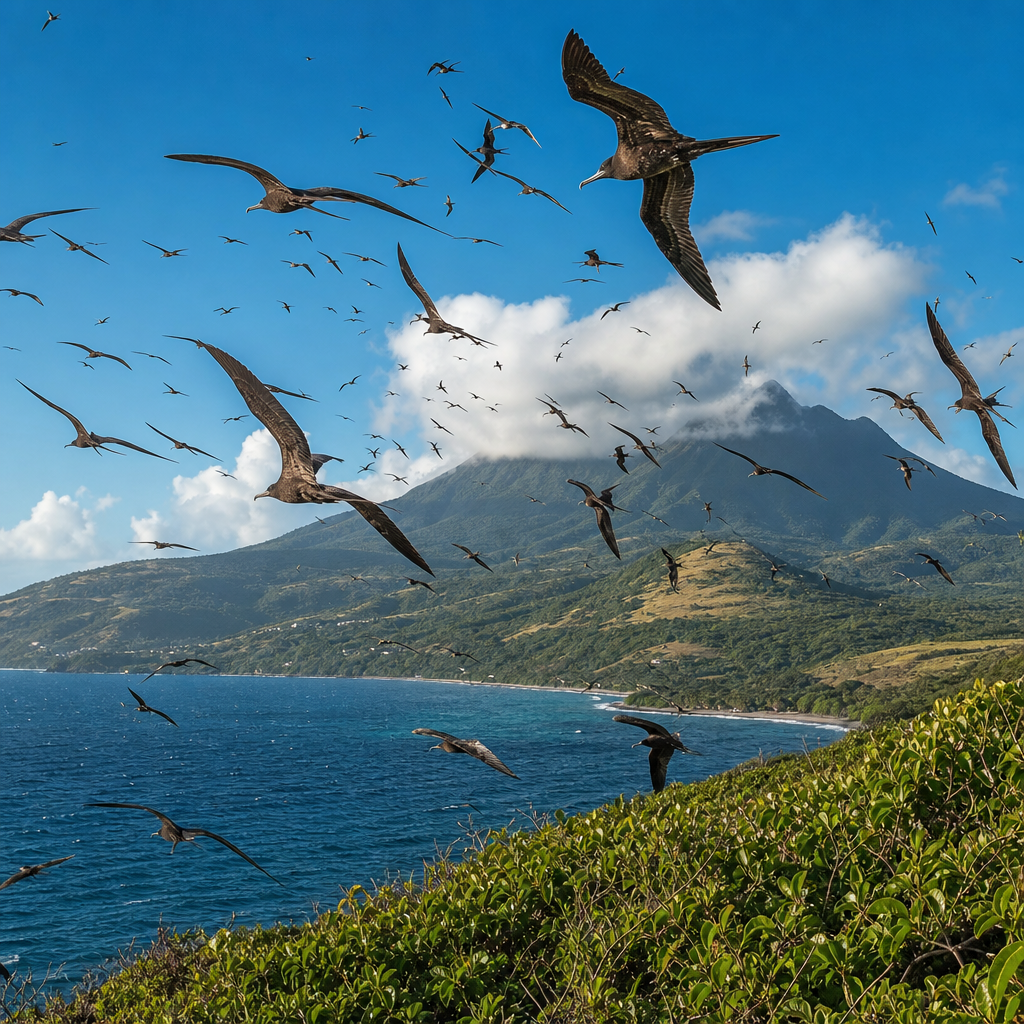
Nestled in the heart of the Caribbean, the island of Saint Kitts offers more than just sun-soaked beaches and historical sites. It’s a haven for nature enthusiasts and adventure seekers alike, with its lesser-known natural wonders like the intriguing caves scattered across the island. These caves are not only a gateway to understanding the geological history of the island but also a habitat for diverse wildlife.
The Allure of Saint Kitts’ Caves
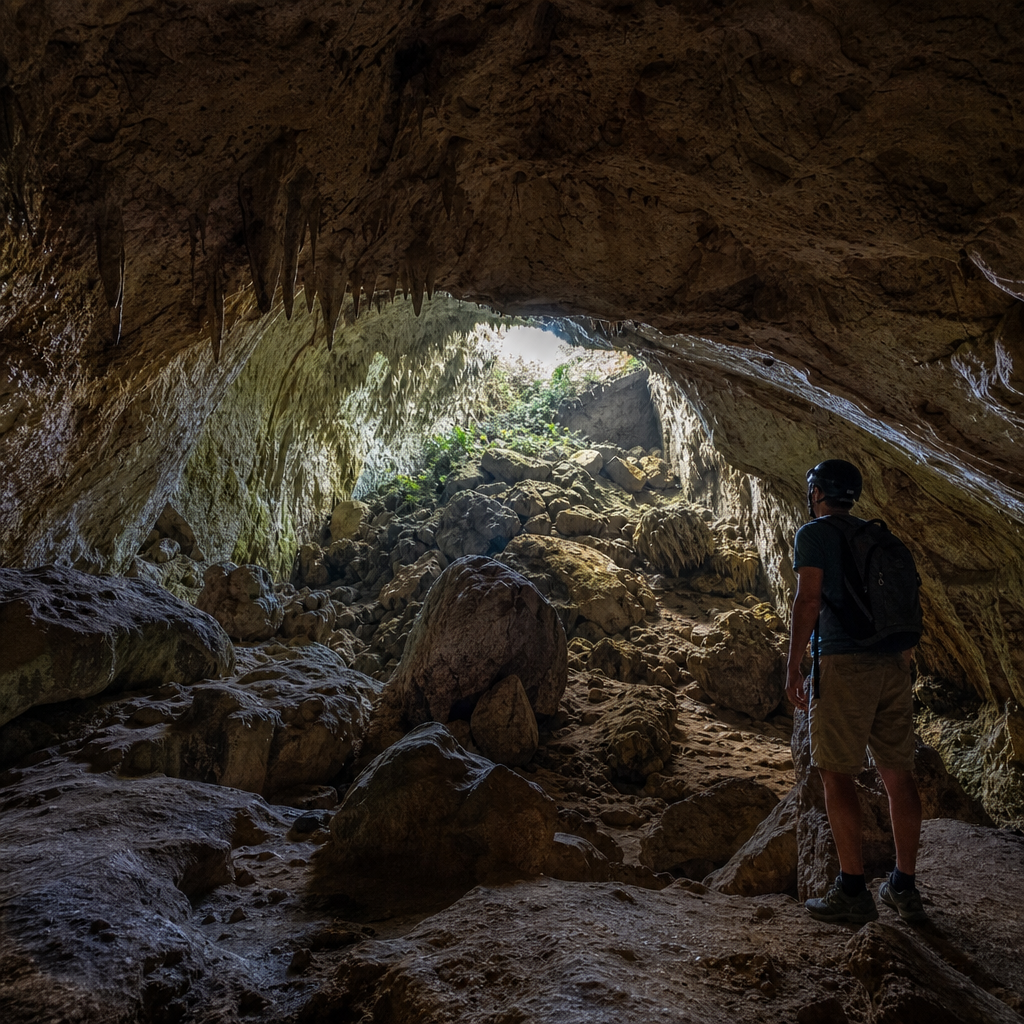
The caves of Saint Kitts, formed from both volcanic and limestone origins, provide a fascinating glimpse into the natural forces that have shaped this beautiful island. These hidden gems are tucked away in various parts of the island, often surrounded by lush rainforests or perched near rugged coastlines, making them perfect for a day of exploration and adventure.
Key Caves to Explore
- Bat Cave: Perhaps the most famous of Saint Kitts’ caves, the Bat Cave is aptly named for its inhabitants. Located near the village of Sandy Point, this cave is a significant roosting site for several species of bats. Visitors can observe these nocturnal creatures and learn about their crucial role in the ecosystem as pollinators and insect controllers.
- Booby Island Caves: Situated on a small rocky island off the coast, these sea caves are accessible only by boat. They offer a thrilling experience as the ocean swells move in and out of the caverns, creating a unique acoustic phenomenon. It’s a prime spot for snorkeling and witnessing marine life in its natural habitat.
- Lava Tube Caves: These geological formations result from flowing lava that cools and solidifies on the outside while the molten inside continues to flow, eventually forming a hollow tube. Exploring these caves offers a rare look at the volcanic activity that has played a crucial role in forming the island’s landscape.
Planning Your Cave Exploration
Exploring the caves of Saint Kitts requires a bit of planning and preparation. Here are some tips to ensure a safe and enjoyable adventure:
- Hire a Local Guide: Navigating the caves can be tricky, and local guides not only provide valuable insights but also ensure your safety. They are familiar with the terrain and can offer stories and details that enrich the experience.
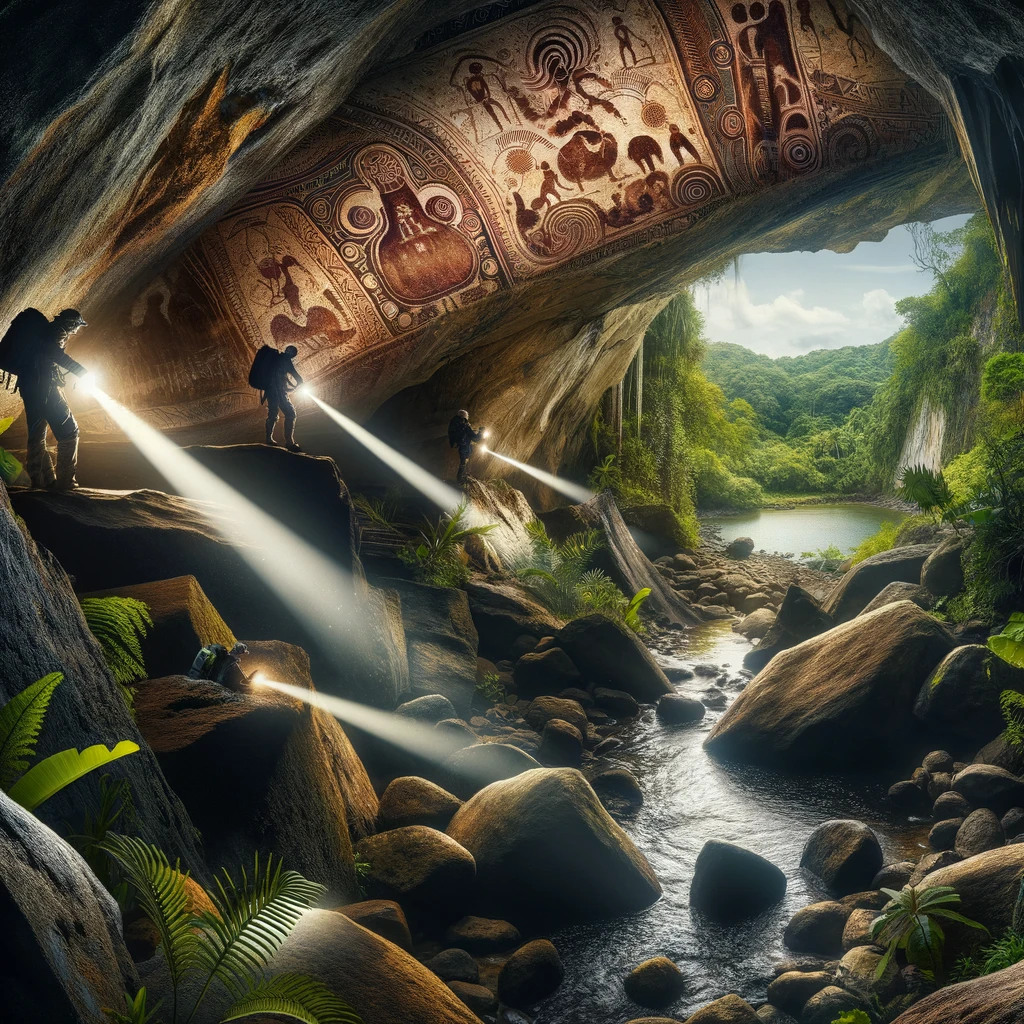
- Wear Appropriate Gear: Sturdy shoes, comfortable clothing, and a headlamp or flashlight are essential. The cave floors can be slippery, and lighting is necessary to fully appreciate the stunning formations inside.
- Respect the Environment: It’s crucial to minimize your impact on the caves. Avoid touching formations, and do not disturb the wildlife. Remember, you are in their home.
Conservation Efforts
The caves of Saint Kitts are not only natural attractions but also vital ecological assets. Various conservation programs are in place to protect these environments, focusing on preserving the native bat populations and the unique cave ecosystems. By visiting these caves, you contribute to the awareness and efforts needed to protect these crucial natural resources.
Why Visit?
Visiting the caves of Saint Kitts is more than just an adventure; it’s a journey into the heart of the island’s natural heritage. These caves offer a unique perspective on the island’s geological past, present ecological significance, and the ongoing conservation efforts. They are a testament to nature’s artistry and resilience, providing unforgettable experiences for all who venture inside.
The hidden caves of Saint Kitts are a remarkable aspect of the island’s natural landscape, offering an adventurous escape for those looking to explore beyond the typical tourist paths. Whether you are a seasoned spelunker or a curious traveler, the caves of Saint Kitts provide an extraordinary opportunity to connect with nature and discover the island’s hidden wonders.
Wildlife Encounters in Saint Kitts’ Caves
Exploring the caves of Saint Kitts is not just about admiring the geological formations; it’s also an opportunity to encounter unique wildlife. The caves are home to various species that have adapted to the dark and humid environment. These include different types of bats, which are the most prominent cave dwellers. Insect life, such as cave crickets and unique species of spiders, also thrive in these environments. Observing these creatures can be a highlight for wildlife enthusiasts and helps underscore the importance of these caves as biodiverse habitats.
Ecological Significance
The ecological importance of the caves in Saint Kitts extends beyond providing shelter for wildlife. They play a critical role in the local ecosystem by supporting a complex food web. The guano (bat droppings) produced by the bat populations is a rich nutrient source that supports a variety of cave-adapted organisms. This makes the caves key areas for biological research and provides insights into the health of the broader environmental system on the island.
Enhancing Your Cave Exploration Experience
While the caves themselves offer plenty of intrigue, combining your visit with other activities on Saint Kitts can enrich your experience. Consider the following add-ons to make the most of your adventure:
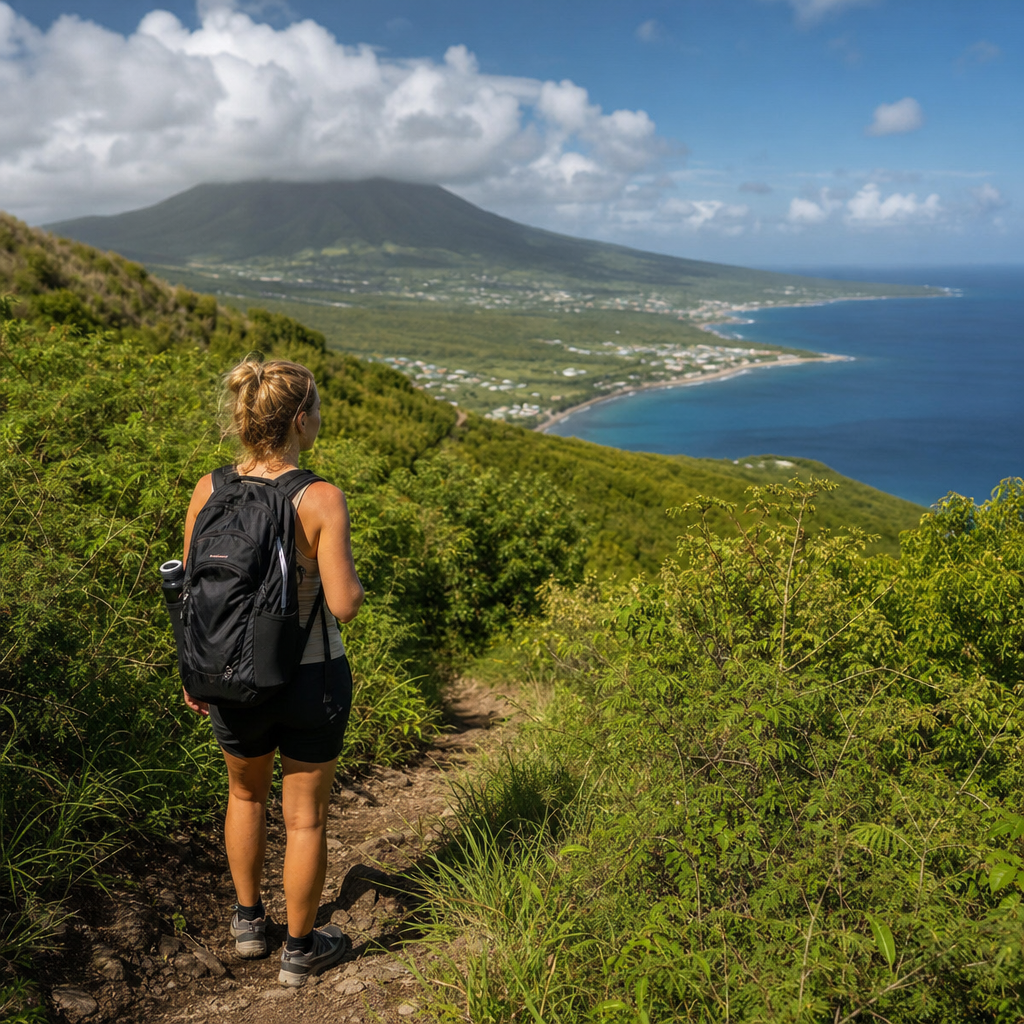
- Hiking Trails: Many caves are located near scenic hiking trails that offer breathtaking views of the island’s landscape. Combining a cave visit with a hike allows for a full day of exploration and the opportunity to see different aspects of the island’s natural beauty.
- Beach Relaxation: After a day of spelunking, relaxing on one of Saint Kitts’ beautiful beaches provides the perfect end to an adventurous day. The contrast between the cool, enclosed caves and the warm, open beaches can be particularly satisfying.
- Cultural Tours: Learning about the local culture and history can complement your understanding of the natural landscape. Visiting nearby historical sites or participating in a cultural tour can provide insights into how the natural features of the island have influenced its human history.
Visitor Information
When planning your visit to the caves of Saint Kitts, consider the following practical information to ensure a smooth and enjoyable trip:
- Best Time to Visit: The dry season, from January to April, is the best time to explore the caves as the paths are less slippery and the weather is more predictable.
- Access and Fees: Some caves may require an entrance fee or a donation, which goes towards conservation efforts and maintaining access paths. Always check in advance for any required permits or fees.
- Safety Considerations: Always prioritize safety by checking local conditions, staying on designated paths, and following all guidelines provided by tour guides.
Conclusion
The hidden caves of Saint Kitts offer an exceptional adventure for nature lovers and thrill-seekers alike. By exploring these remarkable formations, visitors not only witness the raw beauty of nature but also contribute to the preservation of these important ecological areas. Each cave visit supports local conservation efforts and increases awareness of the natural diversity and ecological importance of these unique habitats. So, pack your gear, hire a guide, and prepare to explore the depths of Saint Kitts’ remarkable caves, where adventure and discovery await at every turn.