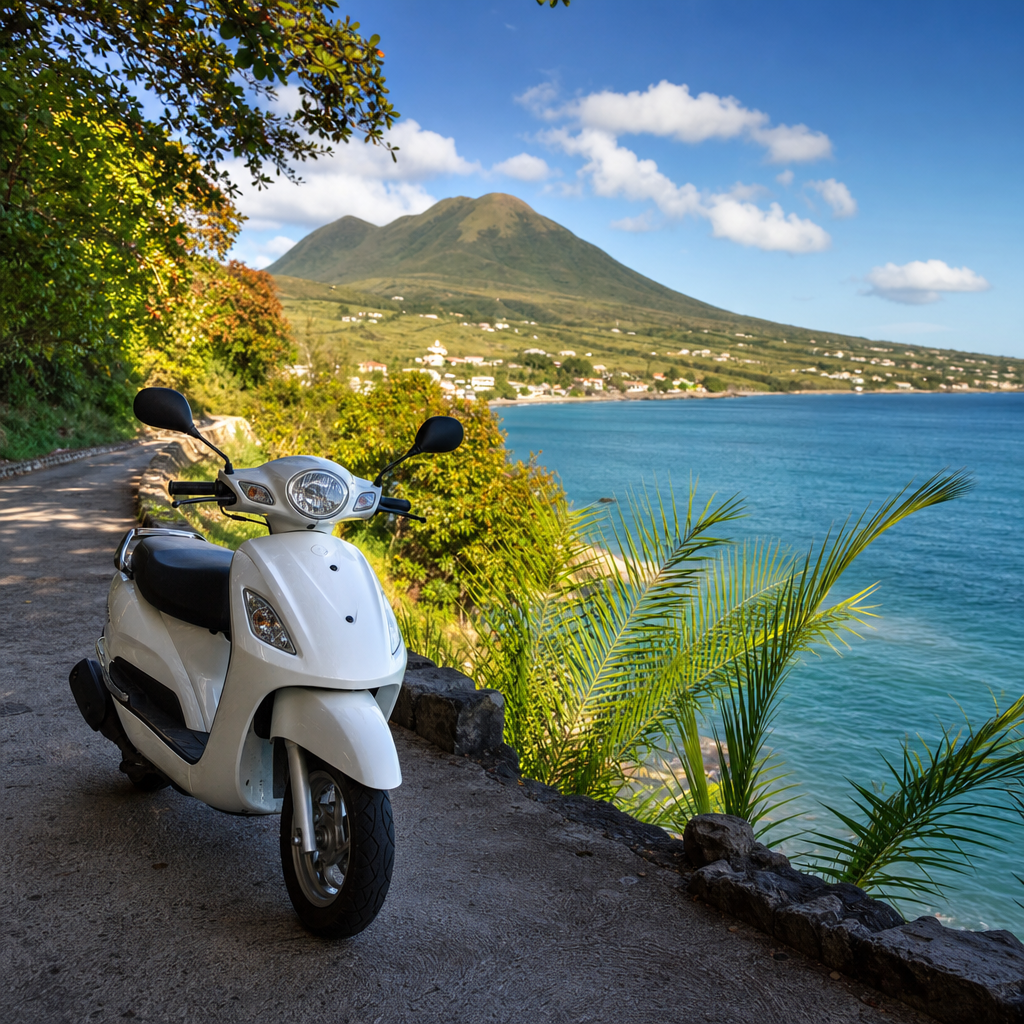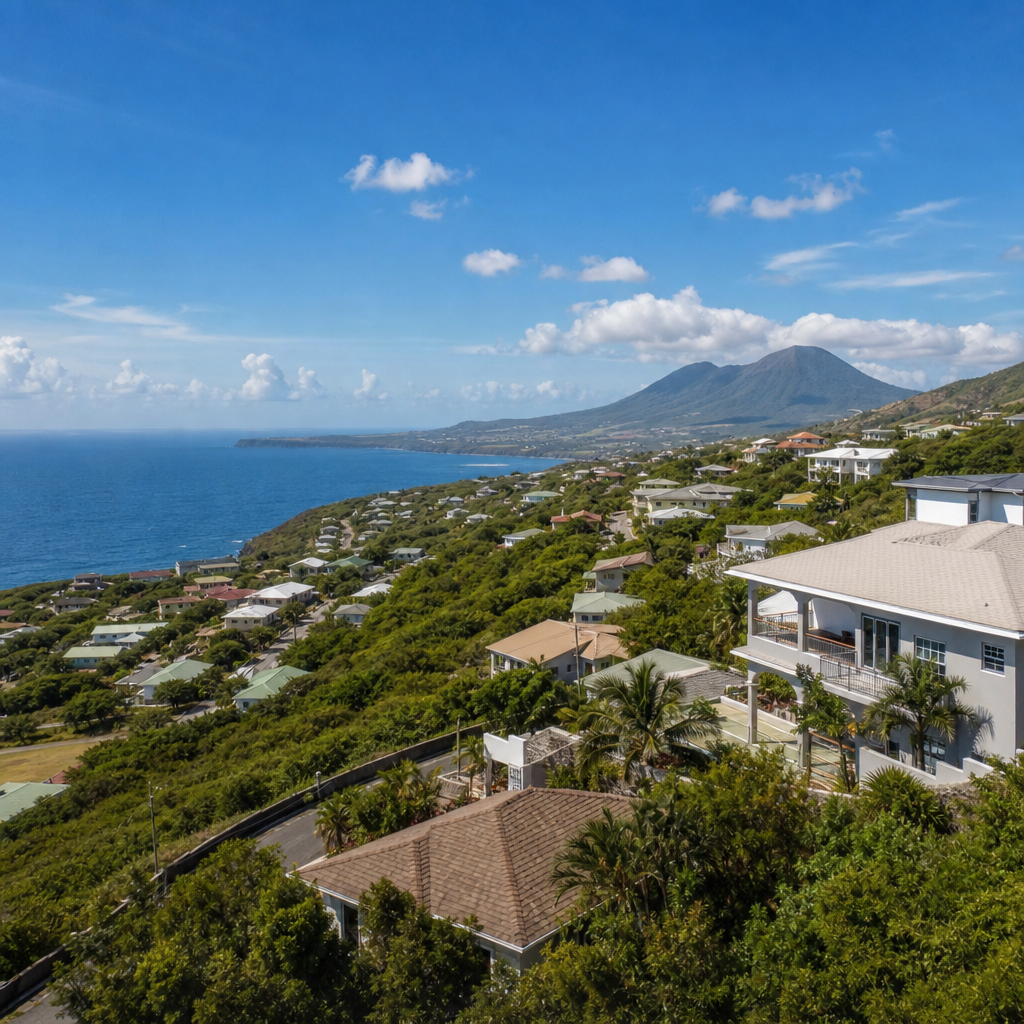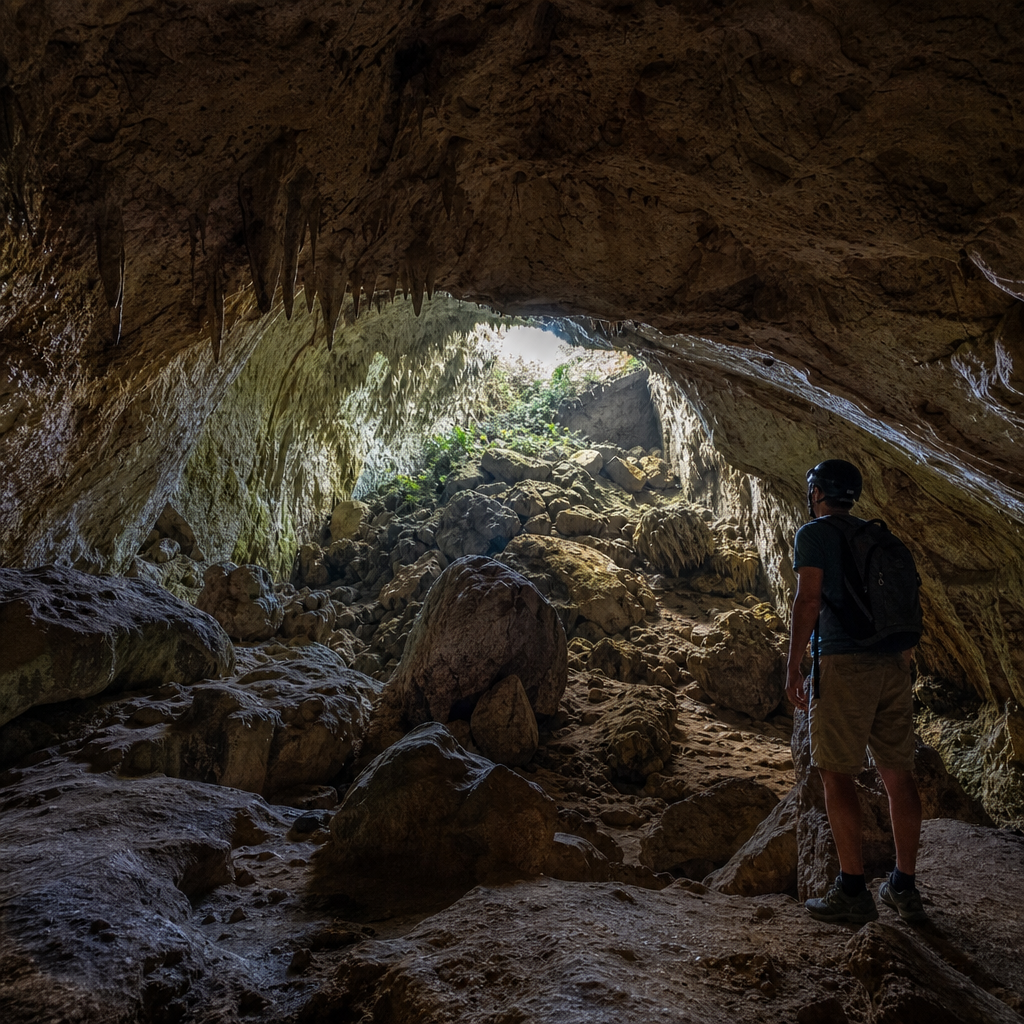
Saint Kitts’ volcanic landscape hides an overlooked side of the island: a network of caves, rock shelters, sinkholes, and lava-formed recesses that turn an ordinary nature trip into a subterranean adventure. Cave exploration in Saint Kitts means visiting natural underground spaces shaped by eruptions, erosion, groundwater, and centuries of tropical weathering, then understanding how those places connect to wildlife, archaeology, local history, and conservation. As a hub within the wider Nature and Wildlife topic, this guide covers the miscellaneous dimensions that travelers often miss, from geology and bats to safety, access, gear, and responsible tourism. I have planned field itineraries across the Eastern Caribbean, and Saint Kitts consistently stands out because its compact size lets visitors move from rainforest trails to coastal cliffs and hidden cavities in a single day. That variety matters. Caves are not only dramatic photo stops; they are records of how the island was built, shelters for sensitive species, and windows into precolonial and colonial life. Understanding them adds depth to hiking, birding, and heritage travel while helping visitors avoid common mistakes such as entering unstable voids without a guide or disturbing roosting animals.
What makes Saint Kitts cave exploration distinctive
Saint Kitts is part of the Lesser Antilles volcanic arc, so its underground spaces differ from the classic limestone cave systems many travelers picture in places such as Mexico or Belize. Here, exploration often involves sea caves, volcanic fissures, overhangs, stream-cut cavities, and weathered rock chambers rather than miles of decorated stalactite passages. The island’s geology is dominated by volcanic peaks, including Mount Liamuiga, with layers of ash, lava, and pyroclastic material altered by rainfall and dense vegetation. In plain terms, Saint Kitts’ caves are products of fire and water working together over long periods.
That geologic origin creates a more rugged, less commercialized experience. Most sites are not heavily developed attractions with handrails and lighting. Instead, they are best approached as part of guided nature excursions, heritage hikes, or specialist outdoor tours. For travelers, the advantage is authenticity. You encounter caves within living landscapes where vervet monkeys move through the canopy, hermit crabs patrol coastal approaches, and seabirds nest near cliff openings. For researchers and conservation-minded visitors, the island is especially valuable because small cave habitats can reveal outsized ecological and cultural information.
Geology beneath the adventure
To appreciate Saint Kitts’ subterranean spaces, start with the island’s volcanic history. Mount Liamuiga, a stratovolcano rising roughly 1,156 meters above sea level, anchors the island’s topography. Over time, eruptive deposits created uneven terrain with weak zones that fractured, collapsed, and eroded. Heavy tropical rainfall then exploited those weaknesses, carving gullies, enlarging cavities, and transporting sediment downslope. Along the coast, wave action undercut softer layers and formed sea caves and notches. The result is a patchwork of underground and semi-underground environments rather than one signature cave belt.
In the field, this means explorers should expect variation. One site may be a broad shelter with a dry floor and evidence of historic use. Another may be a damp recess reachable only at low tide, with slippery algae and wave surge. Higher-elevation cavities can feel cooler and more enclosed because vegetation reduces direct sun and traps moisture. These differences affect wildlife presence, footing, and the level of technical skill required. They also explain why local guides are indispensable: cave conditions on volcanic islands can change quickly after storms, and GPS alone does not tell you whether an approach gully is safe.
Wildlife found in and around caves
Caves in Saint Kitts are ecological assets, even when they seem small. Bats are the most important cave-associated mammals in the Caribbean, and they play measurable roles in insect control, pollination, and seed dispersal. Depending on the site, explorers may encounter roosting bats in dark recesses, especially where humidity and shelter remain stable. The rule is simple: observe quietly, use red or low-intensity light when possible, and never shine beams directly into a cluster of animals. Disturbance forces bats to burn energy reserves, which is especially harmful during breeding periods.
Beyond bats, cave entrances often act as microhabitats. Spiders, moths, geckos, land crabs, and moisture-loving invertebrates exploit the cooler, darker conditions near openings. Coastal cavities may support nesting seabirds on ledges above the surf zone, while forested overhangs can shelter amphibians during wetter months. In my route planning, I treat cave mouths as wildlife transition zones rather than empty rock. Visitors who slow down usually see more here than on exposed trails. The best practice is to spend five quiet minutes at the entrance before moving inside. Animal activity often becomes obvious only after the environment settles.
Cultural and historical significance
Saint Kitts’ caves are not only natural features. Across the Caribbean, caves and rock shelters have long served as ceremonial sites, refuges, storage areas, and waypoints. On Saint Kitts, some locations are associated with Indigenous Kalinago heritage, early settlement patterns, and oral traditions that connect landscape to memory. Even when a cave lacks formal interpretation signs, it may still hold archaeological sensitivity. Pottery fragments, charcoal traces, modified stone, or wall markings can be easy for untrained visitors to miss and easy to damage.
Colonial history also shapes how some subterranean spaces are understood. Coastal recesses could offer temporary shelter to fishers, laborers, or people moving goods along less visible routes. Inland cavities may have practical links to estate lands, water collection, or storm refuge. Because documentary records are uneven, local knowledge matters. A guide, community historian, or heritage organization can often explain why a site is meaningful long before any artifact is visible. For travelers, this transforms cave exploration from a simple adventure activity into a layered experience that ties geology to the island’s human story.
Where visitors typically explore
Most travelers will encounter Saint Kitts cave exploration through one of four contexts: rainforest hikes near volcanic slopes, coastal walks to sea caves, heritage excursions that include rock shelters, or custom eco-tours built around photography and natural history. There is no single mass-market cave attraction that defines the island. Instead, the subtopic is broad and miscellaneous by nature, which is why this hub matters. It connects the scattered forms of cave-related travel into one practical framework.
Rainforest-linked sites tend to emphasize geology, vegetation, and cooler microclimates. Coastal cave outings focus on tides, wave action, and dramatic scenery. Heritage-oriented visits place underground spaces within a narrative about Indigenous presence, sugar-era landscapes, and local lore. Specialist trips may target birding at cave entrances, bat observation, or combined trekking and scrambling. Before booking, ask three direct questions: Is the route tide-dependent, how much scrambling is involved, and what permits or landowner permissions apply? The answers usually determine whether a trip is suitable for families, casual hikers, or experienced adventurers.
Safety, gear, and trip planning essentials
Safe cave exploration in Saint Kitts starts with the assumption that undeveloped sites carry real hazards. Loose rock, sudden rain runoff, muddy slopes, sharp volcanic surfaces, poor cell coverage, and changing surf can turn a short outing serious very quickly. I advise visitors to treat cave trips more like backcountry hikes than casual beach stops. Wear grippy closed-toe footwear, bring at least one liter of water per person for short routes, and pack a headlamp even if you expect daylight. Phone flashlights fail too often to count as primary lighting.
Weather and timing matter as much as equipment. Avoid entering or approaching caves after heavy rain because flash runoff can destabilize slopes and flood low spots. Sea caves should be planned around tide state, swell forecasts, and local guidance; a cave that looks calm on arrival may become dangerous minutes later. Helmets are wise for any site with low ceilings or active scrambling. Insect repellent helps at forest edges, but apply it away from cave interiors to reduce contamination in sensitive habitats. If a guide says conditions are not right, that is not caution for show; on volcanic islands, it is professional judgment.
| Trip type | Main features | Primary risks | Recommended gear |
|---|---|---|---|
| Rainforest cave hike | Volcanic slopes, shaded trails, stream-cut recesses | Mud, roots, runoff, slips | Hiking shoes, water, headlamp, light rain shell |
| Coastal sea cave visit | Wave-cut openings, cliffs, scenic photography | Tides, swell, algae-covered rock, sharp edges | Grip shoes, dry bag, tide info, helmet |
| Heritage rock shelter tour | Cultural interpretation, archaeology context, easy walking | Artifact disturbance, uneven ground | Closed-toe shoes, camera, guide-led briefing |
| Specialist wildlife outing | Bat watching, birdlife, microhabitats | Animal disturbance, low light, biosecurity issues | Red-light torch, quiet clothing, disinfected footwear |
Responsible exploration and conservation
The first rule of cave conservation in Saint Kitts is simple: leave everything as you found it. That includes rocks, shells, feathers, bones, pottery fragments, and old glass. Removing objects strips sites of context, which is often more important than the item itself. Archaeologists, ecologists, and land managers rely on undisturbed context to interpret how a place was used and how it changes over time. Touching walls can also damage mineral films, historic markings, or fragile nesting surfaces.
Wildlife protection requires equally disciplined behavior. Keep group sizes small, limit noise, avoid flash photography near roosts, and never block an animal’s exit route. Footwear hygiene matters more than many visitors realize. In cave systems globally, pathogens carried on boots and gear have affected bat populations, so cleaning soles before and after visits is a sensible precaution even on small island trips. Responsible operators build these habits into their briefings. If a tour markets caves as thrill spaces with no mention of habitat protection or access rules, choose another provider.
How cave exploration fits the wider Nature and Wildlife experience
As a sub-pillar hub under Nature and Wildlife, Saint Kitts’ cave exploration connects naturally to hiking, birdwatching, rainforest ecology, marine landscapes, and cultural heritage travel. A morning trek near volcanic terrain can pair with an afternoon visit to coastal cavities, showing how elevation, water, and wave energy shape different habitats on the same island. Birders often combine cave-edge observation with woodland routes because cliff and forest transitions attract distinct species. Photographers can capture texture, shadow, and scale underground, then contrast those images with bright reef or canopy scenes nearby.
This miscellaneous hub also points travelers toward deeper follow-up topics. If you are most interested in geology, focus on volcanic landforms, erosion, and coastal processes. If wildlife is your priority, build an itinerary around bats, reptiles, invertebrates, and seabird habitat at cave entrances. If heritage appeals more, seek guided interpretation that links shelters and recesses to Indigenous history and colonial-era land use. That is the practical value of cave exploration in Saint Kitts: it is not an isolated activity but a connector that makes the island’s broader natural and human systems easier to understand.
Saint Kitts’ cave exploration rewards travelers who want more than a surface view of the island. Its subterranean spaces may be smaller and less commercial than famous cave destinations, but that is exactly why they are compelling. They reveal the island’s volcanic origins, support sensitive wildlife, preserve traces of human history, and add adventure to hikes, coastal walks, and eco-tours. The key lessons are straightforward: understand the geology, respect the cultural context, prepare for real field conditions, and choose guides who prioritize safety and conservation. When approached that way, caves become one of the most informative parts of a Nature and Wildlife itinerary, not just a side excursion.
For visitors planning a Saint Kitts trip, the main benefit is depth. Exploring caves and rock shelters turns scenery into story. You begin to see how rain carves volcanic slopes, how bats and seabirds use dark shelter, and how people have interacted with these places across generations. That richer understanding improves every related activity, from rainforest hiking to heritage sightseeing. Start with a guided outing suited to your fitness level, ask questions about access and ecology, and use this hub as your starting point for the island’s miscellaneous cave, geology, and wildlife articles.
Frequently Asked Questions
What makes cave exploration in Saint Kitts different from other Caribbean adventures?
Saint Kitts offers a very different kind of outdoor experience because its cave environments are closely tied to the island’s volcanic origins. Instead of focusing only on beaches, reefs, and rainforest trails, cave exploration reveals another layer of the landscape: hidden chambers, rock shelters, sinkholes, lava-shaped recesses, and weathered underground spaces formed over long periods by eruptions, groundwater movement, erosion, and tropical climate conditions. These sites are not always vast show caves in the traditional sense. Many are smaller, rugged, and ecologically sensitive places that reward careful observation and guided interpretation.
What makes the experience especially memorable is the way geology, biodiversity, and history come together in one setting. A single cave or shelter may show evidence of volcanic activity, support bats or other cave-dependent species, contain traces of human use from earlier communities, and hold local stories that connect the site to Saint Kitts’ broader heritage. For travelers interested in more than sightseeing, cave exploration adds depth to a nature-focused visit by showing how the island’s interior environments evolved and why they matter. It is a quieter, more immersive adventure that complements hiking, birding, and rainforest excursions while highlighting a side of Saint Kitts that many visitors overlook.
Are there guided cave tours in Saint Kitts, and do you need experience to explore safely?
In most cases, guided exploration is the best and safest way to experience caves and rock shelters in Saint Kitts. Many sites are located in rugged terrain, within forested areas, or along landscapes where footing can be uneven, muddy, or slippery after rain. Access conditions can change quickly because of tropical weather, vegetation growth, or water movement, so local guides provide critical knowledge about route conditions, entry points, hazards, and site sensitivity. They also help visitors understand what they are seeing, from volcanic rock formations to ecological features and cultural significance.
You do not usually need technical caving experience for the more accessible sites, but you should still approach cave visits as a real outdoor activity rather than a casual stop. Sturdy footwear, appropriate clothing, water, and a reliable light source are important, and some sites may require scrambling over rocks or navigating narrow, low-clearance sections. More remote or difficult locations may not be suitable for young children, travelers with mobility limitations, or anyone uncomfortable in confined or dark spaces. A responsible guide will match the outing to the group’s comfort level, explain safety expectations clearly, and avoid taking visitors into areas that demand specialized equipment unless the trip is specifically designed for advanced participants. For most travelers, the goal is not extreme spelunking, but a well-managed, educational adventure that allows them to explore Saint Kitts’ subterranean landscapes with confidence.
What kinds of geological features can you see in Saint Kitts’ caves and underground spaces?
Saint Kitts’ geology gives cave exploration a distinctive character. Because the island is volcanic, underground and semi-underground spaces may include lava-influenced recesses, fractured rock shelters, eroded cavities, collapsed openings, and sinkhole-like depressions formed by water and weathering over time. Rather than expecting the classic limestone cave systems seen in some other destinations, visitors should think in terms of a varied volcanic terrain where caves can be smaller, more irregular, and strongly shaped by the island’s history of eruptions, rainfall, vegetation growth, and ongoing natural breakdown of rock.
Inside or around these features, you may notice signs of water action such as smoothed surfaces, mineral staining, damp walls, sediment accumulation, or seasonal pooling. Entrances can be framed by tangled roots, moss, and tropical plants, creating a striking transition from bright forest or hillside into cooler, shadowed spaces. In some sites, overhangs and shelters offer clues about how erosion gradually widened cracks or hollows into usable spaces. In others, sinkholes and depressions show how the landscape can open unexpectedly due to drainage patterns and underlying structural weaknesses. This combination of volcanic structure and tropical weathering is what makes Saint Kitts’ subterranean environments so compelling: they are dynamic records of the island’s natural history, not just isolated holes in the ground.
Why are Saint Kitts’ caves important for wildlife, archaeology, and local history?
Caves and rock shelters in Saint Kitts matter for far more than recreation. Ecologically, they can provide refuge for bats, insects, and other species that depend on dark, stable, or sheltered environments. Even where a cave appears small, it may play an outsized role in local habitat networks by offering roosting space, humidity retention, and protection from predators or harsh weather. Because bats contribute to pollination, seed dispersal, and insect control, protecting cave habitats also supports the broader health of the island’s ecosystems.
These spaces can also be significant from an archaeological and historical perspective. Throughout the Caribbean, caves and shelters have often served as temporary refuge, storage areas, ceremonial spaces, or landmarks tied to earlier communities. In Saint Kitts, such places may hold traces of past human presence or be linked to oral traditions and local memory. That is why visitors should never remove artifacts, disturb sediments, carve into walls, or treat caves as empty spaces without meaning. Responsible interpretation helps place each site within the wider story of the island, from geological formation to Indigenous history, colonial-era landscapes, and present-day conservation efforts. Exploring a cave in Saint Kitts is therefore not just an adventure activity; it is an opportunity to encounter a place where nature and human history overlap in a very direct way.
How can visitors explore caves in Saint Kitts responsibly and help protect these fragile environments?
Responsible cave exploration begins with understanding that these are sensitive natural and cultural sites. Visitors should go with knowledgeable local guides whenever possible, stay on established approaches, avoid touching delicate formations or disturbing wildlife, and never leave litter behind. Flashlights should be used thoughtfully, noise should be kept low, and bat roosts or nesting areas should be given plenty of space. If a guide or land manager says an area is off-limits, seasonal, or unsuitable because of conservation concerns or recent weather, that guidance should be respected without exception.
It is equally important to avoid actions that seem minor but can cause lasting harm. Do not remove rocks, artifacts, bones, or plants; do not mark walls; and do not enter unstable passages simply for a better photo. Foot traffic can damage sediments and archaeological context, while repeated disturbance can alter animal behavior. Choosing small-group visits, supporting operators who emphasize education and conservation, and learning about the island’s natural heritage all contribute to better outcomes. In practical terms, responsible exploration means leaving the site exactly as you found it, except with a deeper appreciation of why Saint Kitts’ caves, sinkholes, and shelters deserve careful stewardship. That approach ensures these overlooked subterranean landscapes remain valuable for research, wildlife, local communities, and future travelers alike.