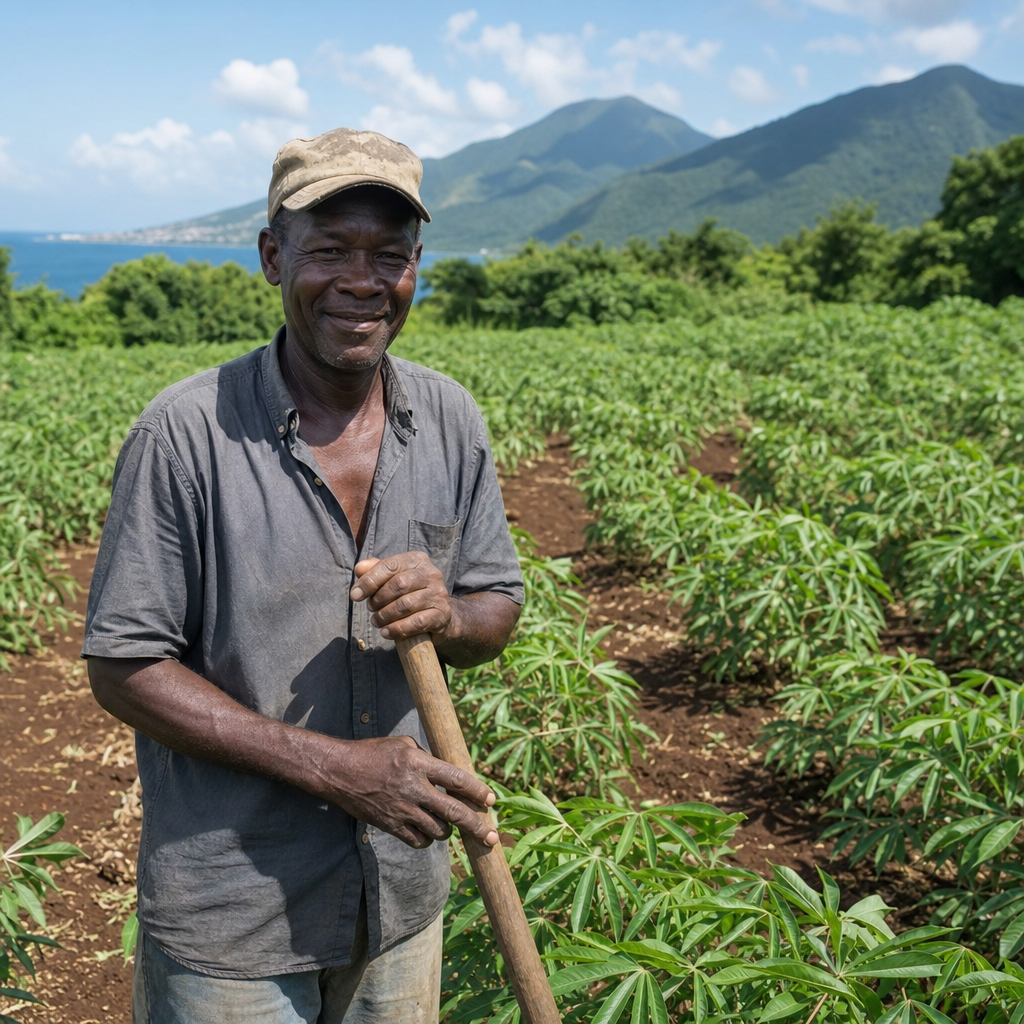
Life on the land in Saint Kitts begins before sunrise, when the hills are still dark, trade winds move through the cane remnants and fruit trees, and farmers start the daily cycle that keeps small-island agriculture alive. A day with a Saint Kitts farmer is not a romantic postcard scene; it is skilled physical work shaped by weather, soil, market demand, family routines, and the long history of farming on this Eastern Caribbean island. For visitors, residents, and researchers interested in local life and experiences, understanding how a farmer works offers one of the clearest views into Kittitian culture.
In Saint Kitts, farming usually means mixed small-scale production rather than one single commodity. Farmers may grow vegetables such as tomato, sweet pepper, cabbage, lettuce, pumpkin, and cucumber, while also tending fruit trees, root crops, herbs, and small livestock. Some operate on family land inland from Basseterre; others farm in districts such as Sandy Point, Cayon, Tabernacle, and the fertile central and western slopes. The term farmer can describe everyone from a full-time commercial grower supplying hotels and roadside vendors to a part-time cultivator balancing agriculture with construction, transport, or public service work.
This matters because farming in Saint Kitts sits at the crossroads of food security, tourism, heritage, and environmental resilience. The island imports a substantial share of its food, so every locally grown crop reduces dependence on overseas supply chains that can be disrupted by storms, shipping delays, or rising freight costs. At the same time, farm life preserves knowledge about seasons, rainfall patterns, pest pressure, and land stewardship that cannot be learned from brochures. After years of speaking with growers across the island, one lesson stands out: a farmer’s day explains the real economy of Saint Kitts better than almost any official slogan.
For a hub page within Local Life and Experiences, this guide covers the broad picture: morning routines, crops, tools, labor, marketing, weather, community ties, and the practical challenges that define the miscellaneous realities of rural life. If you want to know what a Saint Kitts farmer actually does all day, the short answer is this: they inspect, irrigate, weed, repair, harvest, negotiate, transport, and plan constantly, because island farming rewards close attention and punishes delay.
Before Sunrise: Planning the Day Around Weather and Water
Most productive farm days start early because heat management is not optional in Saint Kitts. By 5:00 or 5:30 a.m., many farmers are already checking cloud cover, wind direction, and overnight rainfall. In the dry season, the first concern is water. In the rainy season, the concern shifts toward runoff, fungal disease, and whether a muddy access track will keep a vehicle out. This is not guesswork. Experienced farmers read localized conditions field by field, because one plot may hold moisture while another dries out quickly due to slope, exposure, or soil texture.
The first pass through a field is usually an inspection walk. Farmers look for wilted leaves, chewing damage, fruit set, blocked drip lines, standing water, and signs of theft by animals or people. In vegetable production, this morning walk can save a crop. A leaking hose, a fresh outbreak of aphids, or blossom-end rot on tomatoes can go from manageable to expensive within days. On Saint Kitts, where replacement inputs are often imported and margins are tight, early detection matters more than in larger agricultural systems with easier logistics.
Water management is especially important on the island. Some farms rely on tanks, hoses, pumps, and drip irrigation; others still use more manual methods when infrastructure is limited. The best-run small farms I have seen in Saint Kitts treat irrigation like a schedule, not an afterthought. They water deeply and deliberately, often concentrating labor in the coolest hours. A farmer growing lettuce for restaurants cannot simply hope for rain. Consistency determines quality, and quality determines whether chefs reorder next week.
What Grows on the Island and Why Crop Choice Matters
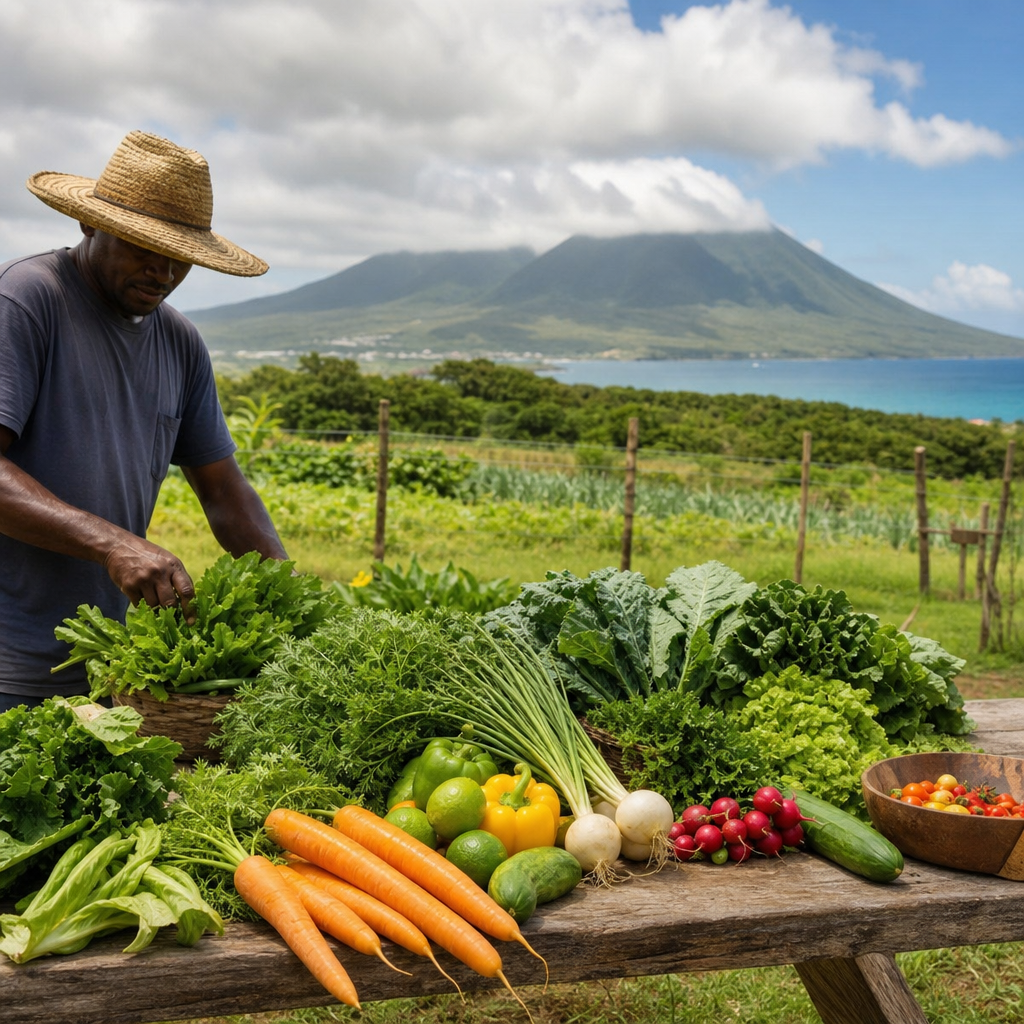
A typical Saint Kitts farm is diversified by necessity. Monocropping raises risk because one pest event, one market slump, or one dry spell can damage the entire income stream. That is why many farmers combine short-cycle vegetables with longer-term fruit or root crops. Tomatoes, sweet peppers, eggplant, and cucumbers can supply steady market turnover, while pumpkin, yam, sweet potato, cassava, and breadfruit provide resilience and local food staples. Herbs such as thyme, chive, and seasoning peppers also sell well because they fit everyday Kittitian cooking.
Crop choice follows practical logic. Hotels often want uniform salad greens and herbs. Supermarkets may prefer predictable volumes of tomato, cucumber, and sweet pepper. Roadside customers buy what they cook regularly, including dasheen, pumpkin, plantain, and seasonal fruit. Farmers who understand all three channels can spread risk better than those chasing only one buyer type. That is why miscellaneous farm output is so common: one field may contain cabbage and lettuce for quick sale, while another carries pumpkin vines that tolerate rougher conditions.
The island’s agricultural history still shapes modern decisions. Sugar once dominated Saint Kitts until the industry closed in 2005, leaving a legacy of former cane lands and a national conversation about what productive land should become. Today, diversification is the central theme. Farmers, extension officers, and policymakers often discuss import substitution, school feeding, value-added processing, and agro-tourism. A day on the farm reflects those bigger policy aims in simple terms: what can be planted now, sold locally, and grown sustainably under current weather and labor constraints?
Tools, Techniques, and the Work Behind Each Harvest
Saint Kitts farming blends manual labor with selective mechanization. Cutlasses, hoes, forks, watering systems, shade cloth, seed trays, mulch, and small pumps are standard tools on many farms. Tractors are useful for land preparation where terrain allows, but plenty of field tasks remain hand-based, especially on smaller or uneven plots. In practice, good farm management is less about owning the most equipment and more about using limited tools efficiently and maintaining them well in a humid, corrosive climate.
Nursery work is one of the least visible but most important parts of the day. Seedlings must be started carefully, hardened off, and transplanted at the right stage. If seedlings are weak, the whole production cycle suffers. Farmers who raise healthy transplants gain a major advantage in crop uniformity and timing. Mulching, staking, pruning, spacing, and crop rotation also make a measurable difference. These are not cosmetic improvements. They reduce weed pressure, improve airflow, lower disease incidence, and support higher marketable yields.
| Farm Task | Why It Matters | Typical Saint Kitts Example |
|---|---|---|
| Early irrigation check | Prevents water stress and catches leaks fast | Inspecting drip lines in a tomato plot before heat builds |
| Weeding and mulching | Reduces competition for moisture and nutrients | Using grass mulch around pumpkin and pepper beds |
| Pest scouting | Limits crop losses before infestation spreads | Checking cabbage leaves for caterpillars at dawn |
| Harvest sorting | Protects price and buyer confidence | Separating premium cucumbers for hotels from seconds for roadside sale |
| Market delivery | Turns field output into cash flow | Supplying vendors in Basseterre the same morning produce is picked |
Harvest itself is disciplined work. Produce is picked by maturity, firmness, and buyer requirement, not merely by convenience. Lettuce headed for a restaurant must be clean and consistent. Pumpkin for local sale can be handled differently from delicate herbs. Sorting, washing where appropriate, packing in crates, and moving produce quickly are essential because Caribbean heat shortens the shelf life of fresh crops. One missed standard can cost repeat business in a small market where reputation travels fast.
Midday Realities: Heat, Labor, Transport, and Market Pressure
By late morning, the climate becomes a serious operational factor. Farmers pace themselves around direct sun exposure, hydration, and the physical strain of lifting, cutting, and carrying. Midday may be used for lighter work under cover, recordkeeping, machinery checks, or delivery runs. On paper, agriculture sounds like planting and harvesting. In reality, a large share of the day is logistics. Who is helping in the field? Is transport available? Does the buyer still want the same quantity? Is fuel affordable this week? These questions shape profit as much as yield does.
Labor is a recurring challenge. Many farms depend on family members, hired workers, or occasional help during peak periods. But labor availability is not guaranteed, and younger people do not always see farming as an attractive career. That creates a knowledge gap just as climate and food import pressures make local production more important. The farmers who endure are usually the ones who adapt schedules, diversify income, and build buyer relationships strong enough to justify the effort.
Transport is another underappreciated issue. A farmer may grow excellent produce and still lose money if roads, vehicle access, or delivery timing break down. Hotels, supermarkets, and market vendors all work on schedules. If cucumbers arrive late, the buyer may source elsewhere. If produce is bruised in transit, the price falls. On a small island, distribution distances are shorter than on a mainland, but scale can still work against farmers because shipment volumes are modest and per-unit costs remain high.
Community, Culture, and the Human Side of Farm Life
A day with a Saint Kitts farmer is also a day inside a community network. Farming knowledge moves through conversation: which seed performed well, where rainfall was strongest, who is buying, and which pest has appeared this month. Neighbors may share labor, tools, transport, or market intelligence. Churches, village ties, and family relationships still matter in rural routines, especially during illness, storms, or heavy harvest periods. Agriculture here is economic, but it is also social.
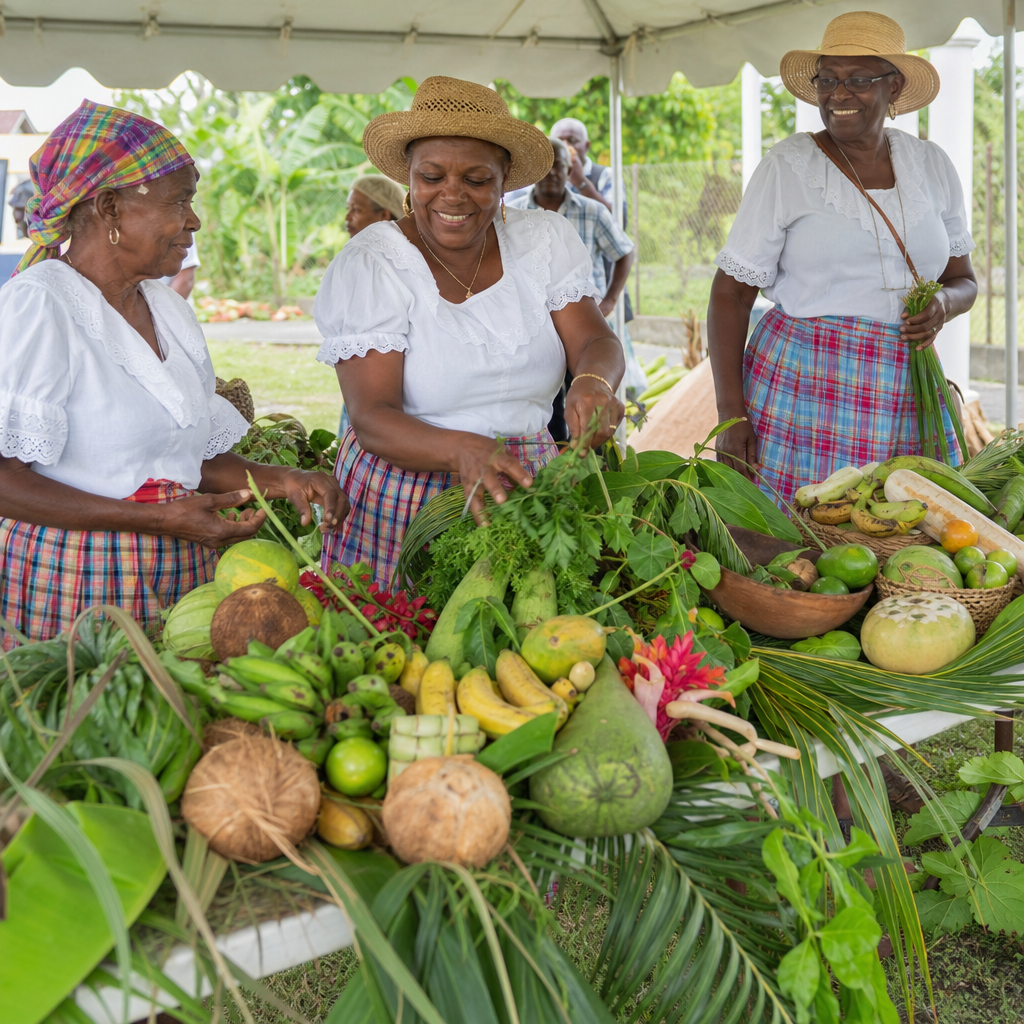
Food culture reinforces that connection. Local dishes depend on ingredients farmers raise: ground provisions, leafy greens, herbs, goat feed, fruit, and seasoning crops. Farm output appears in home kitchens, roadside cookshops, and hotel menus that increasingly market farm-to-table experiences. Visitors often notice the scenery first, but farmers notice the practical landscape: slope, drainage, windbreaks, and whether a mango tree marks a boundary. That difference in perspective is exactly why spending time on a farm teaches more than a tour bus ever will.
There is pride in this work, but also realism. Farmers know that agriculture in Saint Kitts competes with imported produce, changing land use, and the volatility of storms and drought. They are not preserving a static past. They are making constant operational decisions in a modern island economy. Some experiment with protected agriculture, composting, or direct sales through social media and WhatsApp. Others stick to proven methods because cash flow does not allow risky transitions. Both approaches can be rational depending on land tenure, debt, and buyer demand.
Challenges, Adaptation, and What the Future Requires
The biggest threats to daily farm life in Saint Kitts are predictable: water scarcity, extreme weather, high input costs, praedial larceny, inconsistent markets, and labor shortages. Hurricane season raises immediate risk, but slow-onset stress can be just as damaging. A prolonged dry spell lowers yields. Imported fertilizer price spikes squeeze margins. Uncertain land access discourages long-term investment in irrigation, fencing, and soil improvement. These are structural constraints, not personal failings, and any honest account of farming on the island must say so clearly.
Adaptation is possible when support systems work. Drip irrigation, rainwater storage, shade structures, integrated pest management, crop rotation, and post-harvest handling all improve resilience. Public extension services, farmer cooperatives, and institutional purchasing can make a real difference if they are consistent. The Food and Agriculture Organization and Caribbean regional agencies have repeatedly emphasized that small island states need stronger domestic production and climate-smart practices. On Saint Kitts, that broad recommendation becomes tangible in everyday decisions about mulch, tank storage, planting dates, and buyer contracts.
The main lesson from a day with a Saint Kitts farmer is simple: local agriculture survives through discipline, observation, and adaptation. From dawn field checks to afternoon deliveries, every task connects to food security, cultural continuity, and economic resilience. Farmers manage far more than crops. They manage risk, scarce resources, customer expectations, and the future productivity of the land itself. If you want to understand local life and experiences in Saint Kitts, start with the people who wake early to make the island feed itself.
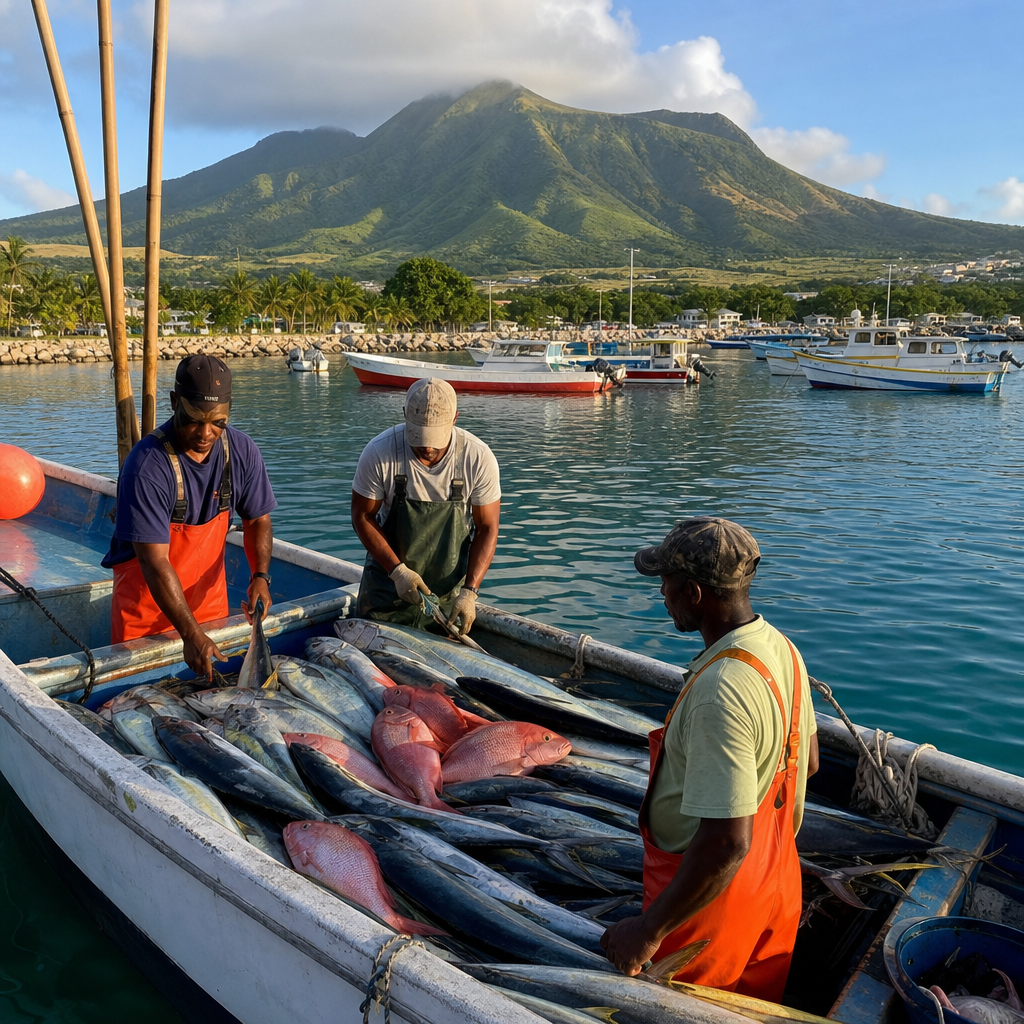
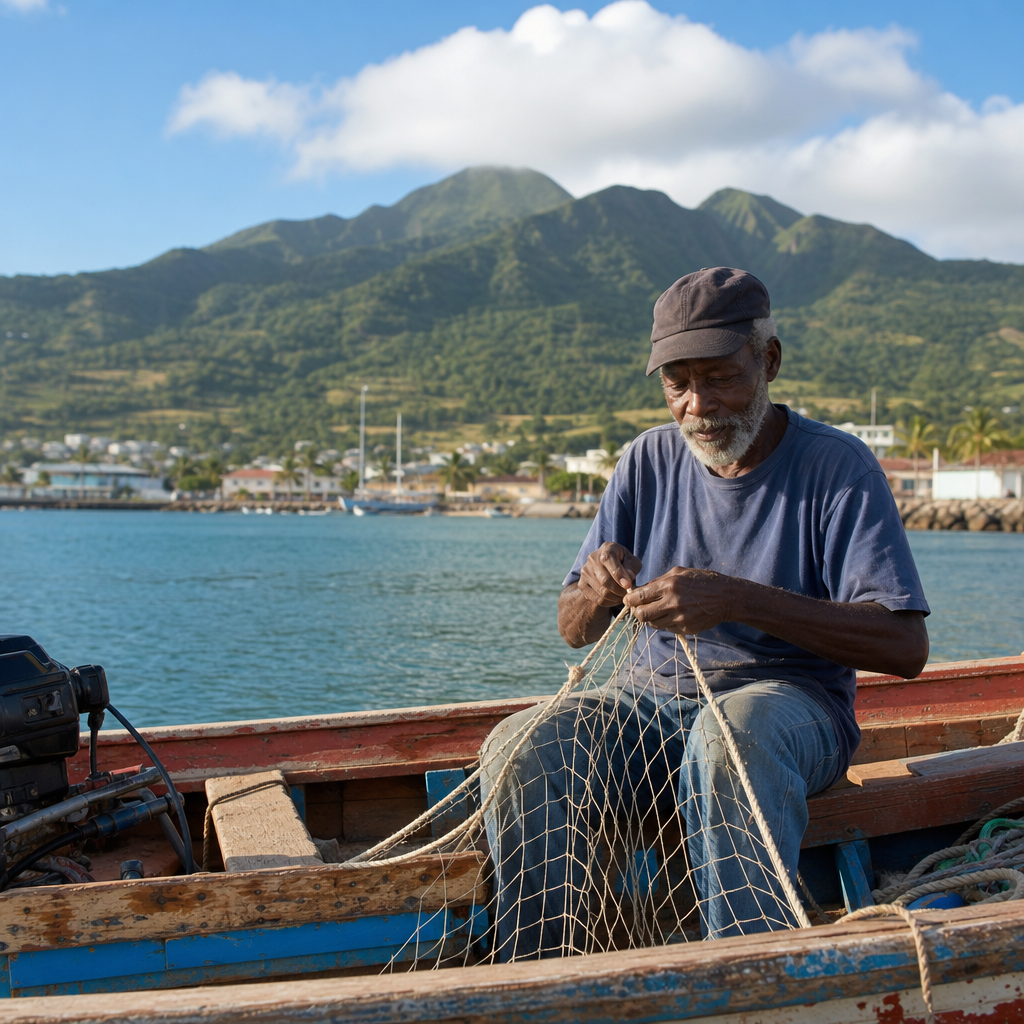
For readers using this page as a hub for the wider miscellaneous side of rural living, the next step is to explore related topics through the same practical lens: village markets, seasonal food traditions, kitchen gardens, fishing communities, roadside vendors, and agro-tourism experiences. Each adds context, but farming remains the foundation because it ties landscape to livelihood in the most direct way. Follow that thread, ask better questions, and when you visit or buy local produce, support the growers whose daily work keeps Saint Kitts grounded in its own land and traditions.
Frequently Asked Questions
What does a typical day look like for a farmer in Saint Kitts?
A typical day for a farmer in Saint Kitts begins well before sunrise, often when temperatures are still cool and fieldwork is more manageable. Early morning hours are usually dedicated to the most physically demanding tasks, such as checking irrigation lines, harvesting produce, feeding animals, clearing weeds, staking crops, or preparing soil beds. Because Saint Kitts is a small Caribbean island with strong sunlight and shifting weather conditions, farmers often plan their most important outdoor labor for the first half of the day. By late morning and into the afternoon, attention may shift to sorting produce, transporting crops to markets, repairing tools, managing supplies, or coordinating sales with local buyers, roadside customers, restaurants, and vendors.
The rhythm of the day is shaped by far more than sunlight. Farmers must constantly respond to rainfall patterns, dry spells, soil conditions, pest pressure, crop maturity, and market demand. Family responsibilities also play a major role, since many farms are family-run or rely on informal networks of relatives and neighbors. In practical terms, a farmer’s day is a mix of physical labor, observation, decision-making, and adaptation. What may look simple from the outside is actually a highly skilled routine that depends on experience, local knowledge, and careful timing across every part of the day.
What kinds of crops and farm products are commonly associated with farmers in Saint Kitts?
Farmers in Saint Kitts often work with a diverse range of crops rather than relying on a single product. Depending on elevation, soil type, water access, and market opportunities, farms may produce vegetables, root crops, fruit, herbs, and small livestock products for local consumption. Common produce can include tomatoes, cucumbers, sweet peppers, pumpkins, yams, sweet potatoes, cassava, bananas, plantains, and seasonal fruits such as mangoes, soursop, papaya, and guava. Some farms also grow greens and culinary herbs that supply households, hotels, and restaurants seeking fresh local ingredients.
This diversity is important because it helps reduce risk in an island environment where weather and market conditions can change quickly. Historically, Saint Kitts was strongly associated with sugar production, and traces of that agricultural past still shape the landscape and the public understanding of farming on the island. Today, however, many small farmers focus on mixed production systems that are more practical for local food supply. A day on the land may therefore involve harvesting fruit from trees, tending vegetable rows, maintaining root crops, and caring for animals all within the same property. That variety reflects both the resilience of farmers and the evolving role of agriculture in Saint Kitts.
What challenges do Saint Kitts farmers face in their daily work?
Farmers in Saint Kitts face a combination of environmental, economic, and logistical challenges that affect nearly every decision they make. Weather is one of the biggest factors. Extended dry periods can stress crops and increase irrigation needs, while heavy rainfall can erode soil, damage young plants, and interrupt harvesting schedules. Hurricanes and tropical storms add another layer of uncertainty, especially during vulnerable parts of the growing cycle. Farmers must also deal with pests, plant disease, fluctuating input costs, and the ongoing effort required to maintain fertile, productive land in a tropical environment.
Beyond the field itself, there are serious market realities. Small-island farmers often work within narrow profit margins, and they may face competition from imported foods, variable customer demand, transportation costs, and limited storage infrastructure. Access to labor, equipment, and dependable water can also be difficult, particularly for smaller operations. These challenges mean that farming in Saint Kitts requires much more than physical strength. It calls for business judgment, crop planning, risk management, and long-term resilience. A farmer’s day is often defined not just by what grows well, but by how effectively the farmer can respond to pressures that are both local and global.
How does the natural environment of Saint Kitts shape life on the farm?
The natural environment of Saint Kitts influences farming at every level, from daily schedules to crop selection. The island’s topography includes coastal zones, interior slopes, volcanic soils, and areas exposed to strong trade winds, all of which affect what can be grown and how land is managed. Farmers pay close attention to drainage, sun exposure, wind protection, and moisture retention because these factors directly influence plant health and productivity. In some locations, fertile soils can support a wide range of crops, while in others, farmers must work harder to conserve moisture, prevent erosion, or protect young plants from weather stress.
The environment also shapes the sensory and seasonal experience of farm life. Mornings may begin with cool air moving through fruit trees and old cane landscapes, but conditions can become hot and demanding very quickly. That is why experienced farmers often build their routines around the island’s microclimates and daily temperature shifts. They know when to plant before expected rains, when to mulch against heat, and when to harvest to preserve quality. In that sense, life on the land in Saint Kitts is deeply tied to observation. Successful farming depends on reading the environment carefully and working with it rather than against it.
Why is spending a day with a Saint Kitts farmer valuable for visitors, residents, and researchers?
Spending time with a farmer in Saint Kitts offers a grounded understanding of the island that goes far beyond beaches, scenic views, or tourism imagery. For visitors, it reveals the labor, expertise, and environmental awareness behind local food systems. Seeing a farmer move through the day—from predawn preparation to harvesting, sorting, and selling—helps people understand that agriculture on the island is not a background tradition but an active, demanding, and essential part of community life. It also creates a stronger appreciation for local produce, seasonal availability, and the economic realities of farming in a small-island setting.
For residents and researchers, a day on the farm can provide insight into food security, land use, cultural memory, and the long-term changes shaping agriculture in the Eastern Caribbean. Farmers carry practical knowledge about soil behavior, rainfall patterns, crop performance, and local adaptation strategies that may not always be captured in formal reports. Their experience connects history with present-day necessity, especially on an island where agriculture has been transformed over time but remains deeply significant. Listening to farmers and observing their routines offers valuable perspective on resilience, sustainability, and the everyday work required to keep Saint Kitts farming traditions alive.