Saint Kitts’ environmental education programs for visitors turn a beach holiday into a deeper encounter with the island’s ecosystems, history, and conservation challenges. For travelers who want more than sightseeing, these programs explain how reefs, rainforests, farms, and communities are connected, and how daily tourism choices affect them. Environmental education, in this context, means structured learning experiences for nonresidents: guided nature walks, interpretive signage, marine briefings, heritage tours with ecological content, school-linked outreach open to tourists, citizen science activities, and hands-on workshops in places such as botanical gardens, protected coastlines, and community farms.
This matters because Saint Kitts is small, biodiverse, and exposed to pressures that many visitors do not immediately see. Coastal development can stress mangroves and seagrass beds. Anchoring and careless snorkeling can damage coral. Heavy rainfall can wash sediment downslope into nearshore waters. Invasive species, waste management, water use, and climate-driven storm intensity all shape the visitor experience as much as they shape local livelihoods. When tourism includes education, people understand why a marked trail should be followed, why reef-safe behavior matters, and why local food systems deserve support. Better-informed visitors usually make better choices, spend more intentionally, and leave with a stronger sense of place.
In my experience working on destination content and reviewing sustainable tourism programs across Caribbean islands, the strongest visitor education offers three things at once: clear ecological interpretation, local context, and practical action. Saint Kitts is well suited to that model. The island combines accessible volcanic landscapes, a central forest reserve, black-sand and golden beaches, working agricultural land, and marine habitats within short travel distances. A traveler can learn about watershed protection in the morning, reef etiquette at midday, and agroecology over lunch without crossing a large territory. That density makes the island unusually effective for environmental learning.
For a sustainable tourism hub page, “miscellaneous” should not mean random. It should mean cross-cutting. Many of Saint Kitts’ best environmental education experiences sit between categories. A scenic railway ride can become a lesson in land use change from sugar monoculture to diversified tourism. A historical estate visit can reveal how soils, water, and labor shaped the landscape. A birdwatching excursion can open discussion about wetlands, migratory routes, and coastal conservation. The value of this article is to show how those pieces fit together, so visitors can choose programs that are informative, credible, and genuinely beneficial to the island.
What Environmental Education Looks Like for Visitors in Saint Kitts
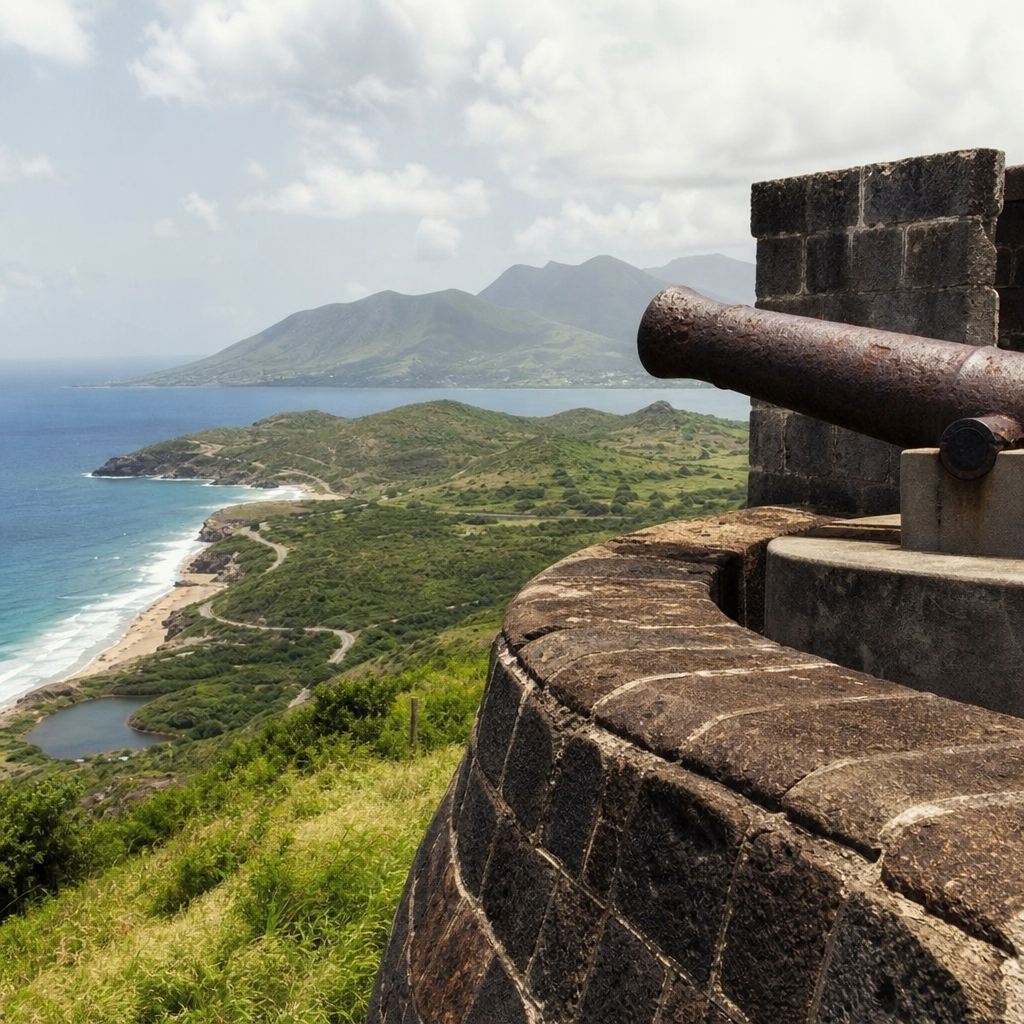
Visitor education on Saint Kitts is rarely confined to a classroom. It is typically delivered through guided experiences, interpretation by trained staff, and direct observation in the field. At Brimstone Hill Fortress National Park, for example, heritage interpretation naturally extends into environmental discussion because the site sits in a wider landscape of dry forest, coastal views, and changing land use. On rainforest hikes in the central mountain region, guides often explain watershed functions, endemic and native plant communities, erosion risks, and the relationship between forest cover and downstream communities. In marine settings, dive operators and catamaran crews can provide reef briefings that explain buoyancy control, no-touch snorkeling, and fish feeding bans.
The best programs answer practical visitor questions directly. What should I do differently after this briefing? Stay on trails, avoid collecting shells or coral fragments, carry out litter, use refillable water bottles, choose operators who use mooring buoys instead of anchoring on reefs, and support tours that employ local guides with ecological knowledge. Good interpretation also explains tradeoffs. For instance, increased access can grow public support for conservation, but too much unmanaged foot traffic compacts soil, disturbs wildlife, and increases maintenance costs. That is why capacity management, marked paths, and guide ratios matter.
Travelers should also understand the difference between information and education. A sign that names a tree is useful information. A guided stop that explains how that tree stabilizes slopes, provides habitat, and was historically used by residents is education. Saint Kitts has the strongest visitor learning outcomes when local guides translate ecological facts into lived reality. That might include explaining how intense rain affects ghuts, why monkey populations create tensions between wildlife tourism and agriculture, or how seasonal sargassum events influence beach quality and marine life.
Core Program Types and What Visitors Learn
Saint Kitts offers several recurring education formats, each suited to different learning goals. Marine orientation programs focus on coral reef etiquette, fish identification, seagrass ecology, and boating impacts. Forest and volcano excursions cover watershed protection, tropical ecology, soil formation, and native versus introduced species. Farm and garden visits explain composting, crop diversity, medicinal plants, and food miles. Heritage-environment tours connect plantation history, sugar decline, reforestation, and contemporary land stewardship. Beach and community cleanups add a service dimension, often paired with waste education and data collection on litter types.
One reason these formats work is that they combine sensory experience with immediate relevance. A visitor who hears about reef stress while hovering over a bleaching-prone coral head remembers the message. Someone who sees runoff channels after rain understands sedimentation faster than by reading a brochure. Effective operators build short interpretive sequences into the activity: observe, explain, connect, and act. First, they point out a feature, such as a mangrove root system. Next, they explain the function, such as nursery habitat for juvenile fish. Then they connect it to tourism and local livelihoods. Finally, they tell visitors what behavior protects it.
| Program type | Main topics covered | Typical visitor action after learning |
|---|---|---|
| Reef snorkeling or diving briefing | Coral sensitivity, buoyancy, fins control, mooring buoys, sunscreen choices | Avoid touching coral, maintain distance, select responsible operators |
| Rainforest or volcano hike | Watersheds, erosion, biodiversity, invasive species, trail discipline | Stay on marked paths, avoid litter, respect guide instructions |
| Farm or garden tour | Soil health, composting, local crops, herbal knowledge, food resilience | Buy local produce, reduce food waste, value seasonal menus |
| Heritage landscape tour | Sugar history, land use change, habitat fragmentation, restoration | See historic sites as ecological landscapes, not only monuments |
| Beach cleanup or citizen science event | Marine debris, data logging, plastic pathways, community stewardship | Cut single-use plastics and join follow-up conservation efforts |
Visitors should look for programs that name specific learning outcomes. A quality marine operator will not just promise a fun snorkel; it will mention reef-safe practices and ecological interpretation. A strong hiking company will state route difficulty, habitat types, safety measures, and conservation messages. Specificity is a useful credibility test. If a program cannot explain what participants will learn, the educational component may be superficial.
Marine and Coastal Learning Opportunities
Marine education is often the first entry point because many travelers meet Saint Kitts through its coastline. The island’s nearshore environments include coral reefs, seagrass beds, rocky shores, sandy beaches, and in some areas mangrove-associated coastal systems. These habitats support fish populations, reduce wave energy, stabilize sediments, and contribute to the attractiveness of the destination. Visitor education here should begin with a simple truth: healthy reefs and seagrasses are infrastructure. They protect shorelines and support tourism just as surely as roads and ports do.
Well-run snorkel and dive briefings usually cover the no-touch rule, fin awareness, buoyancy control, and the reason operators should use fixed moorings. Contact from hands, knees, fins, or unsecured gear can break fragile corals or abrade living tissue. Sediment kicked up by poor finning can smother nearby organisms. Fish feeding changes animal behavior and is widely discouraged. Some operators also discuss sunscreen. Evidence around “reef-safe” marketing labels is inconsistent, so the more reliable advice is to minimize product wash-off through rash guards or protective clothing and apply sunscreen well before entering the water.
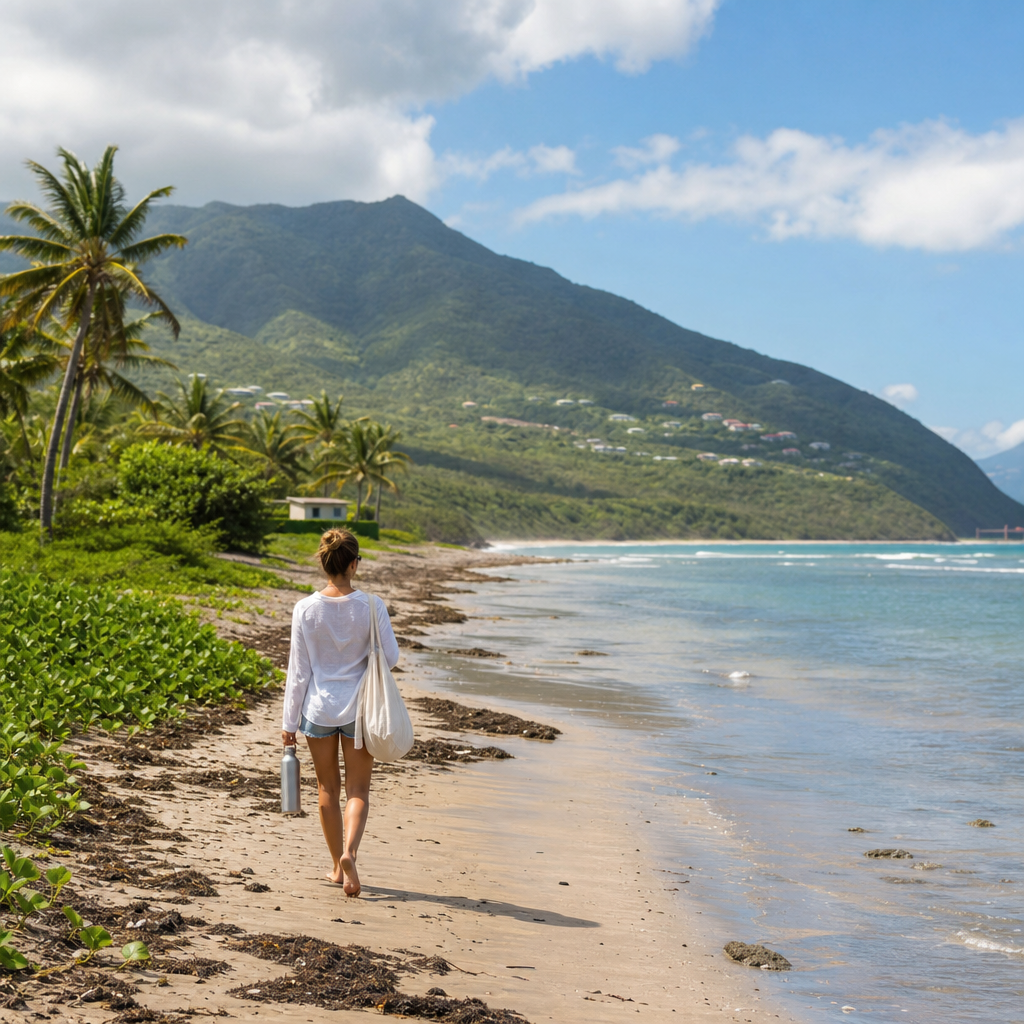
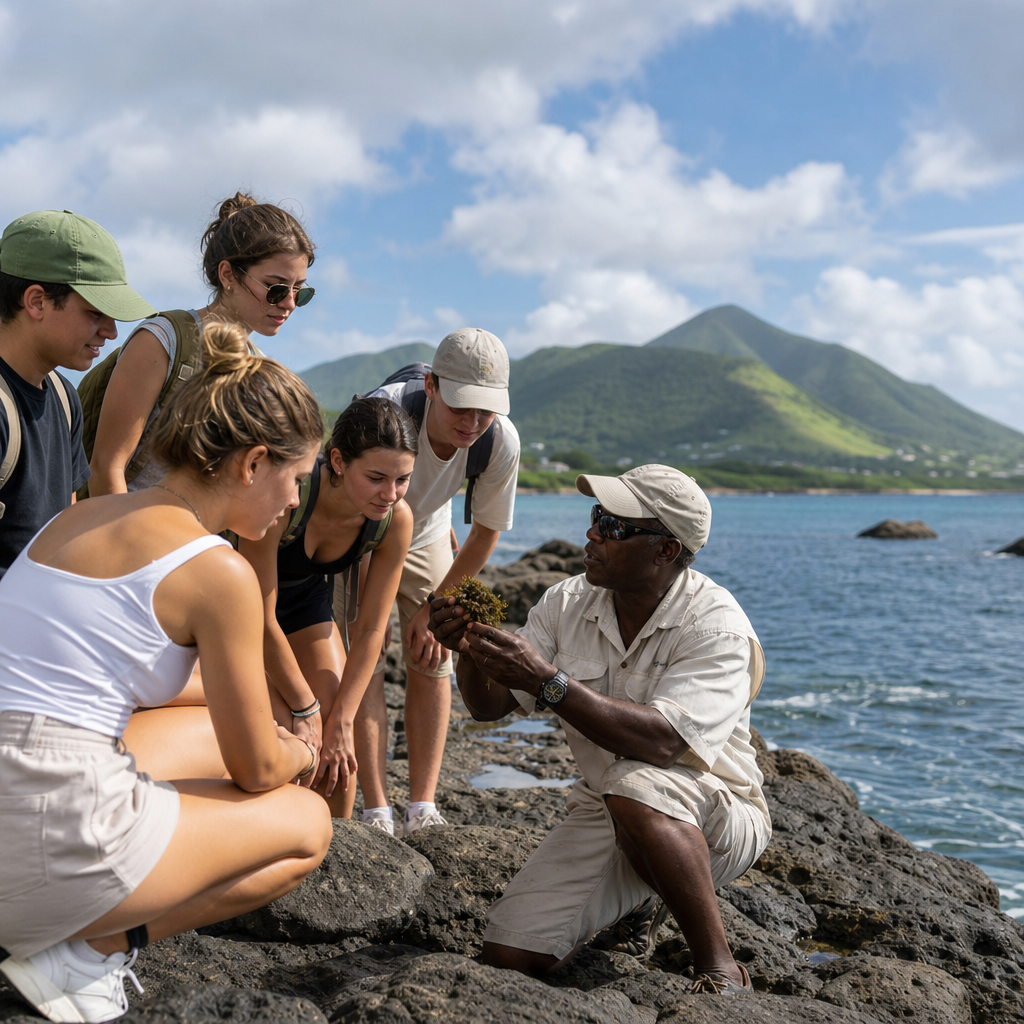
Coastal walks can also be educational if interpretation is strong. Guides can explain beach dynamics, turtle nesting sensitivity where relevant, the effects of storm surge, and the challenge of plastic waste arriving from both local and transboundary sources. I have found that visitors respond especially well when guides show them how to read the shoreline: wrack lines, dune vegetation, erosion scarps, and patches of seagrass washed ashore all become visible indicators of ecological processes rather than mess to be cleared away. That shift in perception is the essence of environmental education.
Rainforest, Volcanic Landscapes, and Watershed Interpretation
Saint Kitts’ interior provides some of the island’s richest learning experiences. The central mountainous zone, including routes toward Mount Liamuiga, gives guides a natural platform to discuss volcanic geology, cloud-influenced forest conditions, water catchment, and slope stability. Visitors often think of a rainforest hike as scenery plus exercise. In practice, it is one of the clearest ways to understand how upland ecology supports coastal life. Forests slow runoff, reduce erosion, maintain habitat, and influence water quality further downhill.
On guided hikes, interpretation should cover more than species lists. Good guides explain ecological relationships: how canopy cover affects understory moisture, why root systems matter on steep slopes, how disturbed edges invite invasive species, and how trail design reduces damage. They also discuss safety honestly. Heavy rain can make trails slippery. Informal shortcuts increase erosion. Overcrowding degrades both habitat and visitor experience. These realities are not drawbacks to hide; they are exactly what make the educational message real.
Volcanic landscapes add another layer. Soil fertility in many Caribbean islands is linked to volcanic parent material, but fertility does not eliminate vulnerability. Exposed slopes can lose soil quickly when vegetation is removed. For visitors, this explains why reforestation and careful land management are central to resilience. A guide who connects a mountain trail to downstream fisheries, roads, and villages is doing high-quality environmental education because the visitor leaves with a systems view instead of isolated facts.
Community, Agriculture, and Heritage as Environmental Classrooms
Some of Saint Kitts’ most valuable learning happens outside protected areas. Community-based tours, small farms, botanical spaces, and heritage properties reveal how people shape and respond to the environment every day. On an island with a long plantation history, land use cannot be separated from ecology. Former sugar lands, estate roads, stoneworks, and drainage patterns all help explain current vegetation, settlement patterns, and restoration opportunities. A heritage guide who addresses this history carefully gives visitors a fuller understanding of why the landscape looks the way it does.
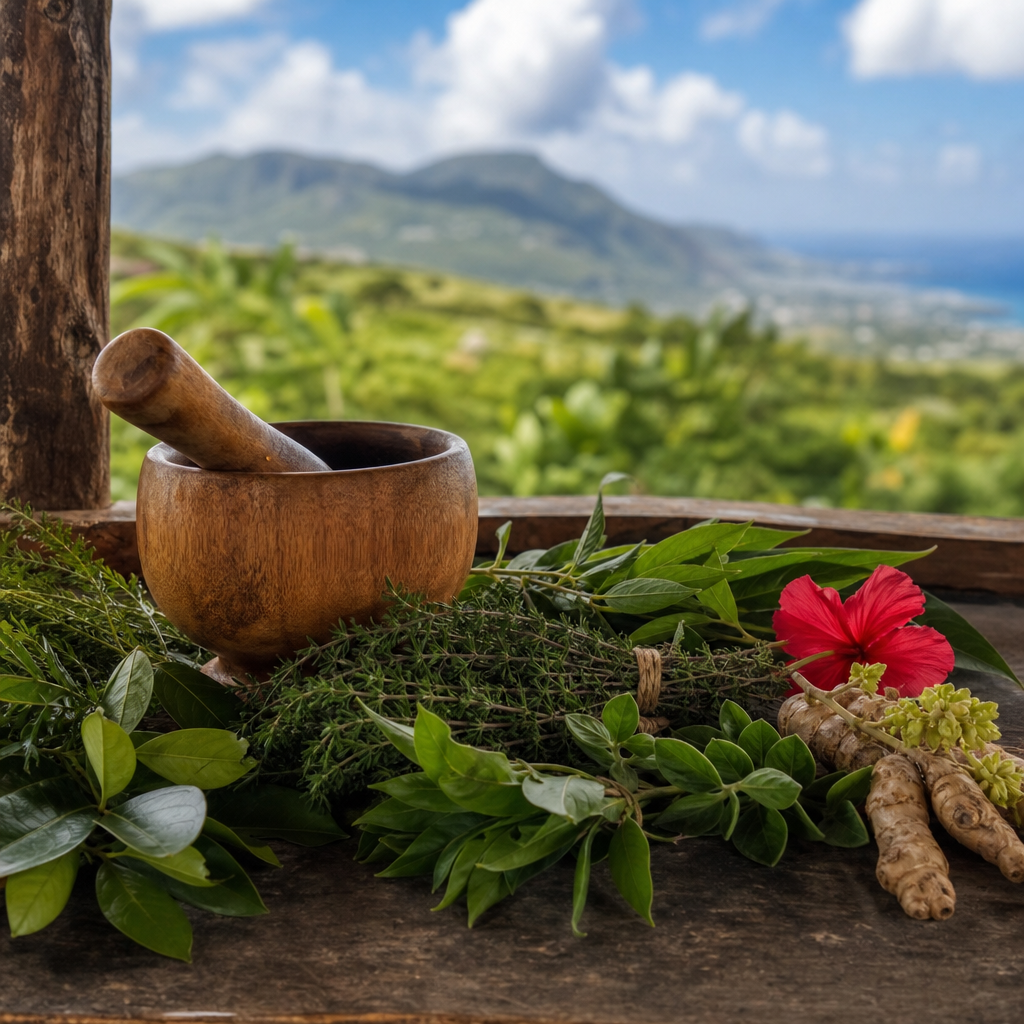
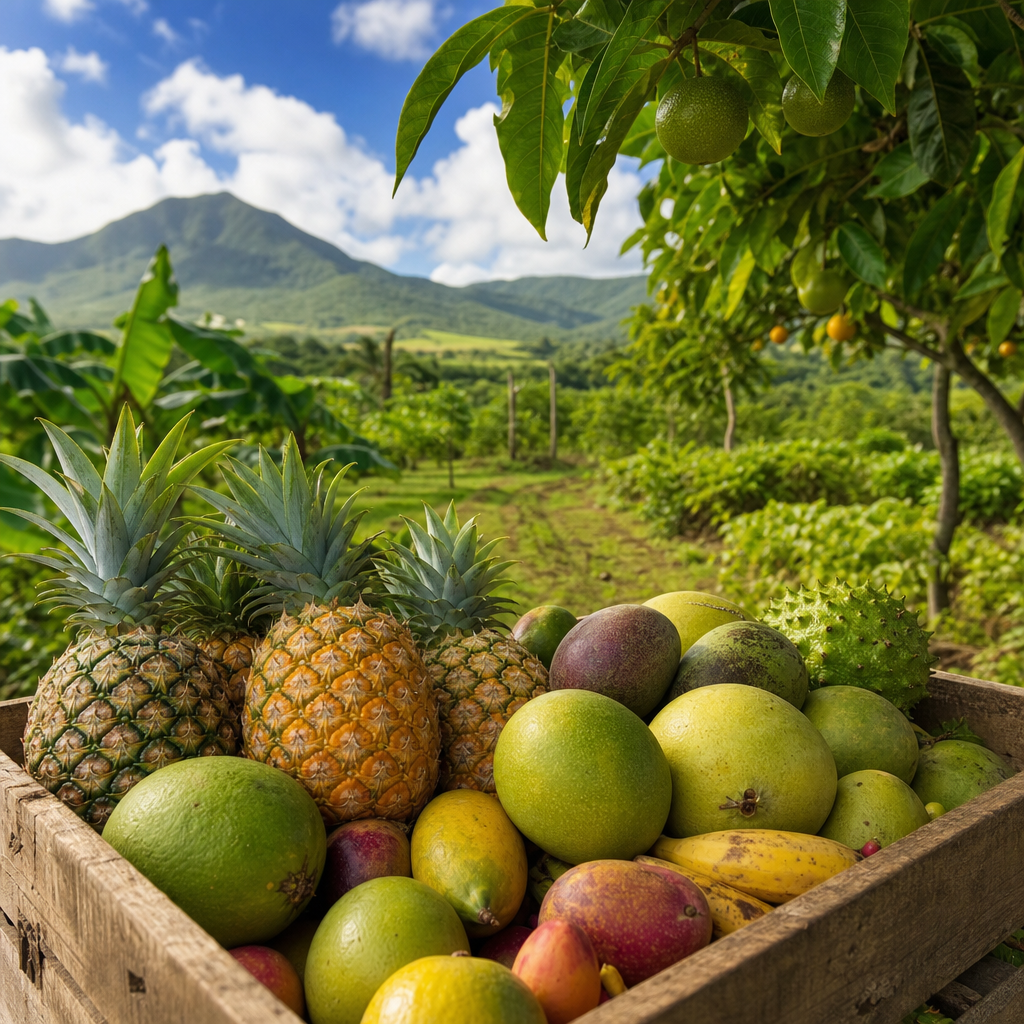
Agricultural visits are especially useful for travelers interested in sustainable tourism because food systems are tangible. Visitors can see composting, mixed cropping, seasonal production, water-saving practices, and the economic importance of buying locally grown ingredients. Farm-to-table messaging becomes more credible when guests meet growers and understand constraints such as imported input costs, weather volatility, and wildlife pressure. Saint Kitts also has scope for educational programming around medicinal plants and traditional botanical knowledge, provided it is presented accurately and respectfully rather than as folklore performance.
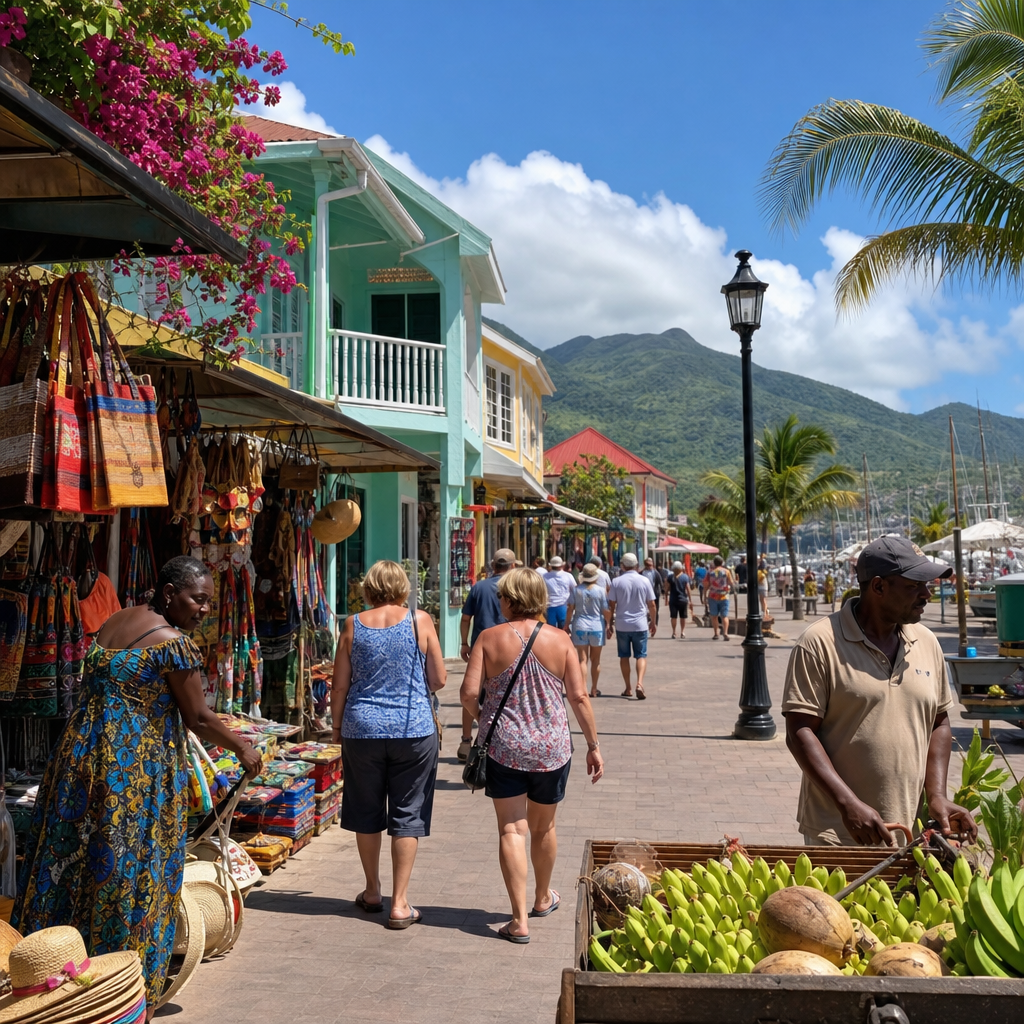
Community engagement matters because conservation is not only about protected sites. It is also about jobs, skills, and local ownership. Programs that hire neighborhood guides, source refreshments from local producers, or partner with schools create broader value than one-off excursions. Visitors should favor experiences where fees clearly support maintenance, training, habitat management, or community initiatives. That transparency builds trust and usually correlates with better educational quality.
How to Choose Credible Programs and Travel More Responsibly
Not every “eco” label means much. Credible environmental education programs in Saint Kitts are specific about guides, safety, conservation practices, and learning content. Look for operators who mention site-specific interpretation, small group management, established trail or marine protocols, and cooperation with parks, schools, conservation groups, or recognized tourism bodies. Ask direct questions: Who leads the tour? What habitats will we visit? How is environmental impact minimized? Does any portion of the fee support conservation or community work? Serious providers answer clearly.
Responsible visitors can reinforce good practice in simple ways. Bring a reusable bottle, reef-conscious clothing, and packable waste bags. Choose tours with trained local guides rather than purely transport-based excursions. Respect wildlife distance. Do not remove natural materials. Follow biosecurity guidance if given, especially around seeds, soil, or outdoor gear that can spread pests. Spend with businesses that explain their sourcing and stewardship. If a guide or operator provides a conservation message, act on it immediately instead of treating it as background narration.
Saint Kitts benefits most when education changes behavior before, during, and after a trip. Visitors who learn how the island’s forests protect coasts, how reefs support beaches, and how local agriculture strengthens resilience tend to travel differently. They book more thoughtfully, consume more carefully, and talk about the destination with greater accuracy when they return home. That is the real power of environmental education programs for visitors: they improve the trip, support the island, and turn tourism into informed participation. If you are planning Saint Kitts under a sustainable tourism mindset, choose at least one experience that teaches you how the island works, then let that knowledge guide the rest of your itinerary.
Frequently Asked Questions
What are Saint Kitts’ environmental education programs for visitors?
Saint Kitts’ environmental education programs for visitors are organized learning experiences designed to help travelers understand the island beyond its beaches and resort areas. Instead of focusing only on recreation, these programs introduce visitors to the natural systems that support life on the island, including coral reefs, coastal habitats, rainforest ecosystems, freshwater resources, farms, and local communities. They often take the form of guided nature walks, marine interpretation sessions, heritage-and-ecology tours, farm visits, conservation talks, and self-guided learning through interpretive signage at parks, trails, and protected areas.
What makes these programs especially valuable is that they connect environmental science with local history and everyday life. Visitors learn how land use affects sediment runoff into the sea, how reef health influences fisheries and shoreline protection, how agriculture relates to biodiversity, and how tourism choices can either support or strain local ecosystems. In Saint Kitts, environmental education is not just about identifying plants or spotting wildlife. It is about helping travelers see the island as an interconnected system where culture, conservation, livelihoods, and tourism all influence one another. For many visitors, this turns a standard holiday into a more meaningful and responsible travel experience.
What kinds of activities are usually included in these programs?
Environmental education programs in Saint Kitts can include a wide range of hands-on and interpretive activities, depending on the location, season, and organization leading them. Common offerings include guided rainforest hikes where participants learn about native and introduced plant species, watershed functions, erosion control, and the importance of forest cover. On the coast, visitors may join reef-awareness excursions, beach ecology walks, mangrove discussions, or marine briefings that explain coral health, fish habitats, and the impact of sunscreen, litter, and anchoring on delicate underwater systems.
Some programs also include visits to farms or community-based projects, where travelers can explore sustainable agriculture, soil management, local food systems, and the relationship between farming practices and environmental resilience. Interpretive signage at scenic or protected sites may provide information on geology, wildlife, colonial land use, and restoration efforts, allowing visitors to learn at their own pace. In some settings, educational components are built into volunteer opportunities such as beach cleanups, tree planting, or citizen science observations. The overall goal is to move visitors from passive observation to informed participation, so they leave with a clearer understanding of how Saint Kitts’ ecosystems function and why they require careful stewardship.
Why do these programs matter for travelers, not just for conservation groups?
These programs matter for travelers because they make a visit to Saint Kitts more informed, immersive, and personally rewarding. Many people come to the island for its scenery, but environmental education helps explain what they are seeing and why it matters. A reef is no longer just a beautiful snorkeling site; it becomes a living system affected by water quality, climate pressures, and human activity. A rainforest trail becomes more than a scenic walk when visitors understand its role in protecting soil, supporting biodiversity, and feeding the island’s water cycle. That deeper context often makes the travel experience more memorable and meaningful.
They also matter because tourists influence the places they visit, whether they realize it or not. Choices about where to stay, which tours to book, what sunscreen to wear, whether to disturb wildlife, and how to dispose of waste all have environmental consequences. Educational programs give travelers practical knowledge that helps them reduce harm and contribute positively during their stay. Just as important, they help visitors appreciate the efforts local communities and conservation partners are making to protect natural resources under real-world pressures. In that sense, environmental education is not separate from tourism; it is a tool for making tourism more responsible, more respectful, and ultimately more sustainable for everyone involved.
Are Saint Kitts’ environmental education programs suitable for casual tourists and families?
Yes, many of these programs are well suited to casual tourists, families, and first-time visitors, not only to researchers or dedicated ecotourists. Environmental education in Saint Kitts is often designed to be accessible and engaging, with guides translating complex ecological ideas into clear, practical explanations. A family might enjoy a short nature trail with interpretive stops, a beach walk that explains turtle nesting or coastal erosion, or a marine talk before a snorkeling trip. These experiences can be educational without feeling overly technical, and they often appeal to children and adults alike because they combine storytelling, wildlife observation, and place-based learning.
That said, programs vary in depth and physical demands. Some involve easy walks and simple interpretive sessions, while others may include longer hikes, field-based learning, or specialized conservation topics. It is a good idea for visitors to ask in advance about duration, terrain, age suitability, accessibility, and what to bring. Families often get the most out of these activities when they choose programs with interactive elements and guides who welcome questions. Even casual participation can have a strong impact, because it helps visitors understand the island in a broader way and encourages habits of care that extend beyond the vacation itself.
How can visitors make the most of an environmental education experience in Saint Kitts?
To get the most from an environmental education program in Saint Kitts, visitors should approach it with curiosity and a willingness to engage. Choosing a reputable guide or organization is a strong first step, especially one with clear local knowledge and a conservation-minded approach. Reading a little about the island’s ecosystems before arrival can also help, but it is not required. The most important thing is to ask questions, pay attention to connections between land and sea, and look beyond the obvious scenic highlights. Programs are often richest when travelers are open to learning about environmental challenges as well as natural beauty.
It also helps to turn the lessons into action during the rest of the trip. Visitors can support low-impact tours, avoid touching coral or feeding wildlife, minimize single-use plastics, use reef-safer sun protection when appropriate, stay on marked trails, and respect local guidance in sensitive habitats. Spending money with businesses that value sustainability can reinforce the goals of environmental education in a practical way. Finally, travelers can carry what they learn home with them. Understanding how tourism affects a place like Saint Kitts often changes how people travel elsewhere, making environmental education not just a one-time activity, but a lasting part of more responsible global travel.