Botanical gardens in Saint Kitts offer more than a pleasant walk among tropical flowers; they provide a practical introduction to the island’s biodiversity, history, and culture in one setting. When travelers search for the botanical gardens of Saint Kitts, they are usually looking for a place to see Caribbean plants, photograph colorful landscapes, understand local ecology, and enjoy a calmer alternative to the beach. Saint Kitts, officially Saint Christopher Island, is known for rain-forest slopes, volcanic soils, and coastal beauty, and its cultivated garden spaces bring those natural strengths together in an accessible form. A botanical garden is not simply a park with flowers. It is a curated landscape where plants are collected, labeled, protected, and displayed to educate visitors while preserving species of ornamental, medicinal, agricultural, or ecological value. In Saint Kitts, that mission carries particular weight because the island’s environment reflects centuries of interaction between native vegetation, colonial agriculture, imported ornamentals, and modern conservation needs.
I have found that visitors often underestimate how useful a botanical garden can be as a hub for understanding the wider Nature and Wildlife story of a destination. In Saint Kitts, gardens connect directly to hiking trails, birdwatching areas, historic estates, seasonal flowering cycles, and traditional plant uses that still shape everyday life. They also answer practical travel questions: where to go on a rainy morning, what to do between cruise excursions, how to experience tropical flora without tackling a steep trail, and where families can enjoy wildlife at an easy pace. This matters because the island’s appeal is not limited to famous viewpoints or resort areas. Its gardens reveal the fine detail of the landscape: heliconias attracting hummingbirds, palms adapted to salt and wind, orchids thriving in humid pockets, and fruit trees that reflect both local cuisine and colonial trade routes. For anyone planning a broader exploration of Saint Kitts nature and wildlife, the botanical gardens are a natural starting point and a useful reference point for everything else on the island.
What to Expect at the Botanical Gardens of Saint Kitts
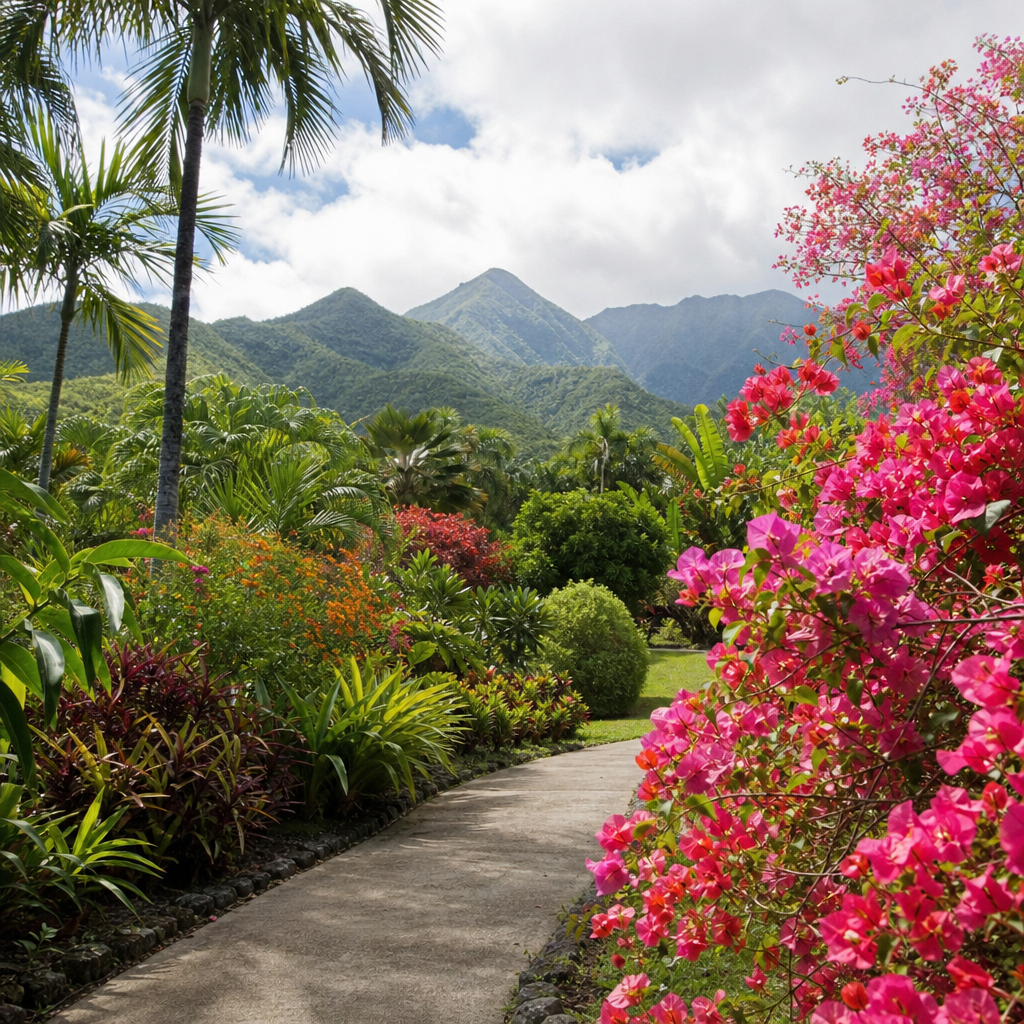
The best-known landscaped garden experience associated with Saint Kitts is the garden setting developed around former estate land, where tropical ornamentals, shaded pathways, water features, and open lawns create a structured but relaxed visit. Expect a blend of formal design and lush Caribbean abundance rather than a research institution on the scale of Kew Gardens or Singapore Botanic Gardens. In practical terms, that means visitors can usually move through the space in one to two hours, depending on whether they stop for photography, birdwatching, or interpretation. Common plantings include bougainvillea, hibiscus, crotons, ixora, ginger lilies, bromeliads, traveler’s palms, frangipani, and many varieties of flowering shrubs chosen for year-round color.
Many travelers ask whether these gardens are worth visiting if they are not plant specialists. The answer is yes, because the experience is multisensory and approachable. You notice fragrance before you identify species. You see layers of green shaped by different leaf textures: broad banana leaves, feathery palms, waxy anthuriums, and spiky agaves. You hear birds moving through canopy and understory. You also gain context that is harder to absorb on a beach drive, where plants blur into scenery. A good botanical garden slows the eye down. It turns tropical vegetation from background into subject, which is exactly why it works so well as a hub page theme within a nature-focused itinerary.
Why These Gardens Matter for Nature and Wildlife
Botanical gardens support conservation in several practical ways. First, they preserve cultivated examples of species that may be overlooked in the wild, including heritage fruit trees, medicinal plants, and regionally important ornamentals. Second, they create habitat. Even relatively small gardens can support pollinators, reptiles, and birds by providing nectar, cover, and water. On Saint Kitts, where development, tourism infrastructure, and former sugar lands have all altered the original landscape, managed green spaces can function as biological stepping stones. They are not substitutes for intact forest, but they do play a role in ecological connectivity.
For wildlife watchers, gardens are often one of the easiest places to spot species without specialist gear. Caribbean gardens can attract bananaquits, hummingbirds, doves, and occasionally migratory songbirds depending on season. Butterflies also benefit from flowering borders and larval host plants. In my experience, travelers who struggle to identify birds in dense forest often have far better results in a curated garden, where sightlines are open and nectar sources are concentrated. That makes botanical gardens especially useful for beginners, families with children, and photographers who want color-rich, natural subjects without demanding field conditions.
Plants, Habitats, and Seasonal Highlights
Saint Kitts has a tropical climate moderated by trade winds, with a wet season that generally runs from about May through November and a drier period from December into April. In a garden context, this affects flowering intensity, foliage freshness, and wildlife activity. After rain, tropical gardens appear fuller and more saturated, while drier months often provide brighter skies, better walking conditions, and cleaner light for photography. Because many ornamental species bloom at different times, there is usually something in flower year-round, but visitors should not expect every section to peak simultaneously.
Several plant groups deserve special attention. Palms show how Caribbean landscapes balance beauty and function, from decorative royal palms to coconuts associated with coastlines and food traditions. Heliconias and gingers demonstrate the bold architecture of tropical planting design. Orchids, where present, reveal a more delicate side of island flora. Succulents and drought-tolerant species illustrate adaptation to exposed, sunny conditions. Fruit trees such as mango, breadfruit, soursop, guava, and tamarind connect botany to agriculture and cuisine. Medicinal plants, often interpreted through local knowledge, show how gardens can preserve cultural memory as well as biodiversity.
| Garden Feature | What Visitors See | Why It Matters |
|---|---|---|
| Flowering ornamentals | Hibiscus, bougainvillea, ixora, crotons | Strong color, easy photography, pollinator support |
| Tropical structural plants | Palms, heliconias, traveler’s palm, gingers | Defines the Caribbean garden aesthetic and microhabitats |
| Fruit and spice trees | Mango, breadfruit, tamarind, nutmeg, cinnamon | Links ecology with local food history and trade |
| Water features and shade zones | Ponds, fountains, leafy pathways | Cooler conditions, bird activity, and relaxed walking |
| Interpretive areas | Labels, heritage references, estate context | Turns a scenic stop into an educational experience |
History, Estate Landscapes, and Cultural Context
To understand the botanical gardens of Saint Kitts fully, it helps to place them within the island’s plantation-era geography. Much of the lowland landscape was transformed by sugar cultivation from the seventeenth century onward. Estate houses, mills, and agricultural grounds reshaped vegetation patterns, drainage, and land use for generations. Modern garden sites on former estate lands therefore carry layered meanings. They are places of beauty, but they also sit inside the longer story of colonial extraction, labor, trade, and post-sugar reinvention. Ignoring that context makes the landscape feel decorative when it is actually historical.
This estate connection can enrich a visit. Mature trees may date from earlier property plans. Terraces, stone elements, or axial views often reflect formal design habits brought from Europe and adapted to the tropics. Introduced species once valued for commerce or status can now be read as living evidence of imperial botanical exchange. Breadfruit, for example, is inseparable from the history of Caribbean provisioning. Ornamentals imported for prestige later became part of local visual identity. A thoughtful botanical garden in Saint Kitts therefore functions as a cultural archive, showing how plants moved with people, power, and necessity across the Atlantic world.
Planning Your Visit: Timing, Access, and Practical Tips
Most visitors reach Saint Kitts botanical attractions by rental car, taxi, organized island tour, or cruise excursion. If your schedule is short, pair a garden visit with nearby scenic drives, historic estate stops, or a rainforest panorama rather than trying to combine it with a strenuous mountain hike on the same day. Morning is usually the best time for comfort and photography, especially if you want softer light and more active birds. Midday can be hot and humid, though shaded paths help. After rain, surfaces may be slick, so footwear with grip is a better choice than flat sandals.
Bring water, sun protection, insect repellent, and a camera or phone with enough storage for close-up shots. If plant identification interests you, a note-taking app is more useful than you might think, because labels can be brief and species names easy to forget. Ask staff or guides about flowering peaks, recent weather effects, and any wildlife sightings that day. Travelers with mobility concerns should confirm path conditions in advance, since grade, paving quality, and step-free access can vary. Families should look for shaded rest points and nearby food options, while serious photographers may prefer slower independent visits over compressed bus tours.
How Botanical Gardens Fit into a Wider Saint Kitts Nature Itinerary
As a hub within the Miscellaneous branch of Nature and Wildlife, botanical gardens connect naturally to many related experiences across Saint Kitts. They complement rainforest walks by helping visitors recognize species they may later glimpse in the wild. They pair well with birdwatching because open gardens build confidence before forest or wetland observation. They also support heritage tourism, since many gardens share space or historical logic with estates, great houses, and former agricultural lands. Even beach-focused travelers benefit, because gardens offer a quieter inland counterpoint to the coast and add depth to an island stay.
For content planning, this topic can branch into specialized pages on tropical flowers of Saint Kitts, medicinal plants and traditional uses, bird species commonly seen in gardens, family-friendly nature stops, photography locations, heritage estates with landscaped grounds, and seasonal travel advice for flower lovers. It can also link outward to broader Caribbean botanic themes such as invasive species management, drought-resilient landscaping, pollinator gardening, and the role of ex-sugar estates in environmental restoration. That is why a botanical garden hub works so well: it sits at the intersection of flora, fauna, history, travel logistics, and conservation, giving readers a clear entry point into the island’s wider natural world.
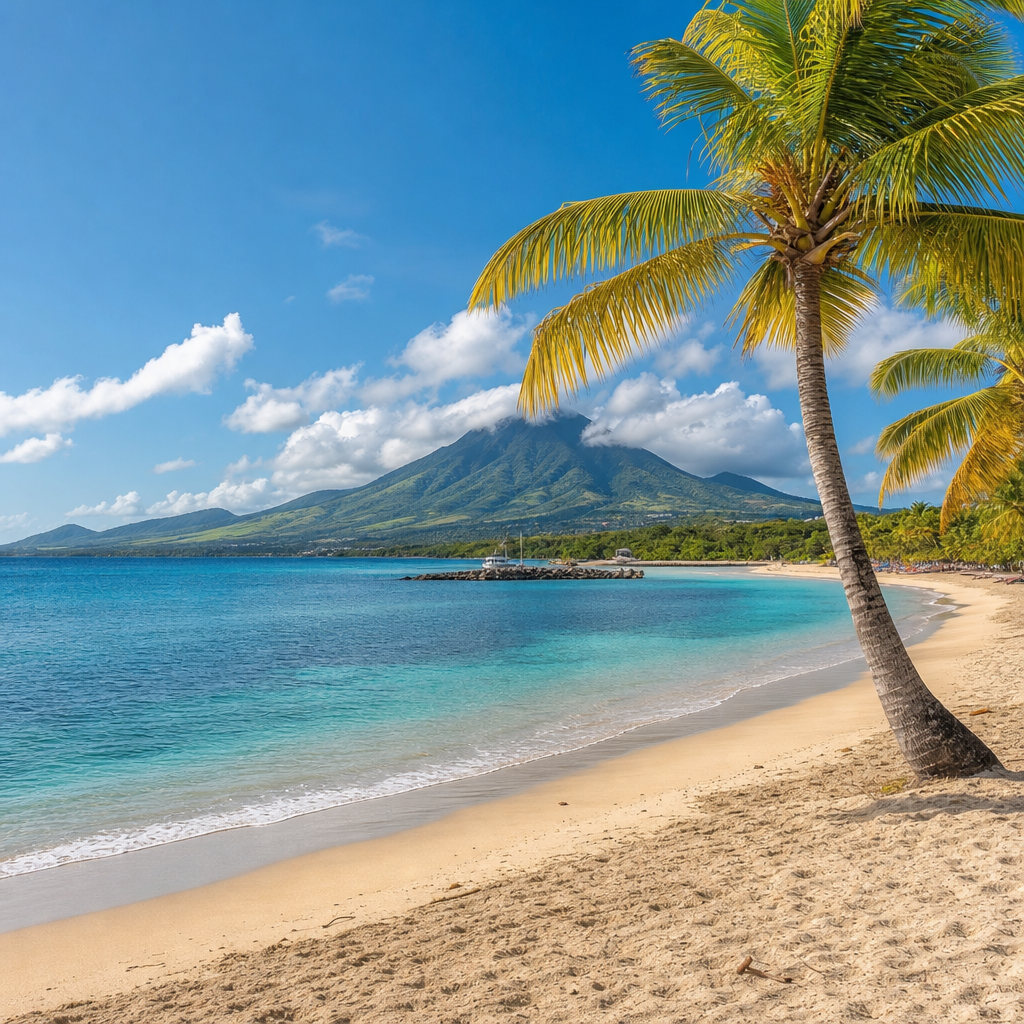
The botanical gardens of Saint Kitts are a floral escape, but the phrase should be understood in a fuller sense than simple relaxation. These gardens condense the island’s natural character into a walkable experience where beauty, ecology, and history can be read together. Visitors come for tropical color and leave with a better grasp of how plants shape wildlife habitats, how estate landscapes evolved, and how cultivated spaces can support conservation as well as tourism. That combination makes botanical gardens one of the most rewarding soft-adventure experiences on the island, especially for travelers who want substance as well as scenery.
For planning purposes, the key takeaway is straightforward. Use the gardens as your introduction to Saint Kitts nature and wildlife, not as an afterthought. They are ideal for first-day orientation, low-impact exploration, family travel, rainy-day flexibility, and close observation of Caribbean flora that might otherwise pass unnoticed. If you are building a broader itinerary, let this hub lead you outward to birdwatching sites, rainforest excursions, estate history, native and introduced plant stories, and seasonal wildlife encounters. Start with the gardens, take your time, and let the island’s larger landscape make more sense from there.
Frequently Asked Questions
What can visitors expect to see at the botanical gardens of Saint Kitts?
Visitors can expect far more than a simple collection of flowers. The botanical gardens of Saint Kitts typically showcase a wide range of tropical and Caribbean plant life, including flowering trees, palms, orchids, ginger, heliconia, ferns, shrubs, and carefully landscaped garden beds designed to highlight the island’s lush environment. Many guests come specifically to photograph the vivid colors, layered greenery, and scenic paths, but the experience also offers a closer look at the biodiversity that makes Saint Kitts so distinctive. Depending on the garden and the season, you may also see fruit-bearing plants, medicinal herbs, native species, and ornamental imports that have adapted well to the island’s climate.
Beyond the plants themselves, the setting often reflects the broader character of Saint Kitts. Gardens may include views of surrounding hills, glimpses of rain-forest vegetation, historic features, interpretive signs, ponds, or quiet seating areas that encourage a slower pace. For travelers who want a relaxing alternative to beaches, shopping, or busier excursions, botanical gardens provide an easy way to connect with the island’s natural beauty while learning how local landscapes, climate, and culture are intertwined.
Why are botanical gardens in Saint Kitts worth visiting for travelers interested in nature and local culture?
Botanical gardens in Saint Kitts are worth visiting because they bring together several parts of the island’s identity in one accessible place. They are not only visually beautiful, but also educational. A walk through the gardens can help visitors understand the diversity of Caribbean plant life, the role of tropical ecosystems in island environments, and the importance of conservation in a place where natural beauty is central to everyday life and tourism alike. For anyone curious about local ecology, these gardens offer a practical introduction without requiring a strenuous hike deep into the rain forest.
They also provide cultural insight. Plants in Saint Kitts are often tied to food traditions, herbal remedies, landscaping practices, colonial history, and the island’s agricultural past. In some gardens, labels or guided commentary help explain which species are native, which were introduced, and how they have been used over time. That makes the experience especially valuable for travelers who want more than sightseeing. Instead of simply admiring tropical scenery from a distance, visitors can better appreciate how the island’s environment has shaped community life, land use, and regional identity. It is a calm, enriching way to experience Saint Christopher Island beyond the shoreline.
Are the botanical gardens of Saint Kitts a good alternative to beach activities?
Yes, botanical gardens are an excellent alternative to beach activities, especially for travelers looking for a quieter, cooler, and more reflective experience. While Saint Kitts is well known for its coastline, many visitors also want to explore the island’s inland beauty, and botanical gardens provide that opportunity in a relaxed and approachable format. Rather than spending the day in direct sun on the sand, guests can enjoy shaded paths, landscaped spaces, and a slower pace that suits couples, families, older travelers, photographers, and anyone interested in nature.
This kind of outing is especially appealing on cruise stops or shorter vacations when time is limited but travelers still want a meaningful impression of the island. A visit to a garden can easily fit into a half-day itinerary and may combine well with nearby historical or scenic attractions. It also offers a different sensory experience: birdsong instead of surf, fragrant blooms instead of salt air, and immersive greenery instead of open beach views. For many people, that contrast is exactly what makes botanical gardens in Saint Kitts such a rewarding stop.
What is the best time to visit a botanical garden in Saint Kitts for sightseeing and photography?
The best time to visit a botanical garden in Saint Kitts is usually in the morning or later in the afternoon, when temperatures are more comfortable and lighting is softer for sightseeing and photography. Early visits often provide the most pleasant walking conditions, with fresher air, fewer crowds, and better chances to enjoy the gardens at a leisurely pace. Morning light can also bring out the saturated colors of tropical flowers and foliage without the harsh glare that sometimes comes with midday sun.
Seasonality can influence what is in bloom, but because Saint Kitts has a tropical climate, gardens may remain attractive throughout much of the year. Even when certain plants are not at peak flowering, the layered greenery, palm-lined paths, and landscaped views still make for an impressive visit. Travelers interested in photography should consider bringing a camera or phone with good close-up capability, since many tropical plants reward detail shots as much as wide scenic images. Comfortable shoes, water, sunscreen, and light clothing are also smart choices, as the island’s warmth and humidity can still be noticeable even in shaded areas.
Do botanical gardens in Saint Kitts help visitors learn about the island’s biodiversity and ecology?
Absolutely. One of the strongest reasons to visit a botanical garden in Saint Kitts is the opportunity to better understand the island’s biodiversity and ecology in a clear, engaging way. For many travelers, Saint Kitts is first associated with beaches and cruise tourism, but the island also has rich inland habitats, tropical vegetation, and ecological patterns that are essential to its identity. Botanical gardens help make that story visible by presenting plant species in organized settings where visitors can observe differences in form, color, habitat, and use.
In many cases, the educational value goes beyond naming plants. Gardens can illustrate how tropical ecosystems function, how specific species support pollinators and wildlife, and why preserving green spaces matters on a small Caribbean island. They may also highlight the relationship between cultivated gardens and the wilder rain-forest slopes for which Saint Kitts is known. This gives visitors a stronger sense of how the island’s natural systems connect, from ornamental landscapes to native vegetation. For anyone interested in sustainable travel, environmental awareness, or a deeper appreciation of Saint Kitts beyond its postcard scenery, a botanical garden visit is both enjoyable and genuinely informative.