Building a wellness routine in the tropics of Nevis starts with understanding how climate, culture, and daily habits shape health in ways that differ from routines designed for colder, faster, and more urban environments. A wellness routine is a deliberate pattern of actions that supports physical health, mental clarity, emotional resilience, sleep quality, and social connection. In Nevis, that pattern should reflect the island’s warm temperatures, coastal terrain, seasonal rainfall, fresh local food, and slower rhythm of life. I have worked with travelers, remote workers, and long-stay residents who arrived with rigid plans built around indoor gyms, imported meal programs, and tightly scheduled self-care apps, only to discover that the most effective approach on Nevis is simpler, more local, and more sustainable. The value of a tropical wellness routine is not aesthetic; it is practical. Heat changes hydration needs, sunlight influences sleep and mood, and access to walking trails, beaches, and open-air activities makes movement easier when routines are designed well. For anyone exploring health and wellness on Nevis, this hub covers the miscellaneous essentials that tie the subject together: climate-smart exercise, hydration, nutrition, recovery, sleep, stress management, and building habits that actually last.
Start with the Nevis environment, not imported habits
The first rule for building a wellness routine in the tropics of Nevis is to adapt to the island instead of forcing a mainland schedule onto it. Nevis is a small Caribbean island with a tropical marine climate, warm temperatures year-round, steady trade winds, and stronger humidity than many visitors expect. Daytime highs often sit in the upper 80s Fahrenheit, and even when conditions feel pleasant near the coast, humidity raises heat stress during exercise. That matters because heart rate climbs faster in humid weather, sweat evaporates less efficiently, and dehydration can build before thirst becomes obvious. When I help people settle into a realistic routine on Nevis, I usually shift demanding activity to early morning or late afternoon, then reserve midday for lighter movement, shade, swimming, stretching, or rest. This single adjustment prevents the most common mistake: treating every hour as equal.
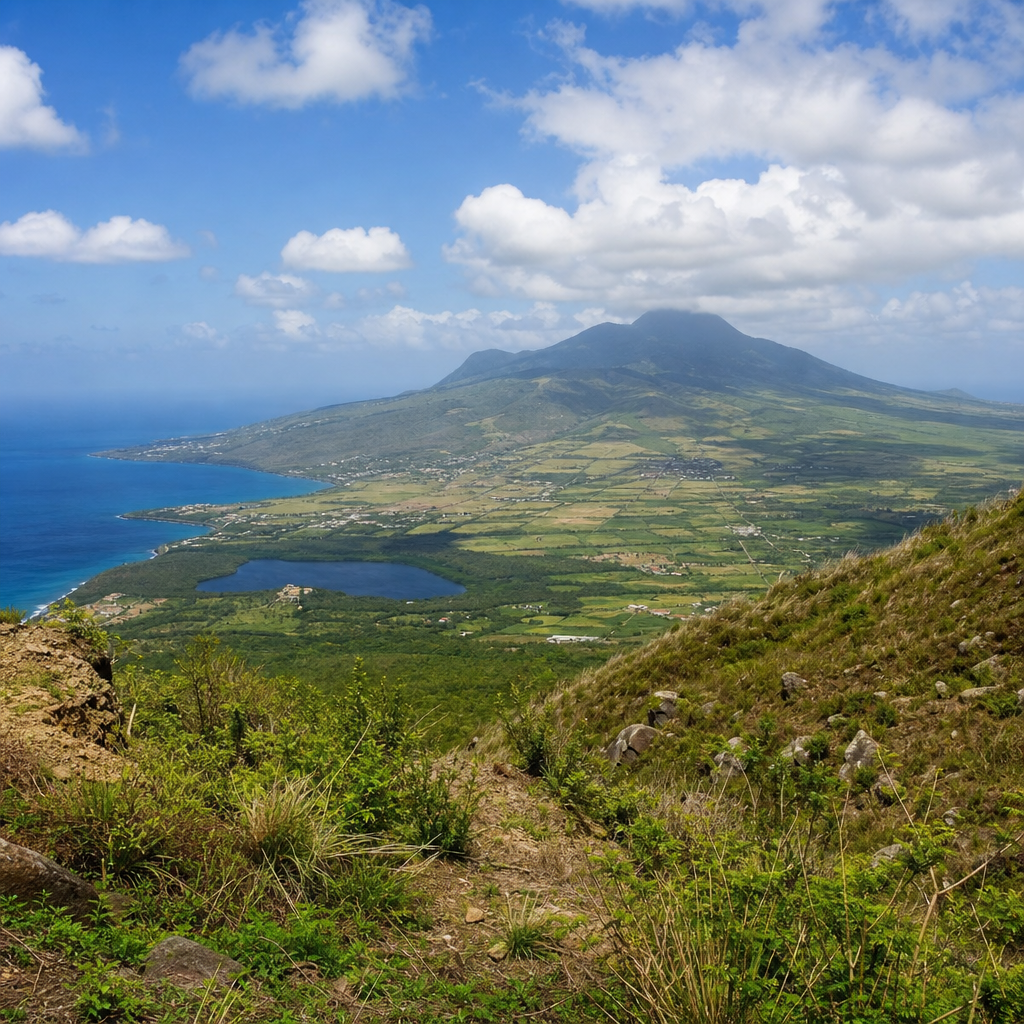
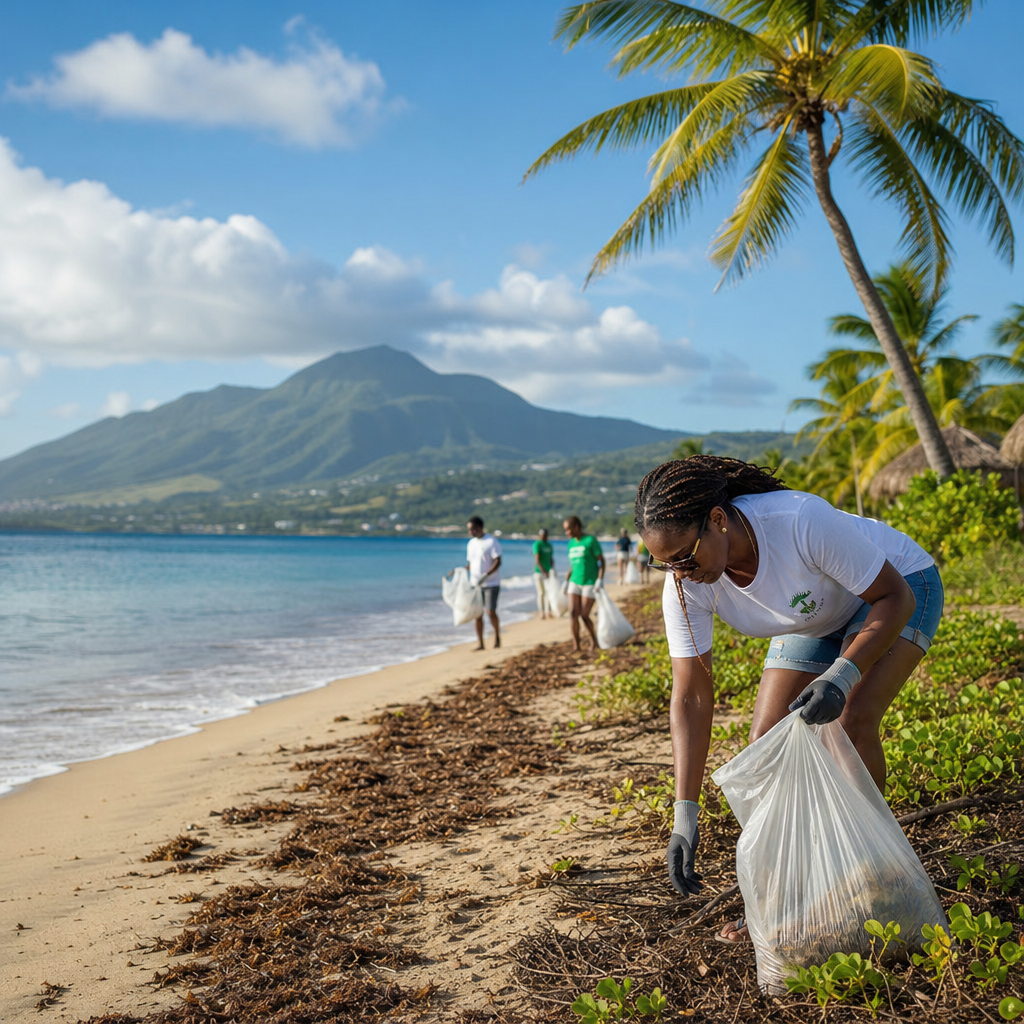
Nevis also rewards outdoor living, so wellness here naturally becomes more integrated into the day. Instead of seeing exercise as a separate task, many people do better by combining practical movement with scenic movement. A beach walk in Pinney’s, hill walking near Gingerland, a relaxed swim, or a visit to geothermal hot springs can all support a broader routine. The island’s scale helps. Short driving distances reduce commuting stress, and access to open spaces makes it easier to build consistency. A good tropical wellness plan does not need complexity. It needs fit. If your routine matches daylight, temperature, local food availability, and your actual energy patterns, adherence rises dramatically.
Hydration, electrolytes, and heat management
Hydration is the foundation of any wellness routine in Nevis because tropical conditions increase fluid loss every day, not just during workouts. Many people underestimate this because they associate dehydration with intense sweating, but in warm and humid environments, mild dehydration can develop gradually through walking, sun exposure, swimming, and normal daily activity. A practical baseline for most adults is to drink water steadily across the day rather than trying to catch up all at once. Urine color, thirst, headache frequency, and afternoon fatigue are useful signals, but they are lagging indicators. Proactive hydration works better. For people exercising outdoors, electrolytes matter too, especially sodium, because prolonged sweating without sodium replacement can reduce performance and increase the risk of dizziness, cramping, and post-exercise exhaustion.
On Nevis, hydration can be built around local habits rather than expensive supplements. Coconut water can help after light to moderate activity, though it should not be treated as a complete replacement for oral rehydration in heavy sweat conditions because sodium content is often lower than what high-sweat exercise demands. For longer hikes, runs, tennis sessions, or beach workouts, pairing water with electrolyte tablets or a balanced sports drink is usually more effective. The goal is not overconsumption. It is balance. Too much plain water without adequate sodium can also create problems. Heat management includes clothing choices as well: lightweight fabrics, hats, sunglasses, and regular shade breaks make a measurable difference. On particularly hot days, I advise reducing intensity by at least one level. Preserving consistency is more valuable than forcing one punishing session.
Eat for energy with local foods and realistic structure
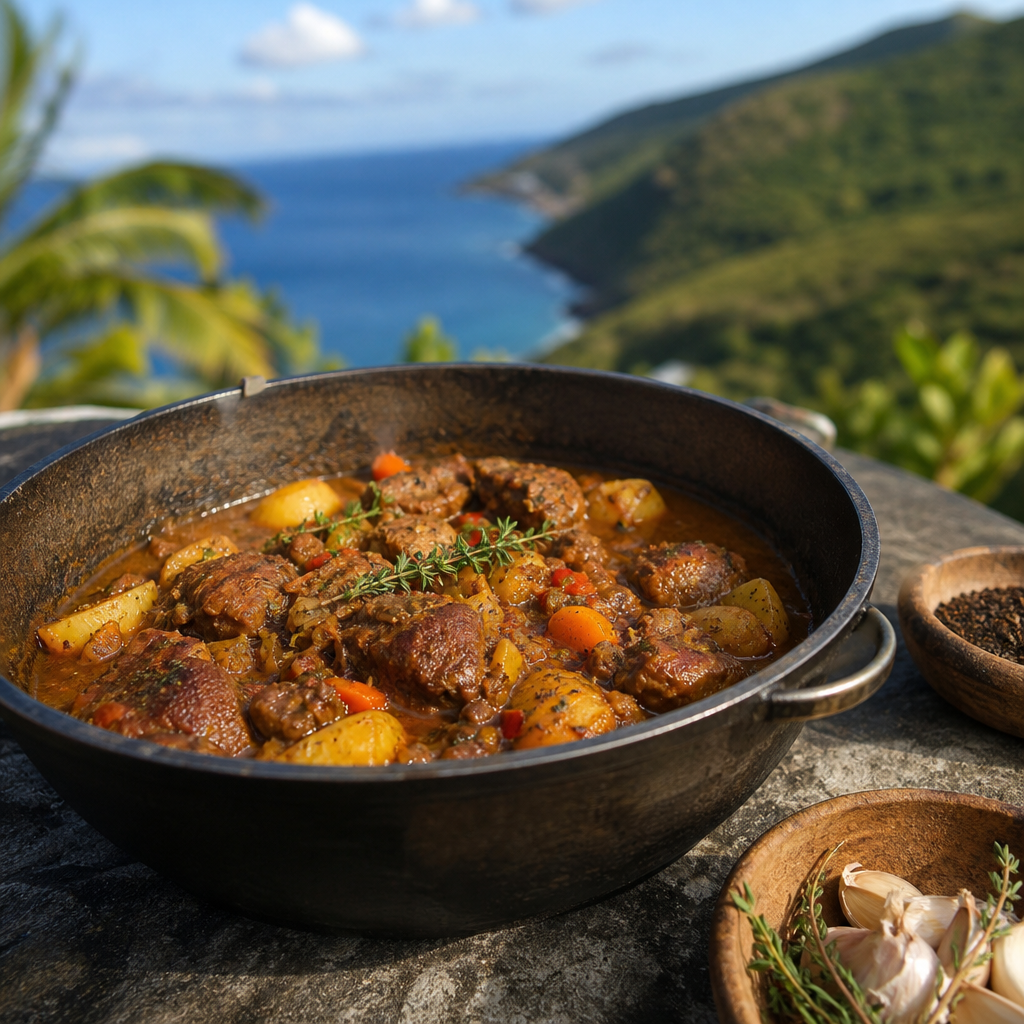
Nutrition on Nevis is most effective when it uses the island’s strengths. A sustainable wellness routine should emphasize foods that are accessible, fresh, and culturally familiar: fish, seasonal fruit, leafy greens, root vegetables, beans, herbs, and simple grilled preparations. Travelers often overcomplicate tropical eating by searching for specialty “wellness” products, but solid nutrition usually comes from basics. A plate built around grilled fish, callaloo, vegetables, and a moderate serving of rice or ground provisions can support energy, satiety, and recovery better than many packaged health foods. Mango, papaya, bananas, and other fruit can work well as snacks or part of breakfast, while yogurt, eggs, oats, and nuts create more staying power in the morning than pastry alone.
Meal timing matters in the heat. Heavy lunches can make the hottest part of the day feel even more draining, so many people do better with a lighter midday meal and a more substantial breakfast or early dinner. Protein distribution is another issue I see often. People who spend more time swimming, walking, or training outdoors need enough protein across the day to support recovery, especially older adults trying to maintain muscle mass. A simple target of including a meaningful protein source at each meal is more useful than chasing trends. There are tradeoffs to acknowledge. Restaurant dining can become sodium-heavy, fried foods can dominate some menus, and alcohol can quietly interfere with hydration and sleep. None of that means avoidance is mandatory. It means your default pattern should be strong enough that occasional indulgence does not become your baseline.
Build movement around terrain, water, and recovery capacity
The best exercise routine in Nevis is one you can repeat through changing weather, social schedules, and energy levels. Because the island offers beaches, hills, roads with scenic views, and access to water, a balanced movement plan can include walking, strength training, swimming, mobility work, and optional higher-intensity sessions. Walking is underrated here. On a tropical island, regular brisk walking improves cardiovascular health, supports blood sugar regulation, and helps visitors acclimatize without overwhelming the body. Swimming adds low-impact conditioning and can improve recovery on hotter days. If you want strength work, bodyweight training, resistance bands, kettlebells, or a small gym setup can be enough. You do not need a large facility to maintain a solid program.
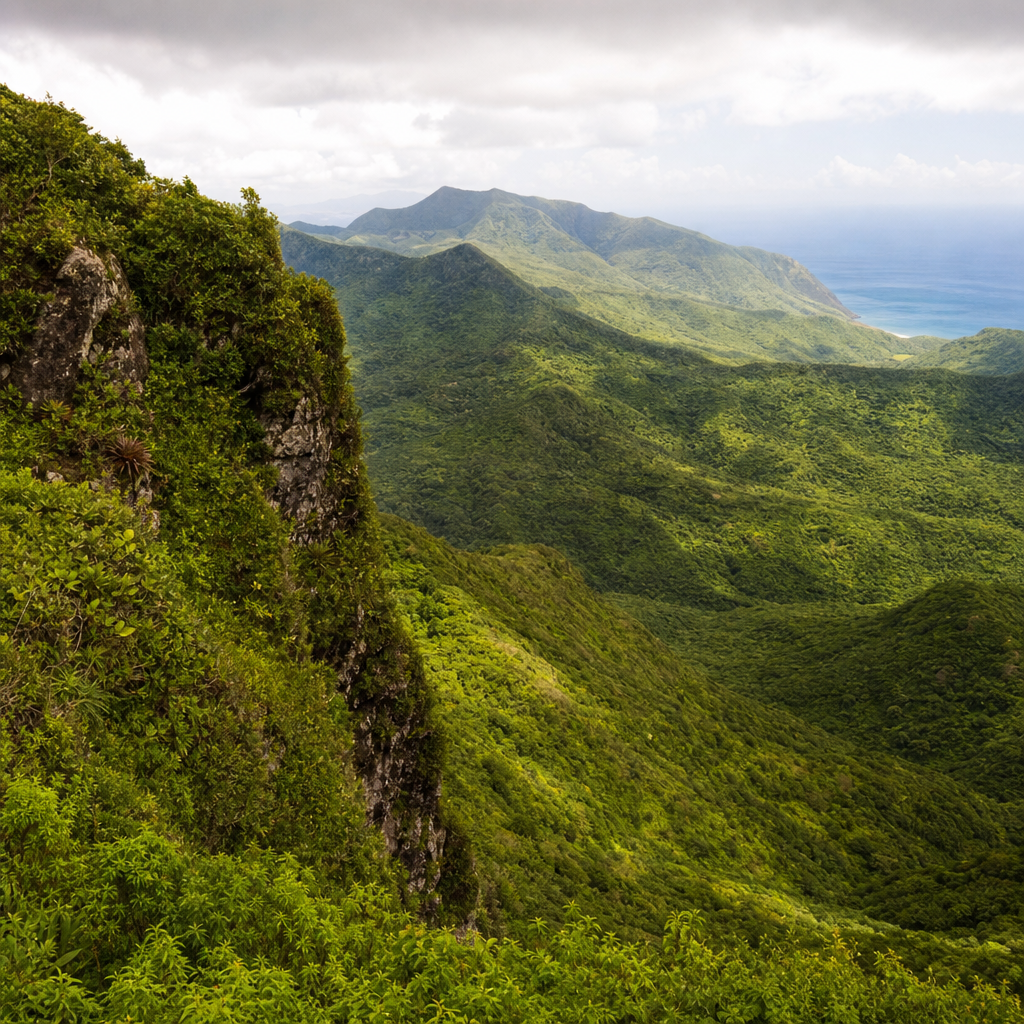
What matters is dosage. Tropical settings can tempt people into doing too much because the environment feels energizing, especially during a short stay. I have seen this repeatedly with visitors who combine sunrise walks, midday swimming, evening cocktails, and poor sleep, then wonder why they feel depleted after three days. Recovery capacity is finite. Heat, sun, alcohol, travel fatigue, and disrupted routines all count as stressors. Use a weekly structure that alternates demand. Two or three strength sessions, several walks, one or two swims, and daily mobility is enough for many adults. If you are also exploring hiking routes around Nevis Peak or spending long hours on the beach, count that as activity.
| Routine element | Best timing on Nevis | Why it works |
|---|---|---|
| Brisk walk | 6:00 to 8:00 a.m. | Lower heat load, easier consistency, better mood and focus |
| Strength session | 7:00 to 9:00 a.m. or 4:30 to 6:30 p.m. | Safer exertion window and improved hydration control |
| Swim or water exercise | Late morning or late afternoon | Supports conditioning with lower joint stress and cooling effect |
| Mobility and stretching | Midday or evening | Useful on hotter hours when intense training is less practical |
| Quiet recovery walk | Sunset | Encourages digestion, stress relief, and sleep readiness |
Sleep, sunlight, and nervous system balance
Sleep quality often improves in Nevis, but only when people respect the relationship between sunlight, temperature, and evening stimulation. Morning daylight exposure is one of the strongest tools for regulating circadian rhythm. Getting outside within the first hour or two after waking, even for ten to fifteen minutes, helps anchor the sleep-wake cycle and can improve nighttime sleep onset. This is especially valuable for travelers adjusting to a new time zone or remote workers whose schedules have drifted. In the tropics, however, warm nights, celebratory dining, and late alcohol consumption can undo those benefits quickly. Good sleep hygiene on Nevis is straightforward: cool the bedroom as much as possible, reduce heavy meals late at night, limit alcohol close to bedtime, and keep screens from becoming the final activity of the day.
Nervous system regulation matters just as much as sleep duration. People often come to Nevis seeking restoration, yet they bring the same constant stimulation they were trying to escape. A functional wellness routine should include deliberate downshifting. That can mean sunset breathing exercises, a short meditation session, journaling, quiet time by the water, or simply a phone-free walk. These practices are not ornamental. They lower cognitive load and improve recovery by shifting the body away from chronic stress activation. The island setting helps because natural soundscapes, lower traffic density, and ocean views reduce sensory overload. The key is to use those advantages intentionally rather than filling every open hour with plans.
Make your routine durable through community, tracking, and flexibility
The final piece of a wellness routine in the tropics of Nevis is durability. A routine only works if it survives real life. That means building in flexibility for rain, travel days, social events, work demands, and fluctuating motivation. The most successful routines I have seen on the island follow a simple structure: one hydration target, one movement minimum, one sleep boundary, and one recovery practice that happens daily. For example, drink water before coffee, walk for thirty minutes most mornings, stop eating two hours before bed, and spend ten minutes outside at sunrise or sunset. Those anchors create continuity even when the rest of the day changes.
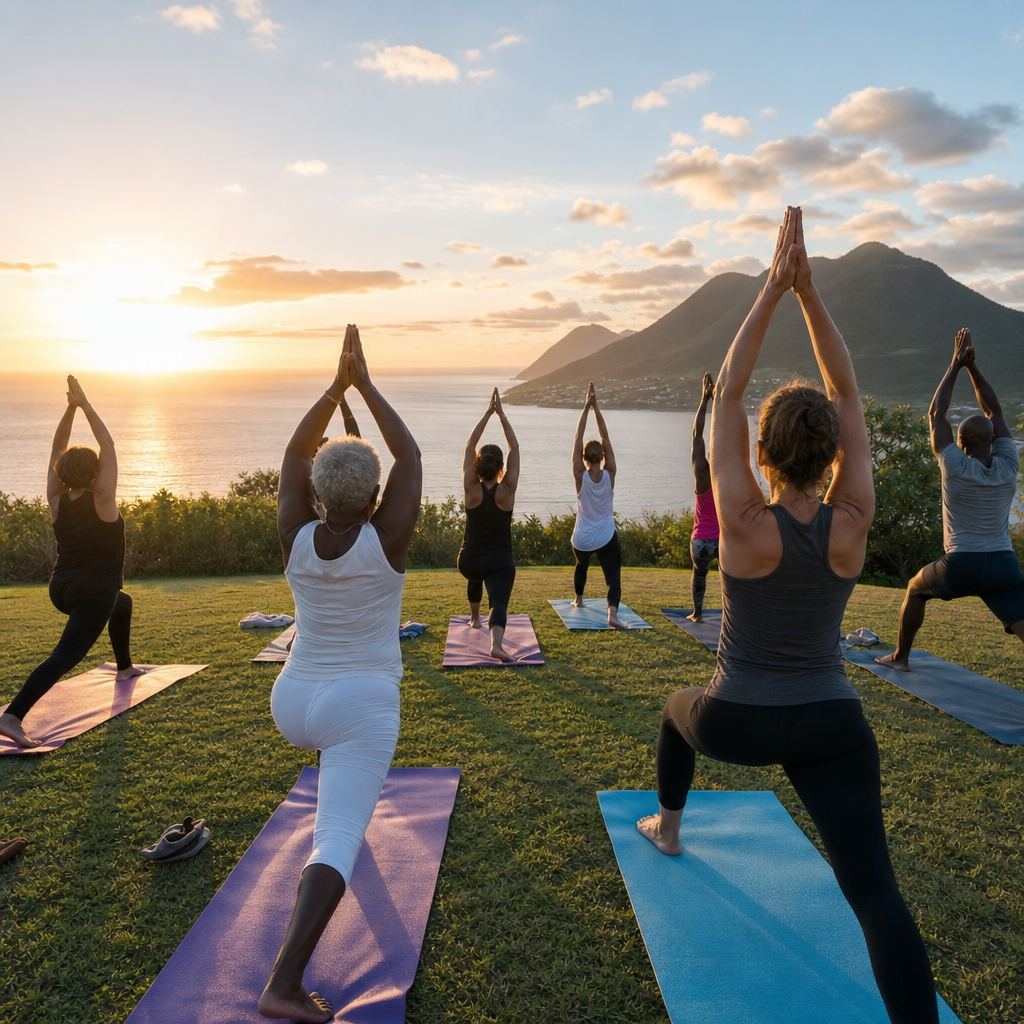
Community reinforces consistency. Joining a yoga class, arranging regular walks with a friend, booking a recurring massage or recovery treatment, or shopping weekly at the same local market creates accountability without feeling rigid. Tracking helps too, but it should be practical. A notes app, smartwatch, or paper journal is enough to monitor hydration, sleep, steps, and workout frequency. I prefer simple trend tracking over perfectionist logging because it reveals patterns quickly. If your sleep drops after late dinners, if headaches follow beach days without electrolytes, or if mood improves on walk-first mornings, your routine can be adjusted based on evidence. That is how long-term wellness actually works: not through intensity, but through observation, response, and repeatable habits shaped to the place where you live or stay.
Building a wellness routine in the tropics of Nevis is ultimately about alignment. When your habits match the island’s climate, food, daylight, and pace, health becomes easier to maintain and more enjoyable to practice. The essentials are clear: hydrate early and consistently, use electrolytes when sweat losses rise, eat mostly simple local foods, train around the heat, protect sleep, and create daily moments of calm. Just as important, avoid the common traps of tropical living, including underestimating sun exposure, overcommitting socially, and assuming vacation energy can replace recovery. Nevis offers exceptional conditions for physical and mental renewal, but the benefits come from structure, not chance.
As the hub for miscellaneous health and wellness guidance in Nevis, this page should help you connect the big pieces into one workable system. You do not need a perfect plan or expensive gear. You need a routine that respects how the body responds to tropical conditions and how people actually live on the island. Start with one or two foundational habits, then build gradually. A morning walk, a hydration plan, and a consistent bedtime are enough to begin. From there, refine your meals, movement, and recovery until the routine feels natural. If you are ready to improve your health on Nevis, choose one habit today and make it your standard tomorrow.
Frequently Asked Questions
What makes a wellness routine in Nevis different from a routine designed for colder or more urban places?
A wellness routine in Nevis should be built around the island’s climate, pace, landscape, and cultural rhythms rather than copied from routines designed for colder, more indoor, or highly scheduled environments. In a tropical setting, heat, humidity, sun exposure, and sudden rainfall all influence how you move, hydrate, eat, rest, and plan your day. That means a successful routine often starts earlier in the morning, includes more consistent fluid intake, allows for midday slowdowns, and uses outdoor spaces like beaches, walking routes, and coastal viewpoints as part of daily physical and mental health habits.
Nevis also supports a more natural approach to wellness because the environment encourages regular exposure to sunlight, fresh air, and movement. Instead of relying entirely on artificial settings such as gyms, treadmills, and climate-controlled schedules, many people can build routines around swimming, walking, stretching outdoors, mindful time by the sea, and eating fresh local foods. The goal is not simply to “do wellness activities,” but to align your routine with what helps the body function well in tropical conditions. That includes managing energy wisely, avoiding overexertion in peak heat, protecting sleep from heat disruption, and making recovery an intentional part of the day.
Just as important, life in Nevis often allows for a more grounded and less rushed rhythm. Wellness here can be shaped by connection to community, family meals, local produce, and time outdoors, not just individual productivity. A strong routine in Nevis therefore tends to be practical, flexible, and sustainable. It respects the body’s need to adapt to the environment while also taking advantage of the island’s natural assets for stress relief, mood support, and overall balance.
How should I structure my day to support wellness in Nevis’s tropical climate?
In Nevis, it is generally most effective to organize your day around the temperature and light patterns of the island. Early morning is often the best time for more demanding physical activity because conditions tend to be cooler, quieter, and more comfortable. This is an ideal window for walking, jogging, yoga, mobility work, swimming, or focused reflection before the day becomes hotter. Starting early can also improve consistency, since it reduces the chance that heat, fatigue, or afternoon obligations will interfere with your routine.
As the day warms up, wellness becomes less about intensity and more about maintenance. Hydration should be steady rather than occasional, especially in humid weather when the body loses fluids and electrolytes more quickly than many people realize. Meals during the hotter part of the day are often best kept balanced and not overly heavy, with an emphasis on fresh fruits, vegetables, fish, and other lighter foods that support energy without making you feel sluggish. Midday can also be used for lower-intensity habits such as stretching, breathing exercises, quiet work, rest, or a short mental reset indoors or in the shade.
Evening is another valuable time block for wellness in Nevis. As temperatures ease, many people find it easier to take a second walk, spend time with friends or family, enjoy a lighter movement session, or wind down by the water. This part of the day is especially useful for supporting emotional health and sleep quality. A realistic tropical wellness schedule often follows a simple pattern: active morning, moderated midday, restorative evening. That structure helps you work with the climate instead of fighting it, which makes your routine more sustainable over time.
What should I eat and drink to build a healthy wellness routine on Nevis?
Nutrition in Nevis should support hydration, energy stability, digestion, and recovery in a warm coastal environment. A good starting point is to center your meals around fresh, locally available foods whenever possible. Tropical fruits, vegetables, ground provisions, beans, fish, and other minimally processed foods can form the foundation of a routine that feels nourishing without being overly heavy. In a hot climate, many people do better when meals are satisfying but not constantly oversized, particularly during the middle of the day when heat can reduce appetite or make dense meals feel uncomfortable.
Hydration deserves special attention because it is one of the most important and most overlooked parts of tropical wellness. Drinking water consistently throughout the day is essential, but so is paying attention to electrolyte balance, especially if you are sweating heavily, spending time outdoors, exercising, or adapting to the climate for the first time. You do not have to make hydration complicated, but you do need to make it regular. Many people benefit from starting the day with water, drinking before they feel thirsty, and including hydrating foods such as fruit alongside meals and snacks.
A balanced tropical routine also means paying attention to how food affects your energy and sleep. Lighter breakfasts and lunches often pair well with the climate, while dinners can remain balanced without being too rich or too late. Fresh seafood, leafy vegetables, seasonal produce, and simple preparations can support a steady mood and better digestion. The most effective approach is not extreme dieting or rigid rules. It is choosing foods that fit the environment, support daily activity, and leave you feeling clear, hydrated, and well-rested rather than weighed down.
How can I protect my sleep, energy, and mental well-being while adjusting to life in Nevis?
Sleep and mental well-being in Nevis are closely connected to heat management, daylight exposure, and daily pacing. One of the biggest mistakes people make in tropical settings is underestimating how much the climate affects sleep quality and overall energy. If your bedroom is too warm, your evening meals are too heavy, or your schedule keeps you overstimulated late into the night, rest can suffer even if the environment itself feels peaceful. A strong wellness routine should therefore include intentional wind-down habits such as reducing late-night screen use, keeping the sleeping area as cool and dark as possible, and giving the body time to settle before bed.
Natural light is another major factor. In Nevis, regular morning exposure to daylight can help support a healthy circadian rhythm, improve alertness, and make it easier to fall asleep at night. Time outdoors early in the day also strengthens the mental side of a wellness routine by reducing stress and helping you feel more connected to your surroundings. Even a short morning walk, quiet time on a porch, or a few minutes by the sea can create a stronger sense of calm and orientation than starting the day immediately in a rushed, indoor state.
For emotional resilience, consistency matters more than perfection. Building in moments for pause, reflection, prayer, journaling, meditation, or simply unplugged quiet time can be especially powerful in an island setting where nature is accessible. Social connection also plays a major role. Wellness in Nevis is not only about private habits; it can also be supported through community, conversation, family routines, and shared meals. When sleep, sunlight, movement, and connection are all part of your pattern, mental well-being becomes much easier to sustain.
What are the most common mistakes people make when trying to create a wellness routine in Nevis?
One of the most common mistakes is trying to impose a routine that ignores the tropical environment. People often attempt to exercise at the hottest part of the day, eat as if they were in a colder climate, or maintain a pace that does not allow for hydration, cooling down, or recovery. That approach can quickly lead to exhaustion, dehydration, irritability, poor sleep, and inconsistency. A wellness routine in Nevis should feel adapted, not imported. If it does not account for heat, humidity, sunlight, and local daily rhythms, it is much less likely to last.
Another frequent mistake is focusing too narrowly on one part of wellness, usually exercise, while neglecting the others. In Nevis, a healthy routine should include movement, hydration, nutrition, rest, emotional regulation, and social connection. Someone may be active every day but still feel unwell because they are not drinking enough water, skipping recovery, sleeping poorly, or staying disconnected from supportive relationships. Wellness works best when it is viewed as a pattern of reinforcing habits rather than a single activity done well.
People also make the mistake of overcomplicating the process. You do not need an elaborate system to build a strong routine in Nevis. In fact, the most effective routines are often simple: wake early, get natural light, move before peak heat, eat fresh foods, hydrate steadily, rest when needed, and create a calm evening rhythm. Those fundamentals are powerful because they fit the setting. The real key is consistency and responsiveness. Pay attention to how your body feels in the climate, make practical adjustments, and let the island’s natural pace help shape a routine you can actually maintain.