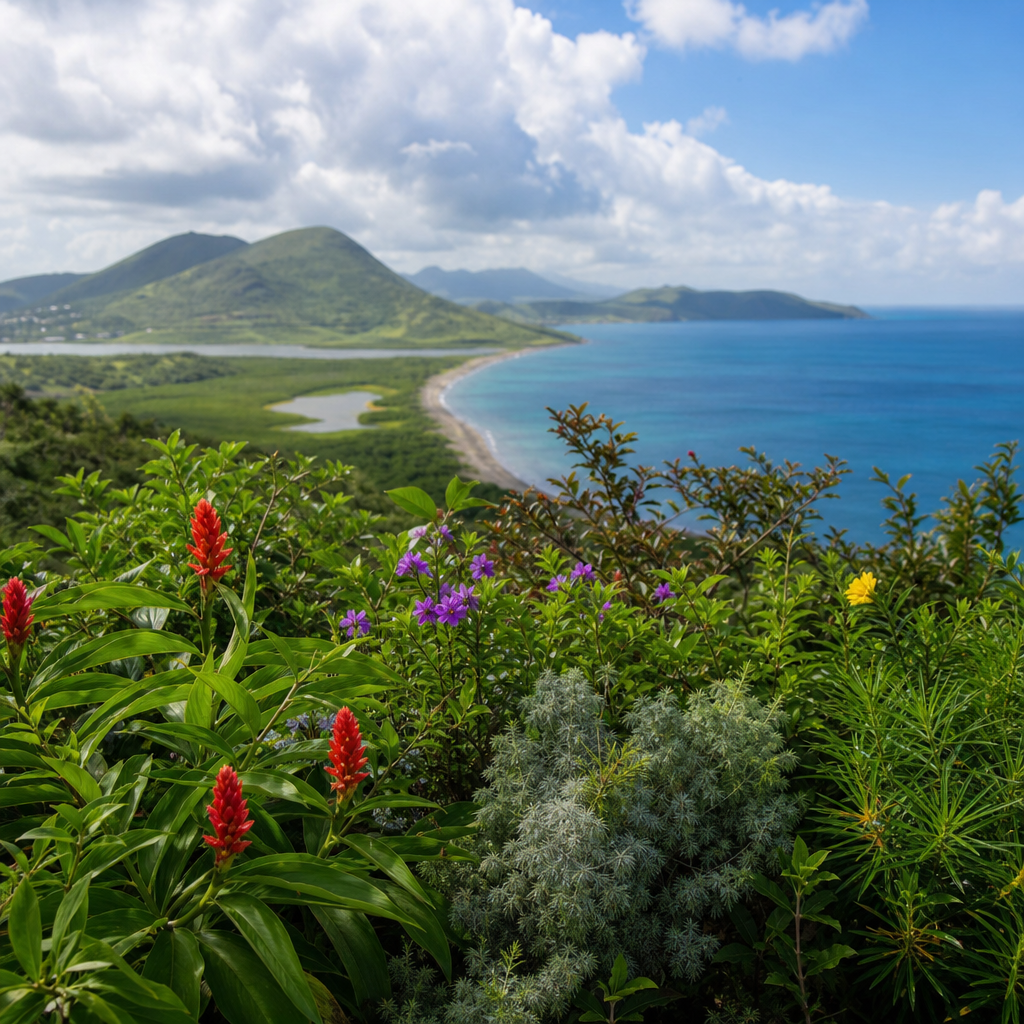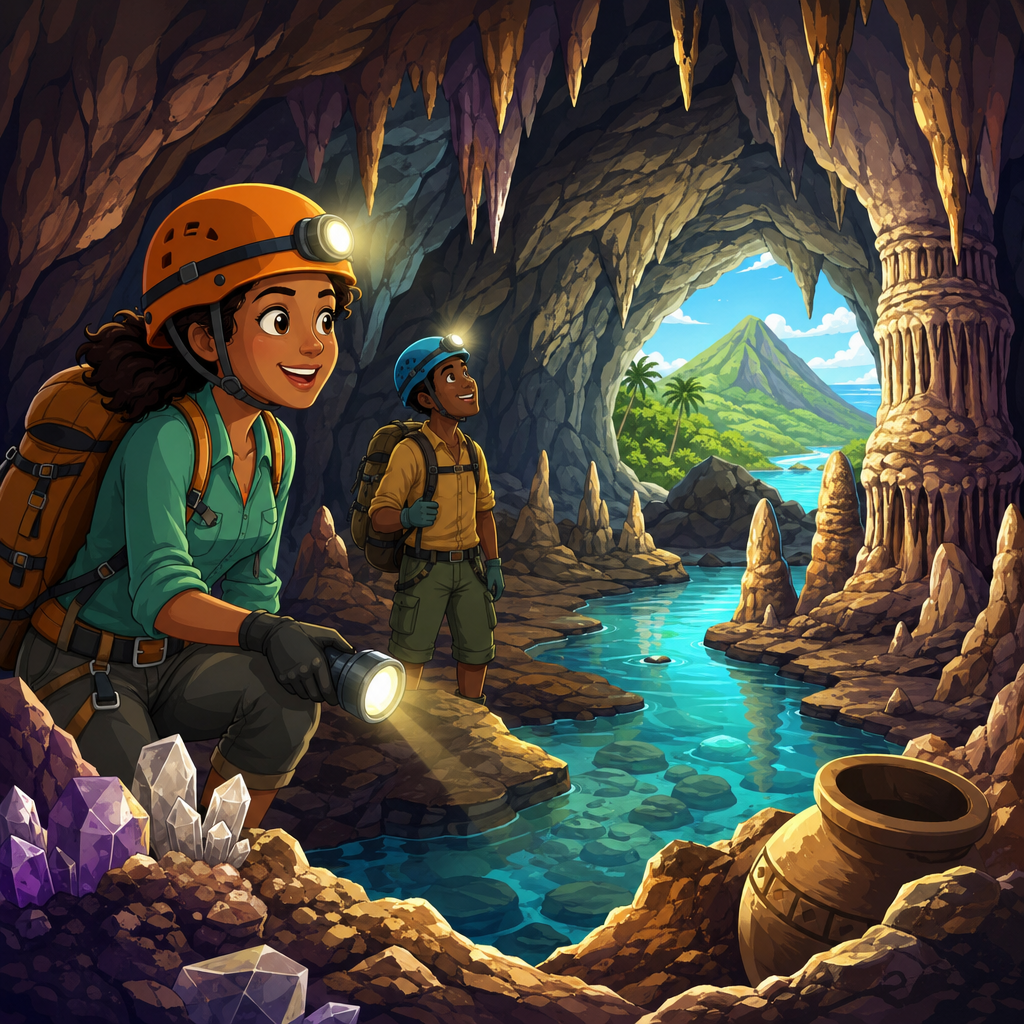
Cave exploration in Nevis reveals a side of the island that most visitors never see: volcanic chambers, limestone pockets, coastal cavities, and hidden hollows shaped by water, tectonic pressure, and time. In tourism brochures, Nevis is usually framed through beaches, heritage estates, and mountain hikes, yet its lesser-known underground and rock-shelter environments add a distinct layer to the island’s adventure profile. Cave exploration, in this context, includes formal spelunking, guided visits to shallow caverns, scrambling into sea caves at low tide, and interpreting rock overhangs that preserve ecological and cultural clues. For travelers planning an active itinerary, and for publishers building a useful Adventure and Activities content hub, this subject matters because it connects geology, history, wildlife observation, safety planning, and responsible access. I have planned excursions in the eastern Caribbean where a cave stop looked minor on paper but became the day’s most memorable experience, largely because visitors understood what they were seeing. On Nevis, that same principle applies. A cave is not just a hole in rock; it is evidence of the island’s volcanic origin, coastal erosion patterns, freshwater movement, and human use across centuries. Understanding those layers helps travelers choose better excursions, ask smarter questions, and appreciate why some sites are accessible while others should remain undisturbed.
What cave exploration means on Nevis
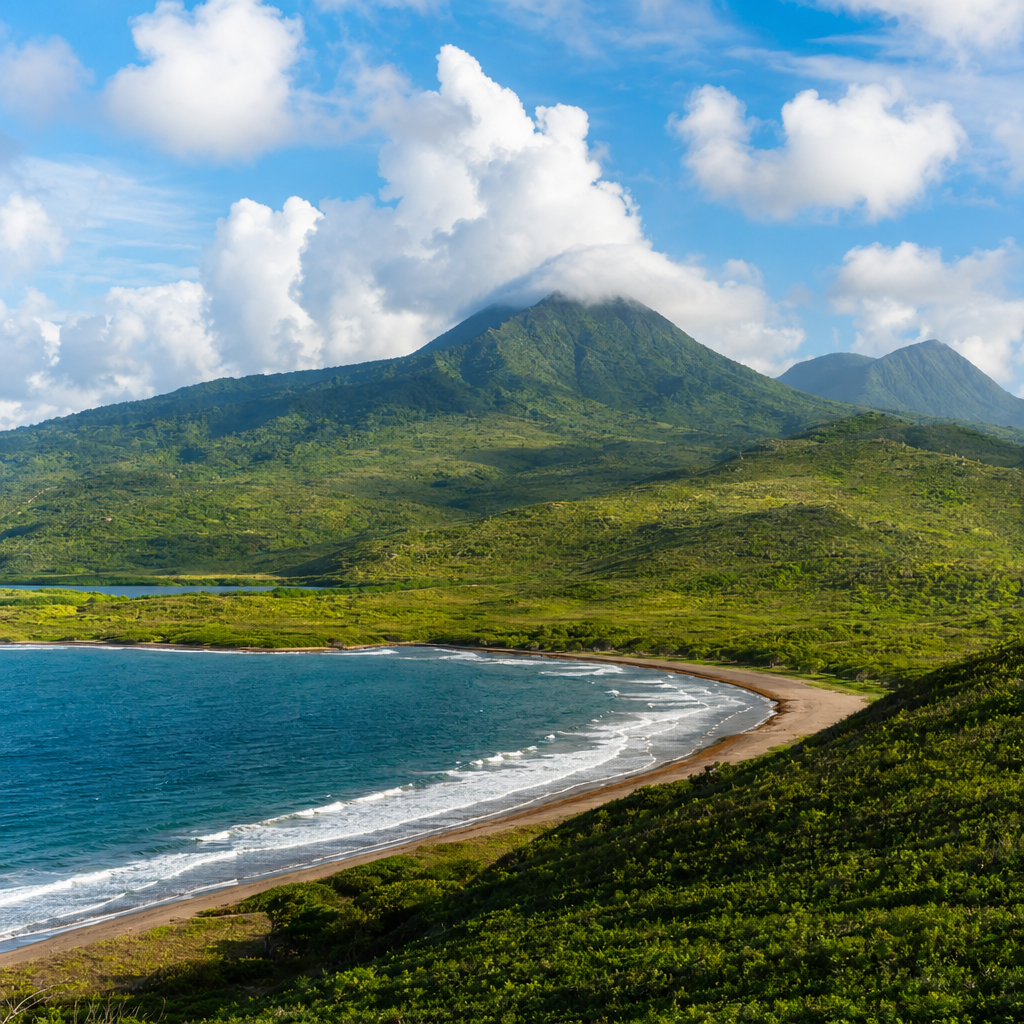
Nevis is a compact volcanic island in Saint Kitts and Nevis, dominated by Nevis Peak and ringed by coastal plains, cliffs, and marine margins. Because of that geology, cave exploration here does not resemble the vast karst cave systems found in places like Belize or Mexico. Instead, visitors typically encounter smaller, more varied features: sea caves carved by wave action, lava-influenced hollows, fissures, erosion shelters, and isolated cavities associated with volcanic and sedimentary processes. That distinction is important because it shapes expectations. Travelers searching for technical caving with ropes, helmets, and multi-hour underground traverses may find only limited opportunities, while those interested in short exploratory outings tied to hiking, kayaking, snorkeling, or heritage interpretation can find real value.
In practical terms, cave exploration in Nevis often overlaps with broader outdoor pursuits. A guided coastal hike may include a sea cave or rock shelter. A boat charter around the island may point out marine-cut cavities visible only from the water. A heritage-focused walking tour may discuss how overhangs and secluded rocky areas served as shelter, lookout points, or places tied to local memory. This makes the topic “Miscellaneous” in the best sense of the word: it bridges several adventure categories rather than sitting in one narrow niche. As a hub subject, it also supports related articles on hiking in Nevis, kayaking around Nevis, snorkeling and coastal tours, wildlife watching, geology-focused travel, photography spots, and practical outdoor safety. Readers benefit when the cave article acts as the connective tissue among those experiences instead of pretending caves exist in isolation.
Geology, landscape, and how Nevisian caves form
Nevis was formed by volcanic activity, and its central mountain remains the dominant feature controlling drainage, soil composition, vegetation patterns, and slope stability. Unlike classic limestone cave destinations where groundwater dissolves extensive subterranean passages, Nevisian caves tend to be smaller and more localized, created through a mix of volcanic fracturing, weathering, collapse, marine erosion, and the interaction between softer and harder rock layers. On the coast, repeated wave impact exploits natural weaknesses, gradually hollowing sea caves. Inland, fractures and erosional pockets can produce shelters and recesses rather than deep chamber networks.
This geological context changes how guides interpret sites. When I have reviewed island adventure itineraries, the most useful guides are the ones who explain not only what visitors are seeing, but why the cavity exists in that exact location. For example, a shallow coastal cave often marks a zone where wave energy concentrates against a fractured headland. An inland overhang may indicate differential weathering, where one layer resists erosion more effectively than the one beneath it. During the wet season, runoff can intensify erosion, expose roots, and alter footing around cave entrances. During calmer months, low tide and gentler seas may make certain marine-access views safer and clearer. For travelers, that means cave conditions are dynamic. The same site can feel accessible in one season and hazardous in another, especially around unstable rock, surge channels, and slick algae-covered surfaces.
Types of cave experiences travelers can expect
The strongest cave-related experiences in Nevis are usually hybrid adventures rather than stand-alone caving expeditions. Coastal exploration is the most obvious category. Sea caves can sometimes be viewed on boat tours, kayak excursions, or shoreline hikes timed carefully around tide and surf conditions. These outings appeal to travelers who want dramatic scenery and photography opportunities without advanced technical training. The second category is hiking-linked exploration. Guides who know the terrain may include rocky shelters, crevices, or hidden recesses on routes that already feature forest, old estate land, or volcanic viewpoints. The third category is educational interpretation: geology walks, naturalist excursions, and local-history tours that treat caves and overhangs as windows into landscape change and island life.
Because Nevis is small, many visitors underestimate how much variety can fit into a single day. A morning rainforest hike, a midday heritage stop, and an afternoon coastal drive can expose travelers to several different rock formations, each telling a different story. Families often prefer shallow, visible cavities where children can explore briefly under supervision. More adventurous adults may want scrambling routes with uneven surfaces and tighter spaces. Birders and naturalists tend to focus on cave mouths and shaded rock areas because those microhabitats can support bats, nesting activity, insects, moisture-loving plants, and lizards. Photographers look for texture, light shafts, tidal reflections, and framing effects. A good hub article should make clear that “cave exploration” is not one product. It is a cluster of activities with different risk levels, access needs, and interpretive value.
Planning a safe and rewarding cave outing
Safety is the factor that separates a meaningful cave excursion from a poor decision. On Nevis, the main hazards are not usually deep subterranean disorientation but unstable footing, falling rock, sudden wave surge, heat stress on approach trails, and entering isolated areas without local knowledge. I recommend that travelers treat every cave-adjacent outing as a guided outdoor activity unless the site is a clearly established stop with easy public access. Local guides understand tide windows, recent weather effects, private land boundaries, and the practical difference between a scenic overlook and a safe entry point.
Essential preparation starts with footwear. Water shoes may work for a marine landing, but for most mixed-terrain cave visits, closed-toe trail shoes with grip are better. A headlamp is useful even for shallow cavities because phone flashlights distort depth perception and fail quickly in humid conditions. Bring more water than you think you need, especially if a cave stop is attached to a hike. Lightweight gloves can help on rough rock. Travelers with asthma or claustrophobia should ask in advance about dust, bat presence, and confined spaces. Guides should also know whether clients are comfortable with scrambling, ladder use, or wet footing.
| Type of outing | Best for | Main hazards | Recommended gear |
|---|---|---|---|
| Coastal sea cave viewing | Scenic travelers, photographers | Wave surge, slippery rock, tide changes | Grip shoes, dry bag, life vest if by boat or kayak |
| Hike with cave or overhang stop | Active visitors, families with guide | Loose soil, roots, heat, insects | Trail shoes, water, headlamp, insect repellent |
| Scramble into shallow cavity | Adventure seekers | Falls, low clearance, sharp rock | Helmet if provided, gloves, headlamp, sturdy shoes |
| Naturalist or heritage interpretation visit | History lovers, birders, students | Uneven ground, wildlife disturbance | Notebook, binoculars, closed-toe shoes |
Weather and access checks should happen the same day, not just when booking. Rain can change trail traction within hours, and rough seas can make a sea cave stop unsafe even if skies look clear inland. If an operator cancels or reroutes, that is usually a sign of sound judgment, not poor service. The best cave experiences on islands come from patience and local assessment, not rigid scheduling.
Wildlife, ecology, and conservation responsibilities
Caves and rock shelters often function as sensitive microhabitats. In the Caribbean, bats are especially important because they support pollination, seed dispersal, and insect control. Disturbing a roost may look trivial to a visitor but can create stress during breeding or daytime resting periods. Cave mouths also attract reptiles, invertebrates, and birds that use nearby ledges, shade, and moisture gradients. In fragile coastal environments, trampling vegetation around entrances can accelerate erosion and degrade habitat quickly.
Responsible cave exploration in Nevis therefore follows a few clear rules. Do not enter spaces that a guide identifies as wildlife-sensitive. Do not shine strong lights directly at bats or nesting birds. Do not touch formations, scrape rock surfaces, or remove shells, stones, or cultural material. If a site contains graffiti, that is not permission to add more. Pack out everything, including food scraps, which can alter animal behavior. These principles matter even more on smaller islands, where habitats are limited and repeated visitor impact concentrates fast. Conservation is not separate from adventure travel here; it is what keeps the experience viable.
Culture, heritage, and the value of local guidance
Some of the most meaningful cave-related experiences in Nevis come from local storytelling rather than physical depth. A rocky recess may connect to oral history, estate-era movement routes, fishing practices, weather shelter, or community memory. Not every site will have a documented archival record, and responsible interpretation requires care. That is another reason local guides matter. They can distinguish between well-supported history, family tradition, and tourism myth, which helps travelers avoid repeating inaccurate claims.
From an editorial perspective, this is where a Miscellaneous hub page becomes especially useful. Visitors interested in cave exploration may also want articles on Nevis history tours, plantation landscapes, village culture, marine ecology, and offbeat attractions. Internal connections between those topics reflect how travelers actually plan. Someone researching a hidden cave stop is often also looking for authentic experiences away from standard resort circuits. By treating caves as entry points into wider island knowledge, the article serves both search intent and on-the-ground trip planning.
How to include cave exploration in a broader Nevis adventure itinerary
The best Nevis itineraries use cave exploration as a complement, not the entire plan. Pair a coastal cave view with snorkeling or kayaking if sea conditions are favorable. Add a rocky shelter stop to a guided rainforest hike for contrast between lush interior and exposed geology. Combine a cave-themed outing with visits to heritage estates, Charlestown museums, or beach recovery time so the day feels balanced. Travelers staying three to five days can easily fit one cave-related experience into a wider mix that includes hiking Nevis Peak, horseback riding, sailing, diving, thermal spring visits, or culinary stops.
For content strategy, this hub should point readers toward narrower supporting pages: best guided hikes in Nevis, family-friendly outdoor activities, photography locations, rainy-season planning, what to pack for active excursions, and eco-friendly travel practices. That hub-and-spoke structure helps readers move from broad curiosity to specific booking decisions. It also reflects reality: cave exploration in Nevis is most successful when understood as one piece of a smart, well-rounded island adventure plan.
Cave exploration in Nevis offers more than novelty. It gives travelers a grounded way to understand the island’s volcanic formation, rugged coastline, ecological sensitivity, and lived history. The key takeaway is simple: expectations should match the landscape. Nevis is not a destination for giant commercial cave systems, but it is an excellent place to explore smaller cavities, sea caves, rock shelters, and geologically interesting recesses as part of guided outdoor adventures. That distinction helps visitors choose the right excursion and avoid disappointment.
The strongest experiences come from informed planning. Use local guides, check weather and sea conditions, wear the right footwear, and treat all cave environments as sensitive spaces. When you do that, even a brief stop inside a shaded coastal hollow or an inland rock shelter becomes meaningful. You are not just looking at stone. You are reading the island’s physical history and seeing how adventure, science, and culture overlap in one compact landscape.
As a hub within Adventure and Activities, this topic also opens the door to deeper exploration across Nevis. From hiking and kayaking to wildlife observation and heritage touring, cave-related outings connect naturally to many other experiences visitors already want. Start with one guided cave or rock-shelter excursion, then build the rest of your itinerary around the stories it introduces. That approach turns a single stop into a richer understanding of Nevis as a whole.
Frequently Asked Questions
What makes cave exploration in Nevis different from other Caribbean adventure experiences?
Cave exploration in Nevis stands out because it reveals a geologically and culturally layered side of the island that many travelers never encounter. While Nevis is often celebrated for its beaches, historic estates, and views of Nevis Peak, its caves, coastal recesses, volcanic chambers, and rock shelters offer a very different experience—one shaped by pressure, erosion, mineral movement, and long-term environmental change. Instead of a polished tourism setting, these spaces feel raw, quiet, and elemental, giving visitors a closer look at the island’s natural formation processes.
What makes the experience especially distinctive is the variety of cave-like environments found across a relatively small island. In Nevis, exploration may involve volcanic voids, limestone pockets, sea-carved cavities, and hidden hollows formed by water and shifting terrain over time. That means no two excursions feel exactly alike. Some sites are more like geological shelters or dramatic rock overhangs, while others are enclosed spaces that require more careful entry and guided interpretation. This diversity adds depth to the adventure and makes it appealing not only to thrill-seekers, but also to travelers interested in ecology, island history, and landscape evolution.
There is also an important sense of discovery attached to cave exploration in Nevis. Because these places are not as heavily commercialized as mainstream attractions, they often retain a feeling of authenticity. Visitors are not simply checking off a standard excursion; they are stepping into environments that remain relatively unknown, even to people familiar with the island. For travelers looking beyond surface-level sightseeing, cave exploration offers a memorable way to understand Nevis as more than a beach destination.
Are there guided cave exploration tours in Nevis, and should visitors avoid exploring on their own?
Yes, guided cave exploration is the safest and most informative way to experience Nevis’s underground and rock-shelter environments. Because many of these spaces are shaped by irregular volcanic geology, coastal erosion, and changing weather conditions, they can be far more complex than they appear from the outside. A trained local guide can assess access conditions, identify unstable areas, explain terrain features, and help visitors navigate routes that may include uneven surfaces, low ceilings, slick rock, or narrow entries. For most travelers, this guidance is essential rather than optional.
Independent exploration is generally not recommended unless someone has the appropriate technical skills, site-specific knowledge, and proper equipment. Caves and coastal cavities can present hidden hazards, including poor lighting, loose rock, sudden elevation changes, reduced air circulation in certain pockets, and difficult footing after rain or wave action. In some areas, access may also cross private land or environmentally sensitive terrain, making local guidance important from both a safety and a respect-for-place perspective. What looks manageable in a photo can be far more challenging in person.
Guided visits also provide context that transforms the outing from a simple adventure into a meaningful learning experience. Local experts can discuss how a chamber was formed, how seasonal water movement affects it, what plant or animal species may use the site, and whether a cave has any folklore or community significance. That combination of safety, interpretation, and local knowledge makes guided cave exploration in Nevis the smarter and more rewarding choice for nearly all visitors.
What should you bring and wear for cave exploration in Nevis?
Preparation matters, even for a relatively short cave outing in Nevis. The best clothing choice is lightweight, breathable apparel that allows easy movement but still offers some protection against scrapes, rough surfaces, and insect exposure. Long shorts or lightweight hiking pants are often better than swimwear alone, and a moisture-wicking shirt is ideal in the island’s warm, humid conditions. Sturdy closed-toe shoes with reliable grip are one of the most important items to wear, since cave entrances and interior surfaces can be rocky, muddy, damp, or uneven. Sandals and flip-flops are usually a poor choice for this type of activity.
A small backpack with essentials is also recommended. Visitors should carry drinking water, especially because the heat outside the cave can be intense before and after the excursion. A flashlight or headlamp can be useful, but if you are joining a guided trip, ask first whether lighting equipment is provided. Depending on the site, gloves may help with scrambling over rock, and a helmet may be advisable or required in tighter or lower-clearance environments. Insect repellent can be useful around cave approaches, while sunscreen remains important for exposed portions of the route even if the cave itself provides shade.
It is also wise to think in terms of respect and practicality. Avoid bringing valuables that could be damaged by moisture or impact, and do not assume mobile phone service will be reliable in remote or enclosed locations. If photography is part of your plan, protect devices from humidity and sudden splashes, especially in coastal cavities. Most importantly, follow the guide’s recommendations about what is appropriate for the specific site, because cave exploration in Nevis can range from a simple walk into a rock shelter to a more physically demanding scramble over volcanic terrain.
Is cave exploration in Nevis suitable for beginners and families?
In many cases, yes—but suitability depends entirely on the specific site, the route, and the physical abilities of the participants. Not every cave-related experience in Nevis involves technical spelunking. Some outings are better described as guided visits to accessible rock shelters, coastal cavities, or shallow geological formations that allow visitors to enjoy the atmosphere of cave exploration without needing advanced skills. These beginner-friendly experiences can be excellent for curious travelers, families with older children, and visitors who want an off-the-beaten-path activity without committing to an extreme adventure.
That said, families and first-time explorers should never assume all caves are easy or universally safe. Terrain in and around cave environments can become slippery, jagged, confined, or physically demanding very quickly. Younger children may struggle with balance, patience, heat, or dimly lit conditions, and some adults may find the enclosed environment uncomfortable if they are claustrophobic or not confident on uneven ground. The key is to ask detailed questions before booking: How long is the excursion? Is there climbing involved? Are helmets required? What is the minimum age? Is the route shaded, wet, steep, or narrow?
Reputable guides can usually recommend an experience that matches the group’s comfort level. This is one of the biggest advantages of working with knowledgeable local operators: they understand which locations are appropriate for beginners and which are better left to adventurous, physically prepared participants. When expectations are set correctly, cave exploration in Nevis can be an engaging, educational, and highly memorable activity for a wide range of visitors.
Why is responsible cave exploration important in Nevis?
Responsible cave exploration is essential in Nevis because these environments are often fragile, culturally meaningful, and easily damaged by careless behavior. Caves, hollows, and coastal rock chambers may appear rugged, but their internal surfaces, sediments, and ecological patterns can be surprisingly sensitive. Repeated disturbance from touching formations, leaving litter, making unauthorized markings, or moving rocks can alter the character of a site and reduce its value for future visitors and researchers. In places shaped slowly over long periods, damage can happen quickly and be difficult or impossible to reverse.
There is also an environmental dimension to responsible access. Cave and rock-shelter habitats may support bats, insects, nesting species, or specialized plant life nearby. Excessive noise, artificial light, and disruption of natural materials can interfere with these habitats. Coastal cavities may be especially vulnerable to tides, sea spray, erosion, and seasonal conditions, meaning visitors need to be attentive not only to preservation but also to timing and safety. Staying on established paths where possible, following guide instructions, and avoiding the removal of natural objects are basic but important practices.
Finally, respectful exploration recognizes that these places are part of Nevis’s broader landscape identity, not just backdrops for adventure photography. Some locations may carry local stories, community associations, or historical significance that deserve careful treatment. Approaching cave exploration with curiosity, restraint, and respect helps protect the island’s lesser-known natural heritage while ensuring that future visitors can experience the same sense of wonder. In a destination often defined by what is visible above ground, preserving what lies beneath and within the rock is especially important.