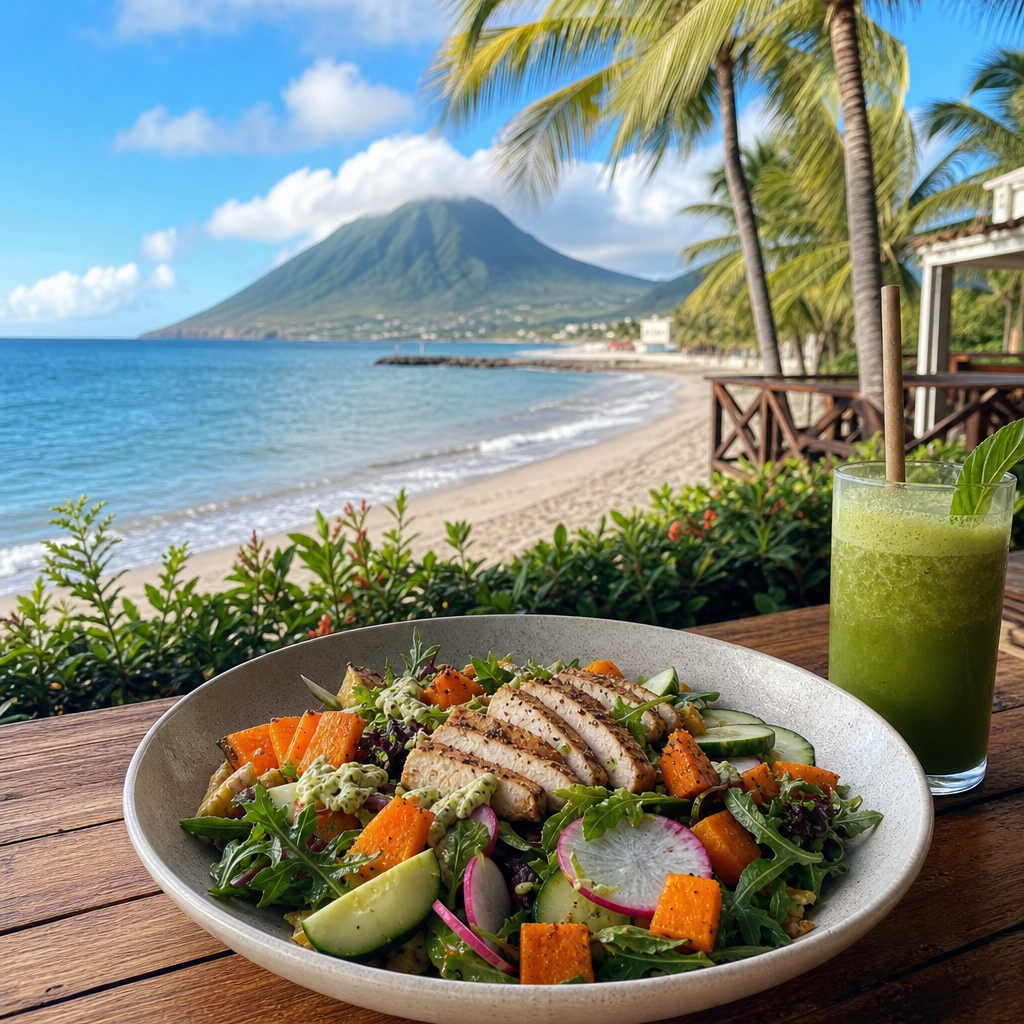
Clean eating in Saint Kitts means choosing meals built from minimally processed ingredients, balanced portions, and fresh local produce while still enjoying the island’s distinct Caribbean food culture. For residents, medical travelers, digital nomads, cruise visitors, and hotel guests, the challenge is not whether healthy food exists on Saint Kitts, but how to identify restaurants that prepare it consistently and transparently. In practice, clean eating usually centers on vegetables, fruit, legumes, whole grains, seafood, lean proteins, herbs, and healthy fats, while limiting excess sodium, refined sugar, deep frying, and heavily processed sauces. That definition matters because many menus use words like fresh, natural, or light without changing cooking methods or ingredient quality in meaningful ways.
Saint Kitts has a dining scene shaped by tourism, local agriculture, import realities, and a strong tradition of hearty comfort food. You will find excellent grilled fish, salads, steamed vegetables, smoothies, provision-based sides, and thoughtfully prepared vegan bowls, but you will also encounter hidden butter, sweetened dressings, oversized starch portions, and dishes that appear healthy on paper yet arrive loaded with salt or oil. I have worked with travelers and wellness-focused clients who wanted to eat well on the island without sacrificing flavor, and the best results always came from understanding both the menu and the kitchen’s flexibility. The healthiest restaurant is often not the one advertising detox juices; it is the one willing to grill instead of fry, serve dressing on the side, and tell you where the fish and produce came from.
This guide covers how to find healthy restaurants in Saint Kitts, what to order, what to ask before ordering, and how to use this page as a starting point for deeper health and wellness content. It also explains where clean eating fits within everyday island life, from beach lunches and business dinners to breakfast after a workout. If you want practical advice rather than vague wellness slogans, this hub will help you choose meals that support energy, digestion, blood sugar control, and long-term health while still letting you enjoy the island’s culinary identity.
What clean eating looks like in Saint Kitts restaurants
On Saint Kitts, clean eating is less about strict food rules and more about ingredient quality and preparation. A healthy restaurant meal usually starts with a whole-food base: grilled mahi-mahi, snapper, tuna, chicken breast, beans, pumpkin, callaloo, cabbage, sweet potato, plantain in moderate portions, brown rice if available, or a salad anchored by local greens and vegetables. Fresh herbs, lime, garlic, ginger, thyme, scallion, and pepper can add flavor without relying on excessive sugar or commercial seasoning blends. In better kitchens, sauces are made separately, proteins are cooked to order, and sides can be substituted, which gives diners control over calories, sodium, and fat.
Many visitors assume island food is automatically healthy because produce and seafood are abundant. That assumption can lead to disappointing choices. A fish plate can still be dipped in batter, fried in reused oil, and served with heavily buttered vegetables and a sugary drink. Likewise, a salad can become a high-calorie meal if it includes candied nuts, sweet bottled dressing, processed croutons, and very little actual protein. The useful question is not, “Is this local?” but, “How was it prepared, and what comes with it?” Restaurants that answer clearly are usually the safest bets for consistent clean eating.
Breakfast is often the easiest place to start. Look for eggs, fresh fruit, oats, unsweetened yogurt if available, whole-grain toast, avocado, and smoothies made without added syrups. At lunch and dinner, prioritize grilled or baked seafood, rotisserie or grilled chicken, bean dishes, broth-based soups, and vegetable-forward plates. If a menu emphasizes heavy cream sauces, fried baskets, or oversized starch combinations, ask whether the kitchen can modify the dish. On Saint Kitts, many restaurants are accustomed to dietary requests from international guests, so simple changes are often possible if asked politely and specifically.
How to identify a genuinely healthy restaurant
A genuinely healthy restaurant in Saint Kitts usually reveals itself through menu structure, staff knowledge, and kitchen flexibility. Menus that list preparation methods such as grilled, steamed, roasted, baked, or sautéed in olive oil are stronger signs than menus that simply label items healthy. Another positive signal is the presence of customizable bowls, salads with clearly named ingredients, fresh fish of the day, vegetarian plates that are more substantial than plain pasta, and side options beyond fries. Restaurants serving breakfast all day can also work well because eggs, fruit, and vegetables are easier to adapt than many composed entrées.
Ask direct questions. Is the fish grilled or fried by default? Can vegetables be steamed without butter? Is the smoothie sweetened with juice, syrup, condensed milk, or just fruit? Can the rice portion be reduced and replaced with extra salad? Staff responses tell you a lot. Confident, specific answers suggest a kitchen with established systems. Vague answers often indicate packaged sauces, pre-mixed seasonings, or dishes assembled in ways that are hard to modify. In my experience, the best healthy dining decisions come from one short conversation before ordering, not from trusting marketing language.
Location can help, but it is not a guarantee. Resort-area restaurants around Frigate Bay, Basseterre, and the Southeast Peninsula often have broader menu variety and more experience with vegan, gluten-conscious, and low-carb requests. Smaller local spots may offer excellent clean options too, especially when seafood is fresh and vegetable sides are prepared simply, but they may have less menu detail online. That is why recent photos, current reviews, and direct phone or social media contact matter. If you are planning a week of healthy eating, build a short list before arrival and confirm opening hours, since island schedules can change seasonally.
Best menu choices for clean eating on the island
The most reliable clean eating orders in Saint Kitts are grilled fish with vegetables, grilled chicken with salad, hearty vegetable soups, bean-based dishes, and breakfast plates built around eggs and fruit. Fresh fish is often the nutritional standout. Mahi-mahi, snapper, and tuna provide high-quality protein and important nutrients such as selenium, vitamin B12, and omega-3 fats, especially when grilled instead of fried. Pairing fish with steamed cabbage, pumpkin, callaloo, or a side salad creates a balanced plate that is filling without being heavy. Lime, pepper, and herbs usually provide enough flavor without a rich sauce.
For plant-forward diners, look for lentil stews, chickpea curries, vegetable wraps, quinoa bowls if available, or local vegetable plates with added beans or avocado. Vegan options have improved in tourism-oriented parts of Saint Kitts, but not every restaurant keeps complete plant proteins on hand, so it helps to ask whether a dish includes legumes, seeds, or another protein source. Smoothie bowls can be useful, but they vary widely; some are nutrient-dense, while others are essentially dessert with fruit puree, granola clusters, and sweet toppings. Ask whether added sugar is used and whether protein can be included.
If you are managing blood sugar, blood pressure, or weight, portion control matters as much as food selection. A reasonable strategy is to order one palm-sized protein, two vegetable components, and one starch portion no larger than your fist. This approach works at upscale restaurants, beach bars, cafés, and hotel dining rooms. It also makes local staples easier to enjoy responsibly. You do not need to avoid plantain, rice, or provisions entirely; you need to balance them with fiber, protein, and sensible serving sizes.
| Menu item | Why it works | What to request |
|---|---|---|
| Grilled fish plate | High protein, usually lower in saturated fat, easy to pair with vegetables | Sauce on the side, extra vegetables instead of fries |
| Chicken salad | Balanced meal with protein and fiber when built well | Dressing on the side, no fried toppings, add avocado or beans |
| Vegetable soup | Hydrating, filling, often lower calorie than fried starters | Ask about sodium and whether cream is added |
| Smoothie | Convenient for breakfast or post-workout recovery | No syrup, no added sugar, include protein or unsweetened yogurt |
| Rice bowl or local plate | Can be balanced if vegetables and protein dominate the plate | Half rice, grilled protein, extra greens, light sauce |
Where travelers usually succeed and where they go off track
Travelers usually succeed with clean eating in Saint Kitts when they treat restaurant selection as part of trip planning instead of a last-minute decision made while hungry. The best pattern is simple: choose breakfast-focused cafés for the morning, reserve seafood-oriented restaurants for lunch or dinner, keep healthy snacks nearby, and avoid assuming every resort menu is balanced by default. Visitors who do this tend to maintain better energy during excursions, tolerate heat more comfortably, and avoid the sluggishness that follows repeated fried meals and sugary cocktails. For cruise passengers with limited time, even one well-chosen lunch can make the day feel dramatically better.
Where people go off track is equally predictable. They skip breakfast, drink sweet coffee beverages, arrive overly hungry, and order the largest combination of fried fish, fries, macaroni pie, and rum punch they can find. Others overcorrect by ordering a tiny salad with no protein, then end up snacking on pastries later. Clean eating is not about eating as little as possible; it is about building meals that are satisfying and metabolically steady. I have seen clients do best when they anchor every meal with protein and produce, then add a local carbohydrate intentionally instead of automatically.
Another common mistake is confusing “organic,” “vegan,” or “gluten-free” with unquestionably healthy. A vegan dish can still be built from refined flour, sugary sauces, and fried components. A gluten-free dessert can still be high in sugar and calories. Organic produce is valuable, but restaurant nutrition still depends on portion size and cooking method. The cleanest approach is to evaluate the entire plate: ingredients, preparation, seasoning, beverage, and add-ons. When you think in those terms, restaurant decisions become clearer and much less dependent on branding.
Smart ordering strategies for breakfast, lunch, and dinner
At breakfast, prioritize protein first. Eggs with vegetables, fruit on the side, plain oatmeal, chia pudding with minimal sweetener, and unsweetened yogurt are practical choices in Saint Kitts cafés and hotel restaurants. If you want a smoothie, treat it as a meal only if it includes protein and fiber. Banana, spinach, local fruit, and unsweetened yogurt or protein powder can work well; fruit juice, sherbet, and syrup-heavy mixes usually will not. If pastries are part of the experience you want, share one rather than making it the whole breakfast. That keeps blood sugar steadier and reduces the mid-morning energy drop.
At lunch, heat and activity level matter. A heavy lunch can make beach time, driving, or walking through Basseterre feel harder than it should. Salads with grilled fish or chicken, soups with a side of fruit, and rice bowls with half the usual starch portion are practical middle-of-the-day meals. If you are at a beach bar, look for grilled catch of the day and ask for salad or vegetables in place of fries. Most kitchens can make that adjustment even if it is not printed on the menu. Hydration also matters; sparkling water, unsweetened iced tea, or plain water with lime are usually smarter companions than sugary frozen drinks.
Dinner is where many people want the full island dining experience, and you can absolutely have it without abandoning your goals. Start with soup or a salad, choose grilled seafood or a simply seasoned meat dish, and decide in advance whether starch or dessert is your indulgence for the evening. If you want cassava, rice, sweet potato, or plantain, enjoy it in a moderate serving and keep sauces controlled. If you want dessert, keep the main plate lighter. This kind of intentional tradeoff is more realistic than rigid restriction, which usually fails by the second or third night of a trip.
Local ingredients, dietary needs, and the bigger wellness picture
Saint Kitts offers several local ingredients that fit naturally into clean eating when prepared well. Callaloo delivers vitamins A and C along with iron and fiber. Breadfruit, sweet potato, yam, and other provisions can be nutritious carbohydrate sources, especially when roasted or boiled rather than fried. Mango, papaya, soursop, pineapple, and banana can add micronutrients and hydration, though juice portions should still be watched because liquid sugar is easy to overconsume. Fresh fish remains one of the island’s strongest nutritional advantages, particularly when restaurants buy seasonally and cook to order.
Dietary needs are increasingly easier to manage, but they still require communication. Vegetarian and vegan diners should confirm whether broths, rice, and side dishes contain animal products. Gluten-sensitive guests should ask about marinades, soy sauce, and cross-contact in fryers or grills. People managing hypertension should request lighter seasoning and sauces on the side, since Caribbean kitchens often use seasoning blends and commercial sauces that raise sodium quickly. Those with diabetes often do well with grilled protein, double vegetables, and limited sweet beverages. These are not difficult accommodations, but they rarely happen automatically unless you ask.
This article serves as a hub within the broader health and wellness conversation because restaurant choices connect to everything else: fitness performance, sleep quality, digestive comfort, chronic disease prevention, and travel stamina. Healthy dining supports better mornings, more consistent workouts, easier recovery, and fewer energy crashes during sightseeing or business meetings. Use this guide as your foundation, then explore related resources on nutrition planning, fitness-friendly travel, wellness routines, and special dietary living in Saint Kitts. The key takeaway is simple: healthy restaurants on the island are absolutely available when you know what signals to look for and what questions to ask. Start with one smart meal, build a shortlist of reliable spots, and make clean eating part of how you experience Saint Kitts, not a restriction that keeps you from enjoying it.
Frequently Asked Questions
What does clean eating in Saint Kitts actually mean when dining out?
Clean eating in Saint Kitts generally means choosing meals made with minimally processed ingredients, fresh local produce, sensible portions, and cooking methods that preserve nutrition without relying heavily on excess oil, sugar, or packaged additives. In a restaurant setting, that often translates to grilled fish, roasted or steamed vegetables, fresh salads, legumes, fruit-based sides, and starches served in balanced portions rather than oversized plates built around fried foods. It does not mean avoiding Caribbean cuisine or refusing local flavor. In fact, many of the best clean-eating choices on the island come from traditional ingredients such as fresh fish, pumpkin, callaloo, green vegetables, plantains, peas, beans, sweet potato, and seasonal fruit.
The key difference is preparation. A dish can be distinctly Caribbean and still fit a clean-eating approach if it is cooked simply and transparently. For example, grilled snapper with vegetables and ground provisions may be a cleaner choice than a heavily battered fried seafood platter. A fresh juice with no added sugar may be preferable to a sweetened bottled drink. Clean eating also involves awareness of sauces, marinades, dressings, and side dishes, since these are often where extra sodium, sugar, and refined ingredients are hidden. On Saint Kitts, the goal is not to eliminate local food culture, but to enjoy it in a way that prioritizes freshness, ingredient quality, and overall balance.
How can I tell if a restaurant in Saint Kitts truly offers healthy, clean-eating options?
A good clean-eating restaurant usually shows consistency, flexibility, and transparency. Start by looking at the menu structure. Restaurants that regularly offer grilled proteins, vegetable-forward dishes, fresh salads, fruit, soups, and lighter sides are often better suited to clean eating than places where nearly everything is fried or covered in rich sauces. You should also pay attention to how meals are described. Menus that mention fresh catch, seasonal produce, local ingredients, grilled preparation, house-made dressings, or customizable sides often indicate a more thoughtful kitchen. If a restaurant can clearly explain how a dish is prepared, that is usually a strong sign.
Another useful test is whether the staff can answer simple questions confidently. Ask if vegetables can be steamed instead of sautéed, if dressing can be served on the side, if fish is grilled rather than fried, or if rice can be swapped for extra vegetables or salad. Restaurants that support healthy dining typically handle these requests without confusion or resistance. Clean eating is much easier in places that are comfortable making modest substitutions. It is also wise to observe portion balance. A plate that includes protein, vegetables, and a moderate serving of starch is often a better indicator of healthy preparation than one dominated by refined carbohydrates or deep-fried items.
Finally, reviews and local recommendations matter. Residents, long-stay visitors, medical travelers, and digital nomads often identify the restaurants that are reliable over time, not just healthy in theory. A venue may advertise fresh food, but the more important question is whether it prepares those meals consistently. Look for mentions of freshness, made-to-order meals, accommodating dietary requests, lighter options, and ingredient quality. The best healthy restaurants in Saint Kitts are usually the ones that combine local flavor with straightforward cooking and dependable standards.
Are there healthy ways to enjoy traditional Caribbean food in Saint Kitts without feeling restricted?
Yes, absolutely. One of the biggest misconceptions about clean eating is that it requires avoiding local cuisine, when in reality Caribbean food can fit very naturally into a healthy eating pattern. Saint Kitts has access to fresh seafood, tropical fruit, leafy greens, root vegetables, beans, peas, and other whole-food ingredients that support clean eating very well. The trick is to focus on dishes that highlight these ingredients in simpler forms. Grilled fish, vegetable sides, bean-based dishes, soups, fresh salads, and fruit are all common ways to enjoy island food without losing the essence of the cuisine.
If you want to eat clean while still enjoying local flavors, pay close attention to the cooking style and the overall composition of the meal. Choose grilled, baked, roasted, or stewed items more often than breaded or deep-fried ones. Pair protein with vegetables and a moderate amount of starch rather than doubling up on heavier sides. Ask for sauces on the side so you can control the amount used. If a dish comes with rice, fries, and a sweetened drink, consider swapping one of those for vegetables, salad, water, or unsweetened juice. These small adjustments let you enjoy the cultural experience while keeping the meal aligned with clean-eating principles.
It also helps to think in terms of balance rather than perfection. You do not need every meal to be ultra-light to eat well in Saint Kitts. A traveler can enjoy a classic island dish and still make clean choices by controlling portion size, adding produce, and avoiding unnecessary extras. In many cases, the healthiest approach is simply to choose the freshest version of the local meal available. That allows you to experience the island’s culinary identity without feeling like you are following a restrictive diet.
What should medical travelers, hotel guests, cruise visitors, and digital nomads look for when they need reliable healthy dining in Saint Kitts?
These groups often need more than an occasional healthy meal; they need consistency. Medical travelers may need gentler, lighter meals that support recovery. Hotel guests and cruise visitors may need quick ways to identify trustworthy restaurants in an unfamiliar setting. Digital nomads and longer-stay visitors usually need places they can return to regularly without sacrificing nutrition. In all of these cases, the best approach is to look for restaurants that offer dependable hours, flexible ordering, clear ingredient communication, and a menu with enough variety to support repeated visits.
For practical decision-making, prioritize restaurants that regularly serve breakfast and lunch as well as dinner, since clean eating is easier when there are healthy options throughout the day. A venue that offers eggs, fruit, oats, smoothies, salads, grilled fish or chicken, legumes, and vegetable sides can often accommodate a wide range of health goals. Reliability also matters in portion control and preparation style. If a restaurant consistently serves fresh food made to order, it is usually a better fit than one where meals sit prepared in advance or depend heavily on processed components.
People with specific wellness needs should also assess how easy it is to communicate preferences. Can the kitchen reduce oil? Can meals be prepared without heavy seasoning or added sugar? Are substitutions available? Does the staff understand requests related to gluten, dairy, sodium, or lighter preparation? On Saint Kitts, many restaurants can accommodate straightforward requests, but the strongest options are those that do so routinely and respectfully. For visitors staying in hotels or arriving by cruise ship, concierge teams, drivers, and local residents can also be excellent sources for identifying places known for fresh, balanced meals rather than generic tourist fare.
What are the best ordering strategies for eating clean at restaurants in Saint Kitts?
The best strategy is to build your meal around three priorities: fresh protein, plenty of vegetables, and controlled extras. Start by choosing a protein that is grilled, baked, roasted, or lightly stewed, such as fish, chicken, or legumes. Then make sure vegetables are not just an afterthought. Ask for a side salad, steamed vegetables, or additional produce if the default plate is too starch-heavy. From there, be selective with sides, sauces, drinks, and desserts, since these often determine whether a meal stays balanced or becomes much heavier than intended.
Specific ordering language can make a big difference. Ask questions like: “Is the fish grilled or fried?” “Can I have vegetables instead of fries?” “Can the dressing be on the side?” “Is there added sugar in this juice or smoothie?” “Can this be prepared with less oil?” These are simple, respectful requests that help you understand what you are ordering and give the kitchen a chance to accommodate you. In many restaurants, especially those used to serving international guests, these adjustments are entirely realistic.
It is also smart to avoid assuming that healthy-sounding menu items are automatically clean. Salads can become heavy if loaded with creamy dressings, sweet toppings, and fried proteins. Smoothies can contain significant added sugar. Seafood may sound light but be heavily battered or served with rich sauces. A more reliable method is to ask for details and keep the meal straightforward. Water, unsweetened beverages, fresh fruit, grilled seafood, beans, vegetables, and modest portions of rice or ground provisions often create a strong clean-eating combination. In Saint Kitts, the restaurants that make this easiest are usually the ones that emphasize freshness, local sourcing, and simple preparation over overly complicated dishes.