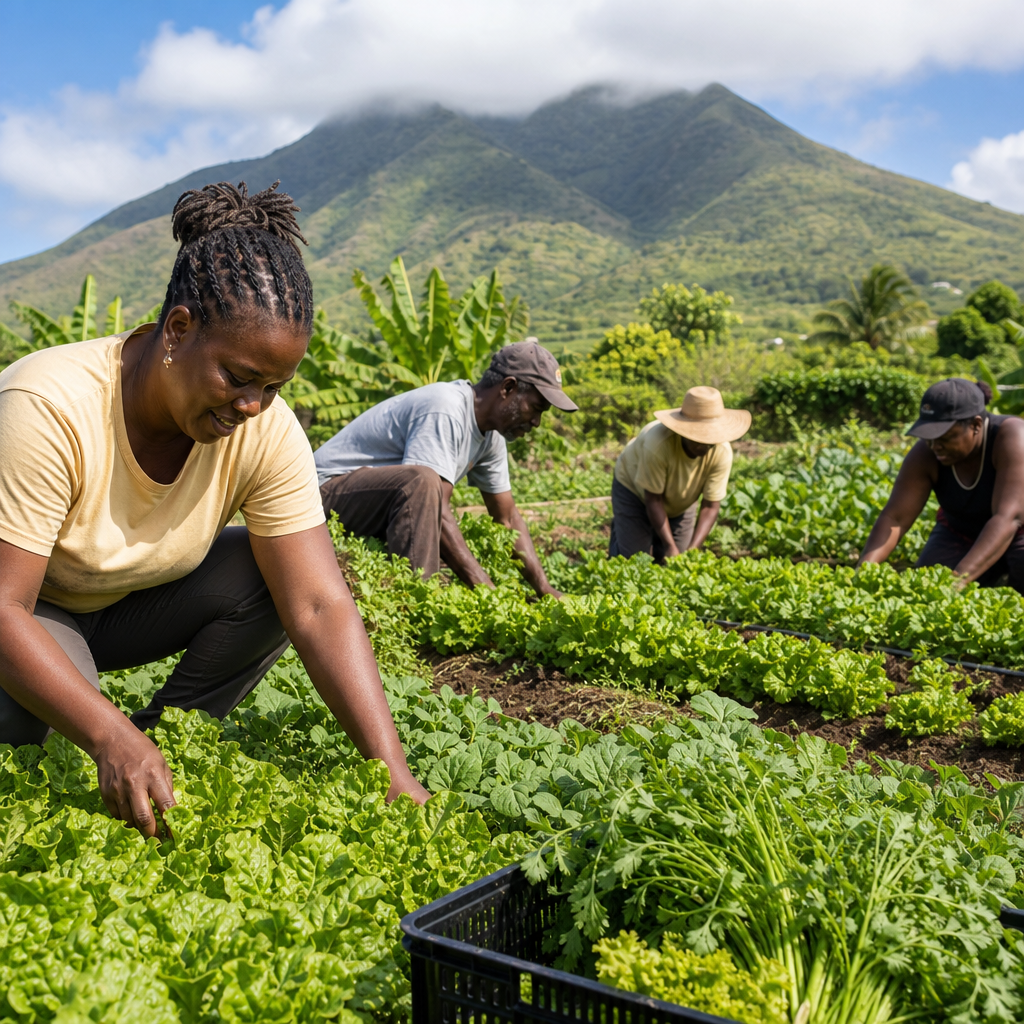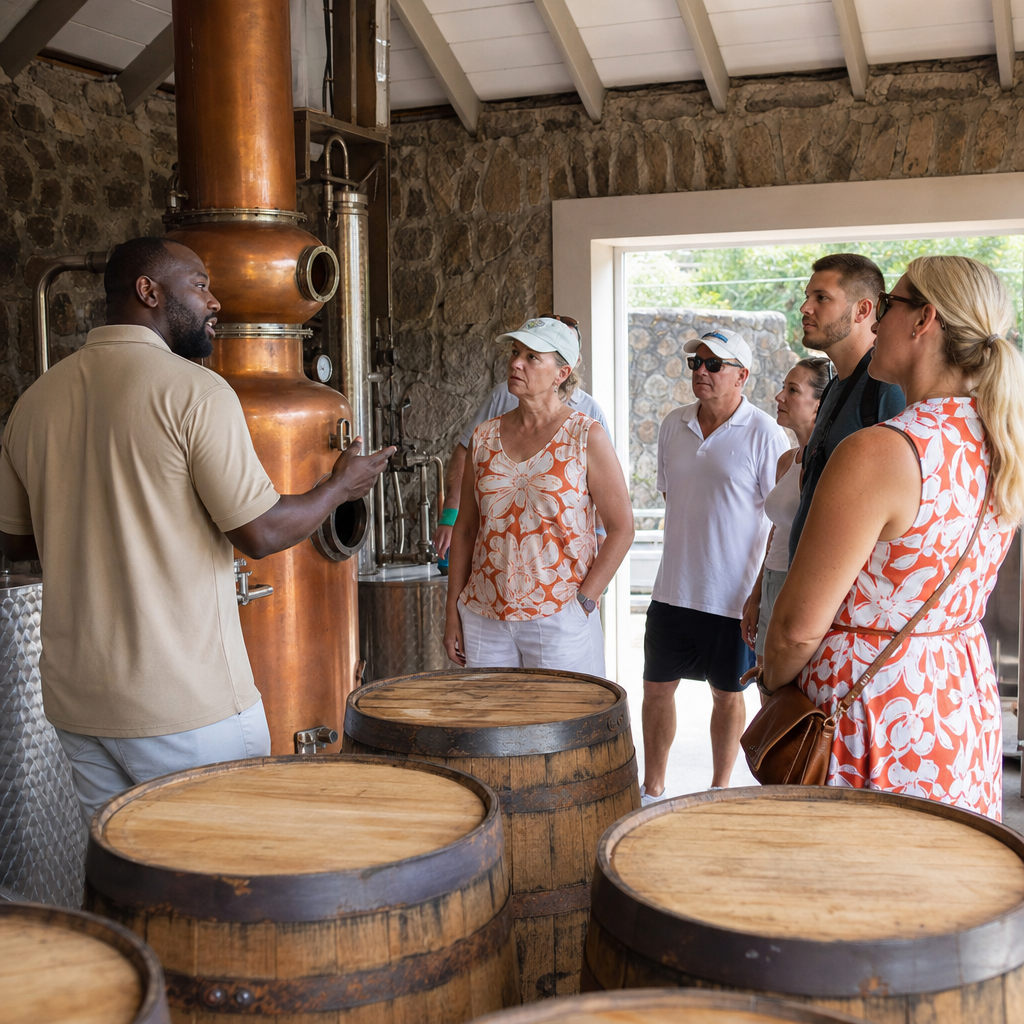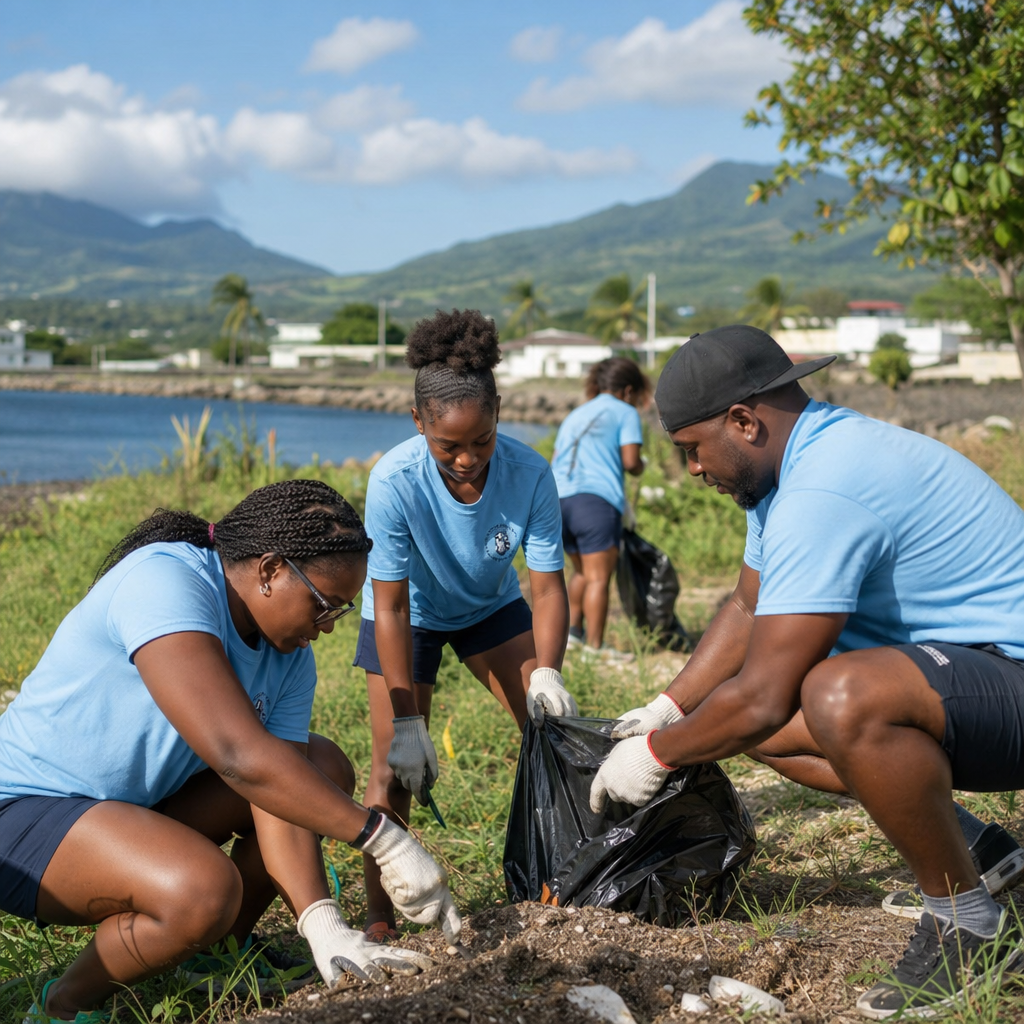
Community service and volunteering in Saint Kitts shape daily life in ways visitors often miss and residents value deeply. On an island where neighborhoods are tightly connected, schools, churches, sports clubs, health groups, and environmental organizations frequently depend on volunteer time, donated skills, and informal mutual aid to keep programs running. In practical terms, community service means organized work done for public benefit, while volunteering usually refers to unpaid service offered by choice. In Saint Kitts, the two overlap constantly, from beach cleanups and after-school mentoring to elder support, heritage preservation, and disaster preparedness.
This matters because Saint Kitts is small enough for individual effort to produce visible results. A single weekend project can improve a community center, restore a playground, or remove waste from a shoreline used by fishers and families. I have seen that scale firsthand in Caribbean community work: when the population is limited and networks are personal, reliability matters as much as enthusiasm. One committed volunteer who shows up every week can become the reason a youth program stays open, a food drive reaches vulnerable households, or a health campaign meets its target.
For residents, community service builds social trust, leadership, and practical problem solving. For students, it often supports school requirements, scholarship applications, and career readiness. For businesses, it strengthens local reputation when staff participate in corporate volunteer days or sponsor equipment, transport, or meals. For visitors, responsible volunteering can offer a meaningful connection to local life, but only when it supports local priorities rather than displacing paid work or creating dependency. That distinction is essential on islands where resources are finite and communities are highly aware of what truly helps.
As a hub article under Local Life and Experiences, this guide explains how community service and volunteering in Saint Kitts work, where opportunities typically exist, what standards matter, and how to choose service that produces real value. It also serves as a gateway to related topics such as youth engagement, environmental action, faith-based outreach, cultural preservation, and social support initiatives. If someone asks, “How can I help in Saint Kitts?” the best answer is simple: start with local needs, respect community leadership, and commit to service that is useful, consistent, and accountable.
How Community Service Works in Saint Kitts
Most volunteer activity in Saint Kitts happens through established local institutions rather than stand-alone platforms. Schools organize service days, churches run outreach programs, neighborhood groups coordinate cleanup and welfare support, and nonprofits or public agencies recruit for targeted projects. Because the island’s social structure is relationship-driven, introductions matter. A volunteer opportunity is often shared through a principal, pastor, community development officer, sports coach, health worker, or friend rather than through a large national volunteer portal.
Common service areas include education support, youth development, senior assistance, disability inclusion, environmental conservation, public health awareness, food distribution, and event logistics. During hurricane season, preparedness activities may include packing supplies, sharing safety information, checking vulnerable residents, and helping with post-storm cleanup. Before major cultural events, volunteers may help with venue preparation, crowd coordination, transportation support, and heritage presentations. This variety makes volunteering accessible to people with different schedules and abilities, including those who can offer skilled services such as accounting, design, carpentry, tutoring, counseling, or digital marketing.
Saint Kitts and Nevis also has a strong civic tradition linked to schools, faith communities, service clubs, and government-backed social programs. That means volunteering is not viewed only as charity. It is also civic participation. People serve because they know the beneficiaries personally, because they believe in reciprocity, or because they want to model responsibility for younger people. In small-island settings, service is often less transactional than in larger destinations. You are not simply “giving back.” You are strengthening systems that your neighbors use directly.
Where Volunteers Make the Biggest Difference
The most effective volunteer roles in Saint Kitts usually address persistent local gaps rather than one-day optics. Education is a prime example. Schools and after-school programs benefit from reading support, homework help, library organization, literacy activities, and career talks. A volunteer with patience and consistency can help children improve confidence and attendance, especially when support continues over a term instead of a single visit. Digital skills coaching is increasingly useful as students need better access to research, document preparation, and online learning habits.
Environmental volunteering also has clear impact. Coastal litter, illegal dumping, drainage blockage, and habitat pressure affect tourism, public health, and fisheries. Beach cleanups are visible, but the strongest programs combine cleanup with sorting waste, recording litter types, and sharing findings with local advocates or municipal stakeholders. In practice, data-driven cleanup is better than symbolic cleanup because it helps identify repeat sources such as single-use packaging, event waste, or storm runoff.
Social support services are another priority. Volunteers often assist with food drives, community meals, school supply collections, home visits for older adults, and transportation coordination for people attending appointments or public events. These needs may seem ordinary, yet they are central to quality of life. A volunteer who helps organize inventory, route deliveries, or manage sign-in sheets can be as valuable as someone doing direct outreach. Administrative support is frequently underrated in community work, even though strong records improve fairness, continuity, and donor confidence.
| Service Area | Typical Activities | Why It Matters in Saint Kitts |
|---|---|---|
| Education | Tutoring, reading circles, library support, exam prep | Builds long-term opportunity and supports schools with limited extra staffing |
| Environment | Beach cleanups, tree planting, waste audits, drainage clearing | Protects coasts, neighborhoods, tourism assets, and public health |
| Youth Development | Sports mentoring, arts programs, life-skills workshops | Creates structure, confidence, and positive peer networks |
| Social Assistance | Food distribution, elder visits, donation sorting, transport help | Supports vulnerable households and strengthens community resilience |
| Culture and Heritage | Museum support, oral history, event staffing, restoration assistance | Preserves identity and passes local knowledge to younger generations |
Who Can Volunteer and What Skills Are Useful
Almost anyone can contribute if expectations are clear. Students can support reading programs, cleanup drives, and event staffing. Working adults often add value through professional skills, project management, fundraising, logistics, communications, bookkeeping, or maintenance. Retirees may be especially effective in mentoring, craft instruction, oral history work, and patient community-facing roles. Visitors can help too, but short-term volunteers should avoid roles that require safeguarding continuity, such as unsupervised work with children or case-sensitive social services.
The most useful volunteers are not always the most charismatic. They are dependable, teachable, respectful, and willing to do unglamorous tasks well. In Saint Kitts, that may mean arriving on time, asking what is actually needed, dressing appropriately for a school or church setting, and understanding that community leaders know the context better than outside helpers. I have repeatedly seen projects succeed because one volunteer quietly handled scheduling, stock counts, follow-up calls, or transport coordination. Good community service is operational, not performative.
Specific skills can widen impact. Teachers and university graduates can support literacy and study skills. Health professionals can assist with wellness education, screening events, or administrative planning, subject to local rules and supervision. Tradespeople can help repair facilities, build storage, paint classrooms, or improve accessibility. Media and technology volunteers can document programs, build simple websites, train staff on spreadsheets, or improve outreach on WhatsApp, Facebook, and email. On a small island, basic systems improvements often deliver more lasting value than a one-time donation.
How to Volunteer Responsibly and Effectively
The best way to start volunteering in Saint Kitts is to identify a legitimate local organization and ask practical questions. What problem are you solving? Who supervises volunteers? How often is help needed? Are background checks required? What costs should the volunteer cover? Is training provided? Clear answers usually indicate a serious program. Vague requests, emotional pressure, or poor safeguarding standards are red flags, especially where children, money, or sensitive personal information are involved.
Responsible volunteering begins with humility. Do not assume outside methods are automatically better. Local organizations often work under constraints involving transport, storage, staffing, and funding, yet they may have strong community trust and realistic priorities. If a school asks for reading support rather than a new initiative, support the reading program first. If an environmental group needs gloves, bags, and data entry more than speeches, provide those. Matching effort to actual demand is the difference between useful service and disruption.
Consistency is another key principle. Many Saint Kitts organizations can absorb one-day volunteers, but they benefit more from recurring help. A weekly two-hour commitment for three months usually outperforms a single highly publicized event. Consistency allows trust to build, records to improve, and outcomes to become measurable. It also helps organizations plan around the volunteer rather than reinvent tasks each time someone appears. In community settings, predictability is a resource.
Documentation matters as well. Good programs track attendance, outputs, costs, and follow-up actions. That does not mean excessive bureaucracy. It means knowing how many students received tutoring, how many bags of litter were collected, how many households got food assistance, or which repairs remain unfinished. When volunteers understand documentation, they help organizations secure grants, report to donors, and improve future planning. Service becomes stronger when goodwill is paired with evidence.
Challenges, Ethics, and Local Realities
Community service in Saint Kitts has real constraints. Transport can be inconsistent, storage space limited, and imported supplies expensive. Small organizations may rely on a handful of overextended leaders. Volunteer enthusiasm can peak around holidays and disappear when routine work begins. There is also the challenge of aligning outside interest with local priorities. Projects that photograph well, such as beach cleanups or painting days, often attract more attention than ongoing needs like data management, remedial reading, caregiver respite, or maintenance planning.
Ethical volunteering means avoiding harm. Children should never be used as props for social media. Donations should match actual needs, not just what donors want to offload. Skilled volunteers should respect licensing and supervision boundaries, especially in health, counseling, and education. Visitors should be cautious about “voluntourism” packages that promise instant impact without local transparency. If a program cannot explain where fees go, who leads the work, and what outcomes are measured, skepticism is appropriate.
Another local reality is that unpaid service should not undermine livelihoods. If a role is ongoing, specialized, and critical to operations, the better long-term solution may be funding a local paid position. Volunteers can bridge gaps, pilot programs, or extend reach, but they should not become a substitute for sustainable staffing. Strong community organizations in Saint Kitts understand this balance. They use volunteers to expand capacity while still advocating for proper investment in social services, education, environmental management, and youth development.
Building Long-Term Impact Through Local Partnerships
The most valuable community service and volunteering in Saint Kitts grows through partnership, not rescue narratives. Effective volunteers ask how they can strengthen existing work: train a coordinator, improve a filing system, sponsor transport, mentor a student leader, or connect a group with a grant opportunity. These contributions may look modest, but they build local ownership and continuity. A school reading corner, a cleaned ghaut, a documented oral history project, or a well-run food drive can continue long after a volunteer steps back if the system behind it is stronger.
For residents, the next step is to choose one cause and commit consistently. For businesses, it is to align donations and staff time with measurable community priorities. For visitors, it is to support credible local groups and be realistic about what short-term service can achieve. Community service and volunteering in Saint Kitts work best when they are specific, respectful, and accountable. If you want to be useful, start small, listen carefully, and support the people already doing the work every day.
Frequently Asked Questions
What does community service and volunteering usually look like in Saint Kitts?
In Saint Kitts, community service and volunteering often take place through the everyday institutions that hold neighborhoods together. Rather than existing only as large, formal programs, volunteer efforts are commonly organized through schools, churches, youth groups, sports clubs, health initiatives, village associations, and environmental projects. This can include mentoring students, helping with after-school activities, assisting at church events, coaching youth teams, supporting elderly residents, participating in beach cleanups, helping with health awareness campaigns, or lending professional skills such as accounting, teaching, construction, administration, or event planning.
One of the defining features of volunteering on the island is that it is closely tied to relationships and local trust. People often serve because they know the families involved, care about the condition of their village, or want to strengthen opportunities for children and young adults. In that sense, community service in Saint Kitts is not only about organized public benefit but also about informal mutual support. A neighbor helping coordinate a fundraiser, a parent assisting with school activities, or a resident contributing time to a local improvement effort may all be part of the wider culture of service. Visitors sometimes overlook this because much of it happens quietly, but for residents it is a practical and respected part of community life.
Why is volunteering so important to daily life in Saint Kitts?
Volunteering matters in Saint Kitts because many community programs depend on people giving their time, energy, and skills beyond paid employment. On a closely connected island, local organizations often operate with limited budgets but broad community expectations. Volunteer support helps keep youth development programs active, strengthens church and civic events, improves neighborhood spaces, supports health outreach, and reinforces care networks for vulnerable groups. Without volunteer involvement, many of these efforts would be smaller in scale, less frequent, or more difficult to sustain.
Its importance is also social, not just operational. Volunteering builds trust, strengthens intergenerational ties, and creates a sense of shared responsibility for the island’s well-being. When residents contribute to community projects, they are investing in public life in a direct and visible way. This helps preserve local pride and makes institutions such as schools, clubs, and nonprofits feel more rooted in the people they serve. In Saint Kitts, where relationships are often personal and community reputation matters, volunteering also reflects values such as reciprocity, reliability, and care for others. That is why service is often viewed not as an optional extra, but as part of how healthy communities function.
Are there differences between formal community service and informal volunteering in Saint Kitts?
Yes, and understanding the distinction helps explain how service works on the island. Formal community service usually refers to organized activities carried out for a clear public purpose, often through a school, nonprofit, church, government-linked initiative, or community group. These efforts may have schedules, coordinators, specific goals, and in some cases documented hours or assigned responsibilities. Examples include participating in an environmental campaign, assisting with a structured literacy program, supporting a health fair, or completing service hours through a youth or educational requirement.
Informal volunteering, by contrast, is often less documented but just as important. It may involve helping a neighbor repair a home, contributing food or supplies to a family in need, assisting with community event setup, driving someone to an appointment, or using personal skills to solve local problems without any official registration. In Saint Kitts, informal volunteering is woven into everyday life and often grows out of personal networks, family ties, and longstanding community relationships. Both forms of service are valuable. Formal programs create structure and reach, while informal support keeps communities responsive, humane, and adaptable. Together they form the real landscape of community participation on the island.
How can residents and visitors get involved in volunteering opportunities in Saint Kitts?
Residents usually get involved through the institutions they already know and trust. Schools, churches, youth organizations, village groups, sports associations, and environmental initiatives are often the first places to ask about volunteer needs. Word of mouth is especially important in Saint Kitts, so speaking directly with community leaders, teachers, pastors, coaches, or nonprofit organizers can be one of the most effective ways to find meaningful opportunities. Local events, fundraising drives, cleanup days, and seasonal programs also provide entry points for people who want to contribute regularly or on a one-time basis.
Visitors can sometimes participate as well, but it is important to do so respectfully and through legitimate local channels. The best approach is to connect with established organizations and ask what support is actually needed rather than assuming what would be helpful. In some cases, short-term volunteers may be most useful by supporting event logistics, environmental work, donations of relevant materials, or specialized professional assistance. Visitors should be mindful that community service is not a sightseeing activity; it should be guided by local priorities, cultural respect, and practical usefulness. Whether someone is a resident or a guest, the most effective volunteering in Saint Kitts tends to be humble, reliable, and responsive to what the community itself identifies as important.
What impact does community service have on Saint Kitts in the long term?
The long-term impact of community service in Saint Kitts can be seen in stronger institutions, healthier neighborhoods, and deeper social resilience. When volunteers consistently support schools, youth clubs, faith communities, health programs, and environmental efforts, they help create continuity. Programs are more likely to survive, young people have more support systems, public spaces receive better care, and local organizations develop the capacity to serve more people over time. This kind of sustained participation can also reduce pressure on limited financial and institutional resources by filling gaps with local knowledge, commitment, and practical assistance.
Just as importantly, volunteering helps shape the values future generations inherit. Young people who grow up seeing adults coach teams, organize drives, mentor students, clean shared spaces, and respond to local needs are more likely to view service as a normal part of citizenship. That creates a culture in which people do not wait for outside solutions to every challenge. Instead, they learn to work collectively, use available skills, and take responsibility for the places and people around them. In a small-island context like Saint Kitts, that mindset is especially powerful. It supports not only immediate community needs but also long-term social cohesion, civic pride, and the ability to adapt together when circumstances change.