Rum distillery tours in Nevis offer one of the clearest windows into the island’s history, agriculture, and hospitality, turning a simple tasting into a deeper lesson about Caribbean identity. In practical terms, a distillery tour is a guided visit to a working or historic rum-making site where travelers learn how sugarcane becomes molasses, how fermentation develops flavor, how distillation concentrates alcohol, and how aging shapes aroma and color. On Nevis, those steps are not abstract. They are tied to former sugar estates, Georgian-era plantation houses, volcanic soil, sea air, and a small-island food culture that still treats rum as both everyday pleasure and ceremonial drink. I have planned culinary itineraries across St. Kitts and Nevis, and travelers consistently remember rum experiences because they connect landscape, technique, and storytelling in one outing. For a local cuisine and dining hub, this matters: rum is not separate from Nevisian food culture; it sits beside saltfish, johnny cakes, goat water, grilled lobster, tamarind balls, and festive punches at the center of social life.
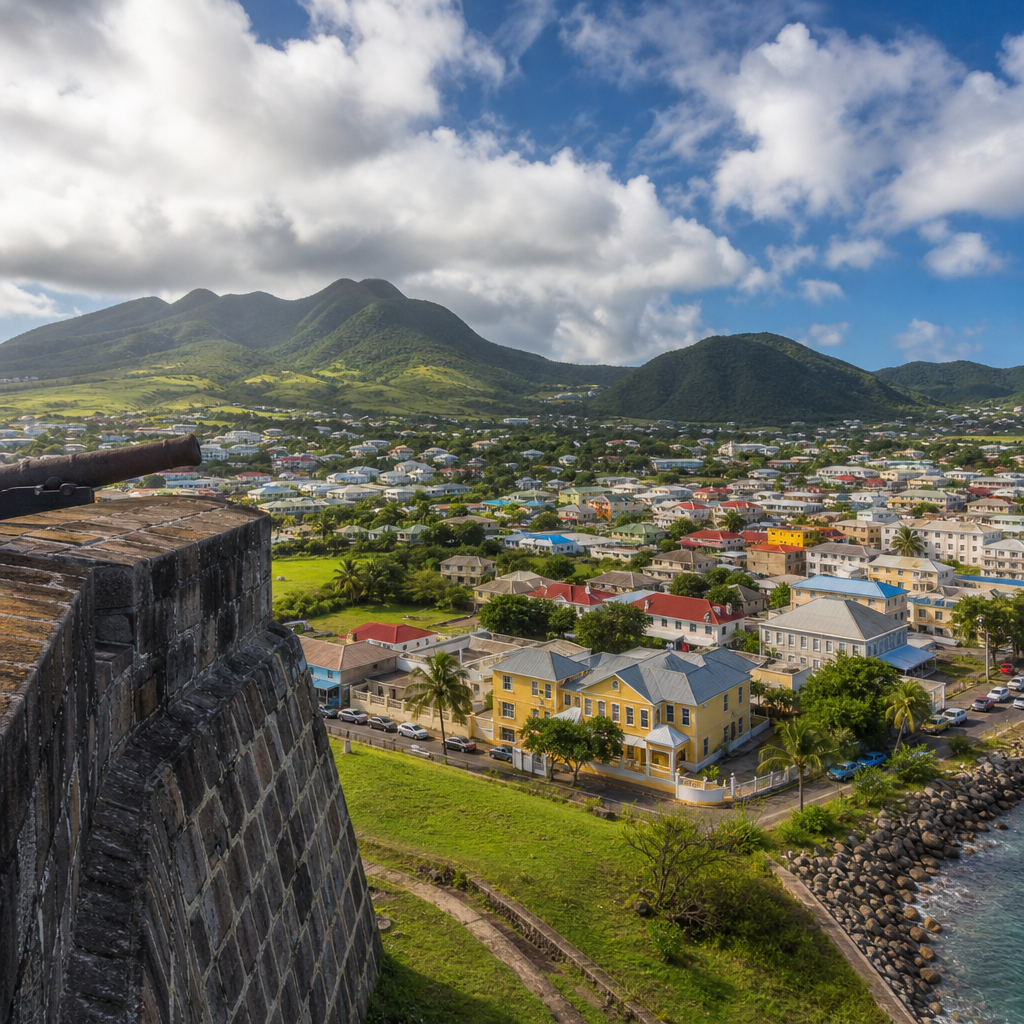
Nevis is smaller and quieter than many Caribbean destinations, which makes its rum scene more intimate. Visitors are less likely to encounter giant industrial visitor centers and more likely to find boutique tastings, estate histories, craft bottlings, and guides who know the family, field, or recipe behind what is in the glass. The island’s sugar economy peaked centuries ago, but its legacy still defines the geography. Estate names remain on maps, old windmill towers still stand, and many hospitality properties occupy restored plantation grounds. Understanding that background helps visitors make sense of why a rum tour in Nevis often feels partly like a food experience, partly like a history tour, and partly like a conversation with locals. For anyone exploring miscellaneous dining interests beyond restaurants, rum distillery tours are a natural anchor topic because they lead to related experiences such as plantation lunches, pairing menus, heritage walks, cooking classes, and sunset tastings.
Travelers usually ask three questions first: Is there an actual distillery on Nevis, what will I taste, and is the experience worth it if I am not a rum expert? The answer is yes, with one caveat. Nevis offers both direct production-linked experiences and broader heritage tastings tied to the island’s rum culture; availability can vary by season, operating schedule, and small-batch production realities. What you will taste depends on the venue, but expect white rum, aged expressions, flavored or spiced variants, and mixed drinks built with local fruit, cane syrup, nutmeg, ginger, or bitters. And no expertise is required. The best tours explain technical points in plain language: pot stills usually produce fuller, heavier spirits; column stills generally create lighter, cleaner rum; ex-bourbon casks often add vanilla and caramel notes; tropical aging moves faster because heat increases interaction between spirit and wood. Those details make each sip more meaningful.
What Makes Nevis Rum Culture Distinct
Nevisian rum culture is shaped by scale, continuity, and context. Scale matters because the island is compact, so visitors can move from beach to estate ruins to tasting room in minutes, seeing how topography influences agriculture and tourism. Continuity matters because rum remains embedded in everyday hospitality. A welcome drink at a guesthouse, a rum punch at a beach bar, or a dark rum cake at a local gathering all reflect the same ingredient moving through different parts of island life. Context matters because Nevis cannot be understood apart from the wider history of sugar in the Eastern Caribbean. During the colonial period, plantations across St. Kitts and Nevis produced sugar for export, and molasses, once a byproduct, became the basis for rum. Today, even when production methods are modernized or scaled down, the story visitors hear still begins with cane fields, labor systems, trade routes, and estate life.
The practical difference for travelers is that a rum outing in Nevis rarely feels isolated from the rest of the island. A guide may explain fermentation and then point across the road to a former boiling house, or describe aging while discussing the maritime climate that also affects local cooking ingredients. In my experience, that integrated storytelling is what elevates Nevis beyond a basic tasting destination. You are not just sampling spirits; you are learning why a bottle tastes the way it does here and not somewhere else. Nevis’s volcanic terrain, humid heat, and coastal breezes all affect barrel maturation, while access to spices and fruit influences local cocktail traditions. The result is a rum culture that is less about spectacle and more about place.
What to Expect on a Rum Distillery Tour
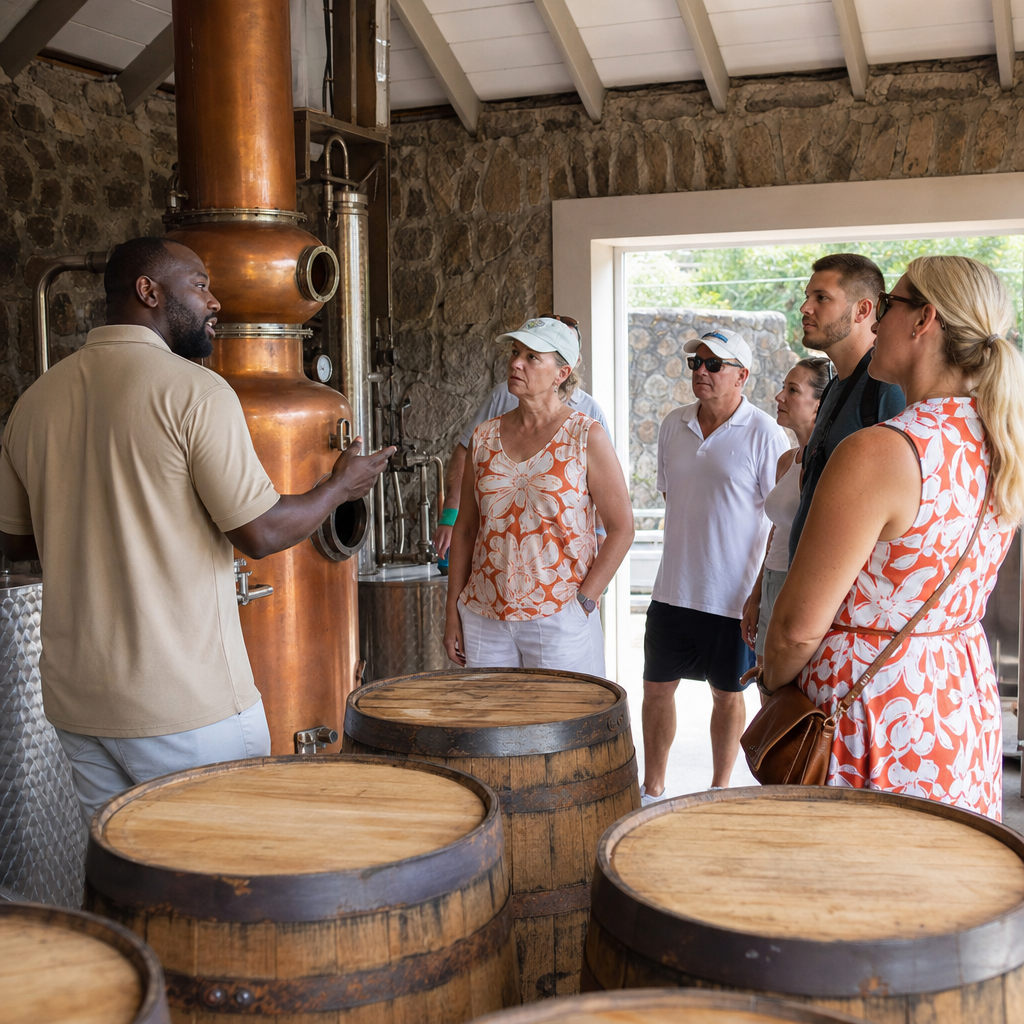
A strong rum distillery tour in Nevis typically follows a clear sequence. First comes orientation: the guide explains the estate or producer’s background and how rum fits into local history. Next is the production walkthrough, which may include sugarcane sourcing, molasses handling, fermentation tanks, distillation equipment, and barrel storage if aging is done on site. Then comes sensory training. Guests are often encouraged to assess color, nose, palate, finish, and texture rather than simply deciding whether they “like” a rum. Finally, there is the tasting itself, sometimes paired with chocolates, fruit preserves, grilled meats, or small bites that show how rum behaves with food.
If you have never toured a distillery before, understanding the production stages helps. Fermentation converts sugars into alcohol using yeast; longer fermentation can create more congeners, the flavor compounds that give rum complexity. Distillation then separates alcohol from the wash. Pot distillation tends to preserve heavier compounds, producing richer, funkier profiles, while column distillation is efficient and often yields lighter spirits. Aging in oak introduces oxidation, evaporation, and extraction from the wood, creating flavors such as vanilla, baking spice, dried fruit, coconut, and toffee. Clear rum is not always unaged, because some producers charcoal-filter aged spirit to remove color. These distinctions often surprise visitors and make guided tasting far more informative than ordering rum casually at a bar.
| Tour Element | What You Learn | Why It Matters for Taste |
|---|---|---|
| Raw material | Whether spirit begins from fresh cane juice, syrup, or molasses | Base material strongly influences aroma, body, and sweetness perception |
| Fermentation | Yeast choice and fermentation length | Longer, more complex ferments can create fruitier and heavier flavors |
| Distillation | Pot still versus column still methods | Still type shapes texture, weight, and flavor intensity |
| Aging | Barrel type, climate, and time in wood | Oak and tropical heat develop color, spice, vanilla, and caramel notes |
| Tasting format | Neat pours, water drops, cocktails, or food pairings | Service style changes how easily flavors and flaws are detected |
Where to Find Rum Experiences in Nevis
Because Nevis is a small island, visitors should think beyond the narrow idea of a single factory tour. Rum experiences are distributed across heritage estates, hotels, restaurants, specialist bars, and excursion operators. Some venues offer focused tastings with knowledgeable staff rather than a full production walkthrough. Others tie rum to plantation history, showing restored great houses, mills, or former sugar works alongside curated pours. This broader approach is especially useful on Nevis, where heritage tourism and culinary tourism overlap heavily. A plantation lunch followed by a rum flight can be just as valuable as a conventional distillery visit because it places the spirit in the same social and historical frame that locals recognize.
Charlestown, the island’s capital, is a sensible starting point for planning. From there, travelers can reach heritage properties, beach bars, and inland estates quickly by taxi or rental car. Many luxury resorts on Nevis also run rum tastings or can arrange private experiences with local experts. This is not trivial: concierge-led tastings often secure access to guides who can explain provenance, barrel selection, and pairing logic at a higher level than a standard drinks service. If your broader trip includes St. Kitts, consider how the two islands complement one another. St. Kitts may provide additional rum production or blending experiences, while Nevis delivers a more relaxed, estate-centered perspective. As a hub within local cuisine and dining, this topic naturally connects to articles on plantation restaurants, beach bars, island cocktails, and food tours.
How Rum Connects to Local Food and Dining
Rum belongs in a dining conversation because it acts as aperitif, pairing drink, cooking ingredient, and dessert element. In Nevis, white rum often appears in punches with lime, sugar, and nutmeg, while aged rum works well after dinner or alongside grilled pork, jerk chicken, and richer stews. Dark rum can deepen sauces, glaze fruit, or soak cakes. When I build dining recommendations for visitors, I encourage them to order rum with intention rather than defaulting to generic cocktails. A rum flight before dinner teaches structure and style; a single aged pour after a seafood meal reveals how oak, spice, and salinity interact.
Specific pairings help. Crisp, lighter rums pair well with conch fritters, saltfish accras, and citrus-marinated fish because they refresh the palate without overwhelming delicate textures. Medium-bodied aged rums complement barbecue, tamarind-glazed meats, and plantain dishes, especially when caramelized flavors echo the barrel notes. Full-bodied dark or pot-forward rums match molasses-heavy desserts, bread pudding, black cake, and chocolate. Even local fruits matter. Mango, guava, soursop, coconut, and passion fruit all appear in drinks menus and can soften the edges of assertive spirits. Understanding these combinations turns a rum excursion into a practical guide for eating better across the island.
How to Choose the Right Tour for Your Travel Style
The best rum distillery tour in Nevis depends on what kind of traveler you are. History-focused visitors should prioritize estate-based experiences where interpretation covers sugar production, architecture, and emancipation-era context alongside tasting. Food-first travelers should look for tours that include lunch, cocktail instruction, or pairing components. Serious spirits enthusiasts will get more value from sessions led by a distiller, blender, or advanced guide who discusses ester development, barrel management, proofs, and finishing techniques. Casual vacationers may prefer a short tasting stop folded into a scenic island tour, especially if they are balancing beaches, hiking, and family activities.
Timing, transport, and group size also matter. Midday tours can feel hot, particularly if they involve estate walks, so morning bookings are often more comfortable. If you plan to sample multiple pours, use a taxi or arranged transfer rather than driving. Small-group formats usually produce better results because guests can ask questions and revisit aromas without being rushed. Check whether tastings are included in the listed price, whether premium pours cost extra, and whether bottles are available for purchase on site. On small islands, stock can be limited and specific expressions may sell out. Booking ahead is wise during winter high season, holiday weeks, and major events.
Practical Tips, Etiquette, and Common Mistakes
Approach rum tasting the way you would approach wine or whisky: slowly, curiously, and with respect for both alcohol strength and local culture. Eat beforehand, drink water between pours, and do not wear heavy fragrance, which can interfere with nosing. Start by smelling the rum with your mouth slightly open; this reduces alcohol burn and makes fruit, spice, and wood notes easier to detect. Take small sips, hold them briefly, and note whether sweetness comes from actual residual sugar, barrel influence, or your perception of vanilla and caramel aromas. Ask direct questions. A good guide should be able to explain age statements, cask types, and whether additives are used.
Common mistakes are easy to avoid. Do not assume darker rum is automatically older or better; color can come from cask influence or added caramel. Do not judge quality by smoothness alone; some outstanding rums are intentionally robust. Do not overbook your day with beach drinking before a serious tasting, because palate fatigue sets in quickly. Finally, remember that Nevis is a community, not a theme park. Be respectful when discussing plantation history, labor, and colonialism. The best tours acknowledge beauty and hardship together, and informed travelers should be ready to listen as well as taste.
Rum distillery tours in Nevis are worth building into a local cuisine and dining itinerary because they explain the island through flavor, craft, and memory at the same time. They show how sugarcane history still shapes today’s hospitality, how production choices alter aroma and texture, and how rum moves naturally from tasting room to lunch table to sunset bar. For travelers who want more than a standard beach vacation, these experiences add structure and meaning to what they drink and eat. They also open the door to the wider miscellaneous side of Nevis dining: estate visits, cocktail classes, heritage tastings, food pairings, and seasonal celebrations.
The key takeaway is simple. Choose a rum experience that matches your interests, ask thoughtful questions, and treat tasting as part of understanding Nevis rather than a stand-alone activity. If you do, you will leave with more than a bottle. You will understand why local spirits matter on this island, how they connect to kitchens and communities, and which styles you genuinely enjoy. Use this hub as your starting point, then continue exploring the related Nevis dining articles to plan tastings, meals, and heritage stops that fit your trip.
Frequently Asked Questions
What can visitors expect on a rum distillery tour in Nevis?
Visitors can expect far more than a simple tasting. A rum distillery tour in Nevis typically introduces the full story of rum, beginning with the island’s long relationship to sugarcane cultivation and moving through each production stage in a way that feels grounded in local history. Guides often explain how harvested sugarcane is processed into juice or molasses, how yeast-driven fermentation creates the base flavors of rum, how distillation refines and concentrates the spirit, and how aging in wood barrels influences color, aroma, texture, and complexity. Because Nevis is deeply tied to the wider history of Caribbean sugar production, these steps are usually presented not just as technical processes but as part of the island’s agricultural and cultural identity.
Many tours also include a walk through working facilities or historic production spaces, where guests can see stills, fermentation tanks, storage areas, and aging barrels up close. Depending on the location, you may also hear about traditional methods, family ownership, imported barrel types, blending decisions, and how local climate affects maturation. The tasting portion generally helps connect the lesson to the senses, allowing visitors to compare lighter and darker rums, identify notes such as vanilla, spice, caramel, tropical fruit, or oak, and better understand why two bottles from the same island can taste very different. In short, the experience is educational, sensory, and highly place-specific.
Why are rum distillery tours in Nevis considered such a strong way to understand local culture and history?
Rum distillery tours in Nevis are often considered one of the most direct ways to understand the island because rum sits at the intersection of agriculture, trade, colonial history, craftsmanship, and hospitality. Nevis, like many Caribbean islands, was shaped by the rise of sugarcane cultivation, and rum developed from that agricultural economy. When travelers walk through a distillery or historic production site, they are not just learning how a spirit is made; they are seeing how land use, labor systems, trade routes, and local enterprise influenced everyday life and the island’s economic development over centuries.
These tours also reveal how Caribbean identity is expressed through food and drink traditions. Guides frequently connect rum-making to local storytelling, family businesses, social customs, and island pride. That matters because rum in Nevis is not merely a commercial product for tourists. It is part of a broader cultural conversation about resilience, adaptation, and heritage. Even details such as barrel aging, spice profiles, or production scale can reflect local preferences and historical influences. For travelers who want something deeper than a beach-only itinerary, a distillery visit provides a layered, memorable way to understand how the island’s past continues to shape its present.
How does the rum-making process work, and what will I learn about it during a tour?
On a typical tour, the rum-making process is explained as a sequence of connected steps, each of which affects the final flavor and character of the spirit. It starts with sugarcane, the crop that made rum possible throughout the Caribbean. Once processed, sugarcane yields either juice or, more commonly in many rum traditions, molasses, a rich byproduct of sugar production. That raw material is then mixed with water and yeast to begin fermentation. During fermentation, yeast converts sugars into alcohol and creates many of the flavor compounds that eventually appear in the finished rum. Guides usually emphasize that fermentation time, yeast selection, and temperature can all influence whether a rum develops fruity, grassy, spicy, or richer notes.
After fermentation comes distillation, where the liquid is heated so alcohol vapors can be separated and condensed into a stronger spirit. Visitors may learn the difference between pot stills and column stills, as well as how those methods affect body, intensity, and texture. The next major stage is aging, often in oak barrels that may previously have held bourbon or other spirits. Nevis’s warm climate can accelerate interaction between the rum and the wood, shaping color and deepening aromas such as vanilla, toffee, baking spice, smoke, or dried fruit. Finally, some producers blend different barrels or ages to achieve a consistent or signature style. By the end of the tour, most guests understand that rum is not a single flavor but the result of agricultural choices, fermentation science, distillation technique, barrel management, and local climate working together.
Are rum distillery tours in Nevis suitable for casual travelers, or are they mainly for serious spirits enthusiasts?
Rum distillery tours in Nevis are usually enjoyable for both casual travelers and dedicated spirits enthusiasts. For beginners, the appeal lies in how accessible and engaging the experience can be. Most tours are designed to explain technical ideas in plain language, so you do not need prior knowledge of distillation or tasting methods to follow along. If you simply want a memorable activity that connects sightseeing with local flavor, a distillery tour offers a comfortable introduction to the island’s heritage, scenic settings, and culinary traditions. Even travelers who are not big rum drinkers often appreciate the storytelling, architecture, landscapes, and historical insight that come with the visit.
For experienced spirits fans, the tours can be equally rewarding because they provide nuance and context that go beyond standard tastings. Enthusiasts may be especially interested in still types, barrel sourcing, tropical aging conditions, blending decisions, proof levels, and comparisons between production styles. A knowledgeable guide can often help bridge the gap between broad cultural history and fine-grained production detail. That balance is one reason these tours have wide appeal. They can be educational without feeling overly technical, and refined enough to satisfy travelers who already know the basics of rum. Whether you are building a full food-and-drink itinerary or just looking for one meaningful excursion, a distillery tour in Nevis is generally a strong fit.
What should I know before booking a rum distillery tour in Nevis?
Before booking, it helps to think about the type of experience you want. Some tours focus more on history and heritage, while others emphasize active production, guided tastings, or premium rum sampling. Reading the description carefully can help you decide whether you are looking for a short introductory visit or a more in-depth tour with detailed explanations of fermentation, distillation, aging, and blending. It is also wise to confirm what is included, such as transportation, tasting pours, food pairings, souvenir glasses, or time to purchase bottles on-site. Because Nevis is relatively small, tour logistics may seem simple, but advance planning is still useful, especially during peak travel periods or when tours operate on limited schedules.
You should also consider practical details such as timing, weather, and comfort. Closed-toe shoes may be recommended in working production areas, and warm Caribbean conditions make light clothing and hydration important. If tasting is included, remember that the experience is meant to be savored rather than rushed, and arranging transportation in advance is a smart idea if you do not plan to join a tour with transfers. Travelers should also ask whether the tour is appropriate for children or non-drinkers, since many venues can still be worthwhile for companions interested in history and local culture. Ultimately, the best approach is to treat the distillery visit not as a quick stop for alcohol sampling, but as a curated introduction to Nevisian heritage, craftsmanship, and hospitality.