Traditional healing practices in Nevis reflect a holistic approach to health that blends herbal knowledge, spiritual belief, community care, food wisdom, and practical remedies shaped by island life. In Nevis, “traditional healing” generally refers to non-clinical methods passed through families and neighborhoods, including bush medicine, teas, poultices, baths, prayer, massage, and preventive habits tied to diet and daily routine. “Holistic” means the whole person is considered rather than a single symptom: body, mind, spirit, family support, and environment all matter. I have seen this approach discussed not as a rejection of modern medicine, but as a trusted layer of care that sits beside the clinic, especially for minor ailments, recovery, comfort, and prevention. This matters because local healing knowledge preserves cultural identity, supports self-reliance, and explains how Nevisians have historically managed health in a small-island setting where imported medicines were not always easy to obtain. It also matters for visitors and researchers who want to understand local life and experiences beyond beaches and resorts. Traditional healing in Nevis is not one fixed system with a single authority. It is a living set of practices shaped by African heritage, Caribbean plant knowledge, Christian spirituality, colonial history, practical observation, and intergenerational teaching. Understanding it requires attention to remedies, rituals, language, ethics, and limits.
What traditional healing means in Nevis
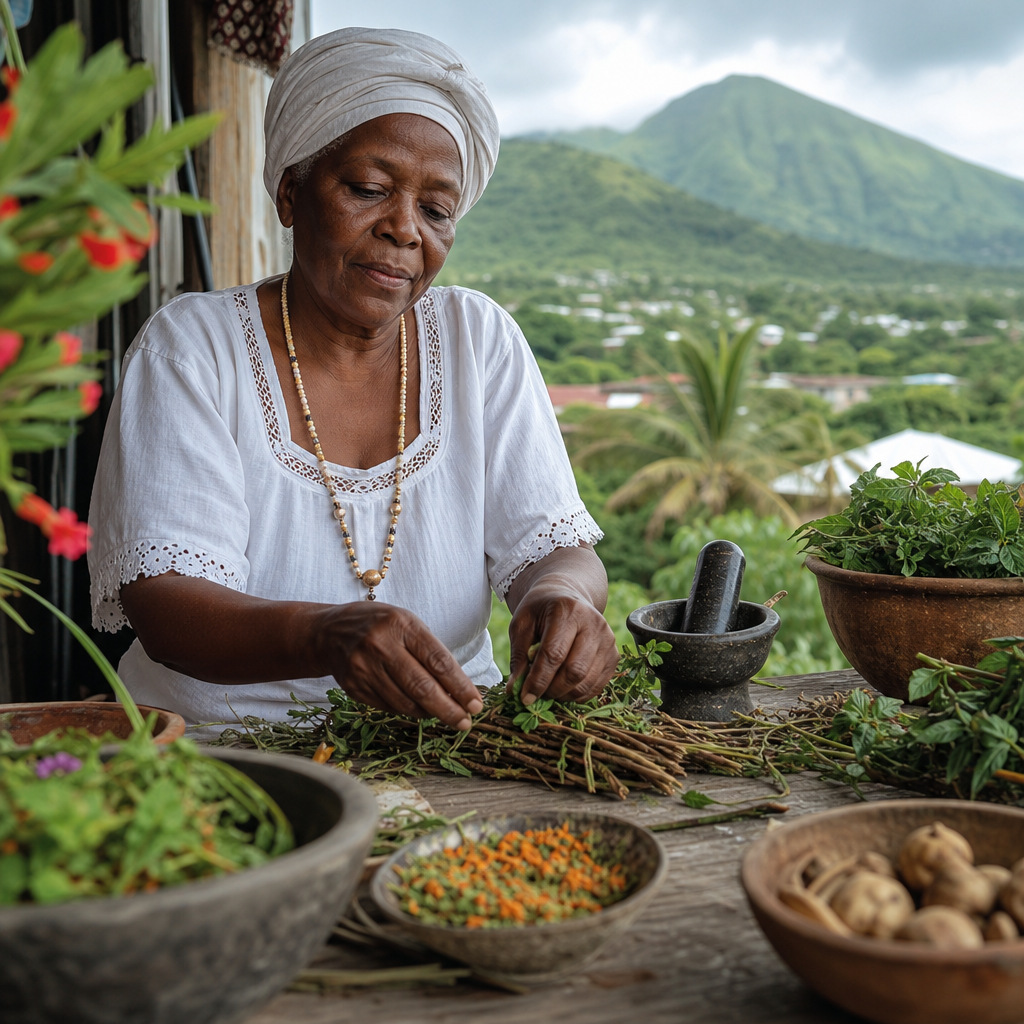
On Nevis, traditional healing is best understood as community-based health knowledge built from experience, observation, and access to local resources. In practice, that can mean brewing a tea for a cold, using leaves in a steam bath, rubbing the body with oils or liniments for pain, preparing a tonic after childbirth, or recommending rest and certain foods during recovery. Many households know at least a few remedies for fever, congestion, stomach upset, skin irritation, or general weakness. These are often called bush remedies or bush medicine because many ingredients come from locally available plants. The knowledge is usually informal rather than written, and it often lives with elders, gardeners, caregivers, and people known in the village for having “good hands” with herbs, massage, or prayer.
What makes the Nevisian approach holistic is that treatment commonly includes questions a biomedical consultation may not prioritize first: What did the person eat? Have they been overworked? Are they grieving, frightened, or under spiritual stress? Did the illness begin after exposure to rain, heat, or a sudden change in weather? Such questions reflect a practical worldview in which health is affected by routine, emotion, climate, and social life. In that sense, traditional healing also acts as a cultural system for making sense of illness. It explains not only what to take, but how to behave while healing: rest, avoid certain foods, keep warm, bathe properly, pray, and stay connected to supportive relatives.
Herbal remedies and bush medicine traditions
Herbal medicine is the most recognizable part of traditional healing in Nevis. People use leaves, roots, bark, seeds, and fruits to prepare teas, washes, syrups, and poultices. Commonly cited Caribbean plants include lemongrass for mild fever and relaxation, ginger for nausea and warming the body, soursop leaf tea in some households for calming, aloe for skin issues, and castor oil or castor leaves in traditional applications for constipation or topical discomfort. Preparation matters. A “tea” may mean a light infusion, while a stronger decoction can involve simmering tougher plant parts such as bark or roots. Dosage is often described in household terms rather than standardized units, which is one reason knowledgeable preparation is so important.
These remedies persist because they are accessible, familiar, and often effective for everyday concerns. A person with a cold may use a hot tea, steam, and rest before considering anything else. Someone with a minor rash may begin with a wash or topical plant preparation known in the family. In small-island communities, this practical first response developed from necessity and observation over time. Yet there are limits. Some plants can interact with prescription drugs, some are unsafe in pregnancy, and plant identification mistakes can be serious. The strongest local practitioners usually understand these boundaries. In my experience, the most respected voices in traditional healing are not reckless; they know which complaints are suitable for home care and which require a nurse, pharmacist, or doctor.
Spiritual care, prayer, and emotional balance
Traditional healing in Nevis also includes spiritual care. Prayer, scripture reading, blessing, and faith-based reassurance often accompany physical remedies, especially when illness brings fear, uncertainty, insomnia, or exhaustion. This is not unusual in Caribbean societies where church life and religious language remain central to daily life. For many families, prayer is part of the treatment plan, not merely a private belief. It can calm the patient, organize family support, and create a sense of meaning during illness. In cases of bereavement, shock, or prolonged stress, spiritual attention may be viewed as essential because recovery is understood to involve the inner life as well as the body.
Emotional balance is closely tied to this spiritual dimension. Traditional healers and elders may notice irritability, isolation, appetite changes, or unusual fatigue before those signs are discussed in clinical terms. Their response might include conversation, company, prayer, lighter foods, herbal baths, or encouraging the person to step back from overwork. This social aspect matters. In modern health systems, patients can feel reduced to appointments and prescriptions. In Nevisian traditional care, the relationship itself is often therapeutic. Being known, checked on, and cared for by people who understand one’s family history can improve adherence to rest, hydration, and routine. That does not replace mental health services when they are needed, but it explains why community healing remains meaningful.
Food, tonics, and preventive health
Traditional healing in Nevis is not limited to treating illness after it appears. Prevention is a major theme, and food plays a central role. Broths, porridges, herbal bitters, nourishing soups, and restorative tonics are often used to build strength after sickness, childbirth, hard labor, or periods of poor appetite. Bitter plants are widely valued across the Caribbean as “cleansing” agents, while iron-rich foods, ground provisions, fish, and vegetable soups may be recommended to restore energy. Even when the language differs from biomedical nutrition, the practical goal is clear: support hydration, digestion, and recovery with familiar foods that the body can tolerate.
This preventive logic also shapes everyday advice. People may recommend avoiding excess sugar, greasy food, late-night eating, or heavy meals when unwell. Warm fluids, simple foods, and adequate sleep are common instructions. For children and older adults, the emphasis is often on resilience: keep the body nourished, do not ignore early signs of weakness, and treat minor symptoms before they become major problems. These patterns align with public health principles more than many people realize. Good hydration, rest, sanitation, and balanced nutrition reduce the burden of common illness. Traditional knowledge often reaches the same conclusion through lived experience rather than formal textbooks.
Common practices, uses, and cautions
As a hub for miscellaneous local healing knowledge, it helps to organize the main types of practices found in Nevis and how they are typically used. The table below summarizes broad patterns rather than fixed rules, since recipes and customs vary by family and village. It also highlights an important reality: traditional care works best when people know its scope and its limits.
| Practice | Typical local use | Example ingredients or methods | Key caution |
|---|---|---|---|
| Herbal teas | Colds, mild fever, digestion, relaxation | Lemongrass, ginger, mint, leaf infusions | Strength and frequency vary; some herbs interact with medicines |
| Topical remedies | Rashes, swelling, aches, minor skin issues | Aloe gel, castor oil rubs, poultices | Patch test first; broken skin may need clinical care |
| Steam and baths | Congestion, relaxation, body aches | Hot water steam, herbal baths, warming routines | Avoid burns and overheating, especially with children |
| Massage and rubbing | Muscle pain, stiffness, circulation comfort | Liniments, oils, manual pressure | Not suitable for suspected fractures, clots, or acute injuries |
| Prayer and spiritual support | Stress, grief, fear, recovery encouragement | Prayer circles, scripture, home visits | Should complement, not delay, urgent medical treatment |
| Tonics and restorative foods | Post-illness weakness, postpartum support, appetite recovery | Soups, porridges, bitters, nutrient-dense meals | People with diabetes, hypertension, or kidney disease need tailored advice |
How knowledge is passed down and why it is changing
Traditional healing survives in Nevis because it is taught through use. A child watches an elder strip leaves for tea, learns which plant grows near the yard, hears when to drink it, and remembers the smell and the routine. Recipes are often attached to stories: who used it, when it worked, what signs meant the person needed outside help. This is practical education, and it forms part of local identity. In many families, the value lies as much in the caring act as in the ingredients themselves. Preparing a remedy says, “You are being looked after,” and that social message can be powerful during illness.
At the same time, this knowledge is changing. Urbanization, migration, tourism work schedules, imported pharmaceuticals, and reduced home gardening all affect what younger people learn. Climate variability can also change plant availability and growing cycles. Another shift is documentation. Researchers, cultural organizations, and heritage advocates increasingly recognize that oral knowledge can be lost unless it is recorded carefully. Yet documentation creates its own challenge: once remedies are published widely, context can disappear. A plant name may vary across islands, and a preparation that is safe in one concentration may not be safe in another. That is why preserving Nevisian healing traditions requires more than collecting plant lists. It requires protecting language, preparation methods, seasonal knowledge, and the judgment elders use when deciding whether a remedy is appropriate.
Traditional healing alongside modern healthcare in Nevis
The most realistic view is not traditional healing versus modern medicine, but traditional healing alongside modern medicine. In Nevis today, people often move between both systems. A person may drink bush tea for early cold symptoms, then visit a clinic if breathing worsens or fever persists. Someone may use massage and heat for muscular discomfort while also following a physician’s advice after an injury. This blended behavior is common globally, and health systems work better when they acknowledge it honestly. Patients are more likely to disclose what they are taking when clinicians ask respectfully and without dismissal.
There are clear situations where professional medical care should come first: chest pain, stroke symptoms, severe dehydration, uncontrolled bleeding, high fever in infants, suspected infection that is spreading, difficulty breathing, altered consciousness, severe allergic reactions, and complications in pregnancy. Traditional care should never delay emergency treatment. But for comfort, prevention, family support, and selected mild conditions, it continues to serve a useful role. The broader benefit is cultural continuity. Traditional healing practices in Nevis carry memory, adaptation, and a local understanding of wellness that deserves respect. If you are exploring local life and experiences on the island, learn about these practices with curiosity, verify remedies carefully, and support efforts to preserve this knowledge responsibly for the next generation.
Frequently Asked Questions
What does traditional healing in Nevis usually include?
Traditional healing in Nevis usually includes a wide range of home-based and community-based practices that focus on supporting the whole person. Rather than relying on a single remedy, people often combine bush medicine, herbal teas, steam treatments, poultices, baths, massage, prayer, rest, and changes in diet or daily routine. These methods have typically been passed down through families, neighbors, and elders, making them as much a part of cultural memory as they are a practical approach to wellness.
In many Nevisian households, healing is understood as something that involves the body, mind, spirit, and social environment together. A person may be encouraged to drink a tea for digestion, use a warm compress for discomfort, eat lighter foods, avoid certain habits, get proper sleep, and seek emotional or spiritual comfort at the same time. This layered approach is one reason traditional healing is often described as holistic. It is not only about treating a symptom, but also about restoring balance, strength, and ease in daily life.
Traditional healing in Nevis also reflects the realities of island living. People historically learned to work with what was locally available, including backyard plants, kitchen ingredients, and practical remedies suited to the climate and community. As a result, these practices are often rooted in observation, experience, and continuity. While approaches vary from one family to another, the common thread is a belief that health is supported through natural remedies, attentive care, and shared knowledge.
Why is traditional healing in Nevis considered holistic?
Traditional healing in Nevis is considered holistic because it looks beyond a single complaint and pays attention to the full condition of the individual. In this view, physical discomfort may be connected to stress, exhaustion, diet, spiritual unease, environmental exposure, or an imbalance in everyday habits. Instead of separating these factors, traditional healing often treats them as related. That means the response may include physical remedies, emotional reassurance, spiritual support, and preventive guidance all at once.
For example, if someone is feeling unwell, the concern is not limited to what hurts at the moment. A traditional approach may ask what the person has been eating, whether they have been overworking, if they have been getting enough rest, whether they have been emotionally burdened, or whether they need prayer and community support. The goal is not simply short-term relief, but recovery that feels grounded and complete. This whole-person focus is central to the holistic philosophy found in many Nevisian healing traditions.
Another reason these practices are seen as holistic is that prevention is highly valued. Traditional wisdom often emphasizes maintaining health before illness becomes severe. Regular herbal teas, sensible eating, staying hydrated, bathing practices, moderate activity, and attention to seasonal changes may all be part of everyday wellness. In this sense, healing is not reserved for moments of sickness alone. It is woven into ordinary life, where consistent habits are believed to strengthen resilience and support long-term well-being.
What role do herbs and bush medicine play in Nevisian healing traditions?
Herbs and bush medicine play a central role in Nevisian healing traditions because they represent one of the most practical and enduring forms of local health knowledge. Bush medicine generally refers to the use of plants, leaves, roots, bark, and other natural materials to prepare teas, tonics, washes, compresses, or baths. These remedies are often associated with common concerns such as colds, digestive discomfort, fatigue, skin irritation, and general cleansing or strengthening of the body.
What makes bush medicine especially significant is not only the plants themselves, but the knowledge surrounding them. In many cases, people learn which herbs to use, how to prepare them, when to take them, and how strong they should be through observation and oral tradition. That knowledge may come from grandparents, parents, neighbors, or respected community healers. The preparation can be just as important as the plant choice, because timing, freshness, combinations, and dosage are often understood to affect the remedy’s usefulness.
At the same time, herbs in Nevisian tradition are rarely treated as magic on their own. They are usually part of a broader healing pattern that may also include rest, food changes, prayer, body care, and practical common sense. A tea may be used to soothe, cleanse, or warm the system, but the person may also be advised to avoid heavy meals, reduce strain, or take time to recover properly. In this way, bush medicine functions as both a remedy and a symbol of self-reliance, environmental knowledge, and the long-standing connection between health and the natural world.
How do spirituality and community care influence traditional healing in Nevis?
Spirituality and community care are deeply woven into traditional healing in Nevis, helping explain why these practices are about more than physical treatment alone. Many people view health as something that includes spiritual steadiness, emotional peace, and supportive relationships. Prayer, faith, spoken encouragement, and the presence of family or neighbors may all be considered meaningful parts of recovery. In this setting, healing is often understood as something strengthened by belief, compassion, and human connection.
Community care matters because traditional healing has historically taken place within networks of trust. People often turn to relatives, elders, or well-known members of the community for advice, remedies, and reassurance. Someone who is unwell may receive tea, food, help with chores, a visit, or simple watchful care from others around them. This kind of support can make a real difference, especially when healing requires rest, patience, and consistency. The social dimension reinforces the idea that wellness is not only individual, but shared.
Spirituality also shapes how illness is interpreted and how comfort is provided. For some, prayer is a source of strength that calms fear and encourages hope. For others, it is part of a broader moral and cultural framework in which healing involves aligning the body and spirit. Even when remedies are practical and plant-based, spiritual care may still be present through blessings, faith-centered conversation, or the belief that healing requires inner peace as well as external treatment. Together, spirituality and community support create a healing environment that is personal, relational, and culturally grounded.
How does food and daily routine fit into the traditional healing approach in Nevis?
Food and daily routine are essential parts of the traditional healing approach in Nevis because health is often seen as something shaped by everyday choices, not only by occasional remedies. Traditional wisdom commonly emphasizes that what a person eats, how they rest, how hard they work, and how well they care for themselves can either support recovery or make discomfort worse. As a result, healing often includes guidance about lighter meals, nourishing foods, hydration, sleep, and moderation in daily habits.
In many traditional settings, food is treated as a practical form of care. Certain meals may be recommended because they are easier on the stomach, more comforting when someone feels weak, or better suited to recovery. Warm broths, simple preparations, herbal drinks, and less heavy or greasy foods may be encouraged depending on the situation. The underlying idea is that the body heals better when it is not overburdened. Rather than seeing diet as separate from medicine, traditional healing often views food itself as part of the remedy.
Daily routine matters for the same reason. Traditional healing in Nevis often stresses rest after illness, attention to the body’s signals, and habits that help maintain balance over time. People may be advised to avoid overexertion, keep the body clean and comfortable, get fresh air, and maintain regular patterns that support strength and stability. This preventive mindset is one of the clearest expressions of the holistic approach. It reflects the belief that wellness is built gradually through sensible living, careful observation, and respect for the body’s need for rhythm, recovery, and care.