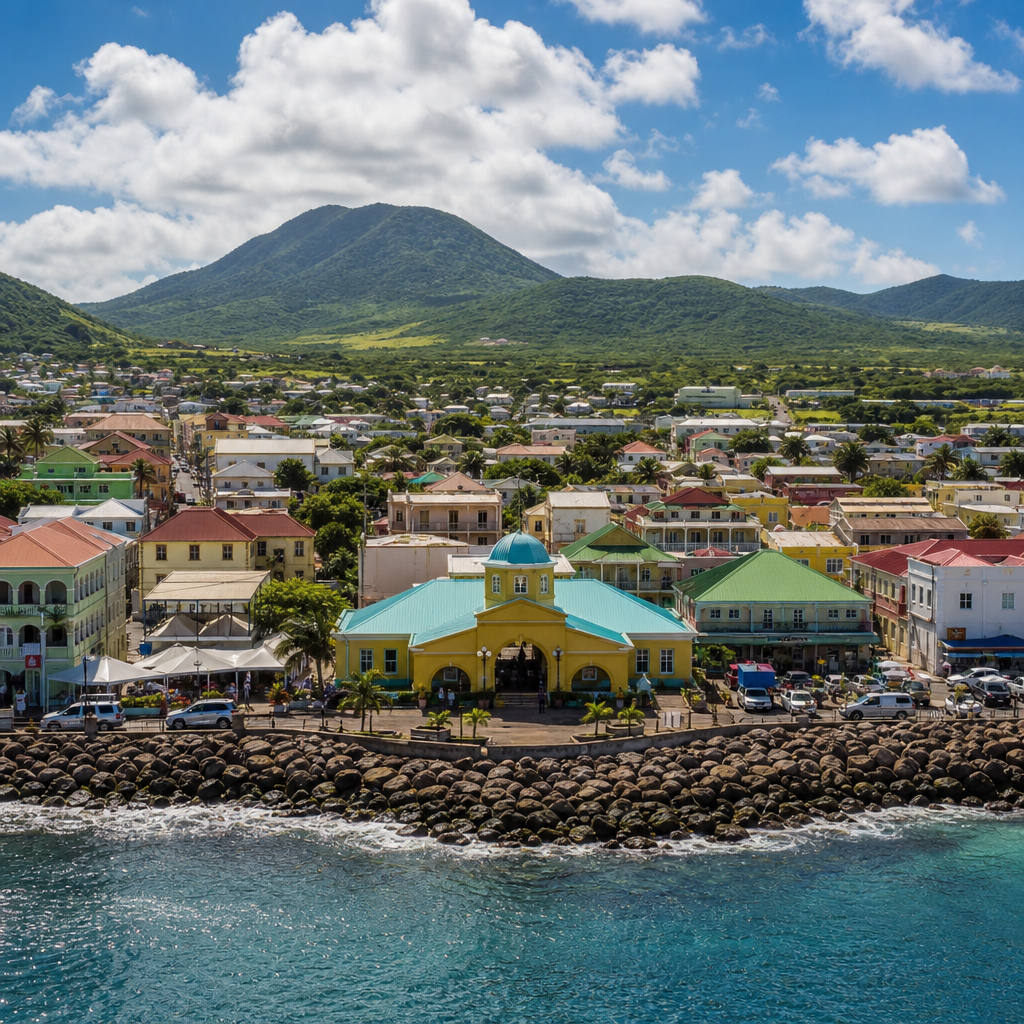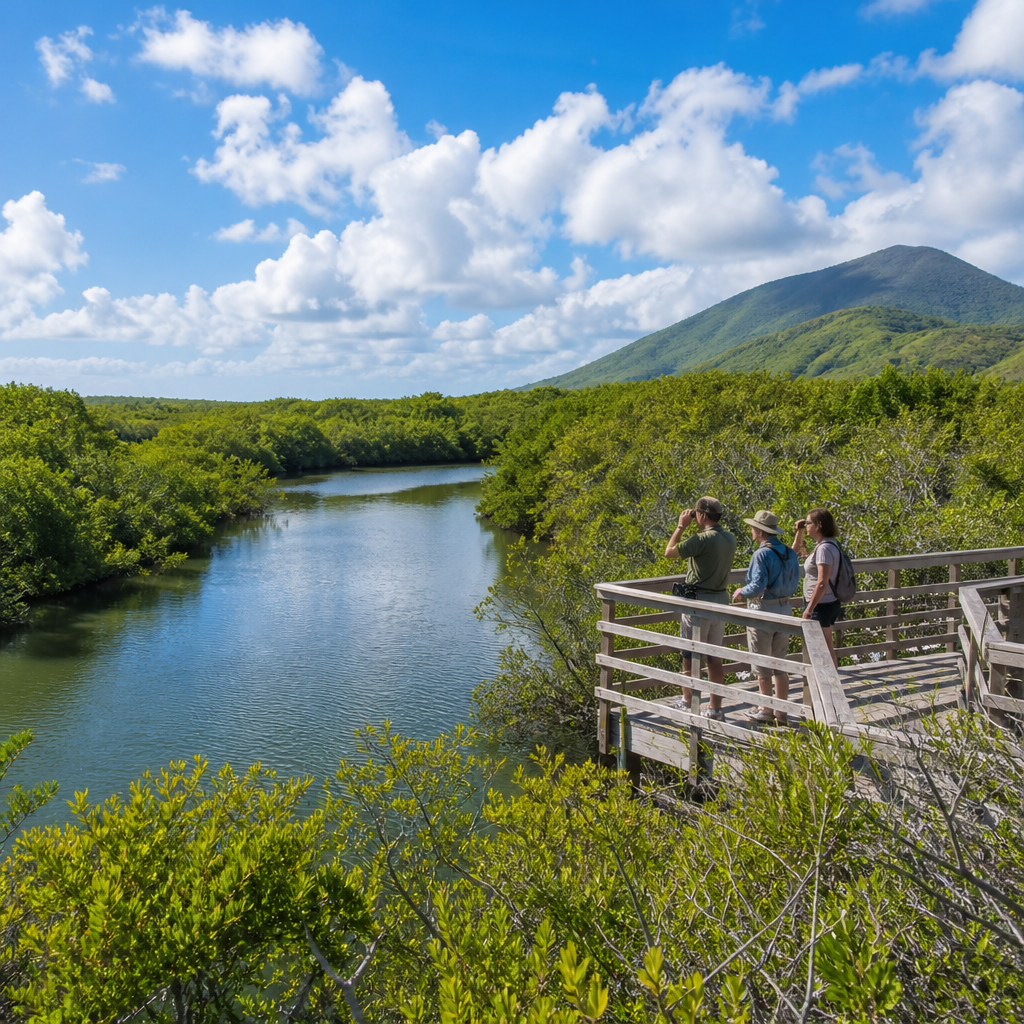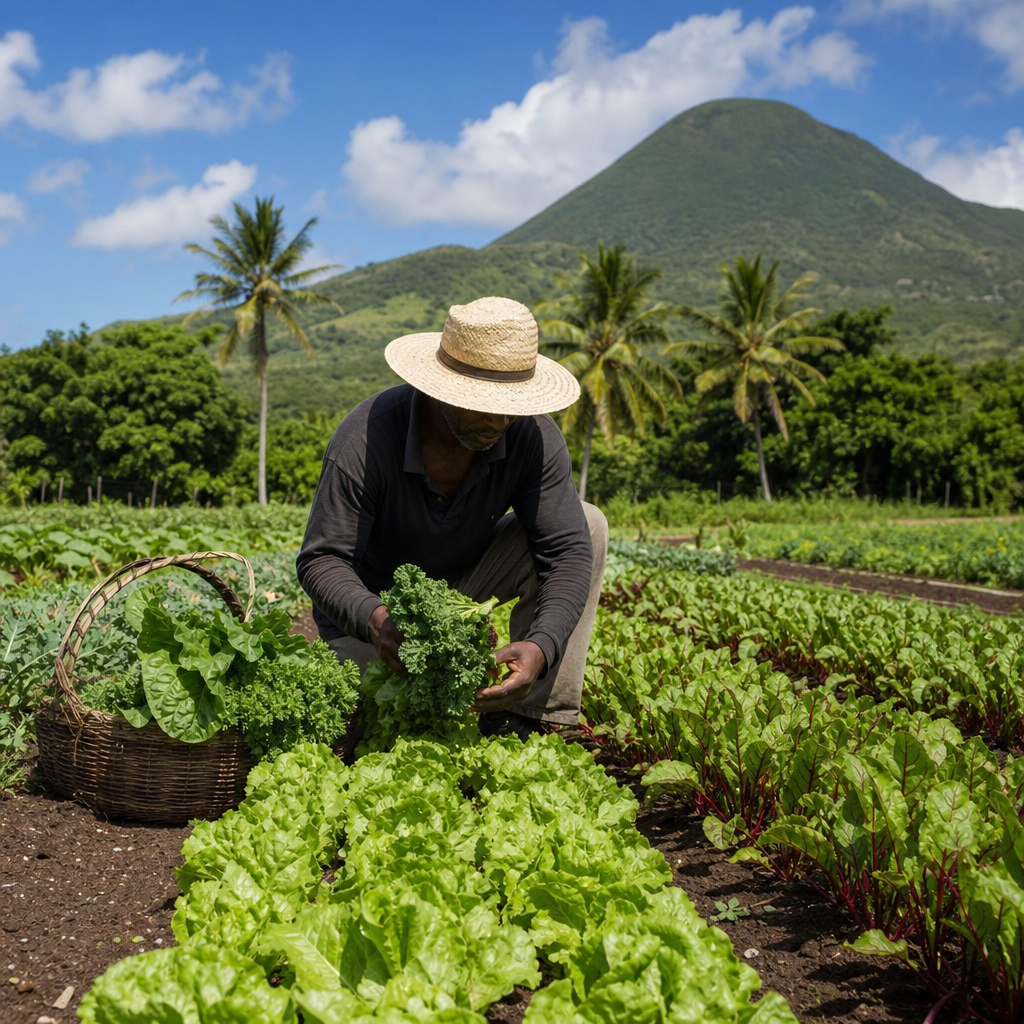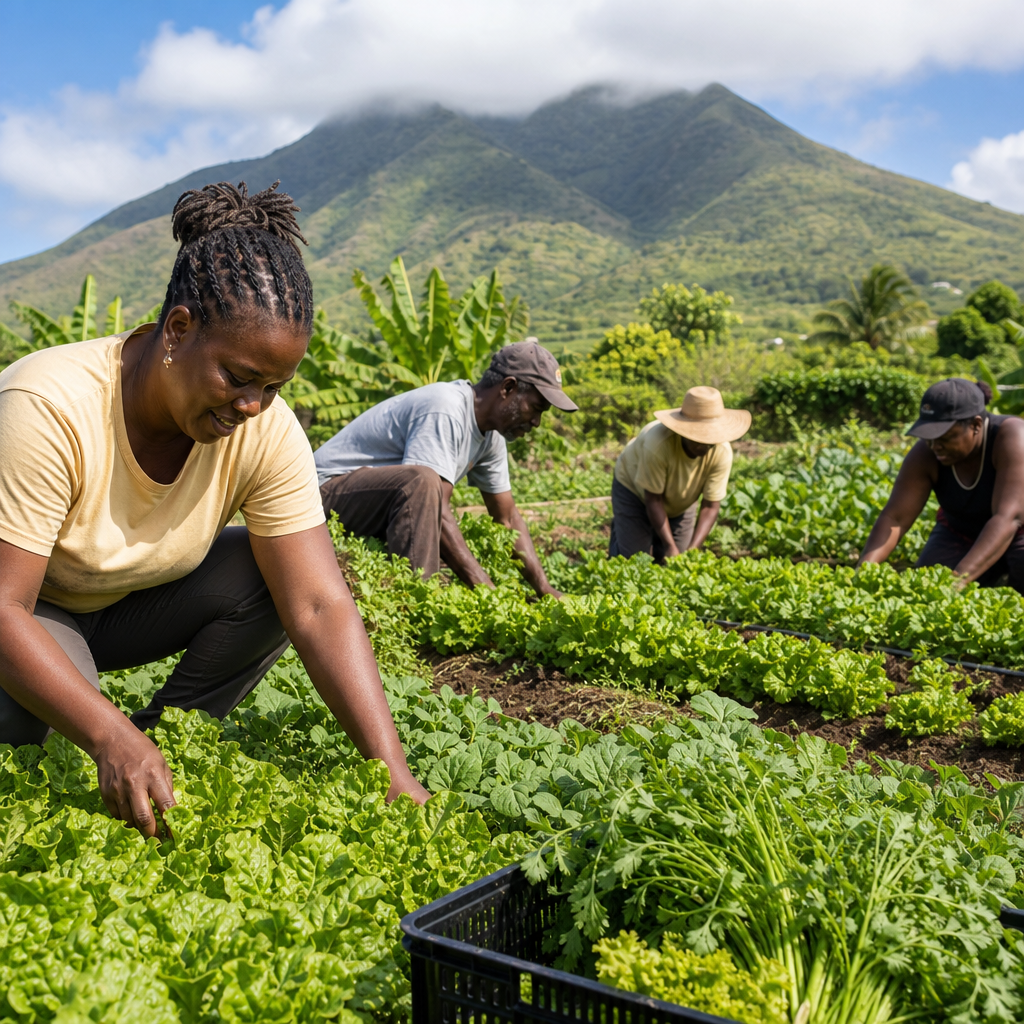
Nevis’ community farming projects are reshaping how the island feeds itself, supports local families, and protects its rural landscape. On a small Caribbean island where imported food has long dominated supermarket shelves, community farming means organized local growing efforts that involve residents, schools, churches, cooperatives, government agencies, and small private farmers working toward a shared food supply. These projects range from neighborhood plots and school gardens to larger collaborations that link crop production, livestock, training, and local markets. They matter because food security on islands is never abstract. Shipping delays, storm damage, rising fuel costs, and global price shocks can all interrupt access to basic staples within days. On Nevis, where land, water, labor, and transport must all be managed carefully, community farming is not simply a lifestyle choice. It is practical infrastructure.
I have worked on agricultural content and rural development briefs across small-island contexts, and Nevis stands out because farming here is closely tied to identity, resilience, and daily life. Residents still remember when more household food came from local ground provisions, fruit trees, backyards, and estate lands than from containers arriving at port. Today, renewed interest in community farming reflects both necessity and opportunity. It creates fresh produce for homes and hotels, skills for young people, income for growers, and stronger links between tourism and agriculture. For visitors exploring local life and experiences, these projects also offer a useful lens on Nevis beyond beaches and villas. They reveal how communities organize, what they value, and how the island is preparing for a less predictable future.
This hub article covers the broad miscellaneous landscape of Nevis’ community farming projects: what they are, why they have expanded, how they operate, which crops and systems are most common, what challenges they face, and where future growth is likely. It also serves as a starting point for related articles on local markets, school gardening, agro-tourism, food traditions, and island sustainability. If you want a direct answer to the central question, it is this: community farming helps feed Nevis by increasing local production, reducing dependence on imports, building practical skills, and keeping food systems rooted in the community rather than leaving them entirely exposed to external supply chains.
Why Community Farming Matters on Nevis
Nevis is beautiful, but beauty does not remove structural vulnerability. Like many islands in the Eastern Caribbean, Nevis imports a significant share of its food. That creates risk. When freight rates rise, imported vegetables, grains, and processed foods become more expensive. When storms disrupt shipping or damage cold-chain logistics, store availability can tighten quickly. Community farming addresses part of that problem by shortening the distance between production and consumption. Even modest output from multiple local sites improves resilience because supply is decentralized. A single farm can fail in drought or flood; a network of growers is harder to knock out at once.
There is also a health argument. Diet-related chronic disease remains a major issue across the Caribbean, with high rates of hypertension, diabetes, and obesity linked in part to dependence on imported processed foods. Local farming cannot solve public health alone, but it improves access to fresh vegetables, herbs, fruits, eggs, and root crops. In practical terms, a school or village that grows lettuce, spinach, tomatoes, seasoning peppers, pumpkins, and sweet potatoes gives residents more chances to eat fresh food regularly. That matters more than abstract nutritional advice.
Economically, community farming keeps more spending on the island. A hotel that buys herbs from a local grower, a family that purchases dasheen from a nearby farm stand, or a school that sources callaloo for meals all help circulate money locally. The multiplier effect is real in small economies: local inputs support labor, transport, packaging, irrigation suppliers, mechanics, and market vendors. In my experience, the strongest projects are not judged only by harvest volume. They are measured by whether they create steady routines of local buying and local trust.
What Community Farming Looks Like in Practice
Community farming on Nevis does not follow a single model. Some projects are informal, built around families sharing land, tools, and labor. Others are structured through government extension support, faith-based groups, youth programs, or community organizations. A common format is the mixed smallholding: a few acres or less under vegetables, fruit trees along boundaries, herbs near the house, and small livestock such as chickens or goats integrated where feasible. Another format is the collective garden, where participants divide plots but share water access, fencing, composting, and technical support.
School gardens are especially important because they combine food production with agricultural education. Students learn germination, spacing, pest observation, composting, mulching, and harvesting while seeing where food actually comes from. On an island where many young people are encouraged toward service-sector work, that hands-on familiarity matters. It keeps farming visible as skilled, modern, and valuable rather than backward. Some of the most effective school projects also connect to nutrition programs, so produce grown on-site can complement meals or be sold to support supplies.
Backyard and kitchen gardening should also be counted. In island food systems, small-scale household production can add up quickly. A few beds of okra and string beans, a row of cassava, a breadfruit tree, and containers of thyme and chives may seem minor in isolation, but across dozens or hundreds of homes they increase food availability and reduce grocery dependence. Community farming is therefore broader than organized fields. It includes the everyday cultivation that communities normalize, encourage, and share.
Core Crops, Systems, and Seasonal Realities
The crops that suit Nevis best are those adapted to tropical heat, variable rainfall, and relatively small production spaces. Ground provisions remain central because they are filling, familiar, and resilient. Sweet potato, yam, cassava, and dasheen fit local diets and can store better than delicate leafy greens. Vegetable production usually focuses on high-demand items with quick turnover such as lettuce, pak choi, tomatoes, cucumbers, sweet peppers, hot peppers, okra, and eggplant. Herbs including parsley, thyme, basil, chive, and seasoning pepper mixes are valuable because restaurants and households use them consistently.
Fruit production is equally important in a community food system. Mango, breadfruit, banana, papaya, soursop, guava, coconut, and citrus can supply homes directly and support roadside sales or processing into juices, jams, and preserves. Breadfruit in particular deserves attention because one mature tree can yield substantial seasonal calories with relatively low annual input compared with imported starches. Agroforestry-style planting, where fruit trees are combined with vegetables or root crops, also helps with shade, soil cover, and wind buffering.
Successful projects pay close attention to water and soil. Nevis has fertile areas, but tropical soils can lose structure and nutrients when overworked or left bare. Mulching, composting, cover cropping, and drainage planning are not optional extras. They are basic management practices. I have seen community plots improve dramatically once growers stop exposing soil to full sun and start using organic matter consistently. Likewise, drip irrigation often outperforms hand watering because it reduces evaporation, saves labor, and gives more predictable moisture levels during dry periods.
| Project Type | Main Foods Produced | Primary Benefit | Common Challenge |
|---|---|---|---|
| Backyard gardens | Herbs, greens, peppers, tomatoes | Household food savings | Limited water storage |
| School gardens | Lettuce, callaloo, okra, fruit | Youth skills and nutrition education | Maintenance during holidays |
| Community plots | Root crops, mixed vegetables | Shared access to land and tools | Coordination among growers |
| Small mixed farms | Vegetables, fruit, eggs, goats | Market sales and local supply | Input costs and labor |
How Projects Support Local Markets and Tourism
Community farming feeds the island most effectively when production is linked to actual demand. On Nevis, that means households, roadside vendors, supermarkets, restaurants, guesthouses, and hotels. Tourism can either overshadow local agriculture or strengthen it. The better outcome happens when chefs and purchasing managers buy what local growers can realistically supply, then design menus around seasonality. Fresh herbs, salad greens, micro-batches of peppers, cucumbers, pumpkins, and tropical fruit can all move efficiently from farm to kitchen when relationships are direct and expectations are clear.
For example, a hotel may not be able to source every vegetable locally year-round, but it can regularly purchase basil, mint, callaloo, eggplant, and ripe mangoes in season. That gives farmers dependable outlets and gives visitors meals with a genuine sense of place. Farm-to-table is often marketed loosely in tourism, but on Nevis it works best when backed by planting schedules, quality standards, and simple logistics such as early-morning delivery, washable crates, and WhatsApp ordering. In small-island agriculture, communication tools can matter almost as much as land.
Local markets are equally important. Community projects often gain momentum when people see visible points of sale: weekly produce stalls, village market days, church fundraisers, or school harvest sales. These settings do more than move vegetables. They create feedback. Growers learn what sells, shoppers learn what is in season, and communities rebuild habits of buying local. That is how farming becomes part of local life rather than a stand-alone development project.
Barriers, Tradeoffs, and What Strong Projects Do Differently
Community farming on Nevis faces real constraints. Water scarcity during dry periods can limit planting unless rainwater harvesting, storage tanks, or efficient irrigation are in place. Praedial larceny discourages investment when crops disappear before harvest. Monkeys and other pests can damage fields quickly, especially where fencing is weak. Input costs are high because seeds, fertilizer, irrigation parts, greenhouse materials, and feed are often imported. Access to labor is another persistent challenge, particularly when younger workers see more immediate opportunities in tourism or government employment.
Land tenure can be complicated as well. A project may have access to land informally but not securely enough to justify long-term improvements like irrigation lines, fruit trees, or protected structures. Then there is the issue of continuity. Many community projects begin with enthusiasm, small grants, and media attention, then struggle once volunteer energy dips or leadership changes. I have seen this pattern often. The difference between a symbolic garden and a durable one is usually systems: written schedules, clear roles, simple budgets, harvest records, buyer relationships, and maintenance plans.
The strongest projects on Nevis tend to do five things well. First, they start with crops people already eat. Second, they match scale to available labor instead of overplanting. Third, they treat water management as a first-order priority. Fourth, they involve youth in meaningful, skilled tasks rather than token participation. Fifth, they plan sales before harvest. Those practices sound basic, but they separate productive community farming from underused land with a signboard attached.
The Future of Feeding the Island
The future of Nevis’ community farming projects lies in coordination, not just expansion. More acreage alone will not solve food dependence. The island benefits most when backyard growers, schools, commercial farmers, tourism buyers, extension services, and community groups operate as parts of one ecosystem. Better seedling supply, shared cold storage, training in pest management, composting networks, water infrastructure, and regular market channels would all raise output without requiring unrealistic transformation. Protected agriculture, including shade houses and simple greenhouses, can also help stabilize production of high-value vegetables during difficult weather periods.
Digital tools will play a larger role. Even small farmers now use messaging apps for orders, weather checks, and photo-based pest diagnosis. Recordkeeping through basic spreadsheets or farm apps helps track planting dates, yield, and profitability. Community projects that document results are easier to improve and easier to support. Just as important, storytelling matters. When residents see schoolchildren harvesting lettuce, chefs naming local farms on menus, or families reducing grocery bills through backyard production, farming becomes socially visible again.
Nevis’ community farming projects are feeding the island in the most practical sense: producing food closer to where people live. They are also feeding resilience, skills, and local confidence. For anyone interested in local life and experiences on Nevis, this topic belongs at the center of the conversation, not the margins. Explore related articles on markets, food traditions, and agro-tourism, and when you visit or live on the island, choose local produce whenever you can. That simple action strengthens the community that grows it.
Frequently Asked Questions
What are community farming projects in Nevis, and how do they work?
Community farming projects in Nevis are organized local food-growing efforts designed to increase the island’s ability to feed itself while strengthening rural communities. Instead of relying only on individual farmers or imported produce, these projects bring together residents, schools, churches, cooperatives, government agencies, and small private growers around a shared goal: producing more fresh food locally. On a practical level, that can mean neighborhood garden plots, school-based growing programs, church-supported cultivation, cooperative farms, and larger community-managed production areas that supply households, markets, and institutions.
These projects usually work through collaboration. Land may be provided by a community group, private owner, or public agency, while labor comes from volunteers, farmers, students, or part-time workers. Some initiatives focus on staple crops and vegetables for regular household use, while others grow herbs, fruit, and specialty crops that can support local sales. In many cases, participants share tools, water access, seeds, training, and harvesting schedules. This cooperative model makes farming more accessible for people who may not have enough land, capital, or experience to farm on their own. In a place like Nevis, where land is limited and food imports are expensive and vulnerable to outside disruptions, community farming creates a practical system for building local food security from the ground up.
Why are community farming projects so important for Nevis’ food security?
Community farming matters in Nevis because the island has long depended heavily on imported food. That dependence creates risk. When shipping costs rise, supply chains slow, severe weather interrupts transport, or global prices increase, local families feel the impact quickly through higher grocery bills and reduced availability of fresh produce. By expanding local production, community farming helps Nevis reduce some of that vulnerability. Even if these projects do not replace imports entirely, they can make the island more resilient by ensuring that more fruits, vegetables, and other crops are grown close to home.
Food security is not just about having enough food on shelves; it is also about access, affordability, freshness, and reliability. Community farming improves all four. Produce harvested on the island reaches consumers faster, often at lower transportation cost, and can be directed toward the people who need it most. Local growing also gives communities more control over what is planted and when. If a project is well organized, it can align production with school meal programs, local markets, family consumption, and seasonal needs. Over time, these efforts help create a more balanced food system in which imports still play a role, but local agriculture becomes a stronger and more dependable foundation for feeding the island.
Who benefits from Nevis’ community farming initiatives?
The benefits of community farming in Nevis extend far beyond the people who plant and harvest crops. Families benefit from better access to fresh, locally grown food, which can improve nutrition and reduce pressure on household budgets. Small farmers benefit because community-based models often create shared infrastructure, stronger local markets, and opportunities to exchange knowledge, labor, and resources. Schools benefit when gardens are used as teaching spaces for science, nutrition, environmental stewardship, and practical life skills. Children who participate in growing food often gain a better understanding of where meals come from and develop healthier eating habits.
The wider island benefits as well. Community farming helps preserve rural land use and keeps agricultural knowledge active across generations. It can strengthen social ties by bringing neighbors together around a tangible, productive goal. Churches, cooperatives, and civic groups often find that farming projects create a sense of collective purpose while supporting vulnerable households through food distribution or low-cost produce sales. There are also economic benefits. When more food is grown locally, more money can circulate within Nevis instead of leaving the island to pay for imports. In that sense, community farming supports both social well-being and local economic resilience, making it one of the most practical tools for community development on a small island.
What kinds of challenges do community farming projects in Nevis face?
Like any agricultural effort on a small island, community farming projects in Nevis face a range of real challenges. Access to suitable land is one of the most common. Not every group has enough arable space, secure land tenure, or irrigation to maintain consistent production. Weather is another major factor. Drought, heavy rainfall, storms, and shifting seasonal patterns can all affect yields and make planning difficult. Farming inputs such as seeds, tools, fertilizer, fencing, and water systems may also be costly or hard to obtain regularly, especially for small groups operating on limited budgets.
Labor and long-term coordination can be just as important as environmental constraints. Community projects often begin with enthusiasm, but sustaining participation over time requires strong leadership, clear responsibilities, and realistic planning. Groups must decide who manages planting schedules, who maintains the site, how harvests are shared, and how income, if any, is reinvested. Pest control, crop loss, theft, transportation, and market access can also complicate operations. Even so, many of these challenges can be reduced through training, extension support, cooperative structures, water management systems, and better local planning. The success of community farming in Nevis often depends not on avoiding every obstacle, but on building systems that help communities respond to those obstacles together.
How can community farming projects help shape Nevis’ future?
Community farming can play a major role in shaping a more self-reliant future for Nevis. At its core, it helps rebuild the island’s connection to local food production at a time when many small economies are rethinking how dependent they want to be on imported goods. By investing in organized local farming, Nevis can strengthen food resilience, support healthier diets, create small-scale economic opportunities, and preserve productive rural landscapes that might otherwise be neglected or converted to other uses. These projects also help normalize the idea that farming is not a leftover part of the past, but a necessary part of the island’s future.
Just as importantly, community farming can influence the next generation. When young people see agriculture connected to education, entrepreneurship, sustainability, and community leadership, farming becomes more relevant and more attractive. School gardens, cooperative training, and public awareness around local food can all help build long-term agricultural capacity. If supported by good policy, technical guidance, and community commitment, these projects can grow into a broader movement that links farmers, institutions, consumers, and local markets. For Nevis, that means community farming is not only about growing crops today; it is about building the skills, systems, and confidence the island needs to feed itself more effectively in the years ahead.