Saint Kitts’ seaside restaurants do more than serve dinner with a view; they express the island’s history, fishing culture, hospitality standards, and evolving food scene in one setting. Oceanfront dining on Saint Kitts means eating steps from the Caribbean Sea or Atlantic edge, often with menus shaped by morning catches, tropical produce, rum traditions, and the practical realities of island supply chains. For travelers planning a first visit and for returning guests who want more than a generic resort meal, knowing where and how to dine by the water matters because location, timing, dress expectations, reservation policies, and menu strengths vary widely across the island. I have planned dining itineraries across Basseterre, Frigate Bay, the Southeast Peninsula, and neighboring beach strips, and the difference between a memorable meal and a disappointing one usually comes down to matching the restaurant to the occasion. Some venues excel at grilled lobster and sunset cocktails, some are better for long lunches after swimming, and others stand out for polished service, wine lists, or live music. This guide serves as a hub for Saint Kitts seaside dining, covering what oceanfront dining looks like on the island, which areas offer the strongest concentration of restaurants, what to order, how prices and ambiance differ, and how to choose the right venue for families, couples, groups, and serious food-focused travelers.
What oceanfront dining means on Saint Kitts
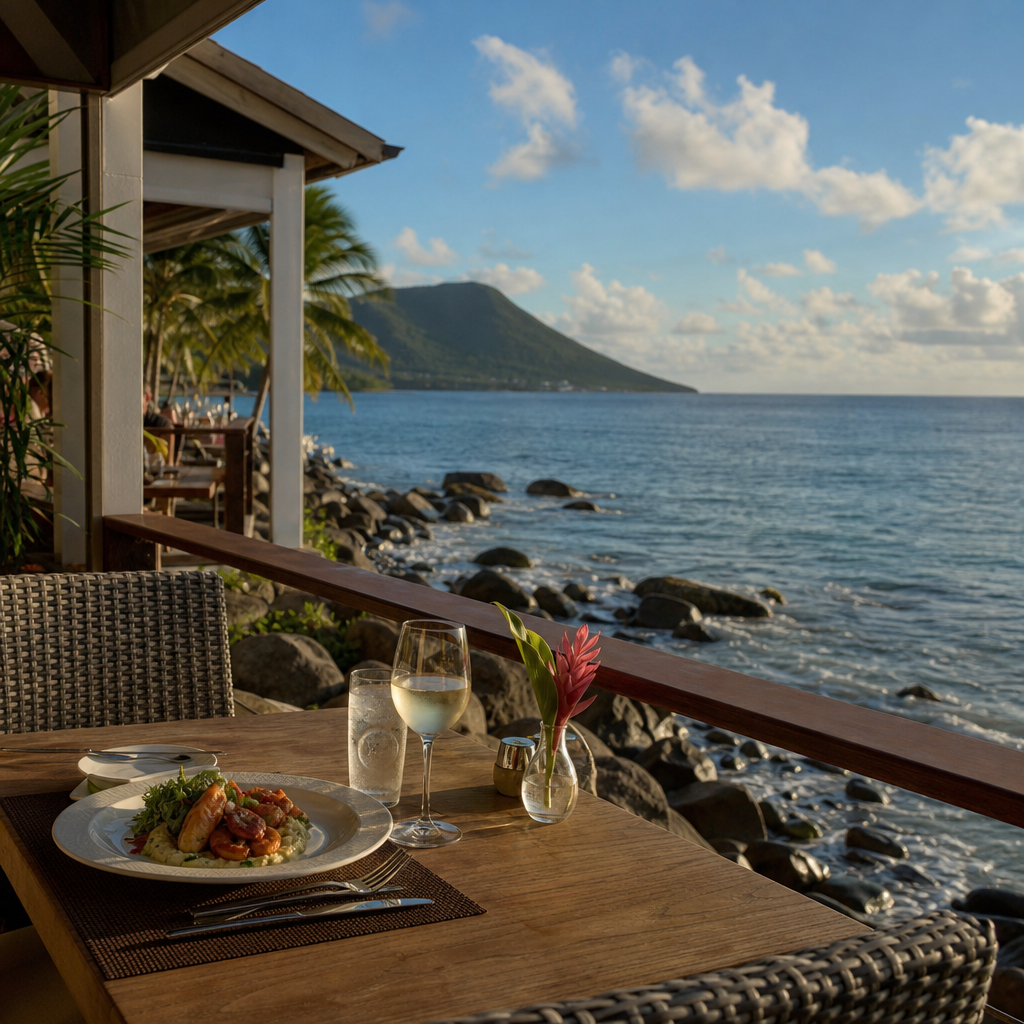
On Saint Kitts, oceanfront dining generally falls into three categories: directly on the sand at a beach bar or grill, elevated waterfront dining attached to a hotel or marina setting, and cliffside or shoreline restaurants with panoramic views but limited beach access. That distinction matters because it affects everything from footwear to menu complexity. A beach grill may encourage swimsuits with cover-ups and focus on snapper, conch fritters, burgers, and rum punch, while an upscale resort restaurant may require reservations, collared shirts, and a slower multi-course format with imported steaks, curated wine, and plated seafood specials.
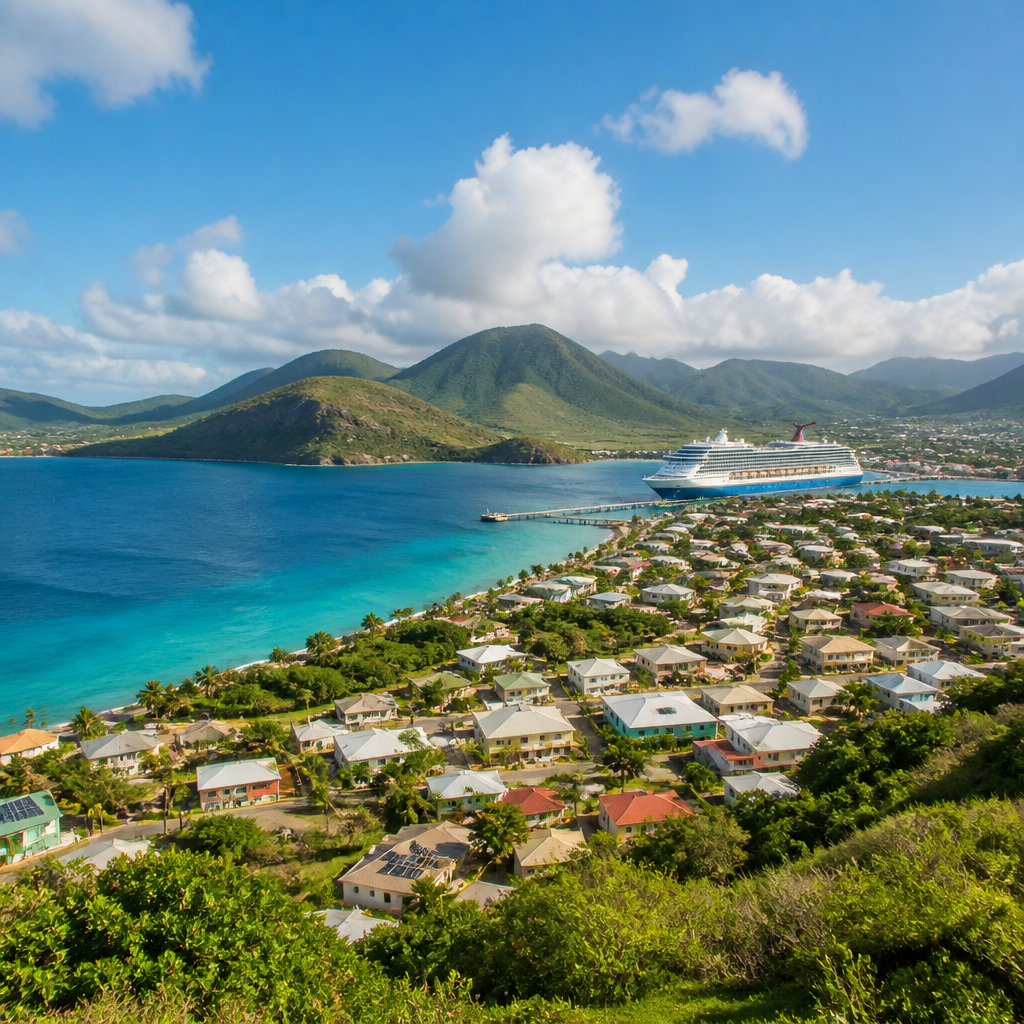
The island’s geography shapes the experience. Frigate Bay is the best-known zone for casual-to-upscale seaside dining, especially around South Frigate Bay, where visitors can move from daytime loungers to sunset dinners without changing neighborhoods. The Southeast Peninsula offers more dramatic scenery, broader sea views, and venues that feel more removed from town. Basseterre and the port area provide convenience for cruise passengers and business travelers, though truly memorable oceanfront meals are usually found outside the capital. Seasonal weather also influences the atmosphere. Trade winds can make Atlantic-facing spots breezier, while calmer Caribbean-side restaurants often feel better for candlelit dinners and families with young children.
Best areas for seaside restaurants on the island
If you want the widest range of oceanfront dining in one corridor, start with Frigate Bay. This area balances accessibility with variety, making it the easiest recommendation for visitors who want options across price points. Casual beach bars line the shore for lunch and drinks, while nearby hotel restaurants provide more refined dinners. Frigate Bay works especially well for travelers without a rental car because taxis are easy to arrange and multiple venues sit within a short stretch.
The Southeast Peninsula delivers a different kind of value. Restaurants here often trade convenience for atmosphere, with broader views, quieter settings, and a stronger sense of escape. This is where many visitors go for a destination meal, particularly at sunset. I often recommend the peninsula to couples, small groups celebrating a milestone, or anyone who wants to combine a beach day with a longer, slower lunch. Expect slightly higher transport costs and, in some cases, fewer backup options if weather changes.
Beach strips around popular resort zones add another layer. Venues near major properties such as St. Kitts Marriott Resort or Park Hyatt St. Kitts can provide dependable service, polished presentation, and easier online reservations. These restaurants are useful when diners care about consistency, dietary accommodations, and straightforward logistics. Independent waterfront restaurants, however, often deliver more local character, stronger connections to island seafood traditions, and a less scripted feel. The best itinerary usually mixes both.
What to eat at Saint Kitts oceanfront restaurants
The strongest seaside menus on Saint Kitts usually center on seafood first, then support it with Creole, West Indian, and broader Caribbean influences. Fresh fish is the benchmark. Depending on the day, that may include mahi-mahi, wahoo, snapper, tuna, or local catches served grilled, blackened, curried, or prepared with garlic butter. Lobster appears often when in season, and many restaurants build signature dishes around it, from split grilled lobster to lobster pasta. Conch, fish cakes, coconut shrimp, and crab preparations are also common.
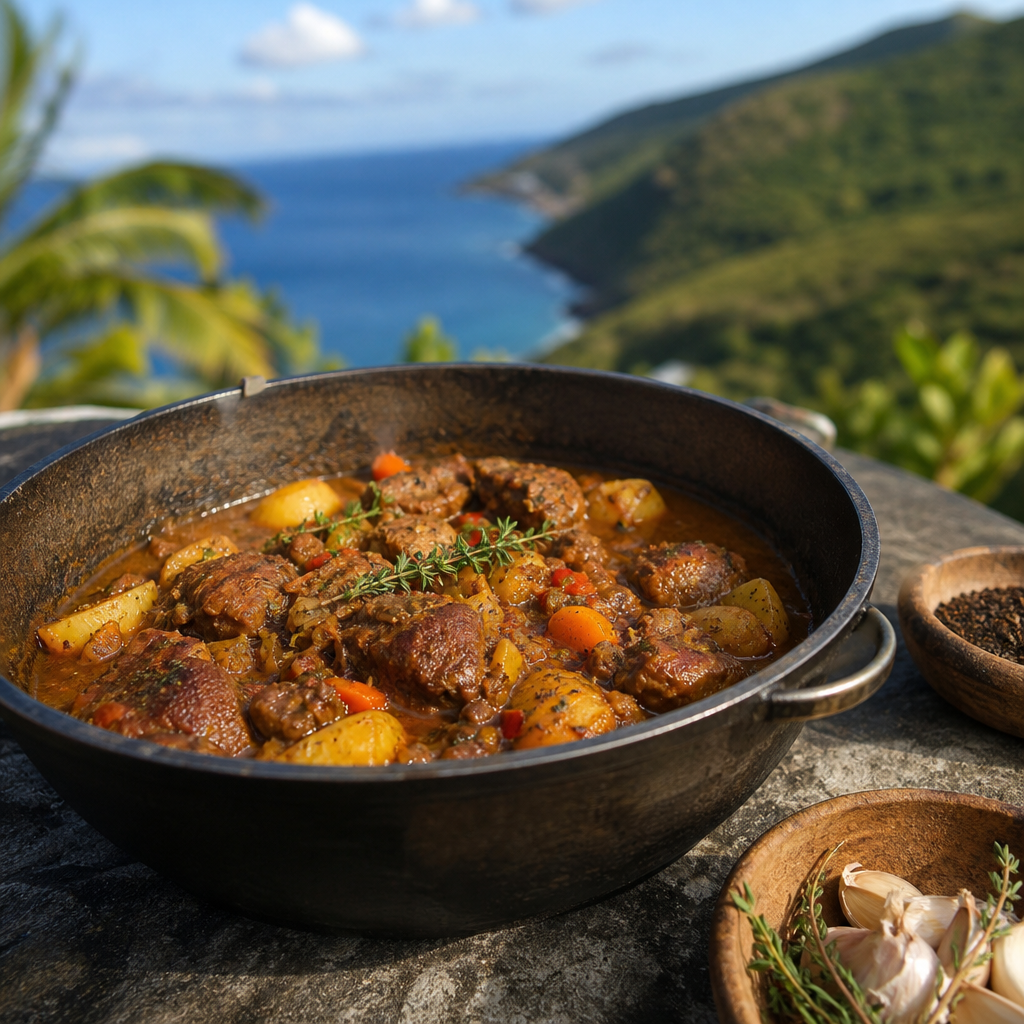
Travelers looking for a distinctly local plate should watch for goat water, the island’s famous savory stew, along with johnny cakes, plantains, rice and peas, breadfruit, and callaloo. Not every oceanfront restaurant emphasizes traditional Kittitian cooking equally. Some lean international, using imported ingredients and European techniques to satisfy resort guests, while others keep menus rooted in regional comfort food. Neither approach is inherently better. The key is knowing what the restaurant does best and ordering accordingly. I have seen visitors waste a strong seafood venue by ordering a generic pasta dish simply because it felt familiar.
Drinks matter too. A proper seaside meal on Saint Kitts often begins with rum punch, a local craft cocktail, or a cold Carib beer and ends with a straightforward dessert rather than a complicated pastry program. Restaurants with serious bars increasingly feature aged rum flights, tropical gin drinks, and balanced cocktails rather than sugar-heavy vacation pours. If you care about beverage quality, ask whether the bar uses fresh juices and local herbs; that one question usually tells you a lot about the operation.
How top seaside restaurant styles compare
Choosing the right oceanfront restaurant becomes easier when you compare setting, strengths, and tradeoffs directly. The island does not have one single “best” seaside restaurant for every diner. It has several categories that fit different goals.
| Restaurant style | Best for | Typical strengths | Possible tradeoffs |
|---|---|---|---|
| Beach bar and grill | Casual lunches, groups, post-swim meals | Direct beach access, relaxed dress, fresh grilled fish, lower prices | Weather exposure, simpler service, limited reservations |
| Resort waterfront restaurant | Date nights, business dinners, reliable planning | Professional service, broad wine list, dietary flexibility, online booking | Higher prices, less local character, more formal pace |
| Peninsula destination venue | Sunset dining, celebrations, scenic meals | Panoramic views, memorable setting, stronger sense of occasion | Taxi costs, fewer nearby alternatives, variable wind conditions |
| Marina or harbor restaurant | Convenient dinners, mixed-age groups, easy access | Stable seating, transport convenience, broad menu appeal | Less beach atmosphere, can feel more commercial |
For most visitors, the smartest plan is to book one destination dinner, one casual beach lunch, and one dependable waterfront evening at a resort or marina location. That combination gives you scenery, variety, and a fair view of what Saint Kitts dining actually offers.
How to choose the right restaurant for your trip
The best Saint Kitts seaside restaurant for you depends less on rankings than on context. Start with the occasion. For anniversaries or proposals, prioritize western-facing or Caribbean-facing venues known for sunset sightlines, quiet tables, and attentive service. For families, pick restaurants with flexible seating, approachable menus, and enough space that children are not boxed into a formal dining room. For cruise passengers with limited time, avoid remote peninsula venues unless you have arranged reliable transportation and a generous buffer before departure.
Budget also matters. Saint Kitts is not the cheapest Caribbean island for imported ingredients, and oceanfront settings carry a premium. Lunch usually offers the best value, especially at beach restaurants where the same shoreline and seafood come at lower daytime prices. Dinner pricing rises quickly when menus include lobster, premium cuts, or imported wine. Ask whether service charge is included before ordering. Many travelers assume one standard practice across the island, but policies differ.
Reservations are essential at sought-after venues during high season, holidays, and weekends with live entertainment. If a restaurant is tied to a major resort, online booking may be available. Independents often respond faster by phone, WhatsApp, or social media. Confirm whether outdoor tables are guaranteed or only requested. I always advise checking sunset time, wind exposure, and rain backup. An “oceanfront” reservation loses value if your table ends up indoors because weather planning was unclear.
Practical dining tips: timing, etiquette, and logistics
Timing changes the entire experience. Lunch suits diners who want bright water views, beach access, and a casual atmosphere. The strongest time for a scenic dinner is usually 45 to 60 minutes before sunset, when light is soft and kitchens are not yet overwhelmed. Arriving exactly at sunset often means missing the visual peak while waiting for drinks. This is a small planning detail, but it consistently improves the experience.
Dress codes are usually simple but worth checking. Beachwear is acceptable at many sand-side lunch spots if paired with a cover-up and footwear. In the evening, even relaxed waterfront restaurants often expect resort casual attire. Men may need closed shoes or a collared shirt at certain upscale properties. Service style also varies. Some restaurants move on island time, especially at busy beach bars, while hotel venues operate with more standardized pacing. Neither is wrong; set expectations before you sit down.
Transportation deserves more attention than many guides give it. Taxis are common, but return availability late at night can be uneven outside dense tourist areas. If you are dining on the Southeast Peninsula, arrange your ride back before dessert. Also ask about credit card acceptance, as smaller beach venues may prefer cash for quicker transactions or have minimums. Finally, if you have allergies or strict dietary restrictions, call ahead. Most professional kitchens can adapt, but imported specialty items are not always available at short notice.
Building a complete Saint Kitts dining itinerary
As a hub within local cuisine and dining, seaside restaurants connect naturally to the wider food experience on Saint Kitts. A smart itinerary goes beyond one signature dinner. Pair a beachside seafood lunch with a market visit in Basseterre, a resort tasting menu with a rum-focused evening, and a local comfort-food stop with a sunset cocktail bar. This layered approach helps travelers understand the island’s food identity rather than seeing only its postcard views.
For deeper exploration, use this hub as the starting point for related articles on beach bars, fine dining, local dishes, rum experiences, family-friendly restaurants, and where to eat near major resorts or cruise arrivals. That internal structure mirrors how travelers actually plan: first by setting, then by cuisine, budget, and occasion. Seaside restaurants are the anchor because they combine atmosphere with broad appeal, but they are only one part of the Saint Kitts dining landscape.
The core takeaway is simple. Saint Kitts offers oceanfront dining that ranges from barefoot grills to polished destination restaurants, and the best choice depends on your priorities, not on a one-size-fits-all list. Focus on location, menu strengths, timing, and logistics, and you will eat better on the island. Start with one lunch in Frigate Bay, one sunset meal on the Southeast Peninsula, and one carefully chosen waterfront dinner near your hotel. Then build outward into the rest of the local cuisine scene with confidence.
Frequently Asked Questions
What makes seaside restaurants in Saint Kitts different from standard beachfront dining elsewhere in the Caribbean?
Saint Kitts’ seaside restaurants stand out because they combine scenery with a strong sense of place. In many destinations, oceanfront dining is mainly about the view, but on Saint Kitts the setting is closely tied to the island’s fishing culture, colonial history, and small-island hospitality. Restaurants along the shore often build their menus around what is available that day, especially fresh fish, lobster when in season, conch, and local produce. That means the dining experience can feel more personal and less standardized than at larger resort destinations where menus stay fixed year-round.
Another difference is geography. Saint Kitts offers both Caribbean and Atlantic-facing coastal experiences, and that can shape not only the atmosphere but also the food and pace of service. A calm Caribbean-side dinner may feel romantic and polished, while a more rugged coastal setting can feel informal, local, and deeply connected to the sea. You are not just eating near the water; you are dining in a place where the shoreline influences ingredients, architecture, timing, and even the mood of the evening. For travelers who want more than a generic beach meal, that local texture is what makes Saint Kitts especially rewarding.
What kinds of seafood and local dishes should I expect at Saint Kitts’ oceanfront restaurants?
Most seaside restaurants in Saint Kitts feature a mix of grilled seafood, Creole-inspired preparations, and Caribbean comfort dishes. Depending on the catch and the season, you may see snapper, mahi-mahi, tuna, wahoo, lobster, shrimp, and conch on the menu. Fish is often served simply, with grilled vegetables, rice and peas, plantains, or a fresh salad, allowing the quality of the ingredient to lead. Many restaurants also incorporate island flavors through sauces and sides, including coconut-based elements, pepper sauces, citrus marinades, ginger, thyme, and garlic.
It is also common to find menus that balance local dishes with internationally familiar options. That means one table might order a whole grilled fish with Caribbean seasoning while another chooses seafood pasta, lobster thermidor, or a rum-glazed catch of the day. In some places, local specialties such as saltfish, stewed seafood, callaloo, johnnycakes, or seasoned rice appear alongside more upscale presentations. This blend reflects the island’s evolving food scene: chefs and restaurateurs are serving visitors, but they are also drawing on everyday Kittitian flavors and long-standing food traditions.
A useful tip is to ask what arrived that morning rather than relying only on the printed menu. On Saint Kitts, the best seaside meals are often the ones shaped by the day’s catch and what the kitchen is especially proud to prepare. That approach usually leads to fresher food and a more authentic connection to the island’s coastal dining culture.
Is oceanfront dining in Saint Kitts expensive, and how should travelers budget for it?
Oceanfront dining in Saint Kitts ranges from casual and accessible to upscale and occasion-worthy, so your budget can vary quite a bit. Some seaside spots are relaxed beach bars or open-air local restaurants where you can enjoy grilled fish, a rum punch, and a generous plate for a moderate price. Others, especially those attached to resorts or positioned as fine-dining venues, charge more for premium seafood, imported ingredients, curated wine lists, and elevated service. The view itself can also influence pricing, particularly at sunset-focused restaurants in prime coastal locations.
Travelers should remember that island dining costs are shaped by practical realities. Imported goods, fuel, weather, seasonality, and supply chain limitations all affect menu prices. Even excellent restaurants that emphasize local ingredients may still depend on imported items for certain beverages, desserts, or specialty dishes. As a result, prices can be slightly higher than some first-time visitors expect, especially if they compare Saint Kitts directly with mainland destinations.
For smart budgeting, plan a mix of experiences. You might choose one or two standout sunset dinners at higher-end oceanfront restaurants, then balance them with lunches or early dinners at more casual seaside establishments. Also factor in drinks, service charges, and transportation, particularly if you are staying away from the main dining areas. If you value atmosphere, freshness, and location, many travelers find Saint Kitts’ seaside restaurants well worth the spend, especially when expectations are set realistically from the start.
When is the best time to visit a seaside restaurant in Saint Kitts for the full experience?
The most popular time is late afternoon into sunset, when the light softens, the sea breeze picks up, and the coastline becomes part of the meal itself. A reservation timed about 30 to 60 minutes before sunset usually gives you the best progression: daylight views, golden-hour photos, and then a relaxed dinner as the sky changes color. This is especially true at restaurants with unobstructed oceanfront seating, where the setting is a major part of the appeal.
That said, the “best” time depends on the kind of experience you want. Lunch can be excellent if you prefer a quieter atmosphere, clearer sea views, and a more casual pace. Midday dining also works well for travelers exploring beaches, marinas, or coastal attractions who want fresh seafood without the demand and energy of evening service. Dinner tends to feel more romantic and polished, while lunch often feels more spontaneous and local.
Weather and season also matter. During busier travel periods, top seaside restaurants can book up quickly for sunset tables, so advance reservations are wise. On windy or rainy days, some oceanfront venues may adjust seating or service flow, particularly if they rely on open-air layouts. If having the best table matters to you, call ahead, ask about the view, and confirm whether outdoor seating is guaranteed. In Saint Kitts, timing is part of the strategy, and a little planning can make a good meal feel exceptional.
How can I choose the right seaside restaurant in Saint Kitts if I want more than just a pretty view?
Start by deciding what “best” means for your trip. Some travelers want polished service, a strong wine or cocktail program, and a refined atmosphere for a special dinner. Others are looking for the freshest fish, a more local crowd, and a setting that feels relaxed rather than formal. In Saint Kitts, the best oceanfront restaurant for you may not be the most photographed one; it may be the place where the menu is seasonal, the staff explains the catch in detail, and the experience feels genuinely rooted in the island.
Look closely at a restaurant’s menu style, not just its location. A thoughtful seaside restaurant will usually signal its strengths clearly: catch-of-the-day offerings, local ingredients, house sauces, regional sides, and a beverage list that reflects Caribbean tastes, including rum-based cocktails. Reviews can help, but it is best to read beyond comments about sunsets and focus on consistency, hospitality, pacing, and food quality. A beautiful setting matters, but on Saint Kitts the strongest restaurants are the ones that pair scenery with substance.
It also helps to ask practical questions before you go. Is the restaurant known for seafood or for a broader international menu? Does it feel better suited to couples, families, or groups? Is it easy to reach from your hotel, and does it require reservations? The more you align the restaurant with your priorities, the more satisfying the experience will be. The real appeal of Saint Kitts’ oceanfront dining is that it can deliver both natural beauty and a meaningful taste of the island, provided you choose a place that takes the food and the hospitality as seriously as the view.