Developing a restaurant business in Nevis requires more than a good menu; it demands a clear understanding of the island’s tourism patterns, local supply constraints, labor realities, licensing process, and the expectations of both residents and international visitors. In practical terms, a restaurant business in Nevis can range from a beach bar serving day-trippers to a chef-led fine dining room tied to villa tourism, and each model succeeds for different reasons. Nevis is a small Caribbean island within the Federation of Saint Kitts and Nevis, known for upscale hospitality, heritage appeal, yachting traffic, and a slower, more personal visitor experience than many high-volume destinations. That setting creates opportunity, but it also magnifies mistakes. A weak location, poor cost control, or an imported concept that ignores local dining habits can become expensive quickly. I have seen operators assume that strong tourist arrivals automatically translate into profitable covers, only to discover that seasonality, reservation behavior, and freight costs reshape the economics. This matters because food service is one of the most visible and resilient ways to participate in the island economy. Restaurants create jobs, support farmers and fishers, complement hotels and villas, and often become anchor businesses in developing districts. For investors, owner-operators, and returning nationals, the key question is not whether Nevis can support restaurants, but what type of restaurant it can support consistently, profitably, and at a standard that builds reputation over time.
Understanding the Nevis restaurant market
The Nevis restaurant market is defined by three overlapping customer groups: local residents, stayover visitors, and affluent short-term guests connected to resorts, private villas, or yachts. A successful concept usually serves at least two of these groups rather than relying on one. Residents provide repeat trade and word-of-mouth credibility, but they are price aware and compare value carefully. Stayover tourists seek authentic experiences, convenience, and trusted recommendations from hotels, drivers, and digital reviews. Higher-spend travelers often expect polished service, strong wine or cocktail programs, and reservation reliability. Because Nevis is smaller and less dense than many Caribbean markets, restaurant demand is distributed unevenly across Charlestown, Pinney’s Beach, resort areas, and village corridors. That means location strategy must reflect actual traffic patterns, not assumptions based on map visibility alone.
Seasonality matters. Winter typically brings stronger international demand, while shoulder periods test whether the business can sustain labor, inventory, and rent obligations. Cruise dependence is lower than on some islands, so operators should focus more on destination dining and repeat custom. The market also rewards distinct positioning. Generic menus with broad international dishes rarely outperform focused concepts. In my experience, venues that clearly answer one question do better: why should a guest choose this restaurant tonight instead of the hotel, another beach venue, or dining in a villa? Strong answers include local seafood done consistently well, breakfast near key accommodation clusters, family-friendly casual dining, wellness-oriented cuisine, or premium Caribbean fine dining with memorable storytelling.
Choosing the right concept and location
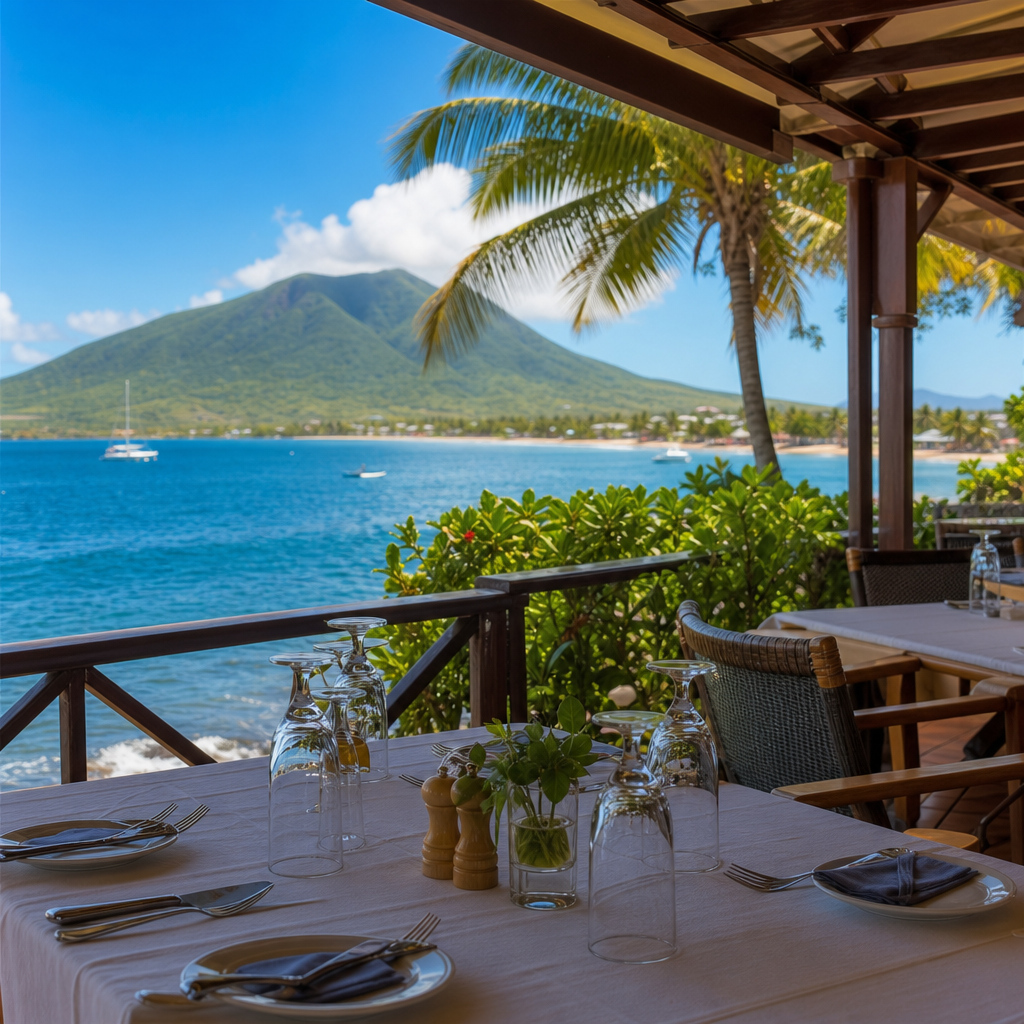
Restaurant concepts in Nevis work best when matched to real demand, infrastructure, and operating capacity. A beachfront grill can thrive on simple execution, fast table turns, and strong beverage margins, while a high-end tasting menu requires trained staff, stable cold storage, premium procurement, and a market large enough to support advanced pricing. Before signing a lease or buying land, evaluate access roads, parking, utility reliability, ventilation requirements, drainage, waste handling, and proximity to hotels or residential catchments. A scenic site is valuable, but only if customers can reach it easily and the kitchen can function efficiently every day.
Concept fit is equally important. Family dining near residential neighborhoods serves a different pattern from an adults-oriented sunset venue or a breakfast café near villa concentrations. In Nevis, all-day concepts often outperform narrowly timed models because they can spread fixed costs over breakfast, lunch, drinks, and dinner. However, all-day only works if staffing and menu engineering are disciplined. I advise founders to test demand with a pop-up, catering format, or limited-service pilot before committing to a full-scale build. That trial reveals average spend, service bottlenecks, and which dishes travelers actually reorder. It also helps define whether the brand should emphasize local identity, international comfort, health positioning, or event-based dining.
| Model | Best Fit in Nevis | Main Advantage | Main Risk |
|---|---|---|---|
| Beach bar and grill | Tourist corridors and resort-adjacent areas | High beverage sales and broad appeal | Weather exposure and seasonal fluctuations |
| Casual local restaurant | Residential communities and mixed local traffic | Repeat local business | Lower average ticket size |
| Chef-led fine dining | Luxury tourism zones and villa markets | Premium pricing potential | High labor and procurement complexity |
| Café and breakfast concept | Near hotels, marinas, and transport routes | Captures underserved morning demand | Smaller evening revenue window |
| Takeaway and delivery kitchen | Charlestown and dense residential areas | Lower front-of-house costs | Delivery logistics and lower experiential value |
Licensing, compliance, and operating standards
Opening legally and operating to standard is non-negotiable in a small island market where reputation travels fast. Restaurant businesses in Nevis must address business registration, local permits, health and sanitation compliance, fire safety, tax obligations, and, where relevant, liquor licensing. Requirements can change, so founders should confirm procedures directly with the appropriate Nevis Island Administration departments and professional advisors rather than relying on informal guidance. If the business involves imported food, alcohol, specialized equipment, or construction, customs procedures, planning approvals, and environmental considerations can affect the opening timeline significantly.
Food safety should be designed into the operation from day one. That means documented receiving standards, refrigeration logs, allergen awareness, cleaning schedules, pest control, handwashing compliance, and separation protocols for raw and ready-to-eat products. Operators familiar with Hazard Analysis and Critical Control Points principles usually adapt faster because they already think in terms of process control, not just kitchen talent. Insurance is another area where founders cut corners at their peril. Public liability, employer liability, property cover, business interruption protection, and vehicle cover for delivery or procurement runs should be reviewed carefully. In Nevis, one storm event, equipment failure, or guest incident can erase months of margin if cover is inadequate.
Supply chain, menu engineering, and cost control
Supply chain management is where many restaurant businesses in Nevis either become disciplined enterprises or remain fragile lifestyle ventures. Because the island depends on imports for many ingredients, packaging items, beverages, and replacement parts, freight lead times and landed costs must be built into menu strategy. Operators who write menus as if they were sourcing in Miami every morning usually face stock-outs, emergency substitutions, or unacceptable food cost variance. The smarter approach is to build around ingredients that are available consistently, then layer imported premium items selectively where the selling price can support them.
Menu engineering should balance popularity, contribution margin, prep complexity, and spoilage risk. For example, a fish dish may attract guests and support local sourcing, but only if species availability, yield loss, and portion control are tightly managed. A burger may appear ordinary, yet it can be one of the most profitable items when buns, mince, garnishes, and fries are standardized and beverage pairings are promoted. I recommend a core menu with a controlled number of items, supported by seasonal specials that absorb variable supply. Track food cost by recipe, not by broad purchasing totals alone. Use weekly inventory counts, standard recipe cards, ideal versus actual cost reviews, and waste logs. Even small reductions in over-portioning can transform net profit on an island operation where logistics inflate every purchasing decision.
Staffing, training, and service culture
Restaurants in Nevis rise or fall on service consistency. Guests may forgive a delayed appetizer once, but they remember whether the team was attentive, informed, and composed. Staffing therefore needs to be treated as an operating system rather than a hiring event. The best operators recruit for attitude, reliability, and communication, then train for standards. Front-of-house staff should know menu ingredients, allergens, upselling prompts, table pacing, and complaint recovery steps. Back-of-house staff need station discipline, prep lists, labeling standards, temperature control, and cleaning accountability. Cross-training is especially valuable in smaller island businesses because absenteeism, transport issues, and sudden demand spikes are common.
Compensation structure matters too. Competitive wages alone do not create retention, but unclear scheduling, weak supervision, and inconsistent feedback quickly drive turnover. In practice, staff stay longer when expectations are documented and advancement feels attainable. That includes line checks before service, post-shift reviews, weekly coaching, and visible recognition of strong performance. For owner-led venues, culture starts with the founder’s daily behavior. If management ignores punctuality, sanitation, or guest recovery, the team will do the same. If management models calm standards, accurate communication, and respect, service quality improves noticeably. In Nevis, where guest recommendations flow through hotel concierges, taxi drivers, and online reviews, one well-trained team can become a competitive moat.
Marketing, partnerships, and demand generation
Marketing a restaurant business in Nevis is less about mass advertising and more about discoverability, trust, and partnerships. Start with the basics: accurate business listings, current opening hours, professional photos, simple map directions, reservation channels, and responsive review management. Many dining decisions are made on mobile devices within hours of the meal, so outdated information directly loses revenue. A clean website with menu samples, contact details, and booking links remains important, especially for villa guests and travel planners. Social media works best when it shows atmosphere, signature dishes, live events, and real guest moments rather than generic promotional graphics.
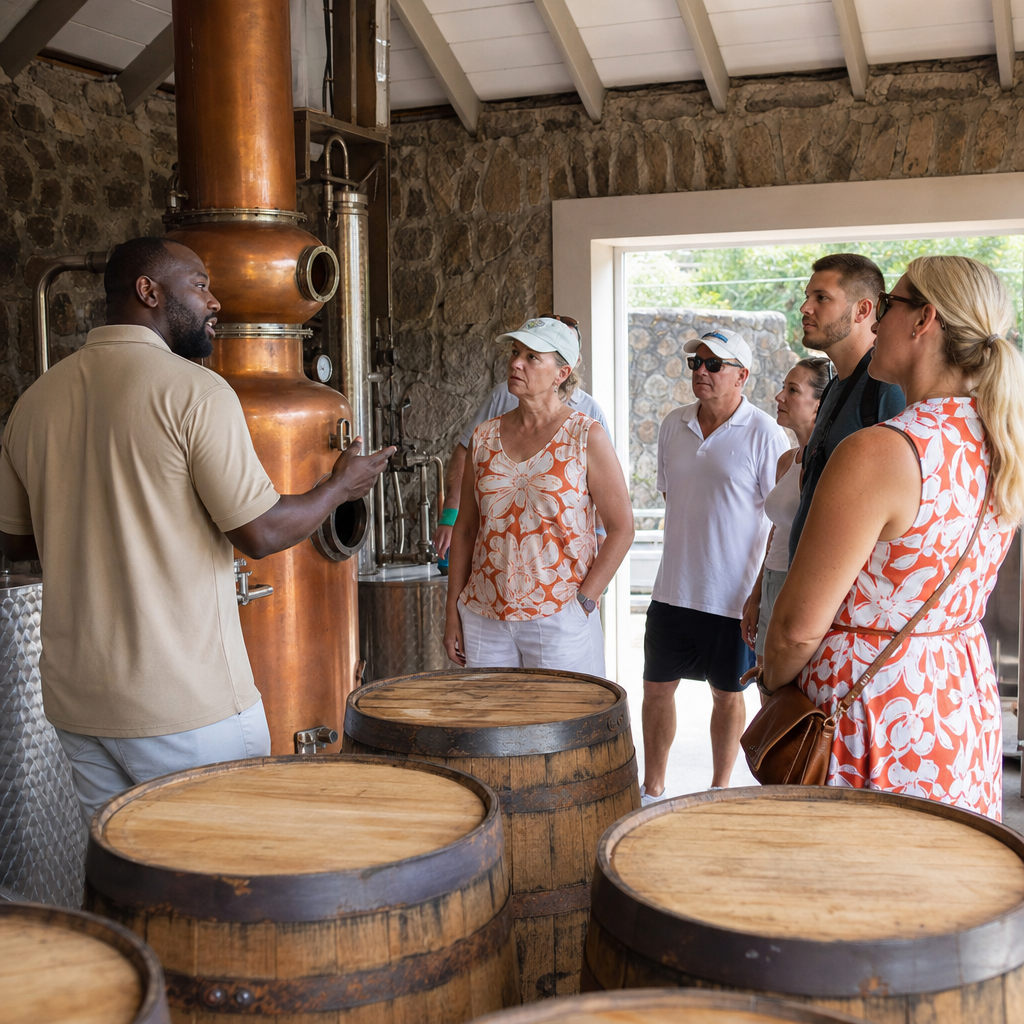
Partnerships are often the highest-return marketing channel on the island. Build referral relationships with boutique hotels, villa managers, event planners, charter operators, wedding coordinators, and transportation providers. Offer clear commission structures only where appropriate and lawful, but always make the referral experience frictionless. Group menus, transport coordination, and dependable reservation handling can turn occasional referrals into repeat streams. Events also matter. Rum tastings, chef collaboration dinners, local music nights, seasonal brunches, and holiday menus help smooth demand outside peak tourist periods. Review strategy should be intentional as well. Encourage satisfied guests to leave feedback on major platforms, and answer criticism specifically and professionally. In small markets, silence after a complaint can be more damaging than the complaint itself.
Financial planning, resilience, and long-term growth
Financial discipline is what turns a popular restaurant into a durable business. Founders should begin with a realistic startup budget that includes construction overruns, imported equipment delays, initial stock, licenses, smallwares, staff training, professional fees, working capital, and a contingency reserve. Underestimating pre-opening costs is one of the most common mistakes I see. Revenue forecasts should be built from seat count, table turns, average check, daypart mix, and seasonality rather than optimistic monthly targets. Then test the model against lower occupancy, higher freight costs, and temporary staffing shortages. If the numbers only work in peak season, the concept needs adjustment before launch.
Long-term growth in Nevis usually comes from operational refinement, not reckless expansion. Once the first unit is stable, operators can add catering, private dining, packaged retail items, cooking classes, or a second service format such as breakfast or takeaway. Technology can support this growth when used pragmatically. A modern point-of-sale system, reservation platform, recipe costing tool, and payroll controls provide visibility that intuition alone cannot. Sustainability investments also deserve attention. Energy-efficient refrigeration, careful water use, local sourcing where feasible, and waste reduction are not just ethical choices; they protect margin and strengthen brand credibility with today’s travelers. The restaurant businesses that last in Nevis are the ones that align concept, costs, compliance, and customer experience with the island’s realities. For anyone exploring business and investment opportunities in this market, the path is clear: research deeply, start with a disciplined concept, build dependable systems, and create a dining experience people will recommend without hesitation.
Nevis offers genuine potential for restaurant entrepreneurs, but success comes from precision rather than enthusiasm alone. The island rewards businesses that understand local demand, respect seasonality, manage procurement carefully, train teams well, and maintain visible operating standards. A restaurant can become more than a place to eat; it can be part of the visitor experience, a dependable local employer, and a profitable long-term asset when the fundamentals are handled properly. The strongest strategies are straightforward: choose a concept with clear market fit, open with full compliance, engineer the menu around supply realities, market through partnerships and reputation, and watch cash flow as closely as food quality. Those decisions reduce risk and improve resilience in a market where logistics, weather, and customer expectations all matter. For investors and operators building within Nevis’s broader business landscape, restaurants remain one of the most practical and high-impact entry points. Use this hub as your starting point, then map out the specific format, location, and operating model that gives your restaurant business in Nevis the best chance to grow sustainably.
Frequently Asked Questions
1. What are the most important factors to understand before opening a restaurant in Nevis?
Before opening a restaurant in Nevis, the most important step is understanding that the island operates on a different rhythm than a large mainland market. Demand is shaped heavily by tourism seasonality, villa occupancy, cruise and yachting patterns in the wider region, holiday travel, and the habits of local residents. A concept that appears strong during peak visitor months may struggle in slower periods if it is not also relevant to the local market. For that reason, restaurateurs need to study not only visitor numbers, but also where guests stay, how they move around the island, what price points they accept, and whether they prefer casual beachfront dining, upscale destination meals, or convenient neighborhood options.
Another critical factor is the supply environment. Nevis is a small island, which means ingredients, equipment, replacement parts, and specialty items may not always be available quickly or cheaply. Import lead times, customs procedures, weather disruptions, and shipping costs can all affect food cost and consistency. Successful operators usually build menus with flexibility in mind, create strong relationships with multiple suppliers, and avoid concepts that depend too heavily on a narrow range of imported products. In addition, labor availability, training standards, licensing requirements, utility reliability, and site-specific issues such as parking, visibility, and access all play major roles. In short, a restaurant in Nevis succeeds when the concept is adapted to local realities rather than copied from another market without adjustment.
2. Which restaurant concept tends to work best in Nevis: casual, mid-market, or fine dining?
There is no single concept that works best across the island, because success in Nevis depends on matching the restaurant model to a specific customer base, location, and operating structure. A casual concept can perform very well if it is positioned near beaches, tourism corridors, or areas with reliable local traffic and if it offers speed, consistency, and approachable pricing. Beach bars, grills, and relaxed all-day dining formats often benefit from tourist demand for informal experiences, especially when paired with strong drinks, local seafood, and a memorable setting. These concepts can also be more resilient operationally because menus may be simpler, staffing requirements may be lighter, and food costs can be managed more easily.
Mid-market restaurants can also do well, particularly if they serve both residents and visitors. This is often the most balanced category from a business perspective because it allows owners to maintain accessibility for repeat local customers while still capturing tourist spending. Fine dining, on the other hand, can be highly profitable in the right context, especially when tied to villa guests, luxury accommodations, special occasions, or a chef-driven reputation. However, it requires a more precise approach to service, reservations, wine and beverage programs, procurement, and guest experience. It is generally less forgiving if occupancy softens or if staffing quality is inconsistent. The strongest choice is not the “best” category in the abstract, but the one that aligns with the location, the founder’s operating capabilities, and the spending behavior of the target audience.
3. How should a restaurant business in Nevis plan for tourism seasonality and slower periods?
Seasonality planning is one of the most important disciplines for restaurant owners in Nevis. Peak periods can create the illusion of constant demand, but prudent operators know that annual success depends on how well the business performs across the full calendar. This starts with forecasting revenue conservatively and building budgets around realistic occupancy patterns rather than best-case assumptions. Owners should map out the high season, shoulder months, and slower periods, then estimate how customer mix changes during each phase. In some months, the business may depend more on villa guests and tourists, while in others it may need stronger support from residents, local professionals, and repeat diners.
Operationally, seasonality should shape staffing plans, menu engineering, purchasing, marketing, and cash management. Restaurants that handle slower periods well usually have flexible labor structures, menus that can be adjusted without damaging the brand, and promotional strategies aimed at locals when visitor traffic declines. This may include resident specials, event nights, brunch offerings, private dining packages, takeaway, catering, or collaborations with hotels, villas, and tour operators. Cash reserves are equally important. Many restaurant businesses fail not because the concept is weak, but because they run out of liquidity during low-demand months. The smartest strategy is to treat high season as the time to build reserves, strengthen systems, and collect customer data for repeat marketing, not simply as a time to maximize short-term sales.
4. What licensing, compliance, and operational issues should restaurant owners expect in Nevis?
Restaurant owners in Nevis should expect that opening legally and operating smoothly will require careful attention to business registration, health and sanitation standards, food handling practices, potential liquor licensing requirements, employment compliance, tax obligations, and local planning or premises approvals. The exact steps depend on the size and type of establishment, whether alcohol will be served, whether the location is newly built or converted, and whether the business is locally owned, foreign-owned, or structured through an investment vehicle. Because procedures can take time and may involve multiple agencies, it is wise to begin the licensing process early and work with qualified local legal and accounting advisers who understand the practical sequence of approvals.
Beyond formal licensing, operators should prepare for everyday compliance issues that directly affect guest experience and profitability. These include proper refrigeration and storage, waste disposal, pest control, water and power contingency planning, employment contracts, staff training, payroll administration, and reliable recordkeeping. On a small island, reputational risk travels quickly, so consistency in cleanliness, safety, and professionalism matters greatly. Restaurant owners should also create systems for inventory management, supplier documentation, equipment maintenance, and customer complaint resolution. In many cases, operational discipline is just as important as culinary quality. A beautiful concept can lose momentum quickly if permits are delayed, staff are unclear on standards, or critical equipment failures interrupt service during busy periods.
5. How can a restaurant in Nevis attract both local residents and international visitors without losing its identity?
The key is to build a brand that feels authentic to Nevis while remaining accessible to different customer groups. Restaurants that try too hard to appeal only to tourists often become overly dependent on seasonal demand and may fail to earn local loyalty. At the same time, businesses that ignore visitor expectations may miss higher-margin opportunities. The most effective approach is to establish a clear identity first, then express it in ways that speak to both audiences. That identity might be rooted in local seafood, Caribbean flavors, warm hospitality, a strong bar program, or a polished special-occasion atmosphere. Once the core concept is clear, owners can refine menus, pricing, service style, and marketing to appeal to multiple segments without becoming generic.
Practically, this means offering quality and consistency at every level. Locals often reward value, familiarity, and service that feels genuine rather than performative. Visitors often respond to atmosphere, storytelling, local ingredients, scenic settings, and a sense of place. A restaurant can meet both sets of expectations by featuring locally inspired dishes alongside a few familiar options, training staff to provide knowledgeable yet relaxed service, and maintaining standards that justify the price point. Partnerships also matter. Relationships with hotels, villa managers, concierges, taxi operators, event planners, and digital travel platforms can drive visitor traffic, while community engagement, local promotions, and word-of-mouth build resident support. The strongest restaurants in Nevis are usually those that do not chase every customer with a different personality, but instead create a distinct experience that both locals and visitors trust and want to return to.