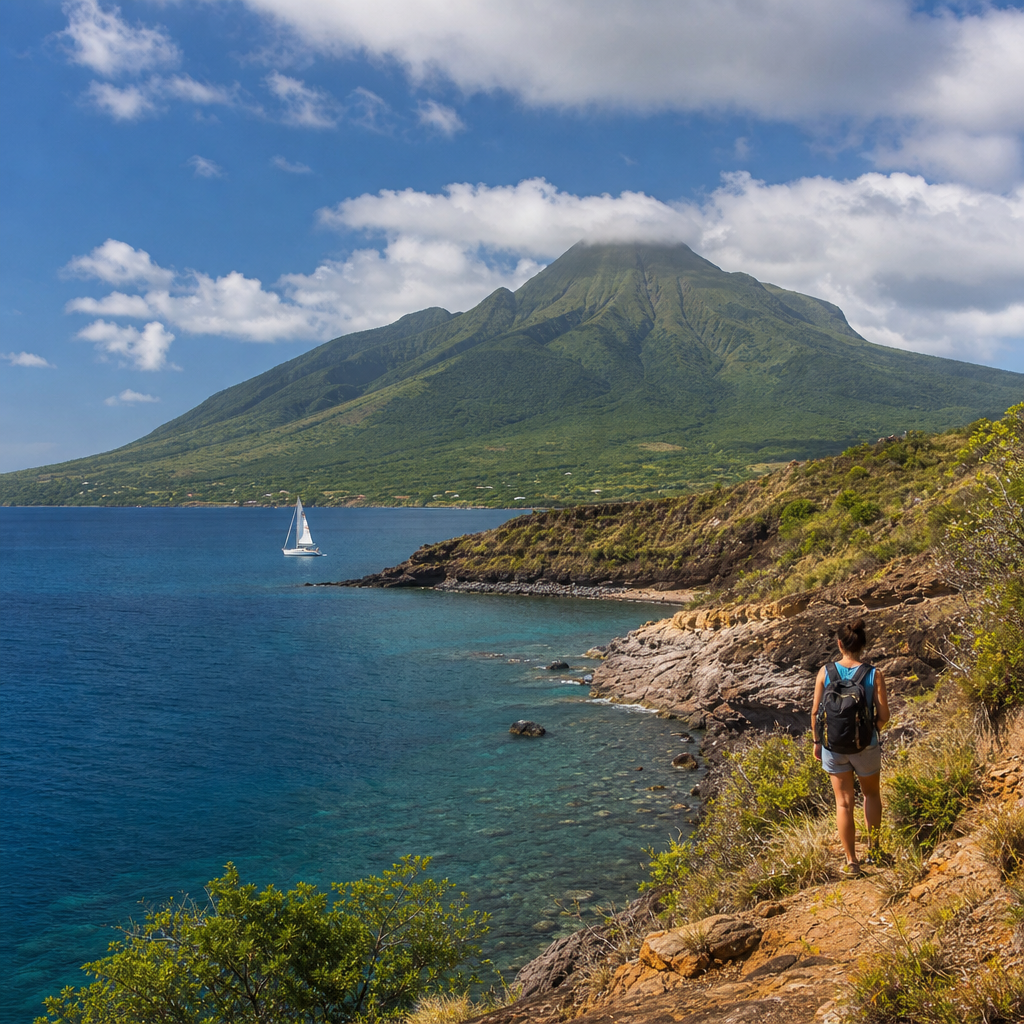
Eco-tourism in Saint Kitts combines rainforest hikes, marine conservation, heritage landscapes, and small-scale community experiences into a style of travel that protects the island while still delivering memorable adventure. In practical terms, eco-tourism means visiting natural areas in ways that conserve ecosystems, support local livelihoods, and reduce waste, energy use, and habitat disturbance. On Saint Kitts, that idea is especially relevant because the island’s appeal depends on healthy reefs, intact hillsides, coastal wetlands, and cultural landscapes shaped by centuries of agriculture and settlement. Travelers come for volcanic scenery, warm Caribbean waters, monkeys in the forest, sea turtles offshore, and a slower pace than many heavily built resort destinations. If those assets are degraded by careless development or visitor pressure, the destination loses what makes it distinctive.
I have planned nature-focused Caribbean itineraries where the difference between responsible travel and extractive tourism was obvious on the ground: reef-safe choices kept corals vibrant, local guides added context no brochure could match, and small operational details such as refill stations or mooring buoys prevented cumulative damage. Saint Kitts rewards that approach. It offers accessible trails around Mount Liamuiga, protected beaches where turtles nest, mangrove-lined bays important for juvenile fish, and former sugar estates that now anchor heritage and agritourism experiences. For readers exploring the broader Nature and Wildlife topic, this hub article covers the miscellaneous eco-tourism opportunities that tie the island together, explains how to choose low-impact activities, and shows where sustainability claims deserve a closer look. The goal is simple: help visitors enjoy Saint Kitts deeply without leaving a heavy environmental footprint.
Why Saint Kitts Works So Well for Low-Impact Travel
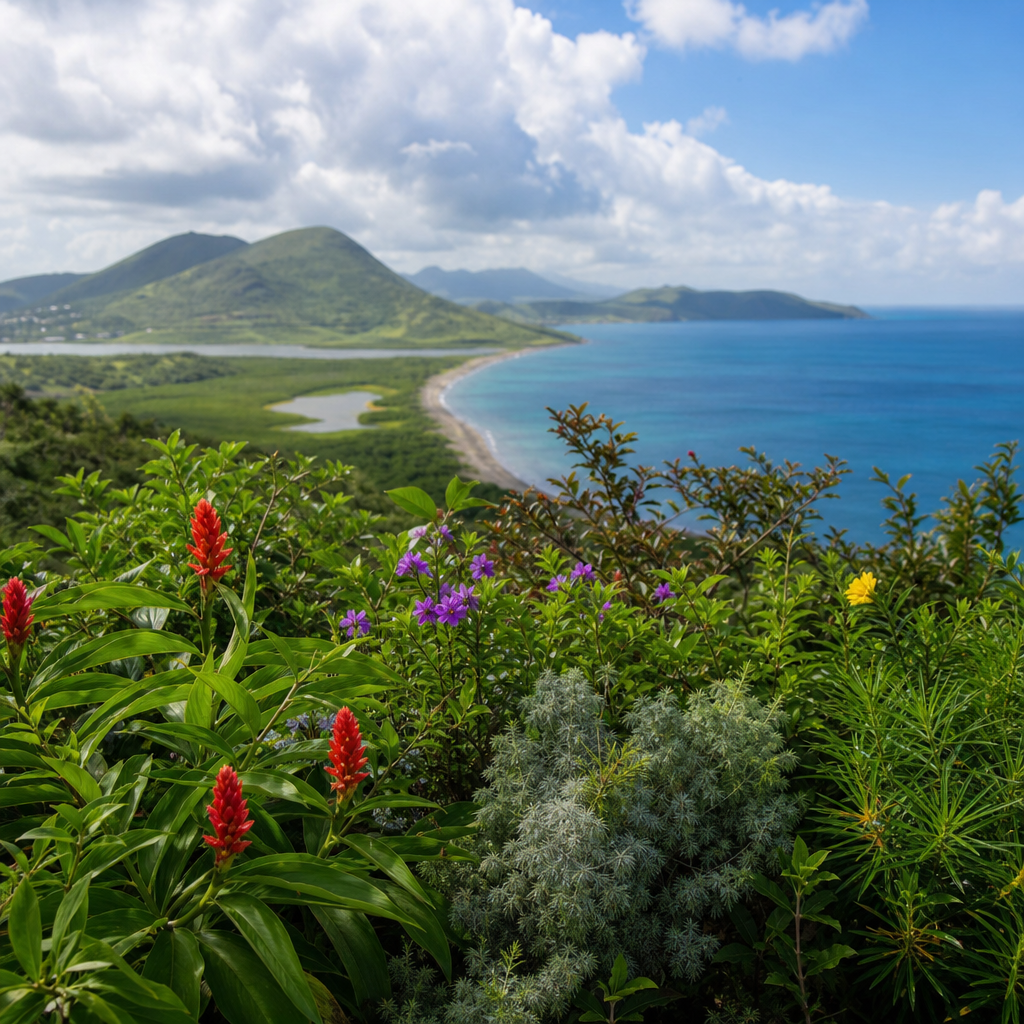
Saint Kitts is the larger island in the federation of Saint Kitts and Nevis, and its geography naturally supports eco-tourism. A mountainous volcanic interior rises to Mount Liamuiga, with moist forest at higher elevations and drier coastal conditions below. Around the shoreline, visitors find black-sand and golden beaches, rocky coves, seagrass beds, and coral communities. The island also has salt ponds and wetlands that attract birds and support ecological functions many casual tourists overlook. Because distances are short, travelers can move between rainforest, plantation landscapes, fishing villages, and marine sites without long transfers or domestic flights. That reduces transport emissions per experience and makes slower, more intentional itineraries practical.
The island’s history matters too. The decline of the sugar industry created both challenges and opportunities. Large estates no longer dominate economic life in the same way, and some former plantation lands now support heritage tourism, local food production, and open landscapes where guided interpretation can connect ecology with history. In my experience, this blend is where Saint Kitts stands out. You are not only looking at nature in isolation; you are seeing how colonial agriculture, conservation pressures, and present-day community enterprise intersect. That gives eco-tourism here more depth than a standard beach vacation. It also means travelers should think beyond one excursion and consider how accommodation, transportation, food choices, and booking channels affect the island’s environment and local economy.
Rainforest Hiking, Volcano Trails, and Wildlife Encounters
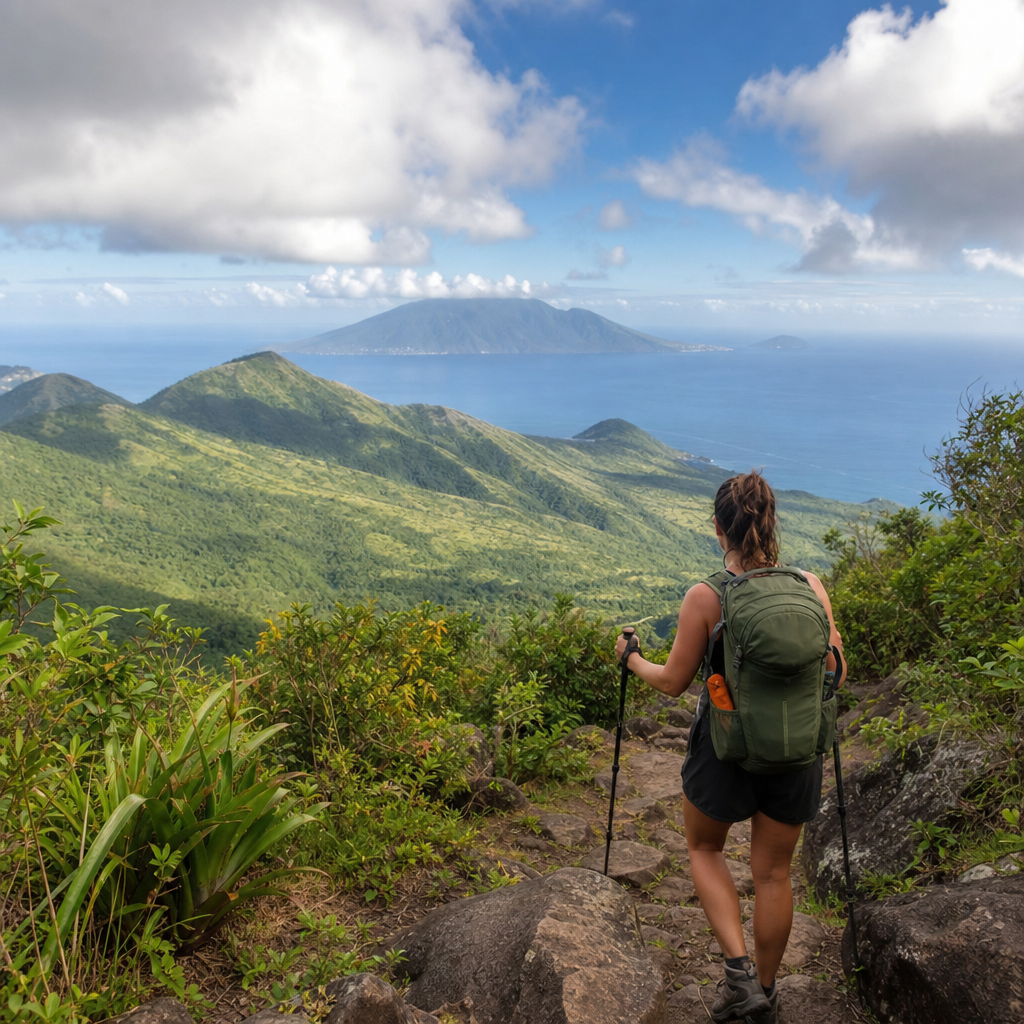
The signature land-based eco-adventure on Saint Kitts is hiking in the central highlands, especially routes connected to Mount Liamuiga, a stratovolcano that reaches about 1,156 meters, or 3,792 feet. Guided hikes typically move through farmland margins into denser forest, where tree ferns, vines, mosses, and towering tropical species create a layered canopy. Conditions can change quickly with altitude; lower slopes may feel warm and open while summit areas turn cool, misty, and slippery. Good operators control group pace, explain trail etiquette, and carry safety gear rather than treating the outing as a simple walk. That matters because steep, eroded sections can be damaged further by off-trail shortcuts and large unmanaged groups.
Wildlife viewing on these hikes is often subtle rather than theatrical. Vervet monkeys are among the most visible mammals, but birdlife and plant diversity are equally important. A responsible guide helps visitors notice endemics, migratory species, and the ecological role of forest cover in regulating runoff and protecting downstream coastal waters. That connection is critical: when upland soils erode, sediment can smother reefs and seagrass. In other words, a careful hiker contributes indirectly to marine conservation. The best practice is straightforward: wear proper footwear, stay on established paths, avoid feeding wildlife, carry reusable water bottles, and book guides who cap group sizes. If a hike operator emphasizes speed, summit selfies, and loud entertainment over interpretation and trail care, that is usually a sign the experience is adventure-first and stewardship-second.
Marine Eco-Tourism: Snorkeling, Diving, and Coastal Stewardship
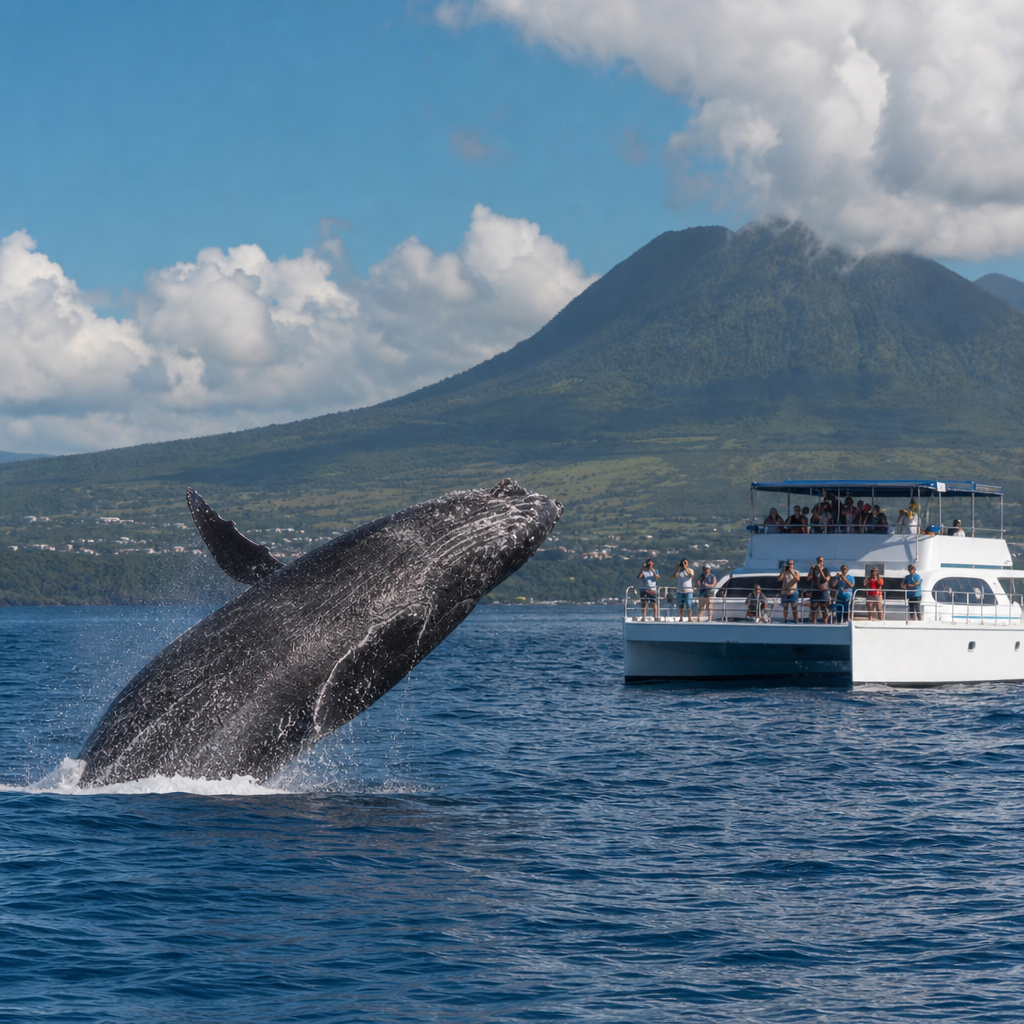
Saint Kitts offers excellent low-impact marine experiences when operators follow established standards. Snorkeling and diving around fringing reefs, rocky habitats, and shipwreck sites can reveal parrotfish, sergeant majors, angelfish, sponges, sea fans, and occasionally turtles or rays. The environmental footprint of these outings depends less on the activity itself than on operating behavior. Boats that use mooring buoys instead of anchors prevent direct reef breakage. Briefings that explain buoyancy control reduce accidental fin kicks on coral. Small groups create less stress for wildlife and make supervision easier. I always look for captains who discuss currents, substrate sensitivity, and no-touch rules before engines start, because that usually signals a conservation-minded culture rather than marketing language.
For visitors comparing options, the most sustainable choice is not automatically the cheapest or the most luxurious. A catamaran with a large passenger load may have efficiency advantages per person, but if it concentrates people on one reef, serves single-use plastics, and treats snorkeling as a party stop, the ecological cost rises. By contrast, a smaller operator that rotates sites, limits numbers, and uses refillable containers often produces a better outcome. Reef-safe sunscreen also matters, particularly products that avoid ingredients widely scrutinized for coral toxicity such as oxybenzone and octinoxate. Sunscreen alone will not save reefs, but cumulative small choices are meaningful in high-traffic destinations. Visitors should also remember that standing on seagrass, collecting shells, or chasing turtles for photos counts as disturbance even when no obvious damage is visible.
| Activity | Low-footprint choice | What to ask before booking | Why it matters |
|---|---|---|---|
| Snorkeling | Small-group trip using mooring buoys | Do you brief guests on no-touch and no-stand rules? | Reduces coral breakage and wildlife stress |
| Diving | Operator with strong buoyancy standards | How do you manage inexperienced divers on sensitive sites? | Prevents fin and gear contact with reefs |
| Boat tour | Refill water stations and minimal single-use plastics | Do you provide reusable cups or encourage bottles? | Cuts marine litter and waste disposal pressure |
| Beach day | Reef-safe sun protection and shade clothing | Which sunscreen ingredients do you recommend avoiding? | Lowers chemical load in nearshore water |
Beaches, Sea Turtles, and Sensitive Shoreline Habitats
Many travelers think of Saint Kitts beaches primarily as places to swim, but they are also dynamic habitats where responsible behavior matters. Sandy beaches and adjacent dunes buffer wave energy, support invertebrates, and in some locations provide nesting habitat for sea turtles. Green turtles, hawksbills, and leatherbacks are part of the wider Eastern Caribbean conservation picture, and nesting success depends on dark, relatively undisturbed shorelines. Artificial light, off-road vehicle tracks, unleashed dogs, and nighttime crowding can all disrupt nesting or hatchling movement. Visitors who join turtle-related experiences should only do so through authorized or conservation-linked programs that maintain distance, control flash photography, and prioritize animal welfare over close access.
Even ordinary beach use has ecological consequences. Disposable drinkware, cigarette butts, and food packaging frequently become marine debris. Walking through dune vegetation can destabilize sand and increase erosion. Loud music and drone use can disturb birds and degrade the quiet character that many eco-travelers seek. A lower-impact beach routine is simple: bring reusable containers, use designated access points, take all litter out, respect local signage, and choose operators or beach businesses that manage waste visibly. In Saint Kitts, where coastal beauty is a core tourism asset, shoreline care is not an abstract ideal. It protects fisheries, preserves scenic value, and keeps nature-based tourism viable for future visitors and residents alike.
Heritage Landscapes, Farms, and Community-Based Experiences
Eco-tourism in Saint Kitts is not limited to wild spaces. Some of the most valuable low-footprint experiences happen in working landscapes and heritage sites where local people interpret the island’s environmental and cultural story together. Former plantation estates, botanical grounds, and small farms can show how land use has shifted from export sugar toward diversified tourism, food production, and conservation-minded enterprise. These visits are useful because they answer a question many travelers have: how can a destination protect nature while still creating income? On Saint Kitts, one answer is to support businesses that keep land productive without overbuilding it.
Community-rooted tours often include local fruit, medicinal plant knowledge, seasonal cooking, craft traditions, and historical interpretation tied to specific places rather than generic island narratives. In my experience, travelers remember these encounters more vividly than polished resort activities because they reveal how environment and identity connect. Spending with locally owned guides, drivers, food vendors, and farm hosts keeps more tourism revenue circulating on the island. That does not mean every small business is automatically sustainable, but it does mean visitors should look for evidence of local sourcing, fair employment, practical waste reduction, and respect for landscape limits. A scenic railway excursion, village food stop, or farm visit becomes more meaningful when travelers ask where ingredients come from, how water is managed, and how tourism benefits the surrounding community.
Choosing Accommodation and Transport with a Smaller Footprint
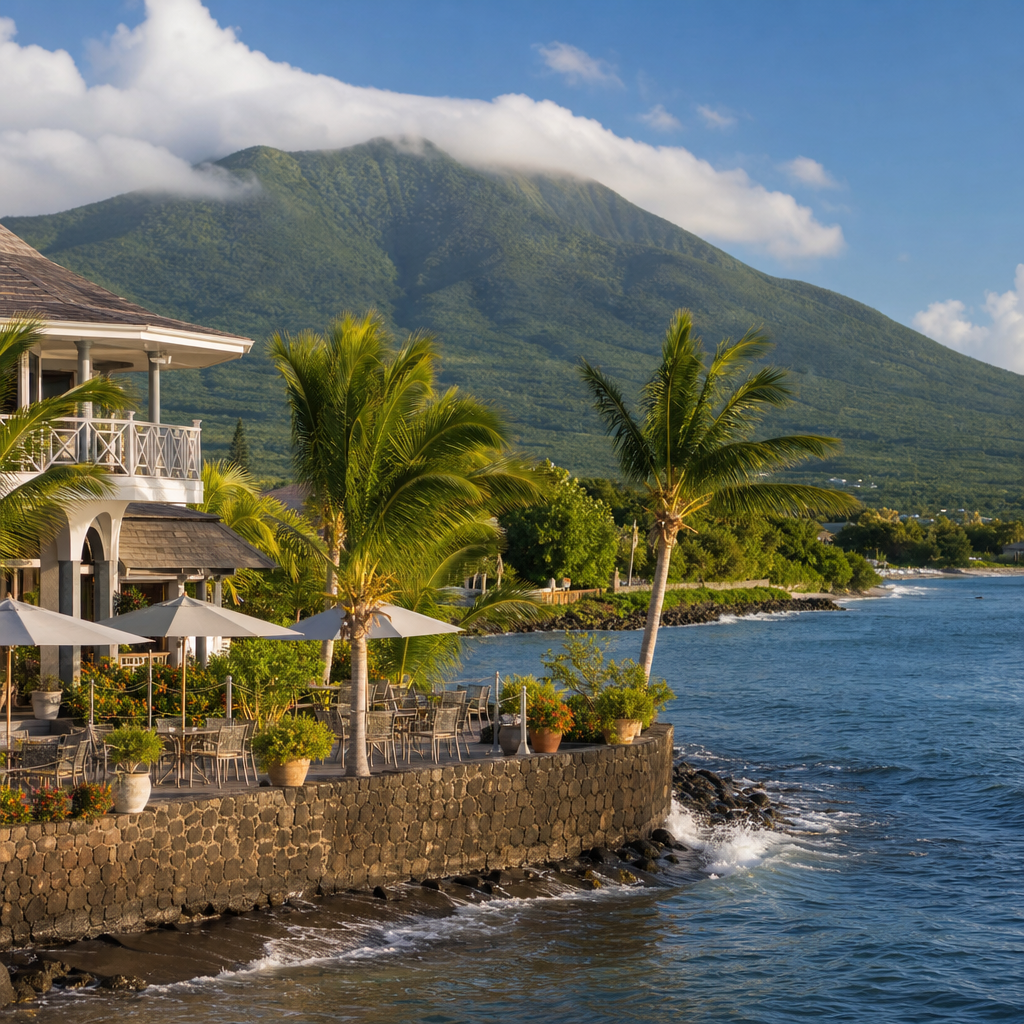
Lodging and transportation decisions often shape the environmental footprint of a Saint Kitts trip more than any single excursion. Properties that reduce energy demand through efficient air-conditioning, natural ventilation, LED lighting, and solar hot water are generally better choices than those that rely on heavy consumption without mitigation. Water management is equally important on small islands. Guests should look for visible linen reuse policies, low-flow fixtures, refill stations, and landscaping that fits local conditions rather than thirsty ornamental designs. Solid waste is another pressure point; hotels and villas that separate recyclables, reduce single-use toiletries, and purchase in bulk usually have stronger overall environmental management systems.
Transportation on Saint Kitts is relatively straightforward, but choices still matter. Staying close to the activities you plan to do can reduce repeated transfers across the island. Shared transport, organized group shuttles, or coordinated day planning can lower fuel use compared with multiple private trips. Walking is practical in some areas, though heat and road conditions should be considered realistically. Rental cars offer flexibility, but they can encourage fragmented itineraries with unnecessary driving. Cruise visitors, in particular, benefit from selecting one well-run nature excursion instead of trying to sample several distant sites in a few hours. A slower schedule almost always produces both a lower footprint and a better experience, because time for interpretation is what turns sightseeing into eco-tourism.
How to Spot Genuine Sustainability and Avoid Greenwashing
Not every activity marketed as eco-friendly deserves the label. Genuine sustainability on Saint Kitts is usually visible in operations, not slogans. Look for guides who discuss habitat sensitivity, safety, and visitor conduct in specific terms. Ask whether boats use moorings, whether refill water is provided, whether local staff are trained in natural history, and whether part of the business supports restoration, education, or conservation partnerships. Recognized certification can help, although certification alone is not proof of excellence. What matters most is consistent practice. If a company advertises conservation while handing out disposable plastic bottles, overcrowding wildlife sites, or feeding animals to guarantee photos, the claim does not hold up.
Travelers also need to understand tradeoffs. Flying to the Caribbean has a significant carbon footprint, and no island excursion erases that fact. The practical response is not guilt-driven perfectionism but smarter travel: stay longer, choose fewer but better activities, support local operators with sound practices, and avoid resource-intensive habits once you arrive. Saint Kitts is well suited to that mindset because the island’s best experiences reward attention rather than consumption. Hike with a knowledgeable guide, snorkel without touching the reef, eat food grown nearby, and spend money where environmental care and community benefit are visible. That is how eco-tourism in Saint Kitts fulfills its promise: meaningful adventure with a lighter footprint. Use this hub as your starting point, then build an itinerary that leaves the island as compelling as you found it.
Frequently Asked Questions
What does eco-tourism in Saint Kitts actually mean for travelers?
Eco-tourism in Saint Kitts means exploring the island in ways that actively reduce harm and help protect the very landscapes and ecosystems that make the destination special. In practice, that includes choosing low-impact activities such as guided rainforest hikes, birdwatching, snorkeling on healthy reefs, and visiting coastal or agricultural areas with operators who follow conservation-minded standards. It also means being mindful about everyday travel decisions, including limiting single-use plastics, conserving water and electricity, staying on marked trails, respecting wildlife, and avoiding activities that disturb marine habitats or fragile vegetation.
On Saint Kitts, eco-tourism is especially important because the island’s appeal is closely tied to healthy natural systems. Its rainforests, beaches, reefs, volcanic terrain, and heritage landscapes are not just scenic backdrops; they are living environments that support biodiversity, local livelihoods, and long-term tourism. A traveler participating in eco-tourism is not simply “seeing nature.” They are helping ensure that natural areas remain intact for residents, wildlife, and future visitors. That is why eco-tourism on the island often overlaps with community-based travel, local guiding, small-group experiences, and businesses that invest in conservation or education rather than high-volume, resource-intensive tourism.
What are the best low-impact eco-tourism activities to do in Saint Kitts?
Some of the best low-impact activities in Saint Kitts are those that allow visitors to experience the island’s ecosystems and cultural landscapes without placing heavy pressure on them. Guided hikes through the rainforest are among the most popular options, particularly when led by knowledgeable local guides who can explain native plants, birdlife, geology, and the importance of staying on established routes. These hikes offer adventure and education at the same time, and they typically have a much smaller environmental footprint than motorized excursions or large-scale recreational developments.
Marine activities can also be excellent eco-tourism choices when done responsibly. Snorkeling in designated areas, kayaking along the coast, and joining operators that emphasize reef-safe practices are all strong options. Visitors should look for tours that discourage touching coral, feeding fish, or collecting shells and marine life. Heritage and agricultural experiences can also fit well within eco-tourism. Exploring historic estates, learning about traditional land use, visiting local farms, and supporting small community enterprises all help connect travelers to the island beyond the beach while spreading tourism benefits more directly to local people. In general, the most sustainable activities are small-scale, educational, non-extractive, and designed around respect for place.
How can visitors minimize their environmental footprint while traveling around Saint Kitts?
Reducing your footprint in Saint Kitts starts with a series of practical choices that, together, make a meaningful difference. Bring a reusable water bottle, shopping bag, and food container when possible to cut down on disposable plastic waste. Use reef-safe sunscreen before swimming or snorkeling, and avoid personal care products that can wash harmful chemicals into the sea. Be careful with water and electricity use in your accommodation, especially on an island where utilities and waste systems are more limited than in larger destinations. Turning off air conditioning when you leave your room, reusing towels, and taking shorter showers are simple habits that support sustainability without affecting the quality of your trip.
Behavior outdoors matters just as much. Stay on marked trails to prevent erosion and protect plant life. Never remove rocks, shells, coral, or other natural materials, and keep a respectful distance from wildlife both on land and in the water. If you are booking tours, choose operators with small groups, trained local guides, and clear environmental practices. You can also lower your footprint by spending money with locally owned businesses, eating locally sourced food when available, and selecting experiences that contribute to the community rather than bypassing it. Eco-tourism is not about perfection; it is about making more thoughtful decisions that reduce waste, conserve resources, and leave natural areas healthier and less disturbed.
Why are local guides and community-based experiences so important to eco-tourism in Saint Kitts?
Local guides and community-based experiences are central to eco-tourism in Saint Kitts because they help ensure that tourism benefits stay closer to the island and its residents. When travelers hire local guides, join locally operated tours, or visit small businesses rooted in the community, more of the economic value created by tourism supports families, skills, and local stewardship. That matters in any destination, but especially on an island where long-term sustainability depends on balancing visitor demand with environmental protection and economic resilience.
There is also a quality and authenticity advantage. Local guides often provide deeper insight into Saint Kitts than a generic tour can offer. They can explain how rainforest ecosystems function, why certain coastal areas are sensitive, how heritage landscapes evolved, and what visitors should do to avoid causing damage. Community-based experiences also tend to create more meaningful connections between travelers and place. Instead of consuming the island as a product, visitors begin to understand it as a living community with environmental priorities, cultural traditions, and real conservation challenges. That shift in perspective is one of the strongest outcomes of eco-tourism, because informed travelers are more likely to behave responsibly and advocate for responsible travel in the future.
What should travelers look for when choosing sustainable tours and accommodations in Saint Kitts?
Travelers should look for clear signs that a tour operator or accommodation takes sustainability seriously in both policy and practice. A good eco-conscious operator will usually keep group sizes manageable, provide guidance on wildlife and habitat protection, minimize waste, and avoid activities that damage reefs, beaches, forests, or culturally significant sites. They should be able to explain their environmental practices in specific terms rather than relying on vague labels like “green” or “eco-friendly.” For example, they may discuss how they manage water use, reduce plastic consumption, support conservation efforts, employ local staff, or educate guests about responsible behavior in natural areas.
For accommodations, useful indicators include energy- and water-saving measures, recycling or waste-reduction programs, thoughtful landscaping with native plants, and a demonstrated commitment to sourcing locally where possible. Smaller properties, guesthouses, and lodges can sometimes offer a more sustainable experience, especially when they are integrated into the local economy and operate with resource awareness. It is also worth reading reviews with an eye for substance: do past guests mention environmental practices, local partnerships, knowledgeable staff, or respect for the surrounding environment? In Saint Kitts, truly sustainable travel is usually less about luxury branding and more about responsible operations, local engagement, and a genuine commitment to protecting the island’s rainforests, coastal waters, and heritage-rich landscapes.