Every April, Saint Kitts turns part of its cultural calendar over to flowers, and the Orchid Extravaganza stands out as one of the island’s most refined seasonal events. The Saint Kitts Orchid Extravaganza is a spring exhibition and celebration centered on cultivated and native orchids, horticultural skill, floral design, conservation awareness, and the social rituals that gather growers, visitors, and families in one place. For travelers exploring Nature and Wildlife in the Caribbean, and for residents who want a closer look at the island’s botanical character, this event offers more than attractive displays. It reveals how a small volcanic island supports remarkable plant diversity, how local growers adapt to tropical conditions, and how public flower shows can strengthen tourism, education, and habitat protection at the same time.
When I have worked on Caribbean destination content and spoken with growers, one pattern appears consistently: orchid events attract both specialists and casual visitors because orchids sit at the intersection of science and beauty. A first-time visitor notices color, fragrance, and shape. A serious hobbyist notices pseudobulbs, root health, potting media, light exposure, and bloom timing. An effective hub article has to speak to both audiences. Saint Kitts’ April orchid season matters because it offers an easy entry point into broader “Miscellaneous” nature interests that do not fit neatly into birding, marine life, rainforest hiking, or geology, yet connect to all of them through climate, landscape, and local knowledge.
In practical terms, this guide explains what the Orchid Extravaganza is, why April is the ideal month, what kinds of orchids and experiences visitors can expect, how the event supports conservation and community life, and which related nature topics this hub should point readers toward next. If you are asking whether the exhibition is worth adding to a Saint Kitts itinerary, the direct answer is yes: it delivers one of the island’s clearest, most accessible windows into living biodiversity, presented in a format that rewards both quick visits and deeper botanical curiosity.
What the Orchid Extravaganza Is and Why April Works So Well
The Orchid Extravaganza is best understood as a floral showcase, educational event, and community gathering rather than a simple flower market. In most orchid exhibitions, visitors can expect judged plants, curated displays, vendor tables, cultivation advice, and opportunities to speak with experienced growers. On Saint Kitts, those familiar elements gain a distinctive island context. Warm temperatures, seasonal rainfall patterns, volcanic soils, and sheltered garden spaces create favorable growing conditions for many tropical orchid varieties, while local horticultural societies and garden enthusiasts provide the expertise needed to present them well.
April is especially important because it aligns with a period when many orchids are in strong bloom and when visitor interest in outdoor and cultural activities remains high. In the eastern Caribbean, late dry season to early transitional conditions often produce bright days, manageable humidity relative to wetter months, and good travel comfort for people moving between towns, hotels, gardens, and event venues. That matters because orchids are visual plants. Their impact depends on seeing clear petals, saturated colors, and carefully staged arrangements under reliable light. April also fits neatly into spring travel planning, giving the event value for cruise passengers, hotel guests, regional horticultural visitors, and residents looking for a meaningful seasonal outing.
The event’s importance reaches beyond the exhibition hall. Orchid shows encourage the public to pay attention to plant health, habitat loss, pollination, and propagation. They can spark first-time interest in native flora among schoolchildren or inspire gardeners to improve shade structures, watering practices, and disease control at home. In my experience, that is how seemingly niche flower events become strong hub topics: they open the door to many surrounding subjects, from botany and landscaping to eco-tourism and conservation policy.
What Visitors Typically See: Blooms, Forms, Fragrance, and Craft
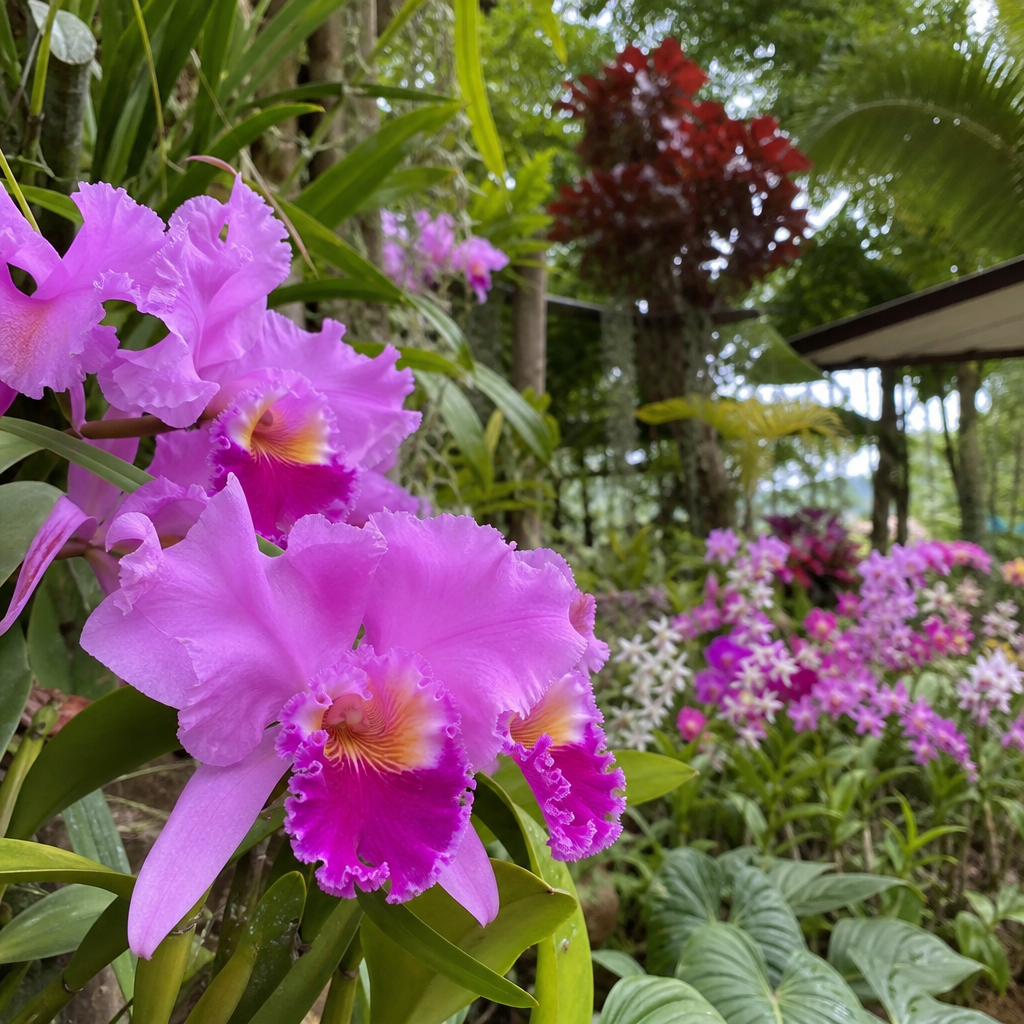
The most memorable part of any orchid exhibition is visual diversity. Orchids are one of the world’s largest plant families, Orchidaceae, with tens of thousands of species and even more hybrids. While no single event can display the entire range, visitors to Saint Kitts’ Orchid Extravaganza can reasonably expect a mix of familiar show genera and regionally adapted specimens. Cattleya types often attract attention with broad, dramatic flowers and strong color contrast. Phalaenopsis, sometimes called moth orchids, appeal to casual admirers because of their symmetry and long-lasting blooms. Dendrobium varieties bring height and spray-like abundance, while Oncidium hybrids add motion and branching flower clusters often described as dancing.
What separates a high-quality show from a casual display is presentation. Plants are judged not only on bloom color but on symmetry, leaf condition, spike strength, grooming, and the overall cultural standard demonstrated by the grower. Healthy roots matter. Clean foliage matters. Correct staking matters. Floral arrangements, if included, showcase another layer of skill by combining orchid blooms with foliage and design principles such as balance, rhythm, focal point, and negative space. For photographers, this makes the event especially rewarding. There are macro details in a lip or column for close-up shots, but also broad compositional scenes that communicate abundance and craftsmanship.
Fragrance is another overlooked draw. Not every orchid is scented, but those that are can shift a visitor’s understanding of the plant completely. A display table may move from sweet, citrus-like notes to spicy or powdery perfume depending on cultivar and time of day. Because scent expression varies with temperature and humidity, tropical exhibition conditions can reveal traits that visitors from cooler climates may never have noticed in greenhouse-grown specimens back home.
Orchid Types, Growing Needs, and What They Tell You
For readers using this page as a hub, one of the most useful ways to understand the extravaganza is to connect flower forms to growing conditions. Orchids are not generic tropical plants. Some are epiphytes that grow on trees, some are terrestrial, and some adapt to unusual niches. Knowing this helps visitors interpret displays accurately and ask better questions at the event.
| Orchid type | What visitors notice | Typical growing need | Why it matters on Saint Kitts |
|---|---|---|---|
| Cattleya | Large, showy blooms with ruffled lips | Bright filtered light, airflow, drying between waterings | Matches warm island conditions when shade and ventilation are managed well |
| Phalaenopsis | Elegant arching spikes and long bloom life | Lower light, steady moisture, protection from harsh midday sun | Popular for displays and beginner growers in sheltered spaces |
| Dendrobium | Tall canes, many flowers, strong vertical presence | Good light, regular feeding, seasonal adjustments depending on type | Performs well in tropical collections and creates dramatic show benches |
| Oncidium hybrids | Branching sprays of smaller flowers | Intermediate light, even moisture, humidity, airflow | Add movement and variety to mixed island exhibits |
These differences are not trivial. They explain why one grower mounts an orchid on bark, another uses slotted pots, and another chooses chunky media such as fir bark, charcoal, sponge rock, or coconut husk depending on availability and climate. They also explain why visitors should not buy an orchid impulsively without asking about light levels, watering frequency, and temperature range. A flower that thrives on a shaded veranda in Basseterre may struggle in an air-conditioned apartment or on a sun-blasted balcony. The event is valuable because it turns those variables into practical lessons.
The Local Meaning: Culture, Tourism, and Community Pride
Flower shows often look genteel from the outside, but their local impact is concrete. In Saint Kitts, the Orchid Extravaganza contributes to cultural tourism by adding a softer, more specialized attraction to an island better known internationally for beaches, history, and scenic railway excursions. That diversification matters. Modern travelers increasingly look for experiences that feel rooted in place. A well-run orchid event offers exactly that: local growers, local climate knowledge, local gardening styles, and a venue where visitors can talk directly with people who cultivate beauty under Caribbean conditions every day.
Community pride is equally important. Exhibitors spend months preparing plants, timing blooms, grooming leaves, and transporting delicate specimens without damage. Schools and youth groups can use the event to connect science education with observation and care. Hospitality businesses benefit indirectly when guests extend trips, seek taxis to venues, dine nearby, or add garden visits to their plans. Even visitors who are not dedicated plant enthusiasts often leave with a stronger sense that Saint Kitts is not just visually beautiful from a distance; it is botanically interesting up close.
From a destination-brand perspective, orchid events work because they create shareable imagery without feeling artificial. A volcanic island with lush valleys, old estates, and cultivated gardens is already primed for floral storytelling. The extravaganza gives that story a date, a gathering point, and a reason to visit in April. For a Nature and Wildlife hub, that makes this page a natural bridge to related content on gardens, forest plants, pollinators, scenic drives, and rural heritage landscapes.
Conservation Value: Native Flora, Habitat Awareness, and Responsible Collecting
An orchid event should never be reduced to decoration. Its strongest long-term value lies in conservation awareness. Orchids are vulnerable to habitat loss, illegal collection, poor land management, invasive species pressure, and climate stress. On islands, those pressures can intensify quickly because ecosystems are compact and development decisions have immediate effects. Public exhibitions give organizers a chance to explain the difference between admiring orchids and removing them from the wild, which is one of the most important messages any floral event can deliver.
Responsible collecting means not taking wild plants from forests, ghauts, private land, or protected areas. Instead, collectors and hobbyists should buy propagated plants from reputable growers, divide established cultivated plants properly, and learn legal and ethical sourcing standards. International orchid trade is also shaped by regulation through CITES, the Convention on International Trade in Endangered Species of Wild Fauna and Flora, which exists to prevent unsustainable exploitation. Mentioning such standards matters because credibility in nature writing depends on showing where beauty meets responsibility.
For Saint Kitts, conservation messaging can also broaden public understanding of habitat. Orchids do not exist in isolation. They depend on microclimates, host trees in the case of epiphytes, pollinators, fungi involved in germination, and stable moisture patterns. Once visitors grasp that, they start to see roadsides, gardens, forest edges, and mountain slopes differently. The extravaganza becomes a portal into ecological thinking, which is exactly what a strong Miscellaneous nature hub should accomplish.
How to Visit Well and Where This Hub Leads Next
If you plan to attend Saint Kitts’ Orchid Extravaganza, arrive with enough time to move slowly. The best visits are not rushed. Read labels, compare genera, ask exhibitors what media they use, and look for educational signage on pests, fertilizing, or repotting. Morning visits are often best for fresh displays, comfortable temperatures, and photography. Bring a phone or notebook if you are a gardener; after a few tables, names and care instructions begin to blur together.
Dress for a tropical day even if the event is indoors or semi-covered. Heat and brief showers are always possible in April, so light clothing, water, and transport planning help. If purchases are allowed, ask how a plant has been grown and whether it can travel safely to your accommodation. Visitors leaving the island should confirm agricultural or customs restrictions before buying live plants. This point is essential and often neglected.
As the hub page for Miscellaneous within Nature and Wildlife, this article should guide readers outward. Logical next topics include botanical gardens, rainforest flowers, medicinal plants, pollinators such as butterflies and hummingbirds, scenic estate gardens, and practical eco-travel planning for April. The central takeaway is simple: Saint Kitts’ Orchid Extravaganza is not a minor side event. It is one of the island’s clearest expressions of how biodiversity, craftsmanship, tourism, and conservation can bloom together. If you are building a spring itinerary or mapping content across Saint Kitts nature experiences, make this April celebration your starting point, then follow the island’s plant life into every other landscape it shapes.
Frequently Asked Questions
What is the Saint Kitts Orchid Extravaganza, and why is it special in April?
The Saint Kitts Orchid Extravaganza is a seasonal flower-focused event that highlights the island’s appreciation for orchids, horticulture, and elegant floral presentation. Held in April, it aligns with a time of year when gardens are especially vibrant and visitors are already drawn to the Caribbean for pleasant weather and outdoor experiences. The exhibition typically celebrates both cultivated and native orchids, while also showcasing the knowledge and dedication of local growers, floral designers, and plant enthusiasts.
What makes it special is the way it blends beauty with culture. This is not simply a plant display; it is also a social and educational gathering where residents, families, gardeners, and travelers come together around a shared admiration for rare blooms and botanical craftsmanship. For visitors interested in nature and wildlife in the Caribbean, the event offers a refined, accessible introduction to Saint Kitts’ plant life and conservation-minded spirit. April gives the extravaganza a festive spring identity, making it one of the island’s most memorable floral highlights.
What can visitors expect to see and do at the Orchid Extravaganza?
Visitors can generally expect a curated exhibition of orchids presented in striking arrangements, with displays that range from single-specimen plants to elaborate floral compositions. Many attendees are drawn by the chance to admire the remarkable diversity of orchid shapes, colors, and patterns, from delicate miniatures to dramatic blooms with sculptural petals. Depending on the program, there may also be judged entries, themed displays, educational booths, and demonstrations that explain orchid care, propagation, and presentation.
Beyond the flowers themselves, the event often serves as a community gathering space. Guests may have opportunities to speak directly with growers, learn about different orchid varieties suited to tropical conditions, and better understand the effort required to cultivate healthy, show-quality plants. Families often enjoy the visual spectacle, while dedicated plant lovers appreciate the technical side of the exhibition. For travelers, it can be an excellent way to experience a more polished and locally rooted side of Saint Kitts, combining leisure, learning, and cultural atmosphere in one setting.
Is the Saint Kitts Orchid Extravaganza only for serious gardeners, or is it suitable for casual visitors and families too?
The Orchid Extravaganza is well suited to a wide range of visitors, not just experienced gardeners. While orchid collectors and horticulture enthusiasts will certainly find depth in the displays and discussions, casual visitors can enjoy it just as easily for its beauty, calm atmosphere, and cultural charm. Orchids naturally appeal to people who may know very little about botany because the flowers are visually captivating and often presented in ways that feel artistic and inviting.
Families, couples, photographers, and travelers looking for a gentle daytime activity can all find value in attending. Children may be drawn to the bright colors and unusual flower forms, while adults often appreciate the event’s elegance and educational dimension. For anyone exploring Saint Kitts beyond beaches and resort spaces, this exhibition offers a more intimate local experience. It is especially appealing to travelers who enjoy gardens, seasonal events, or nature-based attractions but do not necessarily consider themselves plant experts.
Does the Orchid Extravaganza have a conservation or educational focus?
Yes, conservation and education are important parts of what gives the Orchid Extravaganza lasting value. Orchids are admired for their beauty, but they also open the door to broader conversations about habitat preservation, responsible cultivation, biodiversity, and the importance of protecting native plant life. In an island setting like Saint Kitts, these themes matter because ecosystems can be both rich and vulnerable, and public events help connect admiration for flowers with practical environmental awareness.
Educational elements may include information on native versus cultivated species, the conditions orchids need to thrive, and the role growers play in preserving plant knowledge and encouraging sustainable appreciation rather than careless collection. For travelers, this adds meaningful depth to the experience. Instead of seeing flowers as decorative objects alone, visitors come away with a better understanding of how orchids fit into larger ecological and cultural stories. That balance of beauty, science, and stewardship is one reason the event stands out on Saint Kitts’ spring calendar.
Why should travelers include the Orchid Extravaganza in an April trip to Saint Kitts?
Travelers planning an April visit to Saint Kitts should consider the Orchid Extravaganza because it offers a distinctive seasonal experience that complements the island’s more familiar attractions. Beaches, scenic viewpoints, and historical sites remain central to most itineraries, but an orchid exhibition adds something quieter, more specialized, and deeply tied to local community life. It gives visitors a chance to see Saint Kitts through the lens of horticulture, design, and shared tradition rather than through tourism alone.
It is also a practical addition to a broader nature-focused trip. Visitors interested in Caribbean wildlife, gardens, and landscapes will find that the event enriches their understanding of the island’s natural identity. Because it takes place in April, it can fit neatly into a spring travel schedule when many people are already looking for fresh-air activities and cultural events. In short, the Orchid Extravaganza is worth including because it is beautiful, educational, authentic, and memorable—a polished celebration of blooms that reveals another side of Saint Kitts.