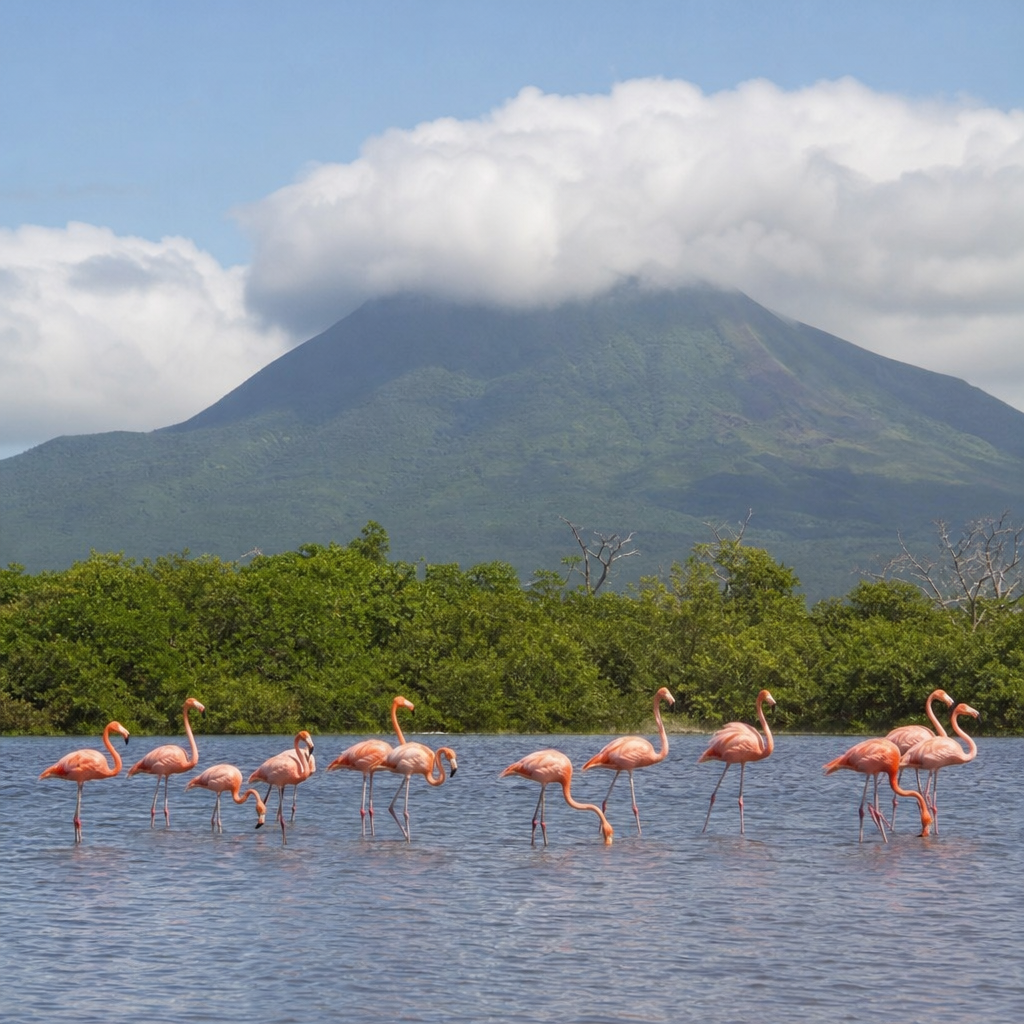
Flamingo watching in Nevis is one of the island’s most intriguing wildlife experiences because it combines rarity, timing, habitat knowledge, and patient observation into a single outing. Nevis is better known for volcanic slopes, dry coastal scrub, monkeys, sea turtles, reef fish, and migratory shorebirds than for flamingos, which is exactly why the sighting of these pale pink waders captures so much attention among birders and casual visitors alike. In practical terms, flamingo watching in Nevis refers to scanning wetlands, ponds, salt flats, and sheltered coastal margins for occasional or seasonal appearances of flamingos moving through the wider Caribbean. The key terms matter. A resident species breeds and remains in the same area year-round. A migratory species moves predictably between regions. A vagrant appears outside its normal range, often because of weather, dispersal, or shifting habitat conditions. In Nevis, flamingos are best understood as rare visitors rather than established residents.
That distinction shapes expectations and helps travelers plan responsibly. Anyone searching for reliable flamingo colonies in the Caribbean should know that Nevis is not comparable to major flamingo strongholds such as Bonaire, the Yucatan, Cuba, or the Bahamas. Yet rarity has its own appeal. I have spent mornings watching ponds on Caribbean islands where the main reward was not quantity but context: understanding why a single bird, or a small group, chose a particular wetland on a particular day. In Nevis, the experience is about reading habitat, tracking seasonal water levels, and combining local knowledge with patient fieldcraft. It matters because rare bird sightings tell a wider story about wetland health, regional bird movement, climate variability, and the importance of preserving coastal ecosystems that can serve as stopover habitat. For a Nature and Wildlife hub page, flamingo watching also opens the door to broader miscellaneous wildlife questions visitors ask: where to go, what else to look for, when to visit, what gear to bring, and how to avoid disturbing sensitive areas.
Nevis offers exactly the kind of compact geography that makes wildlife watching rewarding. The island’s shoreline includes ponds, mangrove edges, beaches, and low-lying coastal habitat within relatively short driving distances. That means a flamingo outing can be paired with searches for herons, egrets, plovers, sandpipers, stilts, ducks, ospreys, frigatebirds, and seasonal migrants. Even when flamingos do not appear, the outing remains worthwhile. That is the right mindset for this topic. The goal is not to promise a guaranteed spectacle but to provide the most complete, accurate guide to a rare sight in Nevis, while connecting readers to the wider web of nature experiences across the island.
Why flamingos appear in Nevis at all
Flamingos do not need a large audience; they need suitable shallow water, food, and relative safety. The species most relevant to the northeastern Caribbean is the American flamingo, Phoenicopterus ruber. This is the same species associated with famous colonies elsewhere in the region. American flamingos prefer saline or brackish lagoons, coastal ponds, mudflats, salt pans, and shallow lakes where they can feed by filtering small invertebrates, seeds, microscopic algae, and crustaceans from the water. Their pink coloration comes largely from carotenoid pigments in their diet, especially from algae and crustaceans. Juveniles are grayish and gradually become pinker with age and diet quality.
So why would a flamingo stop in Nevis? The answer is ecological opportunity. After storms, droughts, breeding dispersal, or changes in water levels elsewhere, individual flamingos and small groups may explore new or temporary feeding sites. Caribbean islands form a network of stepping stones. Birds capable of long flights can move between wetlands that are not far apart on a regional map, even if they seem isolated to visitors. A suitable pond in Nevis may become attractive when water depth is right and disturbance is low. Rare sightings are therefore plausible, even if they are not frequent enough to create a dependable tourism calendar.
This is also where expectations should remain grounded. A rare flamingo record does not mean Nevis has suddenly become a core flamingo destination. It means the island is ecologically connected to the wider Caribbean, and its wetlands deserve attention. Birdwatchers who understand that point tend to enjoy the search more because they see each scan of the shoreline as part of a larger wildlife story, not a pass-fail excursion.
Best habitats and likely viewing areas in Nevis
The best flamingo habitat in Nevis is not the steep interior but the low coastal wetlands and ponds where shallow water persists long enough to support feeding. Exact access can change with land use, weather, and local conditions, so the smartest approach is to ask local guides, conservation contacts, or experienced taxi drivers which ponds currently hold water and bird activity. In general, birders should focus on salt ponds, brackish lagoons, and muddy margins near the coast, especially in quieter stretches with minimal boat traffic and less foot disturbance.
One practical method I recommend is to treat flamingo watching as a wetland circuit rather than a single-site visit. Start early, when wind is lower and light is softer. Scan one pond from a respectful distance with binoculars, check shorebird flocks for unusual tall silhouettes, then move to a second and third site. Flamingos stand out because of their height, long necks, and legs, but at long range heat shimmer can distort shape. A spotting scope greatly improves accuracy. If a distant white or pale pink bird seems promising, watch its feeding posture. Flamingos often move with a steady, sweeping head motion through shallow water.
Because this is a miscellaneous wildlife hub, it is useful to know what else shares these habitats. Great egrets, snowy egrets, little blue herons, green herons, black-necked stilts, willets, yellowlegs, and migratory sandpipers are all realistic possibilities depending on season and water conditions. That means a flamingo search doubles as an excellent general birding session. For photographers, these wetlands also offer dramatic reflections at sunrise and opportunities to document habitat changes that affect bird use over time.
When to go, what to bring, and what to expect
There is no guaranteed flamingo season in Nevis, but some conditions improve your odds. Periods following regional bird movement, changing rainfall, or habitat shifts elsewhere can produce surprise records. Early morning and late afternoon are best for both bird activity and visibility. Midday glare on water is harsh, and heat shimmer can make distant identification difficult. Dry and transitional periods can be productive if they create concentrated shallow feeding zones rather than deep flooded expanses.
| Planning factor | Best choice for Nevis | Why it helps |
|---|---|---|
| Time of day | Early morning | Better light, calmer wind, more active feeding behavior |
| Primary habitat | Coastal ponds and salt flats | Most likely shallow feeding areas for wading birds |
| Essential gear | 8×42 binoculars and spotting scope | Rare birds are often distant and need careful confirmation |
| Clothing | Neutral colors, hat, light long sleeves | Reduces disturbance and protects from sun and insects |
| Mindset | Expect a broader birding outing | Flamingos are rare, but wetlands still reward patient observers |
Bring binoculars at minimum; a spotting scope is ideal. I have watched too many travelers rely on phone zoom and miss key field marks. Carry water, sun protection, insect repellent, and footwear that can handle muddy edges without encouraging you to wander into sensitive areas. A field guide to Caribbean birds or an identification app such as Merlin Bird ID or eBird can help, but for rare sightings, photographs and detailed notes matter more than instant certainty. Note size, leg color, bill shape, neck length, behavior, flock association, and habitat. If you think you have found a flamingo, document it carefully and report it through a credible birding network.
Expect uncertainty. Rare birding always involves false alarms: distant egrets tinted by sunrise, plastic debris, salt-stained rocks, or sunlit herons standing awkwardly. That is normal. Skilled wildlife watching is less about dramatic chasing and more about ruling things out methodically.
Identification, ethics, and conservation value
Correct identification is essential because rare sightings can spread quickly online. American flamingos are unmistakable at close range, with long pink legs, a long neck, and a distinctive downcurved bill that is pink with a black tip. At distance, focus on structure first. Flamingos look taller and more elongated than any egret. In flight, they show extended necks and legs, with black flight feathers contrasting against pink or salmon wings in adults. Juveniles are duller and can confuse inexperienced observers, but their shape remains unique.
Ethics matter even more than identification. Do not approach birds too closely, enter private land without permission, or flush birds for a better photograph. Wetlands are energy budgets in landscape form. A bird that lifts off repeatedly wastes time and calories it needs for feeding and recovery. This is especially important for rare visitors using marginal stopover habitat. Keep dogs away from pond margins, speak quietly, and stay on established tracks where possible. Photographers should use long lenses instead of stealthy encroachment.
From a conservation standpoint, flamingo watching in Nevis is valuable because it highlights habitats that are often overlooked until development pressure increases. Small ponds may seem unremarkable beside beaches and resorts, yet they perform important ecological functions. They buffer runoff, support invertebrates, shelter migratory birds, and provide feeding areas for resident wildlife. Regional conservation frameworks such as Important Bird and Biodiversity Areas, Ramsar wetland principles, and standard waterbird monitoring methods all reinforce the same lesson: if you protect wetlands consistently, wildlife use follows. Even occasional flamingo records can help strengthen local interest in habitat stewardship.
For visitors building a wider Nature and Wildlife itinerary, this miscellaneous hub topic connects naturally to birding walks, coastal ecology tours, sea turtle awareness, reef-friendly snorkeling, and responsible landscape photography. Flamingo watching is the headline, but the deeper benefit is learning how Nevis works as an island ecosystem. If you plan a trip, base your outing on current local information, allow time for multiple wetland stops, and treat every sighting as a privilege rather than an entitlement. That approach gives you the best chance of seeing a rare flamingo in Nevis while helping protect the places that make such sightings possible.
In summary, flamingo watching in Nevis is rare, realistic, and rewarding when approached with accurate expectations. Nevis is not a guaranteed flamingo colony destination, but its coastal ponds and brackish wetlands can occasionally attract American flamingos moving through the Caribbean. That rarity is exactly what makes the search memorable. You are not simply looking for a pink bird; you are reading water levels, habitat quality, migration patterns, and disturbance levels across a small but ecologically connected island.
The most effective strategy is simple. Visit shallow coastal wetlands early in the day, bring proper optics, scan patiently, and rely on local knowledge about which ponds are active. Treat every outing as a broader birdwatching session, because herons, egrets, stilts, shorebirds, and migratory species often provide excellent sightings even when flamingos do not appear. If you do find one, identify it carefully, keep your distance, and report the observation responsibly. Rare wildlife records are most useful when they are well documented and ethically obtained.
As a hub within Nature and Wildlife, this topic also points toward the bigger picture. Flamingo watching in Nevis is really about the value of miscellaneous habitats and the species they support. Seemingly modest salt ponds and wetland edges can hold outsized importance for birds moving between islands. Protecting those places improves the island for wildlife, for science, and for visitors who want authentic nature experiences rather than staged attractions. Plan your route, pack binoculars, and give Nevis’s wetlands the time they deserve. The next distant pale shape in the morning light could be the rare sight you came for.
Frequently Asked Questions
Are flamingos actually found in Nevis?
Yes, but they are considered a rare and highly notable sighting rather than a guaranteed part of the island’s wildlife scene. Nevis is not widely known as a classic flamingo destination in the way that some larger Caribbean wetlands are, which is why any appearance of these birds creates so much excitement among local birders, photographers, and visiting nature enthusiasts. When flamingos do appear, they are usually treated as unusual visitors linked to broader regional movement patterns rather than as a permanent, dependable population. That rarity is exactly what makes flamingo watching in Nevis so compelling: it feels less like visiting a standard attraction and more like witnessing a special wildlife moment that rewards patience, local knowledge, and good timing.
For travelers, the most important expectation to set is that flamingo watching in Nevis is about possibility, not certainty. You may spend time scanning coastal ponds, salt flats, or sheltered wetland areas without seeing one, and that does not mean the outing has failed. These habitats often support a range of other rewarding birdlife, including herons, egrets, sandpipers, plovers, and other migratory shorebirds. In that sense, flamingo watching becomes part of a broader birding experience shaped by Nevis’s coastal ecology. If flamingos are present, the encounter can be unforgettable precisely because it is uncommon and fleeting.
Where in Nevis are flamingos most likely to be seen?
Flamingos are most likely to be spotted in quiet wetland environments that provide shallow water, feeding opportunities, and minimal disturbance. In Nevis, that generally means looking toward coastal ponds, salt-affected flats, lagoons, and low-lying shoreline areas rather than the island’s interior hills or forested slopes. Because flamingos feed by wading and filtering food from shallow water, they are naturally drawn to calm, open habitats where they can forage efficiently and keep a clear view of their surroundings. Areas with mudflats, brackish pools, and seasonal water levels can be especially promising when conditions are right.
That said, precise locations may vary from season to season depending on rainfall, water depth, food availability, and disturbance from human activity. A pond that is productive one month may be too dry, too deep, or too busy the next. This is why local guidance can make such a difference. Bird guides, experienced residents, and conservation-minded tour operators often know which stretches of coast have had recent bird activity and which areas should be checked first. Even if a specific flamingo report is not current, these same habitats are often among the best places in Nevis for observing waders and migratory birds in general, so they remain worthwhile stops for anyone interested in wildlife.
What is the best time to go flamingo watching in Nevis?
The best time depends on both seasonality and the time of day. In general, early morning and late afternoon are the most productive periods for birdwatching in warm coastal environments like Nevis. At those times, the light is softer, temperatures are lower, and bird activity is often easier to observe. The calmer conditions can also make it easier to scan water surfaces and mudflats with binoculars or a spotting scope. Midday can still produce sightings, especially in open wetlands, but heat haze, glare, and stronger sun can reduce visibility and make longer observation less comfortable.
Seasonally, flamingo sightings in Nevis are often tied to irregular movement rather than a fixed annual schedule, which means there is no absolute “flamingo season” that guarantees success. However, migratory periods and shifts in regional weather patterns may increase the odds that unusual birds appear in suitable habitats. Rainfall can also influence local conditions significantly. If ponds and flats hold the right amount of shallow water, they may become more attractive to wading birds; if they dry out too much or flood too deeply, they may be less useful. The smartest approach is to combine a flexible schedule with recent local sighting information. If your travel dates are fixed, plan a morning or evening visit to likely habitat and treat any flamingo encounter as a rare bonus alongside Nevis’s already rich coastal birdlife.
What should I bring and how should I prepare for flamingo watching in Nevis?
A successful flamingo-watching outing in Nevis starts with practical preparation. Binoculars are the most important item, since flamingos and other waders are often observed from a respectful distance across ponds or flats. If you are a serious birder or photographer, a spotting scope or telephoto lens can be extremely helpful for confirming details without approaching too closely. Lightweight, breathable clothing is ideal for Nevis’s warm climate, and neutral colors are often better than bright ones when watching birds. Comfortable walking shoes or sandals with good grip are useful because wetland edges can be uneven, muddy, sandy, or salt-crusted depending on the location.
You should also plan for sun, heat, and insects. Bring water, sunscreen, a hat, and insect repellent, especially if you will be near still water around dawn or dusk. A small field guide or birding app can add context to the experience, since many people come hoping for flamingos but end up equally impressed by the variety of other shorebirds and wetland species they encounter. Just as important is your approach: move slowly, keep noise low, and avoid getting too close to any bird. Patience is essential. Flamingo watching in Nevis is not a rushed activity; it is about reading the landscape, scanning carefully, and allowing time for wildlife to settle into natural behavior.
Why is flamingo watching in Nevis considered so special compared with other wildlife experiences on the island?
Flamingo watching stands out in Nevis because it combines rarity with a strong sense of discovery. The island already offers memorable wildlife experiences, from green vervet monkeys and sea turtles to reef fish and seasonal shorebirds, but flamingos occupy a different category in the public imagination. They are visually striking, instantly recognizable, and unexpected in a place better known for volcanic scenery and dry coastal habitats than for headline bird sightings. That contrast is what gives a flamingo encounter such power. Seeing one in Nevis feels less like checking off a routine attraction and more like being present for an exceptional natural event.
It is also special because it encourages a deeper appreciation of habitat and timing. To look for flamingos in Nevis, you have to pay attention to wetlands, shoreline ecology, water levels, feeding conditions, and bird behavior. In other words, the experience naturally slows people down and shifts the focus from simple sightseeing to observation. Even if flamingos are not found, visitors often leave with a much richer understanding of the island’s coastal ecosystems and the importance of protecting these fragile spaces for resident and migratory species alike. That combination of suspense, beauty, and ecological awareness is what makes flamingo watching in Nevis one of the island’s most intriguing and rewarding wildlife pursuits.