Saint Kitts’ colorful coral reefs make the island one of the most rewarding dive destinations in the eastern Caribbean, blending clear water, rich marine life, accessible shore and boat diving, and reef systems that still deliver the vivid experience travelers imagine when they picture a tropical underwater world. For divers, snorkelers, and nature-focused travelers researching Saint Kitts coral reefs, the key terms matter: a coral reef is a living marine ecosystem built mainly by hard corals; a fringing reef grows close to shore; a patch reef forms isolated coral clusters on sandy bottoms; and a marine protected area is a zone managed to reduce damage from fishing, anchoring, and careless tourism. I have planned Caribbean dive itineraries and evaluated reef sites with operators across the Lesser Antilles, and Saint Kitts stands out because it offers variety without forcing visitors into long transfers or liveaboards. That matters for first-time divers who want easy logistics, underwater photographers chasing color and structure, and repeat travelers comparing Saint Kitts with Bonaire, Antigua, or Saint Lucia. Healthy reefs support fisheries, shore protection, tourism income, and biodiversity, so understanding them is not just about recreation. A good hub article should answer the practical questions people ask before booking: what will I see, when should I go, how difficult are the dives, which areas suit beginners, and how can I explore responsibly while helping protect these reefs for the future.
What makes Saint Kitts a true coral reef destination
Saint Kitts is shaped by volcanic geology, sheltered Caribbean leeward waters, and a coastline that offers reef slopes, coral heads, sandy channels, and wreck-adjacent habitat within a relatively compact area. Many dive operators launch from Basseterre, Frigate Bay, or the southeast peninsula, putting multiple sites within short boat rides. That short transit time changes the experience in practical ways: less seasickness, more bottom time, easier half-day trips, and more flexibility to choose sites based on current, visibility, and guest skill level. The island’s leeward side is generally calmer than the Atlantic-facing coast, which is why many of the best-known reef dives are concentrated there.
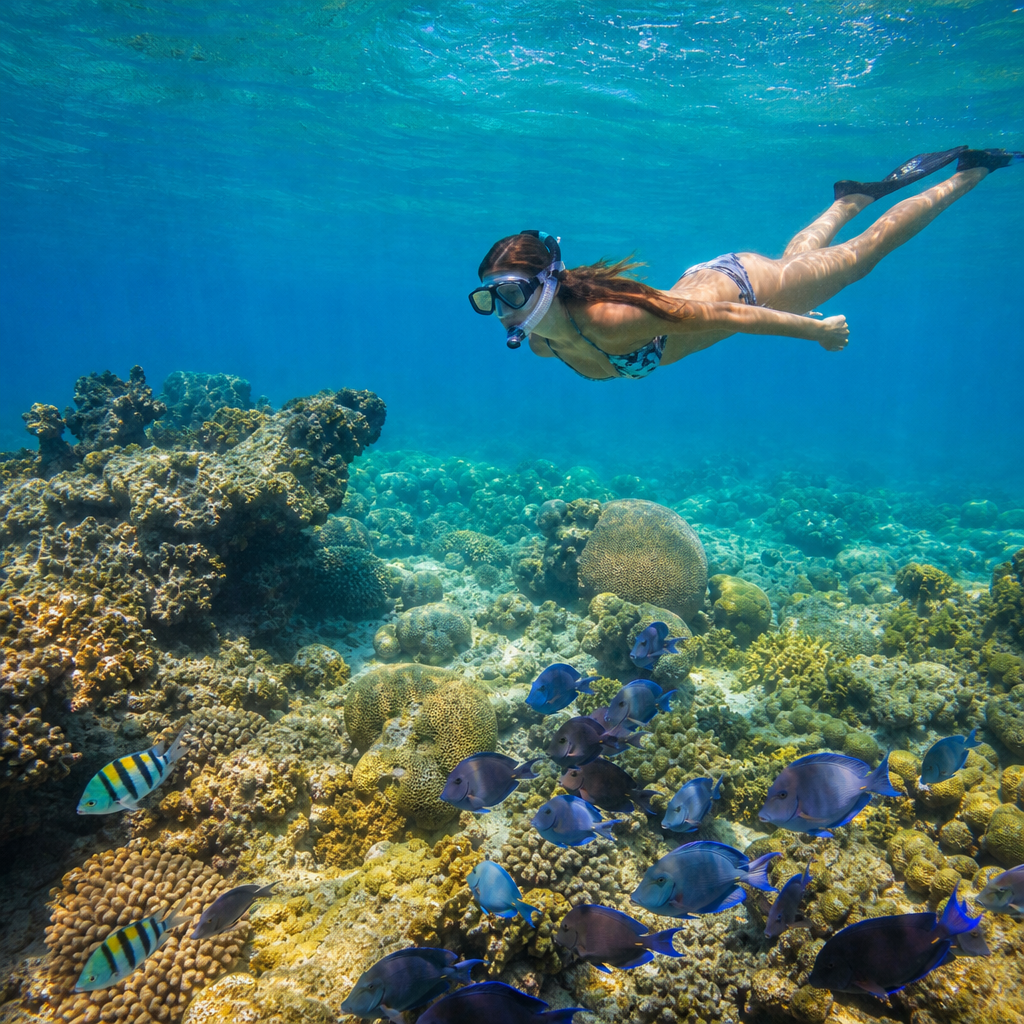
Underwater, divers can expect a mix of hard corals such as brain coral, elkhorn remnants in suitable shallow zones, and star coral, along with soft corals, sea fans, sea rods, and sponges that add the bright oranges, purples, and yellows associated with Caribbean reef scenery. Reef fish commonly include blue tangs, sergeant majors, parrotfish, French grunts, squirrelfish, trumpetfish, wrasse, and spotted drum. On stronger sites or deeper walls, it is also possible to encounter southern stingrays, barracuda, eagle rays, nurse sharks, and turtles, especially hawksbills and greens. The richness comes less from one single iconic mega-site and more from the consistency of attractive, biologically active reefs across many locations.
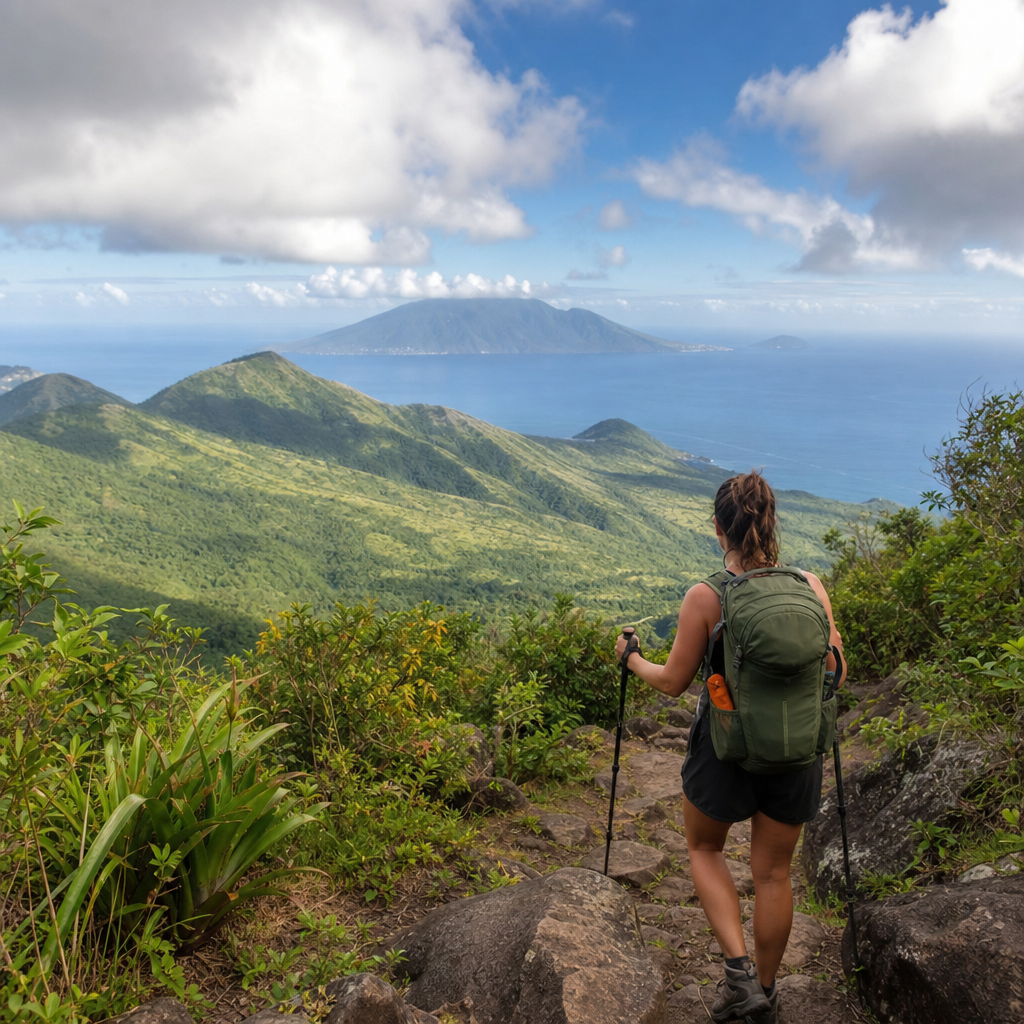
Saint Kitts also benefits from pairing reef diving with broader nature travel. Visitors can combine underwater excursions with rainforest hikes, volcanic viewpoints, birding, and coastal exploration, making it ideal for travelers building a wildlife-heavy itinerary rather than a dive-only vacation. That is why this article functions as a hub for miscellaneous reef-related planning: the experience is multidimensional, and understanding the reefs means understanding access, seasons, conservation pressures, photography conditions, and the relationship between coral health and island tourism.
Marine life and reef habitats divers can expect
The phrase colorful coral reefs is accurate here because Saint Kitts reefs present both structural diversity and strong visual contrast. Hard corals create the framework: massive brain corals, boulder star corals, mustard hill coral, and occasional pillar coral colonies shape the substrate and provide shelter for invertebrates and fish. Soft corals add movement, especially when current runs across sea fans and whips. Barrel sponges, tube sponges, and encrusting sponge forms contribute much of the orange and red color visible even on overcast days or at moderate depths.
Fish life changes by habitat. In shallow patch reefs and sandy mosaics, juvenile fish are common, including damselfish and wrasse using coral heads as nursery space. Along reef ledges, divers often see schools of grunts packed under overhangs, with cleaner gobies and Pederson cleaner shrimp operating small service stations. Parrotfish are especially important because they graze algae, helping coral compete for space. Angelfish, butterflyfish, and filefish are frequent on healthier reef sections where sponge and coral cover remain relatively intact. Macro enthusiasts should watch for flamingo tongue snails on sea fans, lettuce sea slugs, arrow crabs, banded coral shrimp, and occasional seahorses in sheltered growth.
Larger encounters are never guaranteed, but Saint Kitts delivers enough pelagic surprises to keep experienced divers interested. Turtles are among the most sought-after sightings, and hawksbills often appear around sponge-rich reef zones because sponges are a major food source. Eagle rays may cruise by in blue water, particularly where reef slopes break toward deeper channels. Night dives reveal a different ecosystem entirely, with octopus hunting, basket stars unfurling, and coral polyps extending to feed. For many travelers, that shift from daytime color to nocturnal behavior becomes the highlight of the trip because it shows the reef as a living system rather than a static attraction.
Best reef experiences by diver type and travel goal
Not every visitor needs the same reef experience, and Saint Kitts works well because the island can satisfy several travel profiles in one destination. Beginners usually do best on calm, shallow reefs with mild current, good natural light, and plenty of recognizable fish life close to the boat mooring. Certified divers returning after years out of the water benefit from check-out dives on forgiving sites before moving to deeper reef slopes. Advanced divers often want drift potential, stronger current, combined reef-and-wreck topography, or photography opportunities that justify repeat visits. Snorkelers need protected conditions, minimal boat traffic, and coral close enough to the surface to be rewarding without scuba.
| Traveler type | Best reef features | Why it works in Saint Kitts |
|---|---|---|
| First-time diver | Shallow fringing reef, low current, easy boat access | Short rides and sheltered leeward sites reduce stress and improve confidence |
| Returning certified diver | Mixed-depth patch reefs and reef slopes | Operators can pair simple orientation dives with progressively deeper sites |
| Underwater photographer | Sponges, sea fans, turtles, macro life, clear morning light | Colorful reef structure and varied subjects support wide-angle and macro shooting |
| Family snorkeler | Calm nearshore coral, visible fish, sandy entry or guided boat stop | Several coastal areas offer accessible reef viewing without technical demands |
| Experienced nature traveler | Night dives, conservation-focused excursions, reef plus rainforest itinerary | The island combines marine biodiversity with land-based wildlife in one compact trip |
For travelers comparing islands, this flexibility is a major advantage. Saint Kitts may not market itself as aggressively as Cozumel or Bonaire, but that often means less crowding and a more personal operator relationship. Smaller groups allow dive guides to adjust pacing, point out macro life, and discuss reef condition honestly. In practice, that produces a better educational experience and a more accurate sense of what Caribbean reef conservation currently looks like.
Seasonality, water conditions, and the best time to dive
The best time to dive Saint Kitts coral reefs depends on your priorities, but conditions are broadly favorable through much of the year. Water temperatures generally range from the upper 70s Fahrenheit in cooler months to the low or mid-80s in late summer and early autumn. A 3 mm wetsuit is enough for many divers, though people doing multiple dives daily may prefer a full suit for comfort and sun protection. Visibility often falls in the 60 to 100 foot range, but exact clarity changes with swell, runoff, plankton, and wind direction.
December through April is popular because the weather is drier, air temperatures are comfortable, and many travelers combine diving with winter sun holidays. May and June can be excellent shoulder-season months with warm water, fewer crowds, and competitive pricing. The Atlantic hurricane season officially runs from June through November, with the highest regional risk usually peaking later in that window, so travelers booking then should choose flexible rates and monitor forecasts. A storm does not always mean poor diving for an entire trip, but wind and surge can limit site selection quickly.
Morning dives are often best for light, calmer seas, and fish activity on frequently visited sites. Photographers should ask operators about sun angle and current because those details affect image quality more than many beginners realize. New divers also benefit from understanding that visibility and reef health are not the same thing. Crystal-clear water can still cover a reef under stress, while a slightly plankton-rich day can support active marine life. The smarter question is not simply “Will the water be clear?” but “Which sites are diving best this week, and why?” Good local operators answer that directly.
Conservation realities: reef health, threats, and responsible diving
Saint Kitts reefs remain attractive, but no serious article should pretend Caribbean coral ecosystems are untouched. The same pressures affecting reefs across the region apply here: marine heat stress, coral bleaching, disease outbreaks, hurricane damage, anchor strikes, sedimentation, plastic pollution, and chronic fishing pressure on species that help balance reef ecology. Stony coral tissue loss disease has affected many Caribbean jurisdictions, and warming seas continue to reduce coral resilience. That means the value of a dive destination today depends not just on present beauty but on management, monitoring, and visitor behavior.
Responsible diving starts with buoyancy control. Most accidental reef damage comes from fins, gauges, dangling cameras, and poorly managed ascents near coral heads. Divers should never touch coral, stand on the reef for a photo, chase turtles, or feed fish. Reef-safe behavior also includes using mooring buoys instead of anchoring, choosing operators that brief guests properly, and applying sun protection thoughtfully. Mineral-based sunscreens are often recommended near reefs, though no sunscreen is impact-free in every context; rash guards and shade remain the lowest-impact options. Snorkelers can cause just as much damage as divers if they kick in shallow coral gardens, so guidance matters for all skill levels.
Travelers can support reef health by asking better questions before booking. Does the dive center limit group size? Do guides intervene when guests handle wildlife? Are local conservation groups involved in cleanups, monitoring, or education? Is fishing managed sensibly around reef tourism zones? These questions influence outcomes. I have seen the difference firsthand: operators that treat reefs as long-term assets produce calmer dives, better wildlife encounters, and less cumulative damage. In a destination like Saint Kitts, where the marine environment is central to the visitor economy, conservation is not a side issue. It is the condition that determines whether the island remains a diver’s paradise.
How to plan a reef-focused trip to Saint Kitts
Planning well turns a good dive holiday into a smooth one. Start by matching your accommodation to your marine priorities. Staying near Frigate Bay or Basseterre often simplifies transfers to major dive operators, while the southeast peninsula can appeal to travelers who want quieter scenery and easy access to beaches. Check whether your operator includes equipment, marine park fees if applicable, refreshments, and transport. Certification standards are typically aligned with internationally recognized training agencies such as PADI and SSI, and reputable centers will request proof of certification, recent diving history, and medical disclosure where necessary.
A practical itinerary usually begins with a check dive or easy reef site on day one, followed by two-tank boat trips on the next mornings, then a night dive or snorkel excursion if energy allows. Leave a safe surface interval before flying; standard guidance is to avoid air travel for at least eighteen hours after multiple dives, and many divers prefer a longer buffer. Bring a surface marker buoy, reef-safe exposure protection, anti-fog, and a camera lanyard that does not drag. If you wear prescription lenses, confirm mask options before arrival rather than at the dock.
Non-diving companions are well served in Saint Kitts because the island offers beaches, historical sites like Brimstone Hill Fortress National Park, scenic railway excursions, hiking, and wildlife viewing. That balance makes the destination stronger as a sub-pillar within nature and wildlife travel: the reefs are the anchor, but the broader ecosystem story adds depth. If you are building content or trip plans around miscellaneous marine experiences, include snorkeling, night biology, sea turtle awareness, underwater photography, and conservation volunteering where available. Those themes connect readers to the reefs in practical, repeatable ways and help transform a simple beach holiday into a meaningful natural history experience.
Saint Kitts earns its reputation through consistency, accessibility, and genuine underwater variety. The island’s reefs are colorful because living corals, sponges, and sea fans still create layered habitat, and that habitat supports everything from juvenile reef fish to turtles and occasional rays. For travelers, the main advantages are clear: short boat rides, beginner-friendly options, enough ecological diversity for experienced divers, and easy pairing with rainforest and coastal wildlife activities on land. The most important planning points are equally clear. Travel in a season that fits your weather tolerance and budget, choose a dive operator with strong briefing standards, match sites to your skill level, and leave enough time before your flight after diving.
The larger takeaway is that enjoying Saint Kitts coral reefs responsibly improves the experience rather than limiting it. Good buoyancy, patient wildlife observation, and conservation-minded operator choices lead to better encounters and healthier reefs over time. This is especially important in the Caribbean, where climate stress and human pressure are real and ongoing. A reef can be beautiful and vulnerable at the same time, and informed visitors should hold both truths together. If you want a destination that delivers classic Caribbean color without sacrificing practical ease, Saint Kitts deserves a place near the top of your list.
Use this hub as your starting point for exploring the island’s wider nature and wildlife offerings, then narrow your plans by season, skill level, and marine interests. Book with a reputable local dive center, ask direct questions about reef conditions, and approach each dive as a chance to see, learn, and help protect one of Saint Kitts’ most valuable natural assets.
Frequently Asked Questions
Why are Saint Kitts’ coral reefs considered such a highlight for divers and snorkelers?
Saint Kitts’ coral reefs stand out because they combine many of the qualities travelers hope to find in a Caribbean underwater experience: clear, warm water, healthy-looking reef structure, vibrant tropical fish, and dive sites that are accessible to both beginners and experienced divers. A coral reef is a living marine ecosystem built primarily by hard corals, and around Saint Kitts these ecosystems create a colorful seascape filled with sea fans, sponges, reef fish, and the kind of natural texture that makes every dive feel visually rich. The island’s location in the eastern Caribbean also helps support good visibility at many sites, which is especially appealing for underwater photography and for snorkelers who want to enjoy the reef from the surface.
Another reason the reefs are so memorable is their variety. Visitors can explore sloping reefs, patch reefs, shallow coral gardens, and deeper sections that attract larger marine life. Some areas are ideal for relaxed sightseeing, while others offer more dramatic topography and stronger currents that advanced divers may appreciate. This mix means Saint Kitts is not just a one-dive destination; it rewards repeat outings because different reef environments reveal different species, colors, and moods. For nature-focused travelers, that balance of beauty, biodiversity, and accessibility is what makes Saint Kitts feel like a true diver’s paradise.
What kinds of marine life can you expect to see on the reefs around Saint Kitts?
The reefs around Saint Kitts support a broad range of marine life, and that diversity is one of the island’s biggest draws. Divers and snorkelers commonly encounter schools of tropical reef fish, including blue tangs, parrotfish, angelfish, wrasses, grunts, and sergeant majors. You may also spot butterflyfish moving through coral heads, trumpetfish hovering near sea whips, and damselfish defending small territories in the reef. These species add constant motion and color, which is why so many visitors describe the underwater scenery as lively and immersive rather than simply scenic.
Beyond the smaller reef fish, Saint Kitts’ waters can also reveal larger and more charismatic marine animals depending on the season, site, and conditions. Sea turtles, rays, moray eels, lobsters, and occasional barracuda are all possible sightings, and divers often enjoy searching ledges and crevices for hidden life. The coral itself is part of the attraction as well, because healthy reef systems are not just backdrops; they are the foundation that supports the entire marine community. Hard corals, soft corals, sea fans, and sponges create shelter, feeding grounds, and nursery habitat, making the reef feel like a complete ecosystem rather than a single attraction. That ecological richness is exactly what makes reef diving in Saint Kitts rewarding for both casual visitors and experienced underwater explorers.
Is Saint Kitts a good destination for beginner divers and first-time snorkelers?
Yes, Saint Kitts can be an excellent destination for beginners because many reef areas are approachable, visually rewarding, and suitable for a wide range of comfort levels. Calm conditions are often available in protected spots, and the island offers both shore-access opportunities and boat dives, giving new divers and snorkelers flexibility in how they experience the reef. For someone learning to dive or trying snorkeling for the first time, shallow coral areas are especially valuable because they allow plenty of time to get comfortable while still seeing colorful fish, coral formations, and other marine life without needing to go deep.
That said, beginners should still treat the ocean with respect and choose operators that emphasize safety, clear briefings, and proper site selection based on weather and sea conditions. Reputable local dive shops can help match guests to appropriate sites, whether that means a gentle introductory reef dive, a guided snorkel in calm water, or a progression to slightly deeper areas once confidence improves. Saint Kitts is especially appealing for mixed groups because experienced divers can find more advanced reef experiences while beginners still have access to memorable, beginner-friendly underwater scenery. In practical terms, that makes the island a strong choice for couples, families, and multi-interest travelers who want nature, adventure, and ease of access in the same trip.
When is the best time to explore Saint Kitts’ coral reefs?
Saint Kitts offers reef diving and snorkeling for much of the year, which is one reason it remains attractive to Caribbean travelers planning around flexible vacation dates. Warm water temperatures and tropical conditions make underwater activities possible in many seasons, and visitors often find that reef exploration can be rewarding whether they are traveling in peak tourism months or slightly quieter periods. In general, the best time depends on what matters most to you: the calmest conditions, the best visibility, fewer crowds, or the easiest fit with your broader travel schedule.
For the most enjoyable experience, it is wise to check seasonal weather patterns, wind exposure, and local marine conditions before booking specific dives. Even in a destination known for clear water, visibility can shift due to rain, swell, or changing currents. Working with a knowledgeable local operator is the best way to make the most of your trip, because they can recommend the best reef sites on a given day and steer you toward conditions that suit your experience level. If your goal is to fully appreciate Saint Kitts’ colorful coral reefs, flexibility is helpful: allowing time for multiple water days increases your chances of enjoying those postcard-worthy moments of bright coral, active fish life, and clear Caribbean light underwater.
How can visitors enjoy Saint Kitts’ coral reefs responsibly and help protect them?
Responsible reef tourism is essential because coral reefs are living ecosystems, not just scenic attractions. The best way to protect Saint Kitts’ reefs starts with simple in-water habits: never stand on coral, never touch or kick reef structures, maintain good buoyancy while diving, and keep fins and gear from brushing against delicate marine life. Snorkelers should float carefully and avoid chasing fish or turtles, while divers should follow guides closely and remain aware of their position relative to the reef. These actions may seem small, but they matter because corals are fragile animals that can be stressed or damaged by physical contact.
Visitors can also support reef health by choosing environmentally responsible operators, using reef-safer sun protection when possible, and avoiding the collection of shells, coral fragments, or marine souvenirs. Listening to local briefings is particularly important, since guides often know which sites are more sensitive, which species should be observed from a greater distance, and how to enter and exit the water with minimal impact. Responsible travel also includes appreciating the reef as a complete ecosystem: fish, corals, sponges, and seabed habitats all play interconnected roles. By approaching Saint Kitts’ reefs with curiosity and care, travelers help preserve the vivid underwater world that makes the island such a compelling destination for future divers, snorkelers, and nature lovers.