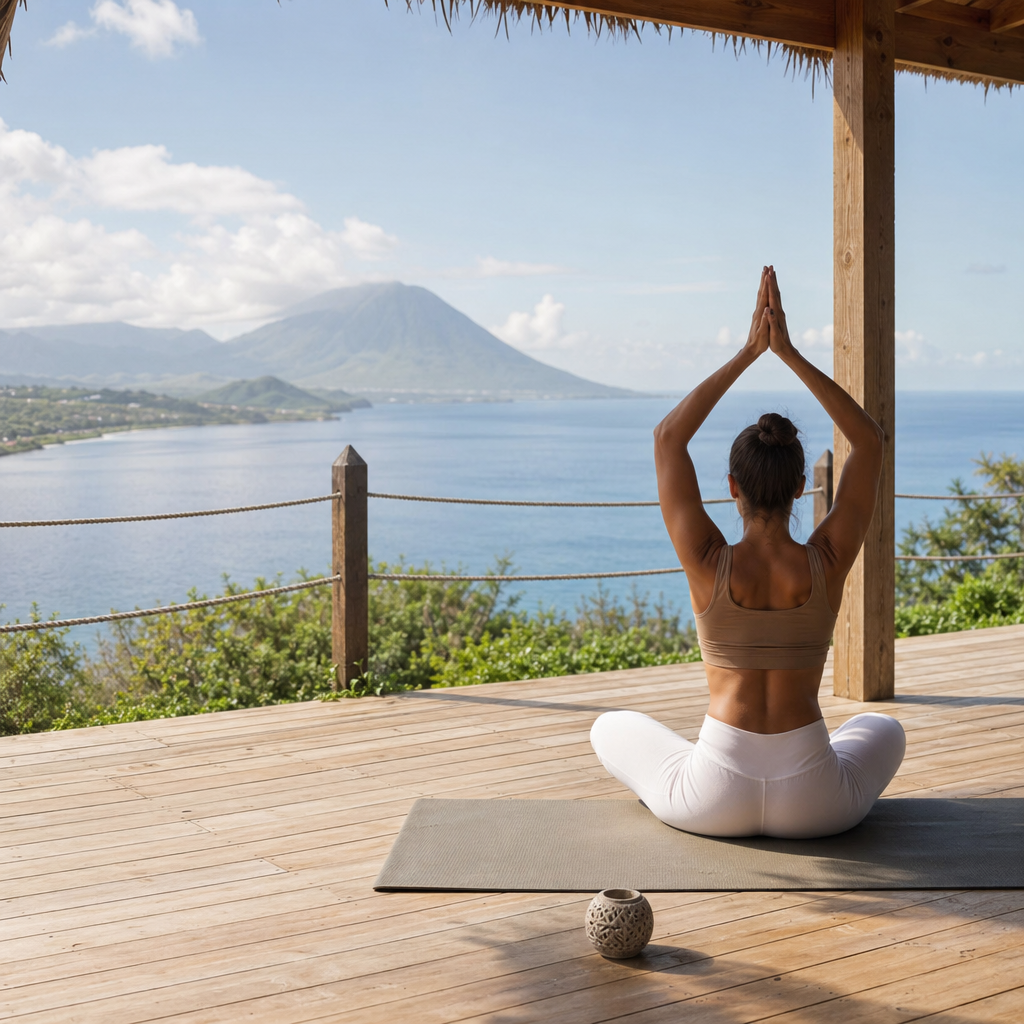
Saint Kitts packs rainforests, volcanic peaks, black-sand beaches, coral-rich coves, and fertile valleys into a compact island that rewards travelers who want more than a resort view. When people ask what makes Saint Kitts special, the answer is its concentration of natural variety: within a single day, you can hike cloud forest trails, stand on an Atlantic headland, snorkel in calm Caribbean water, and watch vervet monkeys move through old sugar estates. Saint Kitts, formally part of the Federation of Saint Kitts and Nevis, sits in the Leeward Islands of the eastern Caribbean. Its landscapes were shaped by volcanic geology, tropical climate patterns, and centuries of agriculture, especially sugarcane cultivation that altered lowland ecosystems while leaving upland forests relatively intact.
Understanding Saint Kitts’ natural wonders starts with a few key terms. A volcanic island is formed by eruptions that build land from the seafloor upward, which explains the island’s steep interior slopes and mineral-rich soils. A cloud forest is a high-elevation tropical forest where frequent mist keeps vegetation wet, supporting mosses, ferns, orchids, and dense canopy life. Fringing reefs are coral systems growing near shore, often protecting beaches and creating habitat for fish, sea turtles, and invertebrates. On Saint Kitts, these features are not isolated attractions; they connect into one ecological story, from Mount Liamuiga’s crater to coastal wetlands and marine shallows.
This matters because travelers increasingly want places where scenery is tied to ecology, history, and local culture rather than packaged as a backdrop. I have planned Caribbean nature itineraries for visitors who arrived expecting a small beach destination and left talking most about the island’s layered terrain, its birdlife at sunrise, and the way each coast feels different. Saint Kitts works as a nature hub because it offers accessible variety. Distances are short, guided experiences are readily available, and the landscapes reveal both beauty and environmental pressures, including erosion, reef stress, and development along sensitive shorelines. For anyone building a broader Nature and Wildlife itinerary, this miscellaneous hub is the practical starting point, since it links the island’s forests, beaches, viewpoints, marine zones, and seasonal wildlife encounters into one coherent map of must-see landscapes.
Mount Liamuiga and the volcanic interior
Mount Liamuiga is the island’s defining landform and the best place to understand Saint Kitts from the inside out. Rising to about 1,156 meters, this dormant stratovolcano dominates the western half of the island and supplies the dramatic relief visible from Basseterre, the coast road, and neighboring islands. The mountain’s former name, Mount Misery, never suited the experience of hiking it. The climb is demanding, usually muddy, and often steep, but it passes through several ecological bands, beginning in former agricultural land, then moving into secondary forest and wetter upland growth. Near the summit, vegetation thickens, temperatures cool, and the atmosphere changes from tropical heat to cloud-damp shade.
Guided hikes are strongly recommended, not as a formality but as a safety requirement. Trails can be slick with roots and volcanic soil, and the final approach often involves scrambling with handholds. Good local guides also interpret what many visitors would otherwise miss: elephant-ear plants thriving in moisture, tree ferns indicating stable humidity, and the crater’s dense green bowl showing how volcanic depressions create microhabitats. On clear days, summit views can include the Caribbean Sea, the Atlantic side of the island, Nevis Peak, and sometimes neighboring islands such as Sint Eustatius. When clouds close in, the reward shifts from vista to atmosphere. The mountain feels primordial, and that emotional effect is part of why Mount Liamuiga remains the island’s signature natural experience.
Rainforest trails, wildlife corridors, and the Central Forest Reserve
Beyond the summit route, Saint Kitts’ interior forest network deserves attention in its own right. The island’s central highlands contain some of the most intact habitats remaining after centuries of plantation use along the coast and lower slopes. While protections and land-use categories vary, the broader forested interior functions as a critical wildlife corridor for birds, insects, reptiles, and the island’s well-known green vervet monkeys. These monkeys are not native; they were introduced centuries ago, likely during the colonial period. Today they are part of the visual identity of Saint Kitts, though their presence also reminds visitors that island ecosystems often reflect human history as much as untouched nature.
Walking lower-elevation rainforest trails reveals a different side of Saint Kitts than the dramatic summit hike. Here the value lies in close observation: heliconia along the path edge, lizards warming on exposed branches, and birds moving between fruiting trees. Commonly reported species include bananaquits, hummingbirds, doves, and herons nearer wetter areas, while migratory species appear seasonally. In practical terms, morning is the best time for wildlife viewing because light is softer, temperatures are lower, and animals are more active. Travelers interested in photography should bring weather protection for lenses and expect fast changes in brightness under the canopy. The forest is not vast by continental standards, but its density, elevation shifts, and layered habitats make it one of the eastern Caribbean’s most rewarding compact nature zones.
Beaches, peninsulas, and the island’s changing coasts
Saint Kitts’ beaches are most interesting when viewed as geological and ecological variations rather than a single category. The southeast peninsula, stretching toward The Narrows between Saint Kitts and Nevis, is especially important because it places Atlantic and Caribbean environments within a short drive of each other. On one side, wind and surf create rougher textures, stronger wave action, and broad views over exposed water. On the other, calmer Caribbean conditions support easier swimming and more protected bays. This contrast explains why the peninsula is one of the best scenic drives on the island and a reliable recommendation for first-time visitors who want to grasp local geography quickly.
Frigate Bay is the best-known developed beach area, but quieter stretches such as South Friars Bay and Cockleshell Bay often deliver the stronger landscape experience. South Friars Bay combines dark volcanic sand with clear water and a greener backdrop than many resort-fronted beaches. Cockleshell Bay, facing Nevis, offers a softer coastal scene and excellent sunset views. Farther north, black-sand beaches testify more directly to the island’s volcanic origin. These strands can be less conventionally “postcard” than pale coral beaches, but they are more distinctive and often less crowded. Coastal vegetation, nearshore reef patches, and seabird activity add ecological interest, especially for travelers willing to arrive early before beach bars and day traffic shift the mood.
| Landscape area | What makes it special | Best for | Practical note |
|---|---|---|---|
| Mount Liamuiga | Volcanic crater, cloud forest, islandwide views | Serious hiking, geology, photography | Use a guide; trails are steep and muddy |
| Southeast Peninsula | Atlantic and Caribbean contrasts in one drive | Scenic touring, beach hopping, sunset stops | Wind exposure varies sharply by side |
| South Friars Bay | Dark sand, swimmable water, relaxed setting | Half-day beach visits, easy access | Go early for quieter conditions |
| Cockleshell Bay | Views toward Nevis and calmer coastal scenery | Swimming, dining, evening light | Can be busy when cruise traffic is high |
| Great Salt Pond area | Wetland habitat near coastal scrub and beaches | Birding, landscape contrast, short stops | Bring sun protection and binoculars |
Wetlands, salt ponds, and overlooked habitats
Some of Saint Kitts’ most valuable natural landscapes are also the easiest to overlook. Wetlands and salt ponds, especially around the southeast peninsula, support birdlife, regulate water movement, and create transition zones between marine and terrestrial systems. Great Salt Pond is a strong example. It may not have the immediate wow factor of a mountain lookout, but it is ecologically important and visually distinctive, particularly in low-angle morning or late-afternoon light. Shallow water, reflective surfaces, and sparse vegetation attract wading birds and create a sense of open space that contrasts sharply with the island’s enclosed forest interiors.
These habitats matter because small island wetlands often absorb disproportionate pressure from development, road building, runoff, and visitor traffic. They are also highly productive zones for invertebrates and juvenile marine life in connected systems. Birders should watch for herons, egrets, shorebirds, and occasional migratory visitors depending on season and water levels. Even travelers with no formal wildlife interest usually appreciate these areas once they understand what they are seeing. A salt pond is not “empty land.” It is a functioning habitat shaped by salinity, rainfall, evaporation, and tidal influence. On Saint Kitts, that ecological literacy improves the travel experience because it turns roadside scenery into a living system rather than a passive view.
Marine landscapes: reefs, coves, and underwater visibility
The natural appeal of Saint Kitts does not stop at the shoreline. Offshore, the island offers coral communities, seagrass beds, reef fish habitat, and clear-water coves that expand the meaning of landscape into the marine environment. Snorkeling and diving sites vary by season, weather, and operator access, but sheltered Caribbean-side waters generally provide the most consistent conditions for recreational outings. In these areas, visitors may see parrotfish, sergeant majors, trunkfish, sea fans, sponges, and occasional turtles. Visibility is never guaranteed and can be affected by swell, runoff, and boat traffic, yet good days reveal why Saint Kitts deserves more recognition as a marine nature destination.
From a planning perspective, marine excursions are strongest when approached as ecosystem experiences, not just water activities. A reef is valuable because it protects shorelines, supports fisheries, and creates biodiversity hotspots in relatively shallow water. Seagrass beds are equally important, even if less visually dramatic, because they stabilize sediment and feed species such as green turtles. Travelers choosing between beach time and boat time should know that a half-day snorkel trip often provides the clearest understanding of the island’s environmental interconnectedness. You see how volcanic land influences coastal runoff, how calmer bays nurture marine life, and how fragile these systems are when anchors, pollution, or careless fins damage living coral. Responsible operators make a measurable difference here.
Scenic rail routes, estate landscapes, and nature shaped by history
One of the most distinctive ways to experience Saint Kitts’ landscapes is through places where nature and history overlap. The St. Kitts Scenic Railway, built on former sugar transport lines, circles much of the island and reveals how plantation agriculture once organized the lowlands. From the train, passengers see old estate structures, cane fields in transition, coastal bluffs, and forested slopes rising behind them. This is not wilderness in the strict sense. It is a cultural landscape, one where ecological recovery, tourism, and colonial history occupy the same frame. That complexity is precisely what makes it valuable.
Former estate grounds, botanical areas, and countryside roads also show how secondary growth returns after agricultural decline. Tamarind, flamboyant, and fruit trees mix with scrub, pasture, and remnant cane patterns. For visitors, this means the island’s beauty is not limited to protected or remote areas. Many scenic moments happen in working landscapes, village edges, and roadside lookouts. The best approach is to treat Saint Kitts as a mosaic. Mountain, forest, beach, wetland, reef, and estate are connected pieces, not separate attractions. That perspective helps travelers build smarter itineraries and deeper appreciation, especially if this hub page is the starting point for exploring more focused guides on hiking, birdwatching, beaches, and marine wildlife across the wider Nature and Wildlife section.
Saint Kitts stands out because its natural wonders are diverse, accessible, and genuinely interconnected. Mount Liamuiga explains the island’s volcanic origin. Rainforest trails reveal how elevation and moisture create rich habitats. Beaches and the southeast peninsula show dramatic coastal contrast within a small area. Wetlands such as Great Salt Pond highlight quieter ecosystems that support birds and water balance. Reefs, seagrass beds, and sheltered coves extend the experience offshore, while estate landscapes remind visitors that nature here is inseparable from history. Taken together, these places form a complete landscape story rather than a checklist of isolated sights.
For travelers planning a nature-focused trip, the main benefit of using Saint Kitts as a hub is efficiency without sacrificing depth. You can combine a summit hike, birding stop, scenic drive, and snorkel outing in a short stay, then branch into more specialized experiences based on your interests. The key is to move beyond the beach-only mindset and explore the island by ecosystem. Start with one anchor experience, ideally Mount Liamuiga or the southeast peninsula, then add wetlands, a marine excursion, and at least one slower countryside route. If you are building out your Saint Kitts itinerary, use this hub as the foundation and continue into dedicated guides for the island’s best hikes, beaches, wildlife encounters, and coastal viewpoints.
Frequently Asked Questions
What natural landscapes make Saint Kitts stand out from other Caribbean islands?
Saint Kitts stands out because it delivers an unusually wide range of landscapes within a relatively small island. Travelers can move from lush rainforest to volcanic highlands, then down to black-sand beaches, fertile agricultural valleys, rocky Atlantic viewpoints, and calm Caribbean coves in a single day. That concentration of scenery is a major part of the island’s appeal. Instead of offering just one signature setting, Saint Kitts layers together multiple ecosystems and terrain types that feel distinct from one another yet are all easily accessible.
At the island’s center, steep green slopes rise toward Mount Liamuiga, a dormant volcano that shapes much of Saint Kitts’ identity. Lower elevations hold dense tropical vegetation, old estate lands, and rolling countryside marked by traces of the island’s sugar-growing history. Along the coasts, the contrast becomes even more dramatic: the Caribbean side is often calmer and better suited to swimming and snorkeling, while the Atlantic side can feel windier, wilder, and more rugged. Add offshore reef environments, coastal headlands, and monkey-inhabited forest edges, and Saint Kitts becomes a destination where natural variety is the main attraction rather than a backdrop to beach resorts alone.
Is Mount Liamuiga worth visiting, and what can travelers expect from the hike?
Yes, Mount Liamuiga is absolutely worth visiting for travelers who want to experience the most dramatic natural scenery on Saint Kitts. As the island’s highest peak and a dormant stratovolcano, it offers one of the most immersive ways to understand the island’s geography. The hike typically takes visitors through changing vegetation zones, beginning with greener lowland growth and moving into denser rainforest as elevation increases. Higher up, the atmosphere often becomes cooler, mistier, and more cloud-forest-like, which adds to the sense of entering a different natural world.
The trail is generally considered moderately strenuous to challenging, especially because it can be steep, muddy, and root-covered in places. Many visitors choose to go with a local guide, which is a smart decision both for safety and for context. Guides often point out native plants, explain the volcanic history of the mountain, and help hikers identify wildlife along the route. On clear days, the views can be exceptional, with sightlines across Saint Kitts, neighboring Nevis, and surrounding sea. Depending on conditions and the route taken, some hikes also allow views into the volcano’s crater area. Travelers should wear sturdy shoes, bring water, and expect a real outdoor adventure rather than a casual walk. For anyone interested in the island’s interior landscapes, Mount Liamuiga is one of the defining natural experiences.
Where can visitors experience Saint Kitts’ black-sand beaches and dramatic coastal scenery?
Saint Kitts’ black-sand beaches are among the clearest reminders of its volcanic origin, and they offer a very different coastal experience from the bright white-sand images often associated with the Caribbean. These darker shores tend to feel moodier, more dramatic, and more geologically distinctive. They are especially appealing to travelers who want scenery with character and a stronger sense of place. Some of the best areas to appreciate this volcanic coastline are found away from the busiest resort zones, where the beaches and surrounding landscapes feel more natural and less developed.
Beyond the beaches themselves, Saint Kitts is known for striking coastal contrasts. On the Atlantic side, headlands and exposed shoreline can feel raw and energetic, with stronger surf and a more wind-shaped landscape. On the Caribbean side, visitors often find calmer waters, gentler coves, and more sheltered settings ideal for swimming or snorkeling. Scenic drives around the island reveal how quickly these environments change, with views opening onto cliffs, bays, green hillsides, and old estate lands near the shore. For travelers interested in photography, geology, or simply seeing a more textured side of the Caribbean, Saint Kitts’ coast is one of the island’s greatest rewards.
Are there good places in Saint Kitts for snorkeling and seeing marine life?
Yes, Saint Kitts offers several excellent opportunities for snorkeling, particularly in calmer Caribbean-side waters and in coves where coral and reef life are more protected from heavy wave action. While the island is celebrated for its forests and mountains, its underwater scenery is also a major part of its natural appeal. Snorkelers can often expect clear water conditions in the right weather, with chances to see colorful reef fish, coral formations, sea fans, and other marine life typical of healthy tropical coastal habitats.
The best snorkeling experience depends on sea conditions, the season, and whether visitors go from shore or by boat. Guided excursions can be especially worthwhile because local operators know where visibility is best and which areas are safest and most rewarding for different skill levels. Some sites are better for beginners who want easy access and calm water, while others may appeal more to confident swimmers looking for richer reef structure. It is also worth remembering that marine environments are sensitive, so responsible snorkeling matters. Avoid standing on coral, do not touch marine life, and use reef-safe sun protection when possible. For travelers who want to pair mountain and rainforest exploration with time in the water, snorkeling adds another dimension to Saint Kitts’ natural diversity.
What is the best way to explore Saint Kitts’ rainforests, valleys, and wildlife beyond the beaches?
The best way to explore Saint Kitts beyond the beaches is to combine guided inland excursions with independent scenic stops, if transportation allows. The island’s interior rewards curiosity: rainforest trails, fertile valleys, and historic estate landscapes reveal a side of Saint Kitts that many casual visitors miss. Guided hikes and nature tours are particularly valuable because they help travelers understand what they are seeing, from tropical plant species and volcanic terrain to the ecological importance of the island’s forested slopes. They also improve access to places that may be difficult to navigate alone.
One of the most memorable aspects of inland exploration is the chance to encounter wildlife, especially vervet monkeys, which are often seen near forest edges and old plantation areas. Birdlife, dense tropical vegetation, and changing viewpoints also make inland travel visually rewarding. Visitors interested in a broader landscape experience often pair rainforest outings with scenic drives through countryside shaped by agriculture and colonial history. This combination highlights how natural and cultural landscapes intersect on Saint Kitts. If time is limited, even a half-day inland tour can provide a much fuller picture of the island. For travelers who want more than a resort view, exploring the rainforest, valleys, and historic green interior is essential to understanding what makes Saint Kitts special.