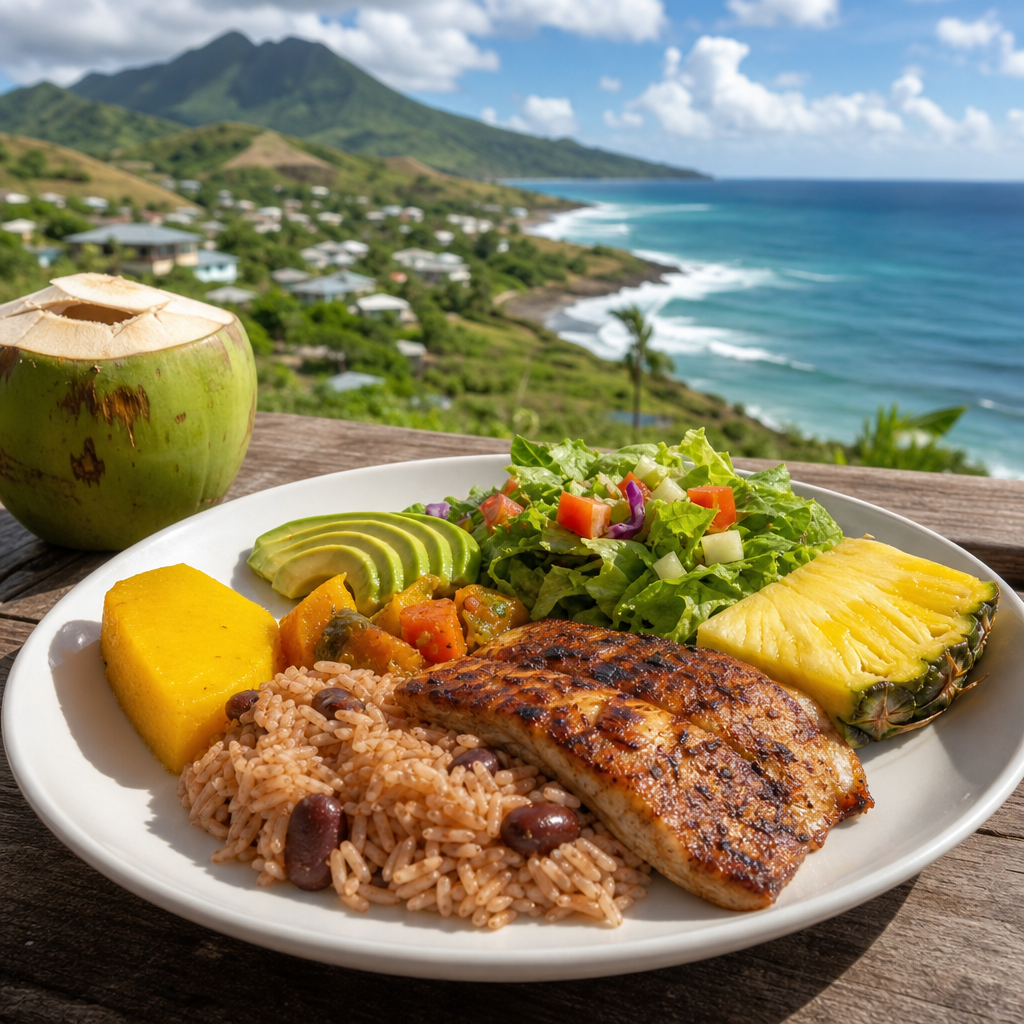
The health benefits of the Caribbean diet in Saint Kitts are rooted in a food culture that combines fresh seafood, tropical produce, legumes, ground provisions, herbs, and moderate portions into an everyday way of eating that supports energy, heart health, digestion, and long-term wellness. In Saint Kitts, the Caribbean diet is not a rigid meal plan. It is a practical pattern shaped by local agriculture, fishing traditions, climate, and family cooking. Key terms matter here: “ground provisions” refers to starchy roots such as yam, sweet potato, cassava, and eddoes; “peas” often means beans or pigeon peas; and “provisions” can include breadfruit, plantain, and other staples that provide steady fuel. This matters because many people searching for healthier eating want an approach that feels realistic, culturally familiar, and nutritionally sound. I have worked with Caribbean menus in wellness planning, and the strongest results usually come when people improve traditional meals rather than abandon them. Saint Kitts offers an ideal example of how local food heritage can support modern health goals.
What defines the Caribbean diet in Saint Kitts
In Saint Kitts, a healthy Caribbean diet is centered on minimally processed foods prepared with flavor from herbs, spices, onions, garlic, scallions, thyme, ginger, and peppers instead of relying only on excess salt or heavy sauces. Common ingredients include fish, lobster, conch where available, chicken, goat, lentils, black beans, pigeon peas, callaloo, pumpkin, cabbage, okra, mango, papaya, banana, coconut, sorrel, and lime. Staple carbohydrate sources often come from boiled or roasted roots and fruits rather than ultra-processed breads or packaged snacks. Meals such as stewed fish with ground provisions, lentil soup, vegetable rice with peas, callaloo, and grilled chicken with plantain can be nutritionally strong when portions and cooking fats are managed well.
The dietary pattern stands out because it naturally combines several evidence-based principles. It is rich in fiber from beans, vegetables, and root crops. It provides potassium and magnesium from plant foods that support blood pressure control. It includes omega-3 fats when oily fish are eaten regularly. It can also be lower in added sugar than imported convenience diets, especially when fruit, coconut water, and unsweetened bush teas replace sweetened beverages. Traditional Caribbean cooking in Saint Kitts is not automatically healthy, because deep frying, processed meats, and sugary drinks can weaken the pattern. Still, the foundation is strong. When built around fresh local ingredients, it compares favorably with other respected traditional diets because it delivers variety, nutrient density, and satisfaction.
Cardiovascular and metabolic health benefits
One of the clearest benefits of the Caribbean diet in Saint Kitts is its potential to support heart health and metabolic balance. Diets rich in legumes, vegetables, fruit, and fish are consistently associated with better cholesterol levels, improved blood vessel function, and lower cardiometabolic risk. Beans and peas help by providing soluble fiber, which can reduce low-density lipoprotein cholesterol. Fish provides protein without the saturated fat load common in some processed meats. Tropical produce contributes antioxidants such as vitamin C, carotenoids, and polyphenols that help counter oxidative stress.
From practical experience, the biggest improvements happen when people make simple substitutions inside familiar meals. Replacing sausage-heavy rice dishes with rice and pigeon peas cooked using herbs and a small amount of oil lowers sodium and saturated fat. Swapping fried fish for grilled or steamed fish preserves protein while reducing excess calories. Choosing boiled sweet potato, breadfruit, or yam instead of oversized portions of refined-flour products improves satiety and blood sugar control because these foods digest more slowly and often come with more fiber and micronutrients. For adults concerned about hypertension, this matters. Traditional seasonings like thyme, celery, scallion, and garlic can add depth with less salt, while potassium-rich foods such as banana, coconut water in moderation, callaloo, and yam support healthy blood pressure regulation.
Weight management is another important benefit. The Caribbean diet in Saint Kitts can be very filling because soups, stews, beans, vegetables, and root crops create volume and fiber. Meals built this way help people stay satisfied longer than fast food or heavily processed snacks. That reduces mindless grazing. The limitation is portion size. A healthy local meal becomes less balanced when it includes multiple starches, sugary drinks, and fried sides together. The dietary pattern works best when one starch, one protein, and generous vegetables form the plate.
Digestive health, immunity, and daily energy
The digestive benefits of a Caribbean diet are often overlooked, yet they are substantial. Fiber from peas, beans, fruit, callaloo, cabbage, pumpkin, carrots, and ground provisions supports bowel regularity and nourishes beneficial gut bacteria. A healthier gut environment is linked to better immune signaling, steadier energy, and improved appetite control. In Saint Kitts, traditional soups and one-pot meals are especially useful because they combine legumes, vegetables, and starches in forms that are satisfying and easy to digest. Fish broth, pumpkin soup, red bean soup, and lentil stews are good examples.
Hydration also plays a role. In a warm climate, people often underestimate fluid needs. Fresh fruits with high water content, vegetable soups, and unsweetened herbal teas can support hydration better than sugary soft drinks. When hydration improves, many people notice less fatigue and better concentration. Iron-rich foods such as callaloo, beans, and some seafood can also support energy, especially when paired with vitamin C sources like citrus, tomato, or mango to enhance iron absorption. For children, older adults, and highly active workers, this combination is valuable because it helps maintain nutrient intake without requiring expensive specialty foods.
Immunity benefits come from variety rather than any single “superfood.” Local diets that rotate leafy greens, orange vegetables, legumes, fish, and fruit provide vitamins A, C, E, folate, zinc, selenium, and other compounds involved in immune defense. Garlic, ginger, turmeric, and hot peppers add flavor and contain bioactive compounds, although they should complement, not replace, overall dietary quality. The strongest point is consistency: everyday meals made from whole ingredients usually do more for resilience than occasional health trends.
Key foods in Saint Kitts and what they offer
The best way to understand the health benefits of the Caribbean diet in Saint Kitts is to look at the foods people actually eat and the role each can play in a balanced pattern.
| Food commonly eaten in Saint Kitts | Main nutrients or benefits | Best practical use |
|---|---|---|
| Callaloo | Folate, iron, vitamin A, fiber | Steam lightly or add to soups instead of overcooking |
| Yam and sweet potato | Complex carbohydrates, potassium, fiber | Boil or roast for steady energy and fullness |
| Pigeon peas, red beans, lentils | Plant protein, fiber, magnesium | Use in soups, rice dishes, and meat-stretching meals |
| Fresh fish | High-quality protein, minerals, omega-3 fats in some species | Grill, steam, or stew instead of frying |
| Mango, papaya, guava | Vitamin C, carotenoids, hydration, fiber | Eat whole as snacks rather than drinking sweetened juice |
| Pumpkin and carrots | Beta-carotene, fiber | Add to soups and stews for nutrient density |
This mix of foods supports a broad nutrient base without depending on imported diet products. That is one reason traditional food systems often outperform trend-based eating. They are accessible, familiar, and easier to sustain across households. In Saint Kitts, seasonality and local availability can shape choices, but the pattern remains flexible enough to work year-round.
Common mistakes and how to make traditional meals healthier
The Caribbean diet delivers the most health benefits when preparation methods match the quality of the ingredients. The most common mistake is assuming that any traditional food is healthy by default. Saltfish can fit into a balanced diet, but it needs careful soaking and portion control because sodium remains high. Fried plantain is enjoyable, yet eating it alongside fried chicken, white rice, and sweetened juice turns one meal into a heavy calorie load. Processed meats, bouillon cubes, sugary beverages, and oversized servings are the main factors that pull local eating patterns away from their healthier roots.
Healthier cooking does not require abandoning cultural flavor. It usually means changing technique. Steam fish with tomato, onion, thyme, and pepper rather than deep frying. Build flavor with fresh seasoning blends instead of depending on heavily salted mixes. Use coconut milk strategically for taste rather than pouring it into every dish. Bulk out stews with pumpkin, okra, or cabbage so meals stay filling with less meat. If dessert is part of the occasion, keep the main meal lighter. These are realistic adjustments I have seen people sustain because they preserve identity and enjoyment.
Breakfast is another opportunity. Instead of pastries and sweet drinks every morning, a stronger pattern includes oats with fruit, provisions with saltfish and vegetables in controlled portions, eggs with callaloo, or a fruit-and-peanut smoothie without added sugar. For lunch and dinner, the simplest visual rule works well: half the plate vegetables, a quarter protein, and a quarter starch, with fruit later if desired. That framework adapts easily to Caribbean cooking.
Why this hub matters for broader health and wellness in Saint Kitts
As a hub within health and wellness, this topic connects to many practical concerns: blood pressure management, diabetes prevention, healthy aging, sports nutrition, family meal planning, digestive health, and food budgeting. The Caribbean diet in Saint Kitts is relevant to all of them because it is not a niche regimen. It is the everyday bridge between culture and prevention. A parent trying to reduce sugar intake, an older adult watching blood pressure, and a visitor seeking healthier local food choices can all use the same foundation.
It also matters economically and socially. Diets based on local fish, produce, legumes, and ground provisions can strengthen food security and support regional farmers and vendors. They reduce dependence on imported packaged foods that often bring excess sodium, sugar, and unhealthy fats. From a public health perspective, that shift is significant. Noncommunicable diseases across the Caribbean are strongly influenced by dietary change, especially the move away from traditional staples toward ultra-processed products. Saint Kitts has an opportunity to preserve culinary heritage while improving health outcomes through smarter preparation, better portion awareness, and stronger nutrition education linked to familiar meals.
For readers exploring related wellness topics, this hub is the starting point. From here, deeper articles can examine healthy Caribbean breakfasts, low-sodium island cooking, seafood nutrition, diabetic-friendly local meals, hydration in tropical climates, and weight management using traditional foods. The central message stays the same: the health benefits of the Caribbean diet in Saint Kitts are real when the diet remains rooted in whole foods, balanced plates, and consistent habits.
The Caribbean diet in Saint Kitts offers a practical, culturally grounded approach to better health because it is built on foods that are naturally rich in fiber, vitamins, minerals, plant compounds, and satisfying energy. Fresh fish, legumes, leafy greens, pumpkin, fruit, and ground provisions can support heart health, digestive function, blood sugar control, hydration, and daily stamina when meals are prepared with care. The pattern is strongest when people emphasize grilling, steaming, stewing, moderate portions, and lower-sodium seasoning methods instead of heavy frying, processed meats, and sugary drinks.
The main benefit is sustainability. People are more likely to eat well long term when healthy meals still taste like home. That is why the Caribbean diet in Saint Kitts deserves attention within any serious health and wellness conversation. It respects tradition while meeting modern nutrition needs. If you want to improve your eating habits, start with one local meal today: add more vegetables, choose a cleaner protein, keep one starch, and let traditional ingredients do the work.
Frequently Asked Questions
1. What makes the Caribbean diet in Saint Kitts a healthy way of eating?
The Caribbean diet in Saint Kitts is healthy because it is built around whole, minimally processed foods that naturally provide a strong balance of nutrients. Rather than depending heavily on packaged products or oversized portions, this way of eating often includes fresh seafood, beans and peas, tropical fruits, vegetables, herbs, and ground provisions such as yam, sweet potato, dasheen, and cassava. These foods deliver fiber, vitamins, minerals, antioxidants, and steady energy, which can support daily wellness and reduce the risk of many long-term health concerns.
One of the biggest strengths of the Saint Kitts food tradition is variety. A typical meal pattern may combine fish or another lean protein with vegetables, legumes, and a starch from local crops. That kind of combination can help support fullness, blood sugar stability, and better digestion. Seafood contributes protein and important fats, legumes add fiber and plant nutrients, and produce supplies protective compounds that support immune function and cell health.
Another key advantage is that the Caribbean diet in Saint Kitts is not usually centered on extreme restriction. It is more of a practical, sustainable eating pattern shaped by local farming, fishing, and home cooking. That makes it easier for people to follow consistently. When a diet is based on familiar foods, cultural habits, and accessible ingredients, it is more likely to become a long-term lifestyle instead of a short-term plan. That consistency is a major reason it can support heart health, energy levels, digestion, and overall well-being over time.
2. What are ground provisions, and why are they important in the Caribbean diet of Saint Kitts?
Ground provisions are traditional starchy root crops and tubers that are central to many Caribbean meals. In Saint Kitts, this term commonly refers to foods such as yam, sweet potato, dasheen, cassava, and sometimes breadfruit, depending on local usage and the meal being discussed. These foods have long been important because they grow well in the region, store reasonably well, and provide dependable nourishment for families.
From a health perspective, ground provisions are valuable because they offer complex carbohydrates that can supply lasting energy. Unlike highly refined starches, many ground provisions contain fiber, potassium, vitamin C, and other beneficial nutrients. Their fiber content can support digestion and help people feel satisfied after meals, while potassium plays an important role in maintaining healthy blood pressure and proper muscle function. When prepared in simple ways such as boiling, roasting, steaming, or stewing, they can be a very nutritious part of the diet.
Ground provisions also matter because they fit naturally into balanced meals. In Saint Kitts, they are often eaten with fish, peas, vegetables, and herb-based seasonings, which creates a more complete nutritional profile than relying on refined side dishes alone. They are culturally meaningful as well as nutritionally useful. Including ground provisions in moderation allows people to enjoy traditional Caribbean food while still supporting energy, digestive health, and a steady, practical approach to eating.
3. How does the Caribbean diet in Saint Kitts support heart health?
The Caribbean diet in Saint Kitts can support heart health in several important ways. First, fresh seafood is often a major feature of local meals. Fish can provide high-quality protein along with beneficial fats, especially when it replaces heavily processed meats or foods high in saturated fat. Depending on the type of fish eaten, this may help support healthy cholesterol levels and overall cardiovascular function.
The diet also includes many plant foods that are naturally heart-friendly. Beans, peas, vegetables, fruits, and herbs contribute fiber, antioxidants, and minerals that help the body function well. Fiber is especially important because it can support healthy cholesterol management and promote a feeling of fullness, which may help with portion control. Fruits and vegetables provide compounds that help protect blood vessels and reduce stress on the body over time.
Another reason this eating pattern may benefit the heart is its traditional emphasis on moderate portions and home-style preparation. Meals built from boiled provisions, steamed fish, vegetable-rich stews, soups, and bean dishes are often less dependent on the excessive sugars, unhealthy fats, and sodium found in many ultra-processed foods. Of course, preparation still matters. Fried foods and very salty dishes can reduce the health benefits. But when the Saint Kitts Caribbean diet leans toward fresh ingredients, legumes, seafood, herbs, and balanced portions, it creates a strong foundation for cardiovascular wellness.
4. Can the Caribbean diet in Saint Kitts help with digestion and steady energy levels?
Yes, the Caribbean diet in Saint Kitts can be very helpful for both digestion and steady energy, especially when meals are built around traditional whole foods. Legumes such as peas and beans are rich in fiber, and many local fruits, vegetables, and ground provisions also contribute to healthy digestion. Fiber helps move food through the digestive system more efficiently, supports bowel regularity, and can encourage a healthier gut environment.
Steady energy is another major benefit of this way of eating. Instead of relying heavily on sugary snacks or highly refined carbohydrates that can cause quick spikes and crashes, many traditional meals in Saint Kitts are based on slower-digesting foods. Ground provisions, beans, and balanced mixed meals provide a more gradual release of energy. When these foods are paired with protein from fish or other wholesome sources, people may feel satisfied for longer and avoid the mid-day slump that often comes with overly processed meals.
Hydrating foods also play a role. Tropical fruits, soups, stews, and vegetable dishes can contribute to fluid intake and digestive comfort, especially in a warm climate. Herbs and seasonings used in Caribbean cooking may add flavor without always needing heavy sauces, making meals both enjoyable and easier to digest. Overall, the Saint Kitts Caribbean diet supports digestive wellness and lasting energy because it is rooted in fiber-rich staples, balanced meal combinations, and practical everyday eating habits.
5. Is the Caribbean diet in Saint Kitts suitable for long-term wellness, and how can people follow it in a balanced way?
The Caribbean diet in Saint Kitts is well suited for long-term wellness because it is based on food patterns that can be maintained in real life. It is not a rigid diet with complicated rules. Instead, it reflects a traditional way of eating that uses local ingredients, home cooking, seasonal produce, seafood, legumes, and sensible portions. That flexibility makes it easier to adapt across different ages, activity levels, and household routines.
For long-term health, the most effective approach is to keep the core strengths of the diet in place. That means making fresh or minimally processed foods the foundation of most meals, choosing fish and legumes regularly, eating a variety of fruits and vegetables, and including ground provisions in appropriate portions. Herbs and spices can be used generously for flavor, while salt, sugary drinks, and heavily fried foods are kept more occasional. This preserves the cultural identity of the cuisine while improving its health value.
Balance is the key. A healthy Saint Kitts-style Caribbean plate does not need to eliminate traditional staples. It simply works best when meals are structured thoughtfully, such as pairing a moderate serving of yam or sweet potato with fish, stewed peas, and vegetables. Paying attention to cooking methods, portion sizes, and food variety can help support healthy weight management, heart function, digestion, and sustained energy. In that sense, the Caribbean diet in Saint Kitts is not just nutritious in theory. It is a realistic and culturally grounded model for lifelong wellness.