Discovering the lush rainforests of Nevis means entering the green heart of a small Caribbean island where volcanic slopes, cloud-fed ravines, and centuries of human history meet. Nevis is often introduced through its beaches and plantation inns, yet its interior tells the deeper story. The rainforest that rises around Nevis Peak is the island’s ecological engine, cultural archive, and one of its most rewarding settings for adventure. For travelers exploring the wider Adventure and Activities landscape, this Miscellaneous hub explains what the rainforest is, why it matters, and how to experience it well.
Nevis is part of the Federation of Saint Kitts and Nevis in the eastern Caribbean, formed by volcanic activity and shaped by tropical weather patterns. In plain terms, a rainforest is a dense ecosystem sustained by high rainfall, warm temperatures, layered vegetation, and constant biological activity. On Nevis, that system appears in wet mountain forest, ghauts that channel stormwater downhill, tree ferns, moss-covered trunks, and a rich mix of birds, insects, monkeys, and native plant life. Because the island is compact, visitors can move from coastal roads to high-elevation forest trails quickly, which makes rainforest exploration unusually accessible compared with larger destinations.
This matters for three reasons. First, the rainforest supports the island’s water cycle and soil stability, making it essential to both biodiversity and daily life. Second, it offers some of the most authentic outdoor experiences on Nevis, from guided hikes to birdwatching and photography. Third, it connects naturally to many related adventures, making it an ideal hub topic for planning. If you are deciding whether rainforest exploration belongs on your Nevis itinerary, the short answer is yes: it delivers scenery, wildlife, exercise, local insight, and a clearer understanding of the island than any beach day alone can provide.
What makes the Nevis rainforest unique
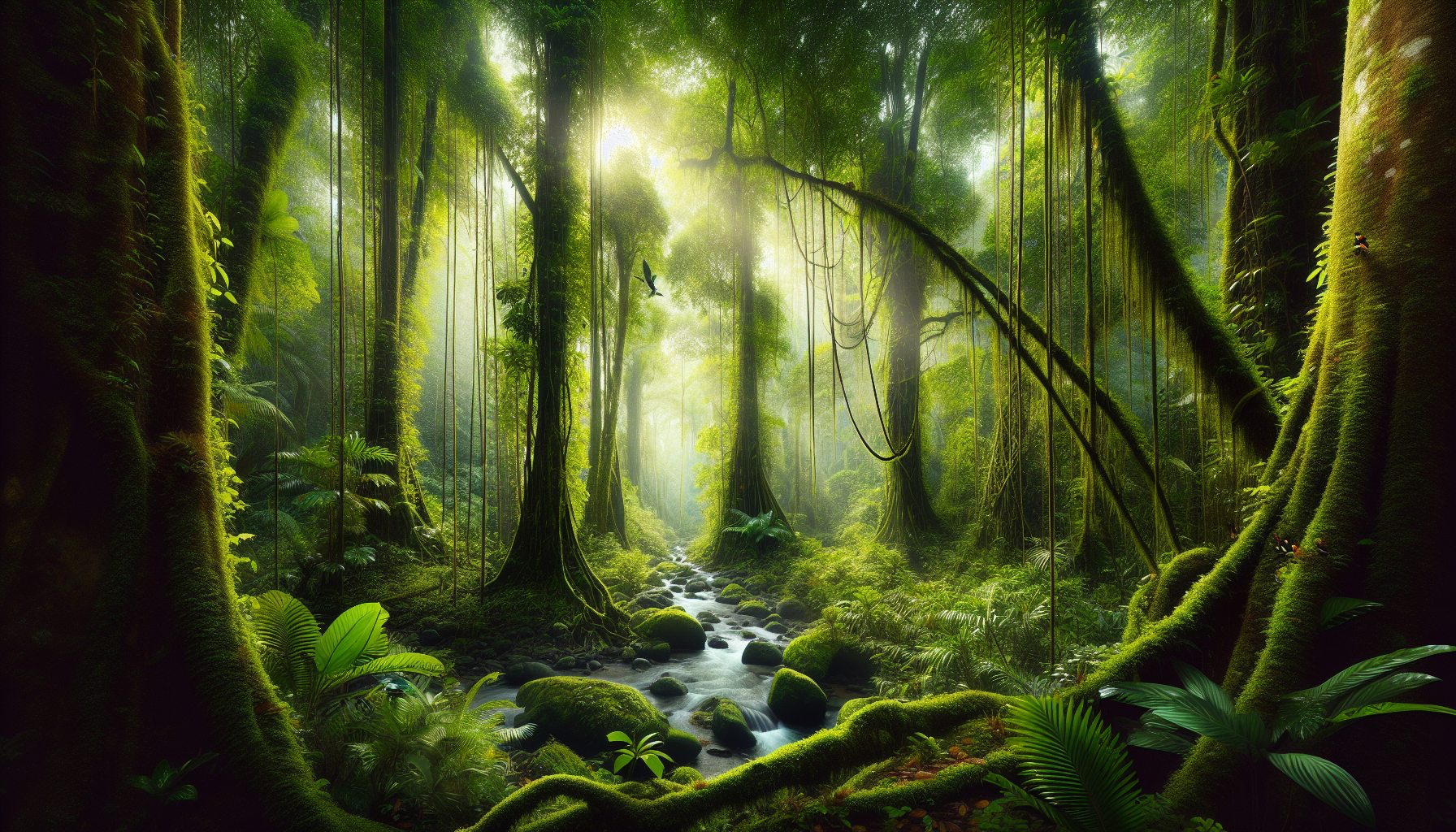
The rainforest of Nevis is shaped by the island’s central volcano, Nevis Peak, which rises to nearly 3,232 feet, or about 985 meters. As moist trade winds move inland and upslope, air cools and condenses, producing frequent cloud cover and rainfall at higher elevations. That orographic effect is the reason the mountain interior stays greener and wetter than the coast. In practice, hikers notice the transition quickly: lower slopes may feature dry scrub, pasture, or fruit trees, while higher paths become shaded tunnels of broadleaf forest, lianas, palms, and giant fern growth.
Unlike huge continental rainforests, Nevis offers a compressed version of tropical diversity. You can observe changes in vegetation and temperature within a morning walk. I have found that this compact scale helps travelers understand ecology more clearly because the gradients are visible. One hour can include village edge, former estate land, secondary forest, and misty upland canopy. The result feels immersive without requiring multi-day expedition logistics. This is one of the island’s strongest advantages for active travelers who want depth without excessive complexity.
The forest is also historically layered. Many access routes pass near old estates, stone ruins, and agricultural land that reflect the sugar era. That means rainforest exploration on Nevis is never only about plants and birds; it is also about land use, colonial history, and recovery. In several Caribbean destinations, natural and cultural heritage are marketed separately. On Nevis, they are physically intertwined. A guide may point out medicinal plants, explain how paths once linked plantations, and identify watershed areas that still matter to communities below. That combination gives the rainforest more interpretive value than a simple scenic walk.
Top rainforest activities and what to expect
The signature experience is a guided hike toward Nevis Peak or along lower forest trails. Most visitors do not need to summit to appreciate the rainforest. Lower and mid-elevation hikes already provide dense vegetation, bird calls, dramatic root systems, and occasional views through the canopy. Summit attempts are more strenuous and often involve steep, muddy sections with ropes on upper slopes. For moderately active travelers, a half-day forest hike is usually the best balance of challenge and enjoyment. Sturdy footwear, water, insect protection, and a local guide are basic requirements, not optional extras.
Birdwatching is another rewarding activity because Nevis supports a range of resident and migratory species. Serious birders often look for the purple-throated carib, green-throated carib, bananaquit, and pearly-eyed thrasher, while casual visitors simply enjoy how alive the forest sounds at dawn. The best approach is slow movement and regular stops. In my experience, travelers who treat rainforest walks like fitness sessions miss most of the wildlife. The forest rewards patience, quiet observation, and guides who know calls, feeding trees, and seasonal patterns.
Photography, nature journaling, and botanical observation also fit well here. Rainforests are challenging environments for cameras because of moisture, low light, and strong contrast, but that difficulty produces distinctive images: bromeliads catching water, cloud bands wrapping the mountain, and textured bark covered in moss and fungi. Families with children often do better with short interpretive walks than hard climbs. The rainforest can still be memorable without becoming a test of endurance, especially when guides frame it as a discovery experience rather than a race to a viewpoint.
| Activity | Best For | Typical Duration | Key Consideration |
|---|---|---|---|
| Lower rainforest hike | Most visitors | 2 to 4 hours | Expect humid, muddy conditions |
| Nevis Peak summit attempt | Fit, experienced hikers | 4 to 7 hours | Steep terrain requires a guide |
| Birdwatching walk | Wildlife enthusiasts | 1.5 to 3 hours | Early morning is usually best |
| Photography outing | Creators and casual explorers | Flexible | Protect gear from rain and humidity |
Wildlife, plants, and ecological importance
The most talked-about mammal on Nevis is the vervet monkey, introduced centuries ago and now common enough that many visitors see them near roadsides, gardens, and forest margins. They are charismatic, but they should still be observed without feeding. Feeding wildlife changes behavior and increases conflict with farms and residences. In the forest itself, biodiversity is more often experienced through smaller details: lizards basking on leaves, insects working in decomposing wood, tree frogs after rain, and birds moving quickly through the canopy. These small interactions are what make the rainforest feel active rather than merely scenic.
Plant diversity is equally important. Higher rainfall supports ferns, heliconias, palms, vines, and moisture-loving epiphytes that attach to trunks and branches. Forest layers matter here: canopy trees intercept sun and rain, understory species adapt to filtered light, and ground organisms recycle fallen material into soil. That cycle helps regulate water runoff and reduces erosion on steep slopes. On an island with limited land area, watershed protection is not an abstract environmental concept. Healthy upland forest directly supports downstream agriculture, infrastructure, and freshwater systems.
Nevis also demonstrates why island ecosystems require careful management. Invasive species, stronger storms, trail erosion, and poorly managed development can affect habitat quickly. Because the island is small, environmental pressure shows fast. That is why responsible guiding, marked routes, and conservation-minded visitor behavior matter. Travelers sometimes assume their impact is negligible, but repeated off-trail use or littering in a sensitive ghaut can do real damage. The rainforest remains attractive precisely because much of it still feels intact, and keeping it that way requires discipline from everyone using it.
How to plan a rainforest visit on Nevis
The best time to explore depends on your tolerance for heat, mud, and rain rather than on a simplistic dry-versus-wet-season assumption. Nevis can be visited year-round, but trail conditions shift with rainfall. Drier months often make hiking easier, while greener, wetter periods can be especially beautiful for photography and botany. Morning excursions are usually smartest because temperatures are lower, cloud buildup can be lighter, and afternoon showers are more common. If your schedule is tight, place your rainforest day early in the trip so weather disruptions are easier to absorb.
Guides are strongly recommended and, for steep routes, essential. A qualified local guide improves safety, navigation, and interpretation. Good guides explain terrain, identify species, and tailor pace to the group. They also know when a trail is too slick or when a route should be shortened because of recent rain. That local judgment is worth more than any generic online map. On Nevis, where paths may cross estate land, ghauts, or lightly marked forest sections, local expertise turns a decent outing into a meaningful one.
Packing should be practical. Wear trail shoes or hiking boots with grip, lightweight clothing that dries quickly, and a small pack with water, electrolytes, snacks, and a rain layer. Bring a phone in a waterproof pouch, but do not rely on mobile service. Trekking poles help some hikers on muddy descents. If you are prone to dehydration, start hydrating before the hike, not halfway through it. Cruise visitors and short-stay guests often underestimate Caribbean humidity because the coast feels breezy. Inside the forest, exertion is more intense than expected.
Connecting rainforest exploration with other Nevis adventures
As a Miscellaneous hub under Adventure and Activities, rainforest discovery works best when linked with the rest of the island rather than treated as a standalone niche. A hike pairs naturally with heritage touring, since many trail approaches pass historic estates and old roadways. It also complements cycling on lower roads, wellness travel centered on hot springs and spa stays, and beach time that balances more demanding inland activity. This mix is one reason Nevis appeals to travelers who want variety without constant transfers. You can hike in the morning, visit Charlestown in the afternoon, and still be at dinner on time.
Rainforest outings also support specialty interests. Food-focused travelers gain context for local ingredients when guides discuss breadfruit, mango, coconut, and medicinal plants growing near settlements and forest edges. Families can use short nature walks as an educational counterpoint to water-based excursions. Photographers often combine sunrise coastal shots with later forest textures for a fuller visual story of the island. Even business or wedding travelers staying at resort properties can fit in a manageable guided walk and come away with a stronger sense of place than resort-only visitors usually get.
If you are building a broader Nevis itinerary, think of the rainforest as the inland anchor. From there, branch into mountain hikes, historical attractions, birding, village visits, wellness experiences, and seasonal events. This hub role matters because travelers often search in fragments: best hikes, wildlife on Nevis, rainy day activities, family adventures, or unusual things to do beyond the beach. Rainforest exploration answers all of those queries at once. It is active, educational, scenic, flexible in duration, and deeply tied to the island’s identity.
Safety, etiquette, and sustainable travel practices
Safety in the Nevis rainforest starts with realism. Trails can be steep, roots become slippery, and weather can change quickly. Choose routes that match your fitness level, disclose any medical concerns to your guide, and do not push for a summit simply because it sounds impressive. I have seen travelers enjoy a shorter forest route far more than an overambitious climb that turns into hours of fatigue. The best day outdoors is not the hardest day; it is the one completed safely, with enough energy left to appreciate what you came to see.
Etiquette is simple but important. Stay on established paths, keep noise low, do not remove plants, and avoid feeding monkeys or birds. Ask before photographing guides, workers, or private property near trailheads. Support operators who hire local guides and respect access agreements. Small islands depend on relationships, and careless visitor behavior can close routes or reduce community support for tourism. Choosing local expertise is not only courteous; it also keeps tourism value on the island and strengthens the case for conservation.
The clearest takeaway is that discovering the lush rainforests of Nevis adds depth to any trip by revealing the island’s living interior, not just its coastline. The rainforest explains how Nevis works: its water, wildlife, history, and adventure culture all meet there. Visitors who hike with a skilled guide, pack properly, and treat the environment with respect gain far more than exercise. They gain context. If you are planning your Adventure and Activities itinerary, make the rainforest your starting point, then use it to connect the rest of Nevis into one memorable, well-rounded journey.
Frequently Asked Questions
What makes the rainforests of Nevis unique compared with other Caribbean islands?
The rainforests of Nevis stand out because they are concentrated around a single volcanic core, creating a dramatic, immersive landscape on a relatively small island. As you move inland from the coast, the environment changes quickly: dry lowland areas give way to cooler elevations, dense tropical vegetation, misty ravines, and the forested slopes surrounding Nevis Peak. This compressed geography allows visitors to experience striking ecological variety in a short distance, which is one reason the island feels so rich and rewarding for hikers and nature lovers.
Nevis is also distinctive because its rainforest is tied closely to the island’s history and identity. Old estate lands, abandoned agricultural routes, stone remnants, and long-used footpaths connect the natural landscape to centuries of human settlement. Rather than feeling like a separate wilderness removed from the rest of island life, the rainforest is woven into Nevis’s cultural story. It serves as a living record of how volcanic terrain, freshwater resources, farming traditions, and colonial-era land use shaped the island over time. For travelers looking beyond beaches, the rainforest reveals the deeper character of Nevis.
What can visitors expect when hiking in the Nevis rainforest?
Hiking in the Nevis rainforest is typically a combination of physical challenge, scenic beauty, and close contact with the island’s wild interior. Trails often include steep inclines, uneven volcanic ground, exposed roots, muddy sections, and dense vegetation, especially on routes that approach Nevis Peak. Conditions can shift quickly depending on elevation and recent rainfall, so even experienced hikers are often surprised by how rugged and humid the terrain can feel. The reward, however, is a rich sensory experience: towering trees, thick ferns, vines, birdsong, cooler mountain air, and occasional openings that reveal sweeping views toward the sea and neighboring islands.
Visitors should also expect a more guided and intimate style of exploration than on larger, heavily developed destinations. Many of the best hikes are done with knowledgeable local guides who understand trail conditions, weather patterns, and the historical significance of the landscape. A guide can point out native and introduced plant species, identify wildlife, explain how old footpaths were used, and help hikers navigate slippery or challenging sections safely. Proper footwear, water, light rain protection, and a realistic sense of fitness are all important. In short, hiking in Nevis is less about casual strolling and more about meaningful adventure in one of the island’s most compelling environments.
Is it necessary to explore the Nevis rainforest with a guide?
For most visitors, yes, hiring a guide is the best and most responsible way to explore the Nevis rainforest. While some lower routes may seem approachable, the interior can be confusing, steep, and unpredictable, particularly after rain. Trails may narrow, branch unexpectedly, or become slick with mud and leaf litter. A local guide not only improves safety but also transforms the experience from a simple walk into a deeper introduction to Nevis itself. Guides bring context to what you see, from medicinal plants and birdlife to estate-era traces and the environmental importance of the mountain watershed.
There is also a strong practical reason to use a guide: conditions on a small volcanic island can change fast. Cloud cover, moisture, and trail footing all vary with altitude, and the forest can feel much denser than visitors anticipate. Guides know when to adjust a route, what level of hike suits a group, and how to move through the terrain with minimal impact. For travelers interested in adventure and activities on Nevis, a guided rainforest walk or peak hike is often one of the most memorable experiences available, precisely because it combines exercise, storytelling, local knowledge, and safe access to the island’s green interior.
What wildlife and plant life might travelers see in the rainforests of Nevis?
The rainforest of Nevis supports a vibrant mix of tropical plant life, from broad-leafed trees and palms to mosses, vines, ferns, and moisture-loving understory growth that thrives in the island’s humid uplands. As you climb higher, the vegetation often becomes denser and more enveloping, with cloud-fed conditions helping create the lush, layered appearance many travelers associate with classic Caribbean rainforest scenery. You may also notice fruit-bearing trees in some areas, flowering plants, and species that reflect both the island’s natural ecology and its long agricultural history.
Wildlife sightings can vary by season, trail, and time of day, but birdlife is one of the highlights for many visitors. The forest is alive with movement and sound, and attentive hikers often notice birds calling from the canopy as well as smaller creatures in the undergrowth. Monkeys are among the island’s most recognizable animals and may occasionally be seen or heard near forested zones, though sightings are never guaranteed. The best approach is to move quietly, stay observant, and let a guide help interpret what you’re seeing. Even when large wildlife is not immediately visible, the rainforest feels intensely alive through its textures, sounds, and constant biological activity.
When is the best time to visit the rainforests of Nevis, and how should travelers prepare?
The rainforest can be visited throughout much of the year, but the best time for most travelers depends on the balance they want between trail conditions, weather, and overall island travel plans. Drier periods often make hiking easier, with firmer footing and better visibility, while wetter times can make the forest even more lush, dramatic, and atmospheric. Because Nevis Peak and surrounding uplands create their own microclimates, showers and mist are always possible, even when coastal conditions seem bright and calm. Morning hikes are often preferred because temperatures are typically more comfortable and weather can be more stable earlier in the day.
Preparation matters. Travelers should wear sturdy hiking shoes with good grip, lightweight clothing suitable for humidity, and bring water, sun protection, and a light waterproof layer. Insect repellent can be useful, and a small daypack is practical for carrying essentials without adding too much weight. It is also wise to pace expectations according to fitness level, especially if attempting a steeper climb. Most importantly, visitors should treat the rainforest as a real natural environment, not just a scenic backdrop. Respect for the trail, the weather, and local guidance will make the experience safer, more comfortable, and far more rewarding.