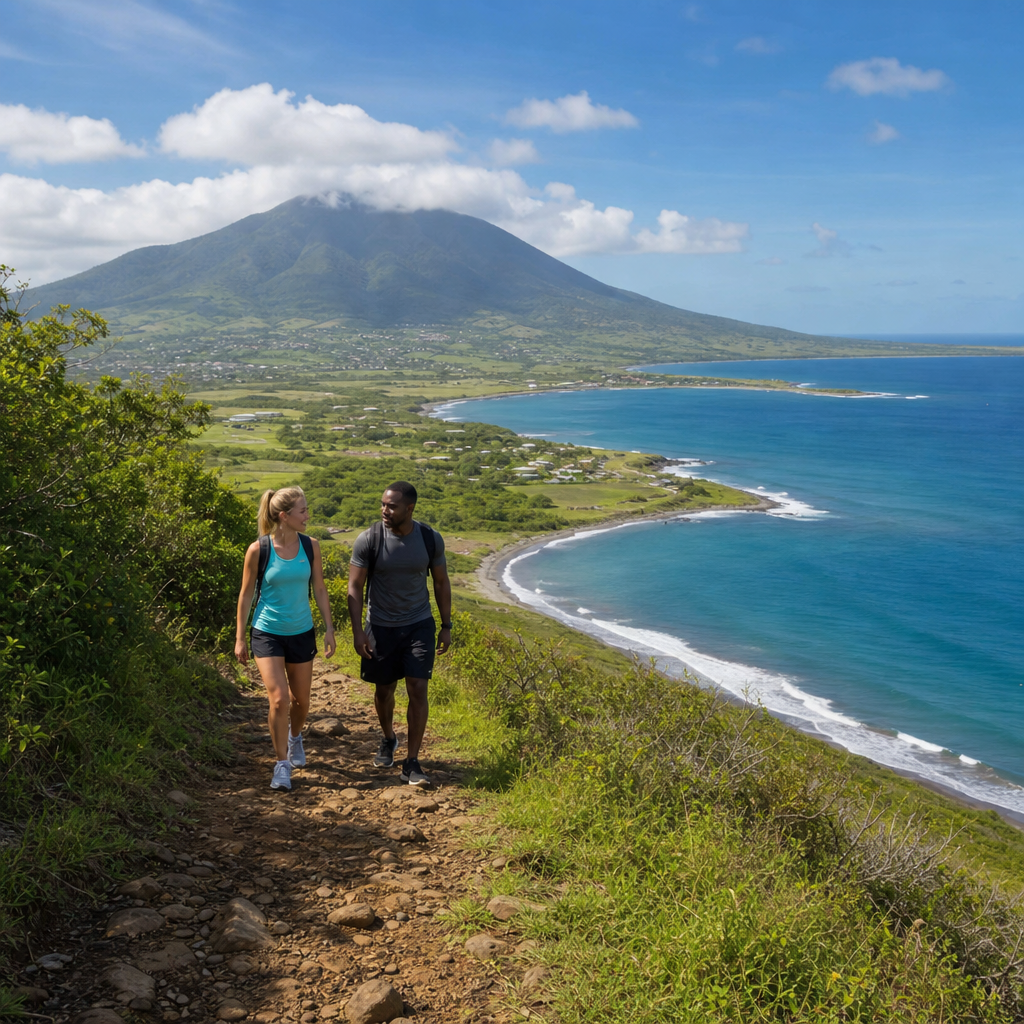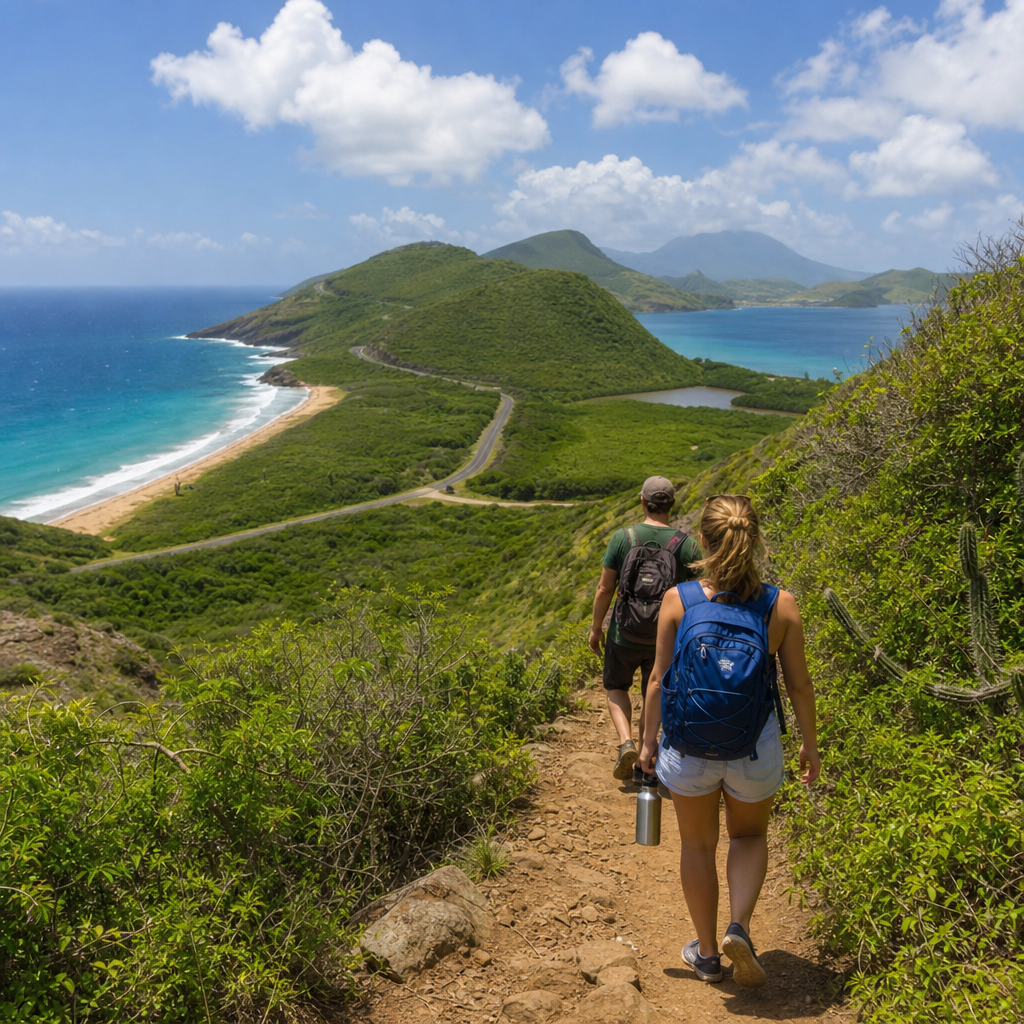
Hiking to Saint Kitts’ waterfalls is one of the island’s most rewarding outdoor experiences, combining rainforest trails, volcanic landscapes, hidden pools, and a close look at the natural side of a destination often known first for beaches and cruise arrivals. In Saint Kitts, “waterfalls” usually refers to a small group of seasonal and rain-fed cascades tucked into the island’s interior, reached by guided hikes through dense forest, former plantation land, and steep volcanic terrain. For travelers planning adventure and activities beyond the coast, this subject matters because it opens the door to nearly every miscellaneous land-based experience on the island: rainforest trekking, birdwatching, heritage walks, farm visits, off-road exploration, and village-based cultural stops. I have planned and evaluated island hiking days with local guides, and the pattern is consistent: visitors who make time for the interior leave with a deeper understanding of Saint Kitts than those who stay only around the port, resort, or beach bar circuit. The journey is not just about reaching falling water. It is about seeing how climate, geology, agriculture, and community shape the island, and how practical trip choices—timing, footwear, guide selection, trail expectations, and weather awareness—turn a scenic outing into a safe and memorable adventure.
Why waterfall hiking belongs on a Saint Kitts adventure itinerary
Saint Kitts is a compact Caribbean island, but its interior feels dramatically different from the coastline. The central highlands rise toward Mount Liamuiga, a stratovolcano standing about 1,156 meters, and those elevations create the moisture that feeds streams, gullies, and seasonal falls. Because of that geography, hiking to Saint Kitts’ waterfalls is more than a single activity; it is the hub experience that connects many “miscellaneous” adventures under one umbrella. On a typical waterfall route, hikers pass breadfruit, mango, bamboo, giant ferns, heliconia, and old stone features linked to the island’s sugar era. Along the way, guides often point out vervet monkeys, tropical birds, medicinal plants, and local farming plots. In one half-day outing, you get natural history, light heritage interpretation, and active exploration.
For trip planning, this matters because many visitors search for one excursion that feels authentic, active, and broadly representative of the island. A catamaran sail shows the coast. A beach day shows the shoreline. A waterfall hike reveals the interior systems that make Saint Kitts distinct. It also suits a wide range of travelers. Fit hikers can pair waterfall walks with the Mount Liamuiga climb, ATV riding, or ziplining. Casual explorers can choose shorter guided treks that focus on scenery and a cooling dip if conditions allow. Families often appreciate waterfall outings because the destination gives children a clear goal, while adults enjoy the educational side of the walk. If you are organizing an “Adventure and Activities” itinerary and need one anchor experience from the miscellaneous category, this is usually the strongest choice.
What to expect on the trail: terrain, difficulty, and timing
The first question most travelers ask is simple: are Saint Kitts waterfall hikes hard? The honest answer is that difficulty varies, but most waterfall walks are moderate rather than extreme, with conditions shaped more by mud, stream crossings, and humidity than by technical climbing. Trails are often uneven, with exposed roots, slick rocks, clay-like sections after rain, and stretches where you step from boulder to boulder in a ghaut, the local term for a ravine or watercourse. Distances may look short on paper, yet progress can be slow because tropical terrain demands balance and attention. Heat buildup is another factor. Even when the island is breezy on the coast, the forest can feel still and humid.
Timing is crucial. Morning departures are usually best because temperatures are lower, cloud buildup is lighter, and afternoon showers are more common later in the day. During wetter periods, waterfalls are more impressive, but the trail can be significantly muddier and the water stronger. In drier months, access can be easier, though some falls reduce to a trickle. That tradeoff should shape expectations. If your goal is the most dramatic cascade, accept messier footing. If your priority is a comfortable walk with steadier footing, choose a drier window and ask the guide which waterfall currently has the best flow.
Travelers coming from cruise ships need to pay particular attention to return timing. Saint Kitts excursions run efficiently, but independent hikers should build in buffer time for traffic near Basseterre and slower-than-expected trail conditions. In my experience, visitors underestimate changing pace in the rainforest. A trail that seems like a two-hour walk can become a three-hour outing after a rain shower, photo stops, and careful descents. Build that margin in from the start.
Common waterfall routes and how they compare
Not every guide uses the same names for every cascade, and seasonal flow can change which route is offered, but several experiences appear repeatedly in local adventure listings. The most commonly discussed options include rainforest waterfall walks in the central foothills, hikes tied to the Philip’s area, and custom treks that combine village access roads with stream-bed scrambling. Some operators also bundle waterfall stops with broader island eco-tours rather than marketing them as a stand-alone trek. That is why asking detailed questions before booking matters.
| Route type | Typical experience | Best for | Main caution |
|---|---|---|---|
| Short rainforest waterfall walk | Guided trail through lush vegetation to a small cascade or pool, usually half day | Families, cruise visitors, casual hikers | Can still be muddy and slippery after rain |
| Stream-bed and ghaut approach | Rock hopping, shallow water crossings, closer contact with the watercourse | Active travelers wanting a more adventurous feel | Footing can be unstable; shoes must grip well |
| Waterfall plus village or plantation stop | Mixed itinerary combining nature with heritage or food experiences | Visitors seeking a broader island overview | Less time at the waterfall itself |
| Extended interior hike | Longer trek with steeper climbs, sometimes linked to volcanic foothills | Experienced hikers and repeat visitors | Higher fatigue, heat load, and weather exposure |
The right choice depends on your group. If anyone is uneasy on slippery surfaces, do not let “easy” marketing language make the decision for you. Ask whether there are rope assists, how many river crossings are involved, whether children are common on the route, and what recent rainfall has done to conditions. A good guide will answer plainly and may steer you toward a better-matched hike. That honesty is a positive sign, not a sales failure.
How to prepare: clothing, gear, guides, and safety
Preparation makes the difference between an enjoyable waterfall hike and a frustrating one. Footwear is the first priority. Choose closed-toe trail shoes or light hiking shoes with aggressive grip. Flat-soled sneakers perform badly on wet rock and clay. Sandals are only appropriate if they are true adventure sandals with toe protection and strong traction, and even then they are not ideal on steeper routes. Wear moisture-wicking clothing that can handle brush and mud. A light long-sleeve layer helps with insects and scratches, while quick-dry shorts or hiking pants are more practical than cotton. Bring water in a hands-free pack if possible, plus a small dry bag for phone, passport copy, and car keys.
Guides are strongly recommended and often essential. Saint Kitts’ interior is not the place to rely casually on offline maps alone. Trailheads may begin on private land, route markings can be limited, and rainfall can alter the obvious path along streams. Local guides also add substantial value by reading the ground, identifying safe crossing points, and gauging whether pool conditions are suitable for entering. Reputable operators typically carry first-aid basics and maintain relationships with drivers or dispatch contacts if weather turns.
Safety on waterfall hikes comes down to three rules. First, respect weather. Tropical rain can arrive quickly, and narrow watercourses can rise faster than visitors expect. Second, move deliberately. Most minor injuries come from hurried footing on descent or while posing for photos on wet rock. Third, know your limits. If a climb-down feels beyond your comfort level, say so early. On guided hikes I have seen the best leaders normalize turning around, using alternate viewing points, or adjusting the route. That judgment keeps trips successful.
Beyond the waterfall: linking the hike to Saint Kitts’ wider miscellaneous adventures
A hub article should show how one activity connects to others, and waterfall hiking does that better than almost anything in Saint Kitts. Many of the island’s miscellaneous adventures fit naturally before or after a waterfall excursion. Visitors often pair a morning hike with a stop at Romney Manor and the Caribelle Batik gardens, where landscaped grounds and historical context add a softer counterpoint to the rugged trail. Others continue to Wingfield Estate, an important heritage site associated with old sugar infrastructure and nearby rainforest access. If your group enjoys wildlife, a waterfall hike often doubles as one of the better opportunities to see vervet monkeys away from busy roadside feeding points.
Food-focused travelers can connect the hike with village lunch stops or local rum tastings, turning an active morning into a fuller cultural day. Adventure-minded visitors may choose a land-and-sea combination, such as hiking inland one day and snorkeling or sailing another, to appreciate how quickly Saint Kitts shifts from mountain to reef environment. Photographers often use waterfall hikes as the basis for broader eco-itineraries because the trail delivers macro subjects like ferns, fungi, and insects, as well as wider landscape scenes when breaks in the canopy appear.
This is also where the miscellaneous label becomes useful. Some experiences do not fit neatly into “beach,” “history,” or “extreme adventure,” yet they enrich the trip: garden visits, farm encounters, railway viewpoints, artisan stops, birding sessions, and rural drives into the foothills. Waterfall hikes are the practical hub because they sit at the intersection of all those interests. If you are building internal trip plans for multiple personalities—one person wants nature, another wants culture, another wants photos—this is the day that can satisfy everyone with the fewest compromises.
Best practices for booking and protecting the landscape
Booking well starts with source quality. Choose operators with a clear safety process, local guide names or credentials, recent reviews mentioning current trail conditions, and transparent pickup logistics. If an excursion description promises guaranteed swimming in a waterfall pool year-round, treat that as a red flag. Water depth, current, and clarity change with rain. Responsible companies frame swimming as conditional, not automatic. It is also worth confirming group size. Smaller groups move faster, hear interpretation better, and create less trail congestion.
Environmental care matters on these hikes because tropical ecosystems are productive but fragile. Stay on the established path where one exists, avoid using sunscreen or insect repellent immediately before entering pools unless products are reef- and stream-safer, and pack out every item you bring in. Do not leave fruit peels; they are litter here too. Avoid loud music, which disrupts both wildlife and the experience of other hikers. If a guide says conditions make a particular waterfall inaccessible that day, accept the alternative plan. Cutting informal bypass routes around mud or scrambling onto unstable banks causes erosion and can damage stream vegetation.
The biggest takeaway is simple: hiking to Saint Kitts’ waterfalls offers one of the island’s richest adventure experiences because it combines scenery, exercise, ecology, and local insight in a single outing. It works as a stand-alone excursion, but it is even more valuable as the hub for the island’s miscellaneous activities, helping travelers connect rainforest walks, heritage sites, rural communities, and small-scale eco-adventures into one coherent picture of Saint Kitts. Plan with realistic expectations, wear proper shoes, book a knowledgeable guide, and treat weather as part of the experience rather than an inconvenience. Do that, and the reward is not only a beautiful waterfall at the end of the trail, but a stronger sense of the island itself. If you are building your Saint Kitts adventure itinerary, start with a waterfall hike and use it to shape the rest of your inland exploration.
Frequently Asked Questions
Are the waterfalls in Saint Kitts easy to reach, or do you need to hike to see them?
Most of Saint Kitts’ waterfalls are not roadside attractions, so seeing them usually requires a proper hike. Unlike destinations where a waterfall may sit just a few steps from a parking area, the cascades in Saint Kitts are typically hidden in the island’s lush interior and reached by following rainforest paths, old plantation routes, and sometimes steep, muddy volcanic terrain. That is part of what makes the experience so memorable: the journey through the landscape is just as important as the waterfall itself. Along the way, hikers often pass through dense tropical vegetation, hear birds and insects in the forest canopy, and get a stronger sense of the island beyond its beaches and port areas.
The difficulty can vary depending on recent weather, the specific route, and your fitness level. Some trails are manageable for active beginners, while others become much more demanding after rainfall because the ground turns slippery and streams can swell. In many cases, local guides lead visitors to seasonal or rain-fed falls that are not always clearly marked, which helps with both safety and navigation. If you are expecting a short, casual stroll, the hike may feel more rugged than anticipated, but for travelers who enjoy nature and light adventure, it is one of the most rewarding outdoor activities on Saint Kitts.
Do you need a guide to hike to Saint Kitts’ waterfalls?
Hiring a guide is strongly recommended and, for many visitors, it is the smartest way to experience Saint Kitts’ waterfalls. Trails into the island’s interior can be confusing, especially for first-time visitors unfamiliar with the terrain, weather patterns, or trail conditions. Because many of the waterfalls are seasonal and tucked deep within rainforest and volcanic landscapes, they are not always easy to locate using standard maps or navigation apps. A knowledgeable guide can lead you along the safest route, adjust the pace to the group, and help avoid wrong turns or unnecessary risks on steep, muddy sections.
Guides also add valuable context that you would likely miss on your own. They often explain the island’s ecology, point out native plants, describe the volcanic history that shaped the terrain, and share insight into former plantation lands and rural communities near the trail areas. In practical terms, guides know how rainfall affects conditions, whether a waterfall is likely to be flowing well, and which routes are best on a given day. For travelers visiting Saint Kitts on a limited schedule, especially cruise passengers or those without a rental car, booking a guided waterfall hike can make the entire outing more efficient, more informative, and far more enjoyable.
What should you bring for a waterfall hike in Saint Kitts?
Preparation matters more than many travelers expect. A waterfall hike in Saint Kitts is not just a sightseeing stop; it is an active outdoor excursion in a warm, humid environment where trails can be uneven, muddy, and slippery. The most important item is sturdy footwear with good traction. Hiking shoes or trail shoes are ideal, and some hikers prefer sandals designed for wet terrain if they expect to wade through streams. Lightweight, breathable clothing is best, and because conditions can change quickly in the rainforest, it is wise to bring a light rain jacket or quick-dry layer.
You should also carry water, insect repellent, sunscreen for exposed sections, and a small backpack to keep your hands free. A waterproof phone pouch or dry bag is useful if you want to protect electronics near pools or stream crossings. If swimming is allowed and conditions are safe, you may want a swimsuit and a towel, though you should never assume every waterfall area is suitable for bathing. Snacks can be helpful on longer hikes, especially if the route includes sustained climbs. Finally, bring a realistic mindset: this is a nature experience, not a manicured attraction. Expect roots, rocks, humidity, and changing trail conditions, and you will be much better prepared to enjoy the adventure.
Are Saint Kitts’ waterfalls worth visiting if you are already going for beaches and resorts?
Absolutely. One of the best reasons to hike to a waterfall in Saint Kitts is that it reveals a completely different side of the island. Many travelers first picture Saint Kitts in terms of beaches, cruise arrivals, scenic coastline, and resort relaxation, but the island’s interior is dramatic, green, and deeply tied to its volcanic origins. A waterfall hike introduces you to rainforest ecosystems, mountain slopes, hidden pools, and quieter landscapes that many visitors never see. It adds depth to a trip and creates a stronger connection to the island’s natural character.
For travelers who like to balance downtime with exploration, waterfall hiking is an ideal contrast to a beach day. Instead of spending the entire trip near the shore, you get to experience Saint Kitts as an active destination with rich terrain and a sense of discovery. Even if the waterfall itself is modest compared with larger cascades elsewhere in the Caribbean or Latin America, the overall excursion is often the real highlight. The combination of forest, elevation, wildlife sounds, local knowledge, and the reward of reaching a secluded cascade makes the outing feel authentic and memorable. In short, if you want more than a resort-based vacation, hiking to a waterfall is very much worth your time.
When is the best time to hike to the waterfalls in Saint Kitts?
The best time depends on what kind of experience you want, but in general, a period with some recent rainfall offers the best chance of seeing the waterfalls flowing well. Because many of Saint Kitts’ cascades are seasonal or rain-fed rather than massive year-round torrents, water volume can vary significantly. After wetter stretches, the falls tend to be more impressive, the surrounding vegetation is especially lush, and the rainforest feels vibrant. However, the trade-off is that trails may also be muddier, steeper sections more slippery, and stream crossings more challenging. That is why many travelers prefer to go with a local guide who understands current conditions.
Morning is often the best time of day for a hike, especially in Saint Kitts’ tropical climate. Starting early can mean cooler temperatures, better energy levels, and more stable weather before afternoon showers develop. If you are visiting during the wetter part of the year, flexibility is important, since heavy rain can affect trail safety and visibility. During drier periods, hiking may be easier underfoot, but the waterfalls can be less dramatic if there has not been enough recent rain. The ideal approach is to check current local conditions shortly before your trip and choose a day when the balance between water flow and trail safety is most favorable.