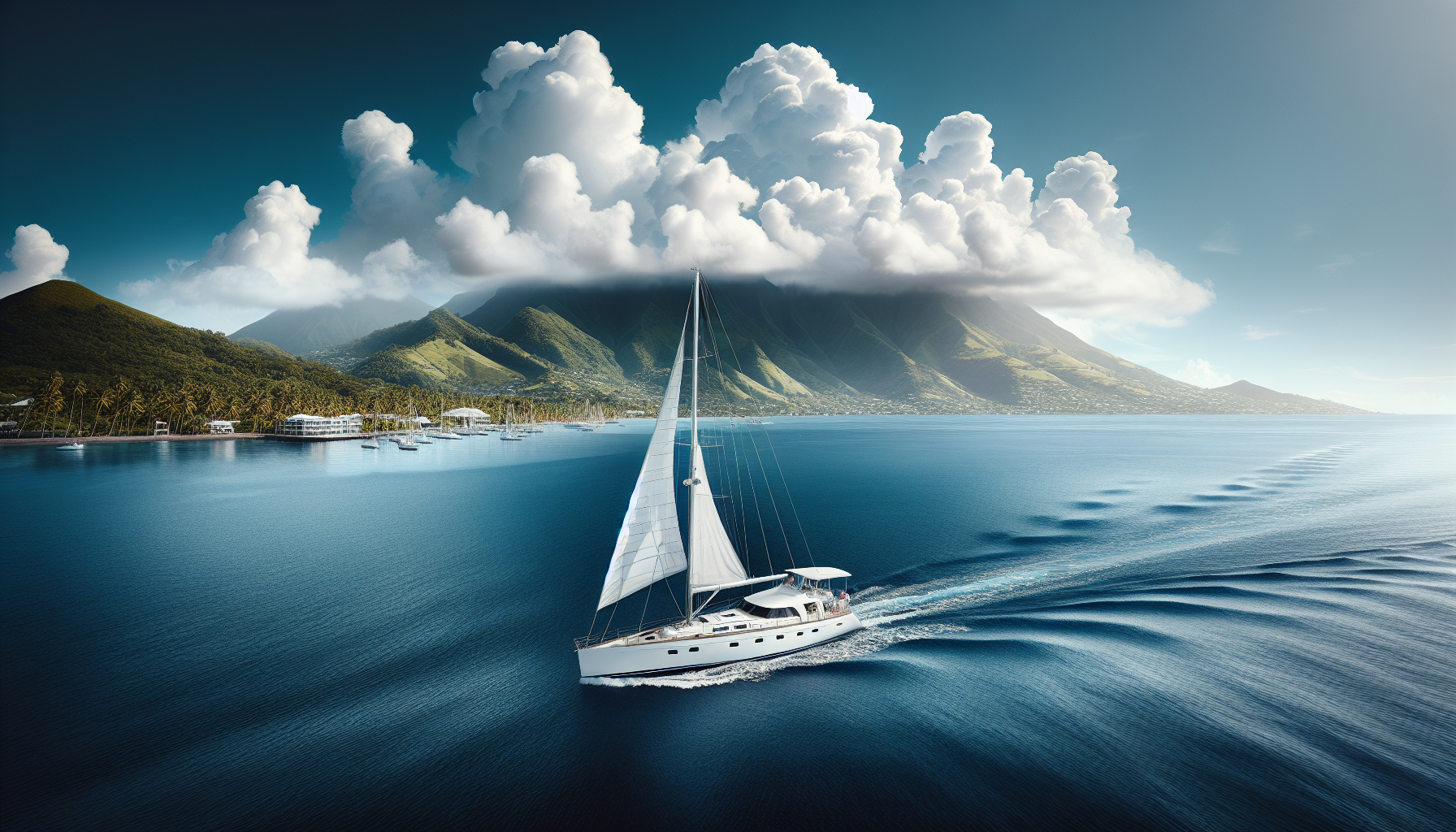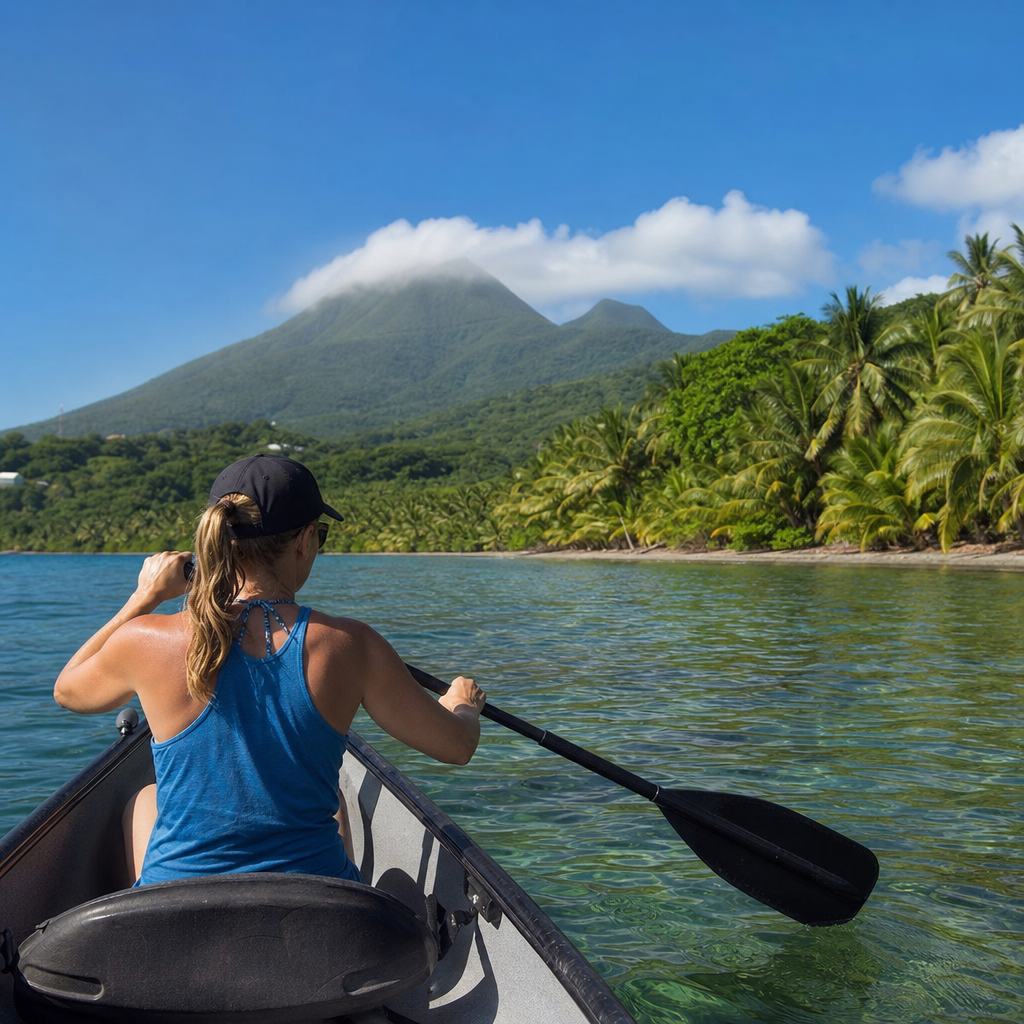
Canoeing in Nevis turns a simple paddle into a close reading of the island itself, where volcanic slopes, coral-fringed shores, mangrove edges, and calm Caribbean water meet in a setting that rewards patience more than speed. In practical terms, canoeing in Nevis includes guided sea canoe trips along the leeward coast, sheltered paddles near beaches and inlets, wildlife-focused excursions, family-friendly outings, and training sessions for visitors who want to build confidence before venturing farther from shore. As the miscellaneous hub within the wider Adventure and Activities category, this guide brings together the full landscape of what paddling on Nevis involves: where to go, what to expect, what gear matters, how weather shapes each outing, which skills improve safety, and how canoeing connects with snorkeling, hiking, cultural tours, and sustainable travel.
I have planned paddling days in the eastern Caribbean where conditions looked easy from the beach but changed quickly outside the reef line, and Nevis consistently stands out because its best canoe experiences depend on reading local patterns rather than chasing distance. The island is compact, but that does not mean every shoreline is equally suitable. Wind exposure, shore break, tidal movement, boat traffic, and landing access all matter. For travelers comparing things to do in Nevis, canoeing deserves attention because it offers something many land activities cannot: a low-impact, immersive way to experience the island’s geography at water level. You see pelicans working the surface, notice changes in seabed color that reveal sand versus seagrass, and understand how beach bars, fishing grounds, and old coastal estates sit in relation to one another. That perspective is why canoeing in Nevis is more than a casual beach activity; it is one of the most revealing ways to explore the island.
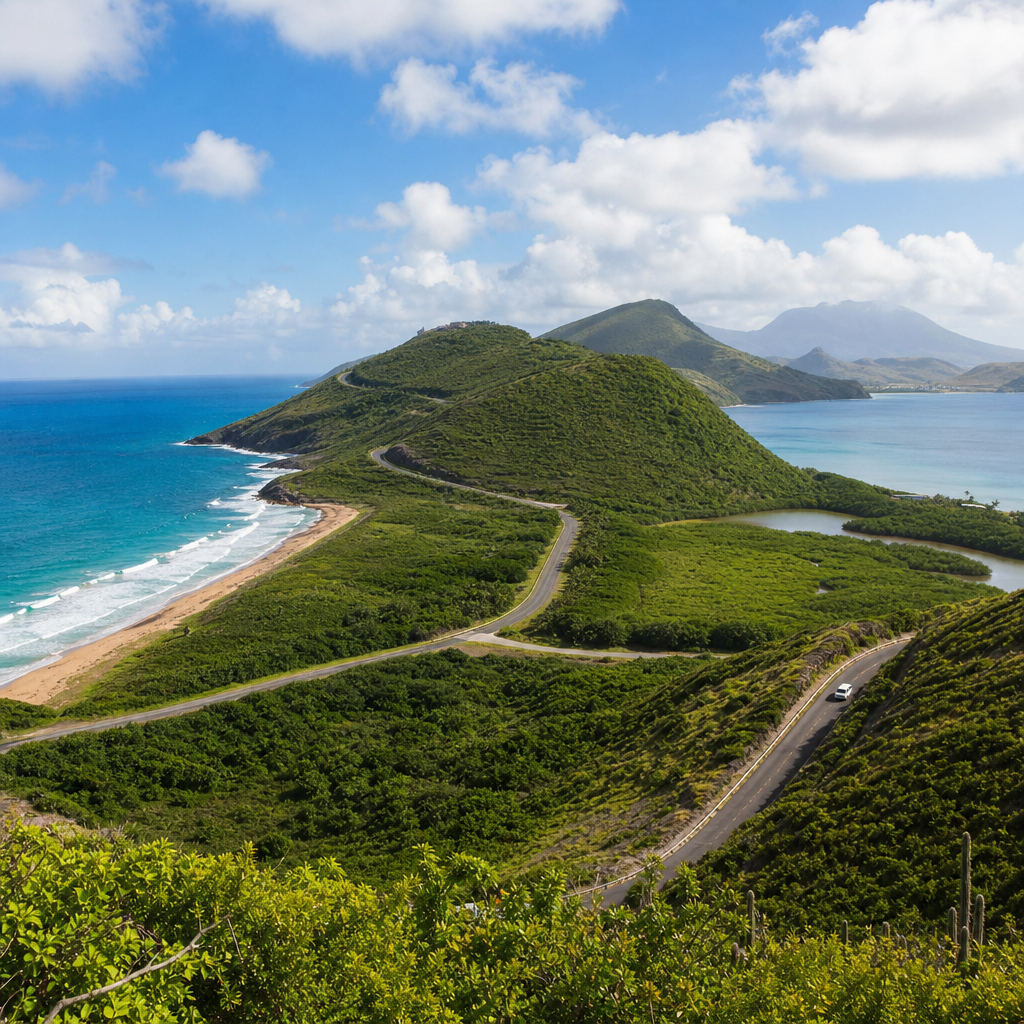
Nevis lies in the Leeward Islands of the West Indies, paired politically with Saint Kitts but distinct in mood, scale, and pace. Nevis Peak dominates the center, and the island’s circular shape means conditions vary around the coast. The western side, facing Saint Kitts across The Narrows, is typically calmer and more accessible for recreational paddlers. That side is where most beginner-friendly canoeing in Nevis happens, particularly near Pinney’s Beach and other protected stretches where launch logistics are simple and recovery is easy if weather changes. By contrast, more exposed Atlantic-facing areas can be scenic but require stronger judgment. Understanding this geography is the foundation of a good paddling plan, whether you book a guided session or organize your own route through a hotel, watersports provider, or local guide.
This hub article also matters because visitors often search broadly for “water sports in Nevis,” “things to do in Nevis,” or “best Nevis excursions” without realizing canoeing can be tailored to nearly every travel style. Couples can choose a sunrise paddle with a beach breakfast. Families can stay in waist-to-chest-deep nearshore water with wide, stable canoes. Birders can focus on quiet shoreline observation. Active travelers can combine a morning paddle with an afternoon rainforest hike. Photographers can use the soft light and reflective sea on the west coast for shoreline landscape work. In short, canoeing in Nevis is versatile, accessible, and far richer than the word miscellaneous suggests. It functions as a hub activity because it links nature, fitness, local knowledge, and coastal culture in one experience.
Why Nevis Is Ideal for Canoeing
The strongest argument for canoeing in Nevis is the combination of manageable scale and ecological variety. You are not dealing with a massive island where transfers consume half the day. Most accommodations, especially around Charlestown and Pinney’s Beach, sit within easy reach of launch points. The leeward coast often offers comparatively calm water in the morning, with views across to Saint Kitts and back toward Nevis Peak. That pairing of mountain backdrop and workable paddling conditions is unusual. On many Caribbean islands, the most scenic coast is also the most wind-exposed. In Nevis, some of the most visually rewarding stretches are also among the most practical for half-day recreational canoeing.
Another advantage is diversity at short range. During a single outing, paddlers may move from sandy beachfront to rocky sections, pass over seagrass beds, and encounter frigatebirds, pelicans, rays, or juvenile fish in clear shallows. Water clarity varies with swell and runoff, but on good days the sea acts like glass near shore. That makes Nevis especially appealing for travelers who want soft adventure rather than high adrenaline. The physical effort is real, yet the experience remains approachable. Even beginners can learn basic forward strokes, turning, and entry technique within a short briefing, then enjoy meaningful exploration rather than staying confined to a tiny marked area.
Nevis also benefits from a tourism profile that remains lower-key than many regional hotspots. Beaches are rarely crowded in the way more built-up destinations can be. That reduced congestion improves the canoeing experience because paddlers spend less time negotiating around rental jet skis, swim zones packed with guests, or heavy excursion traffic. The mood is quieter, and that quiet is a genuine asset on the water. You hear paddle drip, bird calls, and wave texture instead of constant engine noise. For travelers seeking a more grounded, less commercial Caribbean activity, canoeing fits Nevis particularly well.
Best Places and Conditions for Paddling
Most visitors should begin on the west and southwest coasts. Pinney’s Beach is the obvious reference point because of its accessibility, long shoreline, and proximity to hotels, beach clubs, and rental operators. From there, paddlers can work parallel to shore in relatively protected water, adjusting distance to match confidence and weather. Cades Bay is another worthwhile area, often appreciated for its calmer feel and strong sunset light. Oualie Beach, near the northern side of the leeward coast, has long been associated with watersports and provides useful access for paddlers who want views across The Narrows. Each location has a distinct feel, but all reward early starts, when wind is typically lighter and the sea surface smoother.
Season and time of day matter more than many first-time visitors expect. The Caribbean dry season, generally from December through April, often brings the most predictable beach conditions, though local wind events still occur. The wetter months can still offer excellent paddling windows, especially in the morning, but squalls and reduced visibility may require more caution. I advise travelers to think less in terms of “best month” and more in terms of “best launch window.” Ask operators about the previous week’s pattern, not just the forecast. Trade winds, swell direction, and cloud buildup can alter a route significantly. A beach that looks sheltered at 8 a.m. may feel choppy by late morning.
Beginners should favor short out-and-back routes near a known landing point. Intermediate paddlers can explore longer shoreline segments, but open crossings should be attempted only with local guidance, proper equipment, and a realistic understanding of current and rescue options. The water around Nevis is beautiful, not harmless. Distances can look deceptively short across clear tropical sea. The safest paddlers remain conservative.
| Area | Why Paddlers Choose It | Best For | Key Watchouts |
|---|---|---|---|
| Pinney’s Beach | Easy launches, long shoreline, nearby services | Beginners, families, sunrise paddles | Afternoon chop, occasional boat activity |
| Oualie Beach | Classic watersports base, scenic channel views | Guided trips, mixed-skill groups | Wind funneling through The Narrows |
| Cades Bay | Relaxed atmosphere, rewarding coastal scenery | Couples, photographers, quiet outings | Variable landing conditions after weather changes |
| Charlestown vicinity | Convenient access near town and heritage sites | Short excursions linked to cultural touring | Marine traffic and less consistent calm water |
What to Expect on a Guided Canoe Excursion
A well-run canoe excursion in Nevis usually begins with a shoreline briefing covering paddle grip, forward stroke mechanics, turning strokes, launch timing, and what to do if the canoe drifts broadside in small surf. Good guides also explain the day’s route in plain language: how far you are going, where you may stop, what wind may do later, and when the group will turn back. That clarity matters. It is one of the easiest ways to distinguish a professional operator from one simply renting equipment on a nice beach.
On the water, guides often pace the trip for the least experienced participants, which is appropriate for mixed groups. Expect regular pauses for interpretation rather than nonstop movement. A quality guide points out seabirds, shoreline plants, fishing markers, reef edges, and historical features. In Nevis, the best tours use the paddle as a platform for understanding the island, not just for exercise. Some excursions also layer in snorkeling, beach refreshments, or a stop near a coastal restaurant. Those combinations are useful for travelers building a half-day itinerary and wanting one booking to cover several interests.
Private trips are worth considering if you value photography, birding, or a quieter pace. In my experience, private guiding often produces a better canoeing day because the route can adapt to weather and skill level more precisely. A guide may choose a more sheltered launch, shorten the mileage, or linger in a productive wildlife area. Group tours remain cost-effective and social, but custom trips create more room for learning and safer decision-making when conditions are marginal.
Gear, Skills, and Safety That Actually Matter
The most useful canoeing equipment in Nevis is not elaborate. You need a properly fitted personal flotation device, a paddle sized to the paddler, water shoes or secure sandals, sun-protective clothing, drinking water, and a dry bag for essentials. On bright Caribbean water, a long-sleeve rash guard and hat are often more important than visitors realize. Reflection from the sea intensifies sun exposure even on partly cloudy days. Reef-safe sunscreen helps, but physical coverage is more reliable over several hours.
Skill-wise, three basics matter most: paddling forward efficiently, turning without overcorrecting, and entering or exiting the canoe without destabilizing it. Beginners tend to grip too tightly and paddle too high, wasting energy. A calmer, shorter stroke usually works better in nearshore conditions. Safety also depends on route discipline. Stay within the plan, maintain visual contact with companions, and avoid assuming you can “just cut across” if the group feels slow. Separation happens quickly when wind pushes the bow off line.
Check whether the operator carries communication equipment, first-aid supplies, and a clear emergency procedure. Reputable watersports providers should discuss weather cancellation without hesitation. If a business pressures you onto the water in obviously poor conditions, that is a red flag. Standards used across paddlesports, including fitted buoyancy aids, float plans, and conservative weather calls, are not bureaucratic extras; they are what make a relaxing excursion possible.
How Canoeing Connects to the Rest of Nevis
As a hub activity under Adventure and Activities, canoeing in Nevis works best when travelers see it as part of a wider island plan. A morning paddle pairs naturally with snorkeling because nearshore orientation helps you understand where clearer water and marine life are likely later in the day. It also complements hiking. After viewing the coast from sea level, the ascent toward rainforest trails or Nevis Peak gives a striking sense of elevation and landform. The island feels more coherent when you experience it from both water and mountain.
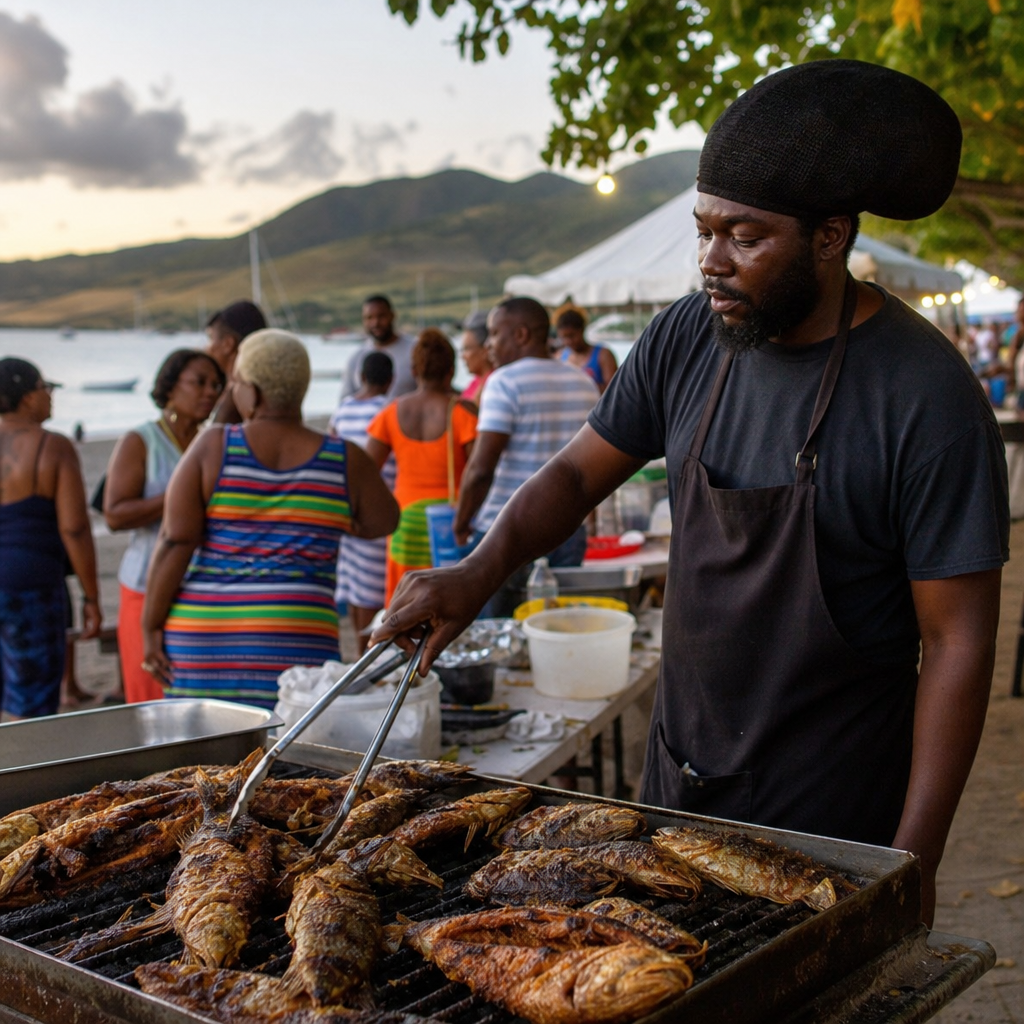
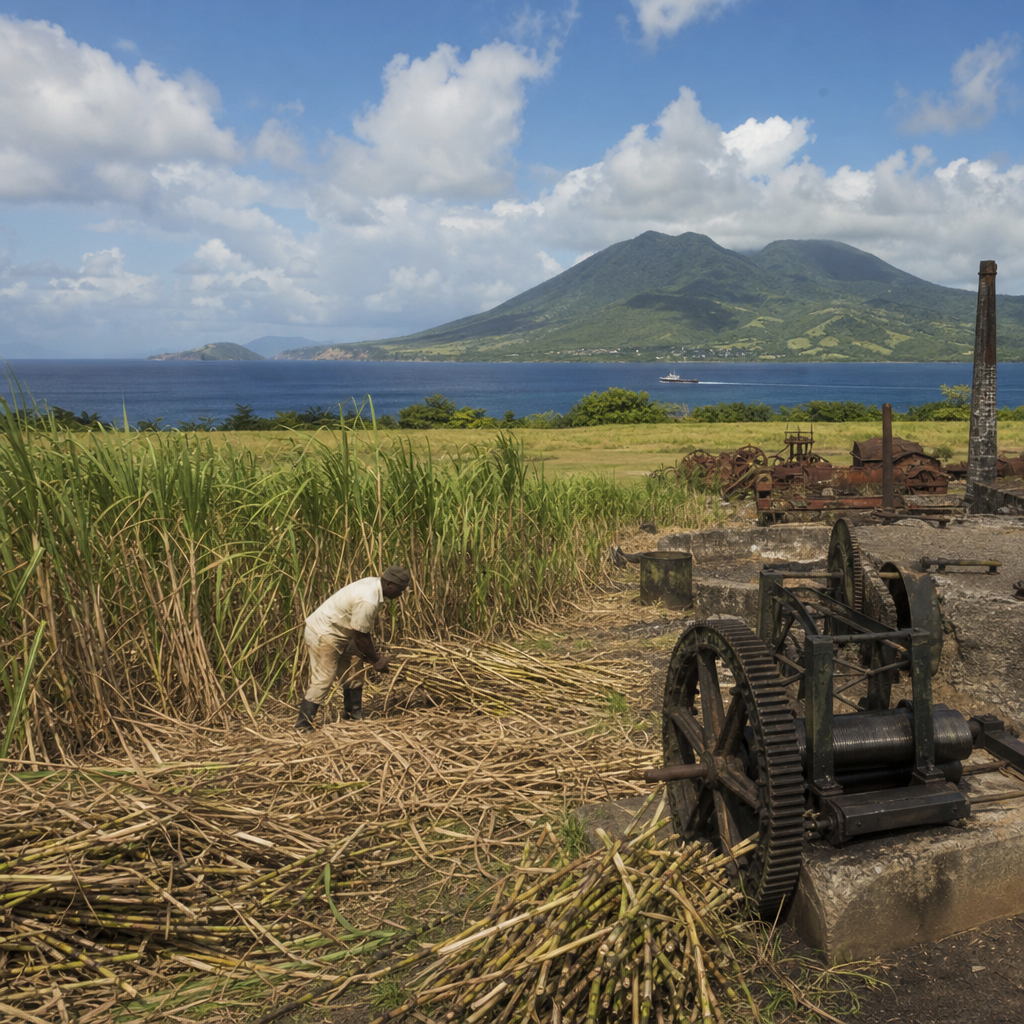
Canoeing also connects with heritage and food experiences. Launch near Charlestown or along the western coast, then follow with visits to plantation inns, the Museum of Nevis History, or local restaurants serving grilled fish, johnny cakes, and Caribbean sides. That sequence turns an outing into a fuller travel day rather than an isolated activity slot. For families, canoeing can anchor a balanced itinerary because it is active without being exhausting, educational without feeling formal, and scenic without requiring technical expertise.
There is also a sustainability argument. Compared with fuel-intensive excursions, canoeing has a light operational footprint and encourages respectful wildlife observation at low speed. That does not make every trip automatically sustainable; poor shoreline behavior, litter, or wildlife disturbance still cause harm. But when managed well, canoeing supports the kind of low-impact tourism that suits Nevis. Visitors leave with a closer understanding of the coast, and local guides can interpret why mangroves, reefs, and seagrass beds deserve protection.
Planning Your Trip and Getting the Most from It
Book canoeing in Nevis early in your stay, not on the final day. That gives you flexibility to move the trip if wind or rain interrupts the plan. Morning departures are usually best. Ask specifically about launch location, total time on the water, age minimums, weight considerations, sun exposure, and whether the trip is suitable for complete beginners. If you have shoulder issues, limited mobility, or children who tire easily, say so upfront. The right operator will adjust expectations honestly.
Bring less than you think you need, but bring the right things. Secure hydration, eye protection on a retainer, and waterproof phone storage are sensible. Avoid loose flip-flops, oversized beach bags, and valuables that do not need to come. If photography is a priority, use a floating strap or a compact waterproof camera. Most importantly, stay adaptable. The best canoeing days in Nevis come from working with the island’s rhythms rather than imposing a rigid schedule. When the sea is calm, launch early. When conditions shift, change plans and explore inland.
Canoeing in Nevis delivers exactly what many travelers hope the Caribbean still offers: beauty without excess noise, activity without manufactured intensity, and access to landscapes that feel intimate rather than staged. Start with a guided paddle on the calmer leeward coast, learn the local weather pattern, and treat safety as part of the experience, not a separate concern. From there, build outward into snorkeling, hiking, heritage sites, and coastal dining. The result is not just a pleasant excursion but a sharper understanding of Nevis itself. If you are planning your Adventure and Activities itinerary, put canoeing near the top, choose a reputable local operator, and reserve a morning on the water.
Frequently Asked Questions
What makes canoeing in Nevis different from other Caribbean paddling destinations?
Canoeing in Nevis stands out because the experience is shaped as much by the island’s character as by the water itself. Nevis is compact, visually dramatic, and less hurried than many larger Caribbean destinations, which makes paddling here feel personal and immersive rather than crowded or overly commercial. As you move along the coast, you are not just looking at scenery from a distance—you are reading the island at water level, taking in the rise of volcanic slopes, the changing color of shallow coastal water, coral-fringed sections of shoreline, quiet beaches, and pockets of mangrove habitat that support birds and marine life.
Another major difference is the variety of paddling styles available within a relatively small area. Visitors can choose guided sea canoe trips along the calmer leeward coast, short sheltered outings near beaches and inlets, family-focused excursions designed for beginners, or wildlife-oriented paddles that emphasize observation and interpretation. Conditions often reward patience, balance, and awareness more than athletic speed, so the experience appeals to travelers who want connection, discovery, and steady movement rather than adrenaline. For many people, that slower rhythm becomes the highlight: canoeing in Nevis offers a rare chance to experience the Caribbean not from a road, resort, or tour boat, but quietly and directly from the surface of the sea.
Is canoeing in Nevis suitable for beginners and families?
Yes, in many cases canoeing in Nevis is very suitable for beginners and families, especially when you choose the right location, weather window, and guide. The island offers sheltered paddling areas near beaches and inlets where water can be calm and manageable, making these routes ideal for first-time paddlers, couples, and families with older children. Many operators also offer introductory sessions that cover core techniques such as how to hold the paddle, basic forward strokes, turning, stopping, entering and exiting the canoe, and staying balanced in light coastal conditions. That kind of preparation can make a significant difference in comfort and confidence.
Guided outings are usually the best choice for less experienced visitors because local guides understand the coastline, changing marine conditions, and the easiest routes for different skill levels. They can select launch points with gentler water, keep the pace relaxed, and build in rest stops so the trip remains enjoyable rather than tiring. Families also benefit from having a guide set expectations clearly about safety, sun protection, hydration, and what children can realistically handle. While not every day is right for novice paddlers—wind, swell, and current always matter—Nevis is well suited to beginner-friendly canoeing when trips are planned responsibly. If you are unsure of your ability, asking for a training session before a longer excursion is a smart and common step.
What can you expect to see while canoeing around Nevis?
One of the greatest rewards of canoeing in Nevis is the level of detail you notice once you slow down and travel close to shore. Depending on the route, time of day, and sea conditions, paddlers may see sandy beaches, rocky points, coral-fringed shallows, and mangrove edges that create nursery habitat for marine species. The leeward coast is especially appealing for scenic paddles because it often combines calmer water with expansive coastal views, including the island’s lush volcanic interior rising behind the shoreline. This contrast between mountain and sea is one of Nevis’s signature landscapes.
Wildlife sightings can also be a memorable part of the experience. Birds are commonly observed around shoreline vegetation and quiet coastal stretches, and guides may point out habitat patterns that casual visitors would otherwise miss. In clear water, paddlers may spot fish moving over shallow areas, and in certain locations they may notice signs of healthy marine ecosystems associated with reefs and seagrass zones. It is important to approach these moments with patience and respect rather than expectation; wildlife is never guaranteed, but the chances of meaningful observation improve when the group moves quietly and avoids sudden movement. Beyond specific sightings, what most visitors remember is the sense of perspective: canoeing reveals how the island’s geology, coast, and ecosystems connect in one continuous landscape.
What should you bring and wear for a canoeing trip in Nevis?
For canoeing in Nevis, the best approach is to dress for sun, water, and comfort. Lightweight clothing that dries quickly is ideal, and many paddlers prefer a rash guard or breathable long-sleeved top for added sun protection. Swimwear works well underneath, and footwear should be secure and suitable for wet entry points—water shoes or sport sandals with good grip are usually better choices than flip-flops. Because Caribbean sun can be intense even on cloudy days, a hat, sunglasses with a retention strap, and reef-safe sunscreen are strongly recommended. Bringing enough drinking water is essential, especially on warmer days or longer excursions.
You may also want to pack a small dry bag with a phone case, towel, light snack, and any personal items you do not want exposed to saltwater. If you plan to take photos, ask your guide in advance what is practical and safe to carry. Most reputable operators provide core safety equipment such as life jackets and may also supply paddles, basic instruction, and route-specific briefings. The key is not to overpack; a canoe trip is more comfortable when you bring only what you truly need. If you are booking a guided excursion, it is always wise to confirm the trip length, launch conditions, and included gear beforehand so you arrive properly prepared for the setting and the expected level of effort.
Do you need a guide for canoeing in Nevis, or can you paddle independently?
Whether you need a guide depends on your experience, your understanding of local marine conditions, and the kind of trip you want. For most visitors, especially first-timers and occasional paddlers, a guide is the better option. Guided canoe trips in Nevis offer more than simple route leadership: they add local knowledge, practical safety judgment, and interpretation of the landscape. A good guide can explain why one section of coast is sheltered while another is exposed, identify wildlife habitat, help you refine your paddling technique, and choose launch and return times that align with tides, wind, and changing sea state. That expertise makes the outing both safer and more rewarding.
Independent paddling may be suitable for confident, experienced canoeists who are comfortable assessing open-water variables and managing coastal navigation. Even then, local advice remains important, because island conditions can shift quickly and some stretches are better suited to certain skill levels than others. Visitors who hope to paddle on their own should be realistic about endurance, weather awareness, sun exposure, and rescue limitations. In practical terms, many travelers find that starting with a guided outing or training session is the smartest approach. It allows you to learn the water, understand the island’s paddling environment, and decide whether a future independent excursion is appropriate. In Nevis, good judgment is part of the experience, and the best trips are the ones planned with respect for both the beauty and the variability of the sea.