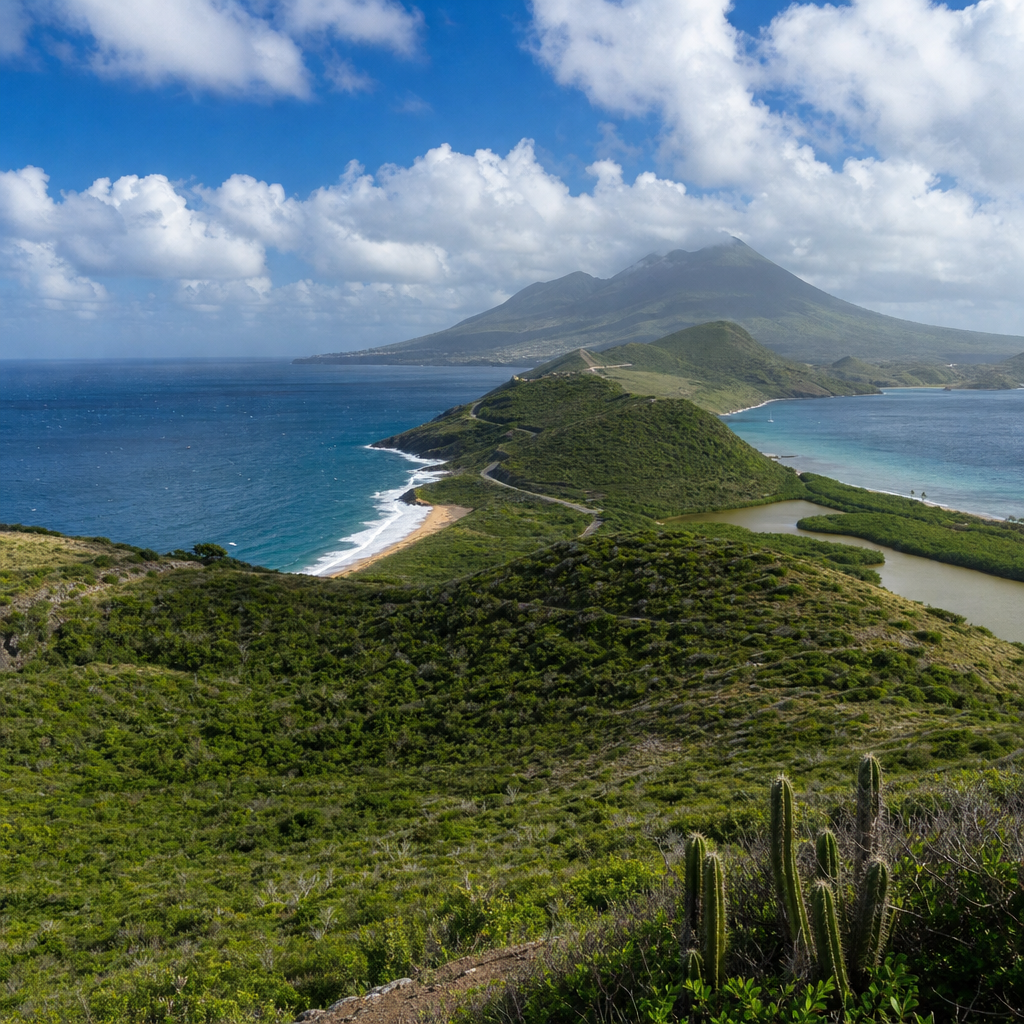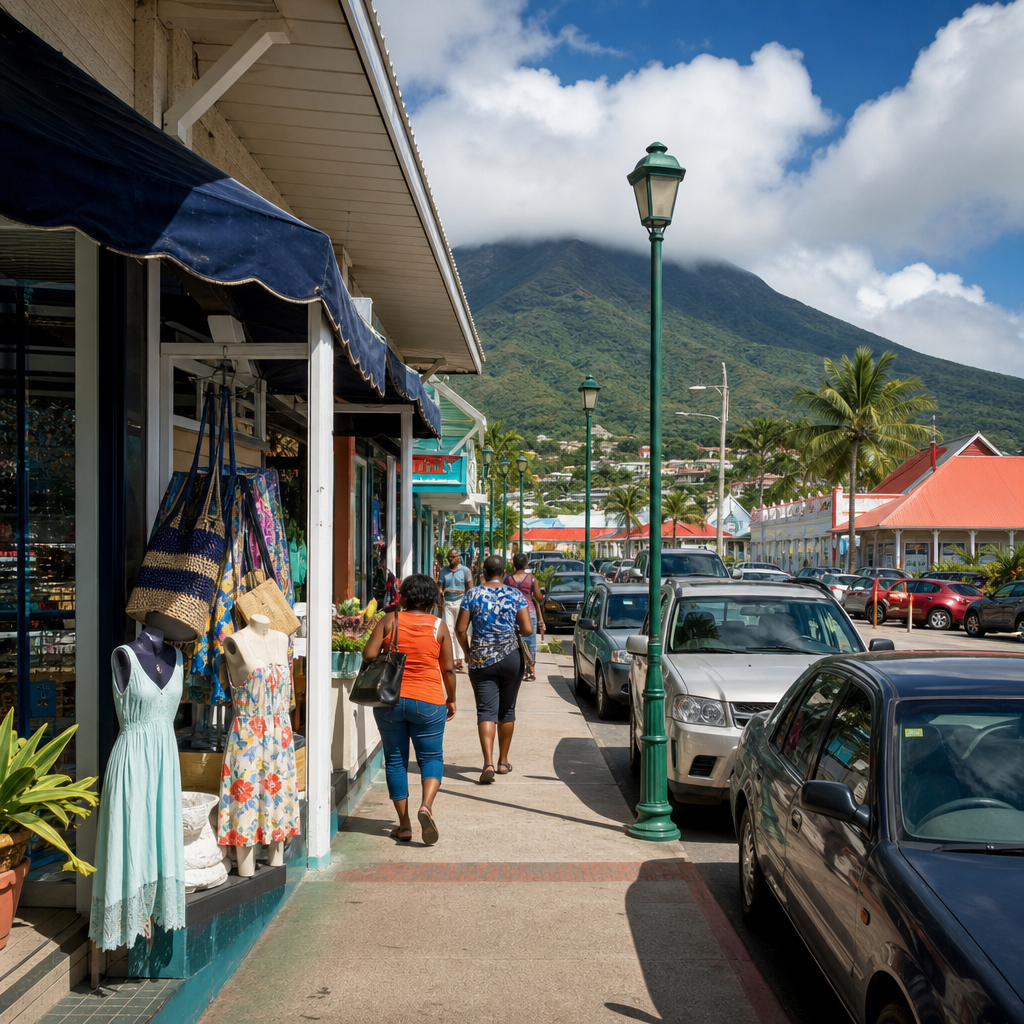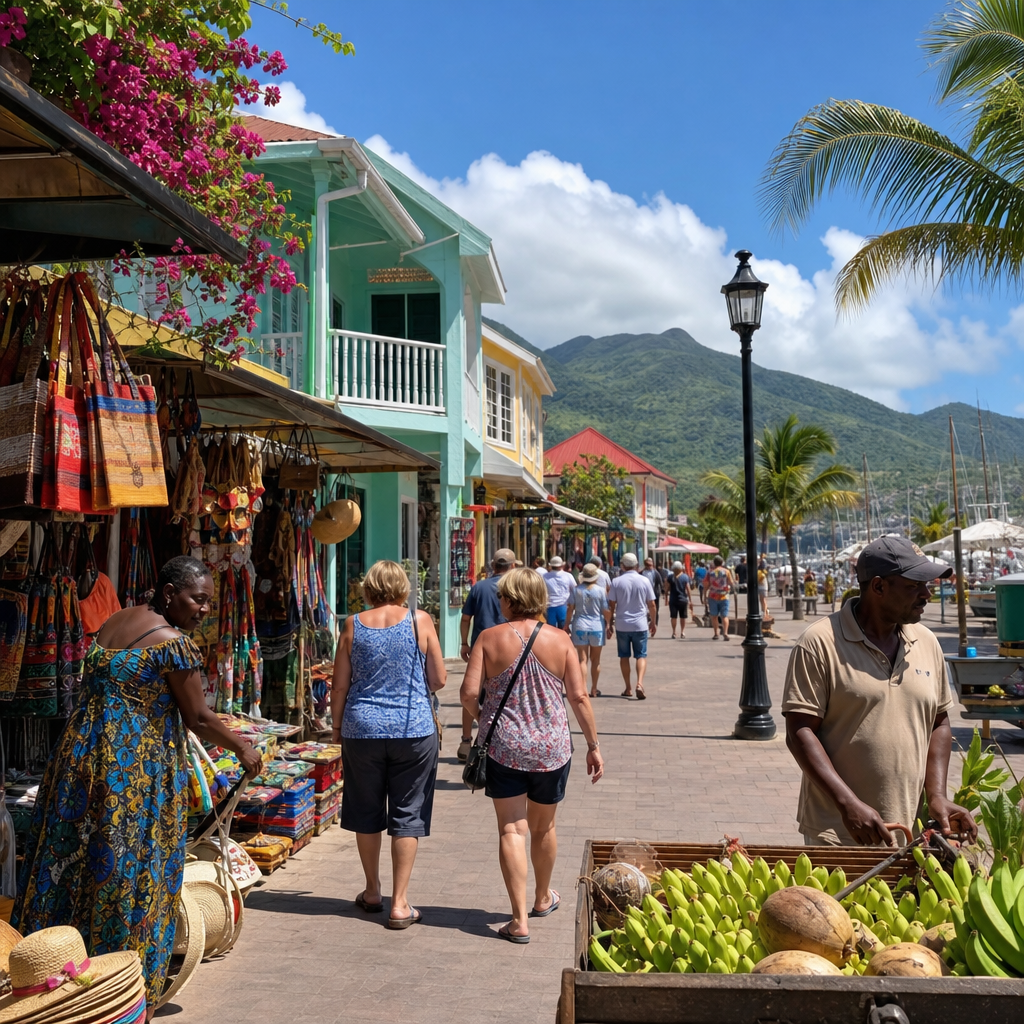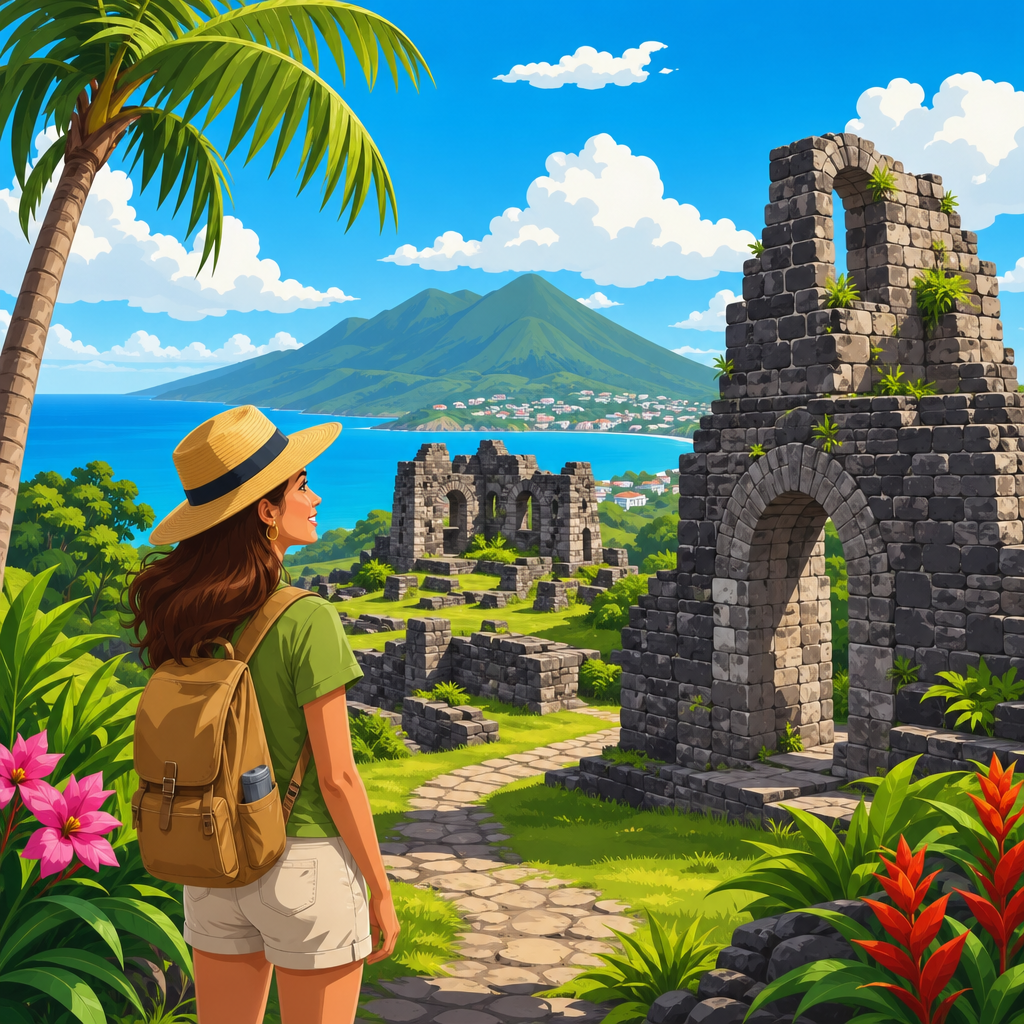
Exploring historical ruins in Nevis reveals a small Caribbean island layered with colonial ambition, plantation wealth, enslavement, resistance, faith, disaster, and renewal. For travelers focused on adventure and activities, these sites offer more than quiet stone walls. They create a way to hike, photograph, interpret landscapes, and understand how Nevis developed from a strategic sugar colony into a modern destination with a deep cultural memory. Historical ruins in Nevis include plantation great houses, sugar mills, churches, forts, estate outbuildings, cemeteries, and civic remnants shaped by earthquakes, hurricanes, neglect, and time. The term “ruins” matters here because many sites are not restored museum pieces. They are fragments in place, often surrounded by grazing land, forest edges, village roads, and dramatic coastal views.
I have found that Nevis rewards slow exploration. Distances are short, but the history is dense. A morning walk can connect a ruined windmill to a former estate road, then to a churchyard where families still remember names carved into weathered stone. That combination of movement and meaning is what makes this topic important for visitors planning things to do beyond beaches. Ruin visits fit naturally into hiking itineraries, heritage drives, photography outings, and guided island tours. They also serve as an entry point to larger questions: How did sugar transform land use? Why do so many structures sit on elevated ground? What happened after slavery ended? Why do some sites survive only as foundations while others still stand several stories high? Answering those questions makes every excursion more rewarding and turns this hub into a practical starting point for deeper articles across the miscellaneous heritage category.
Why Nevis has so many ruins
Nevis became one of the early centers of British sugar production in the eastern Caribbean during the seventeenth and eighteenth centuries. Sugar estates required expensive infrastructure: mills to crush cane, boiling houses to process juice, curing houses to dry sugar, lime kilns, animal pens, storage rooms, owner residences, and worker settlements. Because profits could be high, landowners built in stone wherever possible, especially for mills and principal houses. Those choices explain why estate ruins remain visible today. Even when roofs collapsed and timber disappeared, masonry walls, arches, chimneys, cisterns, and mill towers endured.
Natural forces accelerated the island’s transformation into a landscape of ruins. Nevis sits in a seismic zone and has suffered damaging earthquakes, while hurricanes repeatedly stripped roofs and weakened structures. Economic shifts also mattered. As sugar profitability declined in the nineteenth century, many estates consolidated or failed. Some buildings were abandoned; others were repurposed with little concern for preserving original architectural detail. After emancipation in 1834 and full freedom in 1838, labor systems changed, settlement patterns evolved, and old plantation compounds no longer operated in the same way. When travelers ask why there are ruins “everywhere” in Nevis, the direct answer is this: concentrated plantation development, durable masonry, environmental stress, and long-term economic change left a visible archaeological record across the island.
What types of historical ruins can you explore?
The most common sites visitors notice are sugar mill towers. These circular stone structures once held wind-driven machinery used to crush cane before steam technology became widespread. Many stand on ridges or open slopes where wind exposure was strongest, making them easy to spot from roads and hiking routes. Plantation houses form another major category. Some are partial shells with staircases, cisterns, and retaining walls; others survive as adapted buildings incorporated into inns or private properties. Church ruins and old cemeteries add a different dimension, revealing the island’s religious history and social hierarchy through architecture, inscriptions, and burial patterns.
Military and defensive remnants are less numerous than estate sites but still important. Nevis did not develop fortifications on the same scale as larger islands, yet batteries, strategic coastal points, and civic structures help explain the island’s role in regional rivalry. Hot spring areas and old bath-related structures also belong in the broader historical landscape because Nevis has long been known for therapeutic waters, attracting local use and elite visitors in earlier centuries. For adventure travelers, this range matters because ruin exploration is not a single activity. It can mean an easy roadside stop, a steep estate hike, a heritage cycling route, or a full-day cultural tour linking architecture, botany, geology, and local storytelling.
Key ruin sites and what they reveal
New River Estate is often the clearest place to understand plantation scale. Located on the northeast side of the island, it preserves substantial remains from a sugar complex, including a windmill, aqueduct features, and processing structures. When I have walked the site, the standout lesson is not just machinery but logistics. You can see how water management, cane movement, and building placement worked together. The exposed setting also helps visitors visualize how estates dominated surrounding land. New River is especially useful for photographers because the stonework remains legible and the coastal light is strong in the morning.
Cottle Church offers a different story. Built in the 1820s by John Cottle, the church is widely discussed because it was intended to welcome both enslaved and free worshippers, an unusual practice for its time in the British Caribbean. Its roofless shell and surviving arches create one of the island’s most atmospheric heritage sites. Beyond aesthetics, the site prompts conversation about race, class, religion, and the limits of reform within a slave society. It is one of the strongest examples of a ruin that communicates social history as powerfully as architectural history.
Montpelier, Golden Rock, and other former estates show how plantation properties evolved after sugar’s decline. Some estate houses became hospitality sites, demonstrating adaptive reuse rather than pure abandonment. Others retain scattered ruins in landscaped grounds or nearby fields. The Hamilton-related heritage around Nevis also intersects with the ruin story because surviving and reconstructed buildings in Charlestown help contextualize plantation wealth and Atlantic connections. In practical terms, travelers should not expect every significant site to be a fenced archaeological park. In Nevis, history is often distributed across working landscapes, village edges, hotel properties, and lesser-known roadside remains.
How to plan a ruin-focused adventure
The best approach is to group sites by geography, terrain, and access. Charlestown and nearby areas work well for a short heritage walk that combines museums, cemeteries, and civic landmarks with minimal driving. The northeast suits a half-day or full-day outing centered on New River Estate and coastal viewpoints. Central and western sections are better for combining estate ruins with rainforest trails, inns, and lunch stops. Because Nevis is compact, visitors sometimes underestimate travel time, but narrow roads, photo breaks, and conversations with residents can turn a simple route into a longer excursion. Build flexibility into the day.
Guides can add real value, especially at plantation sites where physical remains are incomplete. A good local guide explains what a low wall once supported, why a windmill tower sits where it does, and how labor was organized across the estate. Without that interpretation, visitors may appreciate the scenery but miss the operational logic and human cost behind the ruins. Self-guided exploration still works if you prepare. Use an offline map, carry water, wear footwear with grip, and confirm whether a site lies on private land. Many ruins are visible from public roads, but not every old structure is automatically open for wandering.
| Site or Area | Best For | Access Notes | What You Learn |
|---|---|---|---|
| New River Estate | Plantation history, photography | Best with a car or guided tour | Sugar production layout, windmill technology, estate scale |
| Cottle Church | Architecture, social history | Usually straightforward road access | Religion, slavery-era society, preservation challenges |
| Charlestown vicinity | Short walking heritage route | Easy to combine with museums | Urban history, burial traditions, colonial administration |
| Former estate inns and grounds | Adaptive reuse, gardens, casual exploration | Access varies by property | How plantation sites changed after sugar decline |
Reading the landscape like a historian
One reason ruin exploration in Nevis feels rewarding is that the island remains legible. Mountain slopes, ghauts, coastal plains, and trade-wind exposure all shaped where buildings were placed. Windmills were positioned for airflow. Great houses often sat on elevated ground for visibility, ventilation, and symbolic authority. Worker settlements were usually less prominent and less durably built, which is one reason they are harder to identify today. When you stand at a mill tower and look outward, you are not just admiring a view. You are seeing a planned production landscape.
Details on the ground help decode that landscape. Cut stone blocks suggest investment and imported skill. Coral lime mortar points to local building methods. Broad staircases and thick retaining walls indicate status and adaptation to uneven terrain. Cisterns matter because water storage was essential on estates, especially away from dependable springs. Bread ovens, chimney bases, and boiling-house ruins reveal how tightly production and domestic life were linked. I always tell travelers to pause before taking the obvious photo. Look at drainage lines, orientation, surviving tree rows, and nearby road traces. Those clues often explain more than the tallest wall.
Responsible access, preservation, and safety
Historical ruins in Nevis are fragile. Stone may appear permanent, but roots, moisture, salt exposure, and casual climbing do steady damage. The first rule is simple: do not scramble onto walls or enter unstable chambers. Loose masonry, hidden voids, and slick surfaces are common, particularly after rain. Snakes are not a major concern on Nevis in the way they are in some destinations, but insects, thorny vegetation, and sudden footing changes are real hazards. Long trousers are useful on overgrown paths, and a phone with local emergency numbers saved is sensible for remote stops.
Preservation also depends on visitor behavior. Leave artifacts where they are, even if they seem minor. A shard, iron fragment, or worked stone can have interpretive value when left in context. Ask permission when crossing private property, support sites that charge entry or accept donations, and consider hiring local historians or guides whose income reinforces heritage stewardship. The island does not preserve every ruin with the resources available at larger Caribbean heritage destinations, so respectful tourism matters. Good photography, careful sharing of location details, and informed conversation can help build appreciation without turning delicate sites into unmanaged attractions.
How ruins connect with other Nevis adventures
This hub sits under adventure and activities because ruin exploration pairs naturally with broader experiences on the island. Hikers heading toward Nevis Peak often pass through former estate landscapes before the trail steepens into rainforest. Cyclists can link village roads, old churches, and coastal ruins into a scenic loop. Birders benefit from the edge habitats around abandoned structures, where open grass, old fruit trees, and secondary growth attract varied species. Even beach days can incorporate heritage stops because many coastal routes pass former plantations and old industrial sites on the way.
For families or mixed-interest groups, ruins are also practical because they scale well. One traveler may want deep historical interpretation, another just a short scenic stop, and another a photography session at golden hour. Nevis can accommodate all three within the same itinerary. The key is to treat ruins as anchors rather than isolated attractions. Pair New River with a coastal drive. Combine Cottle Church with lunch and botanical gardens. Add Charlestown heritage sites before a hot spring visit. When planned this way, historical ruins in Nevis become part of a richer island experience instead of a niche side trip for specialists only.
Exploring historical ruins in Nevis is one of the most meaningful ways to understand the island while still enjoying an active day outdoors. The ruins are not random leftovers. They are evidence of the sugar economy, colonial rivalry, religious life, environmental disruption, and post-emancipation change. Sites such as New River Estate and Cottle Church stand out because they tell those stories clearly, but smaller mills, churchyards, estate roads, and scattered walls are equally valuable when read in context. The most rewarding visits combine observation, preparation, and respect for fragile places that were shaped by both wealth and suffering.
For travelers building an itinerary, this miscellaneous heritage hub should serve as the starting point. Use it to identify the kinds of ruins you want to see, choose whether to go independently or with a guide, and connect historical stops with hikes, scenic drives, cycling routes, and cultural visits. Nevis is small enough to explore efficiently yet complex enough to reward repeat outings. Start with one major site, ask better questions at each stop, and let the landscape explain itself. If you want a deeper adventure on Nevis, put its historical ruins on your plan and explore them with time, curiosity, and care.
Frequently Asked Questions
What kinds of historical ruins can travelers explore in Nevis?
Nevis offers a surprisingly varied collection of historical ruins for such a small island, and that variety is part of what makes exploring them so rewarding. Visitors will find remnants of plantation estates, old sugar mills, stone aqueducts, windmill towers, churches, cemeteries, estate houses, and fortifications connected to the island’s colonial past. Many of these sites date to the period when Nevis was a major sugar-producing colony, and their surviving structures help tell the story of wealth built on forced labor, land control, and maritime trade. Rather than existing as isolated monuments, these ruins are often embedded in the wider landscape, surrounded by former cane fields, villages, hillsides, and coastal viewpoints that reveal how geography shaped settlement and defense.
For travelers interested in adventure and activities, these places are appealing because they can be explored in combination with hiking, scenic drives, photography, birdwatching, and local cultural tours. Some ruins stand in dramatic settings with views of the sea or Nevis Peak, while others are tucked into quieter inland areas where overgrown stonework creates an almost archaeological atmosphere. The experience is not only about seeing old walls; it is about reading the land. You begin to notice how roads, slopes, water sources, and wind patterns influenced where estates and mills were built. In that sense, Nevis’s ruins are both historical sites and outdoor experiences, offering a deeper, more active way to understand the island.
Why are the ruins in Nevis historically important?
The historical importance of Nevis’s ruins lies in the way they preserve evidence of several defining chapters in Caribbean history. These sites reflect the island’s rise as a strategic colonial possession, its role in the Atlantic sugar economy, the power of plantation society, and the brutal realities of enslavement that underpinned that system. Plantation ruins in particular are not simply picturesque remains from a bygone era; they are physical reminders of how land, labor, and wealth were organized during the colonial period. Stone mills, boiling houses, and estate compounds point to the industrial side of sugar production, while churches, cemeteries, and settlement remains reveal the social and religious structures that developed alongside it.
They are also important because they help frame Nevis’s story beyond colonial architecture alone. These ruins invite discussion about resistance, survival, emancipation, environmental hardship, and transformation. Earthquakes, hurricanes, economic changes, and the eventual decline of the plantation economy all left their mark on the built environment. What remains today reflects both ambition and collapse: grand structures reduced to fragments, sacred spaces weathered by time, and industrial landscapes reclaimed by vegetation. For modern visitors, that layered history matters because it turns a sightseeing stop into an act of historical interpretation. Exploring these ruins helps connect present-day Nevis, known for its natural beauty and hospitality, with the deeper forces that shaped its society and cultural memory.
Are historical ruins in Nevis suitable for active travelers and photographers?
Yes, historical ruins in Nevis are especially well suited to active travelers and photographers because they combine history with terrain, texture, and atmosphere. Many sites are best appreciated by moving through them slowly on foot, whether as part of a casual walk, a guided estate visit, or a longer route that connects ruins with viewpoints and natural surroundings. For adventure-minded visitors, this creates a richer experience than simply arriving, taking a quick look, and leaving. Ruins often sit in open landscapes where changing light, tropical vegetation, volcanic slopes, and distant ocean views add visual drama. The result is an experience that feels part historical exploration, part outdoor activity.
Photographers are drawn to Nevis’s ruins for many reasons: weathered stonework, arches framed by greenery, contrasts between colonial masonry and lush Caribbean growth, and the emotional resonance of partially preserved buildings. Early morning and late afternoon light can bring out the texture of old walls and create striking shadows, while wider landscape shots can place a ruin in context with mountains, villages, or coastline. Active travelers should still approach these sites thoughtfully. Surfaces may be uneven, paths can be rough, and some structures are fragile. Good walking shoes, water, sun protection, and a respectful approach are important. In practical terms, these sites are ideal for travelers who enjoy combining cultural discovery with movement, observation, and visual storytelling.
What is the best way to explore historical ruins in Nevis respectfully and safely?
The best approach is to treat historical ruins in Nevis as meaningful heritage sites rather than abandoned backdrops. Start by learning some background before you go, especially the connection many plantation ruins have to enslavement, colonial extraction, and community memory. That context changes the experience in an important way. It encourages visitors to ask better questions, notice more details, and understand that these places represent both architectural history and human suffering, endurance, and change. Whenever possible, explore with a knowledgeable local guide, heritage interpreter, or tour operator who can explain the significance of what you are seeing and help distinguish between legend, local memory, and documented history.
Safety matters as much as historical awareness. Ruins can include unstable walls, hidden holes, loose stones, sharp vegetation, and uneven ground. Visitors should stay on established paths where possible, avoid climbing on structures, and never remove stones, bricks, or artifacts. Wearing sturdy footwear is a smart choice, especially if your visit includes trails, hills, or overgrown estate grounds. It is also wise to bring water, use insect repellent when needed, and plan around weather conditions, since tropical rain can make surfaces slippery. Respect also extends to photography and behavior. If a site is near a church, cemetery, village, or privately owned estate land, be mindful of local customs and access rules. The most rewarding visits are usually the ones that balance curiosity, caution, and cultural respect.
How do historical ruins help visitors understand modern Nevis?
Historical ruins help visitors understand modern Nevis by showing that the island’s present identity did not emerge in isolation from its past. The ruins reveal how settlement patterns, land ownership, labor systems, religion, trade, and environmental risk shaped the island over generations. When you explore former plantation landscapes, old churches, or estate infrastructure, you begin to see links between historical power structures and the communities, roads, and agricultural areas that exist today. These places provide a physical framework for understanding how Nevis evolved from a strategically valuable sugar colony into a modern Caribbean destination known for culture, heritage, and natural beauty.
Just as importantly, the ruins highlight resilience. They show that Nevis is not only a place of scenic beaches and leisure travel, but also a place with a long and complex memory. The island’s story includes prosperity for a few, exploitation of many, religious life, resistance, adaptation to disaster, and eventual renewal. For travelers, that perspective adds substance to the visit. It makes hikes more meaningful, landscapes more legible, and cultural encounters more grounded. Instead of viewing ruins as relics disconnected from everyday life, visitors can understand them as touchpoints in a continuing story—one that informs local identity, heritage preservation, and how Nevis presents itself to the world today.