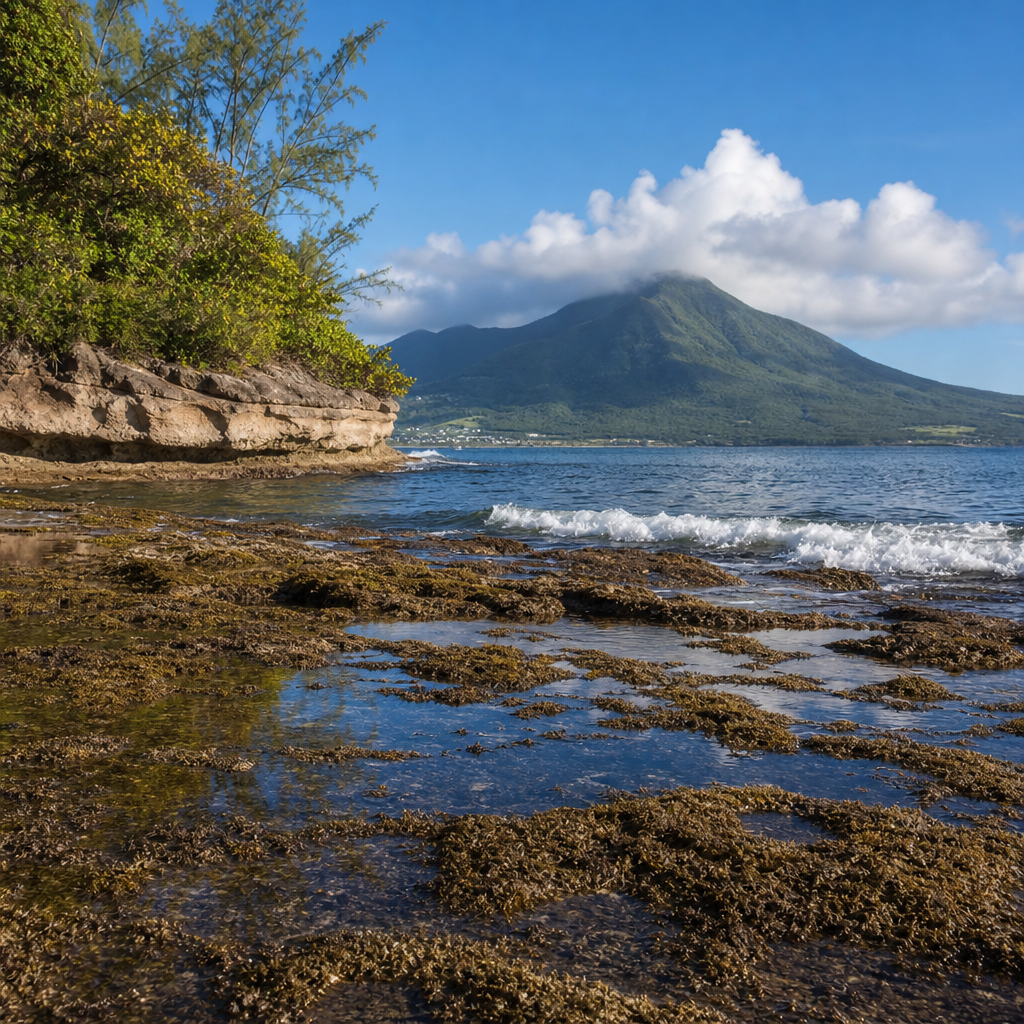
Surfing in Nevis offers a surprising blend of warm Caribbean water, uncrowded lineups, and a sense of discovery that is hard to find in more heavily marketed surf destinations. Nevis is better known for volcanic peaks, quiet beaches, sailing, and heritage tourism, yet it also rewards travelers who watch swell charts, understand local wind patterns, and are willing to explore beyond the obvious shoreline. In practical terms, surfing here means chasing seasonal windows, respecting reef and beach conditions, and treating the island as a developing niche break rather than a packaged surf resort. That distinction matters because expectations shape safety, trip planning, and overall satisfaction.
When people ask whether you can really surf in Nevis, the honest answer is yes, but not every day and not on every coast. Surfing depends on three basics: swell energy moving in from distant weather systems, bathymetry that focuses that energy into rideable peaks, and winds that do not destroy wave shape. Nevis sits in the Leeward Islands of the eastern Caribbean, exposed to Atlantic swells on some shores and sheltered on others. The result is a varied but selective surf environment. Some spots break best during winter northerly pulses, while others respond to trade swell or storm-generated east swell.
This matters for visitors because the island’s wave quality is tied directly to local knowledge. I have planned Caribbean surf days that looked promising on broad regional forecasts, only to find one bay blown out and another chest-high and glassy because a headland blocked the trade wind. Nevis works exactly like that. Its appeal is not endless consistency; it is timing, mobility, and the chance to surf beautiful water without crowds fighting over every takeoff. As a hub for miscellaneous adventure planning, this guide connects the essential topics travelers need: seasons, beaches, gear, lessons, safety, etiquette, nearby activity pairings, and how to decide if Nevis fits your skill level.
For trip planning, think of Nevis surfing as part of a wider adventure portfolio rather than the sole reason most travelers book a flight. That is not a drawback. It is the reason the experience feels authentic. A morning session can be followed by hiking Nevis Peak, snorkeling Pinney’s Beach waters, horseback riding, or taking a boat toward St. Kitts. This article serves as the central reference for that miscellaneous cluster, helping you understand where surfing sits within the island’s broader adventure landscape and when it is worth bringing a board, renting one regionally, or simply keeping one eye on the forecast while enjoying everything else Nevis already does exceptionally well.
When to Surf in Nevis
The best time for surfing in Nevis generally aligns with the Caribbean’s more active swell season, especially from late autumn through early spring. During these months, North Atlantic cold fronts and offshore storm systems can send longer-period swell into the northeastern Caribbean. In plain terms, that means more chances for organized waves with enough push to break cleanly on exposed coastlines. December through March is usually the safest window for travelers hoping to score surfable conditions, though shoulder months can also produce excellent sessions when tropical systems or strong trade-wind patterns energize the Atlantic.
Summer is less reliable for classic surf conditions, but it should not be dismissed. Distant tropical activity can generate quality groundswell, and short-lived pulses sometimes appear with very little warning. The tradeoff is unpredictability. If surfing is your primary objective, winter gives you better odds. If your trip already includes hiking, diving, catamaran days, and beach time, summer can still reward flexible surfers who monitor Windy, Surfline regional charts, NOAA marine forecasts, and local weather observations. On small islands, one useful rule applies: if the forecast looks marginal, stay mobile and keep expectations realistic until you physically see the water.
What the Wave Conditions Are Really Like
Nevis does not have the dense concentration of documented breaks found in Barbados, Puerto Rico, or the Dominican Republic, so conditions need to be understood in broader categories. You will encounter a mix of beach breaks, reef influence, and wind-exposed sections where wave quality changes quickly with tide and swell angle. Beach breaks are generally the most forgiving for visiting intermediates because they shift with sand movement and usually offer easier entry than shallow reef. Reef-influenced waves can be cleaner and more mechanical, but they demand stronger positioning, confident wipeout management, and respect for coral and rock hazards.
Water temperature is one of Nevis’s biggest advantages. It commonly stays in the upper seventies to low eighties Fahrenheit, making boardshorts or a swimsuit sufficient for most surfers year-round. Comfort, however, can hide risk. Warm water often leads visitors to underestimate sun exposure, dehydration, and reef contact. I strongly recommend a long-sleeve rash guard, reef-safe sunscreen, and reef booties when entering unfamiliar areas with rocky shelves or coral heads. Surf quality also shifts with wind faster than many newcomers expect. Even a promising swell can deteriorate when onshore trades strengthen, which is why dawn patrol is often the smartest strategy.
Best Areas to Explore for Surfing
Because Nevis remains a relatively quiet surf destination, many travelers rely on local guides, fishermen, or water-sports operators to identify where waves are working on a given day. In general, Atlantic-facing and more exposed stretches offer the greatest chance of surf, while the calmer Caribbean side is better suited to paddling, swimming, and beginner ocean comfort sessions. Rather than chasing a single famous break, most visitors do better by thinking in zones: exposed beaches for swell reception, partially sheltered corners for cleaner faces, and nearby alternative activities when wave quality drops below worthwhile levels.
The table below summarizes how to think about these zones as a traveler, not as a contest surfer. Conditions vary by swell angle, tide, and wind, so use this as a planning framework rather than a fixed spot list.
| Area Type | Typical Conditions | Best For | Main Caution |
|---|---|---|---|
| Atlantic-exposed beaches | Most swell exposure, punchier peaks, stronger currents | Intermediates seeking rideable surf | Can turn messy fast in onshore wind |
| Semi-sheltered points and corners | Cleaner faces when headlands block wind | Surfers with local guidance | Entry and exit may involve rock or reef |
| Caribbean-side beaches | Usually calm, small, or flat | Swimming, paddling, recovery days | Not reliable for true surf sessions |
| Outer reefs during strong swell | More organized shape, sometimes better quality | Advanced surfers and boat-assisted scouting | Shallow sections and limited rescue access |
For most travelers, the right move is to treat these zones as part of a daily decision tree. If strong swell coincides with manageable wind, exposed beaches are worth checking first. If the trades are already up, look for corners with protection. If neither is appealing, shift the day toward snorkeling, a coastal hike, or a boat excursion. This flexible approach is how experienced Caribbean surfers avoid frustration and make the most of islands where surf exists, but does not dominate the tourism economy.
Who Nevis Surfing Suits Best
Nevis is best suited to adaptable intermediate surfers, adventurous beginners with instruction, and experienced riders who enjoy exploration more than scene-driven surf travel. Absolute beginners can learn here, but only if they treat lessons and ocean assessment seriously. Small islands can look gentle from shore, yet rip channels, shorebreak, and submerged reef can surprise first-timers. If your only goal is guaranteed beginner foam-board lessons every day, larger Caribbean hubs or dedicated surf schools elsewhere may offer a smoother entry point. Nevis becomes more attractive when surfing is one part of a broader active holiday.
Intermediate surfers often get the most value because they can capitalize on changing conditions. A shoulder-high beach break with light offshore wind might not be world-famous, but on Nevis it can be a memorable session precisely because there are so few people out. Advanced surfers should appreciate the island for its scouting potential, warm water, and strike missions during favorable swell windows. The tradeoff is infrastructure. You may not find the same volume of board rentals, repair services, daily reports, or rescue coverage available in established surf centers, so self-sufficiency is part of the experience.
Gear, Lessons, and Local Logistics
If you already surf regularly, bringing your own board is usually the safest choice, especially if your trip is built around wave hunting. Rental options in Nevis can be limited or inconsistent compared with mainstream surf destinations. Check airline board policies carefully; many carriers serving the Caribbean charge oversize baggage fees, and some route-specific aircraft have tighter equipment limits. A versatile travel quiver works best: many surfers do well with a durable everyday shortboard, fish, or hybrid, plus a funboard if they expect softer conditions. Ding repair tape, spare fins, fin keys, and leash backups are worth packing.
For lessons, start by contacting hotels, concierge teams, watersports operators, or regional surf providers in St. Kitts and Nevis before arrival. In emerging surf markets, instruction often happens through networks rather than storefront schools with fixed schedules. Ask direct questions: Who teaches the lesson? Is there liability coverage? Which break will be used? What tide and wind are expected? Are soft-top boards available? Serious operators will answer clearly and may reschedule if conditions are poor. That is a positive sign, not a sales obstacle. The best instructors on islands like Nevis are cautious, tide-aware, and honest about conditions.
Transportation matters more than many visitors realize. Taxis are available, but surfing is easier with a rental vehicle if you plan to check multiple coasts at dawn. Bring dry bags, tie-down straps, plenty of water, and cash for small local purchases in areas where card acceptance is uneven. Mobile signal can be inconsistent in some coastal sections, so download maps ahead of time. These details sound minor until you are wet, hungry, and trying to relocate a promising corner before the tide turns.
Safety, Etiquette, and Environmental Responsibility
Safety in Nevis starts with accepting that beautiful water does not guarantee easy conditions. Always assess entry and exit points before paddling out. Watch at least one full set cycle, identify currents, note where waves are closing out, and choose a landmark on shore so you can monitor drift. If locals are surfing, observe where they paddle out and where they kick out. Never assume a calm-looking channel is harmless; reef cuts and lateral current can become serious problems when swell rises. If you are unsure, do not paddle out without local input.
Etiquette matters even more in low-crowd destinations. A lineup with six people can feel relaxed, but repeated drop-ins or aggressive wave snaking will still stand out immediately. Respect priority, wait your turn, and keep conversation friendly. On islands where surf culture is smaller, visitors are remembered for their behavior. Good manners open doors to better advice about which breaks are working. Environmental care is equally important. Use reef-safe sunscreen, avoid stepping on coral, take all trash with you, and support operators who follow responsible boating and coastal practices. Healthy reefs help shape waves, protect shorelines, and sustain the marine ecosystem that makes Nevis special.
How Surfing Fits the Wider Adventure Hub
As a miscellaneous hub under adventure and activities, surfing in Nevis makes the most sense when connected to the island’s other outdoor experiences. That is how travelers create resilient itineraries. If swell underperforms, the day is not lost. You can shift to snorkeling in clear water, stand-up paddleboarding in calmer bays, mountain biking, rainforest hiking, sport fishing, or a historical walking tour through Charlestown. This multi-activity model is one of Nevis’s strongest advantages over single-purpose surf towns. The island supports active travelers who value variety, not just wave counts.
In practice, the best trips are built around flexible blocks. Reserve one or two dawn windows for surf checks during the most promising forecast period. Keep mid-morning open for recovery breakfasts and beach time. Use afternoons for heritage sites, spa downtime, sailing, or island dining. If a swell pulse arrives, rearrange. If it fades, you still experience the full destination. That mindset turns Nevis from a risky surf gamble into a high-quality adventure base with surfing as a rewarding bonus whenever conditions align.
Surfing in Nevis is not about chasing a manufactured image of endless perfection. It is about reading conditions well, embracing a quieter Caribbean rhythm, and finding quality waves when geography, weather, and timing line up. The island rewards travelers who come informed: winter usually offers the best odds, exposed Atlantic-facing areas hold the most promise, and local knowledge often makes the difference between a wasted drive and a memorable session. Warm water, light crowds, and the chance to pair surf with hiking, sailing, and snorkeling give Nevis a distinctive place in the wider adventure landscape.
The key takeaway is simple: Nevis works best for surfers who value flexibility and for vacationers who want surfing as part of a broader activity mix. Bring realistic expectations, the right gear, and a plan that includes backup adventures. Ask locals, monitor forecasts, and prioritize safety over ego, especially around reef and wind-affected breaks. If you approach the island on those terms, surfing in Nevis can become one of the most satisfying sessions of your trip precisely because it feels discovered rather than packaged.
Use this hub as your starting point for planning the rest of your miscellaneous adventure itinerary in Nevis. Build your schedule around swell windows, connect surfing with nearby water and land activities, and follow through by researching lessons, transport, and seasonal conditions before you arrive. Done properly, Nevis will give you more than a wave; it will give you a complete Caribbean adventure worth returning to.
Frequently Asked Questions
Is Nevis really a good surfing destination, or is it better known for other water activities?
Nevis is not a mainstream surf destination in the way that Barbados, Puerto Rico, or the Dominican Republic are, but that is exactly part of its appeal. The island is far better known for its volcanic landscape, relaxed atmosphere, sailing, snorkeling, and heritage tourism, yet surfers who arrive with realistic expectations often find a uniquely rewarding experience. Rather than offering endless daily surf on every stretch of coast, Nevis delivers more selective opportunities: warm water year-round, relatively uncrowded lineups, and a sense of exploration that is increasingly rare in better-publicized Caribbean breaks.
The key is understanding that surfing in Nevis is about timing and local knowledge. Good sessions depend on swell direction, seasonal storms, wind conditions, and the ability to identify the parts of the shoreline that can turn incoming energy into rideable waves. For travelers who enjoy checking forecasts, staying flexible, and exploring less obvious breaks, Nevis can be an excellent place to score memorable waves without the pressure and crowds found elsewhere. In other words, Nevis is less of a “guaranteed every day” surf trip and more of a “be ready when the conditions align” destination.
When is the best time of year to surf in Nevis?
The best time to surf in Nevis generally falls during the months when North Atlantic swell becomes more active, typically from late autumn through early spring. During this window, distant storms can send enough energy into the Caribbean to light up otherwise quiet coastlines. Winter is usually the most reliable period for rideable surf, particularly when swell direction and wind conditions cooperate. That said, tropical systems and shoulder-season weather patterns can also create quality waves at other times of year, so experienced surfers often monitor forecasts closely rather than relying only on the calendar.
Wind is just as important as swell. A promising forecast can be spoiled by onshore conditions, while a modest swell can become fun and clean with the right morning glass or favorable trade-wind pattern. Early sessions are often the best bet for smoother surfaces. If you are planning a surf-focused trip to Nevis, flexibility is a major advantage. Staying several days rather than arriving for a single fixed surf day improves your chances significantly. Travelers who combine surfing with the island’s other attractions tend to have the best experience, because they can wait for the right window and enjoy Nevis fully even when the ocean is quiet.
What are the wave conditions like in Nevis, and are they suitable for beginners?
Wave conditions in Nevis can vary widely depending on the coastline, swell size, tide, and seabed. Some areas feature beach breaks that may be more forgiving when the surf is small and orderly, while other spots are influenced by reef or rocky bottom and require more caution, better timing, and stronger board control. In general, Nevis is best approached as a destination for adaptable surfers rather than absolute first-timers looking for highly predictable learner waves every day.
Beginners can still enjoy surfing in Nevis, but they should be selective and conservative. Small, clean days at gentler breaks can be suitable for learning basic paddling, pop-ups, and wave selection, especially with guidance from someone familiar with local conditions. However, when swell increases, reef exposure, currents, shallow sections, and changing takeoff zones can quickly make a spot more advanced than it first appears. Intermediate and experienced surfers usually get the most out of the island because they can read the water, adjust to inconsistent setups, and handle variable conditions safely. If you are new to surfing, the smartest approach is to seek local advice, avoid unfamiliar reef breaks without guidance, and prioritize safety over chasing every available wave.
Do I need to bring my own surfboard to Nevis, or can I rent gear on the island?
Bringing your own surfboard is often the most reliable option if surfing is a major priority on your trip. Because Nevis is not a heavily commercialized surf hub, rental infrastructure may be limited compared with established Caribbean surf destinations. Availability of performance boards, longboards, leashes, wax, and other accessories can vary, and selection may not match your preferred dimensions or skill level. Traveling with your own equipment gives you the advantage of familiarity and allows you to surf immediately when conditions turn on.
That said, it is still worth checking ahead with local operators, hotels, watersports providers, or regional surf contacts to see what is available during your stay. Some visitors combine advance inquiries with a flexible quiver choice, such as bringing one versatile board that handles a range of Caribbean conditions. If you plan to pack your own gear, confirm airline board fees, baggage restrictions, and protective travel bag requirements before departure. It is also wise to bring basics like reef-safe sunscreen, spare fins, fin keys, ding repair materials, and any preferred traction or wax, since specialty surf supplies may not be easy to replace once you are on the island.
What should surfers know about safety, etiquette, and local conditions in Nevis?
Safety in Nevis starts with respecting the fact that this is a relatively low-key, less mapped-out surf environment. Conditions can change quickly, and not every break will have obvious entry and exit points, lifeguards, or crowds that make the lineup easy to read. Before paddling out, surfers should study the break from shore, identify reefs, rocks, currents, wind direction, and where sets are actually breaking. It is also important to understand how tide and swell size affect the spot, because a break that looks manageable at one moment can become shallow or more powerful as conditions shift.
Etiquette matters just as much as ocean awareness. If locals or knowledgeable surfers are in the water, watch first, be patient, and avoid paddling straight to the peak as if you own the place. Do not snake waves, drop in, or treat a quiet lineup as an invitation to ignore standard surf courtesy. On islands like Nevis, respect goes a long way. Ask questions humbly, be mindful of beach access, and leave the area cleaner than you found it. From a practical standpoint, surfers should also wear appropriate protection for reef and sun exposure, avoid surfing alone in unfamiliar conditions when possible, and know their limits. The best sessions in Nevis usually come to those who combine stoke with preparation, patience, and a genuine respect for the island’s coastline.