Investing in Nevis’ cultural and creative industries means backing a fast-evolving part of the island economy where heritage, tourism, entrepreneurship, and digital distribution meet. In practical terms, cultural and creative industries include music, festivals, visual arts, craft, fashion, film, publishing, design, culinary enterprise, heritage interpretation, and creative services sold to local audiences, visitors, and overseas buyers. In Nevis, these sectors matter because they convert identity into economic value without requiring heavy industrial infrastructure, and they create income for small businesses, freelancers, venues, educators, and communities at the same time.
I have worked with Caribbean market-entry assessments and creative economy operators, and the pattern is consistent: islands that package culture well generate wider spillover benefits than the direct ticket sale or studio commission suggests. A festival increases hotel occupancy, restaurant covers, ground transport demand, retail spending, and international media visibility. A strong craft sector supports gift shops, cruise and villa markets, export channels, and online sales. A film-friendly destination can earn from location fees, production services, accommodation, and destination marketing long after a shoot wraps. For investors, this makes the creative economy attractive not because every venture scales like software, but because well-chosen assets can produce layered returns.
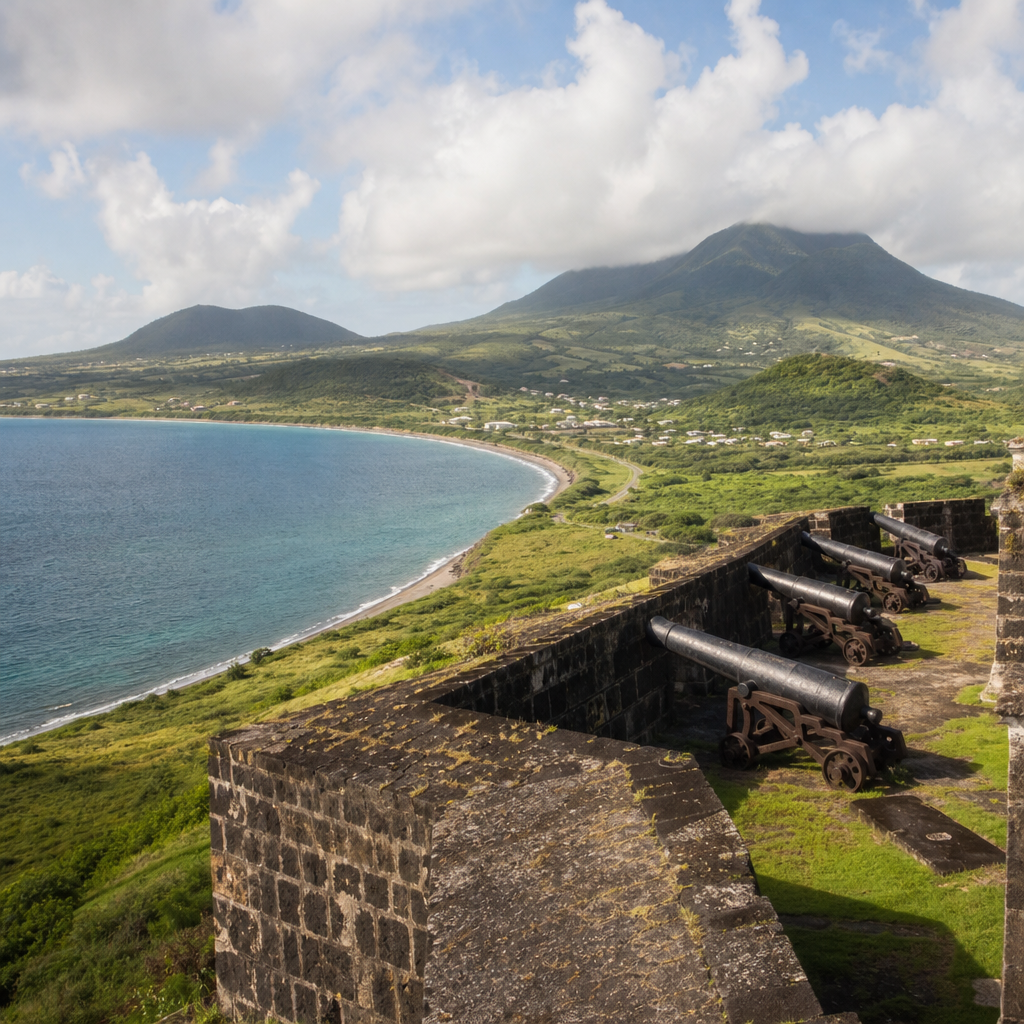
Nevis is especially interesting because its brand position is unusually strong for its size. The island is known for heritage architecture, spa and luxury travel, Afro-Caribbean traditions, local cuisine, and a relaxed premium visitor experience. Those attributes create a market for authentic, place-based products that generic resort destinations struggle to copy. The investment case also sits within a broader business environment linked to tourism, real estate, hospitality, events, and diaspora engagement. As a hub topic under business and investment opportunities, this article maps the full miscellaneous landscape: where demand comes from, what models work, what risks require discipline, and how investors can structure participation in a way that respects culture while building durable revenue.
Why Nevis has investable creative demand
The first question most investors ask is simple: who pays? In Nevis, demand comes from five overlapping groups. The first is stayover visitors, especially higher-spend travelers using hotels, villas, spas, and restaurants. The second is residents and the wider federation market seeking entertainment, education, events, and locally made goods. The third is the diaspora, which often supports festivals, heritage projects, music, and premium products tied to identity. The fourth is business tourism, including retreats, weddings, and private events that need performers, decorators, photographers, designers, and caterers. The fifth is the export and digital market, where a Nevis-based creator can sell recordings, art, designs, classes, and branded products globally.
These demand pools matter because they reduce dependence on a single buyer category. A costume designer, for example, can serve carnival and festival production, wedding and hospitality styling, retail accessories, and online custom orders. A recording studio can support local musicians, podcast production for hotels and business clients, voice-over work, and remote mixing services. A heritage property can operate as a museum site, event venue, workshop host, film location, and merchandising platform. In due diligence, investors should look for enterprises with this kind of revenue stacking because seasonality is one of the main constraints in island markets.
Nevis also benefits from the broader Caribbean shift toward experience-led travel. Visitors increasingly want participatory offerings: cooking classes, steelpan workshops, storytelling tours, art walks, wellness retreats with local cultural elements, and small-format performances in distinctive venues. That trend supports businesses that combine authenticity with curation. A carefully produced plantation-history tour paired with local food and live music often monetizes better than a static attraction because it creates a premium memory, not just a visit. For investors, the lesson is clear: demand is strongest where culture is interpreted, packaged, and distributed professionally.
High-potential segments across the miscellaneous creative economy
Music and live events remain one of the most accessible entry points. Nevis can support intimate concerts, jazz sessions, heritage performances, beach events, religious music programming, and festival-adjacent experiences tied to visitor calendars. Investment needs are often modest relative to real estate or manufacturing: sound, lighting, venue upgrades, ticketing systems, artist development, sponsorship packaging, and event management capability. Returns improve when operators build recurring event brands rather than one-off shows. A quarterly series at a hotel or restored heritage site can attract sponsors and repeat visitors more reliably than sporadic programming.
Visual arts, craft, and design are equally important because they align naturally with tourism spending. Buyers want original works, not imported souvenirs that could come from anywhere. This creates room for artist cooperatives, gallery-retail hybrids, artisan markets, framing services, workshop studios, and export-focused e-commerce. In other islands, I have seen modest investments in packaging, point-of-sale systems, and product photography raise average transaction values significantly because premium buyers respond to presentation and provenance. Nevisian makers who document materials, techniques, and stories can command stronger margins than vendors competing only on price.
Film, photography, and digital content production are growth areas with strategic upside. Even small islands can attract destination shoots, wedding content teams, documentary projects, and luxury travel media if they offer location management, permits support, crew coordination, equipment access, and post-production partnerships. Importantly, the commercial value extends beyond the production fee. Quality visual content drives destination marketing, hotel occupancy, and social reach. Investors who back studio space, editing suites, mobile production kits, or production service firms can participate in both creative services revenue and the wider tourism promotion cycle.
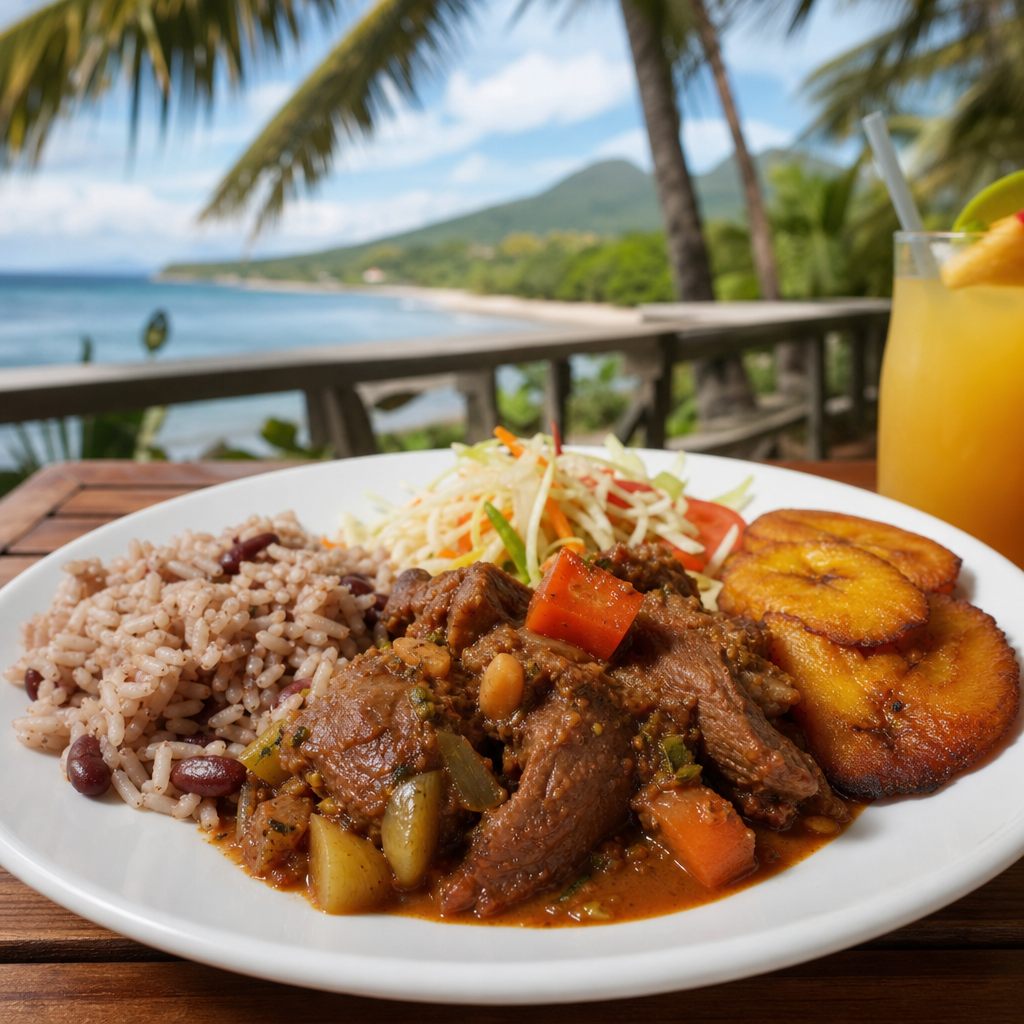
Culinary enterprise belongs in the creative economy because food is one of the clearest forms of cultural expression. Nevis can develop branded food products, chef-led experiences, culinary festivals, farm-to-table events, rum and beverage tastings, heritage recipe classes, and specialty packaged goods for export and gifting. The strongest models combine storytelling with quality control. A sauce, preserve, or baked product tied to a Nevis heritage narrative sells better when packaging, labeling, and food safety standards match premium expectations. This is where investors can add real value through processing equipment, branding, HACCP-aligned systems, and route-to-market partnerships.
| Segment | Main revenue streams | Typical investment need | Key risk | Practical upside |
|---|---|---|---|---|
| Music and events | Tickets, sponsorships, food and beverage share, streaming, private bookings | Production equipment, venue fit-out, marketing | Seasonality and weak event operations | High visitor appeal and repeat programming |
| Arts and craft | Retail sales, commissions, workshops, exports | Studio space, merchandising, e-commerce, packaging | Inconsistent inventory and quality | Strong authenticity premium |
| Film and digital content | Location fees, production services, editing, commercial shoots | Cameras, lighting, post-production tools, logistics | Project-based cash flow | Tourism marketing spillover |
| Culinary culture | Experiences, packaged foods, classes, festival sales | Kitchen compliance, branding, distribution | Food safety and shelf-life control | Clear export and hospitality crossover |
Business models that work on small islands
The best creative investments in Nevis usually follow one of four models. First is the venue-and-programming model, where an investor improves a site and earns through events, rentals, food and beverage, memberships, and branded programming. Second is the production-services model, where the business sells skilled execution such as filming, design, fabrication, staging, or cultural tour delivery. Third is the productization model, where a local creator turns talent into repeatable inventory such as prints, recordings, packaged foods, courses, or merchandise. Fourth is the platform model, where a company aggregates creatives and sells booking, promotion, ticketing, retail, or export access.
On small islands, hybrid models outperform pure plays. A gallery that only waits for walk-in art sales may struggle, but a gallery that adds workshops, hotel partnerships, artist residencies, and e-commerce creates resilience. A music promoter relying only on door sales remains vulnerable, but one with sponsorship packages, content rights, and hospitality tie-ins is much stronger. In my experience, investors often underestimate how much operational design matters. The market may be small, but disciplined packaging, scheduling, and channel management can still produce healthy margins.
Pricing strategy is another make-or-break factor. Operators should price for value, not volume alone, especially in visitor-facing categories. A low-price approach can trap businesses in labor-heavy models with no capital for quality improvements. Premium positioning works when quality is visible: curated spaces, punctual starts, trained staff, clear storytelling, secure online booking, and consistent presentation. Nevis is well suited to this because its tourism profile already supports upscale experiences. The goal is not to exclude local participation, but to build tiered offerings so residents, schools, groups, and visitors each have an appropriate price point.
What investors should evaluate before committing capital
Creative businesses are often undervalued because their assets are intangible, but due diligence still has to be rigorous. Start with market access. Does the venture have confirmed hotel partnerships, festival alignment, retail distribution, or export channels? A beautiful product without dependable routes to buyers is not an investment case. Next, examine management capability. Many creative founders are talented makers but need support in budgeting, inventory control, contract management, intellectual property, and customer acquisition. The right structure may therefore be a joint venture or staged financing tied to milestones, not a passive capital injection.
Then assess legal and compliance issues. Depending on the segment, this may include business licensing, event permits, music rights management, food handling requirements, employment arrangements, safety plans, insurance, and location permissions for filming or public performances. For heritage properties or culturally sensitive sites, investors should also consider conservation obligations and community expectations. Cutting corners here damages both reputation and returns. International clients, destination wedding planners, and premium hotel partners will not work repeatedly with operators who cannot document compliance.
Financially, pay close attention to working capital cycles. Event-led businesses can look profitable on paper but fail because deposits, artist fees, import costs, and marketing expenses are paid months before receipts clear. Product businesses need cash for packaging, stock, and shipping. Service firms need receivables discipline. Stress-testing for slower seasons, weather disruptions, and supplier delays is essential in island contexts. I advise investors to model at least three scenarios: peak performance, realistic baseline, and disruption case. If the business only survives under ideal assumptions, it is not yet investable.
Partnerships, talent development, and long-term value creation
The most successful creative investments in Nevis will be those that build ecosystems, not isolated transactions. Hotels are natural anchor partners because they control visitor flow and can host performances, exhibitions, culinary activations, and maker showcases. Schools and training providers matter because they develop the next generation of musicians, designers, chefs, and technicians. Diaspora networks can open export markets, sponsorship leads, and mentorship channels. Public agencies and tourism bodies can help with calendars, destination promotion, and policy coordination. Investors who connect these stakeholders create stronger pipelines than those who merely fund one business and hope demand appears.
Talent development deserves explicit budget allocation. If a festival has strong branding but weak stage management, lighting design, or artist readiness, customer experience suffers quickly. Small training investments can have outsized impact: workshop programs in sound engineering, hospitality service, food presentation, camera operation, bookkeeping, and digital marketing improve enterprise quality across the board. Named tools and standards help. For instance, event teams benefit from run-of-show documents, critical path scheduling, and post-event KPI reviews. Retail and product businesses should track gross margin, average order value, sell-through rate, and repeat purchase rate. Creative instinct matters, but disciplined measurement is what turns culture into a bankable sector.
Long-term value comes from owning brands, archives, and audience relationships. An event organizer with a clean customer database and annual signature format has an asset. A studio with rights-managed recordings and a recognizable production identity has an asset. A culinary brand with compliant labels, distributor relationships, and repeat hotel orders has an asset. These are the foundations for expansion into licensing, franchisable experiences, regional touring, and export sales. For investors evaluating miscellaneous opportunities within Nevis’ business landscape, that is the central point: cultural and creative industries are not side activities. Managed professionally, they are scalable brand businesses rooted in place.
Nevis offers a distinctive platform for investing in cultural and creative industries because the island already possesses what many destinations try to manufacture: a clear identity, a premium visitor base, and strong links between heritage and hospitality. The opportunity is broad, covering music, events, art, craft, film services, design, culinary enterprise, and heritage-led experiences. What makes these sectors investable is not sentiment alone. It is the ability to combine local authenticity with professional packaging, multiple revenue streams, and strategic partnerships that widen demand beyond a single season or audience.
The smartest investors will focus on businesses that can stack income, prove routes to market, maintain compliance, and build recognizable brands over time. They will also understand the tradeoff at the center of this space: culture cannot be treated like a generic commodity. Returns improve when the underlying heritage is respected, communities see benefit, and quality standards are maintained consistently. That approach strengthens reputation, pricing power, and resilience.
If you are exploring business and investment opportunities in Nevis, place the cultural and creative industries on your serious shortlist. Start with one segment, test demand with capable local partners, and build from there. Well-structured capital can help transform creativity into lasting economic value for the island and for investors.
Frequently Asked Questions
What counts as Nevis’ cultural and creative industries from an investment perspective?
From an investment perspective, Nevis’ cultural and creative industries include any business or enterprise that turns the island’s culture, talent, heritage, and creative output into products, services, or experiences with economic value. That spans music production and performance, festivals and live events, visual arts, artisan craft, fashion and textile design, photography, film and video, publishing, graphic and digital design, culinary ventures rooted in local identity, heritage interpretation, and a wide range of creative services sold to residents, tourists, and export markets. In practical terms, an investor is not just funding art for art’s sake. They are backing revenue-generating activity built around storytelling, place-based identity, intellectual property, visitor experience, and skilled local entrepreneurship.
What makes Nevis especially interesting is that its creative economy sits at the intersection of culture and tourism. A festival is not only a cultural event; it drives accommodation demand, food and beverage sales, transport usage, merchandising, and destination marketing. A craft business does not only sell souvenirs; it can develop premium branded goods for hotels, cruise visitors, e-commerce buyers, and diaspora customers. A heritage-focused culinary concept can operate as a restaurant, a packaged food line, a hospitality partnership, and a digital content brand at the same time. That layered earning potential is what investors should pay attention to.
It is also important to understand that many creative businesses in Nevis are small or emerging, which means they may not initially look like traditional investment targets. However, with the right capital, management support, branding, and distribution channels, they can become scalable enterprises. Investors should evaluate not only current sales but also the strength of the underlying cultural asset, the uniqueness of the offering, the founder’s execution ability, and the opportunities for repeatable income through licensing, events, retail partnerships, exports, and digital platforms.
Why are cultural and creative industries becoming attractive investment opportunities in Nevis?
Cultural and creative industries are becoming attractive in Nevis because they align with several powerful trends at once: demand for authentic visitor experiences, growing interest in locally made and heritage-rich products, the rise of digital distribution, and the need for more diversified island economies. Nevis has long benefited from tourism, but investors increasingly recognize that the most resilient and differentiated tourism economies are not built only on accommodation and beach access. They are strengthened by culture-based experiences, signature events, local creative brands, and businesses that give visitors a deeper reason to spend, return, and recommend the destination.
Another reason these sectors are gaining attention is that they can create value from assets the island already has in abundance: history, talent, culinary traditions, craftsmanship, music, storytelling, and a distinctive sense of place. Unlike some industries that require heavy imports or large physical infrastructure from day one, many creative ventures can start lean, build brand equity quickly, and expand through partnerships and digital sales. A designer can reach overseas buyers online. A local filmmaker can produce destination-driven content for tourism partners. A musician or festival brand can generate income through sponsorship, ticketing, streaming, merchandise, and licensing. This creates multiple pathways to revenue, which is attractive for investors looking for flexibility and upside.
There is also a broader strategic case. Investment in creative industries helps retain talent, support small business formation, and strengthen community identity while generating commercial returns. That matters in an island context, where economic concentration can create vulnerability. By supporting creative enterprise, investors participate in sectors that can complement hospitality, real estate, education, and digital business development. In short, Nevis’ creative economy is appealing not only because it is culturally meaningful, but because it is increasingly investable, cross-sectoral, and capable of producing both direct income and wider economic spillover.
What types of investment models work best for creative businesses in Nevis?
The best investment model depends on the type of creative business, its stage of growth, and the nature of its revenue. In Nevis, many opportunities are best suited to flexible capital structures rather than one-size-fits-all financing. Early-stage craft brands, design studios, culinary startups, and content producers may benefit most from seed capital, revenue-based financing, working capital support, or strategic partnerships that help them professionalize operations and access markets. More established ventures, such as festival operators, cultural venues, creative tourism businesses, or scalable product brands, may be strong candidates for equity investment, joint ventures, or expansion financing tied to facilities, marketing, inventory, or technology.
For investors, one of the smartest approaches is often a blended model that combines funding with operational support. Creative founders may have exceptional talent and strong community credibility but need help with financial controls, packaging, export readiness, intellectual property management, digital marketing, and distribution strategy. Investors who bring networks, branding expertise, hospitality connections, or e-commerce capabilities can add significant value beyond capital. In small island markets, this hands-on strategic support can materially improve outcomes.
Partnership-led models also work particularly well in Nevis. For example, an investor might back a local craft cooperative through product development and retail placement in hotels. A culinary brand might scale through co-packing, tourism tie-ins, and online subscription sales. A festival or event platform could attract sponsorship, destination marketing support, and premium experience packages. In all cases, the most effective models are those that respect the cultural authenticity of the business while introducing enough structure, governance, and market discipline to make growth sustainable. Investors should look for repeatable demand, clear unit economics, seasonal planning, and opportunities to diversify income so the business is not dependent on a single event or sales channel.
What risks should investors consider before investing in Nevis’ cultural and creative sectors?
Like any investment category, Nevis’ cultural and creative sectors come with real risks, and investors should assess them carefully. One common challenge is scale. Nevis is a small market, so some ventures can quickly reach the limits of local demand unless they are designed for tourism spending, exports, digital audiences, or regional expansion. That means investors need to ask early whether the business model depends too heavily on walk-in local sales or whether it has a credible path to broader distribution. A second issue is seasonality. Businesses tied closely to tourism flows, festivals, or event calendars may see uneven cash flow throughout the year, which makes working capital planning essential.
Execution risk is another major factor. Creative businesses can be highly founder-driven, and strong talent does not always translate into strong management systems. Investors should evaluate bookkeeping, inventory management, pricing discipline, contracts, production capacity, and customer acquisition strategy. Intellectual property can also be both an opportunity and a risk. If a business depends on original content, designs, recordings, or branded heritage experiences, ownership rights and licensing terms should be clearly documented. Without that clarity, future monetization can become difficult.
There are also reputational and cultural risks. Investors who push for commercialization without understanding the local cultural context may damage the authenticity that makes the business valuable in the first place. The strongest outcomes usually come from respectful collaboration with creators, communities, and heritage stakeholders. In addition, infrastructure constraints, import costs, logistics, weather-related disruptions, and limited specialist service providers can affect timelines and margins. None of these risks make the sector unattractive, but they do mean due diligence must go beyond standard financial review. Successful investors examine community fit, founder capacity, market access, legal structure, and resilience planning alongside revenue projections.
How can investors identify the most promising creative opportunities in Nevis?
The most promising opportunities usually sit where cultural authenticity meets commercial discipline. Investors should start by looking for businesses or projects that offer something genuinely rooted in Nevis rather than something easily replicated elsewhere. Distinctive local storytelling, craftsmanship, music traditions, culinary heritage, festival experiences, and heritage-based interpretation all have strong market potential because they deliver authenticity that visitors and overseas buyers increasingly value. But authenticity alone is not enough. The strongest opportunities also have a clear customer base, realistic pricing, consistent quality, and a practical route to market.
It helps to assess each opportunity through several lenses. First, examine demand: who is buying, how often, at what price point, and through which channel? Second, evaluate scalability: can the business increase output or sales without losing quality or identity? Third, look at margins and operational readiness: does the founder understand costs, production timelines, and cash flow? Fourth, consider brand potential: can the offering expand into merchandise, licensing, content, workshops, tourism partnerships, exports, or digital sales? A small business with one strong product can become much more investable if it has a believable pathway into multiple revenue streams.
Investors should also pay close attention to partnerships. In Nevis, the best creative opportunities often become stronger when connected to hotels, tour operators, restaurants, schools, event organizers, real estate developments, or digital platforms. A heritage experience that secures hospitality partnerships can scale faster. A local fashion or craft brand placed in premium visitor channels may improve both visibility and margins. A filmmaker or designer with destination marketing clients may have steadier revenue than one relying only on one-off commissions. Ultimately, identifying strong opportunities in Nevis is about finding ventures that protect the island’s cultural value while converting that value into durable, diversified, well-managed income.