Saint Kitts’ manufacturing sector is small by global standards, but it holds outsized importance for the federation’s economic diversification, employment base, export potential, and resilience against shocks in tourism and imported inflation. In practical terms, manufacturing in Saint Kitts and Nevis includes food and beverage processing, assembly, packaging, building materials, niche consumer goods, agro-processing, and a growing set of light industrial activities that support local commerce and regional trade. When investors ask what lies ahead, the key issue is not whether the country will become a heavy industrial center; it will not. The more relevant question is how a compact island economy can build competitive, high-value production linked to logistics, energy reform, digital systems, and regional market access.
I have worked with Caribbean market assessments where manufacturing looked modest on paper yet proved strategically valuable once you mapped import substitution, public procurement demand, hotel supply chains, and export niches together. Saint Kitts fits that pattern. Its domestic market is limited, land and labor costs can be higher than in larger jurisdictions, and imported inputs expose producers to shipping volatility. At the same time, the country benefits from political stability, a business-friendly orientation, access to CARICOM markets, established port infrastructure, and a clear national interest in broadening the economy beyond tourism and real estate. That combination makes manufacturing worth close attention.
For businesses exploring investment opportunities, this hub article covers the miscellaneous landscape surrounding the sector: current structure, likely growth segments, constraints, policy considerations, infrastructure needs, workforce issues, technology adoption, sustainability, and practical steps for market entry. The outlook is best understood as targeted expansion rather than mass industrialization. Companies that align products with local demand, nearby export markets, and efficient operations have the strongest case. Those that expect scale alone to compensate for logistics costs usually struggle. Looking ahead, the winners are likely to be firms that produce smarter, waste less, secure supply chains, and connect manufacturing to agriculture, construction, hospitality, and regional distribution.
What Defines Saint Kitts’ Manufacturing Base Today
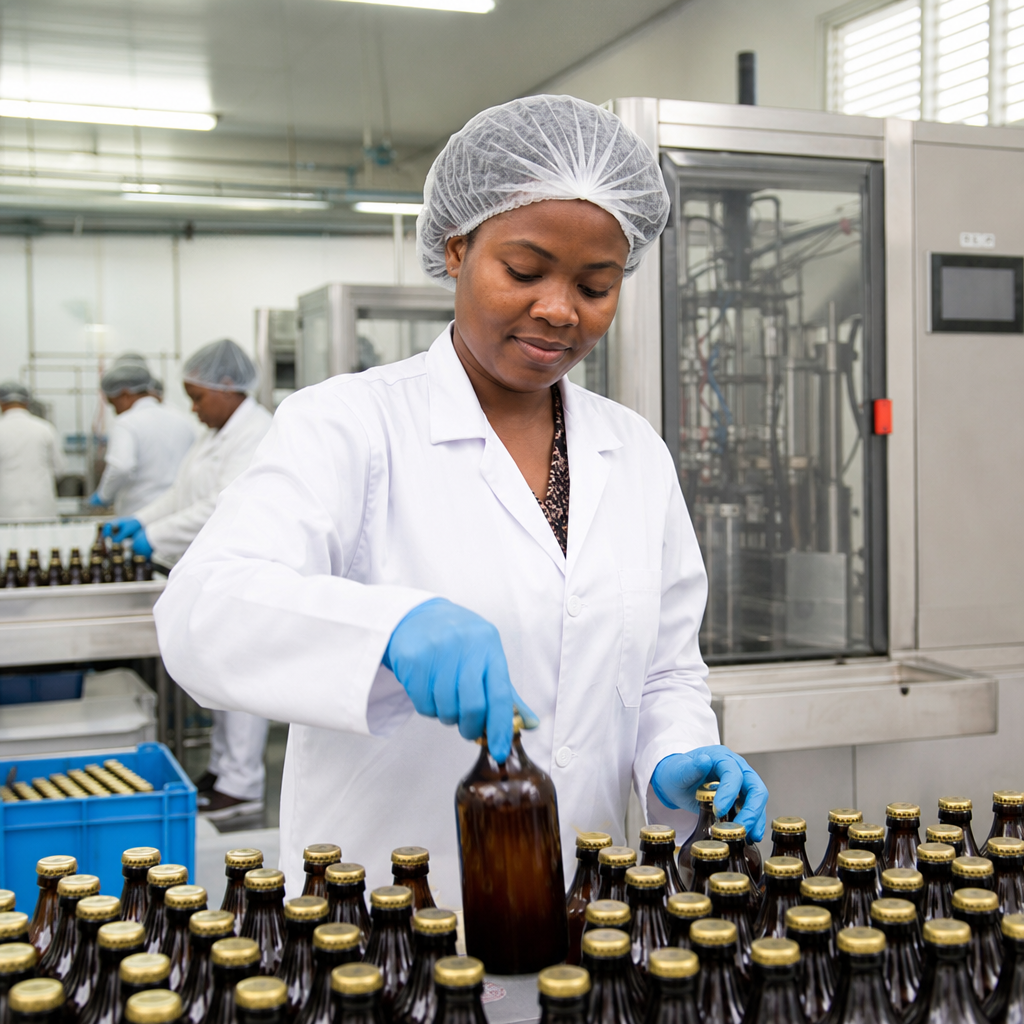
Saint Kitts’ manufacturing base is characterized by light industry rather than capital-intensive heavy production. In plain terms, factories and processing facilities tend to be smaller, more specialized, and closely tied to domestic consumption or nearby export demand. Food and beverage production is especially relevant because hotels, restaurants, supermarkets, schools, and households create steady demand for bottled drinks, condiments, baked goods, packaged staples, and processed agricultural products. Building materials and fabrication also matter, particularly when construction activity rises with tourism development, housing, and public works. Small-scale packaging, labeling, printing, and assembly functions support wholesalers and retailers across the islands.
This structure matters because it shapes what “growth” realistically means. The path forward is less about attracting a giant manufacturer and more about deepening clusters that already make sense in a small-island environment. For example, a sauce or beverage producer that improves quality control, expands packaging formats, and gains distribution in Antigua, Saint Lucia, or Barbados can create durable value without needing massive output. The same is true for firms making concrete products, fabricated metal items, uniforms, cleaning supplies, or specialty household goods. These businesses are not glamorous, but they anchor local supply chains and reduce dependence on imports.
The sector also sits inside a broader network of enabling services. Customs efficiency, cold storage, warehousing, freight forwarding, utility reliability, and commercial finance directly affect factory performance. In my experience, many investors underestimate these surrounding conditions and focus too heavily on headline incentives. On a small island, a manufacturer’s competitiveness can be decided by shipment timing, electricity cost, or whether replacement parts arrive in days instead of weeks. That is why any serious look ahead must treat manufacturing as an ecosystem, not just a set of plants and machines.
Growth Areas Most Likely to Expand Over the Next Decade
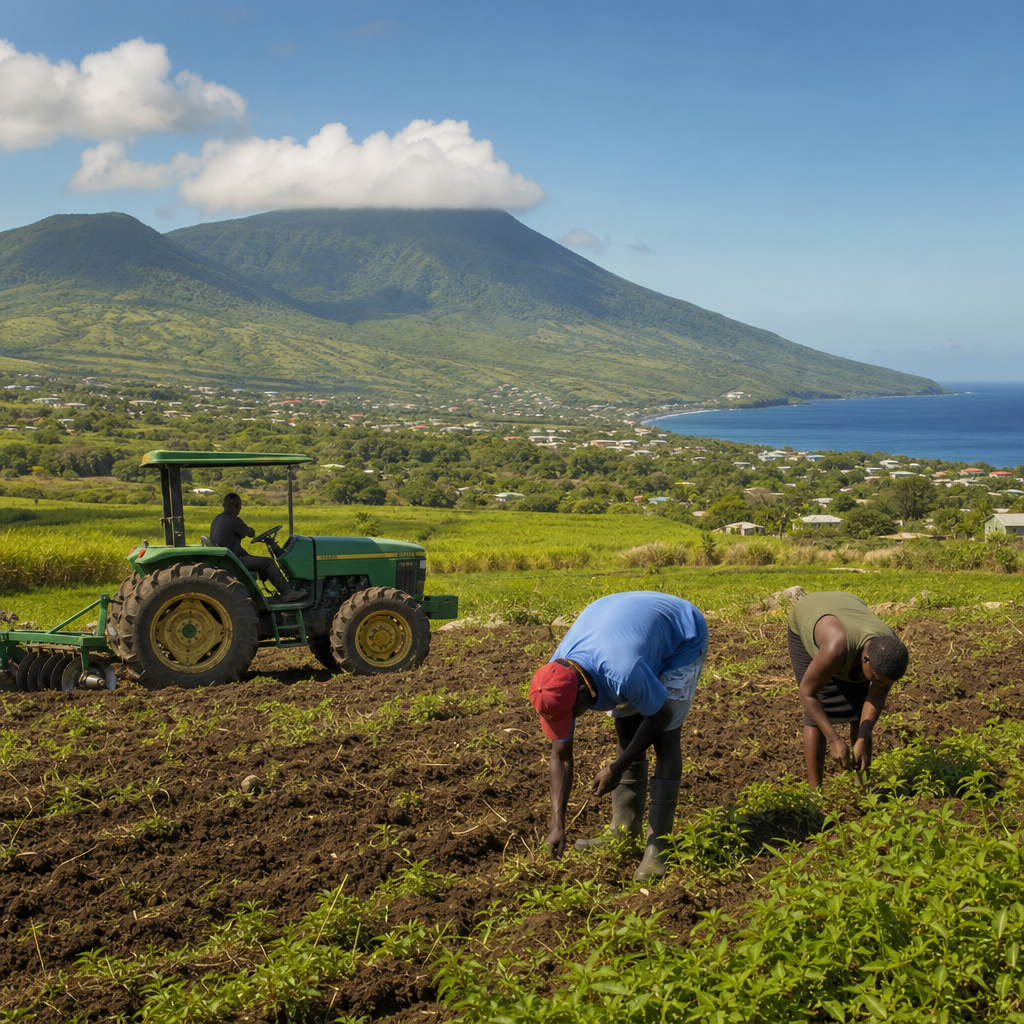
The strongest opportunities in Saint Kitts’ manufacturing sector are likely to come from value-added, mid-scale activities that serve both local buyers and regional markets. Agro-processing is one of the clearest examples. Products such as fruit preserves, sauces, seasonings, dried fruit, juices, cocoa-based goods, and specialty beverages can leverage Caribbean branding while creating stronger links between farmers and processors. Tourism can act as a launch market because visitors often buy locally branded goods first in hotels, airports, and gift retail before those products move into export channels.
Construction-linked manufacturing should also remain relevant. As infrastructure, housing, and hospitality projects continue, there is room for efficient production of blocks, pre-cast items, joinery, fabricated metal components, and other practical inputs. Import substitution is especially compelling when freight costs are high or when project timelines reward local availability. In several Caribbean markets, I have seen builders pay a premium for dependable local supply because delays on imported materials can disrupt entire projects. That same logic favors selected manufacturing activities in Saint Kitts.
Another promising area is contract packaging and private-label production for retailers, hospitality operators, and institutional buyers. Supermarkets, hotels, and restaurants increasingly want consistent local supply of packaged food, cleaning products, and amenity items. Small manufacturers that meet labeling, shelf-life, and quality standards can secure repeat orders. Health and wellness products, nutraceuticals, and eco-conscious household items may also gain traction, especially if firms combine credible sourcing with strong compliance and branding.
| Segment | Why It Fits Saint Kitts | Main Constraint | Practical Example |
|---|---|---|---|
| Agro-processing | Uses local crops, supports tourism retail, can export regionally | Inconsistent raw material supply | Hot sauces, jams, dried fruit, juice concentrates |
| Construction materials | Serves local projects, reduces freight exposure | Energy and equipment costs | Blocks, pre-cast products, fabricated fittings |
| Contract packaging | Matches hotel, supermarket, and institutional demand | Quality assurance and packaging inputs | Private-label cleaners, condiments, dry goods |
| Niche consumer goods | Brandable, higher margins, tourism crossover | Scale and export marketing | Natural soaps, wellness products, gift items |
The common thread is selectivity. Saint Kitts is well positioned for products where freshness, branding, customization, or delivery speed matters more than pure volume. That is the strategic lane the sector should continue to develop.
Investment Drivers, Incentives, and Market Access
Investors evaluating Saint Kitts’ manufacturing prospects usually focus on three fundamentals: access to markets, predictability of the operating environment, and the availability of targeted incentives. Regional access matters because the domestic customer base is small. CARICOM trade preferences and established commercial ties across the Eastern Caribbean can widen the addressable market for qualifying goods, although firms still need to manage rules of origin, labeling requirements, and shipping economics carefully. Export success in the region rarely happens by accident; it depends on distributor relationships, reliable fill rates, and price discipline.
Policy support can improve project feasibility, particularly where governments prioritize diversification, employment creation, and import substitution. Duty concessions on equipment or inputs, tax-related incentives, and support through investment promotion processes can materially affect startup costs. Still, experienced operators know incentives should support a viable model, not compensate for a weak one. If a manufacturer cannot achieve acceptable margins after accounting for utilities, freight, labor, maintenance, and working capital, incentives alone will not save the business.
Market access also includes domestic institutional demand. Schools, hospitals, public agencies, and state-linked projects can help create baseline demand for qualified local producers. Procurement alignment is often underused in small economies. When local manufacturers meet standards and can deliver consistently, public and quasi-public buyers can strengthen domestic production without sacrificing quality. That said, the standard must remain consistent and transparent. Protection without performance usually creates complacency, while disciplined local preference can build capability.
For investors, the practical takeaway is straightforward: the best opportunities are where local demand, regional sales potential, and policy support overlap. A business with only one of those three pillars faces a much harder path.
Infrastructure, Energy, and Logistics: The Real Determinants of Competitiveness
In island manufacturing, infrastructure and utility performance often matter more than labor cost alone. Electricity is especially important because it affects refrigeration, processing lines, packaging, water systems, ventilation, and general plant operations. High energy costs can erode margins quickly, particularly in food processing and materials production. That is why energy reform, distributed solar, backup generation, and efficiency upgrades are not side issues; they are core competitiveness levers. A factory that cuts power consumption per unit produced can protect margins and price more aggressively.
Logistics is the second major determinant. Manufacturers in Saint Kitts depend on imported machinery, spare parts, packaging materials, ingredients, and sometimes semi-finished goods. Shipping delays therefore affect both production continuity and customer service. In my experience, the strongest operators build inventory discipline around critical inputs, maintain alternate suppliers, and plan longer procurement cycles than continental firms would tolerate. That approach ties up working capital, but it reduces the risk of shutdowns and missed deliveries.
Ports, roads, warehousing, and customs procedures all shape how smoothly goods move. Even modest gains in customs clearance times or cold-chain handling can have outsized effects in a small market. Digital documentation, predictable inspection routines, and better coordination between importers, brokers, and carriers can lower friction for the entire sector. Manufacturers do not need perfect infrastructure to succeed, but they do need reliable infrastructure. Uncertainty is usually more damaging than cost because it disrupts scheduling, staffing, and customer commitments.
The look-ahead view is encouraging if investment in resilience continues. Better energy planning, modernized logistics processes, and fit-for-purpose industrial space would improve project bankability and make smaller manufacturers more competitive regionally.
Workforce, Technology, and Operating Standards
Saint Kitts’ manufacturing future will depend partly on whether firms can build a workforce that combines practical production skills with quality management and digital capability. The challenge is not simply headcount. Manufacturers need technicians who can maintain equipment, supervisors who understand lean workflows, and operators trained in food safety, traceability, calibration, sanitation, and documented procedures. In small markets, one weak link in supervision can affect an entire production run.
Technology adoption does not require full automation from day one. Many of the highest-return improvements are basic but disciplined: batch tracking, barcode labeling, inventory management software, preventative maintenance schedules, temperature monitoring, and production dashboards. I have seen Caribbean manufacturers improve yields and reduce waste significantly just by tightening standard operating procedures and measuring downtime properly. Those are management wins before they are hardware wins.
Standards matter because they open markets. For food producers, systems aligned with HACCP principles are often essential. For broader manufacturing, documented quality systems, testing protocols, and compliant labeling build buyer confidence. Hospitality groups and supermarket chains usually prefer suppliers that can prove consistency, not merely promise it. That evidence may include batch records, supplier verification, shelf-life validation, and complaint resolution logs.
Training partnerships with technical institutions and industry bodies can help close gaps, but firms must also invest internally. The most durable manufacturers treat workforce development as a recurring operating expense, not a one-off seminar. Over the next decade, businesses that combine skills development with modest but smart digitization will outperform those that rely on informal practices.
Risks, Sustainability, and What Smart Investors Should Do Next
Saint Kitts’ manufacturing sector faces real constraints, and any credible outlook must state them plainly. The domestic market is limited. Freight exposure raises costs. Small production runs can make unit economics challenging. Imported inflation can squeeze margins quickly. Extreme weather and climate-related disruptions remain operational risks, especially for utilities, ports, and supply chains. Financing can also be difficult for smaller firms that need equipment, working capital, and time to build distribution. These are not minor obstacles, and investors should underwrite them conservatively.
Yet the sector also has a practical path forward if sustainability and resilience are treated as operating priorities. Resource efficiency pays. Water reuse, energy-efficient equipment, waste reduction, recyclable packaging, and on-site renewable power can lower cost and improve marketability at the same time. In tourism-linked economies, buyers increasingly value local products with credible environmental practices. That does not mean every green claim creates a premium, but measurable efficiency gains usually strengthen competitiveness.
Smart investors should start with a focused market map: which products have dependable local demand, which can travel regionally at workable margins, and which inputs can be secured without chronic disruption. Then test utilities, logistics, labor availability, and compliance requirements before finalizing a plant model. Build redundancy into sourcing. Secure realistic working capital. Design for quality from the start. In this market, disciplined execution beats ambitious volume projections.
The central takeaway is simple. Saint Kitts’ manufacturing sector is not a scale story; it is a precision story. The best opportunities lie in efficient light manufacturing, agro-processing, packaging, construction-linked production, and branded niche goods that fit local and regional demand. For businesses exploring investment opportunities under this miscellaneous hub, the message is clear: look for sectors where reliability, quality, and smart positioning create advantage. If you are assessing Caribbean expansion, put Saint Kitts on the shortlist, then validate the numbers with rigorous, ground-level due diligence.
Frequently Asked Questions
1. Why does Saint Kitts’ manufacturing sector matter so much if it is relatively small?
Although Saint Kitts’ manufacturing sector is modest in size compared with larger regional and global producers, its importance is far greater than its scale suggests. Manufacturing helps broaden the country’s economic base beyond tourism, which is essential for a small island economy that can be vulnerable to external shocks such as travel disruptions, recessions in source markets, shipping bottlenecks, and swings in imported prices. When a country can produce more of its own goods locally—whether through food and beverage processing, packaging, building materials, or light industrial output—it strengthens economic resilience and reduces overdependence on any single sector.
The sector also plays a practical role in employment and enterprise development. Manufacturing creates jobs across multiple skill levels, from production and maintenance to logistics, quality control, supervision, and back-office support. It also supports small and medium-sized businesses by creating demand for local inputs, transport services, warehousing, labeling, repairs, and distribution. In this way, manufacturing generates ripple effects across the wider economy rather than operating in isolation.
Equally important, manufacturing supports foreign exchange earnings and import substitution. Even when export volumes are limited, producing certain goods locally can reduce the amount the federation needs to import, which matters in a high-cost, import-dependent environment. Looking ahead, the sector’s value lies not in becoming a mass-production hub, but in building targeted, competitive niches that serve domestic demand, regional markets, and specialized export opportunities. That is why manufacturing remains a strategic pillar in Saint Kitts’ long-term development conversation.
2. Which manufacturing activities are most likely to drive growth in Saint Kitts going forward?
The most promising manufacturing opportunities for Saint Kitts are likely to come from activities that match the federation’s scale, geography, and market realities. Food and beverage processing stands out as a leading area because it can build on local and regional demand while connecting agriculture, tourism, and retail. Products such as packaged foods, sauces, baked goods, beverages, condiments, and other value-added agro-processed items can find markets in supermarkets, hotels, restaurants, and export channels, particularly where there is a premium on quality, origin, and authenticity.
Another growth area is packaging, assembly, and light industrial production that serves domestic commerce and nearby export markets. These activities tend to require less heavy infrastructure than large-scale industry and can be developed incrementally. Building materials and related manufactured inputs may also remain relevant, especially when linked to local construction, housing demand, and infrastructure development. Niche consumer goods—including specialty wellness products, household items, craft-adjacent manufactured goods, and branded local products—may offer attractive opportunities where firms can compete on quality and identity rather than volume alone.
What is likely to matter most is not simply the type of product, but the business model behind it. Firms that can maintain reliable standards, secure steady supply chains, manage energy and freight costs, and build strong branding will be in a better position to grow. In a small economy, success often comes from specialized, efficient, and market-aware production rather than broad industrial expansion. The likely future of manufacturing in Saint Kitts is therefore centered on smart, focused growth in sectors where local producers can differentiate themselves and serve markets consistently.
3. What are the biggest challenges facing manufacturers in Saint Kitts and Nevis?
Manufacturers in Saint Kitts and Nevis operate in a business environment shaped by the familiar constraints of small island economies. One of the most persistent challenges is scale. Local demand is limited, which can make it difficult for firms to achieve economies of scale, spread fixed costs efficiently, and justify large capital investments. At the same time, exporting is not always straightforward. Freight costs, shipping schedules, customs procedures, and the complexity of meeting external market requirements can all reduce competitiveness, especially for smaller firms.
Input costs are another major pressure point. Manufacturers often depend on imported raw materials, machinery, spare parts, and packaging, leaving them exposed to global price volatility and supply chain disruptions. Energy costs can also weigh heavily on production margins, particularly for businesses that require refrigeration, processing equipment, or continuous operations. Financing may present an additional barrier, especially for smaller enterprises seeking affordable capital to upgrade machinery, improve facilities, or expand output.
Workforce development is equally important. A strong manufacturing sector needs technical skills, machine operation knowledge, maintenance capability, quality assurance practices, and management systems that support productivity. In smaller labor markets, firms may struggle to recruit or retain people with specialized industrial experience. Regulatory compliance, certification, and quality standards can also be demanding, particularly for food products or goods intended for export. None of these challenges are unique to Saint Kitts, but they are amplified by the country’s size and exposure to external conditions. The path forward depends on solving these issues systematically through policy support, business investment, better logistics, stronger training pipelines, and practical industrial modernization.
4. How can Saint Kitts strengthen its manufacturing sector over the next decade?
Strengthening manufacturing in Saint Kitts will likely require a coordinated approach rather than a single policy intervention. Infrastructure and operating efficiency are central. Manufacturers benefit from reliable electricity, good transport links, efficient port processes, access to industrial space, and digital systems that simplify business operations. If production costs can be lowered through better energy solutions, streamlined import procedures, and reduced administrative friction, local firms will have a stronger foundation for expansion.
Skills development should be another priority. Technical and vocational education aligned with manufacturing needs can help build a workforce capable of handling processing equipment, maintenance routines, quality management systems, inventory control, and production planning. Partnerships among government, training institutions, and private firms can make this more practical by focusing on real operational needs rather than generic training alone. For smaller manufacturers, access to advisory support in areas such as packaging, product development, branding, certification, and export readiness could make a meaningful difference.
Access to finance and technology adoption will also shape the sector’s trajectory. Many firms need updated equipment, better production systems, and more efficient processes to compete effectively. Incentives that encourage modernization, renewable energy use, productivity upgrades, and innovation could help improve margins and resilience. Just as important is market strategy. Saint Kitts is unlikely to compete through low-cost mass production, so future success will depend on producing higher-value goods with strong quality standards, local identity, and regional relevance. Over the next decade, the strongest gains are likely to come from targeted industrial development that builds practical capabilities, supports competitive niches, and links manufacturing more closely with tourism, agriculture, retail, and export promotion.
5. What does the long-term outlook for Saint Kitts’ manufacturing sector actually look like?
The long-term outlook for Saint Kitts’ manufacturing sector is best described as cautious but constructive. The federation is not expected to become a large-scale industrial center, and that is not the most realistic benchmark for success. Instead, the outlook depends on whether the country can build a more productive, modern, and diversified manufacturing base that is well suited to its size. If firms can improve efficiency, maintain quality, manage costs, and find profitable market niches, manufacturing can continue to expand its role as a stabilizing force within the broader economy.
There are several reasons for measured optimism. First, the need for economic diversification remains strong, which keeps manufacturing relevant in national planning. Second, there are natural synergies between manufacturing and other parts of the economy, especially agriculture, tourism, construction, and local distribution. Third, consumer demand for well-branded regional products and value-added goods may create opportunities for producers that can combine authenticity with consistent quality. These trends do not guarantee rapid growth, but they do support the case for steady development.
Ultimately, the future of manufacturing in Saint Kitts will likely be defined by resilience, specialization, and adaptability. The sector’s success will not rest on sheer volume, but on its ability to produce goods that local consumers need, businesses can use, and external buyers are willing to trust. If policymakers and manufacturers can work together to address structural constraints while building on the country’s strengths, the sector can become more competitive and more influential over time. In that sense, the look ahead is not about industrial transformation on a massive scale, but about creating a smarter, more durable manufacturing economy that contributes meaningfully to jobs, trade, and national resilience.