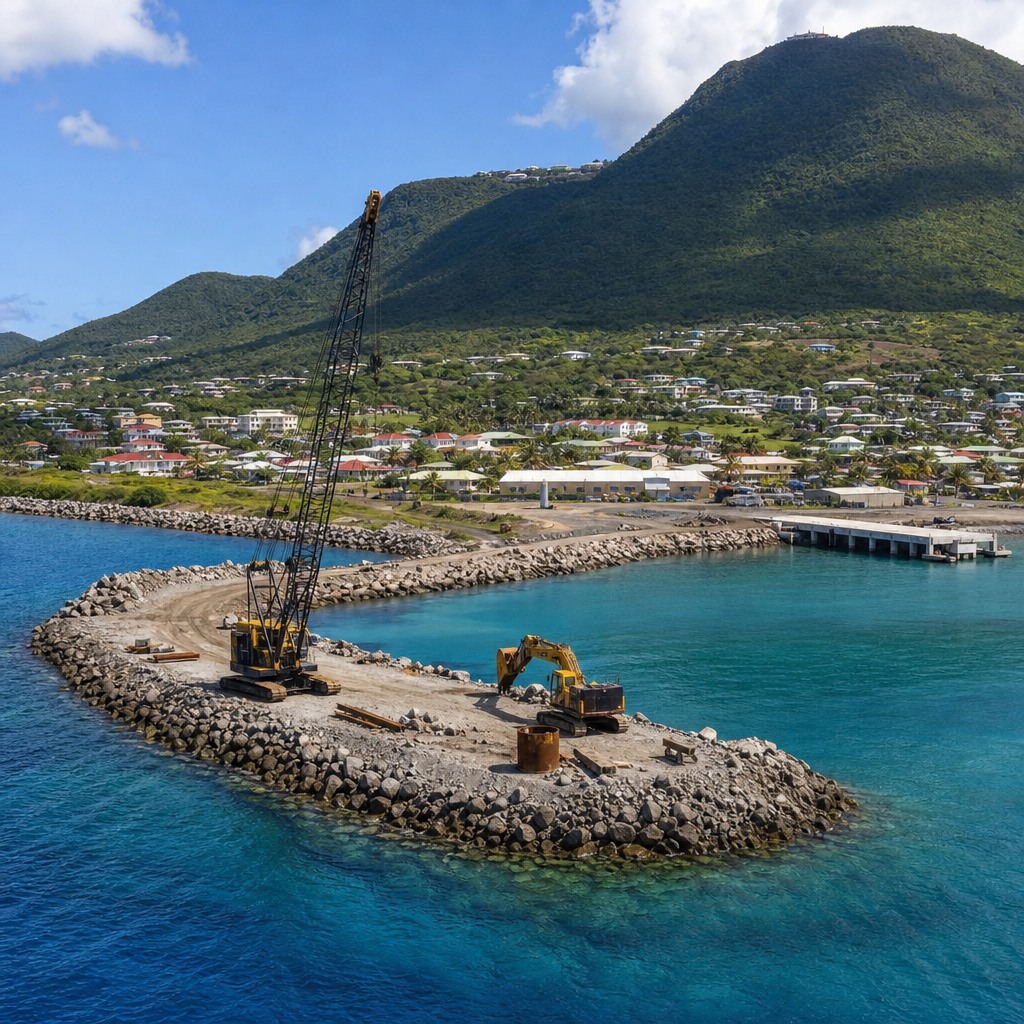
Saint Kitts’ marine and coastal development projects sit at the center of the island’s next phase of economic growth, combining tourism, transport, climate resilience, fisheries, and waterfront real estate into one investment story. In practical terms, marine development includes ports, marinas, ferry terminals, dredging, coastal protection, beach enhancement, utilities serving waterfront districts, and the commercial services that support them. Coastal development reaches further, covering hotels, mixed-use communities, public promenades, environmental restoration, and the planning systems that govern how land meets the sea. For businesses evaluating Saint Kitts and Nevis, this matters because shoreline assets are limited, visible, and economically productive. They influence visitor spending, cargo efficiency, yachting traffic, property values, and disaster preparedness at the same time. I have worked with waterfront investment briefs and Caribbean infrastructure assessments, and the same pattern appears repeatedly: islands that manage their coasts strategically create durable advantages, while those that build without coordination face erosion, congestion, and expensive retrofits. Saint Kitts offers a compelling case because its marine economy is tied to cruise tourism, inter-island movement, fisheries, and premium hospitality, yet it must also plan for sea-level rise, stronger storms, and environmental sensitivity. That combination makes marine and coastal development projects more than construction initiatives; they are business enablers. As a hub topic within broader business and investment opportunities, this article explains the project types, commercial drivers, regulatory considerations, environmental constraints, and partnership models that shape opportunities across the sector.
Why Marine and Coastal Development Matters in Saint Kitts
Marine and coastal development matters in Saint Kitts because the coastline is both national infrastructure and prime economic real estate. Basseterre’s port functions as a gateway for cruise arrivals, imported goods, and marine services. Frigate Bay and the Southeast Peninsula link beaches, resort development, recreation, and higher-value property markets. Smaller coastal communities rely on fisheries access, shoreline roads, and public waterfront space. When these areas are upgraded, the effects spread across construction, logistics, hospitality, retail, and professional services. A marina can increase provisioning demand, vessel maintenance work, customs processing, and luxury accommodation occupancy. A stronger ferry facility can improve labor mobility and day-trip tourism between islands. A restored shoreline can protect roads and utilities while also improving beachfront appeal for hotels and residential projects.
Investors should view these projects through three lenses. First is revenue creation: ports, marinas, waterfront retail, excursion facilities, and hospitality assets generate direct income. Second is value protection: sea defenses, drainage, and erosion control preserve existing property and infrastructure. Third is catalytic impact: one well-executed waterfront project often unlocks adjacent parcels and new private investment. In the Caribbean, that catalytic effect is measurable. Upgraded cruise terminals typically raise average passenger dwell time and shore excursion participation when pedestrian access, wayfinding, and commercial offerings improve. Likewise, mixed-use waterfront districts tend to outperform isolated resort sites because they extend spending beyond hotel boundaries. Saint Kitts has the raw ingredients for that model, but successful execution depends on integrated planning rather than piecemeal construction.
Core Project Categories and What They Mean for Investors
The marine and coastal pipeline in Saint Kitts can be grouped into several categories. Port modernization includes berth improvements, terminal upgrades, cargo handling efficiency, security systems compliant with the International Ship and Port Facility Security Code, and digital logistics management. Marina development covers berthing, fuel services, customs and immigration processing, chandlery, dry storage, repair yards, and branded waterfront retail. Coastal protection projects include revetments, breakwaters, beach nourishment, drainage outfalls, mangrove rehabilitation, and nature-based buffers. Hospitality-linked waterfront projects range from boutique resorts and branded residences to beach clubs, boardwalks, and event venues. Public infrastructure includes ferry terminals, fish landing sites, seawalls, promenades, and utility extensions.
Each category attracts a different investor profile. Institutional infrastructure investors prefer port concessions or utility-backed waterfront works with predictable cash flows. Regional developers often target mixed-use coastal land with hospitality and residential components. Marine operators focus on marinas, maintenance yards, and charter infrastructure. Engineering firms, environmental consultancies, dredging contractors, and coastal modelers find opportunities in predevelopment and delivery phases. Local businesses participate through materials supply, transport, security, food service, facility management, and excursion operations. That breadth is why this topic belongs in a business and investment hub: marine development is not a niche sector. It is a platform that touches finance, real estate, tourism, logistics, and climate adaptation at once.
Commercial Opportunities Across the Waterfront Economy
The most attractive opportunities usually sit where public need and private revenue overlap. In Saint Kitts, one example is marina-adjacent mixed use. Yachting visitors spend differently from cruise passengers: they stay longer, buy technical services, provision repeatedly, and often seek upscale dining and accommodation. A marina with customs clearance, waste reception, fuel, and reliable utilities can therefore support restaurants, boutique retail, concierge services, and short-stay villas. Another example is cruise-linked urban waterfront improvement. When terminal areas connect smoothly to town centers through shaded walkways, signage, cultural sites, and secure transport, passenger spending disperses into local businesses instead of remaining confined to the port.
Fisheries infrastructure is less visible to outside investors but still commercially significant. Modern fish landing sites with ice, cold storage, hygienic handling areas, and traceability systems reduce spoilage and improve market pricing. That supports seafood processing, restaurant supply chains, and even export-readiness for selected products. Coastal resilience projects also have investable dimensions. Hotels and homeowners increasingly pay for shoreline stabilization, drainage upgrades, and beach management because insurance costs and operational risk rise when coastal assets are exposed. I have seen projects become bankable only after resilience measures were built into the capital stack from the start.
| Project type | Main revenue driver | Key risks | Typical partners |
|---|---|---|---|
| Port terminal upgrade | Passenger fees, cargo throughput, concessions | Capex overruns, traffic volatility, compliance | Government, port authority, operators, lenders |
| Marina and boatyard | Berthing, fuel, repair, retail, hospitality | Seasonality, dredging cost, utility reliability | Private developers, marine operators, customs |
| Coastal protection works | Asset preservation, insurance savings, land value | Permitting delays, environmental impacts | Government, hotels, engineers, insurers |
| Fish landing and cold chain | Higher product quality, reduced losses, wholesale supply | Maintenance, market access, training gaps | Cooperatives, public agencies, food buyers |
Planning, Permitting, and Environmental Constraints
Any serious assessment of Saint Kitts’ marine and coastal development projects must account for regulation. Waterfront construction is more complex than inland development because it intersects land use control, environmental management, marine navigation, public access, utilities, and disaster risk standards. Developers should expect site surveys, bathymetric studies, geotechnical investigations, coastal process analysis, and environmental impact assessment requirements for projects involving dredging, shoreline alteration, or habitat disturbance. Coral communities, seagrass beds, turtle nesting areas, and nearshore fisheries grounds can materially affect design, timing, and mitigation costs.
Good projects do not treat permitting as a box-ticking exercise. They use early baseline studies to shape feasible layouts. For example, moving a jetty alignment by a small distance can reduce dredging volumes and avoid sensitive habitat, saving money and time later. Similarly, choosing permeable shore protection or living shoreline elements may improve approvals and long-term performance in lower-energy coastal segments. International finance providers and development banks usually expect stronger environmental and social risk management than minimum local compliance alone. That includes stakeholder consultation, labor safeguards, waste management, and climate screening. In my experience, sponsors that budget for these requirements early are more credible to lenders and regulators alike.
Climate Resilience as a Business Requirement
In Saint Kitts, climate resilience is not a public-relations add-on; it is a core investment criterion. Sea-level rise, storm surge, heavier rainfall, and coastal erosion directly affect project viability. A resort boardwalk, marina fuel dock, or port access road designed to yesterday’s conditions can become a recurring repair liability. Investors should therefore look for design teams using return-period storm analysis, freeboard allowances, drainage capacity modeling, and asset-specific adaptation strategies. Resilience spending often appears expensive in early budgets, but it is usually cheaper than post-disaster reconstruction and business interruption.
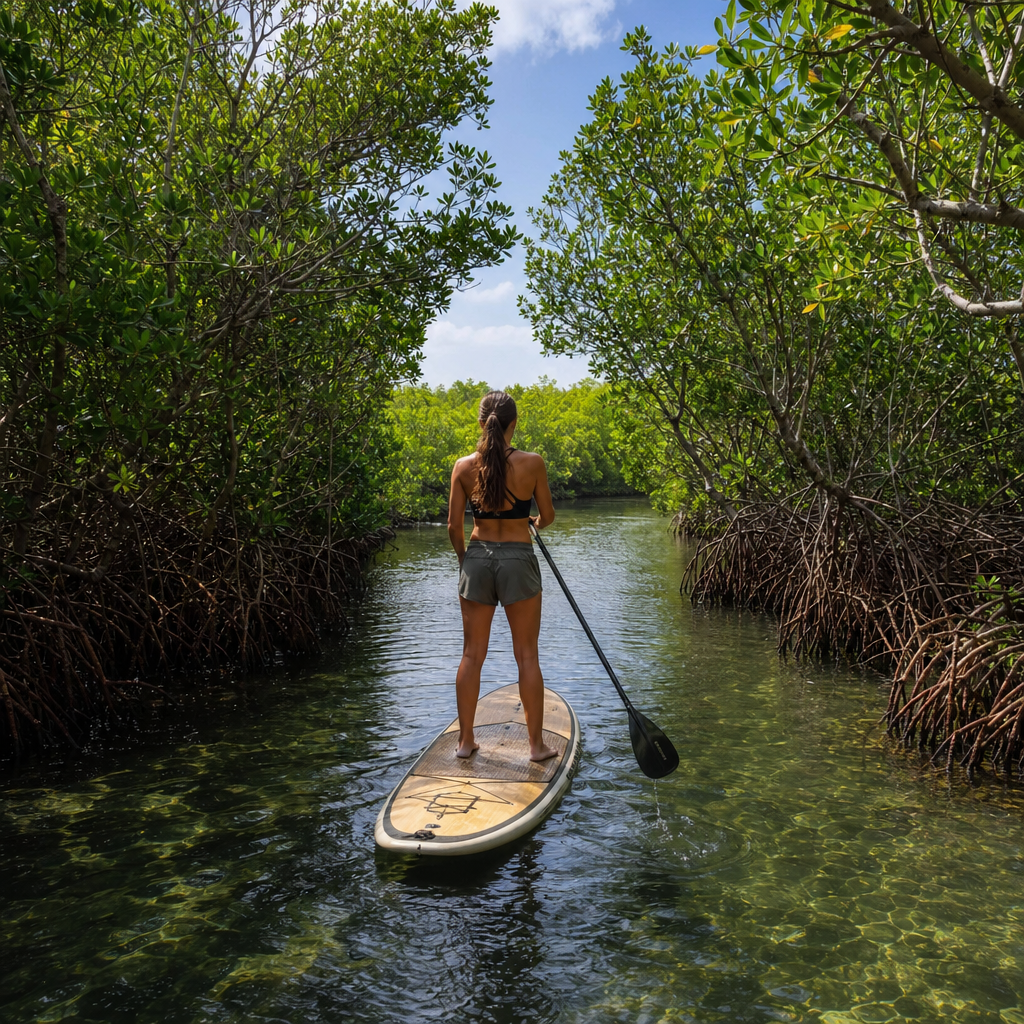
There are practical design responses. Elevating critical electrical systems, using corrosion-resistant materials, protecting fuel and wastewater systems, and building redundant drainage paths all reduce operational downtime. Nature-based measures also deserve serious attention. Mangroves, dune restoration, reef enhancement, and beach nourishment cannot replace all hard infrastructure, but they can reduce wave energy, support biodiversity, and enhance visitor appeal when used in the right settings. The most resilient coastal projects in the region combine engineered defenses with ecosystem restoration, rather than choosing one approach dogmatically. That balanced approach is especially relevant for Saint Kitts, where tourism value depends on both physical protection and environmental quality.
Financing Models and Partnership Structures
Marine and coastal projects are financed through a mix of public capital, private equity, commercial debt, concession arrangements, and blended finance. Port and ferry facilities may use public-private partnerships when governments want private operational expertise without full privatization. Marinas and mixed-use waterfront projects are more often privately led but still depend on public cooperation for seabed rights, access roads, utilities, customs facilities, and environmental approvals. Resilience-oriented coastal works may draw on climate finance, disaster risk reduction funding, insurance-linked incentives, or hospitality sector contributions where specific assets benefit directly.
For investors, the structure matters as much as the location. Revenue-sharing formulas, land tenure clarity, dredging responsibility, utility service standards, and maintenance obligations all determine whether a project remains attractive after opening day. I always advise sponsors to model not just development cost and occupancy, but also sediment management, storm recovery reserves, and long-term asset replacement. Those line items are frequently underestimated in waterfront underwriting. Strong projects also define interface risk clearly: who maintains navigation channels, who funds beach replenishment if erosion accelerates, and who bears revenue loss if cruise calls shift. When these questions are answered early, financing conversations move faster and disputes decline.
How This Hub Connects to Broader Investment Opportunities
As a miscellaneous hub under business and investment opportunities, Saint Kitts’ marine and coastal development projects connect multiple adjacent sectors. Real estate investors should track waterfront infrastructure because it shapes the value of hospitality, residential, and retail projects nearby. Logistics businesses should monitor port efficiency, warehousing links, and ferry connectivity because coastal upgrades influence import costs and distribution reliability. Tourism operators should watch marina growth, cruise terminal planning, beach management, and public realm improvements because visitor flow follows infrastructure quality. Environmental service firms, surveyors, insurers, architects, contractors, and technology providers also have roles in this ecosystem.
The key takeaway is simple: Saint Kitts’ shoreline is a finite economic asset, and the best development projects treat it as integrated infrastructure rather than isolated parcels. Investors who understand permitting, resilience, marine operations, and community impact will find stronger opportunities than those chasing beachfront land alone. If you are exploring the market, start by mapping where ports, marinas, hotels, fisheries facilities, and erosion-prone zones intersect, then evaluate which projects solve real operational problems while creating new revenue. That is where the most durable returns usually emerge, and it is the right foundation for deeper research across the rest of this subtopic.
Frequently Asked Questions
1. What counts as a marine or coastal development project in Saint Kitts?
In Saint Kitts, marine and coastal development is a broad category that goes well beyond the construction of a marina or the expansion of a port. It typically includes seaports, ferry terminals, yacht berths, cargo handling areas, dredging works, seawalls, revetments, shoreline stabilization, beach enhancement, drainage systems, utilities for waterfront districts, and the commercial infrastructure that supports these assets. On the coastal side, it also covers hotels, mixed-use waterfront communities, residential projects, retail promenades, tourism amenities, fisheries facilities, public access improvements, and transportation connections that make coastal zones more functional and valuable.
What makes these projects especially important is that they often combine several sectors at once. A single development may improve visitor access, strengthen logistics capacity, increase nearby land values, create jobs in construction and operations, and protect vulnerable shoreline areas from erosion or storm surge. In practical investment terms, marine and coastal development in Saint Kitts is not just about building near the sea; it is about shaping the economic use, resilience, and long-term productivity of the island’s waterfront areas.
2. Why are Saint Kitts’ marine and coastal development projects considered so important to economic growth?
These projects are central to economic growth because they connect directly to the island’s strongest and most scalable sectors. Tourism depends on attractive beaches, efficient arrival points, marina services, waterfront hospitality, and a high-quality coastal experience. Trade and transport rely on functional port infrastructure, cargo movement, ferry connectivity, and reliable marine access. Real estate values are often highest in waterfront locations, especially when infrastructure upgrades make those areas more accessible, safer, and more attractive for hospitality, residential, or mixed-use development.
There is also a multiplier effect. When a port is improved, that can benefit importers, exporters, cruise activity, local suppliers, and tourism operators. When a shoreline is stabilized and public infrastructure is upgraded, adjacent land becomes more investable, insurance and maintenance risks may be reduced, and private developers gain more confidence in long-term returns. Marine and coastal projects therefore create economic value not only through direct construction spending, but through the downstream activity they unlock across hospitality, transport, retail, fisheries, real estate, and local services. For a small island economy like Saint Kitts, that kind of interconnected impact is especially significant.
3. What types of opportunities do these projects create for investors, developers, and local businesses?
Opportunities can emerge at several levels. For larger investors and developers, there may be prospects in port-related infrastructure, marina development, resort and hotel construction, waterfront residential projects, mixed-use districts, marine services, and utility systems that support coastal growth. In some cases, opportunities may also extend to public-private partnerships, long-term concessions, design-build arrangements, or specialized engineering and environmental consulting tied to coastal works and maritime infrastructure.
For local businesses, the opportunity set is often broader than many people expect. Marine and coastal development creates demand for contractors, transport providers, equipment suppliers, maintenance services, hospitality operators, food and beverage businesses, excursion providers, fisheries support services, property managers, security services, and professional advisors. Even after construction ends, operating waterfront districts and marine facilities requires ongoing staffing, maintenance, compliance support, utility servicing, and customer-facing commercial activity. In other words, these projects are not just about one-time capital expenditure; they can establish long-lived business ecosystems that support both domestic enterprise and foreign investment participation.
4. How do climate resilience and environmental protection fit into Saint Kitts’ coastal development strategy?
Climate resilience is no longer a secondary consideration in coastal development; it is one of the defining requirements. Saint Kitts, like many Caribbean islands, faces real exposure to coastal erosion, sea-level rise, storm surge, flooding, and extreme weather events. That means modern marine and coastal projects increasingly need to be designed with stronger engineering standards, better drainage, shoreline protection measures, sediment management, and careful site planning. Projects that ignore these factors may face higher long-term costs, regulatory delays, reputational challenges, or physical vulnerability that undermines commercial performance.
Environmental protection is equally important because coastal ecosystems directly support tourism, fisheries, biodiversity, and shoreline stability. Responsible development usually requires environmental assessment, mitigation planning, and designs that reduce damage to beaches, reefs, mangroves, and nearshore habitats. In many cases, the most successful projects are those that balance commercial objectives with resilience and ecological stewardship. That can include beach nourishment, nature-based protective measures, improved wastewater and stormwater handling, setbacks from sensitive zones, and construction methods that minimize marine disturbance. For investors and policymakers alike, resilience and environmental management are now part of project viability, not optional add-ons.
5. What should stakeholders evaluate before getting involved in a marine or coastal project in Saint Kitts?
Before getting involved, stakeholders should examine the project from legal, commercial, environmental, technical, and operational angles. That begins with understanding land tenure, shoreline rights, planning approvals, zoning conditions, environmental permitting, and any maritime or port-related regulatory requirements. It is also essential to review access to utilities, transport connectivity, bathymetric and geotechnical conditions, dredging needs, coastal dynamics, and exposure to climate-related risks. A project that looks compelling on paper can become far more complex if shoreline stabilization, drainage, utility upgrades, or marine engineering requirements have been underestimated.
Commercial due diligence matters just as much. Stakeholders should assess target demand, visitor or freight volumes, operating models, nearby competition, revenue assumptions, construction costs, insurance considerations, and long-term maintenance obligations. They should also consider how public infrastructure investment, tourism trends, and community support may affect project performance over time. In Saint Kitts, the strongest marine and coastal projects are usually those that align public objectives with private returns: improving access, strengthening resilience, supporting tourism and trade, and generating durable local economic benefits. Careful planning at the front end is often what separates a landmark waterfront success from a costly underperforming asset.