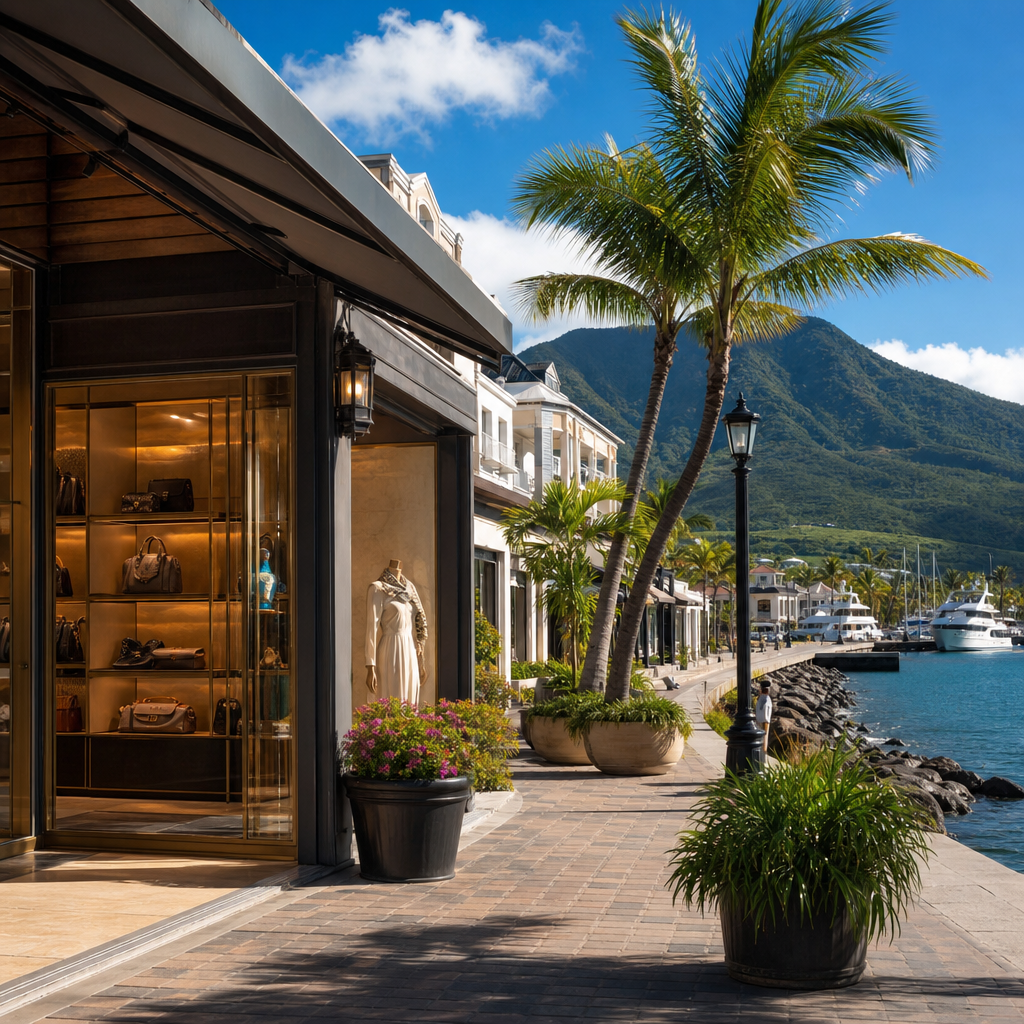
Investment in Nevis’ luxury goods market sits at the intersection of tourism, offshore wealth, boutique retail, and lifestyle branding, making it one of the most distinctive niches within the wider business and investment opportunities landscape. In practical terms, the luxury goods market in Nevis includes high-end jewelry, watches, designer fashion, premium beauty products, artisanal home goods, collectible spirits, bespoke hospitality merchandise, and concierge-led retail services aimed at affluent residents, second-home owners, yachting visitors, and upscale travelers. I have worked on Caribbean market-entry projects where investors assumed luxury retail meant simply importing expensive products; in reality, success depends on aligning product selection, customer experience, customs planning, and local partnerships with the island’s economic profile. That is why this subject matters. Nevis is not a mass-market retail destination, but it offers something more valuable for the right investor: a concentrated, relationship-driven, high-margin environment where trust, exclusivity, and service often matter more than scale.
For investors evaluating miscellaneous opportunities under the luxury umbrella, Nevis deserves close attention because its appeal is rooted in scarcity and status. The island’s association with privacy, premium villas, historic charm, and upscale resort living shapes demand patterns that differ sharply from larger Caribbean shopping centers. Customers are not browsing for discount goods; they are buying gifts tied to milestone travel, statement pieces for events, residence upgrades, or products that signal taste and access. That changes everything from pricing strategy to store format. A small showroom with appointment-only consultations can outperform a larger storefront if it delivers confidence and discretion. Likewise, a curated luxury concept attached to hospitality, marina traffic, wedding tourism, or property ownership can generate stronger returns than a traditional general merchandise model. Investors who understand those dynamics can build resilient businesses in categories that appear miscellaneous on the surface but are strategically linked by the same consumer mindset: affluent buyers value provenance, quality, rarity, and seamless service.
What defines the luxury goods opportunity in Nevis
The luxury goods opportunity in Nevis is defined less by retail volume and more by basket value, repeat relationships, and ecosystem fit. Nevis has a small resident population, so an investor cannot rely on local daily foot traffic alone. Instead, demand is supported by premium tourism, foreign property ownership, destination weddings, yacht-linked spending, and professional service networks that cater to high-net-worth individuals. In this environment, luxury means products and services that offer superior materials, craftsmanship, exclusivity, and personalized purchasing. Examples include Swiss watches, diamond jewelry, resortwear from recognized designer labels, limited-edition rum selections, custom leather goods, spa-grade skincare, and high-end home décor suited to villas and boutique hotels. The market also extends beyond physical goods into luxury-adjacent sales models such as private sourcing, gift curation, in-villa trunk shows, and member-only shopping events.
From an investment standpoint, Nevis favors businesses that are capital disciplined and brand precise. A broad inventory strategy can trap cash in slow-moving stock, especially when import lead times and duties compress margins. By contrast, a tightly edited assortment built around customer profiles performs better. In advisory work, I have seen three segments consistently stand out. First is occasion-driven luxury: engagement jewelry, honeymoon gifts, anniversary purchases, and event fashion. Second is lifestyle luxury: premium beachwear, accessories, fragrances, and décor purchased by villa owners and repeat visitors. Third is prestige convenience: affluent travelers who will pay more for a trusted local source rather than arrange overseas shipping during a short stay. These segments are particularly attractive because they support higher markups when the seller provides immediate availability, authentication, after-sales service, and a polished buying environment.
Core customer segments and how they buy
Understanding customer segments is the foundation of any luxury goods investment in Nevis. The first segment is affluent tourists staying at premium resorts or private villas. They typically buy emotionally, often within a limited time window, and respond to storytelling, exclusivity, and convenience. A couple celebrating an anniversary may purchase a locally inspired fine jewelry piece if it is beautifully presented and available for same-day delivery to their resort. The second segment is foreign homeowners and long-stay residents. They buy more deliberately and often seek products that elevate their living environment, such as designer tableware, premium linens, curated wine accessories, artwork, or bespoke gifts for guests. The third segment is event-driven buyers tied to weddings, retreats, and private celebrations. Their purchases can be larger and more planned, including bridal accessories, welcome gifts, luxury amenities, and custom branded keepsakes.
A fourth segment is the offshore and professional services community connected to the wider St. Kitts and Nevis economy. These buyers may not shop frequently, but when they do, they often prioritize discretion, authenticity, and quality over promotional pricing. Their preferences support private appointments, closed-door previews, and concierge fulfillment. Buying behavior across all four groups is shaped by trust signals. Customers want to know whether products are genuine, whether warranties will be honored, whether import taxes have been transparently incorporated into price, and whether packaging matches premium expectations. This is why the best operators in island luxury retail act more like advisors than clerks. They maintain customer profiles, remember preferences, source on request, and coordinate with hotels, villas, wedding planners, and transport providers. In a small island market, service memory becomes a competitive asset.
Best-performing product categories and business models
The most investable product categories in Nevis combine strong perceived value, manageable storage requirements, and alignment with tourism or property-led demand. Jewelry remains a leading category because it offers high margins, portability, and natural fit with celebration travel. Watches can perform well too, but they require stronger authentication, security, and brand relationships. Designer resortwear, sunglasses, and premium accessories are effective entry categories because they match immediate vacation demand and do not require the same certification standards as fine jewelry. Premium beauty and wellness products also deserve attention, especially where investors can tie them to spa partnerships, villa welcome packages, or subscription replenishment for repeat visitors. Artisanal home goods, luxury candles, tabletop pieces, and limited-edition spirits can succeed when they are curated as lifestyle purchases rather than souvenirs.
Several business models work particularly well in Nevis. The first is the boutique flagship in or near a luxury hospitality corridor, where physical presence supports discovery and trust. The second is the appointment-led showroom with low displayed inventory and high special-order capability, which reduces working capital pressure. The third is a hybrid retail-concierge model that sells through villas, resorts, event planners, and marina contacts before the customer even enters a shop. The fourth is the branded collaboration model, such as exclusive merchandise lines developed with a resort, wellness property, or local artisan collective. Each model has different operating needs, but all depend on disciplined sourcing and controlled assortment planning.
| Category | Why it fits Nevis | Main risk | Best sales channel |
|---|---|---|---|
| Fine jewelry | High value, celebration purchases, portable inventory | Security and authenticity requirements | Appointment sales and resort referrals |
| Designer resortwear | Immediate vacation demand, visual merchandising impact | Seasonality and size assortment issues | Boutique storefront near hospitality zones |
| Premium beauty | Strong tie to spa and wellness spending | Shelf-life and climate-sensitive storage | Spa partnerships and villa delivery |
| Luxury home goods | Appeals to villa owners and long-stay guests | Shipping bulkier items | Showroom plus custom order service |
| Collectible spirits | Giftable, experiential, linked to entertaining | Licensing and stock control | Private tastings and event channels |
Operations, regulation, and supply chain realities
Luxury goods investment in Nevis succeeds or fails on execution. Import planning is central because high-value merchandise can face duty exposure, freight costs, insurance charges, and customs delays that materially affect pricing. Investors should map landed cost in detail before selecting categories. That means purchase price, shipping mode, customs treatment, local handling, secure storage, packaging, point-of-sale systems, and spoilage or shrinkage assumptions where relevant. Climate is another factor. Heat, humidity, and salt air can damage leather, fragrances, beauty products, packaging, electronics, and some watch components if storage standards are weak. Secure, climate-aware back-of-house operations are not optional in premium retail; they protect both inventory and reputation.
Legal and compliance obligations also deserve early attention. Business licensing, import procedures, product labeling rules, tax treatment, employment compliance, and intellectual property protection all need to be verified with qualified local counsel and accountants before launch. Investors in branded luxury should be especially careful about authorized distribution. Selling globally recognized labels without proper channel rights creates legal and reputational risk. Payment infrastructure matters too. Affluent customers expect frictionless card acceptance, secure invoicing, remote payment links, and, increasingly, pre-arrival purchase coordination. A weak payments setup can kill conversion even when demand exists. Security procedures must match category risk, including safes, surveillance, inventory controls, dual verification for high-ticket sales, and documented chain of custody for repairs or custom orders. In small island markets, one serious operational failure can circulate quickly through the exact networks that drive premium demand.
How to evaluate returns and reduce investment risk
Returns in Nevis’ luxury goods market should be judged by gross margin quality, cash conversion, referral strength, and customer lifetime value, not just top-line sales. A smaller operation can outperform a larger one if it turns inventory carefully and captures high-margin repeat business from villa owners, wedding planners, and resort concierges. Investors should model conservative base cases because demand can be seasonal and tied to travel flows. It is smarter to start with a narrow assortment, validate demand by segment, and expand through data than to overbuild around optimistic tourist assumptions. Useful metrics include average transaction value, stock turn by category, gross margin return on inventory investment, referral conversion rate, percentage of sales from repeat clients, and delivery time for special orders.
Risk reduction comes from structure. Diversify across categories with different buying triggers, such as occasion purchases, wellness products, and home goods. Build partnerships that generate pre-qualified demand instead of relying entirely on walk-ins. Negotiate supplier terms that allow small opening orders and replenishment flexibility. Use clienteling software or at minimum a disciplined CRM process so repeat visitors are contacted before arrival seasons, anniversaries, or special events. Maintain transparent authenticity documentation and care instructions. Most importantly, preserve brand discipline. Discounting aggressively to create movement usually harms a luxury positioning that took months or years to build. In Nevis, reputation compounds. Investors who combine selective inventory, exceptional service, and well-managed partnerships can create a business that is modest in footprint but strong in margins, defensible in positioning, and expandable into related miscellaneous luxury opportunities. For investors exploring business and investment opportunities in Nevis, this hub should serve as a starting point for deeper research into jewelry, designer retail, beauty, home décor, premium gifting, concierge commerce, and hospitality-linked merchandise. The central lesson is clear: luxury goods on the island are not a volume play. They are a precision play built on curation, trust, logistics, and customer intimacy. Assess demand carefully, structure operations properly, and enter with a concept tailored to Nevis rather than copied from a larger market. If you are considering this sector, use this overview to map your niche, test your assumptions, and build a market-entry plan grounded in how affluent buyers actually purchase on the island.
Frequently Asked Questions
1. Why is Nevis an attractive market for luxury goods investment?
Nevis is attractive because its luxury goods market is supported by a rare combination of affluent tourism, international visitors, offshore wealth connections, boutique hospitality, and a strong lifestyle-driven brand identity. Unlike larger, highly saturated luxury destinations, Nevis offers a more curated and exclusive retail environment where premium products can be positioned around privacy, refinement, craftsmanship, and personalized service. That matters because luxury consumers in Caribbean island markets are often not just buying a product; they are buying a setting, an experience, and a story.
Investment appeal also comes from the island’s tourism profile. Visitors to Nevis often include high-net-worth travelers, second-home owners, yachting clientele, wedding parties, and guests staying at upscale resorts or private villas. These buyers tend to respond well to high-end jewelry, watches, resort fashion, premium skincare, collectible spirits, artisanal décor, and bespoke gifts that reflect both quality and place. For investors, that creates opportunities not only in retail sales, but in brand partnerships, pop-up concepts, concierge commerce, private shopping events, and luxury merchandise tied to hospitality or real estate experiences.
Another important advantage is differentiation. In Nevis, luxury does not have to compete solely on scale; it can compete on exclusivity, local authenticity, and service depth. A well-positioned business can stand out by blending international standards with island-specific storytelling, limited-edition product lines, or custom sourcing for visitors and residents. This makes Nevis especially compelling for investors who understand that luxury in smaller markets is often less about volume and more about margin, brand integrity, repeat relationships, and premium positioning.
2. What types of luxury goods and business models tend to perform best in Nevis?
The best-performing segments are usually those aligned with affluent travel, destination living, gifting, and high-touch service. High-end jewelry and watches are strong contenders because they fit naturally into celebratory spending patterns such as weddings, anniversaries, vacation purchases, and milestone travel. Designer resortwear, premium accessories, and curated fashion can also perform well, particularly when merchandise reflects the climate, social setting, and tastes of sophisticated travelers looking for elegant but practical luxury.
Premium beauty and wellness products are another promising category, especially when linked to spas, villas, boutique hotels, and concierge networks. Consumers in this space often value products that feel exclusive, clean, experiential, and giftable. Similarly, artisanal home goods, fine tableware, locally inspired luxury décor, and collectible spirits can appeal to both visitors and property owners who want something distinctive that captures the Nevis lifestyle.
In terms of business models, boutique retail tends to outperform mass-market approaches. Investors often see stronger results with appointment-only showrooms, hotel-based luxury retail, private trunk shows, concierge-led sales, and hybrid physical-digital models that allow clients to browse on island and complete purchases afterward. Strategic collaborations with resorts, villa managers, wedding planners, yacht services, and premium event operators can also expand customer reach without requiring a large traditional storefront footprint.
Importantly, successful operators usually treat the business as a relationship-driven ecosystem rather than a standard shop. That means focusing on curation, trust, after-sales support, private clienteling, and tailored experiences. In a market like Nevis, luxury is sold as much through access and attention as through inventory itself.
3. What are the main risks and challenges investors should evaluate before entering Nevis’ luxury goods market?
The biggest challenge is that this is a niche market, not a mass-consumption environment. Demand can be strong, but it is often concentrated in specific customer segments and influenced by travel seasons, visitor flows, global economic sentiment, and tourism performance. Investors therefore need to be realistic about scale. A business may generate excellent margins, but it may not support a broad inventory strategy or a conventional high-volume retail model. Careful forecasting is essential.
Supply chain complexity is another key issue. Luxury goods depend on consistent quality, secure logistics, import compliance, and reliable inventory timing. In island markets, shipping costs, customs processes, storage requirements, insurance needs, and replenishment lead times can materially affect profitability. This is particularly important for categories such as watches, jewelry, premium cosmetics, fragile home goods, and collectible beverages, where authenticity, preservation, and presentation standards must remain high at every stage.
There is also the challenge of market fit. Not every global luxury brand or product line will resonate in Nevis simply because it succeeds elsewhere. Investors need to understand the specific customer mix: short-stay tourists, repeat visitors, expatriates, local affluent consumers, second-home owners, and hospitality guests all buy differently. Products that are too formal, too trend-driven, or too detached from the island’s lifestyle may underperform, while curated, climate-appropriate, experience-linked offerings may do much better.
Operationally, investors should also assess staffing, security, customer service standards, digital infrastructure, and partnership dependence. A luxury business can be damaged quickly by inconsistent service, weak presentation, or poor client follow-up. For that reason, due diligence should cover not just financial assumptions, but also practical execution capacity, legal and regulatory compliance, retail location strategy, and brand reputation management.
4. How important are tourism and hospitality partnerships to success in this market?
They are extremely important, and in many cases they are central to the investment thesis. In Nevis, luxury retail demand is closely linked to where affluent visitors stay, how they move around the island, and what kinds of experiences they are seeking. High-end resorts, boutique hotels, private villas, wedding venues, golf environments, spa operators, and concierge providers can all function as gateways to premium customers. This means a luxury goods business often performs better when it is integrated into the hospitality ecosystem rather than operating independently from it.
Partnerships can take several forms. A retailer might create exclusive in-resort collections, offer private in-suite shopping, supply branded premium merchandise for hospitality groups, or host invitation-only events for hotel guests and villa residents. A jewelry or watch business could collaborate with wedding planners and honeymoon packages. A premium beauty label might align with spa experiences. An artisanal home brand could work with luxury real estate and interior design channels. These kinds of partnerships not only generate direct sales, but also lower customer acquisition costs and reinforce brand credibility.
Hospitality partnerships also support a more service-oriented sales model. Luxury buyers in Nevis often value convenience, discretion, and personalization. They may prefer curated recommendations through a concierge, pre-arrival shopping options, or post-visit fulfillment once they return home. Investors who understand this can build businesses that extend beyond a single point of sale and into the broader guest journey.
In practical terms, strong hospitality relationships can improve visibility, trust, conversion rates, and repeat business. They can also create resilience by diversifying revenue streams across retail, gifting, events, collaborations, and custom experiences. For many investors, the smartest approach is not to view luxury goods as a standalone storefront category, but as a premium service layer embedded within Nevis’ wider tourism and lifestyle economy.
5. What should investors look for when assessing the long-term potential of a luxury goods venture in Nevis?
Long-term potential should be evaluated through a mix of market positioning, customer quality, brand sustainability, and operational discipline. First, investors should ask whether the business is built around durable demand drivers rather than short-term novelty. A venture tied to repeat visitors, established hospitality partners, second-home communities, destination weddings, premium gifting, or private client networks will generally have a stronger foundation than one relying only on walk-in tourist traffic.
Second, product strategy matters enormously. The strongest businesses tend to offer items with clear differentiation, healthy margins, strong storytelling, and relevance to the Nevis lifestyle. Investors should examine whether the product mix can evolve with seasonality and customer preferences, whether there is room for exclusivity or limited editions, and whether the business can maintain brand prestige without overextending. In luxury markets, protecting perceived value is just as important as generating sales.
Third, look closely at the client experience. Long-term winners usually excel in presentation, service quality, personalization, trust, and follow-through. They collect and use customer insights carefully, maintain strong communication with high-value clients, and create reasons for repeat engagement after the initial visit. A business with the ability to continue serving customers remotely, source custom pieces, or provide private appointments can build a far more resilient revenue base.
Finally, investors should assess management quality, financial controls, supplier relationships, and scalability. The ideal venture is one that can operate profitably at boutique scale while still having pathways for measured growth through e-commerce, regional partnerships, branded collaborations, or hospitality expansion. In Nevis, the most promising luxury goods investments are rarely those chasing size for its own sake. They are the ones that understand the island’s premium audience, protect exclusivity, and turn a distinctive sense of place into a refined and repeatable commercial advantage.