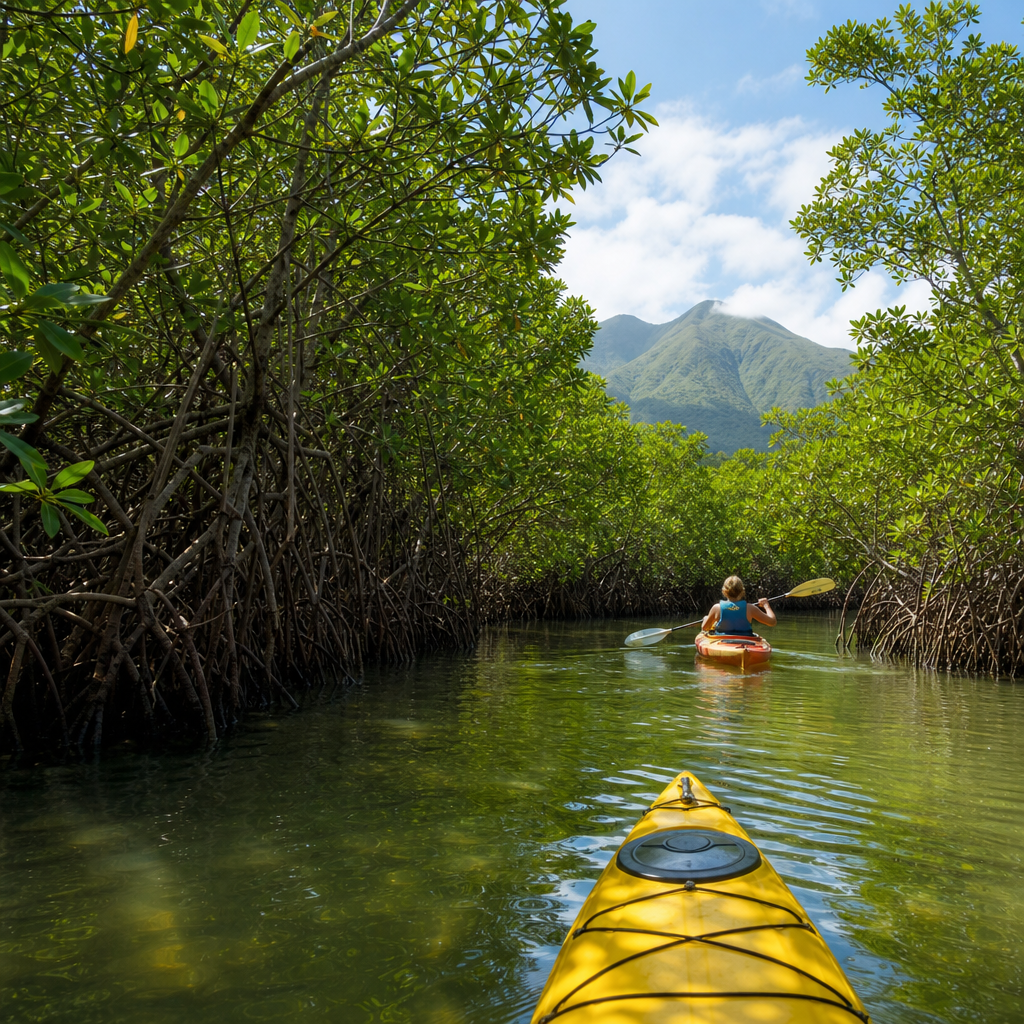
Mangrove kayaking in Nevis is one of the most rewarding ways to explore the island’s quieter side, where sheltered channels, coastal wetlands, and shallow marine habitats reveal a level of biodiversity that beach-focused itineraries often miss. For travelers interested in nature and wildlife, this eco-friendly expedition combines low-impact recreation with close observation of birds, juvenile fish, crabs, mollusks, and the salt-tolerant trees that hold the shoreline together. In practical terms, mangrove kayaking means paddling a small human-powered craft through calm coastal inlets and estuarine margins dominated by red, black, and white mangroves, usually with a guide who can interpret the ecosystem and help visitors move safely through narrow waterways.
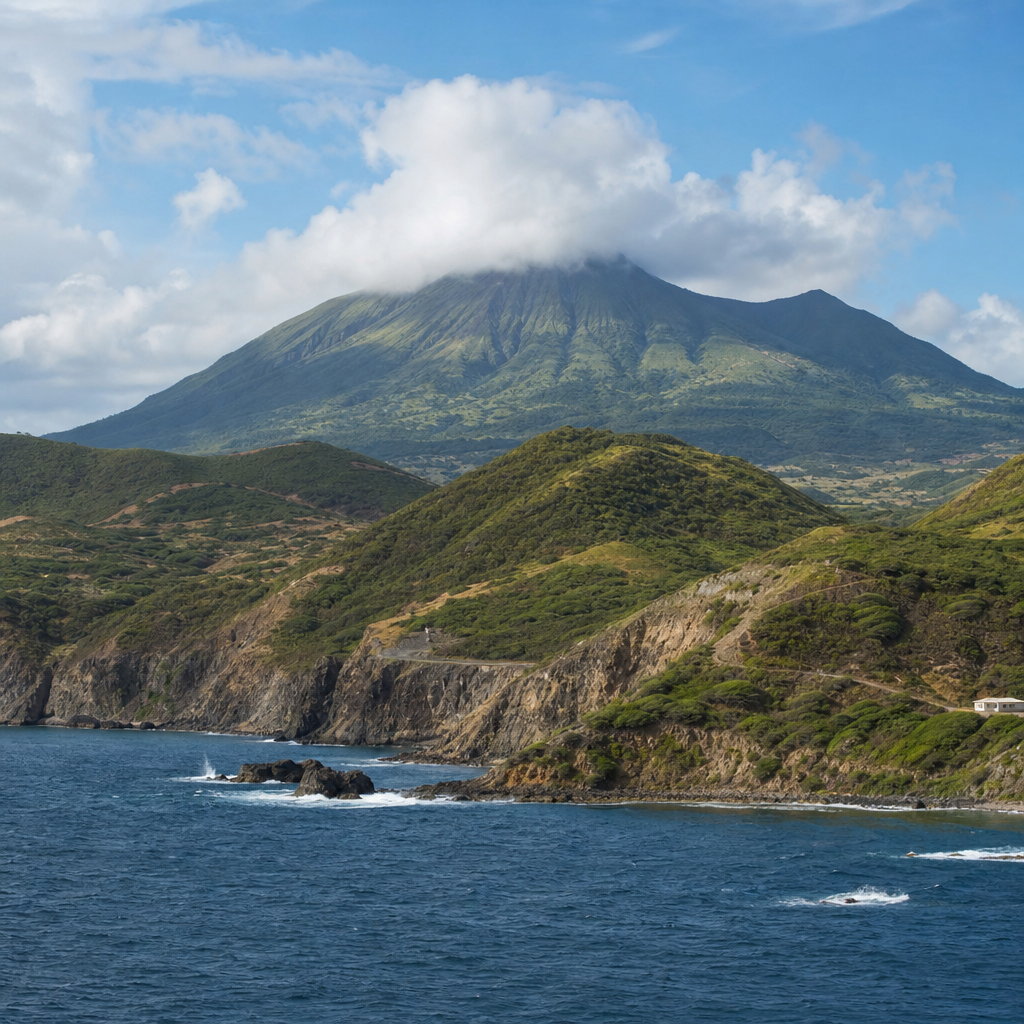
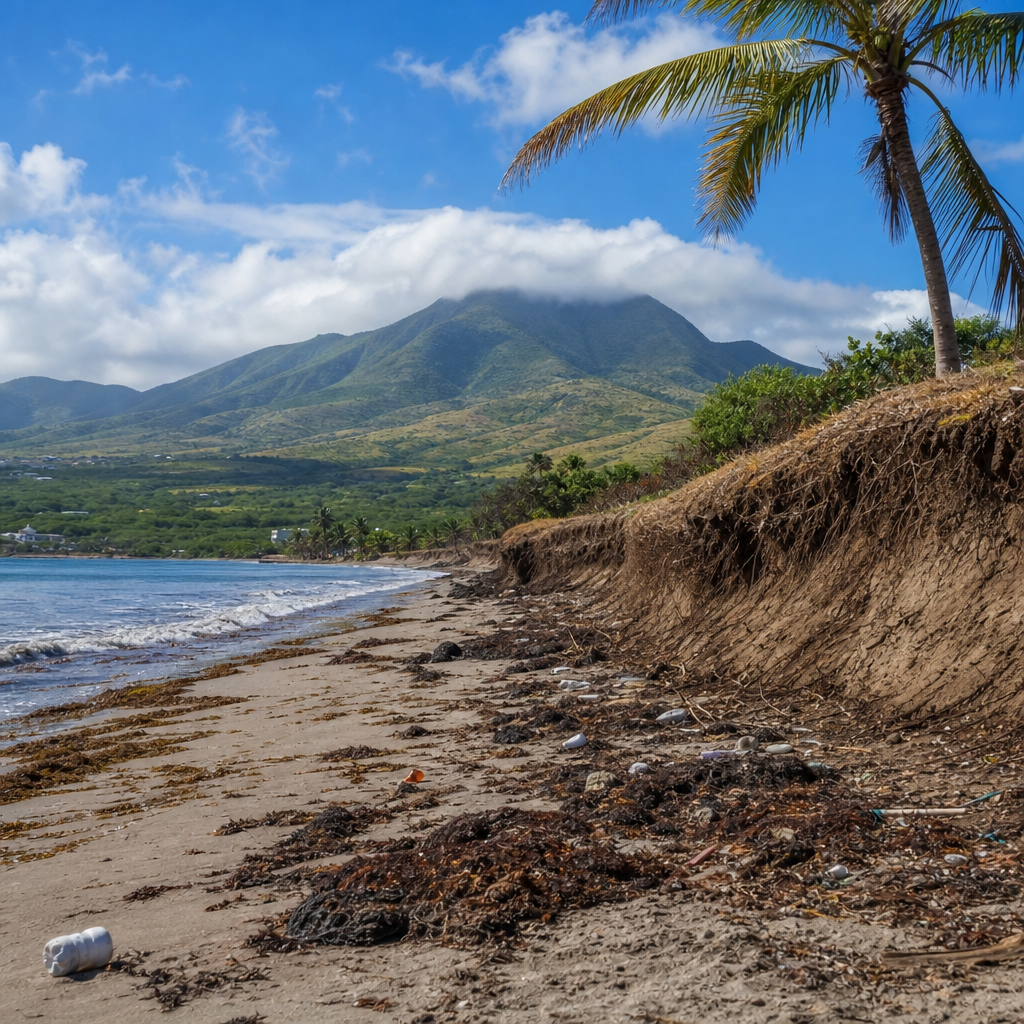
Nevis, the smaller sister island to St. Kitts in the Federation of St. Kitts and Nevis, is particularly well suited to this experience because its scale encourages slower travel. The island is only about 36 square miles, yet its landscapes range from cloud-forest slopes around Nevis Peak to beaches, ponds, and nearshore reefs. On the western and northern coasts, mangrove-fringed areas create transition zones between land and sea. These places matter far beyond their scenic value. Mangroves stabilize sediments, reduce coastal erosion, filter runoff, provide nursery habitat for commercially and ecologically important marine species, and offer feeding grounds for resident and migratory birds. In hurricane-prone islands, healthy mangrove belts also help absorb wave energy and reduce storm impacts.
I have found that first-time visitors often assume kayaking here is mainly a leisure activity. It is enjoyable, but the strongest tours operate more like field excursions in plain language: you learn why mangrove prop roots trap silt, how juvenile snapper or tarpon use sheltered water to avoid predators, and why a heron standing motionless at the edge of a creek tells you something about the food web below the surface. That mix of recreation and ecological literacy is what makes mangrove kayaking in Nevis more than a pleasant paddle. It becomes a practical introduction to how Caribbean coastal systems function, why they are vulnerable, and how travelers can support conservation simply by choosing responsible operators and behaving carefully on the water.
Why Nevis mangroves are ideal for eco-tours
The best mangrove kayaking destinations share four traits: calm water, navigable channels, visible wildlife, and an ecosystem robust enough to handle guided visitation without damage. Nevis checks each box. Because many mangrove margins are sheltered from stronger Atlantic swell, paddlers usually encounter gentler conditions than they would offshore. That matters for accessibility. Families, beginner kayakers, birders with cameras, and older travelers can often join a guided trip without the technical demands of open-water paddling.
Ecologically, mangroves are among the island’s most productive habitats. Red mangroves, with their arching prop roots, create three-dimensional structure where algae, oysters, sponges, and small invertebrates attach and grow. That structure attracts baitfish, which in turn attract larger predators and wading birds. Black mangroves, identified by their upright pneumatophores, occupy slightly higher ground and help oxygenate roots in waterlogged soils. White mangroves usually appear in less frequently flooded zones, extending the habitat mosaic inland. A good guide in Nevis will point out these distinctions because they explain why wildlife clusters in certain places and why route planning changes with tide and season.
Another reason Nevis stands out is the pace of the experience. Unlike motorized coastal tours, kayaking keeps noise low and wake minimal. You can pause without drifting far, listen for kingfishers or egrets, and inspect root systems at eye level. This is valuable for photography and wildlife observation, but it also reduces stress on animals compared with louder craft that force birds to flush repeatedly. On islands where tourism pressure is growing, low-impact formats are not a trend; they are a management necessity.
Wildlife you may see while paddling
A common question is simple: what animals can you actually expect to see during a mangrove kayaking tour in Nevis? The honest answer depends on tide, weather, time of day, and guide knowledge, but sightings are often rich enough to satisfy both casual visitors and dedicated naturalists. Birdlife is usually the headline attraction. Herons, egrets, pelicans, sandpipers, and occasionally migratory shorebirds use mangrove edges and nearby ponds for feeding and resting. Early morning tours often provide the best bird activity because wind is lighter and temperatures are lower.
Below the surface, the nursery function of mangroves becomes apparent. Small schools of juvenile fish gather in root shade, where predators have a harder time maneuvering. Depending on conditions, paddlers may see young snappers, grunts, mullet, needlefish, or tarpon rolling near the surface. Crabs are nearly guaranteed, especially around exposed mud and root tangles. Fiddler crabs, mangrove tree crabs, and hermit crabs reveal how productive the detritus cycle is in these wetlands. Mollusks and filter feeders attached to roots help improve water clarity while forming a food source for other species.
Reptiles and amphibious life are less predictable but always possible in suitable habitat. Marine life can also overlap with the mangrove zone: rays sometimes enter shallow flats, and seabirds may be seen diving at the mouths of channels where food concentrates. The point is not to promise a checklist but to understand the habitat logic. Where roots create shelter, organic matter accumulates, plankton grows, and food webs thicken. Once visitors understand that chain, every ripple or bird call has context.
| What to look for | Where it is usually found | Best time to spot it | Why it matters ecologically |
|---|---|---|---|
| Herons and egrets | Mud edges, shallow creeks, pond margins | Early morning, late afternoon | Indicators of healthy fish and invertebrate populations |
| Juvenile fish | Among red mangrove prop roots | Mid to high tide | Shows the nursery role of mangroves |
| Fiddler and tree crabs | Exposed banks, roots, leaf litter | Low tide and calm periods | Key recyclers of organic matter |
| Pelicans and seabirds | Channel mouths and nearby coastal water | When baitfish are active | Reflects strong links between wetlands and the sea |
How an eco-friendly kayaking expedition works
The most responsible mangrove kayaking tours in Nevis are designed around environmental limits, not just customer convenience. In practice, that means small groups, sit-on-top or lightweight touring kayaks with shallow draft, and launch points chosen to avoid trampling sensitive shoreline vegetation. Reputable operators provide a briefing that covers paddling technique, route expectations, wildlife distance, tides, hydration, and what not to do. The “what not to do” list matters: do not grab branches for balance, do not chase birds for photographs, do not drag kayaks over roots, and do not leave any food packaging or plastic behind.
Guides typically time departures around weather and tide. Mid to high tide often improves access into mangrove channels and reduces the chance of scraping bottom, which can damage seagrass or stir sediments unnecessarily. Wind direction also affects route choice. Even sheltered wetlands become uncomfortable when gusts funnel through open sections, so experienced guides adapt. This is where local knowledge counts. A guide who understands seasonal patterns in Nevis can decide whether a western shoreline, a pond margin, or a more enclosed creek will provide the safest and most informative outing on a given day.
An eco-friendly expedition also includes interpretation. Visitors should finish with more than photos. The guide should explain the difference between observation and disturbance, the role of wetlands in carbon storage, and the connection between inland development and coastal water quality. Mangroves sequester significant amounts of carbon in biomass and especially in soils, which is why their protection is discussed in climate adaptation and blue carbon planning worldwide. When a tour connects these global concepts to the island in front of you, the experience becomes educational in a durable way.
Planning your trip: timing, gear, and safety
If you want the best conditions for mangrove kayaking in Nevis, plan for calmer parts of the day and remain flexible about weather. Morning usually offers flatter water, better bird activity, and lower heat stress. The Caribbean dry season often brings easier touring conditions, but year-round paddling is possible when forecasts cooperate. Rain does not automatically ruin a tour, yet heavy runoff can affect visibility and access, and strong wind should always be taken seriously. Ask operators about cancellation thresholds and whether they monitor marine forecasts, radar, and tide tables.
Clothing should be simple and functional: quick-dry shirt, sun-protective layers, hat with retention strap, reef-safe sunscreen, and footwear that can get wet. I recommend polarized sunglasses because they reduce glare and make fish, roots, and bottom contours easier to see. Bring a reusable water bottle, not single-use plastic, and protect electronics in a dry bag. For birding or photography, use a compact pair of binoculars and a camera setup that can be managed one-handed while seated. Large lenses are possible, but in narrow kayaks they are often more trouble than they are worth.
Safety depends less on athleticism than on judgment. Most tours are beginner friendly, but every participant should be comfortable sitting on the water, following instructions, and wearing a personal flotation device correctly. If you have back, shoulder, or mobility concerns, ask in advance about trip length, entry method, and seat support. Good operators welcome these questions because matching the route to the paddler is part of risk management. Mosquitoes can be present near wetlands, especially at dawn or after rain, so carry appropriate repellent and use it sparingly to avoid contaminating the water.
Choosing responsible operators and supporting conservation
Not every kayaking excursion marketed as eco-friendly truly is. The strongest operators in Nevis keep group sizes manageable, train guides in natural history and water safety, and explain why certain areas are off-limits during sensitive periods. They maintain equipment well, carry first-aid and communication devices, and avoid wildlife-baiting or aggressive close approaches. They also tend to collaborate with local stakeholders, including hoteliers, land managers, fishers, and conservation-minded community groups, because protecting wetlands requires more than a single business acting alone.
As a traveler, you can evaluate an operator with a few direct questions. Ask how they minimize disturbance, whether guides are locally trained, how they handle litter found on route, and whether any part of the tour fee supports habitat stewardship or environmental education. Ask what species are commonly seen, but be wary of guaranteed wildlife claims. In field conditions, certainty is rarely credible. Honest guides describe patterns, not promises. That transparency is a sign of professionalism.
This hub under Nature and Wildlife also connects naturally to broader Nevis experiences. Travelers interested in mangrove ecosystems often enjoy birdwatching, coastal walks, snorkeling over nearby seagrass and reef habitats, and learning how freshwater runoff affects marine life. Thinking in these connections is useful because mangroves do not exist in isolation. They are linked to upland forests, watersheds, beaches, and reefs. Supporting businesses and itineraries that reflect that whole-system view helps keep tourism aligned with the island’s ecological limits.
Mangrove kayaking in Nevis delivers something many nature activities only promise: genuine immersion without heavy environmental cost. You move quietly, cover meaningful ground, and see how an island ecosystem works from the waterline up. Along the way, the mangroves stop being background scenery and become legible as living infrastructure—nursery habitat, shoreline defense, water filter, bird refuge, and carbon store. That understanding is the real value of the trip. Even visitors who arrive mainly for beaches often leave with a more complete sense of Nevis because the wetlands reveal the island’s hidden mechanics.
For travelers building a Nature and Wildlife itinerary, this miscellaneous hub is an ideal starting point because it links recreation, education, and conservation in one experience. It is suitable for beginners, rewarding for repeat visitors, and relevant in every season when conditions are safe. The key is to approach it thoughtfully: choose a guide-led tour, go prepared, respect wildlife distances, and treat the habitat as a place you are entering rather than using. Those simple decisions protect the experience for future paddlers and for the species that depend on these coastal forests every day.
If you are planning a trip to Nevis, add a mangrove kayaking expedition to your schedule and build the rest of your wildlife activities around it. Start with the wetlands, ask questions, and let that first paddle shape a deeper, more responsible way of seeing the island.
Frequently Asked Questions
What makes mangrove kayaking in Nevis different from a typical beach or boat excursion?
Mangrove kayaking in Nevis offers a very different perspective from the island’s more familiar beach-centered activities. Instead of focusing on open shoreline, sunbathing, or fast-moving sightseeing, this experience takes you into sheltered channels and coastal wetlands where the pace is quieter and the environment is far more intimate. From a kayak, you travel close to the water’s surface, which makes it easier to notice the smaller details that are often missed on larger tours, such as juvenile fish moving through the roots, crabs navigating the mud, wading birds feeding along the edges, and mollusks attached to submerged surfaces.
It is also one of the most eco-friendly ways to explore Nevis’s coastal ecosystems. Kayaks are human-powered, low-noise, and low-impact, which means they allow visitors to enter sensitive habitats with minimal disturbance. That matters in mangrove environments, where wildlife depends on calm conditions and healthy root systems for feeding, shelter, and breeding. The experience is not just scenic; it is educational as well. Mangroves play a crucial role in stabilizing shorelines, filtering sediments, supporting marine life, and buffering coastal areas from erosion. For travelers who want more than a surface-level view of the island, mangrove kayaking provides a rewarding combination of recreation, wildlife observation, and environmental insight.
What kinds of wildlife and plant life can you expect to see while kayaking through Nevis’s mangroves?
The biodiversity in Nevis’s mangrove areas is one of the main reasons this excursion stands out. While sightings vary by season, weather, tide, and time of day, paddlers can often observe a wide range of birds, small marine animals, and coastal plant life. Birdwatchers may spot herons, egrets, and other wading birds that hunt in shallow water, along with species that rest or nest in the mangrove canopy. Because these waterways are protected and generally calmer than open coastal areas, they create ideal feeding grounds for birds and nursery habitat for marine species.
Below the surface, the mangrove roots support an entire web of life. Juvenile fish frequently use these root systems as shelter from predators, which is one reason mangroves are often described as natural nurseries for coastal fisheries. You may also notice crabs on exposed mud or roots, mollusks attached to submerged surfaces, and other small organisms that thrive in brackish, shallow conditions. The mangrove trees themselves are just as important as the animals they shelter. These salt-tolerant trees are specially adapted to coastal wetlands and help trap sediment, protect shorelines, and maintain water quality. In other words, the ecosystem is not defined by one dramatic sighting, but by the richness of many interconnected details that become visible when you slow down and move quietly through the habitat.
Is mangrove kayaking in Nevis suitable for beginners, and do you need previous kayaking experience?
In many cases, yes. Mangrove kayaking is often well suited to beginners because the routes usually pass through sheltered channels and relatively calm water rather than exposed offshore conditions. That said, suitability depends on the specific tour operator, the route chosen, weather, tidal conditions, and the physical comfort level of each participant. Many guided excursions are designed with first-time paddlers in mind and begin with basic instruction on paddling technique, steering, entering and exiting the kayak, and maintaining balance. For travelers who are curious about kayaking but do not consider themselves highly athletic, this can be an accessible introduction.
Even though prior experience is not always necessary, it is still important to come prepared. Participants should expect light to moderate physical activity, especially when paddling for longer stretches or maneuvering through narrow channels. A reasonable level of mobility and comfort around water is helpful. Guided tours are especially valuable for beginners because local guides can interpret the ecosystem, identify wildlife, explain tidal patterns, and help guests navigate without damaging sensitive roots or disturbing animals. If you are unsure whether a particular excursion matches your skill level, the best approach is to ask the outfitter about trip duration, pace, group size, and whether the route is beginner-friendly. Most reputable operators will clearly explain what to expect and recommend the most suitable option.
What should you bring and wear for an eco-friendly mangrove kayaking trip in Nevis?
For comfort and safety, lightweight clothing that can get wet is usually the best choice. Quick-drying fabrics work better than heavy cotton, and water-friendly sandals or secure aqua shoes are often more practical than flip-flops, which can slip off easily during launch or landing. Sun protection is essential, especially in tropical conditions, so a hat, sunglasses with a retainer, and reef-safe sunscreen are all smart additions. Because you will likely be exposed to reflected light off the water as well as direct sun, many paddlers also prefer a lightweight long-sleeved shirt for added coverage.
It is equally important to pack with the environment in mind. A reusable water bottle helps reduce single-use plastic, and a small dry bag can protect valuables such as a phone, camera, and travel documents. If you hope to observe wildlife more closely, binoculars can be a great addition, though they should be packed carefully. Insect repellent may be useful depending on the location and time of day, but it is best to choose products that are effective while also being considerate of fragile coastal habitats. Most importantly, avoid bringing anything that could easily blow away or fall into the water. Eco-friendly travel in mangrove areas is not just about the type of transportation you use; it also includes minimizing waste, following guide instructions, and leaving the habitat exactly as you found it.
Why are mangroves so important to Nevis’s environment, and how can visitors help protect them?
Mangroves are among the most valuable coastal ecosystems in the Caribbean, and their importance in Nevis goes far beyond scenic beauty. These salt-tolerant trees form dense root systems that stabilize shorelines, reduce erosion, trap sediment, and help maintain water clarity. They also function as biological nurseries, providing refuge for juvenile fish and habitat for crabs, mollusks, and a variety of bird species. Healthy mangroves support the larger marine environment as well, since the species that begin life in sheltered wetlands often contribute to nearby coastal food webs and fisheries. In addition, mangrove ecosystems can help buffer the effects of storms and rising water by absorbing wave energy and strengthening the coast.
Visitors can play a meaningful role in protecting these habitats through simple but important choices. The first is to choose responsible, low-impact activities such as guided kayaking rather than intrusive forms of recreation that may damage roots, disturb nesting sites, or create excessive noise. While on the water, paddlers should never pull on branches, scrape through shallow root zones unnecessarily, or attempt to touch or feed wildlife. Proper waste management matters as well, including carrying out everything you bring in and avoiding plastics or packaging that could end up in the wetland. Supporting operators who emphasize conservation, education, and respectful wildlife viewing is another powerful step. When travelers treat mangroves as living ecosystems rather than just backdrops for photos, they help preserve one of Nevis’s most important natural assets for future visitors and for the island itself.