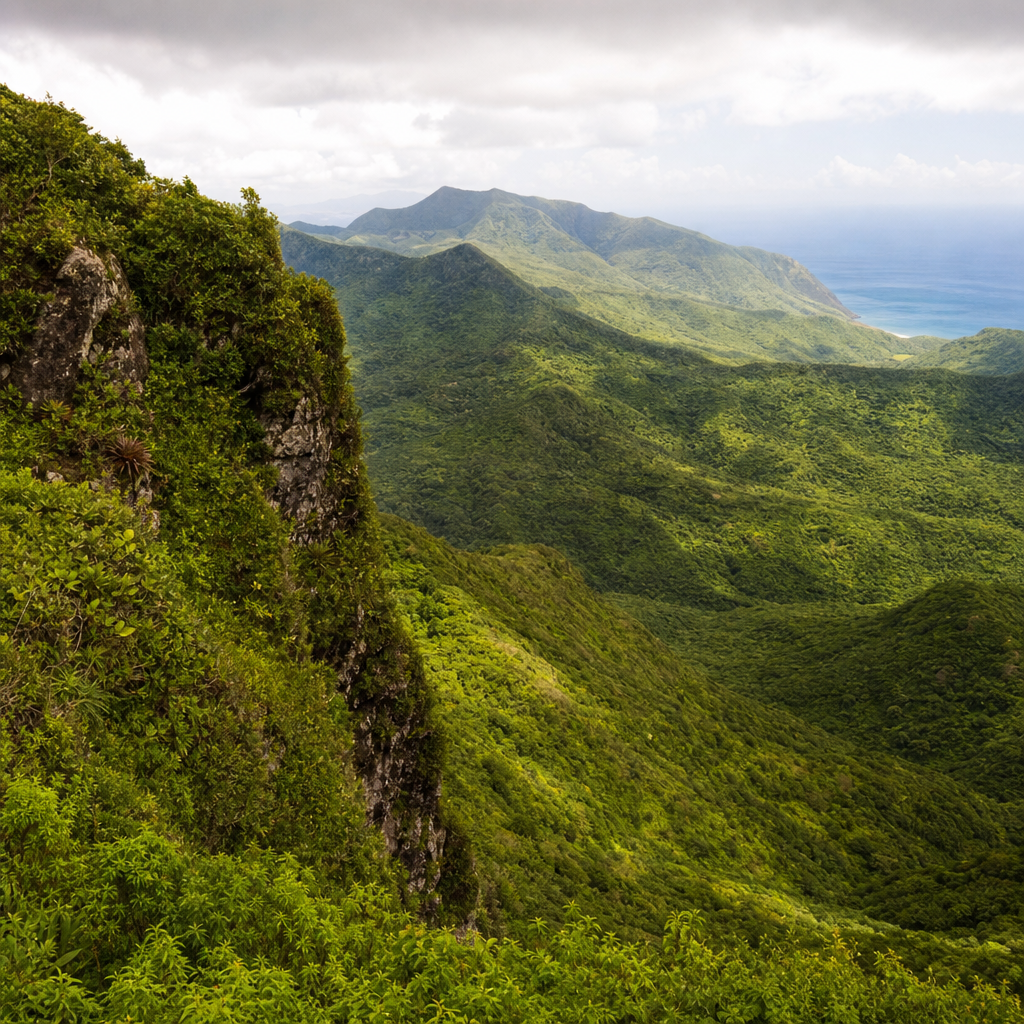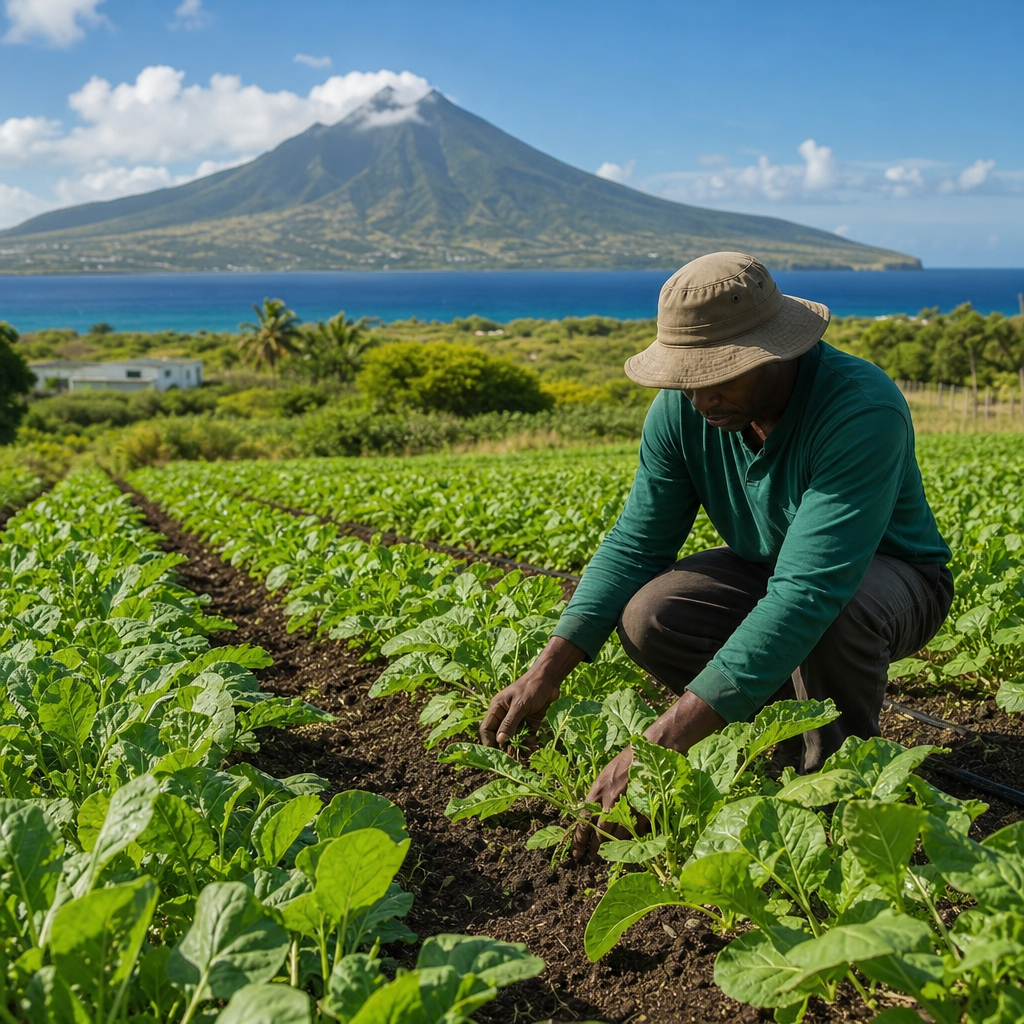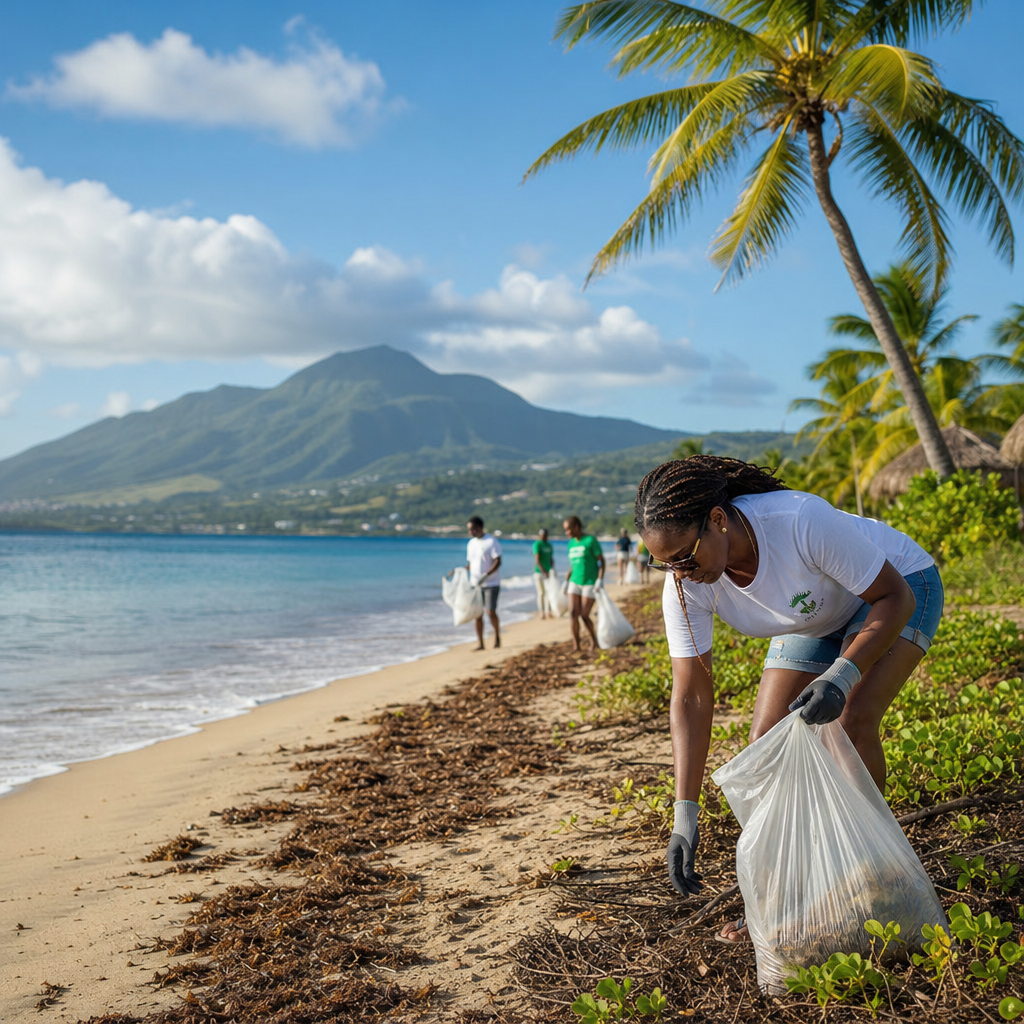
Celebrating the environment in Nevis means understanding how a small Caribbean island turns holidays into practical lessons in conservation, community stewardship, and low-impact tourism. Nevis, part of the Federation of Saint Kitts and Nevis in the Lesser Antilles, is known for cloud forest slopes, coral-fringed shores, volcanic soils, and a cultural calendar filled with festive gatherings. Eco-friendly holiday practices are the habits, policies, and visitor choices that reduce waste, conserve biodiversity, support local livelihoods, and protect natural resources during peak travel periods. I have worked with island destinations on sustainability messaging and visitor education, and Nevis stands out because environmental responsibility is not treated as a marketing extra. It is woven into beach cleanups, farm-to-table celebrations, heritage events, hiking etiquette, marine protection, and energy-saving hospitality operations. That matters because islands face concentrated pressure from tourism, imported goods, landfill limits, coastal erosion, and climate risk. A holiday surge can strain freshwater systems, generate packaging waste, disturb turtle nesting beaches, and increase fuel use unless local businesses and visitors plan carefully. Nevis offers a useful model: keep festivities vibrant, but make every celebration account for ecosystem limits. For travelers exploring Nature and Wildlife content, this hub matters because it connects many related themes in one place, from sea turtle awareness and reef-safe recreation to rainforest hiking, local food systems, and community conservation.
Why Nevis Is Well Suited to Eco-Friendly Holidays
Nevis rewards environmental care because its natural assets are concentrated, visible, and economically important. The island covers roughly thirty-six square miles, with Nevis Peak rising to about 3,232 feet at the center. That compact geography creates close links between upland forests, ghauts, farms, villages, beaches, and nearshore reefs. When holiday events increase traffic in one area, the effects can quickly spread elsewhere through runoff, litter, noise, or habitat disturbance. Local planners, hotel operators, dive businesses, and community groups therefore tend to think in connected systems rather than isolated attractions.
The tourism economy depends heavily on intact scenery and healthy ecosystems. Visitors come for quiet beaches like Pinney’s, snorkeling sites with reef fish, volcanic hiking trails, birdlife, and the sense of a less crowded Caribbean experience. If beaches accumulate single-use plastics or anchors damage marine habitats, the visitor product weakens immediately. That direct link between nature quality and economic resilience has encouraged practical measures: refill water stations, reusable service ware at some events, support for local agriculture, and stricter guidance for nature excursions. These are not abstract sustainability gestures. They preserve the exact landscapes and wildlife visitors are paying to enjoy.
Culture also plays a role. Nevisian celebrations often center on food, music, family, and place rather than large-scale consumption. That makes it easier to prioritize local ingredients, community cleanup efforts, and open-air gatherings that use existing spaces. In my experience, destinations succeed when sustainability fits local identity. On Nevis, environmental care aligns naturally with pride in land, sea, and heritage.
Low-Waste Festivities and Smarter Visitor Habits
The most immediate eco-friendly holiday practice on Nevis is reducing waste before it reaches a beach, trail, or landfill. Small islands have limited disposal capacity, and imported packaged goods create a disproportionate burden. During holiday periods, the best operators shift from disposable service models to refill and reuse systems. Hotels can place filtered water dispensers in common areas, eliminate miniature bathroom bottles, and offer reusable beach bags or drinkware. Event organizers can use bulk beverage service, durable cups, and clearly labeled bins where waste separation is feasible.
Visitors make a measurable difference through simple choices. Bring a refillable bottle, refuse plastic cutlery when eating takeaway food, and carry a small tote for market purchases. Choose reef-safe sun protection that avoids oxybenzone and octinoxate where possible, because chemical runoff can affect coral and other marine life. Pack out everything from remote beaches and hiking routes, including fruit peels, which attract animals and add to litter. If you smoke, never leave cigarette butts in sand or roadside drains; filters are a major microplastic source.
Holiday shopping can be lower impact too. Instead of imported souvenirs with heavy packaging, buy locally made preserves, spices, artwork, soaps, or crafts. Money stays on the island, freight-related emissions are lower, and the purchase tells a more authentic story. This is also where a hub page helps readers navigate related topics: sustainable dining, community markets, and local artisan features all belong under the wider Nature and Wildlife umbrella because consumption patterns affect land use, waste, and habitat pressure.
Nature-Friendly Celebrations on Beaches, Trails, and at Sea
Eco-friendly holidays on Nevis are not only about what visitors avoid; they are also about how they actively enjoy nature without degrading it. On beaches, the key rule is to leave the shoreline as you found it and give wildlife space. Sea turtles use Caribbean beaches for nesting, and bright lights, loud late-night activity, and furniture left in nesting zones can interfere with that process. Responsible properties reduce unnecessary beachfront lighting, shield fixtures, and move equipment back from the high-tide line. Visitors should avoid flash photography around turtles and never touch hatchlings or nests.
On trails, especially around Nevis Peak, good practice means staying with experienced guides, remaining on marked routes, and respecting weather conditions. Volcanic island trails can become slick quickly, and shortcutting switchbacks accelerates erosion. Guides do more than provide safety. They help keep groups within carrying capacity, interpret plant and bird life, and reinforce why cloud forest habitat matters for watershed protection.
Marine recreation requires similar discipline. Snorkelers should never stand on coral, chase fish, or collect shells from living habitats. Boaters should use established moorings where available rather than dropping anchors onto reef areas. Dive operators with strong environmental standards typically include briefings on buoyancy control, wildlife distance, and no-touch rules before entering the water. These instructions are essential during holidays, when first-time ocean users may be more likely to cause accidental damage.
| Holiday Activity | Eco-Friendly Practice | Why It Matters on Nevis |
|---|---|---|
| Beach celebration | Use reusable cups, remove all décor, limit lighting | Protects turtle nesting areas and reduces litter |
| Rainforest hike | Book a local guide, stay on trail, carry out waste | Reduces erosion and protects watershed habitat |
| Snorkeling trip | Wear reef-safer sunscreen, avoid touching coral | Preserves fragile nearshore ecosystems |
| Holiday dining | Choose local produce and seafood from responsible sources | Supports farmers and lowers import dependence |
| Gift shopping | Buy locally made goods with minimal packaging | Keeps value in the community and cuts waste |
Local Food, Seasonal Produce, and Community Benefit
One of the strongest environmental choices during holidays is eating what Nevis grows and prepares well. Local food systems reduce transport distance, support agricultural land in active use, and preserve culinary traditions that reflect local ecology. Nevis is known for crops such as mangoes, breadfruit, pumpkins, and other tropical produce, along with herbs, goat dishes, seafood, and fruit-based drinks. When hotels and restaurants source from island farmers and fishers, they create a direct economic reason to maintain working landscapes instead of abandoning them.
That said, sustainability in food is not automatic. Responsible sourcing means asking what is abundant, seasonal, and harvested with care. A menu centered on local vegetables, line-caught species where appropriate, and traditional recipes generally has a lighter footprint than one built around heavily imported ingredients. Some hospitality properties now highlight farm partnerships, kitchen garden programs, and composting efforts. Those details matter because food waste and freight emissions are significant parts of tourism’s footprint.
Community celebrations often offer the best example of circular value. A holiday event that hires local musicians, buys produce from nearby growers, and serves food in reusable ware spreads income across the island while keeping the experience rooted in place. Travelers looking for meaningful nature and wildlife experiences should not separate environmental protection from local economy. On an island, the two are tightly linked. Farmers maintain green space, fishers depend on healthy seas, and cultural cooks keep demand for local ingredients alive.
Hotels, Transport, and Practical Sustainability Standards
Hospitality operations shape a large share of holiday impact, so the best eco-friendly practices on Nevis come from behind-the-scenes management as much as guest-facing messaging. Water conservation is critical. Hotels can install low-flow fixtures, monitor leaks, use linen and towel reuse programs, and irrigate landscapes efficiently. Energy management matters too, especially in a warm climate where cooling loads rise fast. Efficient air-conditioning systems, occupancy sensors, LED lighting, shaded design, and preventative maintenance all reduce fuel demand and operating cost.
Procurement policies are equally important. Choosing refillable amenities, durable furnishings, and biodegradable cleaning products lowers waste and reduces harmful discharge. Staff training is what makes these policies work. Housekeeping teams need clear refill protocols, food and beverage teams need waste-sorting routines, and front desk staff need concise ways to explain conservation options to guests without sounding preachy.
Transport is another major factor. Nevis is accessible by ferry and regional connections, and once on island, short distances make trip planning easier. Visitors can reduce impact by combining errands, walking in village areas when practical, and choosing tour operators who group transfers efficiently. For excursions, smaller, well-managed groups usually create less disturbance than loosely organized crowds. If renting a vehicle, sensible route planning and slower driving near wildlife-sensitive coastal areas are simple but effective steps. The broader lesson is clear: sustainability is operational. It depends on systems, not slogans.
Conservation Awareness, Education, and the Wider Nature Hub
The most durable holiday practice is education that changes behavior after the trip ends. Nevis benefits when visitors understand not just what to do, but why it matters. A guided walk explaining invasive species, erosion control, medicinal plants, or bird habitat turns a hike into stewardship training. A turtle talk at a hotel or community venue can help guests recognize nesting season sensitivities. A heritage farm visit can show how land management, food security, and biodiversity intersect on a small island.
As a sub-pillar hub under Nature and Wildlife, this miscellaneous page should direct readers toward the full environmental picture. Reef etiquette, turtle conservation, birdwatching, forest trails, botanical diversity, sustainable dining, marine tours, beach care, and local agriculture are not separate side topics. Together, they explain how holidays can either burden or benefit Nevis. That is the central idea visitors should carry forward.
The practical takeaway is simple. Celebrate fully, but celebrate lightly. Choose businesses that conserve water and energy, respect wildlife rules, support local growers, and minimize waste. Ask informed questions. Reward good practices with your spending. If you are planning a Nevis trip, use this page as your starting point, then explore the connected Nature and Wildlife articles to build an itinerary that protects the island while enjoying everything that makes it memorable.
Frequently Asked Questions
What makes Nevis an especially meaningful place to celebrate eco-friendly holidays?
Nevis stands out because its environment, culture, and scale make sustainability feel immediate rather than abstract. As a small Caribbean island in the Lesser Antilles, Nevis has a close relationship with its natural resources: clean coastal waters support reefs and fisheries, volcanic soils shape local agriculture, and upland cloud forest areas help regulate water and biodiversity. During holiday periods, when gatherings, travel, dining, and entertainment naturally increase, the island’s ecological limits become even more relevant. That is why eco-friendly holiday practices in Nevis are not just about trend-driven “green” choices; they are practical ways of protecting the places and traditions that make celebrations possible in the first place.
Another reason Nevis is so meaningful in this context is that community life remains highly visible. Visitors can easily see how local events, seasonal food, artisan markets, beach use, and heritage celebrations connect to the health of the land and sea. Reducing litter, avoiding single-use plastics, conserving water, choosing locally grown foods, and respecting marine habitats all have direct benefits for residents and future visitors alike. In Nevis, holiday sustainability is less about sacrifice and more about stewardship: enjoying festive experiences while helping preserve coral-fringed shores, scenic trails, village spaces, and the cultural rhythms that define the island.
How do holiday celebrations in Nevis support conservation and community stewardship?
Holiday celebrations in Nevis can support conservation when organizers, businesses, residents, and travelers make intentional decisions about waste, sourcing, energy use, and public space care. Community stewardship often begins with the basics: keeping beaches, roadside gathering areas, and event venues clean; limiting disposable décor and food service items; and encouraging responsible disposal and recycling where available. These choices matter on a small island, where waste management systems have finite capacity and where litter can quickly move from streets into drains, coastal habitats, and the sea.
Stewardship also takes shape through local purchasing and cultural continuity. Events that feature locally grown produce, locally prepared dishes, island-made crafts, and Nevisian entertainment help reduce transportation impacts while keeping holiday spending rooted in the community. That strengthens livelihoods and reinforces the idea that environmental care and economic resilience work together. In many cases, an eco-conscious celebration in Nevis is one that honors place: using seasonal ingredients, respecting noise and space in residential areas, protecting vegetation and beaches from overuse, and leaving communal sites better than they were found. These practices turn a holiday from a one-day event into a shared act of care for the island.
What are the best eco-friendly choices visitors can make during a holiday stay in Nevis?
Visitors can make a significant positive impact by focusing on simple, consistent choices throughout their stay. One of the most effective steps is reducing waste at the source. Bringing a reusable water bottle, shopping bag, food container, and travel utensils helps cut down on single-use plastic items that often accumulate during festivals, beach outings, and excursions. Choosing accommodations and tour providers that demonstrate conservation-minded policies—such as energy-saving systems, towel and linen reuse programs, refillable toiletries, and responsible waste handling—also supports businesses that invest in lower-impact tourism.
Water and energy conservation are especially important on islands, so travelers should use air conditioning carefully, switch off lights and electronics when leaving a room, and be mindful of shower length and laundry requests. Visitors should also favor local food and goods whenever possible. Eating meals made with island-grown produce and locally sourced ingredients supports farmers and fishers while reducing the footprint associated with imported goods. Just as important is respectful interaction with nature: stay on marked paths when hiking, never remove shells or coral, avoid stepping on reef structures, use reef-safer sun protection when available, and keep a careful distance from wildlife. In Nevis, eco-friendly travel is about understanding that every holiday choice—from what you buy to where you walk—affects a real and delicate island environment.
Why are marine and coastal habits so important when celebrating holidays in Nevis?
Marine and coastal habits matter enormously because Nevis’ beaches, nearshore waters, and coral ecosystems are central to both its environment and its holiday appeal. Festive gatherings often draw people to the shoreline for picnics, swims, boat trips, and sunset events, which means the coast experiences concentrated pressure during busy periods. Small actions such as leaving litter behind, using disposable items irresponsibly, trampling dune or shoreline vegetation, or mishandling fuel and food waste can have outsized effects. On an island where land and sea are tightly connected, runoff and debris do not remain isolated problems for long; they can affect water quality, fish habitat, reef health, and the beauty of public spaces.
Practicing responsible coastal behavior helps preserve both ecological integrity and visitor experience. That includes packing out all trash, avoiding balloons and lightweight decorations that can blow into the sea, using designated access points to protect sensitive areas, and never touching or standing on coral while snorkeling or swimming. Boaters and excursion guests should also support operators who follow best practices around anchoring, wildlife viewing, and waste management. Healthy coasts are not just scenic assets; they are natural systems that buffer erosion, sustain biodiversity, and support local livelihoods. Protecting them during holidays is one of the clearest ways to celebrate Nevis while respecting the natural foundations of island life.
How can travelers enjoy festive traditions in Nevis without contributing to overtourism or environmental strain?
Travelers can enjoy Nevis’ festive atmosphere responsibly by approaching the island as a guest in a living community rather than a backdrop for consumption. That starts with choosing quality of experience over volume of activity. Instead of rushing from one attraction to another, visitors can spend more time engaging thoughtfully with local markets, heritage sites, guided nature experiences, and community-based businesses. Booking with knowledgeable local guides, dining at independently operated restaurants, and purchasing handcrafted goods from island makers all help distribute tourism benefits more directly and sustainably.
It is also important to respect timing, scale, and shared infrastructure. During busy holiday periods, simple habits such as traveling in smaller groups, being patient in public spaces, limiting excessive water and electricity use, and following local guidance at events reduce pressure on the island. Responsible travelers also ask practical questions: Is this activity harming wildlife? Is this business using local staff and products? Am I leaving waste behind? Am I treating public beaches and scenic areas with care? In Nevis, low-impact tourism does not mean doing less for the sake of restriction; it means celebrating more thoughtfully so that cultural traditions, natural beauty, and community well-being remain strong long after the holiday ends.