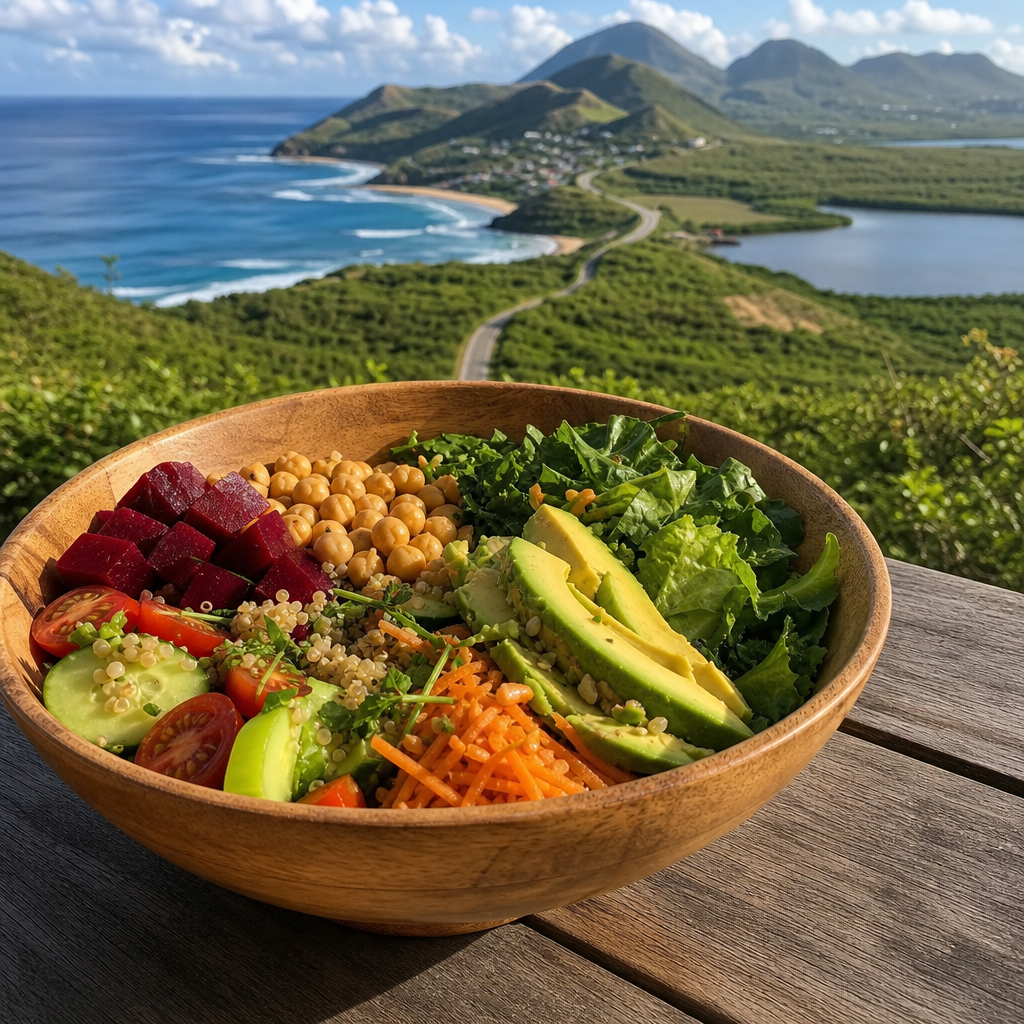
Nevis’ medicinal plants have long served as nature’s pharmacy, linking biodiversity, traditional knowledge, and practical everyday healthcare on a small Caribbean island where people historically relied on the landscape for teas, poultices, tonics, and aromatic remedies. In this context, medicinal plants are species used to ease symptoms, support recovery, or maintain wellness, whether through bush tea, topical preparations, steam inhalation, or culinary use. On Nevis, these practices grew from African, Indigenous, and European influences, then adapted to local conditions, seasonal availability, and family knowledge passed down through gardeners, healers, and elders. Today, interest in medicinal plants matters for several reasons. First, it helps preserve cultural heritage that can disappear quickly when oral traditions are not recorded. Second, it encourages conservation of habitats such as ghauts, coastal scrub, home gardens, and upland forest edges where useful species grow. Third, it supports more informed conversations about wellness, especially as residents and visitors seek natural remedies alongside modern medicine. Having worked with Caribbean plant education programs, I have seen that the most valuable starting point is not romanticizing “bush medicine,” but identifying plants correctly, understanding preparation methods, and respecting safety limits. This hub article provides that foundation for Nevis, introducing commonly discussed species, their traditional uses, preparation basics, ecological context, and the caution required when turning folk knowledge into responsible practice.
Why medicinal plants matter in Nevis
Medicinal plant knowledge in Nevis sits at the intersection of ecology and public memory. The island’s varied microhabitats support a surprisingly rich mix of useful species: dry coastal areas favor hardy shrubs, village yards host culinary herbs and fruit trees, while wetter elevations near Nevis Peak support species that prefer more moisture. In practical terms, this means a Nevisian household may draw remedies from both wild spaces and cultivated plots. Lemongrass might be clipped from the yard for a calming tea, while noni fruit may be gathered for a stronger tonic associated with digestive and immune support. Historically, this mattered because imported medicines were expensive or unavailable. Even now, home remedies often serve as first-line care for colds, mild stomach upset, minor skin irritation, and stress.
The value is not only medical. Medicinal plants also anchor a broader “Nature and Wildlife” understanding because they reveal how people interact with native and naturalized species over time. A plant is never just a specimen on Nevis; it may be food, shade, pollinator support, or medicine depending on season and need. For a hub page, that is important, because the miscellaneous category includes ethnobotany, herbal preparation, habitat observation, invasive plant awareness, and garden conservation. In other words, medicinal plants connect many smaller topics into one usable field guide. They also create strong internal pathways to related articles on island flora, herbal traditions, bird and insect pollinators, forest ecology, and sustainable gardening.
Common medicinal plants found or used on Nevis
Several plants are repeatedly mentioned in Nevis and the wider Eastern Caribbean for home remedies. Lemongrass, known for its citrus aroma, is commonly brewed as a tea for relaxation, mild fever support, and cold symptoms. It contains citral-rich essential oils that contribute to its scent and traditional use. Soursop leaves are widely discussed for calming teas, though they should be used conservatively because concentrated or prolonged intake is not automatically safe. Aloe vera is one of the most practical medicinal plants on the island, used topically for minor burns, dry skin, and irritation; the clear inner gel is preferred, while the yellow latex near the rind can be strongly laxative. Noni, or Morinda citrifolia, grows well in coastal Caribbean environments and is used in juices and tonics, usually for general wellness rather than a single narrowly defined complaint.
Other important species include ginger, turmeric, peppermint, basil, and guava leaves. Ginger rhizome is valued for nausea, warming teas, and respiratory comfort. Turmeric is used in food and infusions and is associated with anti-inflammatory support because of curcuminoids, although absorption is limited unless paired with fat or piperine from black pepper. Peppermint helps with digestion and soothing steam. Basil, including Caribbean bush basil types, may be used in teas for congestion or stress. Guava leaf tea has a long reputation in the region for diarrhea management and oral rinses because the leaves contain tannins and other bioactive compounds. These examples show a pattern I often emphasize: many island remedies overlap culinary and medicinal use, making household familiarity a major reason they persist.
How Nevisian remedies are prepared and used
Traditional use depends as much on preparation as on plant choice. The most common format is bush tea, usually an infusion or decoction. An infusion is made by pouring hot water over softer plant parts such as leaves, then covering the cup or pot to retain volatile compounds. A decoction is used for tougher materials such as bark, roots, seeds, or fibrous rhizomes and involves simmering them longer. Topical methods include poultices, leaf wraps, baths, and infused oils. Steam inhalation using mint, basil, or other aromatic leaves is another familiar approach for congestion. In my experience, the biggest misunderstanding among newcomers is assuming more plant material means a better remedy. In reality, stronger is not always safer, especially for children, pregnant people, older adults, or anyone taking prescription medicines.
Good practice starts with accurate identification, clean harvesting, and modest dosage. Plants should be rinsed well, collected away from traffic exhaust, pesticide drift, and contaminated runoff, and never taken from protected areas without permission. If a plant has milky sap, a strong smell, or look-alike species nearby, identification should be confirmed before use. Drying matters too. Leaves dried in moving shade generally retain better color and aroma than leaves baked in direct sun. Storage in airtight glass away from heat preserves quality longer than plastic bags in humid kitchens. These small handling details separate useful herbal practice from guesswork, and they are exactly the details that make a medicinal plant hub practical rather than purely descriptive.
Key plants, traditional uses, and cautions
| Plant | Typical traditional use | Common preparation | Main caution |
|---|---|---|---|
| Lemongrass | Relaxation, colds, mild fever support | Leaf tea | May irritate if overly concentrated |
| Aloe vera | Minor burns, skin soothing | Fresh inner gel | Latex can act as a strong laxative |
| Ginger | Nausea, warming respiratory tea | Rhizome decoction | Use caution with blood-thinning medication |
| Guava leaves | Digestive upset, mouth rinse | Leaf decoction | Not a substitute for dehydration treatment |
| Noni | General wellness tonic | Juice or fermented preparation | Potential interactions for some medical conditions |
Safety, evidence, and responsible use
A balanced discussion of Nevis’ medicinal plants must be clear about limits. Traditional use is valuable evidence of lived effectiveness, but it is not identical to clinical proof. Some plants have substantial laboratory and pharmacological research behind them, while others are supported mostly by custom, small studies, or plausible mechanisms rather than large human trials. Aloe vera for minor topical use is relatively well established. Ginger for nausea also has strong support, including use in pregnancy under medical guidance in appropriate doses. By contrast, broad claims that a single leaf tea “cures” serious disease are not credible. Responsible writing about medicinal plants requires distinguishing supportive care from treatment of dangerous conditions such as uncontrolled diabetes, severe infection, hypertension, dehydration, asthma attack, or stroke symptoms.
Interactions matter as much as benefits. Herbal remedies can affect blood clotting, blood sugar, blood pressure, liver metabolism, and sedation levels. That means a seemingly simple cup of tea may be relevant if someone is taking warfarin, antihypertensives, insulin, antidepressants, or sedatives. Plant part matters too: leaves, bark, seeds, and roots from the same species can have different chemistry and safety profiles. Dosage, frequency, age, pregnancy status, and preexisting illness all change the equation. The safest standard is straightforward: use food-like herbs conservatively for mild complaints, stop immediately if there is a reaction, and involve a pharmacist or physician when symptoms are severe, prolonged, or medically complex. That approach respects traditional knowledge without pretending every remedy is universally safe.
Conservation, cultivation, and the future of bush medicine on Nevis
Medicinal plant use can either support conservation or damage it, depending on how plants are sourced. On Nevis, the best long-term model is cultivation in home gardens, school plots, and community demonstration spaces. Fast-growing herbs like lemongrass, mint, turmeric, basil, and aloe are easy to maintain and reduce pressure on wild habitats. Fruit-bearing medicinal species such as soursop, guava, and noni can also fit into agroforestry systems that improve shade, soil cover, and food security. This matters because wild harvesting, especially of bark or roots, can kill slow-growing plants and degrade already limited habitat. On small islands, ecological loss happens quickly, so cultivation is not just convenient; it is a conservation strategy.
Education is the second pillar. A modern medicinal plant program for Nevis should combine elder knowledge with herbarium-style identification, labeled gardens, and guidance from agriculture and public health professionals. Schools can teach students how to distinguish a species, document local names, and understand why one plant is brewed as an infusion while another is simmered as a decoction. Tourism operators can also contribute by framing medicinal plants accurately during nature tours instead of repeating exaggerated folklore. If the island positions medicinal plants as part of its broader nature and wildlife story, it can protect cultural knowledge while building appreciation for native landscapes. In my view, that is the strongest future for bush medicine on Nevis: living gardens, careful documentation, and practical respect for both science and tradition.
Nevis’ medicinal plants remain one of the island’s clearest examples of how biodiversity becomes daily usefulness, cultural memory, and local resilience. From lemongrass tea for comfort to aloe gel for skin care, these remedies show that nature’s pharmacy is not an abstract idea but a working tradition shaped by climate, habitat, and generations of observation. The most important lesson is simple: medicinal plants are valuable when they are identified correctly, prepared properly, used conservatively, and understood within their limits. They can support wellness, but they do not replace emergency care, diagnosis, or evidence-based treatment for serious illness. As a hub within the Nature and Wildlife topic, this page also points to a wider story. Medicinal plants connect to pollinators, forest edges, coastal ecology, kitchen gardens, invasive species management, and heritage preservation. That makes “miscellaneous” not a leftover category, but a practical meeting point for many related subjects. If you want to explore Nevis more deeply, start by learning five common plants in a local garden, ask how they are used, and build from there with care, curiosity, and respect.
Frequently Asked Questions
What makes Nevis’ medicinal plants such an important part of the island’s health traditions?
Nevis’ medicinal plants are important because they reflect a long-standing relationship between people, place, and practical healthcare. On a small Caribbean island where families historically relied on what was available in gardens, hillsides, and cultivated plots, plants became an accessible and trusted source of everyday remedies. These uses were not separate from daily life; they were woven into cooking, caregiving, and community knowledge. A leaf might be brewed as bush tea for comfort during a cold, an herb might be crushed for a topical preparation, or aromatic plants might be used in steam inhalation to ease congestion and promote relaxation. In that sense, medicinal plants served as a local pharmacy built from observation, experience, and continuity across generations.
They also matter because they connect biodiversity with cultural memory. The value of these plants is not only in their physical properties, but in the knowledge of when to harvest them, how to prepare them, and which uses are considered gentle, strengthening, soothing, or restorative. On Nevis, this tradition grew from a blend of African, Caribbean, and broader colonial-era influences, shaped by the realities of island life and the need for self-reliance. Even today, medicinal plants remain meaningful because they represent a holistic understanding of wellness: care for the body, respect for the land, and appreciation for the inherited wisdom that helped communities manage common ailments before modern medicine was widely available.
How were medicinal plants traditionally used on Nevis for everyday wellness and minor ailments?
Traditionally, medicinal plants on Nevis were used in practical, familiar ways that fit into household routines. One of the most common methods was bush tea, where leaves, flowers, roots, or other plant parts were steeped or simmered to create a drink believed to soothe symptoms, warm the body, support digestion, or encourage rest. Families often turned to these teas for common complaints such as colds, mild stomach discomfort, fatigue, or general feelings of being “run down.” The preparation itself mattered: some plants were gently infused, while others were boiled longer to draw out stronger flavor and perceived medicinal value.
Topical uses were just as important. Poultices, washes, and rubs were prepared from fresh or crushed plant material and applied to the skin for soreness, minor irritation, swelling, or muscular discomfort. In some cases, aromatic herbs were used in steam baths or inhalations, especially when someone was congested or needed relief from respiratory discomfort. Culinary use also played a role in wellness, since many plants functioned as both food and remedy. Herbs and spices added to soups, broths, and tonics were often valued not only for taste, but for their warming, cleansing, or strengthening qualities. What stands out in Nevisian tradition is that medicinal plant use was rarely abstract; it was hands-on, sensory, and tailored to ordinary needs, with remedies shaped by what people grew, gathered, and trusted.
Are Nevis’ medicinal plants mainly used for treatment, or are they also part of preventive health?
They are very much part of preventive health as well as treatment. In many traditional systems, including those practiced on Nevis, medicinal plants are not only taken when illness appears. They are also used to maintain balance, strengthen the body, support digestion, promote circulation, encourage restful sleep, and help people recover after stress, overwork, or changing weather. This preventive role is especially important in island communities, where wellness has often been understood as something supported daily through food, herbs, rest, and routine care rather than addressed only during acute sickness.
For example, a mild herbal tea might be used as a regular comfort drink, a tonic might be prepared seasonally, or certain aromatic plants might be kept on hand to refresh the air and support respiratory ease. This does not mean every plant was used casually or in the same way. Traditional knowledge generally distinguished between gentle herbs for regular use and stronger plants that called for more caution. The broader point is that Nevis’ medicinal plants were part of a preventive mindset: helping people stay well, recover more smoothly, and remain connected to a way of living that saw health as an ongoing practice. That perspective continues to resonate today, especially among people interested in natural wellness, local traditions, and the role of everyday habits in long-term health.
Why is traditional knowledge so important when talking about medicinal plants on Nevis?
Traditional knowledge is essential because the usefulness of medicinal plants depends on far more than simply knowing a plant’s name. People need to understand which part of the plant is used, when it should be harvested, whether it is used fresh or dried, how it is prepared, how strong the preparation should be, and in what situations it is considered appropriate. On Nevis, much of this information was historically passed down through family lines, neighborhood practice, and community memory. Elders, caregivers, herbal practitioners, and experienced home cooks often played a major role in preserving this knowledge, teaching not only recipes and techniques but also judgment and caution.
This matters for cultural reasons as much as practical ones. Traditional plant knowledge preserves a record of how people adapted to their environment and met health needs with local resources. It reflects resilience, observation, and intergenerational learning. It also reminds us that medicinal plant use is embedded in a wider worldview involving respect for nature, seasonality, and the intimate knowledge of landscape that small islands often foster. In modern discussions, this traditional knowledge deserves recognition because it gives context to the remedies themselves. Without that context, medicinal plants can be reduced to trend or folklore, when in reality they are part of a sophisticated local system of care shaped over time by necessity, experimentation, and cultural continuity.
What should readers keep in mind when learning about or trying medicinal plants associated with Nevis?
Readers should approach Nevis’ medicinal plants with both appreciation and care. It is valuable to recognize these remedies as part of a meaningful cultural tradition and a rich body of local knowledge, but it is equally important not to assume that “natural” always means harmless for everyone. Plants can vary in strength, interact with medications, cause allergic reactions, or be unsuitable during pregnancy, for children, or for people with certain health conditions. Accurate identification is also crucial, since plants that look similar may have very different effects. For these reasons, anyone interested in using medicinal plants should rely on trustworthy guidance and avoid improvising with unfamiliar species or doses.
It also helps to view these plants in their proper context: not as miracle cures, but as part of a broader approach to health that includes nourishment, rest, hygiene, and informed medical care when needed. Learning about Nevis’ medicinal plants can deepen respect for the island’s biodiversity and heritage, especially when that learning honors the people who preserved this knowledge through generations. Whether someone is exploring bush teas, aromatic remedies, or traditional tonics from a historical perspective or a wellness perspective, the best approach is one of curiosity, humility, and responsibility. That balance allows readers to appreciate nature’s pharmacy on Nevis while respecting both cultural tradition and modern health considerations.