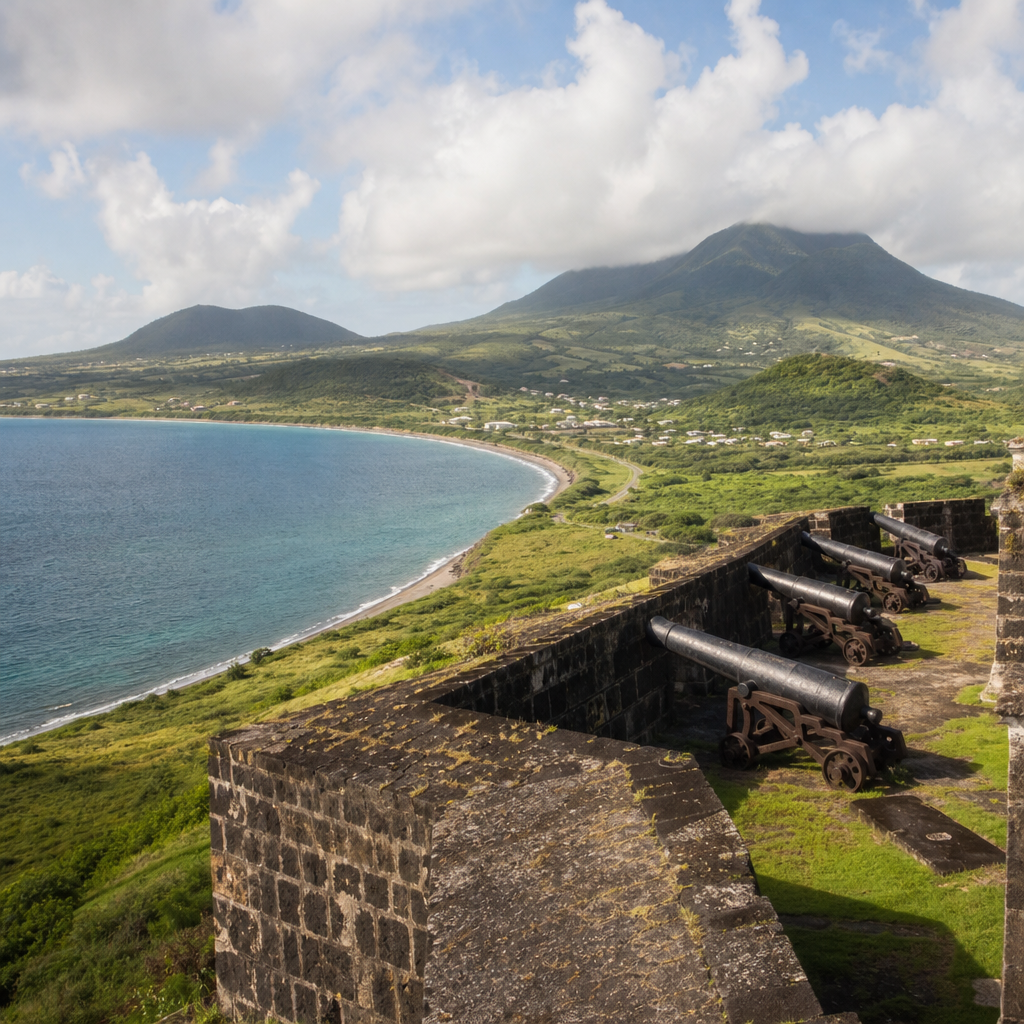
Nature photography in Nevis offers an unusual combination of accessibility, biodiversity, and dramatic scenery, making the island one of the Caribbean’s most rewarding locations for photographers who want more than postcard beaches. Nevis is a small volcanic island in Saint Kitts and Nevis, defined by Nevis Peak, ringed by black sand and golden beaches, crossed by old estate roads, and edged by reefs, mangroves, and coastal wetlands. For photographers, “nature photography” here includes landscape work, bird photography, macro subjects, marine-edge scenes, forest documentation, and storytelling images that connect ecology with culture. That broad definition matters because Nevis is best photographed as a living system rather than a checklist of viewpoints.
I have found that the island rewards patience far more than speed. A sunrise session on Pinney’s Beach can become a study in changing cloud color, brown pelicans diving offshore, and sea grape leaves glowing in side light. A late afternoon drive into the foothills can shift from wide volcanic vistas to close studies of vervet monkeys in the canopy, lizards on stone walls, and moss patterns on old plantation ruins. This variety is why nature photography in Nevis matters to visitors, tourism businesses, and conservation groups alike. Strong images help travelers plan better trips, encourage respect for fragile habitats, and preserve visual records of species and landscapes that are changing under pressure from development, storms, and climate shifts.
As a hub within the broader Nature and Wildlife topic, this guide covers the essential miscellaneous ground photographers usually search for in one place: where to shoot, what to expect by habitat, which techniques work best, what gear is genuinely useful, when weather helps or hurts, and how to photograph responsibly. If you want a practical overview before diving into more specialized guides on birds, marine life, hiking routes, or seasonal conditions, this article gives you the framework. The goal is simple: help you capture Nevis accurately, beautifully, and ethically, with images that reflect the island’s real character rather than generic tropical clichés.
Why Nevis Stands Out for Nature Photography
Nevis stands out because its scale makes it possible to photograph multiple ecosystems in a single day without spending hours in transit. You can start with dawn seascapes on the west coast, move into dry coastal scrub for reptiles and flowering plants, climb into wetter forest on the mountain slopes by midmorning, and end at a heritage landscape where old stone structures sit against green hills and grazing livestock. Few Caribbean islands let photographers work across such varied terrain so efficiently. That efficiency matters when light, weather, and animal activity windows are short.
The island also offers a strong sense of visual identity. Nevis Peak dominates many compositions and works as an anchor for landscape images from beaches, roadsides, and upland trails. The coastline presents contrasting textures: calm Caribbean water on one side, darker volcanic sand in some areas, brighter resort-adjacent beaches in others, and rocky sections that add structure during rougher seas. Inland, former sugar estates, donkey paths, and hand-built stone walls provide context without overpowering the natural scene. In practice, that means your portfolio can show place-specific character instead of interchangeable tropical scenery.
Wildlife adds another layer. Green vervet monkeys are common, though not always easy to photograph well because they move fast and often stay high in foliage. Birds are more diverse than many first-time visitors expect, including brown pelicans, frigatebirds, herons, hummingbirds, shorebirds, and seasonal migrants. Insects, crabs, lizards, and flowering plants provide reliable subjects when larger wildlife is quiet. Even if your trip is not timed for a specialist expedition, Nevis makes it realistic to come home with strong landscape, wildlife, and detail images from the same itinerary.
Best Locations and Habitats to Photograph
The most productive way to plan nature photography in Nevis is by habitat rather than by hotel proximity. Coastal beaches such as Pinney’s Beach work best for sunrise and late-day silhouettes, especially when the water is calm enough to reflect pastel skies. These areas are ideal for broad scenic frames, pelicans, egrets, and human-scale environmental images that show how locals and visitors interact with the shoreline. Early morning is usually best before heat haze softens distant details and beach activity increases.
Wetlands and pond areas deserve more attention than they often receive. Seasonal water levels affect which birds appear, but these quieter habitats can produce herons, shorebirds, and excellent reflections in still conditions. Because the light changes quickly, I usually expose for highlights first and then lift shadows later, especially when white birds stand against dark vegetation. Mangrove edges are similarly useful for layered compositions, though they require care with footing and insect protection. These habitats are less instantly dramatic than open beaches, but they often deliver the most distinctive wildlife images.
The lower slopes of Nevis Peak provide the island’s richest texture for forest photography. Here, moisture increases, vegetation thickens, and scenes become more intimate: tree ferns, vines, moss-covered trunks, filtered light, and quick glimpses of monkeys or birds. Wide-angle lenses help show depth along trails, while short telephoto lenses isolate details without flattening everything. Higher elevation weather changes fast, so cloud and mist are not obstacles; they are often the reason the forest photographs well. Soft, diffused light reveals color and reduces contrast on leaves and bark.
Historic estates and rural roads form an important transition zone between built and natural environments. Places near old sugar plantation ruins, pastures, and hillside villages can produce some of the island’s most memorable frames because they combine flowering trees, grazing animals, volcanic backdrops, and architecture with ecological meaning. These are especially valuable for editorial storytelling and travel features. The image is not only beautiful; it explains Nevis as a place shaped by agriculture, trade winds, rainfall patterns, and time.
| Location or Habitat | Best Subjects | Best Time | Main Challenge |
|---|---|---|---|
| Pinney’s Beach | Sunrise landscapes, pelicans, silhouettes | Dawn to early morning | Heat haze and growing foot traffic |
| Wetlands and ponds | Herons, shorebirds, reflections | Early morning or late afternoon | Changing water levels and insects |
| Nevis Peak foothills | Forest scenes, monkeys, macro details | Cloudy mornings | Low light and fast weather shifts |
| Estate ruins and rural roads | Environmental storytelling, trees, livestock | Golden hour | Balancing heritage features with natural focus |
Lighting, Weather, and Seasonal Timing
Light in Nevis is generous but not always easy. Midday sun can be harsh year-round, creating high contrast on sand, water, and broad leaves. When I have to shoot at noon, I avoid generic wide beach scenes and switch to backlit foliage, black-and-white textures, or shaded subjects under tree cover. Early and late hours remain the most dependable for landscapes and wildlife, but overcast conditions are often even better in the forest, where even illumination preserves detail across greens.
Weather is central to success. The dry season generally offers more predictable access and cleaner horizons, while wetter periods can bring dramatic clouds, greener vegetation, and more atmospheric mountain scenes. Trade winds help with comfort and can animate palms, grasses, and surf, but they also complicate macro work and long-lens stability. A travel tripod with a solid ball head is useful, yet in wind I often rely more on higher shutter speeds and braced handheld technique than on extended tripod setups near exposed coastlines.
Storm remnants and passing squalls can be excellent for photography if handled safely. Some of my strongest Nevis images came just after brief rain, when roads darkened, leaves reflected more light, and the peak emerged through broken cloud. The key is to protect gear, watch footing, and stay aware of flash-flood risk on steep or muddy routes. Photographers who expect only clear blue-sky Caribbean weather often miss the island’s most expressive moods.
Camera Gear and Field Techniques That Actually Help
You do not need an oversized kit to photograph Nevis well, but you do need the right range. A practical setup is a wide zoom for landscapes, a midrange zoom for general travel scenes, and a telephoto in the 100–400mm class for birds and monkeys. That combination covers almost everything without constant lens swapping in humid conditions. If weight is a concern, one weather-sealed body and two lenses usually outperform a larger kit that stays in the room because it is inconvenient.
Polarizing filters are useful on the coast and after rain, though they should be used carefully with wide lenses to avoid uneven skies. Neutral density filters can help with long-exposure surf, but Nevis is often more about shape and light than extreme-motion effects. For macro or close detail work, a compact close-focus lens or extension tube is enough for flowers, insects, bark, and shell textures. Extra batteries matter because heat, image review, and wireless transfers drain power faster than many travelers expect.
Technique matters more than equipment prestige. For birds against bright water, use exposure compensation before the moment happens, not after. For monkeys, pre-focus on likely branches and keep shutter speed high because their movement is abrupt and unpredictable. In forest scenes, look for visual order: one leading trunk, one light shaft, one dominant fern. The most common mistake I see is trying to include every interesting plant in a single frame. Editing in camera produces stronger files and a clearer story.
Wildlife, Ethics, and Responsible Image-Making
Nature photography in Nevis should never come at the expense of the habitats that make the island special. That means keeping distance from nests, avoiding playback calls in sensitive areas, not feeding monkeys or birds for closer shots, and staying on established paths where erosion is already managed. Shorebirds and herons burn energy when repeatedly flushed, especially in heat. If an animal changes posture, stares, alarms, or moves away because of you, the ethical line has already been crossed.
Responsible practice also includes cultural awareness. Many beautiful locations in Nevis sit near private land, working roads, churches, homes, or historic sites. Ask before entering, park without blocking access, and remember that local residents are part of the landscape, not obstacles within it. Images improve when the photographer acts with respect because access improves, conversations happen, and people often share the exact tree, trail, or pond where wildlife was active that morning.
Finally, process and caption your work honestly. Do not label captive, baited, or heavily manipulated images as spontaneous wildlife encounters. If weather, season, or access limited what you could photograph, say so. Accurate captions build trust and make your Nevis portfolio more useful to editors, tourism partners, researchers, and future travelers who want a realistic sense of the island.
How to Build a Strong Nevis Photography Story
The best Nevis portfolios combine variety with continuity. Start with an establishing landscape, then add medium scenes that show habitat, then details that reveal species, texture, or behavior. A complete visual story might include dawn over the beach, a pelican dive, rain clouds wrapping Nevis Peak, a close study of sea grape leaves, monkeys in the forest margin, and an estate ruin framed by flowering trees. Together, those images explain the island far better than twenty similar sunset shots.
Think in sequences and pairings. Match wide and close perspectives from the same location. Photograph the same viewpoint in different weather. Include signs of scale such as a lone tree, a trail, or surf against volcanic rock. If you create content for a blog or destination guide, link your image sets to narrower topics like birdwatching spots, hiking routes, beach guides, or seasonal travel advice. That structure helps readers and gives your photography a useful editorial framework instead of leaving it as a disconnected gallery.
Nevis rewards photographers who observe slowly, move lightly, and work with the island’s rhythms rather than against them. Its beauty is not limited to one iconic overlook or one famous species. It lives in transitions: dry coast to wet forest, sun to mist, ruin to regrowth, still water to wind-driven surf. Bring a flexible plan, protect the habitats you depend on, and give yourself time to return to the same places in different light. If you do, your images will show not just where Nevis is, but why its natural character deserves careful attention. Start with one sunrise, one trail, and one quiet wetland, and let the island teach you how to photograph it well.
Frequently Asked Questions
What makes Nevis such a special destination for nature photography?
Nevis stands out because it packs an extraordinary range of photographic subjects into a very small, highly accessible island. In a single day, photographers can move from volcanic mountain slopes and rainforest edges to historic estate roads, black sand beaches, golden bays, mangroves, reefs, and coastal wetlands without spending hours in transit. That variety is rare in the Caribbean. Instead of offering only classic beach scenes, Nevis gives photographers layered landscapes, strong changes in elevation, dramatic weather, and rich ecological diversity.
Nevis Peak is central to the island’s visual identity, and it gives many compositions a powerful anchor. Depending on light and weather, the mountain can appear sharply defined, wrapped in mist, or backdropped by towering cloud formations. Around the coast, the contrast between dark volcanic sands, bright sea light, and lush vegetation creates scenes with depth and mood. Add in seabirds, shore life, tropical flora, and quieter rural settings, and photographers have opportunities that go well beyond postcard imagery.
Another reason Nevis is rewarding is its pace. The island’s calmer atmosphere allows photographers to work more deliberately, revisit locations at different times of day, and respond to changes in tide, weather, and wildlife activity. For anyone interested in landscape, coastal, macro, or environmental photography, Nevis offers a combination of scenic drama, biodiversity, and practical convenience that is unusually strong for such a compact destination.
What types of nature photography can you realistically do on Nevis?
Nevis supports a wide range of nature photography genres, which is one of its greatest strengths. Landscape photography is the most obvious starting point, with sweeping coastal views, mountain backdrops, volcanic terrain, and changing sky conditions all providing excellent material. Sunrise and late afternoon are especially productive for beach and shoreline work, when low-angle light brings out texture in sand, rock, and water while softening tropical contrast.
Wildlife and bird photography are also viable, particularly around wetlands, mangrove areas, ponds, and quieter sections of coast where birds feed or rest. While Nevis is not usually marketed as a major safari-style wildlife destination, patient photographers can still capture rewarding subjects such as shorebirds, seabirds, insects, lizards, and smaller forms of island life. The key is to approach the island with an observational mindset rather than expecting nonstop action. The quieter ecological details are often what make the photography memorable.
Macro and close-up photography can be especially satisfying on Nevis. Tropical flowers, leaves, bark textures, shells, seed patterns, and insects provide strong opportunities for detail work. Photographers interested in storytelling can also explore environmental and conservation-oriented images, combining natural features with the island’s working landscapes, old estate routes, and coastal ecosystems. In short, Nevis is not limited to one style. It works best for photographers who want to build a varied portfolio that includes grand scenes, intimate details, and ecological context.
When is the best time of day to photograph nature on Nevis?
The best time of day depends on the subject, but in general, early morning and late afternoon are the most consistently rewarding. Sunrise is excellent for beaches, bays, wetlands, and open coastal areas because the light is softer, the air is often clearer, and winds may be lighter, which can help with reflections and finer detail. Morning is also a good time for wildlife activity, especially birds and insects, before the heat becomes intense and movement patterns change.
Late afternoon and the hour before sunset are equally valuable, especially for landscapes that include Nevis Peak, palm-lined coastlines, and textured terrain. The lower sun angle adds shape and dimensionality, while warmer tones can bring life to volcanic sands, grasses, and weathered stone. If clouds build during the day, evening light can become especially dramatic, creating striking skies and high-impact seascapes.
Midday is usually the most challenging because tropical overhead sun can produce harsh contrast, clipped highlights, and flatter textures. That said, it is not useless. Midday can work well for underwater or near-water scenes, bold color studies, black-and-white compositions, and shaded forest or estate-road subjects where direct light is filtered. It can also be useful for scouting locations for a return visit later. On Nevis, successful photographers often treat the day in phases: sunrise for coast, midmorning for details or higher ground, midday for scouting or close work, and late afternoon for wide landscapes and atmospheric shoreline scenes.
What camera gear should you bring for nature photography in Nevis?
A versatile setup is usually better than an overly specialized one. For most photographers, a wide-angle lens is essential for coastal landscapes, mountain views, and dramatic skies, while a standard zoom or short telephoto is useful for more flexible framing and environmental compositions. If wildlife or bird photography is a priority, a longer telephoto lens will help, especially around wetlands and more open shoreline areas where you cannot approach subjects closely without disturbing them.
A tripod can be very helpful for sunrise and sunset work, long exposures, low-light forest scenes, and more deliberate compositions. Neutral density and polarizing filters are also worth considering. A polarizer can reduce glare on water and foliage while deepening color and contrast, and ND filters can help create smoother water effects or balance bright tropical conditions. For macro photographers, a dedicated macro lens or close-focusing lens can reveal a completely different side of the island through plant details, textures, and insects.
Just as important as lenses are practical protections. Nevis can be humid, salty, and occasionally wet, so lens cloths, weather protection, dry bags, and silica packs are smart additions. Spare batteries and memory cards are essential, particularly if you plan to spend long periods away from your lodging. Comfortable footwear matters too, especially if you want to work along uneven shoreline, trails, or older estate paths. The ideal kit for Nevis is one that balances image quality, mobility, and resilience in changing coastal and tropical conditions.
How can photographers capture Nevis responsibly while protecting its natural environments?
Responsible photography on Nevis starts with understanding that the island’s beauty depends on fragile ecosystems remaining undisturbed. Mangroves, reefs, wetlands, dunes, and coastal vegetation all play important ecological roles, and careless movement can damage them quickly. Photographers should stay on established paths where possible, avoid trampling shoreline plants, and never move into sensitive habitat simply to improve an angle. A strong photograph is never worth disturbing the environment that made it possible.
Wildlife should always be approached with patience and distance. If a bird changes behavior because of your presence, calls repeatedly, stops feeding, or moves away, you are too close. Using a longer lens is almost always the better option. The same principle applies to smaller creatures and plant life: avoid handling subjects, removing natural elements, or rearranging scenes in ways that alter the habitat. Ethical fieldcraft often produces better images anyway, because animals and natural systems behave more authentically when left alone.
It is also wise to be respectful of local land use and community spaces. Some of the island’s most photogenic roads, estates, and coastal areas may border private property or active local activity. Asking permission when appropriate, following local guidance, and working with awareness helps build a more positive relationship between photographers and the island. Ultimately, the best approach is simple: leave no trace, disturb nothing, and photograph Nevis in a way that preserves both its ecosystems and its character for future visitors and local residents alike.