Saint Kitts’ eco-tours offer one of the most rewarding ways to experience the island because they combine rainforest hikes, marine encounters, farm visits, and cultural learning with a lower environmental impact than conventional sightseeing. An eco-tour is more than a scenic outing. It is a guided or self-guided experience designed to protect natural habitats, support local communities, reduce waste, and teach visitors how ecosystems function. On Saint Kitts, that matters because the island’s appeal depends on healthy reefs, intact forest corridors, clean coastal waters, and the livelihoods of people who fish, farm, guide, and conserve these places. I have planned island nature itineraries where the difference between a standard excursion and a responsible one was obvious: group size, trail discipline, reef-safe practices, and local ownership changed both the visitor experience and the destination’s long-term health. For travelers researching nature and wildlife activities, this hub explains what responsible eco-tours in Saint Kitts look like, which landscapes they cover, what standards to look for, and how to choose experiences that benefit both traveler and island.
What makes an eco-tour responsible on Saint Kitts
A responsible eco-tour on Saint Kitts has four core features. First, it minimizes environmental disturbance through small groups, marked-route travel, wildlife viewing distance, reef-safe snorkeling rules, and careful waste handling. Second, it creates direct local benefit by employing Kittitian guides, using local transport providers, buying from nearby farms or food vendors, and keeping revenue in the community. Third, it includes interpretation, meaning guests learn about volcanic geology, dry forest regeneration, mangrove function, coral stress, or the history of land use instead of simply moving through a landscape without context. Fourth, it follows safety and conservation standards set by credible operators and public agencies, including weather judgment, marine briefings, and protected-area etiquette.
Saint Kitts is especially well suited to this style of travel because its landscapes are compact but varied. Within a short distance, visitors can move from Caribbean beaches and nearshore reefs to central mountain rainforest and former sugar estates now being repurposed for heritage and agriculture. That variety allows travelers to build an itinerary around low-impact activities rather than resource-heavy attractions. A guided volcano slope hike, a birding walk near wetlands, a kayak or catamaran trip with strict marine rules, and a visit to an organic farm can all fit into a short stay. The best operators do not treat nature as a backdrop. They explain why vervet monkeys alter crop patterns, how erosion affects reef clarity, and why staying on trail protects endemic plants and nesting sites.
Rainforest, volcano, and trail experiences
The island’s interior is the center of many land-based eco-tours. Mount Liamuiga, a dormant stratovolcano rising roughly 3,792 feet, anchors the island’s topography and creates the elevational gradient that supports lush forest, cloud cover, and high biodiversity. Hikes on its slopes are physically demanding, but they are also among the clearest examples of responsible nature tourism when led properly. Good guides pace groups according to terrain, explain root systems, identify fruiting trees and medicinal plants, and keep hikers on established paths to prevent widening trails and damaging undergrowth. They also brief travelers on footwear, hydration, weather shifts, and the realities of steep volcanic terrain rather than marketing the walk as casual.
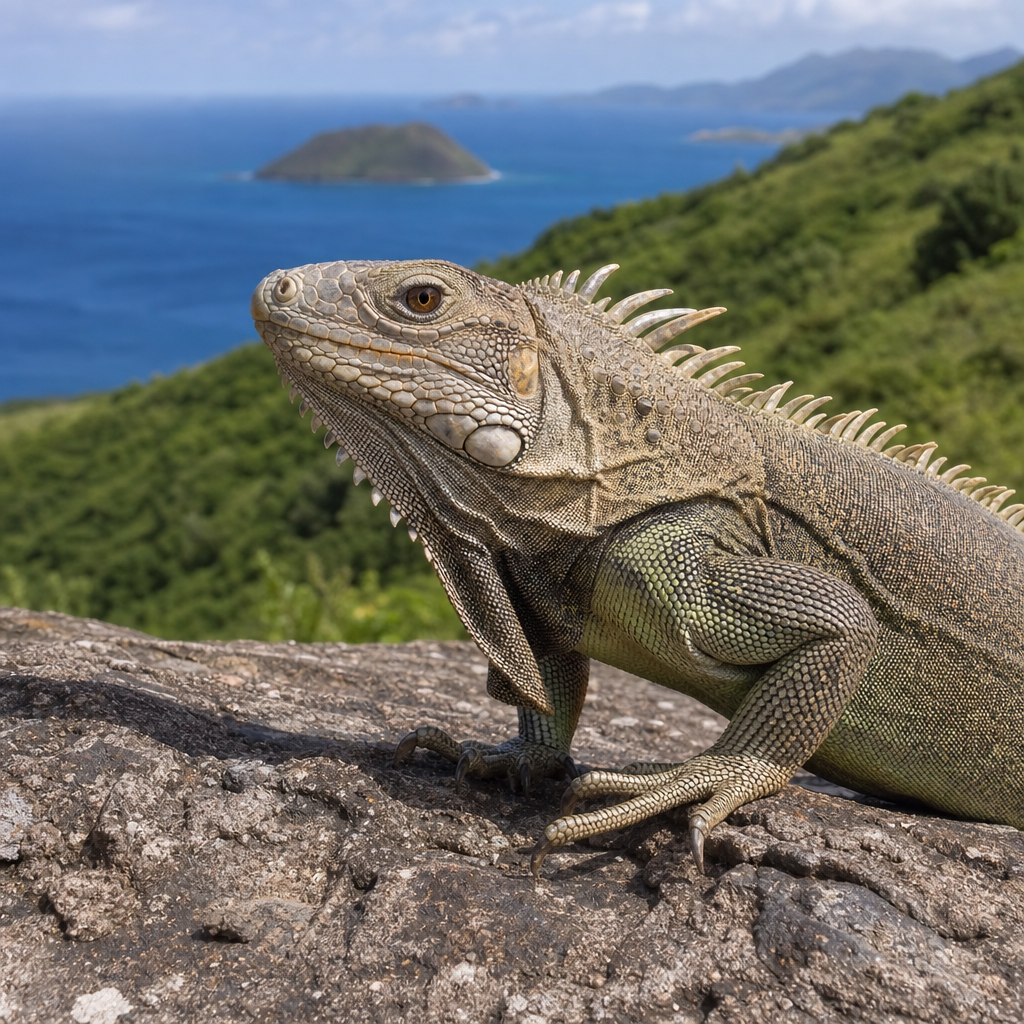
Not every visitor needs a summit-style hike to enjoy Saint Kitts responsibly. Easier forest walks can focus on birdlife, forest succession, and the history of plantation roads that now serve as access routes to interior habitats. Guides often point out species such as green vervet monkeys, mongoose, and common tropical birds while also explaining the caution needed around wildlife feeding. Feeding monkeys may seem harmless, but it changes behavior, encourages dependence, and creates conflict with farms and roadsides. The strongest tours make this point directly. They treat animal encounters as observation opportunities, not performances, and that distinction is central to ethical wildlife tourism anywhere in the Caribbean.
Marine eco-tours, reefs, and coastal stewardship
Marine ecosystems are where many visitors make their greatest environmental impact, either positively or negatively. Saint Kitts offers snorkeling, sailing, kayaking, paddleboarding, and coastal boat excursions, but not all are equally responsible. A strong marine eco-tour begins with a briefing on coral etiquette: do not stand on reefs, do not chase turtles or rays, maintain buoyancy, and use reef-safe sun protection when possible. Operators should also manage anchoring carefully or use established moorings where available, because poor anchoring practices can break coral structures that took decades to develop. In my experience reviewing island excursions, the quality of the pre-trip briefing predicts the quality of the environmental outcome almost every time.
Many of the island’s memorable coastal experiences combine recreation with interpretation. A snorkeling trip becomes more valuable when the guide explains why sediment runoff reduces visibility and stresses coral, or how seagrass beds stabilize coastlines and serve as nursery habitat for juvenile fish. A kayak route along quieter coves becomes richer when visitors learn to identify mangrove edges, frigatebirds overhead, or the relationship between healthy nearshore habitat and local fisheries. Responsible operators also control group behavior around marine life. Sea turtles should be observed calmly from a respectful distance, not surrounded for photos. That policy protects animals from stress and gives travelers a more authentic encounter.
Birding, wetlands, and quieter wildlife encounters
Some of the best eco-tours on Saint Kitts are also the least intrusive. Birding walks, wetland observation trips, and dawn or late-afternoon nature outings create less noise, less trampling pressure, and often more meaningful wildlife sightings than larger adventure-style excursions. Wetlands and salt ponds around the island can host shorebirds, herons, egrets, and migratory species, especially during seasonal movements. Because these habitats are sensitive to disturbance, the best guides use spotting scopes, maintain distance, and position groups carefully rather than pushing close for photographs. For families or older travelers, these tours are often more accessible than steep interior hikes and still deliver a strong conservation message.
Quiet wildlife tourism also broadens the definition of what counts as a successful day in nature. Instead of measuring value by adrenaline or distance covered, it emphasizes patience, fieldcraft, and habitat awareness. A guide who helps visitors distinguish between resident and migratory birds, or explains why certain ponds fluctuate in salinity and therefore attract different species, provides a deeper experience than a fast checklist tour. These outings are especially useful for travelers building a wider Nature and Wildlife itinerary because they connect naturally with marine excursions, botanical visits, and photography-focused trips without overloading a single habitat.
Farm visits, heritage landscapes, and community benefit
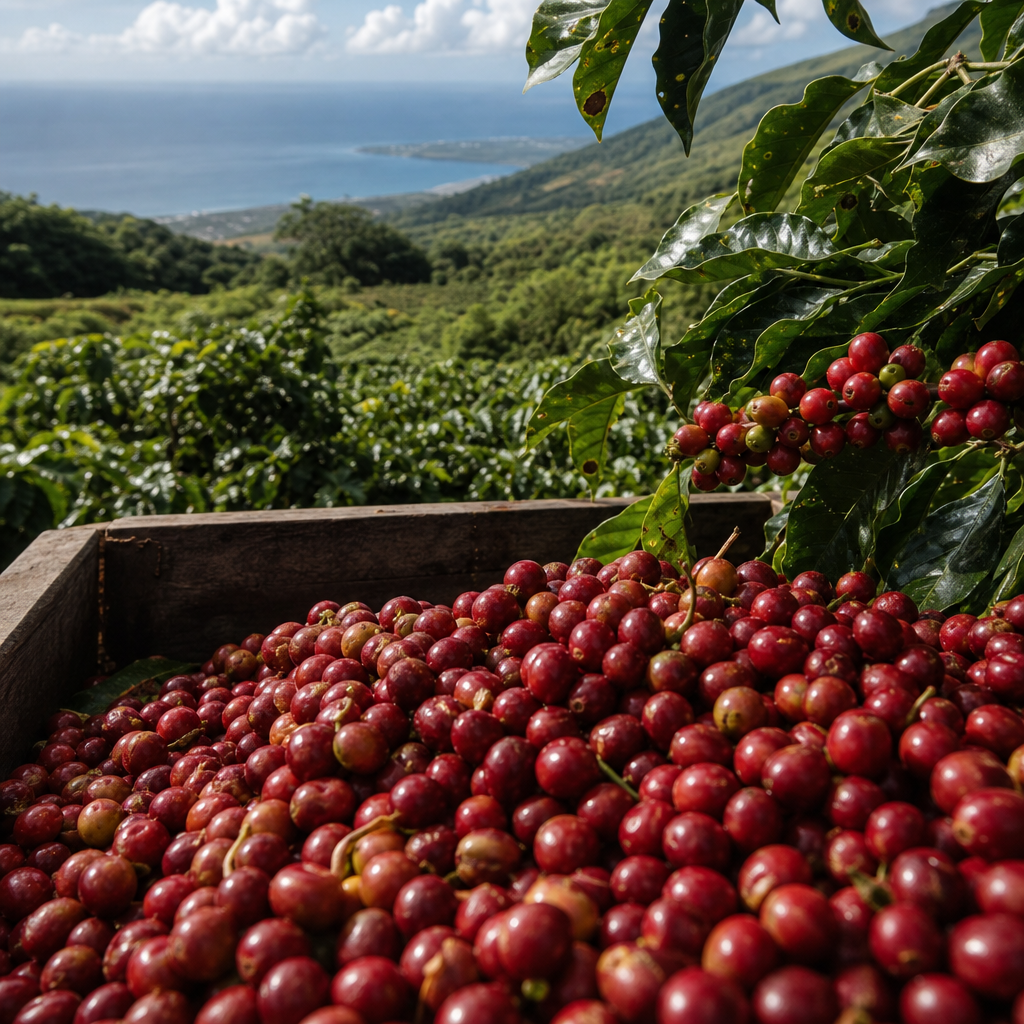
Eco-tourism on Saint Kitts is not limited to untouched-looking spaces. Working landscapes and heritage sites can also be part of responsible nature travel when they show how people live with the land. Farm tours, botanical gardens, fruit tastings, and estate visits help explain the island’s transition from a sugar-dominated economy to more diversified land use. They also show visitors where food comes from, how soil and rainfall shape cultivation, and why agroforestry and small-scale production matter for resilience. When these experiences are locally owned, they spread tourism income beyond beaches and cruise corridors and make conservation economically relevant to residents.
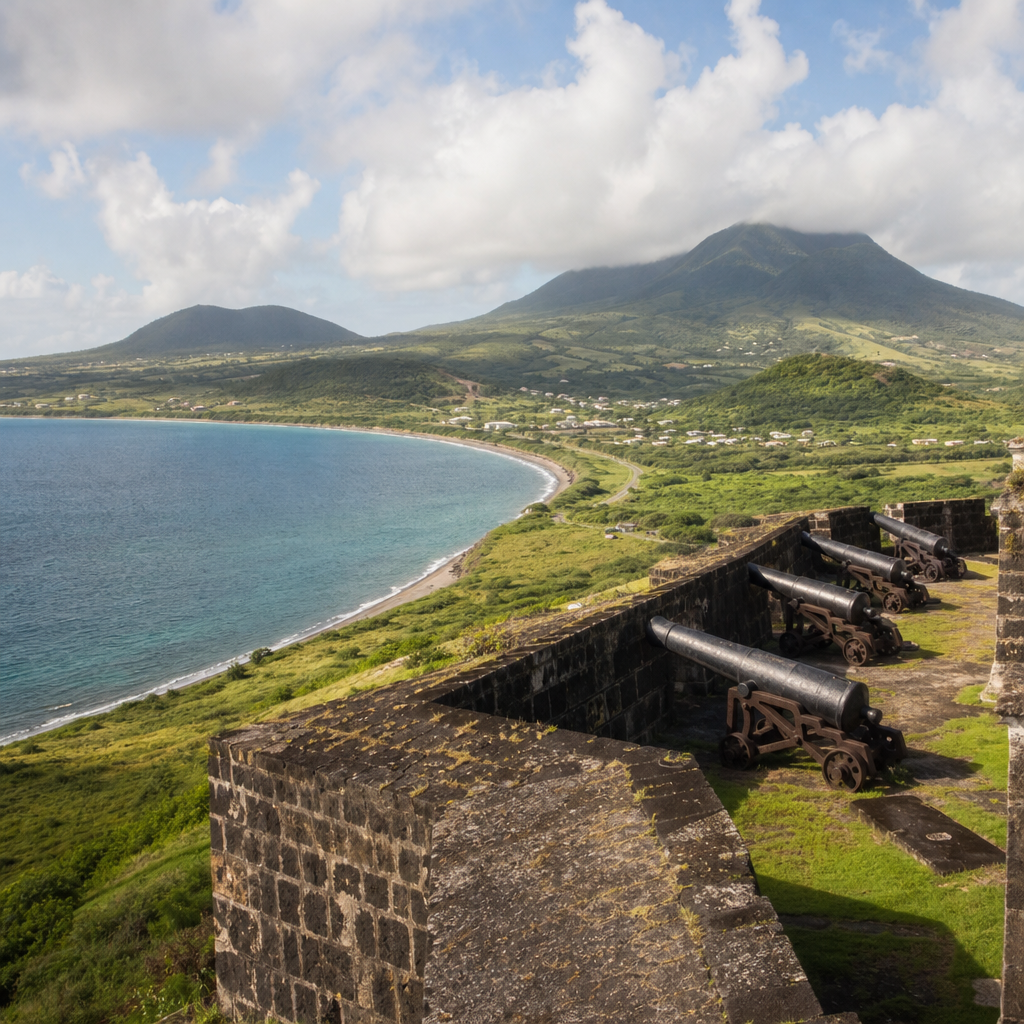
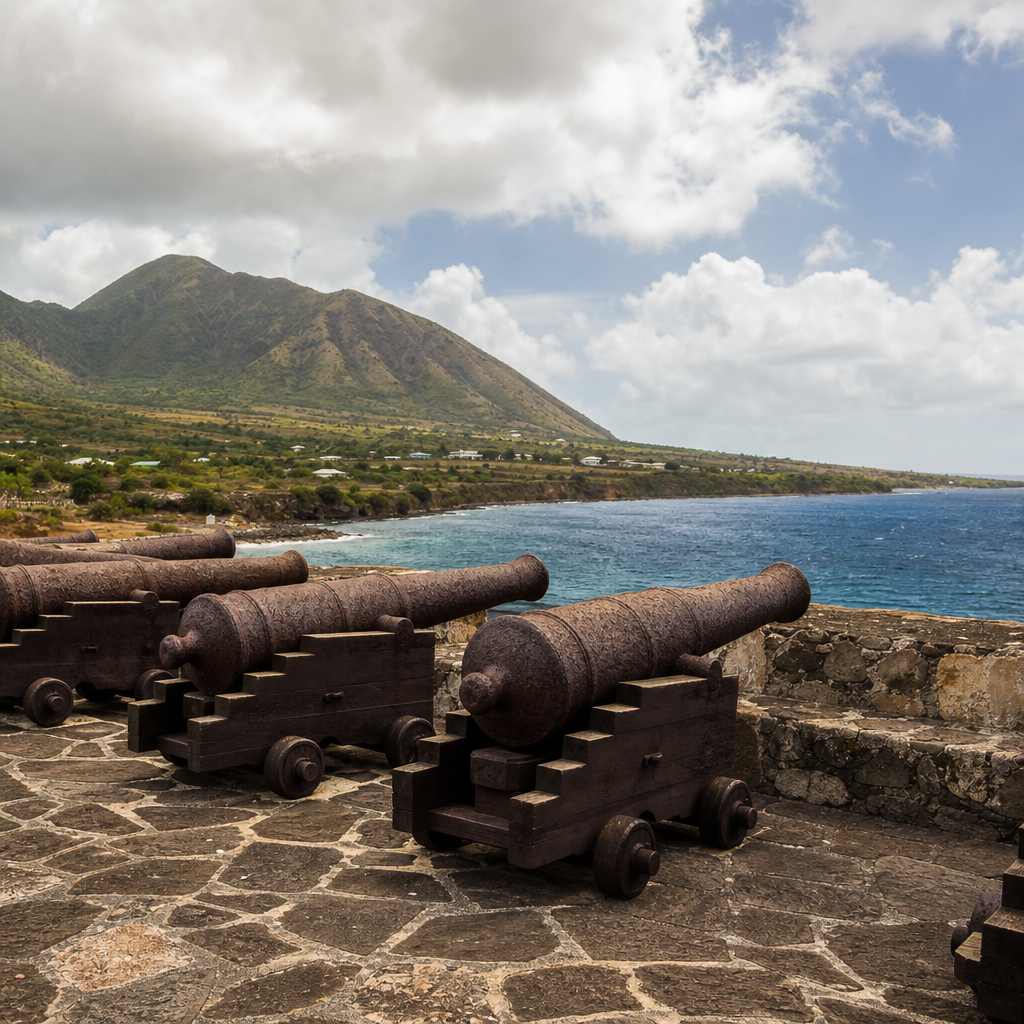
Heritage landscapes are especially important in Saint Kitts because environmental history and colonial history are tightly linked. Former plantation lands, old road networks, and stone structures often sit within habitats now used for hiking, birding, or educational tours. Good interpretation does not separate scenic beauty from that history. It explains how deforestation, monoculture, and later regeneration changed wildlife distribution and watershed behavior. That context helps travelers understand that responsible tourism is not just about avoiding litter. It is about supporting a more sustainable relationship between land, labor, and leisure in places shaped by centuries of change.
How to evaluate eco-tour operators
Travelers often ask a practical question: how do you know whether an operator is genuinely responsible or simply using green language in marketing. The quickest way is to look for operational evidence, not slogans. Ask how many guests are on a typical tour, whether guides are locally trained, what wildlife rules are enforced, how waste is handled, and whether the company partners with community businesses. Check whether the description includes education about habitat, species, or conservation challenges. Review photos carefully. If marketing images show people touching wildlife, standing on coral, feeding monkeys, or crowding fragile areas, that is a warning sign.
| What to check | Strong sign | Warning sign |
|---|---|---|
| Group size | Small groups with guide control | Large unmanaged groups |
| Wildlife interaction | Observation only, no feeding or chasing | Hands-on animal handling |
| Marine practice | Reef briefing and careful mooring | No coral rules, careless anchoring |
| Local benefit | Local guides and suppliers | Little evidence of community spending |
| Education | Clear ecological interpretation | Scenery only, no learning component |
Certifications can help, but they are not the only indicator. In the Caribbean, many excellent small operators may not hold international labels yet still follow excellent practice because of guide experience and local accountability. Read recent reviews with a critical eye. Look for mentions of safety briefings, natural history knowledge, punctual logistics, and respect for habitats. Also assess how the business responds to weather. Responsible operators cancel or modify marine and mountain trips when conditions are unsafe or ecologically risky. Flexibility in poor conditions is not a weakness; it is one of the clearest signs that a company takes both people and place seriously.
Best practices for visitors before, during, and after a tour
Visitors play a direct role in whether Saint Kitts’ eco-tours remain sustainable. Before the tour, pack with impact in mind: reusable water bottle, sun-protective clothing, closed-toe shoes for trails, dry bag for boat trips, and reef-conscious toiletries. Avoid single-use plastics where possible, since island waste systems face real pressure. During the tour, follow the guide’s route, keep noise low in wildlife areas, and never remove shells, plants, or stones from natural sites. On marine excursions, control fins and body position in the water and avoid touching coral even if it appears dead; damaged reef structures still serve ecological functions.
After the tour, support the operators and communities doing the work well. Leave a detailed review mentioning the guide’s knowledge, safety standards, and conservation practices so future travelers can identify quality experiences. Buy locally made products when appropriate, tip fairly, and share accurate information rather than geotagging fragile spots that cannot handle increased foot traffic. If a tour includes a conservation or restoration component, ask how visitors can contribute without turning the activity into a photo opportunity. Responsible travel on Saint Kitts works best when guests understand that their role is not passive consumption. They are temporary participants in a living environment that requires care.
Saint Kitts’ eco-tours are a responsible way to enjoy nature because they turn sightseeing into stewardship. The island gives travelers unusual range within a compact area: volcanic rainforest, coastal reefs, wetlands, agricultural landscapes, and heritage sites connected by local knowledge. The best tours protect these places through small-group management, clear wildlife rules, environmental interpretation, and community-based spending. They also improve the visitor experience. You remember more when a guide explains cloud forest ecology on a mountain trail, reef stress on a snorkel stop, or land-use history at a former estate. That context transforms a pleasant outing into an informed one.
For anyone exploring Saint Kitts under a broader Nature and Wildlife plan, this hub provides the foundation for choosing wisely across the island’s miscellaneous eco-tour options. Start with your interests and fitness level, then match them to operators that demonstrate real standards rather than vague promises. Choose hikes that stay on trail, marine trips with coral-safe practices, birding outings that respect distance, and farm or heritage visits that keep value in local hands. Responsible decisions made tour by tour help protect the very landscapes people come to see. Plan carefully, ask good questions, and book experiences that leave Saint Kitts better than you found it.
Frequently Asked Questions
What makes an eco-tour in Saint Kitts different from a regular sightseeing tour?
An eco-tour in Saint Kitts is designed to do more than simply show visitors beautiful places. The goal is to create a meaningful experience that protects the island’s natural resources while helping travelers better understand them. Unlike conventional sightseeing, which may focus mostly on convenience, speed, or entertainment, eco-tours are typically built around low-impact activities such as guided rainforest walks, birdwatching, snorkeling in sensitive marine areas, farm visits, and cultural excursions led by local experts. These tours often use smaller groups, emphasize respect for wildlife, and include education about native plants, coastal ecosystems, conservation challenges, and the history of local communities.
That distinction is especially important in Saint Kitts, where rainforests, reefs, volcanic landscapes, and agricultural areas all play a major role in the island’s identity. A well-run eco-tour encourages visitors to stay on designated trails, avoid disturbing animals, reduce single-use plastics, and support locally owned businesses rather than extractive tourism models. In practice, that means your outing becomes both enjoyable and responsible. You still get scenic views, memorable wildlife encounters, and hands-on experiences, but you also leave with a better understanding of how the island works ecologically and culturally. For many travelers, that combination makes eco-touring one of the most rewarding ways to experience Saint Kitts.
What kinds of eco-tour experiences can visitors expect in Saint Kitts?
Saint Kitts offers a wide variety of eco-tour experiences, which is one reason the island appeals to travelers who want more than a beach-only vacation. Rainforest hikes are among the most popular options, often taking visitors through lush interior trails where guides explain medicinal plants, native tree species, birdlife, and the role the forest plays in water cycles and biodiversity. Coastal and marine eco-tours are also common, including kayaking, snorkeling, and boat-based excursions that focus on coral reef awareness, marine habitats, and responsible wildlife viewing rather than high-impact recreation.
Visitors can also explore farm tours and community-based experiences that connect nature with food production and local heritage. These outings may include learning about traditional crops, sustainable growing methods, and the relationship between agriculture, land stewardship, and the island economy. Some tours include stops in rural communities or cultural landmarks, helping travelers see how environmental conservation and local livelihoods are closely linked. Depending on the operator, eco-tours may be active and adventurous or slower paced and educational, but the strongest programs usually combine scenery, interpretation, and practical guidance on how to travel responsibly in a fragile island environment.
How do eco-tours help protect Saint Kitts’ environment and support local communities?
Eco-tours can make a positive difference when they are thoughtfully planned and responsibly operated. Environmentally, they help protect Saint Kitts by promoting low-impact travel habits and creating value around conservation. When visitors pay for guided experiences centered on forests, reefs, wildlife, or sustainable farms, they contribute to an economic model that rewards preservation rather than overdevelopment. Guides often teach participants how to minimize disturbance by staying on marked paths, not feeding animals, avoiding contact with coral, carrying out waste, and using reef-safe products. These small actions matter on an island where ecosystems can be highly sensitive to repeated visitor pressure.
Eco-tours also support local communities by directing tourism spending toward local guides, drivers, farmers, craftspeople, and small businesses. That local connection is one of the biggest strengths of responsible tourism in Saint Kitts. Instead of keeping visitor spending concentrated in large outside-owned operations, eco-tourism can spread benefits across the island and help maintain traditional knowledge, cultural storytelling, and land-based livelihoods. In many cases, local guides provide insights that no generic tour can offer, from explaining how communities use particular plants to sharing the historical importance of certain landscapes. When travelers choose operators that hire locally, source responsibly, and educate guests, their visit becomes a way to help sustain both the environment and the people who care for it.
How can travelers choose a responsible eco-tour operator in Saint Kitts?
Choosing a responsible eco-tour operator starts with looking beyond marketing language. Many tours may describe themselves as “green” or “eco-friendly,” but the most credible operators can clearly explain what that means in practice. A strong provider should prioritize small group sizes, knowledgeable local guides, respect for wildlife, and clear rules about waste reduction and habitat protection. They should be able to tell you how they minimize environmental impact, whether they support community projects, and how they educate guests during the experience. If a company cannot explain its environmental practices or seems to treat nature purely as a photo backdrop, that is a sign to look elsewhere.
It is also helpful to ask practical questions before booking. Find out whether the tour stays on established routes, whether reusable equipment or refill options are encouraged, and whether any part of the itinerary involves handling wildlife or entering sensitive habitats in ways that could cause harm. Read reviews carefully for signs that guides are informed, respectful, and safety-conscious. Responsible operators usually emphasize learning, conservation, and authentic local connection rather than crowd-heavy, rushed itineraries. In Saint Kitts, the best eco-tours are often those led by people with a genuine relationship to the landscape, because that expertise tends to produce a richer and more ethical experience for visitors.
What should visitors do to be responsible participants on an eco-tour in Saint Kitts?
Being a responsible participant begins with understanding that eco-tourism is a shared effort between the operator and the traveler. Visitors should come prepared to follow guidance, move carefully through natural areas, and treat the island as a living environment rather than just a recreational setting. That means staying on trails, keeping a respectful distance from wildlife, not removing plants, shells, or natural materials, and avoiding loud behavior that can disrupt animals and other guests. Bringing a reusable water bottle, refusing unnecessary plastic, and wearing environmentally safer products such as reef-conscious sunscreen can also reduce your footprint during the tour.
It is equally important to engage with the educational side of the experience. Ask questions, listen to your guide, and take interest in the cultural and ecological context being shared. On Saint Kitts, the most memorable eco-tours often connect rainforest health, marine life, farming traditions, and community history into one bigger story about the island. Visitors who approach the experience with curiosity and respect usually get much more from it. Supporting local businesses after the tour, tipping fairly when appropriate, and sharing responsible travel practices with others can extend that positive impact. In short, the best way to enjoy Saint Kitts’ eco-tours is to participate as a thoughtful guest—one who leaves the island’s natural and cultural treasures as undisturbed as possible for future generations.