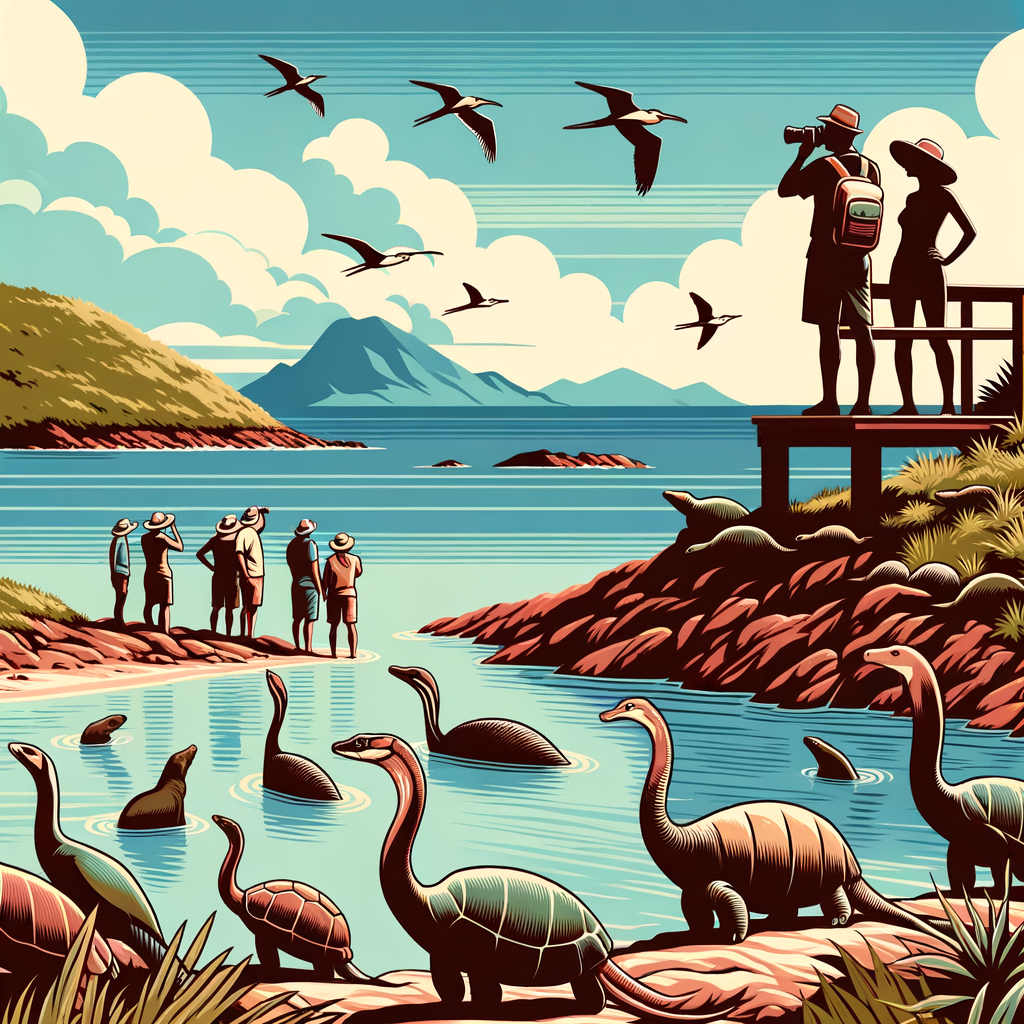
Nevis’ lagoons are some of the island’s most important natural systems, yet they are often overshadowed by beaches, peaks, and historic estates. A lagoon is a shallow coastal body of water separated from the open sea by a reef, sandbar, mangrove fringe, or other natural barrier, while still exchanging water through tides, inlets, or storm overwash. On Nevis, these sheltered waters support juvenile fish, migratory birds, seagrass meadows, mangroves, and the invertebrates that keep nearshore ecosystems functioning. They matter not only because they are beautiful, but because they act as nurseries, storm buffers, feeding grounds, and natural water filters that help sustain the wider marine environment around the island.
When I have surveyed coastal habitats in the eastern Caribbean, lagoons consistently proved to be the places where ecological connections are easiest to see. A mangrove root can hold sponges and juvenile snapper, a nearby mudflat can attract herons and sandpipers, and a short paddle farther out can reveal seagrass blades cropped by turtles or covered with grazing snails. Nevis follows that pattern. Its lagoons are part of a linked coastal mosaic that includes beaches, salt ponds, wetlands, rocky shorelines, coral communities, and nearshore fisheries habitat. Understanding these lagoons helps visitors, residents, and conservation planners understand the island itself.
For a Nature and Wildlife hub, the value of this topic is broad. Nevis’ lagoons connect marine life with birdlife, coastal vegetation, climate resilience, and local culture. They also raise practical questions people often ask: What animals live in a lagoon? How are lagoons different from ponds or bays? Why do mangroves and seagrass matter? Can travelers visit these places responsibly? The answers shape how the island balances recreation, development, and conservation. This guide covers the essential features, species, ecological processes, common threats, and best ways to explore lagoons on Nevis, while pointing to the wider wildlife stories that radiate outward from these sheltered waters.
Although individual sites vary, most lagoon environments on and around Nevis share a few core traits: calm or semi-protected water, fine sediments, high biological productivity, and strong dependence on water quality. Some are more saline, especially where evaporation is high and tidal exchange is limited. Others are influenced by rainfall runoff, groundwater seepage, or periodic storm-driven inflows from the sea. That variation is exactly why lagoons support such diverse life. Small shifts in salinity, depth, and vegetation create microhabitats used by different organisms at different life stages, making lagoons critical transition zones between land and sea.
What makes Nevis’ lagoons biologically rich
The productivity of a lagoon comes from structure, shelter, and nutrient cycling. In open coastal water, young fish and small crustaceans face constant wave energy and heavy predation. In a lagoon, mangrove prop roots, shallow channels, muddy bottoms, and seagrass canopies create hiding places and feeding surfaces. Organic material from fallen leaves and decaying seagrass fuels detrital food webs, which in turn support worms, mollusks, crabs, juvenile fish, and wading birds. Because these habitats are shallow and sunlit, photosynthesis is intense, especially where seagrass and algae are abundant.
Nevis’ position in the Lesser Antilles also matters. Caribbean islands sit along migration routes for seabirds and shorebirds, and their nearshore habitats are often stepping-stones between reefs, beaches, and offshore feeding grounds. A lagoon may look quiet from shore, but it functions like a transfer station. Larval fish drifting in from the sea can settle into protected shallows. Crabs and shrimp can use the sediment as feeding habitat. Birds can stop during migration to rest and forage. Larger predators, including herons, rays, and predatory fish, patrol edges where prey concentrates.
Another reason these systems are rich is that they link multiple habitat types over short distances. On Nevis, it is possible to move from coastal scrub to salt pond margins, through mangrove belts, into seagrass shallows, and out toward reef-associated waters within a compact area. Ecologists call this connectivity, and it is one of the strongest predictors of biodiversity in coastal zones. Species do not use one habitat in isolation. They move among habitats daily, seasonally, or at key life stages. Protecting a lagoon therefore protects a network, not just a single patch of water.
Key habitats found in and around the lagoons
Mangroves are often the first habitat people notice, and for good reason. Red mangroves, with their distinctive stilt roots, stabilize shorelines and create three-dimensional shelter in the water column. Black and white mangroves may occupy slightly higher or drier ground nearby, depending on salinity and inundation. These trees trap sediment, reduce erosion, and buffer storm surge. Their roots host algae, barnacles, oysters, and juvenile fish, turning what appears to be a tangle of wood into a living reef-like structure at the water’s edge.
Seagrass meadows are just as important, even though many visitors initially mistake them for seaweed. True seagrasses are flowering marine plants with roots, rhizomes, and blades. In the Caribbean, turtle grass and manatee grass are among the most familiar species. These meadows stabilize sediment, improve water clarity by slowing currents, and provide forage for green turtles where populations and access allow. They also shelter juvenile conch, small fish, sea stars, and countless invertebrates. In lagoon ecology, seagrass is a cornerstone habitat, not background vegetation.
Mudflats and shallow salt ponds deserve equal attention. At low water, exposed sediments teem with burrowing organisms such as polychaete worms, small bivalves, and crustaceans. Those invertebrates attract birds including egrets, herons, sandpipers, plovers, and stilts. Where salinity becomes extreme, species diversity may narrow, but specialized organisms can still thrive, and bird use may remain high. These open flats are especially valuable for feeding because prey is concentrated and visible. Their ecological importance is often underestimated precisely because they look sparse compared with forests or reefs.
Fringing reefs and rocky nearshore areas, when present close to lagoon outlets, complete the system. Many fish species use mangroves or seagrass as juveniles, then move to reefs as adults. Studies across the Caribbean have repeatedly shown higher biomass of some commercially and ecologically important fish near reefs connected to nursery habitats. This is one reason coastal planning cannot treat wetlands and coral areas separately. If one link is degraded, the whole chain weakens. For Nevis, that means lagoon conservation directly supports offshore biodiversity and long-term fisheries productivity.
Marine life you can expect to find
Fish are the most visible residents, especially juveniles. In protected Caribbean lagoons, it is common to find young snappers, grunts, parrotfish, mojarras, and barracuda using shallow habitat before moving offshore. Needlefish and baitfish may school near the surface, while gobies and blennies occupy the bottom or root zone. Rays sometimes feed over sandy patches, and tarpon may appear where channels connect lagoons to deeper water. Not every species is present at every site or season, but the nursery function of lagoons is one of their defining ecological roles.
Crustaceans are equally important, though easier to miss. Fiddler crabs, mangrove crabs, shrimp, and juvenile lobsters may all depend on sheltered, food-rich conditions. Mollusks such as oysters, mussels, snails, and small clams contribute to filtration and nutrient cycling. Sea cucumbers, sea urchins, and worms process organic matter in sediment. These animals form the base of food webs that support fish and birds. When lagoon sediments are healthy, invertebrate activity is constant, even if much of it happens below the surface or under cover.
Birdlife gives lagoons much of their wildlife appeal. Herons, egrets, pelicans, terns, and shorebirds use these habitats for hunting and roosting. Seasonal migrants from North America can appear during passage or wintering periods, making wetlands disproportionately important for regional conservation. On a small island like Nevis, a single productive lagoon can support a notable share of local bird observations because it concentrates food and shelter. Birders often find that early morning and late afternoon provide the best mix of feeding behavior, soft light, and lower disturbance.
Reptiles and larger marine animals also rely on these systems. Green turtles may graze seagrass beds, while hawksbills use nearby coastal habitats more often associated with reefs and sponges. In some areas, small sharks may enter shallow protected waters, especially when following prey or using nursery zones. The exact species mix changes with water depth, connectivity, season, and human pressure. That variability is normal. Healthy lagoons are dynamic places, and their value lies partly in supporting different animals at different times rather than displaying the same wildlife every day.
How lagoons support conservation, research, and local livelihoods
The practical value of lagoons extends beyond biodiversity. They reduce wave energy, trap sediments, store carbon in soils and plant biomass, and help protect shorelines from erosion. Mangroves and seagrasses are especially significant as blue carbon habitats because they can bury organic carbon in anoxic sediments for long periods. For low-lying coasts facing stronger storms and sea-level rise, that protective function is not theoretical. It affects infrastructure, tourism assets, freshwater quality, and the resilience of communities living close to the shore.
Lagoons also support fisheries indirectly by raising young fish and invertebrates before they recruit to reefs, nearshore grounds, or deeper waters. Fishers may not always see the nursery stage, but they see the outcome when connected habitats remain intact. Scientific surveys across the region, including work by universities, conservation groups, and agencies such as NOAA in the wider Caribbean context, have repeatedly reinforced the nursery value of mangroves and seagrass. For Nevis, protecting lagoon habitat is a practical investment in future abundance, not just a scenic or ethical preference.
For educators and researchers, lagoons are outdoor laboratories. Water salinity, dissolved oxygen, turbidity, sediment composition, bird use, and juvenile fish density can all be measured with accessible field methods. Because habitat zones are compact, students can learn ecological relationships quickly and clearly. I have found that even first-time visitors grasp coastal connectivity faster in a lagoon than on an exposed reef, simply because the interactions are visible at human scale. That makes Nevis’ lagoons ideal anchor sites for interpretation within a broader Nature and Wildlife program.
| Lagoon feature | Main ecological function | Common wildlife association | Why it matters on Nevis |
|---|---|---|---|
| Mangrove fringe | Shoreline stabilization and nursery shelter | Juvenile fish, crabs, herons | Reduces erosion and supports nearshore food webs |
| Seagrass meadow | Sediment binding and primary production | Turtles, conch, small fish | Improves water clarity and habitat connectivity |
| Mudflat or salt pond edge | Invertebrate feeding ground | Sandpipers, plovers, egrets | Critical stopover and foraging habitat for birds |
| Tidal channel | Water exchange and species movement | Tarpon, baitfish, rays | Links sheltered nursery areas with offshore habitat |
Threats, responsible visitation, and the future of these habitats
Despite their value, lagoons are vulnerable. Sedimentation from land disturbance can smother seagrass and reduce water clarity. Nutrient runoff from poorly managed wastewater or fertilizer can trigger algal growth that shades plants and lowers oxygen. Coastal construction can alter drainage, tidal exchange, and shoreline stability. Boat scarring, trampling, illegal dumping, and repeated disturbance of birds add pressure at small scales that accumulate over time. Climate change intensifies these risks through heat stress, stronger storms, altered rainfall, and rising sea level.
Responsible visitation is therefore straightforward but essential. Stay on established access routes where they exist. Avoid walking through seagrass beds or disturbing mangrove roots. Keep a respectful distance from nesting or feeding birds, especially during migration and breeding periods. If kayaking or paddleboarding, use channels where possible and do not drag craft across shallow vegetation. Never collect shells, live animals, or plants from sensitive areas unless part of an authorized scientific program. Good wildlife viewing depends on minimizing disturbance, and lagoon habitats respond quickly to repeated pressure.
For decision-makers, the future lies in integrated coastal management. That means mapping wetlands accurately, enforcing setback rules, controlling runoff, monitoring water quality, restoring degraded mangroves and seagrass, and treating lagoons as infrastructure as well as habitat. Community engagement is critical because local observation often detects change before formal surveys do. Nevis has an opportunity to present its lagoons as central to the island’s nature identity, linking miscellaneous wildlife interest with birds, marine ecology, climate resilience, and conservation tourism. Explore them thoughtfully, support protection efforts, and use this hub as your starting point for deeper discovery.
Frequently Asked Questions
What makes Nevis’ lagoons so important to marine life?
Nevis’ lagoons play a critical ecological role because they provide calm, protected habitat in a coastal environment that can otherwise be exposed to waves, currents, and changing weather. These shallow waters act as nurseries for juvenile fish, giving young marine species a place to feed and grow before moving into reefs, deeper coastal waters, or offshore habitats. The sheltered conditions also support seagrass meadows, mangroves, small crustaceans, mollusks, worms, and other invertebrates that form the base of a productive food web. In practical terms, that means lagoons help sustain biodiversity well beyond their shorelines.
They are also important because they connect multiple ecosystems. A healthy lagoon is rarely an isolated feature; it often links mangrove edges, sandy flats, seagrass beds, and nearby coral reef systems through the movement of water, nutrients, larvae, and fish. Many species use different habitats at different stages of life, so the lagoon becomes a transition zone that supports survival and reproduction. On an island like Nevis, where coastal ecosystems are tightly interconnected, protecting lagoons helps protect the broader nearshore environment as well.
How do mangroves and seagrass meadows support the health of Nevis’ lagoons?
Mangroves and seagrass meadows are two of the most valuable natural features associated with lagoon systems, and together they help create stable, productive habitat. Mangroves line the edges of sheltered coastal waters with dense root systems that trap sediment, reduce shoreline erosion, and provide hiding places for juvenile fish, crabs, and other small marine animals. Their roots slow water movement, allowing fine particles to settle out rather than clouding the water. This improves clarity and helps maintain the conditions needed for underwater plant life and lagoon food webs to thrive.
Seagrass meadows, in turn, provide feeding grounds, oxygen production, and habitat structure across the lagoon floor. Their blades shelter tiny organisms, support grazing species, and stabilize sediments so they are less likely to be stirred up by waves or currents. Seagrasses also help cycle nutrients and improve water quality, making them essential to the lagoon’s overall resilience. When mangroves and seagrasses are both healthy, they reinforce each other: mangroves protect the shoreline, seagrasses stabilize the seabed, and both contribute to a more balanced ecosystem that benefits fish, birds, and invertebrates throughout Nevis’ coastal zone.
What kinds of animals can be found in and around Nevis’ lagoons?
Nevis’ lagoons can support a surprisingly wide range of wildlife, especially for environments that may appear quiet at first glance. In the water, these lagoons often serve as habitat for juvenile reef fish and small schooling species that depend on sheltered conditions during vulnerable early life stages. Crabs, shrimp, snails, bivalves, sea stars, worms, and other invertebrates live in the mud, sand, seagrass, and mangrove-root habitats, where they feed, burrow, filter water, and contribute to nutrient cycling. These smaller organisms are essential because they help sustain larger predators and keep the ecosystem functioning.
Above the waterline and along the lagoon margins, migratory and resident birds may use these habitats for feeding, resting, or nesting, depending on the season and site conditions. Wading birds are often attracted to shallow waters rich in fish and invertebrates, while other species may rely on mangrove edges or mudflats. The exact species present can vary with rainfall, tides, water salinity, and habitat condition, but the broader pattern is clear: lagoons support a diverse community of life. Their ecological value comes not just from one iconic species, but from the many organisms that depend on these protected coastal systems every day.
How do lagoons stay connected to the sea if they are separated by natural barriers?
A lagoon may look enclosed, but it is usually still connected to the sea through natural exchange processes. Water can move in and out through tidal channels, narrow inlets, porous reef systems, storm overwash, or periodic openings in sandbars and coastal barriers. This exchange is what makes a lagoon a dynamic coastal system rather than a stagnant pond. On Nevis, those shifts in water movement help regulate salinity, oxygen levels, sediment distribution, and nutrient flow, all of which influence the types of plants and animals that can survive there.
This connection to the sea is especially important for marine life. Many fish and invertebrates depend on tidal exchange to move between habitats, either as larvae drifting in from offshore or as juveniles and adults traveling to feed or reproduce. At the same time, the lagoon’s partial separation from open water provides calmer conditions than the exposed coast. That balance between protection and connectivity is what makes lagoons so ecologically valuable. If natural water flow is blocked, altered, or polluted, the lagoon can quickly lose the conditions that support its biodiversity and productivity.
Why should visitors and residents care about protecting Nevis’ lagoons?
Protecting Nevis’ lagoons matters because these ecosystems support the health, beauty, and long-term resilience of the island’s coastline. They help maintain fish populations, support birdlife, improve water quality, and buffer shorelines against erosion. In many cases, the benefits extend directly to people through healthier coastal fisheries, more stable nearshore habitats, and stronger natural defenses against storm impacts. Even when lagoons do not attract the same attention as beaches or scenic mountain landscapes, they quietly perform environmental functions that are essential to island life.
There is also a strong conservation case for paying closer attention to them. Lagoons can be vulnerable to coastal development, sediment runoff, pollution, habitat clearing, and disturbances that damage mangroves or seagrass beds. Once these systems are degraded, the effects can spread into nearby reefs, fisheries, and shoreline areas. Residents, visitors, and policymakers all have a role to play by supporting responsible land use, avoiding litter and runoff, respecting sensitive habitats, and recognizing lagoons as part of Nevis’ natural heritage. Caring for these overlooked coastal systems is one of the most practical ways to protect marine life and preserve the island’s ecological richness for the future.