Nevis’ End-of-Year Harvest Festival is more than a seasonal celebration; it is a living expression of community memory, agricultural pride, and island identity. On a small Caribbean island where local life is shaped by village ties, church calendars, school traditions, and the rhythm of the land, the harvest festival marks the close of the farming year and the start of the holiday season with unusual warmth. For residents, it is familiar and deeply personal. For visitors, it offers one of the clearest windows into everyday Nevis beyond beaches and resort brochures. As a hub within Local Life and Experiences, this guide explains what the festival is, how it works, why it matters, and what related experiences connect to it across the island.
The term harvest festival in Nevis usually refers to end-of-year community events centered on produce, food preparation, worship, music, and neighborly exchange. Unlike a single commercial event run by one promoter, it often appears through schools, churches, heritage groups, village committees, vendors, and families who each contribute a piece of the whole. You may see produce displays, breadfruit and yam dishes, fundraising lunches, gospel performances, drumming, quadrille-inspired presentations, local craft tables, and speeches recognizing farmers and elders. The exact format varies by parish and organization, but the core idea stays consistent: give thanks for provision, celebrate work done on the land, and strengthen social bonds before the year ends.
This matters because Nevisian culture has never been separate from agriculture, even as tourism and services expanded. Sugar once dominated the landscape, but today smaller-scale farming, kitchen gardens, fruit trees, livestock rearing, and fishing still influence local diets and customs. Harvest events preserve practical knowledge that can otherwise fade quickly, including seasonal cooking methods, seed sharing, produce grading, and reciprocal labor traditions. They also reveal how communities adapt. In my experience covering island events and speaking with organizers, the most memorable festivals are not the largest ones. They are the gatherings where a schoolchild recites a poem about cassava, a farmer explains rainfall challenges, and three generations debate whose goat water recipe tastes most authentic. That mix of ceremony and ordinary life is precisely what makes the festival a community affair.
For readers exploring miscellaneous local experiences, the festival is also a useful anchor topic. It touches food culture, faith, education, heritage preservation, volunteerism, public gathering spaces, seasonal travel timing, and neighborhood economics. Understanding it helps you understand Nevis itself: not only what people celebrate, but how they organize, share resources, and carry tradition forward.
What the festival represents in Nevisian community life
At its core, Nevis’ end-of-year harvest festival is an act of communal thanksgiving. In many settings, the event includes a church service or devotional element, reflecting the island’s strong Christian traditions. Congregations may decorate altars with pumpkins, tannias, sweet potatoes, bananas, sorrel, and herbs, then distribute food later to members or families in need. This is not symbolic decoration alone. It communicates a practical ethic: food is both blessing and responsibility. That is one reason the festival continues to resonate even among younger Nevisians whose daily work may be in hospitality, education, construction, or public service rather than farming.
The festival also serves as a social equalizer. A retired farmer, hotel manager, teacher, vendor, and student can participate on the same footing by bringing produce, cooking a dish, volunteering, or attending a fundraiser. In small-island communities, these mixed spaces matter. They refresh social trust and maintain informal networks that support everything from child care to storm recovery. During difficult years marked by drought, inflation, or hurricane anxiety, harvest gatherings reassure people that community capacity still exists. That reassurance is cultural capital. It is one of the least visible but most important outcomes of local festivals.
Another key function is recognition. Public life often celebrates athletic winners, political figures, and entertainers, but harvest events make room for those whose work is quieter: growers, fishers, bakers, seamstresses, church kitchen teams, and elders who know traditional preservation techniques. When organizers spotlight these contributors, they reinforce local standards of value that are not entirely driven by money or visibility. For an island balancing development pressures with heritage concerns, that recognition is significant.
Food, produce, and the flavors that define the season
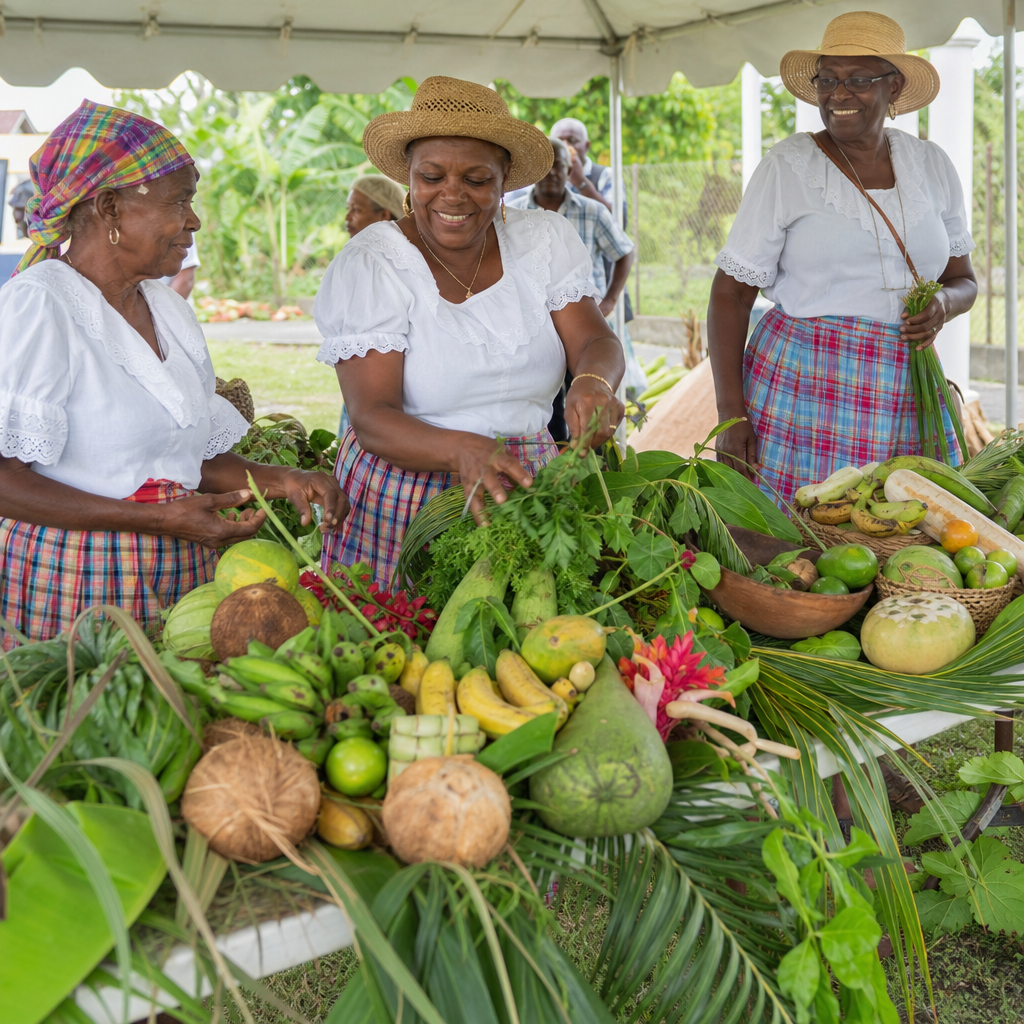
If you want to understand the festival quickly, look at the food tables. End-of-year harvest celebrations in Nevis tend to showcase what can be grown locally, stored seasonally, or transformed through collective cooking. Common staples include yam, sweet potato, dasheen, cassava, breadfruit, green banana, pumpkin, pigeon peas, and plantain. Fruit-based preparations may feature guava, tamarind, mango preserved from earlier in the year, and especially sorrel in drinks, sauces, and holiday blends. Meat dishes often appear alongside ground provisions, with goat water, stewed chicken, saltfish pairings, and festive rice dishes commonly served depending on the host group.
These foods carry practical history. Ground provisions became central because they are hardy, filling, and suited to Caribbean soils and household economies. Breadfruit remains important because one tree can feed a family repeatedly. Sorrel matters because it bridges harvest and Christmas, appearing in both celebratory and commercial contexts. When a community group sells sorrel drink at a festival, it is not just offering refreshment. It is turning seasonal knowledge into micro-enterprise. The same is true for black cake, coconut tarts, cassava pone, preserved fruit, pepper sauces, and spice mixes that are often prepared for end-of-year sales.
School and church displays frequently teach this food heritage visually. Children may label produce by name, explain its nutritional use, or present recipes tied to grandparents’ kitchens. That educational angle is especially valuable on islands where imported food can overshadow local crops. A harvest display of tannia, christophene, seasoning peppers, and fresh herbs can do more for food awareness than a generic nutrition poster because it is rooted in ingredients people actually see in markets and backyards.
| Festival element | What you are likely to see | Why it matters locally |
|---|---|---|
| Produce displays | Yam, cassava, pumpkin, breadfruit, bananas, herbs | Highlights farming knowledge and seasonal abundance |
| Prepared foods | Goat water, rice dishes, tarts, pone, sorrel drinks | Preserves recipes and supports fundraising |
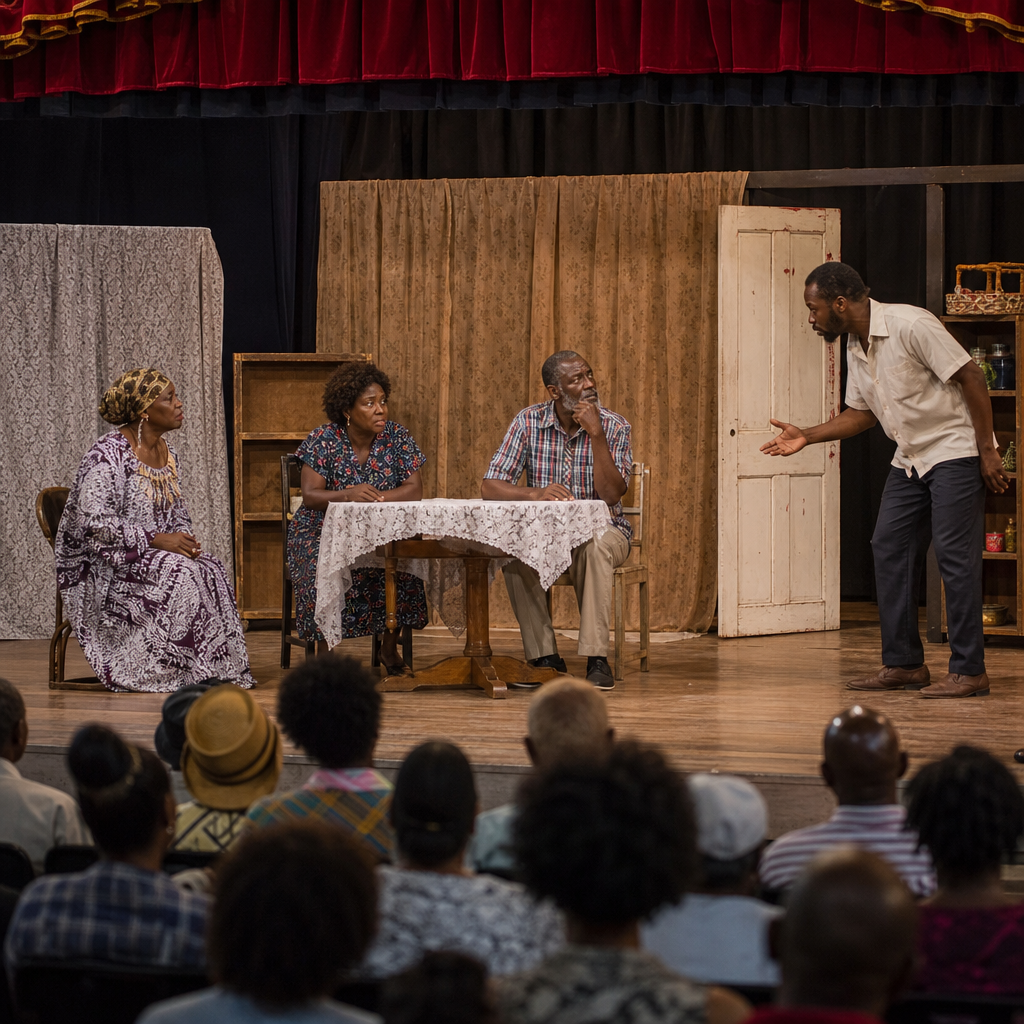
| Cultural performances | Choirs, poetry, drumming, folk presentations | Connects heritage with younger generations |
| Community fundraising | Lunch sales, raffles, produce baskets, vendor booths | Funds schools, churches, and local projects |
| Recognition moments | Farmer tributes, elder acknowledgments, student awards | Affirms community values beyond tourism |
Who organizes the festival and how community networks make it work
One reason the harvest festival feels distinctly Nevisian is that it is rarely top-down. Organization usually happens through overlapping local networks. Churches are often central because they already have kitchens, volunteers, choirs, and trusted communication channels. Schools contribute children’s participation, displays, and performances. Community development groups bring logistics, sponsorship outreach, and neighborhood credibility. Vendors and farmers supply the tangible goods that make the event visible and flavorful. Local radio, WhatsApp groups, printed flyers, and word of mouth then do the practical work of attendance building.
From experience, the strongest events are the ones with clear roles assigned early. Someone must coordinate donations. Someone must manage food safety and serving flow. Someone must handle music, seating, and emceeing. Someone must know which elder needs transport and which farmer can bring produce at short notice. On a small island, this may sound informal, but it is sophisticated community management. It relies on relationships built over years. That is why harvest festivals can succeed even with modest budgets: social infrastructure substitutes for expensive event infrastructure.
Funding is usually mixed. Some support comes from ticket sales, lunch plates, raffles, and direct donations. Some comes from businesses that supply ingredients, printing, tents, or prizes. In certain cases, elected officials or cultural agencies may lend visibility or practical assistance. However, the festival’s credibility depends on staying rooted in local purpose rather than becoming a staged attraction designed only for outsiders. Visitors are welcome, but the event works best when residents still feel it belongs to them.
Connections to faith, schools, heritage, and everyday island experiences
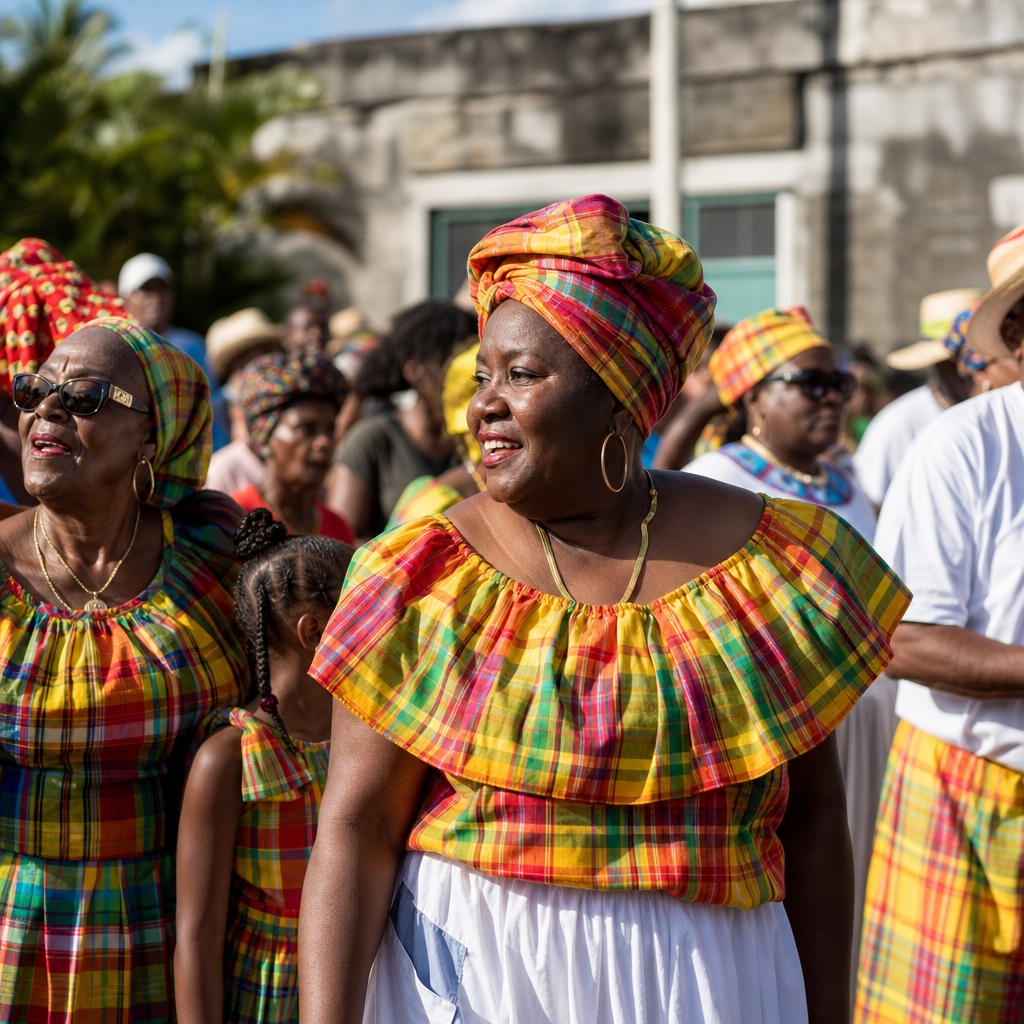
As a miscellaneous hub topic, the harvest festival opens into several related Nevis experiences worth exploring. First is church life. Many end-of-year events are impossible to separate from congregational calendars, harvest thanksgiving services, and women’s fellowship cooking traditions. Second is school culture. Students learn songs, speeches, craft work, and produce identification through festival preparation, making the event part lesson and part celebration. Third is heritage performance. Folk songs, drumming, oral storytelling, and traditional dress may all appear, especially where organizers want to bridge generations.
There is also a strong link to markets and village commerce. A festival day can boost roadside sales, home baking orders, taxi trips, and small vendor income. For local entrepreneurs, especially women running food-based side businesses, this period can be commercially meaningful. Seasonal demand encourages bulk preparation of sorrel, cakes, preserves, and catering trays. Even people who do not attend the event directly may feel its economic ripple through orders, ingredient purchases, and family gatherings.
For travelers seeking authentic local life in Nevis, the harvest festival pairs naturally with visits to public markets, heritage sites, village food spots, and community events in Charlestown and beyond. It complements experiences such as sampling island cooking, attending church services, learning about plantation-era history, or talking with growers about current farming conditions. The festival should not be treated as a spectacle detached from real life. It is real life, condensed into a few highly visible forms.
How to attend respectfully and what visitors should expect
Visitors often ask whether they can attend a Nevis harvest festival. In most cases, yes, especially when the event is public, church-based, or designed as a fundraiser. The right approach is simple: come with curiosity, dress appropriately, contribute where expected, and avoid treating private community moments as performative content. If there is an admission fee, pay it gladly. If food is being sold to support a school or church, buy from the table. If a service or prayer is underway, observe quietly. If you want to take photos of children, elders, or vendors, ask first.
Expect warmth rather than polish. Timings may shift, sound systems may be imperfect, and menus may change depending on what was donated or prepared that morning. Those are not flaws; they are normal features of community events built by volunteers. You should also expect direct conversation. Nevisians are often willing to explain a dish, identify produce, or share family connections to a tradition once approached respectfully. Those exchanges are often the most valuable part of attending.
If you are planning content around Local Life and Experiences, this festival is an ideal starting point because it naturally leads into deeper articles on Nevisian food traditions, church events, school culture, village life, seasonal celebrations, local farming, and holiday customs. It functions as a hub because it gathers many strands of island life into one accessible experience.
Nevis’ End-of-Year Harvest Festival endures because it does several jobs at once and does them well. It gives thanks for food and labor. It creates space for churches, schools, farmers, cooks, artisans, and families to contribute visibly. It keeps local recipes, crop knowledge, and seasonal customs in circulation. It generates modest but meaningful economic activity for vendors and community groups. Most importantly, it reminds the island that culture is not only performed on formal stages; it is sustained in kitchens, church halls, schoolyards, roadside conversations, and shared tables.
For anyone trying to understand Nevis beyond its scenic appeal, this festival is one of the clearest reference points. It shows how heritage survives through participation, not nostalgia. It shows why community events still matter in an era of imported food, digital distraction, and tourism-led development. And it shows that miscellaneous local experiences are often the most revealing ones because they sit at the intersection of food, faith, education, memory, and mutual support.
If you are building a fuller picture of island life, start with the harvest festival, then follow its connections outward to markets, village traditions, local cuisine, church gatherings, and seasonal customs across Nevis. That path will give you a more accurate, more human understanding of the island and the people who make its culture live year after year.
Frequently Asked Questions
What is Nevis’ End-of-Year Harvest Festival, and why is it so important to the island?
Nevis’ End-of-Year Harvest Festival is a community-centered celebration that marks the end of the agricultural cycle while welcoming the holiday season with music, food, worship, and public gathering. On Nevis, the festival is not simply an event placed on the calendar for entertainment. It reflects the island’s long relationship with the land, the importance of farming and seasonal work, and the close-knit nature of village life. Families, churches, schools, farmers, artisans, and local performers all play a role, which is part of what gives the festival its unusually personal atmosphere.
Its significance comes from the way it brings together memory and everyday life. Many island traditions are preserved through communal celebrations, and the harvest festival serves as one of the clearest examples of that continuity. It honors labor, gratitude, local abundance, and social connection at a time of year when people are already thinking about home, family, and reflection. For residents, it often carries a deep sense of familiarity because it echoes childhood routines, church customs, and village participation. For visitors, it offers a more grounded and authentic look at Nevis than a standard tourist attraction, revealing how culture is lived rather than simply performed.
What can visitors expect to see and experience during the festival?
Visitors can expect a lively blend of cultural expression, agricultural pride, and neighborly hospitality. Depending on the community and the year’s programming, the festival may include produce displays, locally prepared food, church services, school presentations, musical performances, traditional dress, craft vendors, and speeches or ceremonies that recognize the value of farming and community contribution. The atmosphere is often festive without feeling commercialized, which is one of the main reasons the event stands out.
What makes the experience especially memorable is the local participation. Rather than being built entirely for outsiders, the festival is rooted in island life, so visitors are often witnessing something meaningful to the people attending it. You may see children involved through school groups, elders sharing stories or recipes, farmers proudly displaying crops, and churches contributing through thanksgiving services or seasonal programming. Food is usually an important part of the experience as well, offering a chance to sample dishes made with local ingredients and learn how harvest traditions connect to the wider holiday season. In short, visitors should expect a celebration that feels warm, communal, and deeply connected to Nevisian identity.
How does the harvest festival reflect Nevisian culture and community values?
The festival reflects Nevisian culture by showing how strongly the island values togetherness, continuity, and respect for the land. On a small island, community is not an abstract idea; it is built through churches, schools, family networks, neighborhood ties, and shared seasonal routines. The end-of-year harvest celebration gathers all of those elements in one place. It highlights how cultural identity is maintained not only through major national events, but also through local rituals that are repeated and renewed over time.
It also reflects a practical and emotional connection to agriculture. Even as island economies change, farming remains part of the cultural memory and social fabric of Nevis. Recognizing the harvest is a way of honoring effort, gratitude, and self-reliance. The festival’s community-oriented nature also reveals another core value: participation. People are not just spectators. They cook, sing, decorate, organize, volunteer, worship, and support one another. That shared involvement helps explain why the festival feels so genuine. It celebrates abundance, but just as importantly, it celebrates belonging.
Is Nevis’ End-of-Year Harvest Festival a good event for travelers who want an authentic cultural experience?
Yes, it is an excellent event for travelers seeking an authentic cultural experience, especially those who want to understand Nevis beyond beaches and resort settings. The festival offers insight into how the island marks time, honors local traditions, and brings people together around shared values. Because the event grows out of real community life, it often feels more intimate and revealing than highly staged cultural programs designed solely for tourism. Visitors who approach it with curiosity and respect are likely to come away with a much richer sense of the island’s character.
That said, authenticity also means that the festival may unfold at a local pace and according to community priorities rather than visitor expectations. This is part of its appeal. Travelers may encounter church-based elements, school participation, local speeches, agricultural displays, and informal conversations that offer context no brochure can provide. The best way to experience it is to remain open, ask polite questions, support local vendors, and pay attention to the smaller details such as food traditions, music choices, and the role of family groups. For many visitors, these moments become the most memorable part of their time on Nevis because they reveal the island’s social heart.
When is the best time to attend, and how should visitors prepare for the festival?
The best time to attend is during the late-year period when harvest observances naturally overlap with the beginning of the Christmas season. Exact dates and formats can vary by community, organization, or annual schedule, so visitors should check with local tourism sources, accommodations, community notices, or event listings once travel dates are set. Because the festival is tied to seasonal rhythms and local planning, flexibility is helpful. Travelers who build a little room into their itinerary are often better able to enjoy related activities and community events that may not always be advertised far in advance.
Preparation should be practical but also cultural. Wear light, comfortable clothing suitable for warm Caribbean weather, but be prepared for occasions that may feel more formal, especially if church services or community ceremonies are involved. Bring cash for food stalls, craft purchases, or small local vendors. Most importantly, arrive with a respectful mindset. This is not only a festive attraction but also a meaningful local observance. Taking time to listen, engage politely, and appreciate the community context will make the experience far more rewarding. Visitors who do that usually find that the festival offers not just entertainment, but a deeper connection to Nevis’ traditions, people, and seasonal way of life.