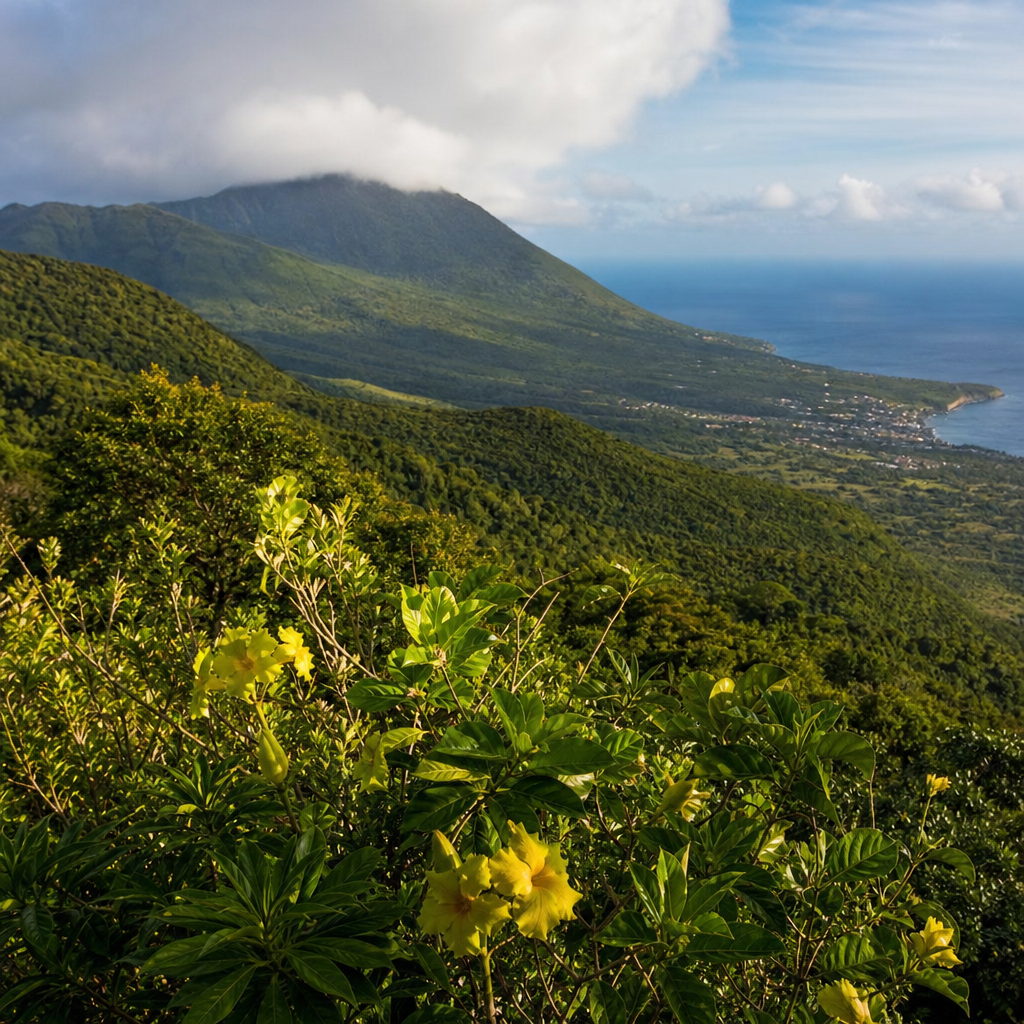
Nevis, a small island in the Caribbean, is a treasure trove of natural beauty, rich in biodiversity and lush landscapes. The island’s environmental health is crucial not only for its ecological balance but also for its economy, which relies heavily on tourism and agriculture. In recent years, local communities in Nevis have taken a proactive role in environmental conservation, recognizing that preserving their natural surroundings is essential for future generations. This article explores the various initiatives and practices that local communities in Nevis are implementing to protect and sustain their environment.
Community-Led Projects Make a Big Impact
One of the most striking aspects of environmental conservation in Nevis is the number of projects led by local communities. These initiatives often start small but have a significant impact on preserving the island’s natural resources. For example, several communities have started their own recycling programs to reduce waste and promote sustainability. These programs not only help in managing waste more effectively but also educate community members about the importance of recycling.
Additionally, local schools have integrated environmental education into their curriculums. Students participate in field trips to mangroves and coral reefs, learning firsthand about the island’s ecosystems and the species that depend on them. This educational approach nurtures a sense of environmental stewardship from a young age, encouraging children to be active participants in conservation efforts.
Reforestation Efforts
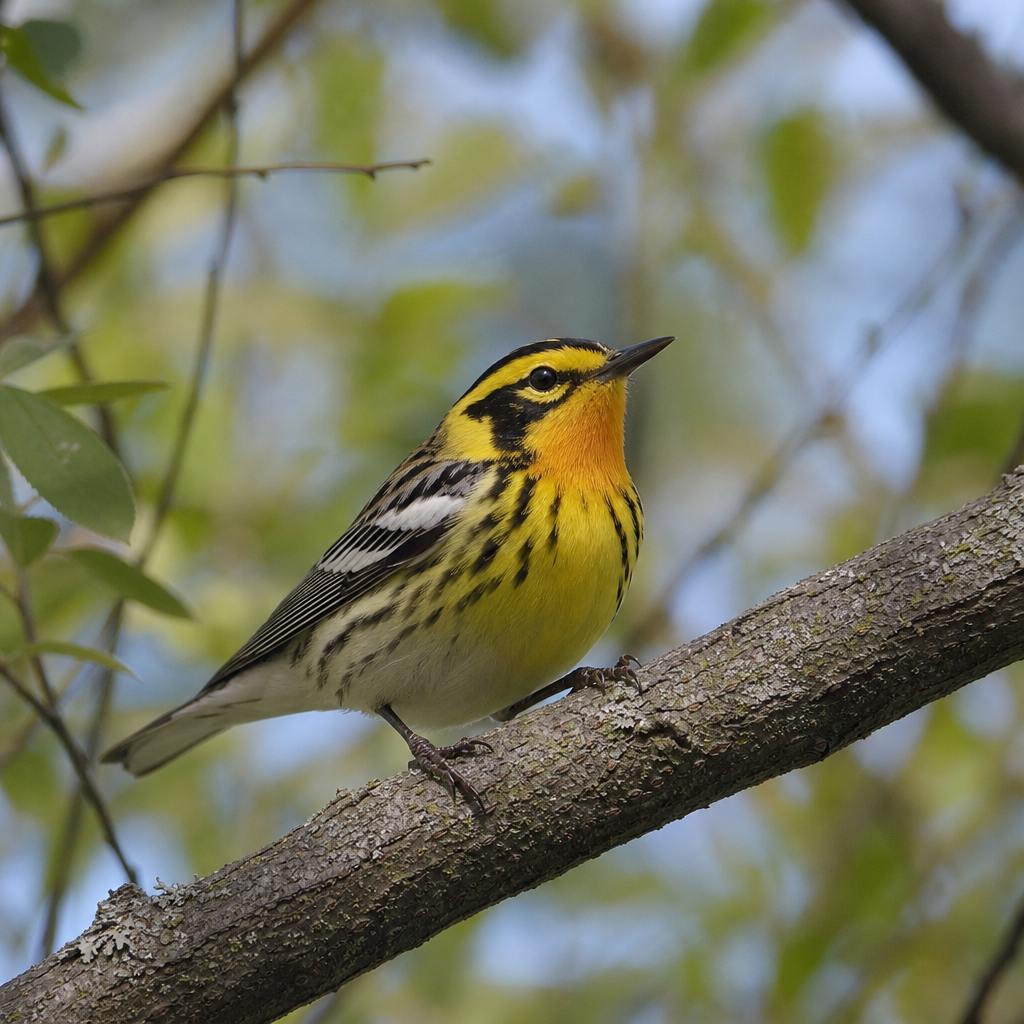
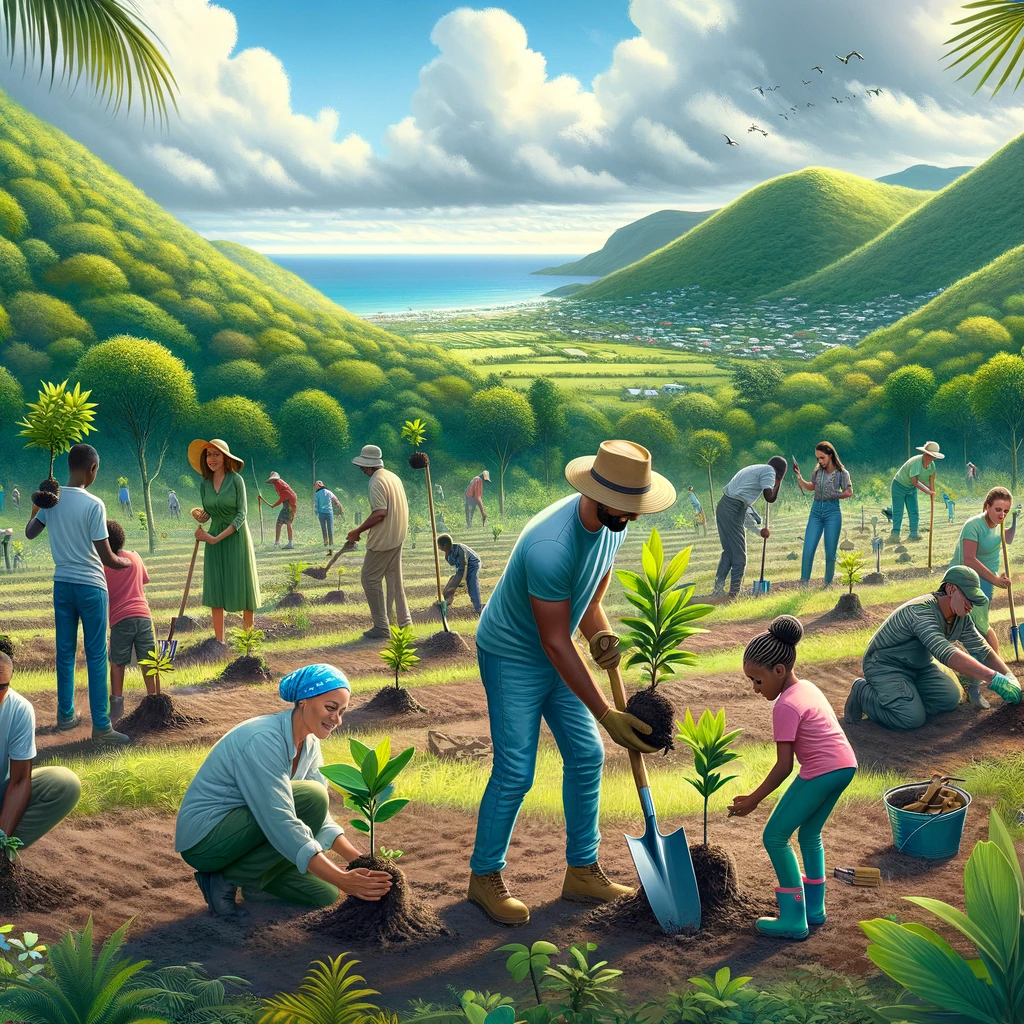
Deforestation for agriculture and construction has posed a significant threat to Nevis’ native flora and fauna. In response, community groups have spearheaded reforestation projects to restore lost habitats and increase green cover. These efforts often involve planting indigenous trees and plants, which are better adapted to the local climate and soil conditions. By restoring these native species, communities help to improve biodiversity and provide better habitats for local wildlife.
Protecting Marine Life
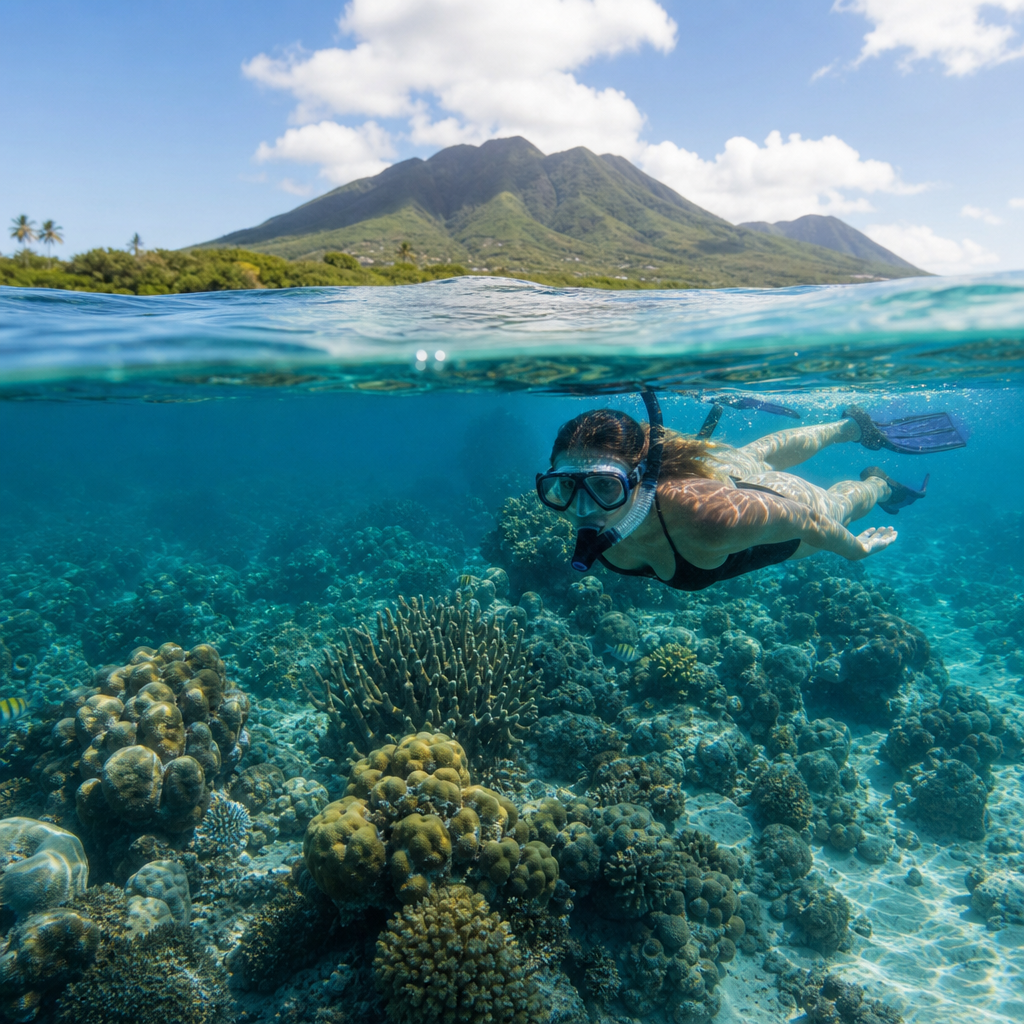
Nevis is surrounded by vibrant coral reefs that are vital to marine biodiversity and attract tourists from all over the world. However, these reefs face threats from pollution, overfishing, and climate change. To combat these challenges, local fishers have formed cooperatives to promote sustainable fishing practices. These cooperatives work closely with marine biologists to implement fishing quotas and establish protected marine areas where fishing is restricted.
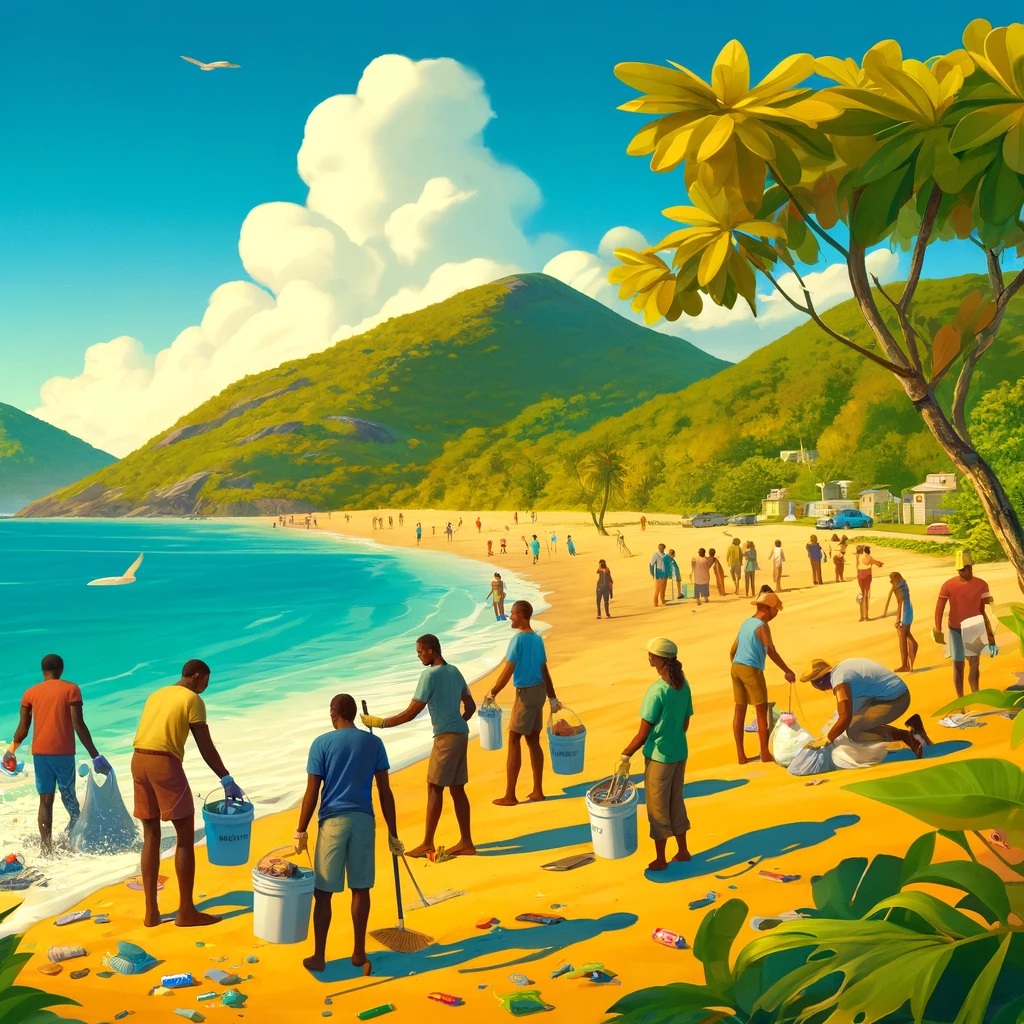
Furthermore, community-led beach cleanups are a regular occurrence on Nevis. These events not only help keep the beaches pristine but also protect marine life from the dangers of plastic pollution. Volunteers gather to remove trash from the beaches, which can be harmful to sea turtles and other marine species that mistake it for food.
Sustainable Tourism
Tourism is a double-edged sword for Nevis; it brings economic benefits but also environmental challenges. To address this, many local businesses and hotels have adopted eco-friendly practices. For instance, some hotels use solar panels to reduce their reliance on fossil fuels and offer eco-tours that educate tourists about the island’s natural environments without harming them.
Local artisans also contribute to sustainable tourism by creating and selling crafts made from natural, locally sourced materials. This not only helps reduce the carbon footprint associated with importing goods but also promotes local culture and craftsmanship.
Water Conservation
Water scarcity is a pressing issue on many Caribbean islands, including Nevis. Local communities have been innovative in implementing water conservation measures. Rainwater harvesting systems are increasingly common in homes and businesses, capturing rainwater for non-potable uses like irrigation and washing. This practice not only conserves freshwater resources but also reduces dependency on the municipal water supply, which can be limited during dry spells.
The Power of Community Involvement
The success of environmental conservation efforts in Nevis largely depends on community involvement. Regular town hall meetings are held to discuss ongoing projects and new initiatives. These forums provide a platform for residents to voice their concerns, offer suggestions, and volunteer for various activities. The collective action fostered by these meetings ensures that conservation efforts are inclusive and representative of the community’s needs and values.
In Nevis, local communities are at the forefront of environmental conservation. Through education, sustainable practices, and active participation, these communities are making strides in preserving their island’s natural beauty and resources. Their commitment serves as a model for other regions, demonstrating that when communities come together, substantial environmental progress is possible. By continuing these efforts, Nevis not only protects its ecological treasures but also ensures a sustainable future for all its residents.
Building Resilience Against Climate Change
Another critical aspect of the environmental conservation efforts in Nevis is building resilience against the impacts of climate change. The island experiences a range of climate-related challenges, including hurricanes, sea-level rise, and increased temperatures. To combat these issues, local communities have been actively involved in developing strategies to enhance their resilience.
One such strategy is the restoration of mangrove forests along the coastlines. Mangroves are not only crucial for wildlife habitats but also act as natural barriers against storm surges and coastal erosion. Community groups, often in partnership with international environmental organizations, work on replanting mangroves that have been damaged or destroyed. This not only helps in protecting the shoreline but also serves as a carbon sink, thus mitigating the effects of global warming.
Harnessing Traditional Knowledge
In Nevis, there is a rich reservoir of traditional knowledge related to land management, agriculture, and natural remedies. Elders in the community hold valuable insights into sustainable practices that have been passed down through generations. These practices include crop rotation, natural pest control using local plants, and water conservation techniques.
Community-based workshops and seminars are organized to share this traditional knowledge with younger generations and integrate it with modern conservation techniques. This blend of old and new practices enriches the community’s approach to environmental management, making it uniquely effective and culturally relevant.
Community Gardens and Local Agriculture
A significant push towards environmental sustainability in Nevis is seen in the promotion of community gardens and local agriculture. These gardens are not only a source of fresh, organic produce but also act as centers for community gathering and learning. By encouraging local farming, these initiatives reduce the carbon footprint associated with importing food and promote food security on the island.
Moreover, these gardens serve as practical sites for demonstrating sustainable agricultural practices, such as composting and organic farming, to residents and visitors alike. They exemplify how local actions can contribute to global environmental goals, such as reducing greenhouse gas emissions and promoting biodiversity.
Wildlife Conservation and Monitoring
Nevis is home to several endemic species of wildlife that require protection. Local conservation groups have set up monitoring programs to track the health of these populations. These programs often involve community volunteers who help with data collection and species monitoring.
For instance, the Nevis Turtle Group is a community-led initiative that monitors sea turtle nesting sites and works to protect these sites from human interference and natural predators. Their efforts have significantly increased the survival rates of hatchlings, contributing to the conservation of these endangered species.
The Role of Technology in Conservation
Technology also plays a pivotal role in enhancing community-led conservation efforts in Nevis. Geographic Information Systems (GIS) and drone technology are used to map and monitor environmental changes and biodiversity. These tools help in efficient resource management and allow for targeted conservation actions.
Furthermore, social media platforms are extensively used by local groups to raise awareness, share updates on conservation projects, and mobilize support. These platforms provide an essential link between the community, the diaspora, and international supporters, broadening the impact of local conservation efforts.
Engaging Tourists in Conservation
Finally, engaging tourists directly in conservation activities has become a significant aspect of Nevis’ environmental strategy. Many local tour operators offer eco-tours where tourists can participate in conservation work, such as coral reef clean-ups and tree planting events. This not only enhances the tourists’ experience but also contributes to the sustainability of tourism on the island.
A Community United for a Greener Future
The environmental conservation efforts in Nevis are a testament to the power of community action and collaboration. By involving every segment of the population, from schoolchildren to elders, and integrating traditional knowledge with modern technologies, Nevis is paving the way toward a sustainable and resilient future. These initiatives reinforce the idea that while the scale of challenges may be global, the power of local actions cannot be underestimated. Nevis continues to inspire other communities worldwide to take action and make a difference in their own backyards.
Through ongoing commitment and innovative approaches, the island of Nevis is not just conserving its exquisite natural heritage but is also setting a benchmark for community-driven environmental stewardship.