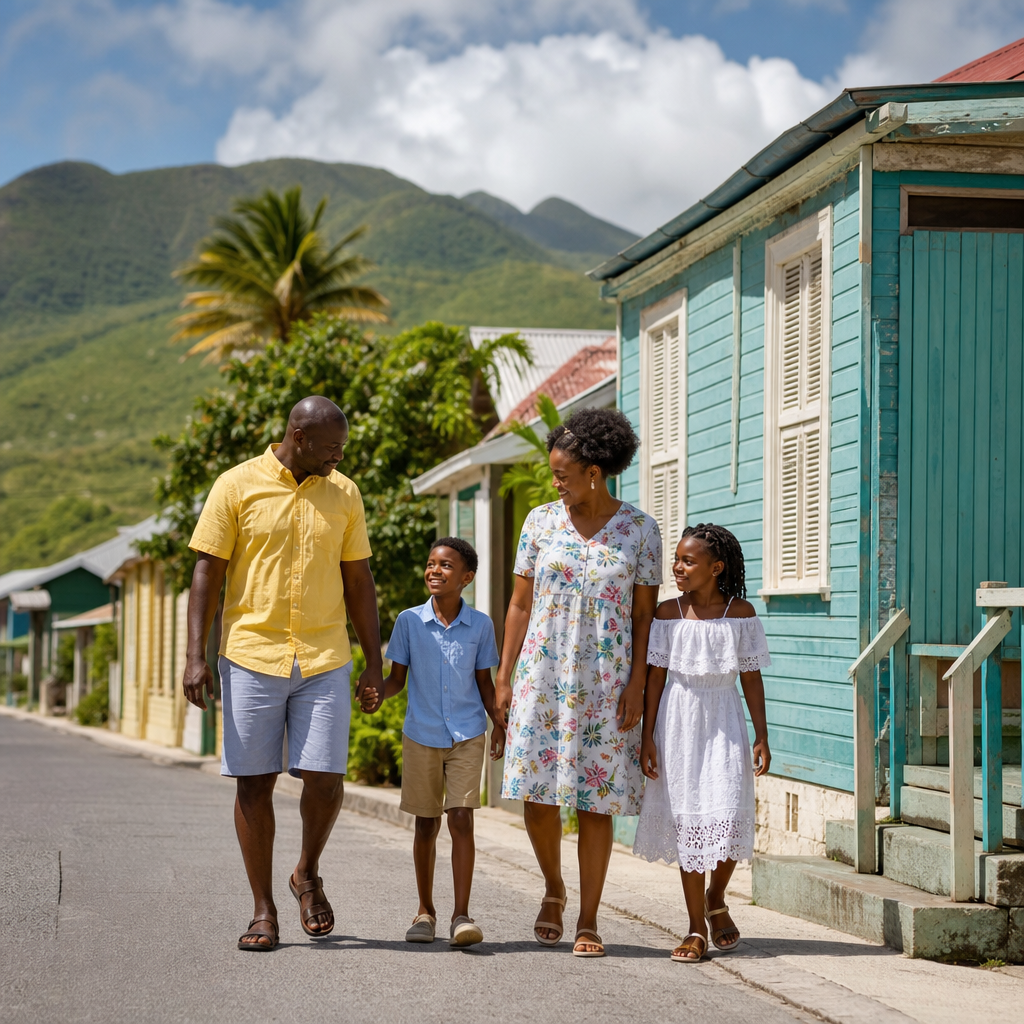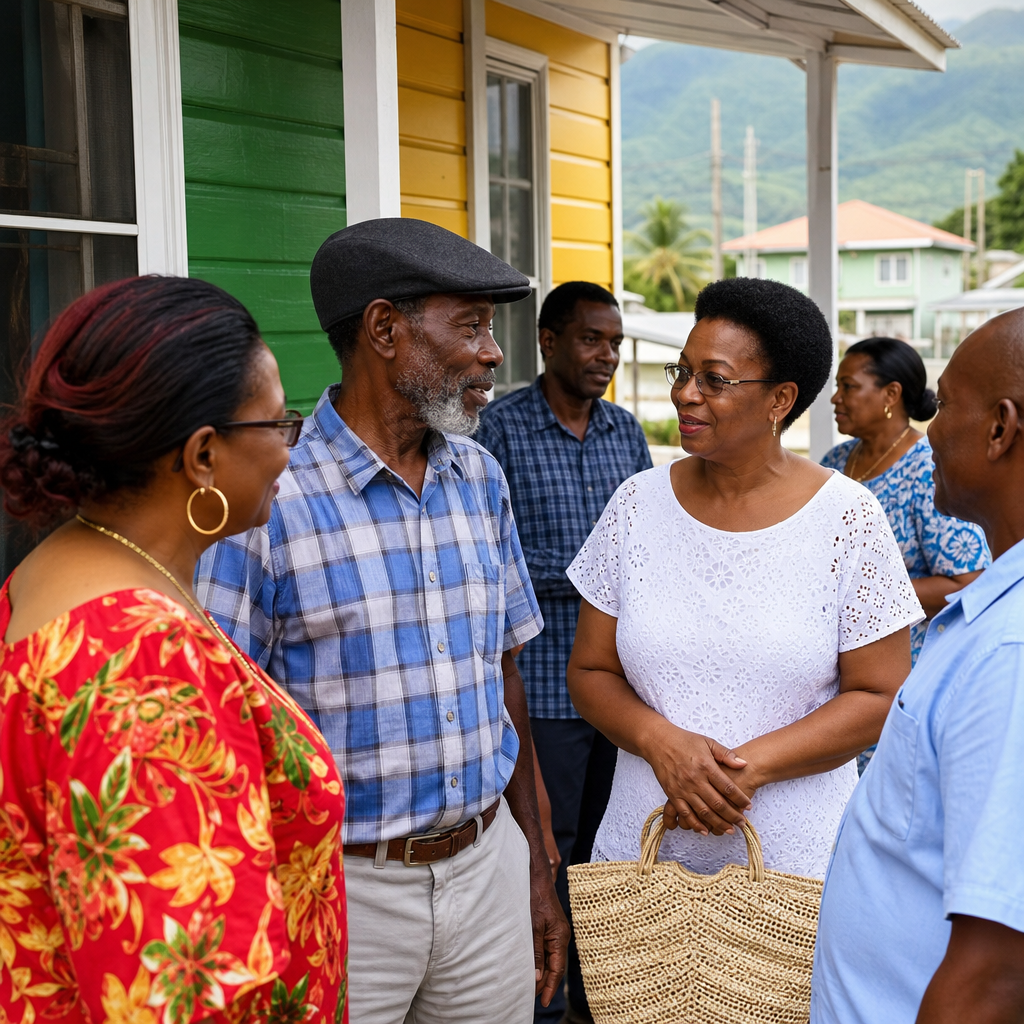
Understanding Nevis’ social customs and etiquette helps visitors move beyond sightseeing and into respectful, rewarding local interaction. Nevis, the smaller island in the Federation of Saint Kitts and Nevis, has a social culture shaped by African heritage, British colonial history, village life, church traditions, and the practical realities of small-island community. Etiquette here is not a rigid list of rules. It is a shared expectation of courtesy, warmth, patience, and respect. When travelers understand how people greet each other, how time is approached, how dress signals regard for place, and how public behavior reflects on family and community, they avoid common mistakes and connect more naturally.
In my work covering Caribbean destinations and speaking with Nevisians in guesthouses, restaurants, taxis, churches, and community events, the same point comes up repeatedly: manners matter on Nevis because relationships matter. The island’s population is small enough that reputation travels quickly. A visitor who is polite, properly dressed, and willing to greet people before asking for help is usually met with generosity. Someone who behaves as if the island exists purely for their convenience can create distance immediately. That is why understanding Nevis’ social customs and etiquette is essential for anyone planning a longer stay, a heritage visit, a villa holiday, a wedding, or business on the island.
Social customs include everyday practices such as saying good morning, respecting elders, moderating volume, and showing patience with service rhythms that may differ from large cities. Etiquette includes the unwritten standards around dining, tipping, church attendance, beaches, photography, driving, and community events. This hub article covers those miscellaneous but important details comprehensively so readers can navigate local life with confidence. It also serves as a practical foundation for deeper articles on Nevisian food culture, festivals, family life, religious traditions, local transportation, and responsible tourism. If you understand the principles here, most interactions on Nevis will make immediate sense.
Greeting people, addressing elders, and making a strong first impression
The most important social habit on Nevis is greeting people before beginning any transaction or question. In shops, at guesthouses, on the roadside, or when entering a waiting area, it is customary to say “Good morning,” “Good afternoon,” or “Good evening” first. Jumping straight into a request can sound abrupt. This practice is common across the Eastern Caribbean, but on Nevis it carries particular weight because community ties are close and basic civility is seen as a measure of character. If you remember only one rule, remember to greet first.
Respect for elders is equally important. Older adults are generally addressed with greater formality, and a calm, courteous tone goes a long way. Many Nevisians will use honorific habits such as “Miss,” “Mr.,” “Auntie,” or “Uncle” in community settings, even when there is no close family relationship. Visitors do not need to imitate every local speech pattern, but they should avoid overfamiliarity. Using a surname when introduced formally, waiting to be invited into first-name terms, and listening without interrupting are all appreciated. Handshakes are common in professional or introductory settings, while warmer familiarity develops naturally over time.
Body language matters. Direct eye contact is fine when balanced with politeness, but aggressive staring, finger-pointing, or visibly impatient gestures are poorly received. In a small-island context, public demeanor reflects not only on you but also on the person hosting or helping you. That is one reason hotel staff, drivers, and restaurant workers often place strong emphasis on respectful tone. Good first impressions on Nevis are simple: greet, smile, speak clearly, and avoid acting rushed or superior.
Time, pace, and how patience functions as etiquette
Visitors often ask whether Nevis runs on “island time.” The honest answer is yes, but that phrase needs nuance. Professional appointments, tours, ferries, and airport transfers still operate on schedules, and hospitality businesses serving international travelers understand timing expectations. Yet daily life often moves at a more relational pace than visitors from North America or Europe expect. Conversations take precedence. Service may unfold more slowly during busy periods. A person may finish acknowledging others in a room before turning to your request. On Nevis, patience is not passive; it is a form of social respect.
I have seen travelers misread this as inefficiency when it is often simply a different hierarchy of priorities. If a cashier exchanges a few words with an elder or a taxi driver checks on someone he knows, that interaction reinforces community bonds. Becoming visibly irritated rarely speeds anything up and can damage rapport. A better approach is to plan with margin, confirm arrangements politely, and ask clear follow-up questions without confrontation. If timing is critical, say so respectfully: “I have the ferry at two; do you think we are still on track?” That framing works far better than demands.
This slower social rhythm also affects invitations. If someone says, “Come by later,” context matters. It may be genuine but flexible rather than a fixed appointment. When in doubt, confirm the time and place. Business visitors should put logistics in writing by text or email, then reconfirm courteously. Socially, however, excessive rigidity can seem cold. The local skill is balancing reliability with ease, and travelers who adapt to that balance usually find interactions smoother and more enjoyable.
Dress, public appearance, and showing respect through presentation
Dress standards on Nevis are more conservative than some tourists expect from a beach destination. Swimwear belongs at the beach or pool, not in town, shops, or government offices. Cover-ups, T-shirts, shorts, sundresses, sandals, and casual resort wear are fine in tourist zones, but appearing shirtless or entering businesses in beachwear can be read as disrespectful. This is especially true in Charlestown, around churches, schools, clinics, and official buildings. Presentation signals whether you understand that Nevis is a home first and a holiday destination second.
Church services, weddings, funerals, and community ceremonies usually call for more polished clothing. Men often wear collared shirts and long trousers; women may choose dresses, skirts, or other neat attire. Even where no strict dress code is announced, modesty and neatness are the safest guide. If you are invited to a family gathering, ask your host what is appropriate. Nevisians are generally practical and understanding, but they notice effort. Dressing appropriately is one of the easiest ways to show respect without saying a word.
| Setting | Expected Dress | Why It Matters |
|---|---|---|
| Beach or resort pool | Swimwear, cover-up, sandals | Standard leisure attire in designated tourist spaces |
| Town, shops, casual restaurants | T-shirt or blouse, shorts, sundress, casual shoes | Shows basic public respect beyond the beach |
| Government office or bank | Neat casual or smart casual, shoulders covered if possible | Signals seriousness and courtesy in formal settings |
| Church, funeral, community ceremony | Modest, polished clothing; collared shirts or dresses | Reflects reverence, social awareness, and respect for hosts |
Appearance also extends to grooming and composure. Loud intoxication, sloppy dress in formal spaces, or clothing with offensive slogans can create instant friction. Nevis is not unusually strict; it simply retains a stronger expectation that public appearance reflects self-respect and regard for others. Travelers who pack for more than the beach tend to feel comfortable everywhere on the island.
Food, hospitality, dining manners, and accepting generosity graciously
Hospitality is a major part of Nevisian life. Whether you are staying at a boutique inn, eating at a roadside cookshop, or visiting someone’s home, food often becomes the center of connection. Local staples may include goat water, saltfish, rice and peas, ground provisions, grilled seafood, johnnycakes, and fresh fruit. If you are offered something, receive it with appreciation even if you only take a small amount. Refusing abruptly can feel dismissive. A warm “Thank you, I’d love to try that” is always appropriate.
At a private home, wait for cues before sitting, serving yourself, or beginning to eat. In many households, the host directs the flow of the meal. Complimenting the food is welcome, especially when specific: mention seasoning, tenderness, or freshness rather than giving a vague “nice.” If dietary restrictions matter, explain them early and politely. Most hosts are accommodating when told in advance. What causes difficulty is making a scene after food has been prepared.
In restaurants, service style varies from polished resort dining to relaxed local establishments. Tipping is often appreciated, though some hotels and restaurants add a service charge. Check the bill before adding extra. If no service charge appears, around 10 to 15 percent is generally a reasonable guide for good service. At rum shops or small casual spots, customs can be more informal. Patience, greeting staff, and saying thank you remain the baseline etiquette. Dining on Nevis is not only about consumption; it is about participating respectfully in a social space.
Community life, conversation, music, and navigating public behavior
Nevisian conversation is often warm, humorous, and observant. People may ask where you are from, whether you have family on the island, how long you are staying, or what brought you to Nevis. These questions are usually friendliness, not intrusion. Answer openly within your comfort level. In return, avoid turning every exchange into a complaint session about Wi-Fi, road conditions, or things being “slower than back home.” Comparative criticism is one of the quickest ways to seem dismissive of local life.
Topics such as family connections, cricket, local politics, church events, Carnival, and village news can come up easily. Political discussion is possible, but visitors should listen more than they lecture. Nevis has its own distinct identity within the federation, and local perspectives on governance, land, development, and tourism are nuanced. If you are unfamiliar with those dynamics, curiosity is better than certainty. Ask thoughtful questions and avoid assuming that one conversation represents the entire island.
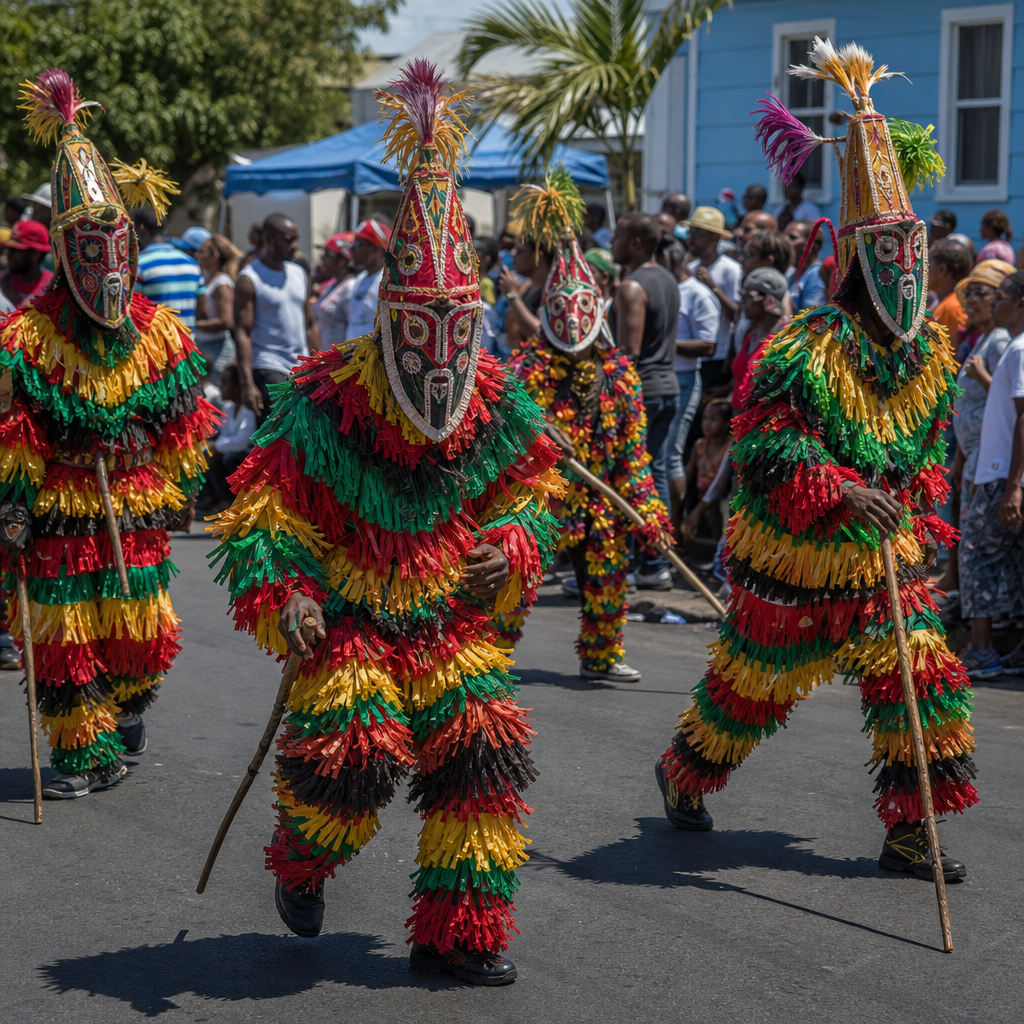
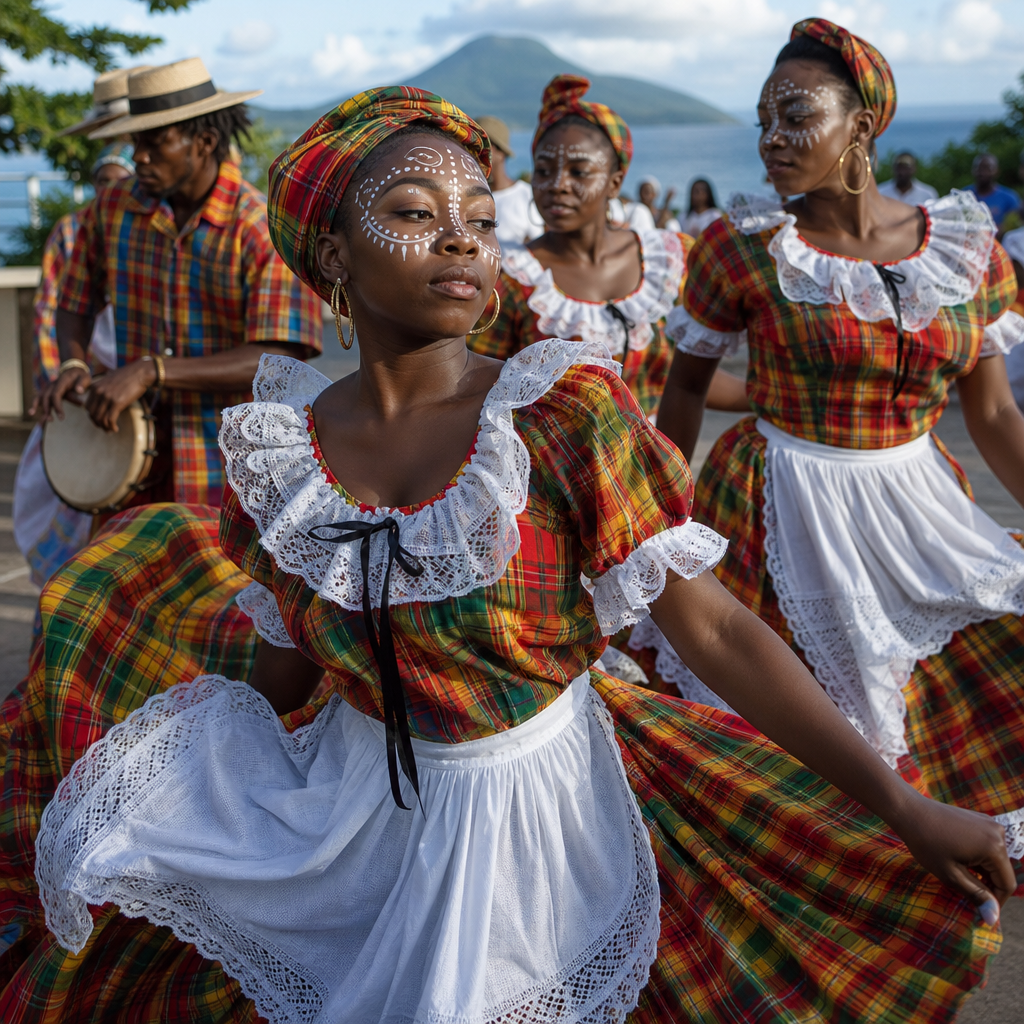
Music and celebration are central to social life, especially during Culturama, the island’s signature festival. At fetes, bars, beach events, and live performances, energy can be high and sound levels strong. Enjoyment is welcome; disorder is not. Being drunk, argumentative, or sexually aggressive is unacceptable. Public behavior on Nevis tends to be governed by an expectation of self-control. Even in festive spaces, people notice who carries themselves well. That balance of enjoyment and restraint is a recurring feature of Nevis’ social customs and etiquette.
Respecting privacy, religion, photography, and the realities of small-island life
Because Nevis is small, privacy operates differently than in anonymous cities. People often know one another through family, school, church, work, or village ties. Gossip travels fast. Visitors should be careful with assumptions, oversharing, and casual discussion of other people’s business. If someone tells you a local story, that does not mean it is yours to repeat publicly. Small-island etiquette rewards discretion.
Religion also shapes public norms. Christian churches, especially Anglican, Methodist, Moravian, Catholic, and evangelical congregations, have long influenced social standards around dress, language, Sunday behavior, and ceremonies. Visitors are generally welcome at services if they dress appropriately and behave respectfully. Turn phones off, follow cues for standing or sitting, and avoid treating worship as a spectacle. The same principle applies to funerals and memorials, which carry deep communal significance.
Photography deserves special care. Scenic landscapes, historic sites such as the Bath Hotel area, and beaches are usually straightforward to photograph. People are different. Always ask before taking close photos of individuals, children, vendors, worshippers, or private homes. This is not merely legal caution; it is basic respect. Drones may also raise privacy concerns, especially near villas or neighborhoods. When in doubt, ask. On Nevis, permission and courtesy open doors that entitlement closes.
Business etiquette, transport manners, and practical habits that build trust
For remote workers, investors, wedding planners, and long-stay visitors, business etiquette on Nevis follows the same social foundation as everyday life: greet properly, communicate clearly, and respect people’s time without becoming aggressive. Email is useful, but WhatsApp and direct phone contact are often more effective for local coordination. Confirm meetings, arrive prepared, and understand that rapport matters alongside formal credentials. Deals move faster when people trust your manner as well as your proposal.
Taxi etiquette is straightforward. Confirm the fare or rate basis before the trip, especially for tours, waiting time, or multi-stop journeys. Government-approved taxis may use posted rates, but clarity prevents misunderstandings. Greet the driver, avoid slamming doors, and ask before eating or playing audio loudly. On minibuses, which are more common on neighboring islands than for tourists on Nevis, personal space can be limited; courtesy and flexibility matter. If you rent a car, remember that driving is on the left, roads may be narrow, and pedestrians, animals, and slower vehicles require caution.
Finally, trust on Nevis is built through small consistent acts: showing up when you said you would, paying fairly, saying thank you, acknowledging people by name, and not treating staff as invisible. These habits may sound ordinary, but they are the core of successful local interaction. Visitors who practice them are not simply being polite; they are aligning with the island’s social logic.
Understanding Nevis’ social customs and etiquette comes down to one principle: act with respect for people, place, and pace. Greet before you ask. Dress for the setting, not just the weather. Be patient with timing, gracious with hospitality, measured in public behavior, and discreet in a community where relationships are close. Ask before photographing people, show reverence in religious or ceremonial spaces, and remember that a small island notices character quickly.
The benefit of learning these customs is practical as well as personal. You will have smoother service interactions, better conversations, more meaningful invitations, and fewer avoidable missteps. More importantly, you will experience Nevis as a living community rather than a backdrop. That shift changes everything, from how you dine and travel to how locals respond to you.
Use this hub as your starting point for exploring local life and experiences on Nevis in greater depth. Review related guides on food, festivals, transport, history, and community traditions before your trip, then arrive ready to observe, greet warmly, and participate respectfully. That is the simplest path to feeling welcome on Nevis.
Frequently Asked Questions
What is the most important etiquette principle visitors should understand in Nevis?
The most important principle is simple: lead with respect. In Nevis, everyday manners matter, and people generally appreciate visitors who are courteous, patient, and genuinely friendly. This often begins with acknowledging people properly before jumping into a question or request. A greeting is not just a formality; it is part of respectful social interaction. Saying “good morning,” “good afternoon,” or “good evening” before asking for directions, placing an order, or starting a conversation helps set the right tone. In a small-island community where personal reputation and social ties carry real weight, warmth and basic courtesy are noticed and remembered.
Visitors should also understand that Nevisian etiquette is shaped by community life. Interactions can feel more personal than in places where people are used to anonymity. Taking a few moments to speak politely, show patience, and avoid overly demanding behavior goes a long way. Even when service is slower than what some travelers are used to, reacting with frustration is usually seen as disrespectful. A calm, gracious attitude is far more effective and better aligned with local expectations.
At its core, etiquette in Nevis is less about memorizing strict rules and more about demonstrating humility, consideration, and social awareness. If visitors show that they value people, listen carefully, and adapt to the local rhythm rather than insisting on their own, they will usually be received warmly.
How should visitors greet people and behave in everyday social situations in Nevis?
Greetings are an important part of daily life in Nevis, and visitors should not underestimate how meaningful they are. In many settings, especially outside large hotels or formal tourist spaces, it is polite to greet people before getting into business. If you enter a shop, approach a vendor, or pass someone in a quiet area, offering a friendly “good morning,” “good afternoon,” or “good evening” is appropriate. Starting abruptly with a request can seem cold or rushed. This habit reflects the island’s emphasis on civility and human connection.
Conversation in Nevis is often friendly and relaxed, but that does not mean social boundaries disappear. Visitors should be respectful in tone, avoid speaking too loudly, and steer clear of behavior that feels arrogant, dismissive, or overly familiar too quickly. Humor and easy conversation are common, yet it is still wise to let locals set the pace when discussing personal matters, politics, or sensitive community issues. In a close-knit society, people often know one another well, and outsiders are generally better received when they listen more than they dominate.
Body language also matters. A smile, eye contact, and a calm, open manner are usually appreciated. Public displays of anger, impatience, or condescension can create a poor impression quickly. If you are invited into a conversation, respond warmly and respectfully. If someone offers insight about the island, everyday life, or local customs, receiving that with interest rather than comparison or correction shows good judgment. In most everyday situations, thoughtful politeness will carry you far.
Are there specific dress and behavior expectations in churches, villages, and public spaces?
Yes, modesty and situational awareness are important. Nevis is not a place where beachwear automatically belongs everywhere. While swimsuits and casual resort clothing may be completely acceptable at the beach or pool, they are not usually appropriate in villages, shops, restaurants away from tourist zones, churches, government buildings, or other public settings. Covering up when leaving the beach is a simple and respectful practice. Lightweight but modest clothing works well in the climate and helps visitors avoid appearing careless or culturally unaware.
Churches deserve special consideration because Christian traditions remain influential in many communities. If attending a service or visiting a church for any reason, dress neatly and conservatively. That generally means avoiding very revealing clothing, hats that may obstruct others unless culturally appropriate, and behavior that feels casual in a way that clashes with the setting. During services, visitors should follow local cues, keep phones silent, and participate respectfully even if they are attending as observers rather than worshippers.
In villages and public spaces, demeanor matters as much as clothing. Loud, attention-seeking behavior, intoxication, or intrusive photography can be poorly received. Nevis has a strong sense of community, and public conduct is often viewed through that lens. Being well-presented, composed, and respectful shows that you understand you are in someone else’s social environment, not just consuming a destination as a tourist backdrop.
What should travelers know about manners when visiting homes, attending events, or interacting with the local community?
If you are invited into a Nevisian home or included in a local gathering, treat that as a meaningful gesture of trust and hospitality. Arriving on time or reasonably close to the expected time is wise, though some events may operate with a more relaxed social rhythm than visitors expect. It is polite to greet everyone present, especially elders, and to wait for cues about where to sit, when to eat, or how formally the occasion is being observed. Bringing a small gift is not always required, but it is often appreciated, particularly if someone is hosting you for a meal or a special occasion.
Respect for elders is an important part of social life. Older community members are often treated with visible courtesy, and visitors should mirror that tone. Listen attentively, avoid interrupting, and use polite forms of address when appropriate. In community settings, showing deference does not mean being stiff; it means recognizing social hierarchy and experience with grace. This is especially relevant at church gatherings, family occasions, and village events where intergenerational ties are strong.
Food etiquette is also worth noting. If you are offered food or drink, receiving it graciously is usually best unless you have a clear reason to decline. Even then, decline politely and appreciatively. Do not criticize local dishes or compare them unfavorably to what you know at home. Hospitality in small communities often carries emotional significance, so gratitude matters. More broadly, when participating in community life, avoid behaving like an observer studying local people from the outside. Engage sincerely, ask respectful questions, and remember that curiosity should always be balanced by humility.
Are there any common mistakes tourists make with etiquette in Nevis, and how can they avoid them?
One of the most common mistakes is moving too fast and treating interactions as purely transactional. Visitors sometimes forget to greet people, become impatient with a slower pace, or assume that efficiency is more important than courtesy. In Nevis, taking a moment to acknowledge others properly can matter more than getting straight to the point. Another frequent mistake is assuming that because the island welcomes tourists, all behavior associated with vacation culture is acceptable everywhere. Beachwear in town, loud public conduct, or entitlement toward workers can come across poorly.
Another issue is speaking about the island in a way that feels patronizing or overly comparative. Comments that suggest Nevis is “simple,” “behind,” or valuable mainly because it feels undeveloped to outsiders can be offensive, even if not intended that way. The same applies to overly intrusive questions about people’s private lives, finances, or local tensions. Because Nevis is a small community, social awareness matters. Listening carefully and avoiding assumptions will usually prevent awkward moments.
Visitors can avoid most etiquette mistakes by following a few steady habits: greet first, dress appropriately for the setting, be patient, respect elders and religious spaces, ask before taking photos of people, and show appreciation when help is offered. Most importantly, approach Nevis with the mindset that you are entering a living community, not just a holiday destination. That perspective naturally leads to better behavior, stronger connections, and a more rewarding experience on the island.