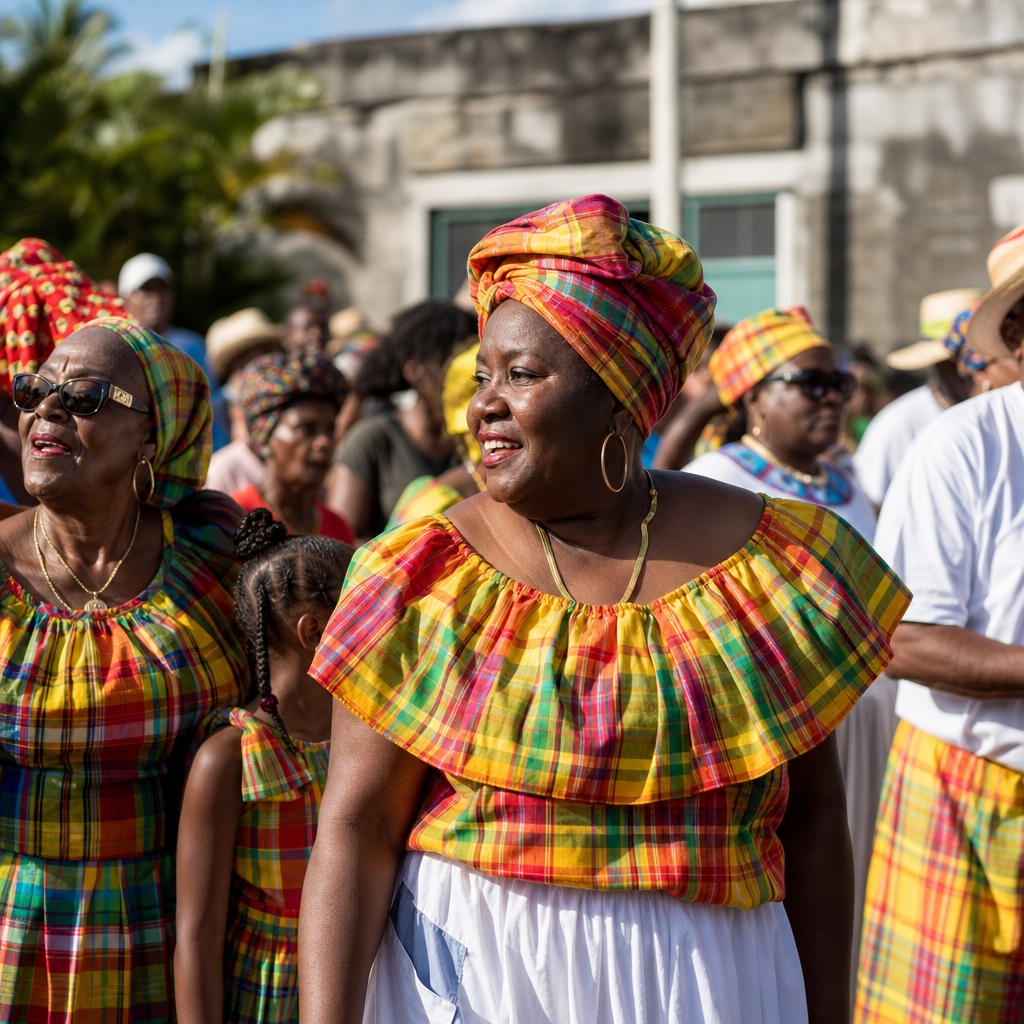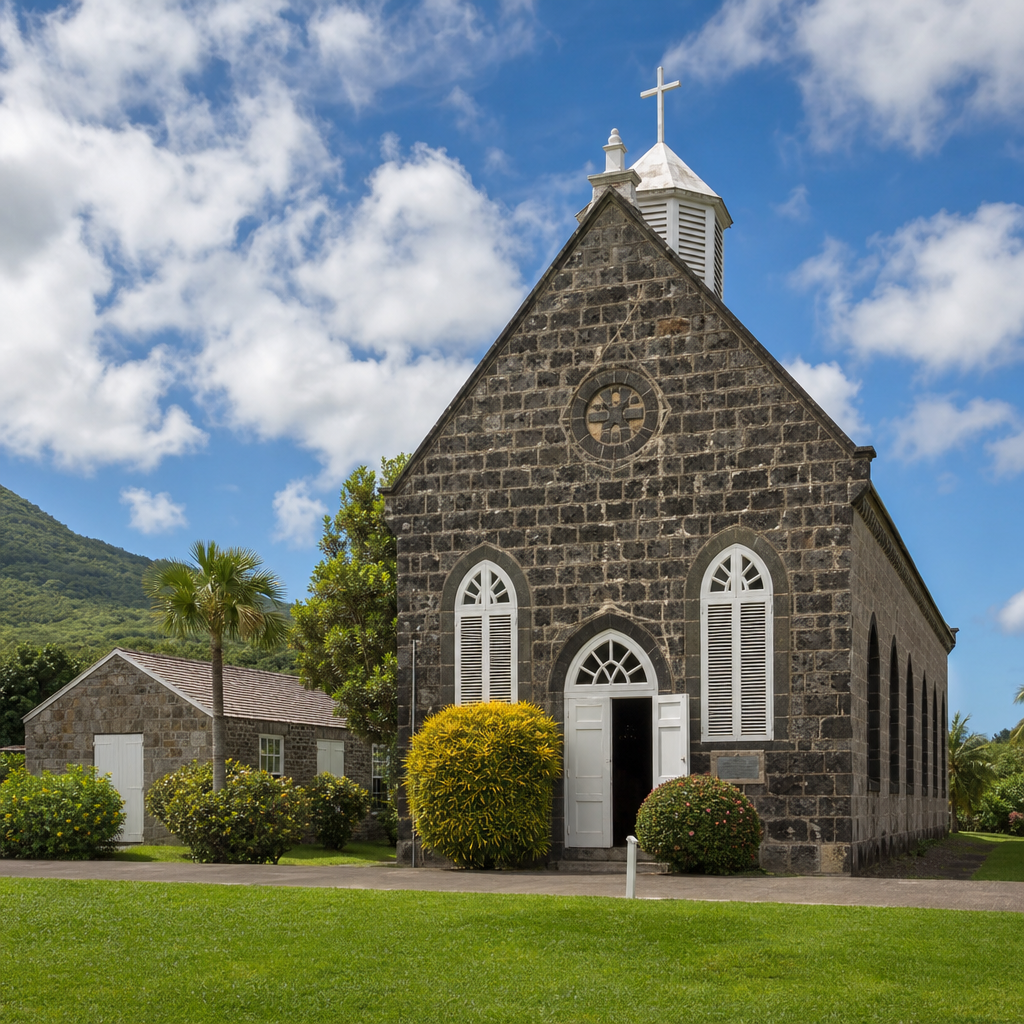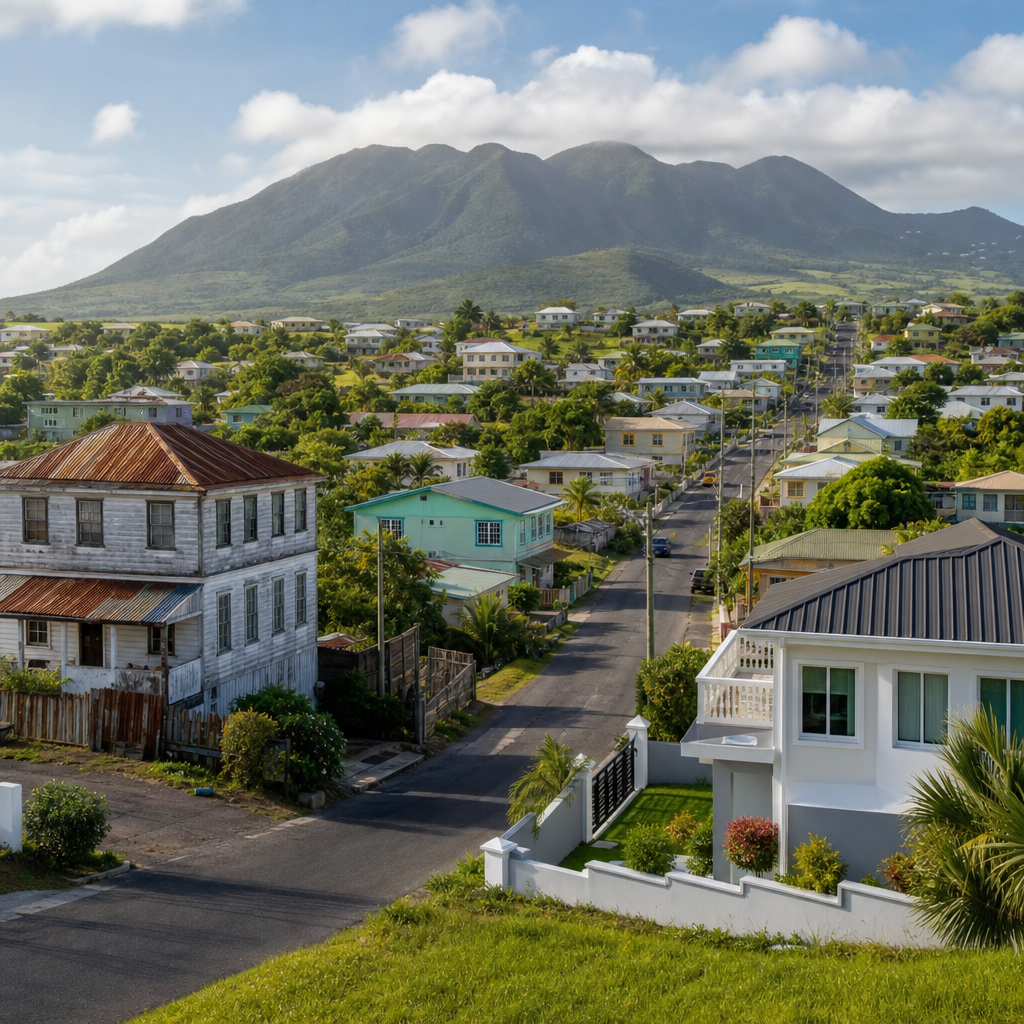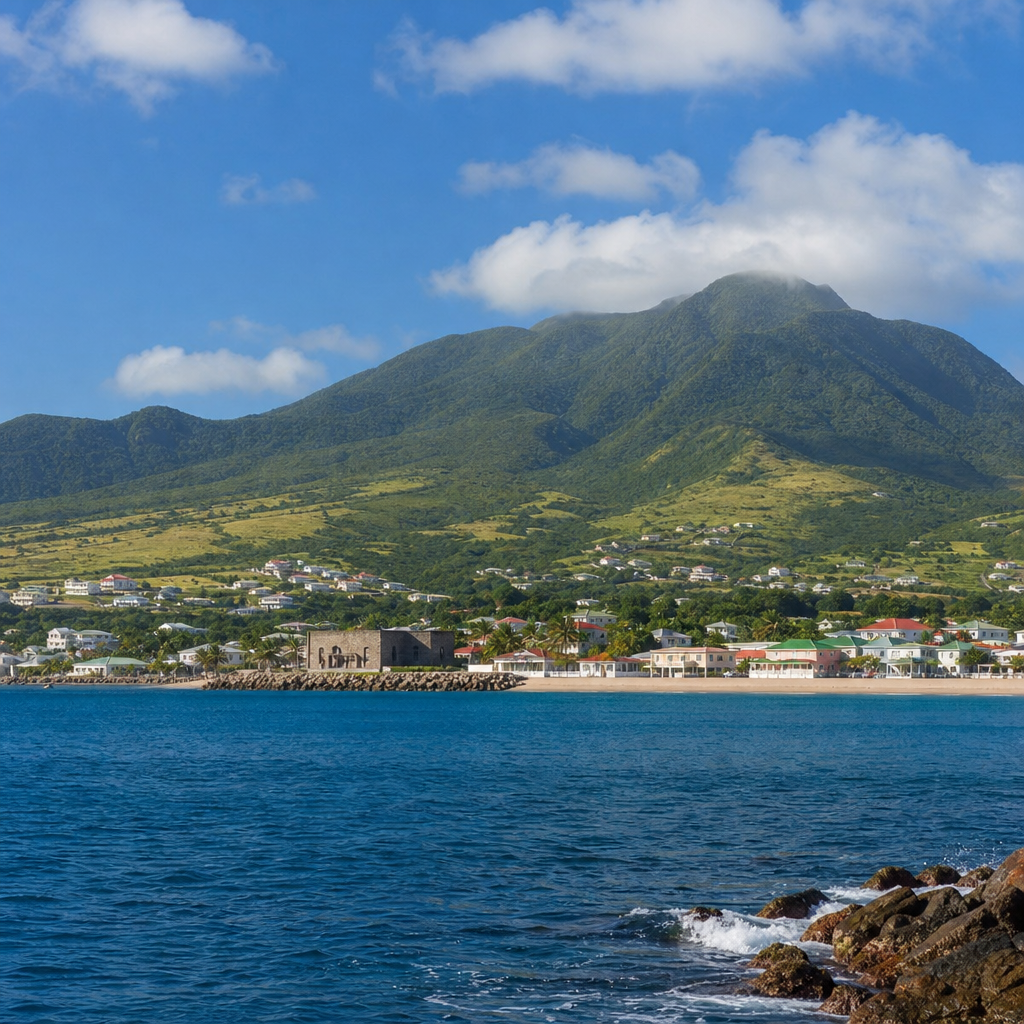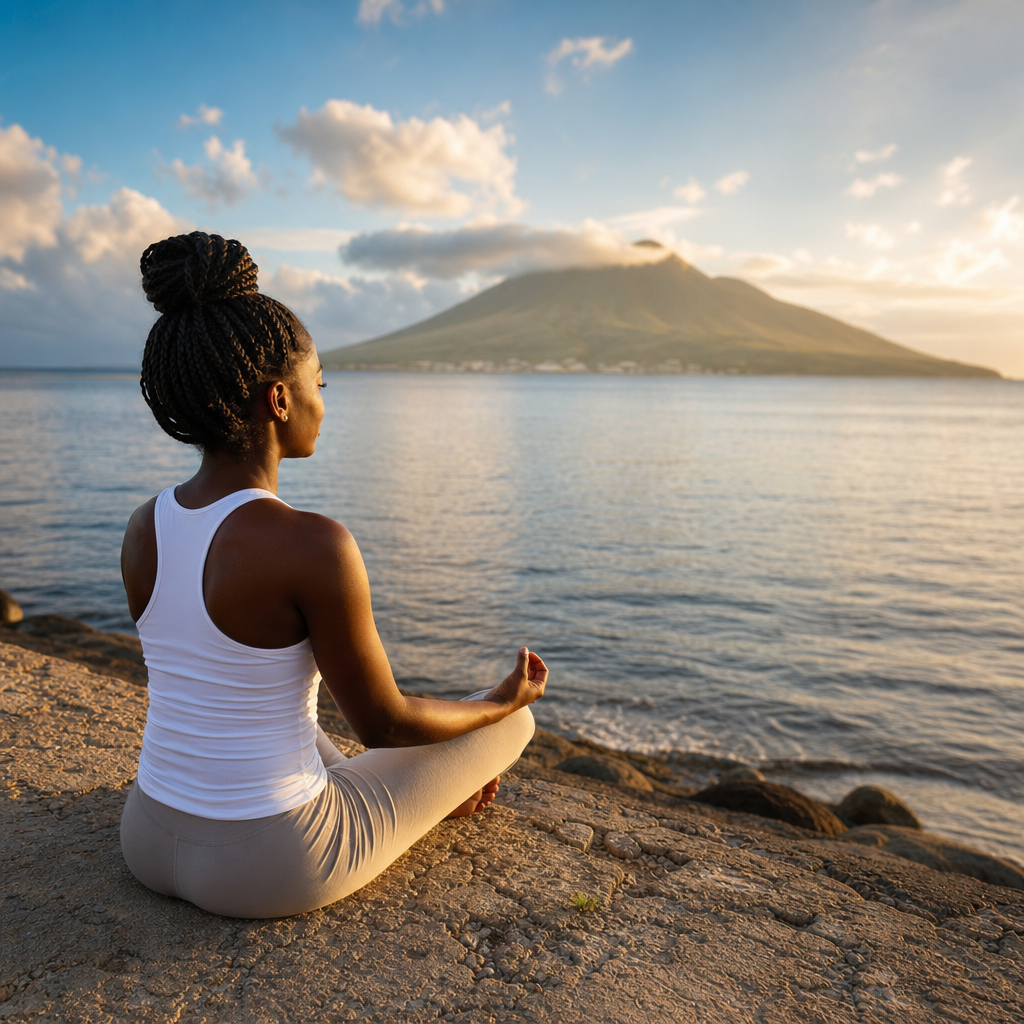
Nevis’ mindfulness movement has grown from a niche wellness interest into a practical, community-rooted approach to inner peace, stress reduction, and healthier daily living. On this small Caribbean island, mindfulness is not treated as an abstract trend. It is increasingly woven into morning routines, beach walks, yoga classes, counseling sessions, hospitality programs, school activities, and personal recovery practices. When people search for mindfulness in Nevis, they usually want clear answers: what mindfulness means, how it is practiced locally, who benefits, and which methods actually help. The short answer is simple. Mindfulness is the disciplined practice of paying attention to the present moment with awareness and without harsh judgment. Inner peace is the felt result of training the mind and body to respond more calmly to stress, uncertainty, and emotional overload. In Nevis, that training often draws strength from the island’s natural rhythm, community culture, and slower pace of life.
I have seen the strongest mindfulness habits develop not through dramatic retreats but through repeatable, grounded actions: ten minutes of breathwork before sunrise, a phone-free walk near Pinney’s Beach, a journaling session after a difficult workday, or a guided body scan used to reset after caregiving fatigue. These practices matter because chronic stress affects sleep, blood pressure, concentration, mood regulation, and relationships. Research from institutions including Johns Hopkins and the American Psychological Association has consistently linked mindfulness-based practices with reduced perceived stress, better emotional regulation, and improvement in symptoms of anxiety and depression for many participants. Mindfulness is not magic, and it is not a substitute for medical care when someone needs therapy, medication, or crisis intervention. But as a daily skill, it is one of the most accessible ways to build steadiness. For a health and wellness hub covering miscellaneous mindfulness topics in Nevis, the goal is to map the full landscape: local practices, benefits, limitations, settings, and practical next steps.
What Mindfulness Means in Nevis
Mindfulness in Nevis combines formal techniques with place-based habits that make the practice feel natural rather than forced. Formal mindfulness includes seated meditation, guided breathing, body scans, mindful movement, and structured programs influenced by methods such as Mindfulness-Based Stress Reduction, commonly called MBSR. Informal mindfulness includes paying close attention while gardening, listening intentionally during conversation, cooking without multitasking, or noticing the sound of waves and wind without reaching for a device. The island context matters. Nevis offers sensory conditions that support attentional training: visible horizons, ocean soundscapes, warm temperatures for outdoor movement, and community spaces that encourage social connection. Those conditions do not automatically create peace, but they lower friction for people trying to establish a practice.
A common misunderstanding is that mindfulness requires emptying the mind or escaping every unpleasant thought. In practice, it means noticing thoughts, feelings, and bodily sensations without becoming completely controlled by them. Someone worried about finances, grief, illness, or family tension does not fail at mindfulness because difficult thoughts arise. The practice is to observe the thought, label it accurately, and return attention to breath, movement, sound, or present activity. In Nevis, practitioners often adapt this to local life. Hospitality workers use short breathing resets between guest interactions. Entrepreneurs pause before reactive decisions. Retirees integrate gratitude reflection into morning walks. Parents teach children to identify emotions before conflict escalates. The movement is broad because mindfulness works across many lifestyles, not only in retreat settings.
Why the Movement Is Growing
The rise of mindfulness in Nevis reflects both global wellness trends and local needs. Across the world, people are confronting burnout, digital overload, fragmented attention, and persistent uncertainty. On an island with a tourism-driven economy, these pressures can show up in seasonal work intensity, service expectations, financial stress, and emotional exhaustion. Mindfulness offers a low-cost intervention that can be practiced individually or in groups, indoors or outdoors, with minimal equipment. That makes it especially adaptable. In my experience, the biggest shift happens when people stop viewing mindfulness as a luxury and start seeing it as mental hygiene, as essential as hydration, sleep, and movement.
Another reason for growth is that wellness in Nevis increasingly connects physical health, emotional resilience, and environmental experience. Visitors seek restorative travel, but residents also want tools that improve everyday functioning. Hotels and wellness providers have responded with yoga sessions, meditation offerings, nature-based experiences, and recovery-oriented programming. Health professionals are more willing than before to discuss nervous system regulation, breath awareness, and stress management alongside conventional care. Schools and families are also exploring attention training because children and teenagers face distraction, anxiety, and emotional dysregulation just as adults do. The movement continues to expand because people notice tangible outcomes: better sleep, less reactivity, more patience, improved concentration, and a stronger sense of perspective during difficult periods.
Core Practices That Build Inner Peace
The most effective mindfulness practices in Nevis are usually the simplest. Breath awareness remains the foundation because it is immediate and portable. A basic method is inhaling for four counts, exhaling for six, and repeating for five minutes to encourage parasympathetic activation. Body scan meditation is another reliable tool. Starting at the feet and moving upward, a person notices tension, temperature, pressure, and discomfort without trying to fix everything at once. This develops interoception, the ability to sense internal bodily states, which supports emotional regulation. Mindful walking works especially well in coastal or garden settings. The instruction is straightforward: feel each step, observe posture, notice air on the skin, and return attention whenever the mind wanders. For many people who struggle with seated meditation, walking practice is easier to sustain.
Mindful movement also plays a major role. Gentle yoga, tai chi-inspired mobility, stretching, and breath-led exercise help people who carry stress physically in the shoulders, jaw, lower back, or gut. Journaling is another overlooked but powerful method. After meditation, writing down recurring thoughts often reveals patterns in self-talk, fear, or unresolved decisions. Loving-kindness meditation, where a person silently repeats phrases of goodwill toward self and others, can be especially useful in healing resentment or burnout. The key is not novelty but consistency. I usually recommend starting with one anchor practice and one support practice rather than trying six methods at once.
| Practice | How it works | Best use case | Typical starting time |
|---|---|---|---|
| Breath awareness | Focus on inhale and longer exhale | Stress, overwhelm, pre-sleep reset | 5 minutes |
| Body scan | Notice sensations from feet to head | Tension, fatigue, emotional overload | 10 minutes |
| Mindful walking | Pair attention with steps and surroundings | Restlessness, screen fatigue | 10 to 20 minutes |
| Mindful movement | Slow mobility with breath coordination | Physical stress, stiffness | 15 minutes |
| Journaling | Write observations after practice | Clarity, decision-making, self-awareness | 5 to 10 minutes |
Where Mindfulness Shows Up Across Island Life
As a miscellaneous hub topic, mindfulness in Nevis spans far more than meditation classes. It appears in wellness tourism, community health, education, corporate routines, recovery work, and personal spiritual exploration. In hospitality, properties may offer sunrise yoga, quiet garden spaces, spa treatments paired with breathwork, or guided reflection sessions for guests seeking restoration. That matters because travel can either dysregulate people through constant stimulation or help them recover through intentional pacing. In local communities, mindfulness circles and informal peer groups create accountability. Practicing in a group often increases adherence because people are more likely to show up for a shared session than an isolated plan.
Mindfulness also supports caregivers, teachers, and health workers who absorb high emotional loads. A nurse using a two-minute grounding practice before entering a difficult conversation is applying mindfulness in a highly practical way. A teacher leading students through three conscious breaths before class is doing the same. Athletes can use focused breathing and visualization to regulate pre-performance nerves. Older adults often benefit from mindfulness because it supports pain management, acceptance, and sleep quality. Digital mindfulness is another growing area. This includes setting screen boundaries, using app timers, and practicing intentional disengagement from notifications. Inner peace is rarely achieved by adding more stimulation. It usually comes from reducing unnecessary cognitive clutter and strengthening attention on what matters.
Benefits, Limits, and Common Mistakes
Mindfulness can produce measurable benefits, but it works best when expectations are realistic. People often report better sleep onset, improved patience, reduced rumination, fewer stress spikes, and a greater sense of emotional space between trigger and response. Some also notice physical changes such as lower muscle tension, steadier breathing, and improved digestion during calmer periods. Studies on mindfulness interventions frequently show moderate benefits for stress, anxiety symptoms, and relapse prevention in some contexts, especially when practice is structured and sustained. Even so, results vary. Someone dealing with trauma, panic disorder, severe depression, substance dependence, or acute grief may need trauma-informed instruction or licensed clinical support rather than generic meditation advice.
The most common mistake is inconsistency disguised as enthusiasm. People do a long session once, feel temporarily better, then stop for two weeks. A second mistake is treating mindfulness as performance. If the mind wanders, that is not failure; noticing the wandering is the practice. Third, many beginners choose the wrong format. Someone with high agitation may do better with walking meditation than silent sitting. Fourth, people sometimes use mindfulness to avoid necessary action. Calm awareness should improve decision-making, not replace hard conversations, medical appointments, or boundary setting. The healthiest approach is balanced: use mindfulness to regulate the nervous system, increase clarity, and support wiser choices, while recognizing when expert help is required.
How to Start a Sustainable Practice in Nevis
The best mindfulness routine is the one you will repeat during ordinary weeks, not only during vacations or emotional crises. Start with a specific cue, location, and duration. For example, sit on a porch at 6:30 a.m., practice five minutes of breath awareness, then write one sentence about your state of mind. Attach the habit to something stable such as morning tea, a lunch break, or an evening shower. Use the environment intentionally. In Nevis, outdoor practice can be a major advantage, whether on a quiet path, near a garden, or beside the sea. Keep the first month simple. Five to ten minutes daily is enough to establish identity and rhythm. Use a timer, not your phone screen, if possible.
If you want faster progress, combine self-practice with guidance. A trained meditation teacher, yoga instructor, counselor, or wellness facilitator can correct technique and help tailor the practice to your temperament. Track outcomes that matter: sleep quality, irritability, focus, energy, and how quickly you recover after stress. Improvement is often gradual, then suddenly obvious in situations that would previously have caused an outburst or shutdown. This health and wellness hub exists to connect readers with the full range of mindfulness topics in Nevis, from beginner techniques and nature-based rituals to workplace resilience and recovery support. The central lesson is clear: inner peace is not found by waiting for life to become quiet. It is built through repeated attention, honest self-observation, and practical daily habits. Start small, stay consistent, and explore the mindfulness resources across Nevis that fit your life.
Frequently Asked Questions
What makes Nevis’ mindfulness movement different from generic wellness trends?
Nevis’ mindfulness movement stands out because it is rooted in everyday life rather than packaged as a passing wellness fad. On the island, mindfulness is often approached as a practical way to slow down, regulate stress, improve emotional balance, and reconnect with the present moment in settings that feel natural and accessible. Instead of being limited to formal meditation studios, mindfulness in Nevis shows up in sunrise walks, quiet beach reflection, yoga classes, counseling sessions, school programs, recovery support, and hospitality experiences designed to help people reset mentally and physically.
Another important difference is the community-centered character of the movement. In Nevis, mindfulness is not only about personal optimization or luxury self-care. It is frequently linked to healthier routines, social connection, and sustainable well-being. Residents, wellness practitioners, educators, and tourism professionals often treat it as a useful tool for daily living rather than an abstract philosophy. That gives the movement a grounded quality: people are not just talking about mindfulness, they are applying it to stress management, better sleep, emotional resilience, and a calmer pace of life. For many visitors and locals alike, that blend of natural beauty, cultural warmth, and practical application is what makes mindfulness in Nevis feel especially genuine.
What kinds of mindfulness practices are most common in Nevis?
The most common mindfulness practices in Nevis are usually simple, approachable, and easy to integrate into daily routines. Breath awareness is one of the most widely used techniques because it requires no equipment and can be practiced almost anywhere, whether someone is sitting on a veranda, pausing before work, or listening to the sea. Guided meditation is also popular, especially in wellness classes, retreat settings, and counseling environments where structured support helps beginners build confidence. Yoga with a mindfulness focus is another major part of the movement, blending body awareness, breath control, and mental stillness in a way that appeals to both residents and travelers.
Walking meditation and mindful nature immersion are particularly well suited to Nevis. Many people use quiet beach walks, garden paths, or scenic island viewpoints as opportunities to practice presence by paying attention to sounds, movement, breath, and physical sensation. Journaling, gratitude reflection, and body scan exercises are also common, especially for people working on stress reduction, emotional healing, or personal recovery. In some settings, mindfulness is incorporated into spa treatments, hospitality programming, and wellness coaching, where the goal is not just relaxation in the moment but learning habits that can continue after the experience ends. What ties these practices together is their accessibility: they are designed to help people feel calmer, clearer, and more connected without requiring a dramatic lifestyle change.
How can beginners start practicing mindfulness in Nevis?
Beginners can start practicing mindfulness in Nevis by keeping the process very simple and consistent. A good first step is choosing one short daily practice, such as sitting quietly for five minutes and focusing on the breath, noticing the rise and fall of the chest, or gently returning attention whenever the mind wanders. This can be done at home, in a garden, on a porch, or by the beach. The goal is not to force the mind to become empty. Instead, it is to become more aware of thoughts, feelings, and physical sensations without immediately reacting to them. That mindset makes mindfulness feel less intimidating and more achievable for people who are completely new to it.
Beginners in Nevis can also look for guided environments that offer structure and encouragement. Yoga classes, meditation sessions, wellness retreats, counseling practices, and community-based wellness activities can provide helpful entry points. Many people find it easier to learn mindfulness when someone explains how to breathe, how to sit comfortably, and how to respond to distraction. Another effective approach is to attach mindfulness to something already familiar, such as drinking morning tea, taking a daily walk, or pausing before meals. By using an existing habit as an anchor, mindfulness becomes part of ordinary life instead of another task on the schedule. Over time, these small moments of presence can build into stronger emotional regulation, better concentration, and a more peaceful relationship with daily stress.
Can mindfulness in Nevis help with stress, anxiety, and emotional well-being?
Yes, mindfulness in Nevis can play a meaningful role in supporting stress reduction, anxiety management, and overall emotional well-being, especially when practiced regularly and realistically. Mindfulness helps by training attention to stay in the present rather than getting pulled constantly into worry about the future or rumination about the past. When people learn to observe their thoughts and emotions with less judgment, they often experience more calm, more clarity, and a stronger sense of control over how they respond to pressure. In a Nevis setting, the natural environment can enhance this effect, as quiet coastlines, open air, and slower rhythms make it easier for many people to settle their nervous systems and feel grounded.
That said, mindfulness is best understood as a supportive tool, not a magic cure. It can help people notice stress patterns earlier, interrupt cycles of reactivity, improve sleep routines, and create space for healthier coping habits. In counseling and recovery contexts, mindfulness is often used alongside other forms of support to strengthen self-awareness and emotional resilience. For people dealing with significant anxiety, burnout, grief, or trauma, guided mindfulness with a qualified professional may be especially beneficial because the practice can be tailored safely and appropriately. In everyday life, even brief mindful pauses can make a measurable difference. A few intentional minutes of breathing, walking, or reflective stillness can help shift the body out of constant stress mode and support a steadier, more balanced state of mind.
Where can visitors and locals experience mindfulness in Nevis?
Visitors and locals can experience mindfulness in Nevis through a wide range of formal and informal settings. Wellness resorts, boutique hotels, yoga spaces, and retreat programs are among the most visible entry points, often offering guided meditation, mindful movement, breathwork, and relaxation-based experiences. These programs are especially attractive to travelers looking for restorative activities during their stay, but many also welcome residents who want ongoing support. Counseling and wellness practitioners on the island may incorporate mindfulness into stress management, recovery work, or personal development sessions, making it available in more therapeutic and individualized formats as well.
At the same time, mindfulness in Nevis is not confined to organized programs. Some of the most meaningful experiences happen in ordinary places and routines: a quiet sunrise on the beach, a mindful walk through a peaceful neighborhood, a few minutes of intentional breathing before work, or a reflective pause at the end of the day. Schools, community wellness initiatives, and hospitality teams may also weave mindfulness into group activities, making the practice more visible and approachable across different age groups and lifestyles. For anyone searching for mindfulness in Nevis, the key is to think broadly. It can be found in classes and retreats, but it can also be discovered in the island’s slower rhythm, natural surroundings, and growing culture of intentional, present-centered living.