Nevis’ mountain bike trails deliver exactly what serious riders hope to find on a compact Caribbean island: steep volcanic grades, rocky farm tracks, rainforest singletrack, sea-view descents, and weather that can change the character of a route within an hour. In this hub for Adventure and Activities, “miscellaneous” means the full spread of riding experiences that do not fit into a single narrow guide: trail types, terrain, bike choice, rider skill, safety planning, logistics, seasonal conditions, and the supporting activities that turn a ride into a complete Nevis outdoor itinerary. Mountain biking on Nevis matters because the island’s geography creates unusual variety in a small area. You can pedal from dry coastal scrub into cloud-wet uplands, pass historic estates, cross rutted jeep roads, and finish near a beach in the same outing. For visitors, that means efficient adventure with minimal transfer time. For planners, this page acts as the central reference point linking route ideas, equipment decisions, and practical considerations before you commit to a ride.
When riders ask what Nevis is “like” for mountain biking, the most accurate answer is rugged, technical, and rewarding rather than bike-park smooth. The island is dominated by Nevis Peak, a volcanic massif rising sharply from the coast, so most off-road riding involves climbing, loose surfaces, drainage cuts, embedded stones, and gradients that demand steady pacing. Trails range from old cart roads and plantation access tracks to forest paths and mixed-use local routes. Key terms matter here. Singletrack refers to narrow trail best ridden in single file, often with roots or tight turns. Doubletrack usually means a wider dirt road or jeep trail. Technical terrain includes obstacles such as rock steps, washouts, and off-camber corners. Elevation gain is the amount climbed over a route, and on Nevis it can feel harder than the numbers suggest because heat and humidity increase effort. Understanding those basics helps riders choose suitable outings and avoid underestimating the island.
I have found that Nevis rewards riders who approach it as an exploration destination, not a mileage contest. Distances may look short on a map, but average speed drops quickly on uneven ground. A 20-kilometer ride can feel substantial when it includes volcanic gravel, steep pitches above Charlestown, and muddy stretches after rain. That is why a hub article is useful: visitors often search for one answer, such as “best mountain bike trails in Nevis,” but what they really need is a framework for route selection, preparation, and expectations. The sections below cover the landscapes, route categories, bike setup, safety, and nearby activities that shape the overall experience.
What Makes Nevis’ Mountain Bike Trails Distinct
The defining feature of Nevis’ mountain bike trails is topographic compression. The island is only about 36 square miles, yet its terrain changes rapidly from coastline to interior slopes. In practice, that means riders can access meaningful climbing and technical descending without long approach roads. Many routes start on paved village lanes, transition onto rough estate roads, and then continue into broken volcanic dirt, stone, and forest debris. This mix is not unusual in island riding, but Nevis stands out because the transitions are abrupt and the scenery remains open and varied throughout the ride.
Surface diversity is another reason Nevis appeals to experienced riders. Lower sections may include hardpack with loose gravel marbles on top, while higher routes can turn damp, rooty, and slick. After heavy rain, drainage channels cut deeply into unmaintained tracks, creating ledges and ruts that require line choice and controlled braking. In dry spells, dust over rock can make corners skatey. Riders coming from machine-shaped trail centers often need a reset in technique: stay light on the front wheel, brake earlier, and expect natural obstacles. The payoff is authenticity. These are landscapes shaped by weather, agriculture, and local use, not by constant grooming.
Nevis also layers cultural texture into the ride. Trails and access roads often pass former sugar estates, stone ruins, grazing land, and villages where local etiquette matters. A good ride here is not only about descending fast; it is about reading the island. You may share space with farm vehicles, hikers, livestock, or residents walking between properties. Respectful riding preserves access and improves the experience for everyone.
Trail Types and Riding Zones Across the Island
Most mountain biking on Nevis falls into four practical categories. First are coastal and lower-elevation dirt roads, which suit intermediate riders seeking rolling terrain and ocean views. These routes often combine short paved links with rough tracks, making them ideal for a first day on the island. Second are estate-road climbs into the interior, where gradients stiffen and surfaces become looser. These are physically demanding but less technically intimidating than narrow forest trails. Third are upland and foothill tracks, where mud, roots, and erosion create classic all-mountain conditions. Fourth are mixed adventure routes that blend off-road sections with heritage stops, viewpoints, and beach finishes.
Charlestown and the surrounding lowlands make a logical base for route planning because services, lodging, and road access are concentrated there. From this area, riders can connect to old plantation roads leading inland. On the western side, routes often offer dramatic views toward St. Kitts, especially in clearer morning conditions. Eastern and southeastern sectors tend to feel more exposed to wind and weather, with rougher road surfaces in places. The higher you go toward the shoulders of Nevis Peak, the more likely you are to encounter cloud moisture, leaf litter, and reduced visibility.
Because official trail signage is limited compared with major biking destinations, navigation usually depends on local knowledge, GPS tracks, and a willingness to adapt. Tools such as Garmin devices, Ride with GPS, Komoot, and Strava heatmaps can help identify commonly ridden corridors, but they should not replace local advice. Heatmaps show where people have gone, not whether access remains appropriate or conditions are safe after storms.
| Riding zone | Typical terrain | Best for | Main challenge |
|---|---|---|---|
| Coastal lowlands | Hardpack, gravel, short paved links | Beginners to intermediates | Heat exposure and loose corners |
| Estate-road climbs | Jeep track, volcanic rock, washouts | Fitness-focused riders | Steep sustained gradients |
| Foothill forest routes | Roots, mud, narrow trail, drainage cuts | Advanced riders | Traction and line choice |
| Mixed adventure circuits | Road, dirt track, scenic stops | Travelers exploring the island | Route finding and variable surfaces |
How to Choose the Right Bike and Setup for Nevis
A hardtail can handle many Nevis routes, but riders looking for comfort and control on rougher descents will appreciate a short- to mid-travel full-suspension bike. I would treat 120 to 140 millimeters of suspension travel as the sweet spot for most visitors because it climbs efficiently while taking the sting out of repeated rock hits and erosion ledges. Tire choice matters more than suspension marketing. A tubeless setup with reinforced sidewalls and an aggressive tread is a practical default, especially during wetter months. Pressures should be high enough to protect rims on rocky sections yet low enough to maintain grip on roots and loose volcanic stone.
Gearing is another critical decision. Nevis climbs can be abrupt and unrelenting, so a wide-range cassette is worth having. Riders accustomed to flatter terrain often arrive overgeared and burn energy early. A 1x drivetrain with a climbing-friendly low gear works well. Dropper seatposts are strongly recommended for technical sections because they improve balance and confidence on steep, uneven descents. Flat pedals are fine for skilled riders who prefer easy foot dabs in unpredictable terrain, while clipless systems reward those comfortable with quick engagement and release. There is no universal winner; the right choice depends on your habits and the technicality of your route.
Do not overlook corrosion and wear. Salt air, humidity, and frequent washing can accelerate drivetrain and bearing issues. If you are bringing your own bike, rinse it after rides and dry the chain before relubing. If you are renting, inspect brake pad thickness, tire condition, and sealant status before leaving the shop. On an island with limited parts availability, prevention beats mid-trip repairs.
Skill Level, Fitness, and Route Planning
The best Nevis mountain bike trail for you depends less on distance than on the combination of climbing, heat, and technicality. Beginners should start with lowland gravel and mixed-surface circuits, ideally in the morning, to learn how the island’s surfaces behave. Intermediates can step up to estate-road ascents with moderate descents and a few technical features. Advanced riders will get the most from the foothills and rougher upper sections, where body position, braking discipline, and front-wheel placement matter. If your home riding is mostly smooth bike paths, Nevis will feel harder than expected. If you regularly ride natural trails with roots and loose rock, the learning curve will be much shorter.
Fitness planning should account for climate. Heat index can push heart rate upward even on moderate grades, and humidity slows recovery. Hydration is not optional. For rides over ninety minutes, carry more water than you think you need and include electrolytes. I recommend treating ride time conservatively: if a map suggests two hours, plan supplies for three or more. Mobile coverage can be inconsistent in higher terrain, and a mechanical delay in tropical heat becomes serious quickly.
Strong route planning on Nevis follows a simple pattern. Start early. Build the ride around a clear turnaround point. Download offline maps. Tell someone where you are going. Identify bailout roads before climbing deep into the interior. This approach sounds basic, but it is the difference between a satisfying exploration and an avoidable rescue scenario.
Weather, Safety, and Trail Etiquette
Weather shapes every ride on Nevis. The drier season generally offers firmer surfaces and more predictable traction, while wetter periods can transform manageable tracks into slippery, deeply rutted lines. Afternoon showers are common enough that morning departures are the best habit for visitors. Even if the coast is sunny, upper slopes may be wet from overnight cloud cover. Check conditions locally rather than assuming the island is uniform.
Safety begins with pacing. Crashes on tropical islands often happen from fatigue and heat impairment rather than dramatic speed. Brake earlier than usual on loose descents, keep elbows relaxed over rock chatter, and avoid charging blind corners on mixed-use roads. Essential kit includes a mini-pump, tubeless plugs or spare tubes, a chain link, multitool, first-aid basics, and enough food to outlast delays. A lightweight rain shell can be surprisingly useful at elevation.
Etiquette is equally important. Slow down near homes, greet people, leave gates as you find them, and never assume private estate access is unrestricted. Avoid skidding, especially on steep wet tracks where tire damage accelerates erosion. If a trail is saturated, choose a more durable route instead of widening the line around mud. Sustainable riding protects the very rugged character that makes Nevis memorable.
Beyond the Ride: Building a Full Adventure Itinerary on Nevis
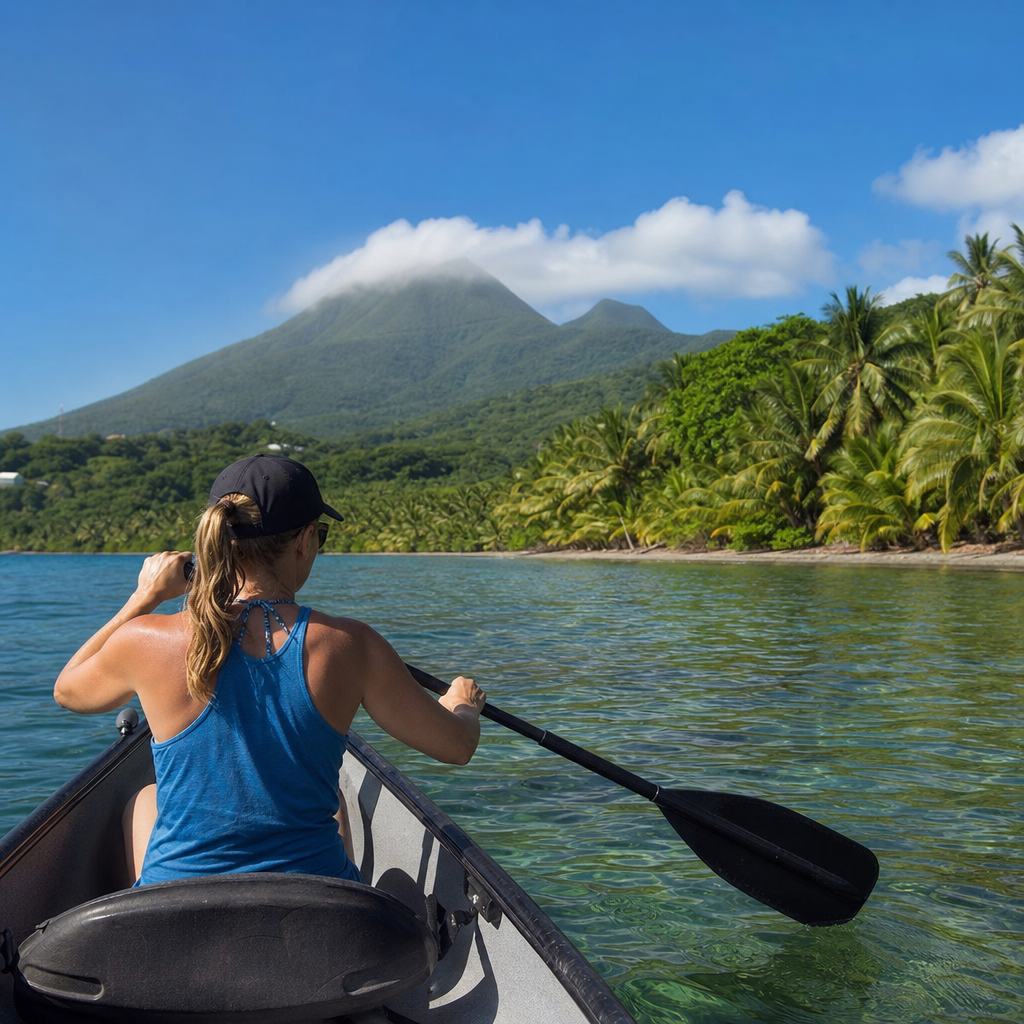
One reason this miscellaneous hub matters is that mountain biking on Nevis often sits inside a larger outdoor trip. Riders commonly pair a morning trail session with snorkeling, beach recovery, hiking, or heritage touring later in the day. That combination works because travel times are short and the island’s adventure options are closely spaced. A rider can finish a dusty inland route, clean up, and still have time to visit Pinney’s Beach, explore Charlestown, or take a guided nature outing before sunset.
Families and mixed-interest groups also benefit from Nevis’ flexibility. Not everyone needs to ride every day. One person can book a guided mountain bike excursion while others enjoy sailing, spa time, botanical walks, or historic estate visits. For couples or small groups, that makes Nevis unusually efficient: the adventure traveler gets genuine off-road terrain, while companions still have easy access to relaxed island experiences.
Food and recovery should be part of the plan, not an afterthought. Tropical riding depletes sodium and energy quickly, so post-ride meals matter. Simple local choices such as grilled fish, rice, fruit, and plenty of fluids support recovery better than skipping lunch and heading straight into afternoon activities. If you are structuring a multi-day trip, alternate your hardest climbing day with a lighter scenic loop or a non-riding excursion. That rhythm helps you enjoy the island rather than merely survive it.
Nevis’ mountain bike trails are best understood as a rugged network of possibilities rather than a single headline route. The island offers coastal gravel, steep estate climbs, technical foothill tracks, and scenic mixed-surface circuits, all shaped by volcanic terrain, tropical weather, and local land use. For visitors, the central lesson is simple: choose routes by skill and conditions, not by map distance alone. Bring the right bike setup, respect heat and hydration, navigate carefully, and ride with local awareness. Do that, and Nevis delivers an experience that feels far larger than the island’s size.
As a hub within Adventure and Activities, this page should guide your next step. Use it to narrow the kind of ride you want, then explore detailed route, gear, safety, and companion-activity articles connected to this subtopic. Whether you want a first off-road outing with sea views or a demanding climb into wet volcanic foothills, Nevis has terrain worth planning for. Start with an early morning ride, build in recovery time, and let the island’s varied landscapes shape the rest of your adventure.
Frequently Asked Questions
What makes Nevis’ mountain bike trails different from other Caribbean riding destinations?
Nevis stands out because its riding is shaped by volcanic terrain, rapid elevation changes, and a surprisingly varied trail network for such a compact island. Instead of long, uniform routes, riders get a mix of steep climbs, loose rock, old farm roads, rainforest paths, grassy tracks, and descents that can open up to dramatic sea views with very little transition time between them. That variety is part of the appeal. A ride on Nevis can begin on a rough agricultural access road, move into shaded singletrack, and then finish on a fast downhill section with exposed sections and sweeping coastal scenery.
Another difference is how quickly conditions can shift. Heat, humidity, and passing showers can change traction and visibility within an hour, especially on upper slopes and forested routes. A trail that feels firm and fast in the morning may become slick, rooty, and more technical later in the day. Serious riders appreciate that Nevis rewards adaptability as much as fitness. It is not just about distance; it is about reading terrain, pacing climbs, choosing lines carefully, and respecting weather patterns that can make the same route feel completely different from one outing to the next.
What types of terrain and trail conditions should riders expect on Nevis?
Riders should expect rugged, mixed-surface terrain rather than groomed bike-park conditions. Nevis is known for steep volcanic grades, rocky doubletrack, uneven farm roads, root-laced rainforest sections, and narrow singletrack that can be both physically demanding and technically engaging. In lower and more open areas, trails may feature loose gravel, dry dirt, and rough washboard surfaces. On higher or more shaded routes, riders are more likely to encounter damp soil, embedded rock, slick roots, and occasional mud, especially after rain.
The island’s terrain also means elevation changes can be abrupt. Climbs are often short but intense, with pitches that require strong gearing, good traction management, and a willingness to get out of the saddle. Descents can be fast and scenic, but they are rarely effortless. Riders need to be comfortable with changing grip levels, off-camber sections, and natural obstacles rather than perfectly built berms or machine-cut flow trails. Because some routes intersect with agricultural areas or less-developed access roads, trail surfaces can also vary seasonally based on runoff, maintenance, and weather exposure. The key is to arrive expecting a real-world riding environment: beautiful, rewarding, and occasionally unforgiving if underestimated.
What kind of mountain bike is best for riding Nevis’ rugged trails?
For most riders, a quality hardtail or full-suspension trail bike is the best match for Nevis. The right choice depends on where you plan to ride and how technical you want your day to be. A hardtail can work very well on rocky farm tracks, mixed dirt roads, and less demanding singletrack, especially for experienced riders who value efficiency on climbs. However, a full-suspension trail bike often provides a more forgiving and controlled ride on the island’s rougher descents, uneven volcanic rock, rooty rainforest sections, and wet surfaces. Extra stability and traction can make a major difference on longer days when fatigue starts affecting line choice and handling.
Tyre selection matters just as much as frame style. Nevis’ terrain favors tyres with dependable sidewall support and tread that can handle both loose-over-hard surfaces and slick, rain-affected sections. Tubeless setup is highly recommended to reduce puncture risk on rocky trails. Riders should also use low enough gearing for steep climbs, reliable disc brakes for repeated descending, and pedals they are fully comfortable with in variable conditions. If you are renting, ask specifically about suspension quality, tyre width, braking performance, and what repair kit is included. On Nevis, a bike that feels merely adequate in the parking area can quickly feel underprepared once the trail turns steep, wet, or rocky.
How difficult are Nevis’ mountain bike trails, and who are they best suited for?
Nevis offers something for a range of riders, but many of its most memorable routes are best suited to intermediate and advanced mountain bikers who are comfortable with natural terrain. The island’s challenge comes less from extreme altitude or huge mileage and more from technical unpredictability. Riders may face loose stone, short punchy climbs, narrow trail corridors, roots, sharp changes in gradient, and weather-affected surfaces all within a single outing. Even trails that look manageable on a map can ride harder than expected because of heat, humidity, and the cumulative fatigue created by rough ground.
That said, newer riders are not excluded. Beginners with a reasonable fitness base can still enjoy selected routes, especially wider tracks and less technical access roads, as long as they choose appropriate terrain and do not expect every trail to be beginner-friendly. The smartest approach is to match the route to your actual off-road experience, not just your road cycling fitness. Riders who are comfortable braking on loose descents, maintaining momentum over uneven surfaces, and handling surprise trail changes will get far more out of Nevis. If there is any doubt, riding with a local guide is a practical way to gauge trail difficulty, learn which sections are worth attempting, and avoid getting committed to terrain that exceeds your skill level.
What safety, planning, and seasonal factors should riders consider before heading out on Nevis?
Preparation is essential on Nevis because the island’s compact size can create the false impression that rides are simple or low-risk. In reality, steep terrain, tropical weather, and remote-feeling trail sections mean riders should approach every outing with a clear plan. Start with route research and realistic timing. Know where you are going, how long the ride is likely to take, what the bailout points are, and whether mobile coverage is reliable on the sections you plan to ride. Carry more water than you think you need, along with food, a basic first-aid kit, tools, a tube even if running tubeless, and a way to navigate if trail junctions are unclear.
Seasonal conditions also matter. Rain can dramatically alter traction, deepen ruts, and make roots and rock surfaces far more slippery, while intense sun and humidity can accelerate dehydration and fatigue even on shorter rides. Early starts are often the best strategy for avoiding peak heat and allowing more flexibility if conditions change. Riders should also wear a helmet without exception, and many will benefit from gloves, eye protection, and knee protection on rougher routes. If you are unfamiliar with the island, a guided ride can improve both safety and overall enjoyment by helping you avoid unsuitable trails, private access issues, and weather-related surprises. On Nevis, good planning is not excessive caution; it is part of riding the terrain responsibly and getting the most out of the experience.