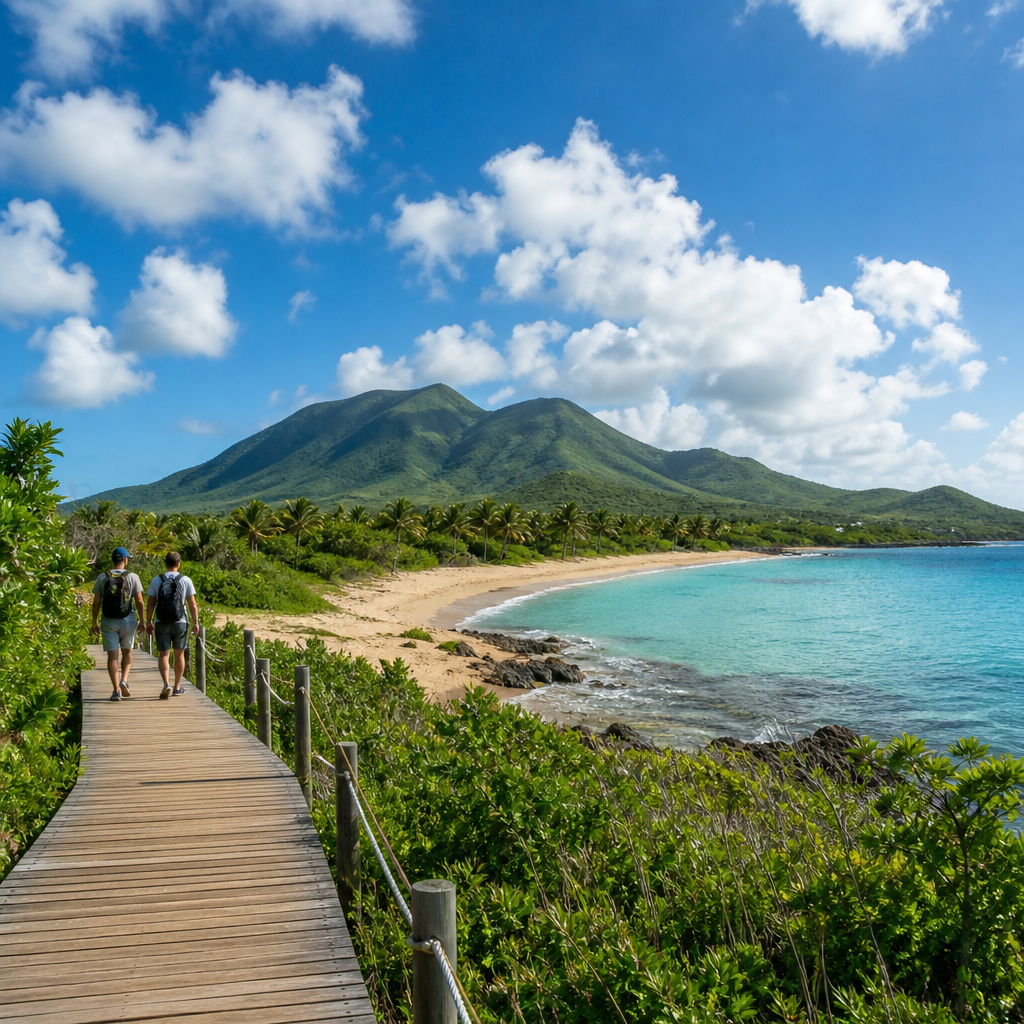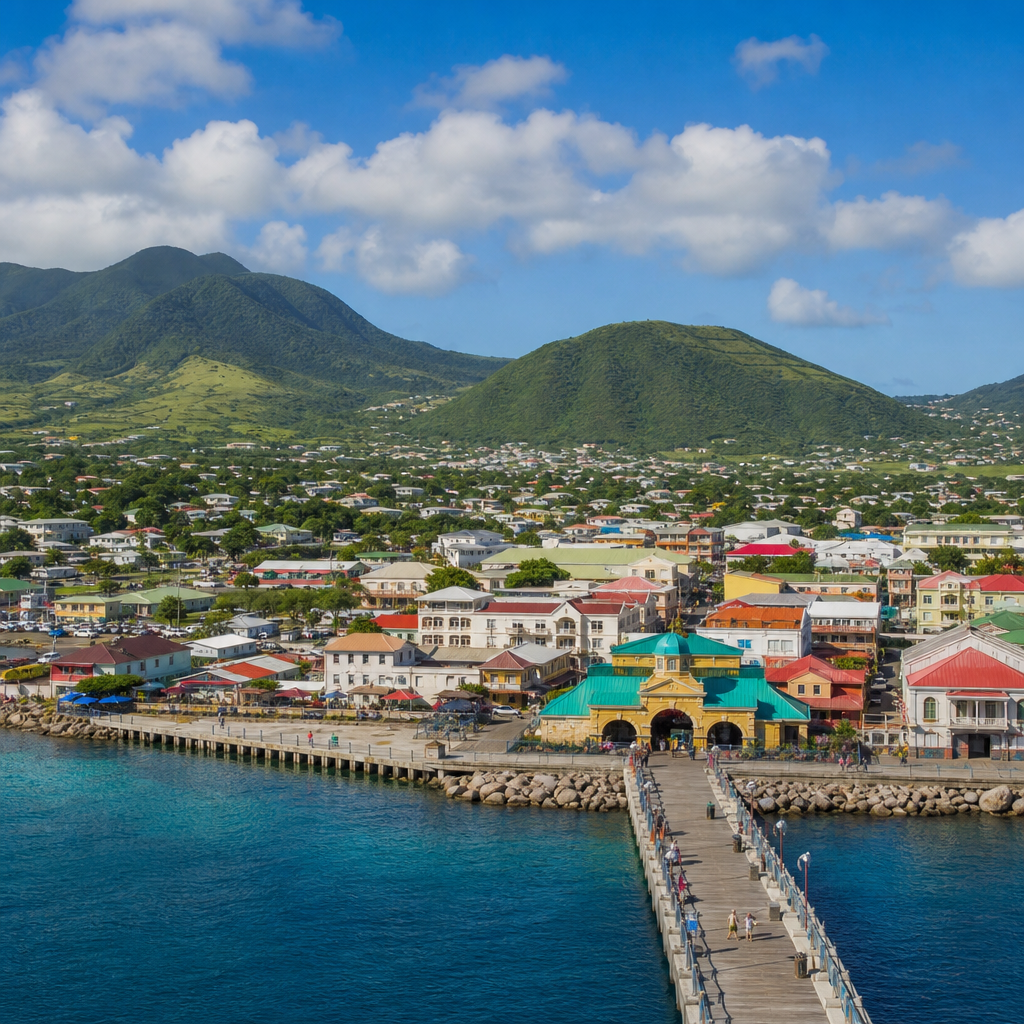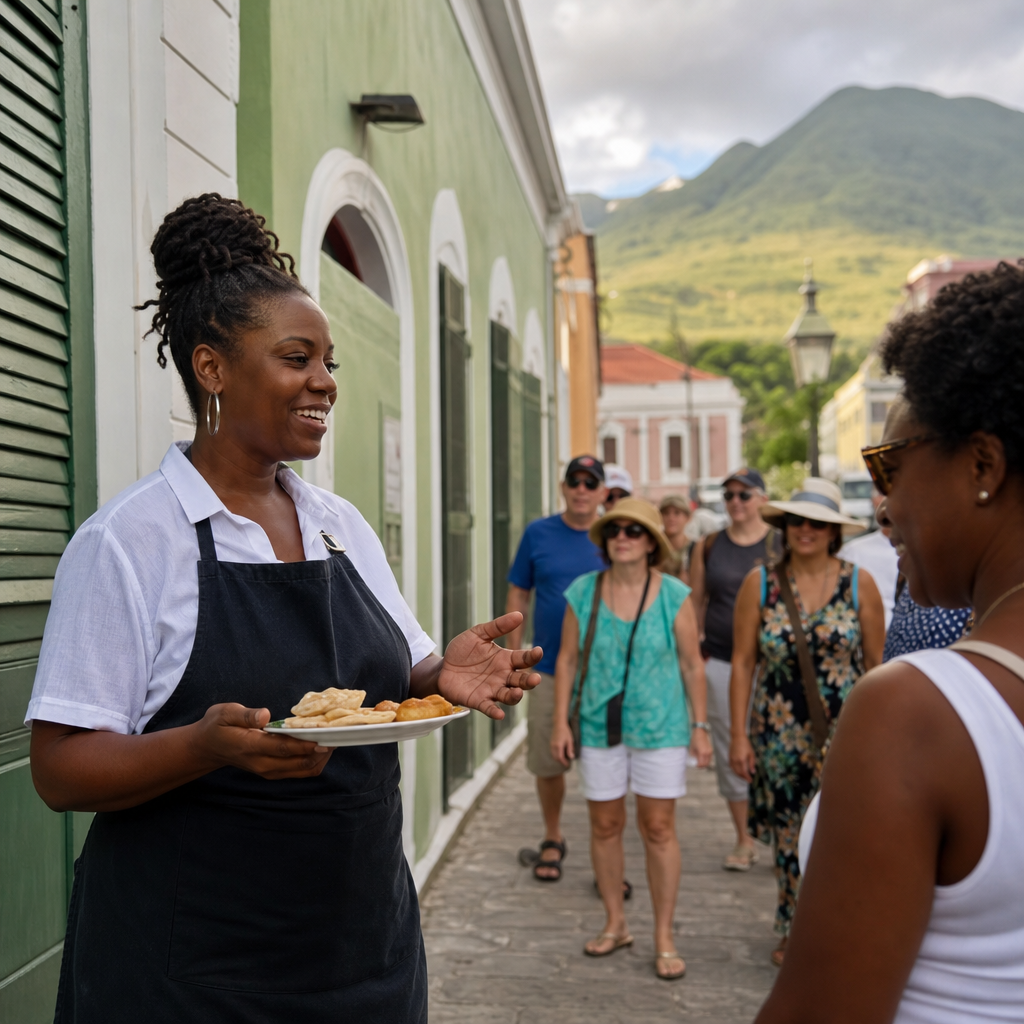
Basseterre is small enough to explore on foot yet layered enough to reward every block, which makes culinary walking tours in Basseterre one of the best ways to understand Saint Kitts through its food. A culinary walking tour combines guided sightseeing with tastings, market stops, restaurant visits, and cultural interpretation. In Basseterre, that usually means moving between colonial streets, harbor views, street-food corners, rum shops, bakeries, and family-run kitchens while learning how African, European, Indian, and wider Caribbean influences shaped the island’s table. I have planned food itineraries in Caribbean capitals, and Basseterre stands out because the distances are manageable, the vendors are approachable, and the local dishes carry real historical context rather than tourist polish alone.
The topic matters because food in Saint Kitts is not just hospitality; it is a map of labor, migration, agriculture, and celebration. Travelers who only book a resort dinner often miss the everyday staples that residents actually value, from saltfish and johnnycakes to goat water, conch, tamarind balls, and fresh cane spirits. A walking format slows the experience down. You notice the smell of frying plantain outside a snackette, the call of market sellers, the architecture around Independence Square, and the social role of a rum bar at midday. That sensory detail turns a meal into an education. For a sub-pillar hub under local cuisine and dining, Basseterre’s walking-tour scene also connects naturally to deeper articles on street food, Kittitian breakfasts, seafood, rum, markets, and heritage dining.
For travelers searching what to eat in Basseterre, whether culinary walking tours are worth it, or how to taste authentic food in Saint Kitts without wasting time, the short answer is yes: a well-designed route can cover more variety in three hours than a conventional lunch reservation covers in a day. The key is knowing what foods define the city, which neighborhoods are practical to walk, when vendors are active, and how to balance authenticity, comfort, and food safety. This guide explains those essentials and serves as a hub for the broader miscellaneous corners of Basseterre’s dining culture.
What a Culinary Walking Tour in Basseterre Includes
A proper culinary walking tour in Basseterre usually starts near Port Zante or Independence Square because cruise passengers, hotel guests, and day visitors can reach both areas easily. From there, the route often branches into central streets where local bakeries, takeaway counters, market produce stalls, and small restaurants sit within a compact grid. Unlike large food-tour cities where transportation eats up time, Basseterre allows guides to focus on interpretation and tasting density. In practice, that means eight to twelve stops are possible without rushing, especially if portions are managed as bites rather than full plates.
The most useful tours include four elements. First, they establish culinary context by explaining staples such as ground provisions, saltfish, coconut, breadfruit, and plantain. Second, they feature signature dishes with roots in Kittitian home cooking, not only menu items aimed at visitors. Third, they include interaction with people who make or sell the food, because hearing a vendor explain how they season stew chicken or fry festival gives more insight than a printed card. Fourth, they incorporate at least one beverage component, often local fruit juice, sorrel, ginger beer, or rum, since drinks are central to Caribbean dining habits.
Good guides also answer practical questions directly. How long should a Basseterre food walk last? Two and a half to four hours is ideal. Is it difficult? No, most routes are flat, though midday heat can be intense. Is it suitable for cruise visitors? Usually yes, if the tour starts and ends close to the port. Can vegetarians participate? Yes, but they need advance notice because many traditional dishes rely on saltfish, chicken stock, or meat-based gravies. When I build these itineraries, I treat pacing as seriously as flavor. A memorable route alternates rich foods with lighter bites and includes shade, water access, and enough local storytelling to make each stop coherent.
Signature Foods to Taste While Walking Basseterre
If you want the foods that define a Basseterre tasting route, start with national and near-national staples. Goat water is essential. Despite the name, it is not thin; it is a deeply seasoned goat stew built with bread, spices, herbs, and slow cooking, traditionally associated with gatherings and special occasions. A guide should explain that its significance is social as much as culinary. Saltfish paired with coconut dumplings, provisions, or johnnycakes is another anchor dish, showing how preserved fish became integrated into island cooking through trade and necessity. Conch appears in fritters, salads, or stews, while stewed chicken, jerk preparations, and fried fish reflect the everyday backbone of local lunches.
Street snacks matter just as much as plated meals. In Basseterre, a walking tour may include patties, tamarind balls, sugar cake, coconut drops, peanut cakes, and fresh fruit seasoned with salt or pepper. These foods reveal the island’s sweet-sour-spice profile and the practical ingenuity of local cooks. Johnnycakes deserve special attention because visitors often mistake them for generic fried bread. In Saint Kitts, texture and freshness matter; the best version is airy inside, crisp outside, and paired with saltfish, cheese, or smoked herring. During morning tours, bakery stops can be some of the strongest because breads, buns, and pastries are freshest then.
Seafood adds another layer. Depending on season and supply, visitors may encounter mahi-mahi, snapper, lobster, conch, whelks, or fish cooked escovitch-style. Freshness standards vary by vendor, so knowledgeable guides steer guests toward operations with reliable turnover and proper holding temperatures. One reason I recommend guided tasting in Basseterre for first-time visitors is exactly this: local expertise helps you enjoy ambitious foods confidently, rather than guessing where volume, refrigeration, and preparation standards are strongest. Flavor is important, but trust in the stop is what allows people to try more.
Where the Best Food Tour Stops Are Found
Basseterre does not divide neatly into tourist and local food districts, which is part of its appeal. Instead, worthwhile stops are scattered across the center. Independence Square is often the orientation point, useful for explaining the city’s colonial history and as a gateway to nearby eateries. The Basseterre Public Market is another core stop, especially on busier produce days, because it exposes visitors to seasonal fruit, herbs, roots, and informal prepared foods. Port Zante contributes convenience and access, though the strongest culinary experiences usually sit a few streets beyond the most obvious cruise-facing storefronts.
Church Street, Central Street, Liverpool Row, and lanes feeding the market area can all produce strong tasting opportunities, depending on who is open and what time the group arrives. Some of the best lunch counters in Caribbean capitals are not highly branded; they are remembered by regulars for a specific stew, soup, or plate special. That is why fixed, overly rigid itineraries can underperform in Basseterre. A good local guide adjusts for day-of-week patterns, public holidays, weather, cruise volume, and whether a trusted cook has sold out early. Flexibility is not a flaw here; it is a mark of quality control.
| Area | Best For | Typical Tastings | Best Time |
|---|---|---|---|
| Port Zante | Easy start for visitors | Drinks, snacks, introductory bites | Morning to early afternoon |
| Independence Square vicinity | Historic context and mixed stops | Bakery items, lunch plates, sweets | Late morning |
| Basseterre Public Market | Produce and everyday food culture | Fruit, seasonings, small prepared foods | Morning, especially market-heavy days |
| Central backstreets | Local specialists and hidden counters | Goat water, saltfish, stews, patties | Late morning to lunch |
For readers using this page as a hub, these areas branch into related dining topics. Market-focused pieces can explore produce seasonality and vendor etiquette. Street-food guides can go deeper on snackettes and takeaway windows. Rum-focused articles can map bars and distiller relationships. Seafood pages can unpack sourcing, seasonality, and preparation styles. Basseterre’s food geography is compact, but it supports many specialized dining angles.
How Local History Shapes the Plate
Understanding Saint Kitts improves every tasting. The island’s culinary identity reflects Indigenous ingredients, colonial trade, plantation agriculture, emancipation, migration, and regional exchange. Sugar dominated the economy for centuries, and that legacy still echoes through cane-derived spirits, sweets, and the structure of land use. African foodways strongly influence techniques, seasoning patterns, and one-pot cooking traditions. British colonial influence appears in puddings, baked goods, and certain savory habits, while Indian indentured labor introduced or reinforced spice preferences and preparation styles visible across the wider Caribbean. Basseterre, as the capital and port, absorbed all of these forces.
This history explains why a walking tour should never be reduced to “eat local food.” Goat water tells a story of communal cooking and resourcefulness. Saltfish speaks to preserved imports becoming beloved staples. Breadfruit and plantain reveal adaptation and agricultural practicality. Sorrel at Christmas reflects seasonal ritual, not just flavor preference. Rum is tied to cane economics, taxation, and social life. Even a simple coconut tart can open a discussion about local ingredients, household baking, and changing shopping patterns as supermarkets replaced some traditional procurement habits.
I have found that visitors remember food better when they connect it to place-specific history. They stop describing dishes as merely spicy or sweet and begin noticing technique, occasion, and meaning. That deeper understanding is what separates a genuine Basseterre culinary walking tour from a casual snack crawl. The city itself becomes legible through the plate.
Planning the Right Tour: Timing, Budget, and Practical Details
The best time for a culinary walking tour in Basseterre is usually morning into early afternoon. Markets are livelier, bakery stock is fresh, lunch pots are active, and the light is better for both comfort and photography. Late afternoon can work for bar snacks and sunset drinks, but some core food vendors may be closed or sold out. During cruise-heavy days, earlier starts help avoid congestion near the port. In rainy months, short bursts of weather rarely ruin a tour, but guides should keep indoor fallback stops ready.
Budget depends on format. Group tours generally offer the best value because costs are spread across participants, while private tours justify a higher rate through customization, dietary planning, and flexible pace. A fair price should include enough tastings to replace a meal, at least one beverage, and guiding that adds interpretation rather than simple escorting. When evaluating options, ask direct questions: How many stops are included? Are tastings preselected? Is water provided? Is there shade and seating? Are dietary restrictions accommodated? These details are more predictive of satisfaction than a glossy description.
Dress for heat, wear comfortable walking shoes, and carry a small amount of cash even if the guide has prepaid tastings. Some guests want extra juice, spice sauce, or packaged sweets to take away. Bring wipes, sun protection, and realistic expectations about Caribbean pacing. Basseterre operates on relationships and rhythm more than strict clockwork. A five-minute pause while a vendor finishes frying fish is not poor organization; often it is the difference between average food and food served at its best. If mobility is a concern, request a route centered near Port Zante and Independence Square, where sidewalks and distances are more manageable.
Choosing Between Guided, Self-Guided, and Custom Food Walks
Guided tours are the best choice for most first-time visitors because they reduce uncertainty and add context. In Basseterre, that means knowing which cooks are consistent, which market stalls welcome explanation, and how to sequence tastings so guests do not fill up too early on starches. Guides also handle introductions, cultural etiquette, and portion strategy. For solo travelers or researchers, a self-guided route can work, especially if they have time to return to missed stops and are comfortable navigating variable opening hours. The tradeoff is that they may overlook foods without obvious signage or miss the story behind what they eat.
Custom tours suit travelers with strong priorities: rum enthusiasts, pescatarians, photographers, heritage travelers, or families with children. Themed routes can be very effective in Basseterre because the city is compact. A rum-and-bites walk, for example, can pair local spirits with savory snacks and explain how cane history shaped social drinking. A market-to-table walk can begin with produce and end at a restaurant where similar ingredients appear cooked. A sweets-focused route can trace coconut, tamarind, and cane sugar through bakeries and confectionery stalls. These specialized versions are exactly why this page works as a miscellaneous hub within local cuisine and dining; they connect broader readers to more specific subtopics worth exploring next.
Why Culinary Walking Tours Deepen a Visit to Saint Kitts
A culinary walking tour in Basseterre does more than help you eat well. It creates orientation, confidence, and a practical understanding of Saint Kitts that carries into the rest of the trip. After one strong walk, travelers know which dishes to order later, which neighborhoods feel approachable, how local lunch culture works, and where to buy edible souvenirs that are actually local rather than generic imports. They also gain a more grounded picture of the island beyond beaches and cruise schedules.
The biggest takeaway is simple: Basseterre rewards curiosity at street level. Its food culture is compact, historically rich, and accessible enough for visitors to engage directly with cooks, vendors, and ingredients in a single outing. Prioritize tours that emphasize real Kittitian dishes, flexible local sourcing, and clear cultural interpretation. Then use that experience as a launch point for deeper exploration of markets, seafood, rum, breakfast traditions, and everyday dining across Saint Kitts. If you are planning your local cuisine and dining itinerary, start with a walk through Basseterre and let the city introduce itself one bite at a time.
Frequently Asked Questions
What can I expect on a culinary walking tour in Basseterre?
A culinary walking tour in Basseterre typically blends food, history, and neighborhood exploration into one experience. Because the capital is compact and easy to navigate on foot, tours usually move at a comfortable pace through the town’s historic core, waterfront areas, local food stops, and everyday gathering places. Along the way, you can expect a guide to explain not just what you are eating, but why it matters in Saint Kitts. That often includes the island’s African heritage, European colonial influences, Caribbean cooking traditions, and the role of trade, agriculture, and migration in shaping local flavors.
Most tours include several tastings rather than one large meal. You might sample savory street snacks, fresh baked goods, island-style lunches, seasonal fruit, rum-based drinks, or small plates served in family-run eateries. Some tours also stop at markets where vendors sell produce, spices, herbs, and homemade items that reveal what everyday cooking looks like in Kittitian homes. In many cases, the most memorable parts of the tour are the stories behind the dishes: how saltfish became a staple, why breadfruit and ground provisions remain important, or how local cooks balance Scotch bonnet heat, fresh herbs, and slow-cooked comfort foods. Expect a relaxed but informative experience that gives you a genuine taste of Basseterre beyond the standard sightseeing route.
What kinds of foods and drinks are usually included on a Basseterre food tour?
The exact lineup varies by operator and season, but a well-designed Basseterre culinary walking tour usually highlights a mix of traditional Kittitian dishes, casual street foods, sweets, and local beverages. Common savory tastings may include saltfish, stewed chicken, goat water, conch when available, rice and peas, plantains, johnny cakes, patties, or hearty provisions such as yam, green banana, and breadfruit. Depending on the route, you may also encounter grilled seafood, pepperpot-style preparations, or dishes that reflect the island’s home-cooking traditions rather than a resort menu.
Drinks are often just as important to the experience. Many tours introduce guests to locally inspired rum punches, fresh fruit juices, tamarind or ginger drinks, and sometimes samples tied to the island’s sugar and rum heritage. You may visit a rum shop, bakery, café, or small restaurant where beverages are paired with regional snacks or desserts. Sweet tastings can include coconut-based treats, cakes, pastries, and other baked goods that show how Caribbean ingredients are used in everyday life. The goal is not simply to feed visitors, but to create a broad picture of how Saint Kitts tastes across breakfast foods, market produce, casual bites, celebratory dishes, and longstanding culinary traditions.
Are Basseterre culinary walking tours suitable for first-time visitors to Saint Kitts?
Yes, they are especially well suited to first-time visitors. In fact, a culinary walking tour is one of the smartest introductions to Basseterre because it helps you get oriented while also giving you a cultural framework for the island. Rather than trying to figure out where to eat, what to order, or which neighborhoods to explore on your own, you are guided through the city by someone who can connect landmarks, architecture, local customs, and foodways in a way that makes the destination feel immediately more accessible. For travelers arriving by cruise ship or staying elsewhere on the island, this can be a highly efficient way to understand Basseterre in just a few hours.
First-time visitors often appreciate that these tours remove some of the guesswork from trying unfamiliar dishes. A good guide can explain ingredients, suggest what to taste first, describe spice levels, and provide context for names and preparation methods that may be new to you. At the same time, walking between stops gives you a feel for the rhythm of the city: the harbor energy, colonial-era streets, public squares, market life, and everyday social spaces where food is bought, sold, and shared. By the end of the tour, most newcomers not only have a better sense of what to eat in Saint Kitts, but also feel more confident exploring local restaurants and shops on their own.
How much walking is involved, and what should I bring on the tour?
Most culinary walking tours in Basseterre are moderate and manageable for travelers with a basic level of mobility. The city itself is relatively small, which is one reason food tours work so well there, but you should still expect to be on your feet for a meaningful part of the experience. Tours usually cover several blocks at a leisurely pace with frequent stops for tastings, conversation, and sightseeing. The route may include sidewalks, uneven surfaces, curb changes, sun exposure, and occasional standing periods between venues, so comfortable walking shoes are essential.
It is best to come prepared for the tropical climate. Lightweight clothing, sun protection, sunglasses, and a hat can make a big difference, especially on midday tours. Bringing a bottle of water is wise, even if drinks are included, and it is smart to carry a small bag rather than anything bulky. If you have dietary restrictions, food allergies, mobility concerns, or limited heat tolerance, contact the tour company in advance so they can tell you whether the route and menu are a good match. Many guides can accommodate certain needs with notice, but it is always better to ask ahead. A camera or phone is also worth bringing, since the combination of colorful dishes, historic streets, and harbor views makes Basseterre particularly photogenic.
Why is a culinary walking tour one of the best ways to understand Basseterre and Saint Kitts?
Food is one of the clearest ways to understand how a place was shaped, and Basseterre tells that story particularly well. On a culinary walking tour, you do not just eat local dishes in isolation; you experience them in the setting that gives them meaning. You walk through a capital city influenced by colonial history, maritime trade, plantation economies, African survival and creativity, and the everyday resilience of Caribbean communities. That larger story shows up in what people cook, what ingredients became staples, what methods were preserved, and how flavors evolved over generations.
In Basseterre, every food stop can reveal something larger about Saint Kitts. A market visit may point to the importance of local agriculture and seasonal produce. A bakery can highlight British and Caribbean culinary overlap. A rum stop can open discussion about sugar, labor history, and the island’s economic past. A plate of saltfish, provisions, or stewed meat can illustrate how practical ingredients became beloved comfort foods. Because the city is walkable, these connections unfold naturally from block to block. That is what makes culinary walking tours so rewarding: they turn eating into interpretation. Instead of seeing Basseterre only as a collection of landmarks, you come away understanding it as a living place where history, identity, and community are expressed through food every day.