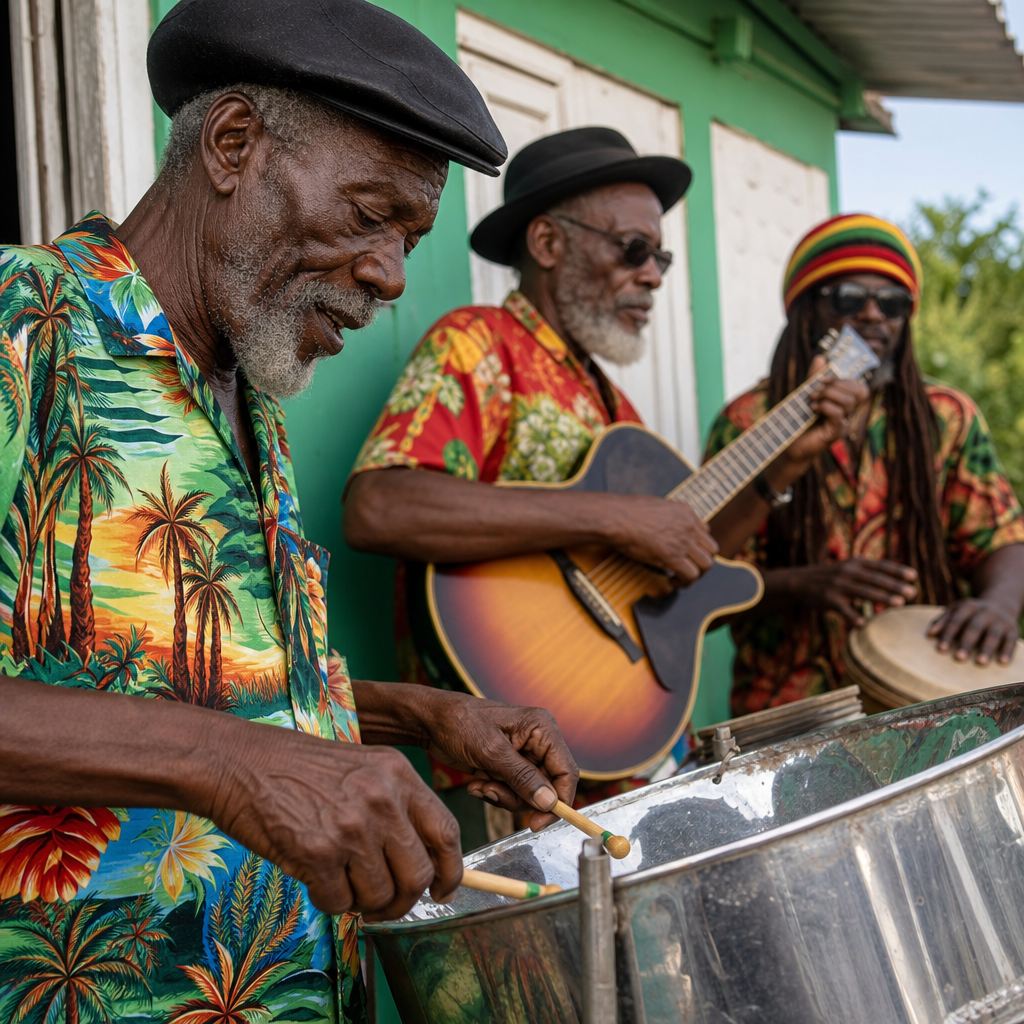
Saint Kitts’ homegrown music tells the story of the island as clearly as its forts, markets, and shoreline villages. In Saint Kitts, local sound is not a single genre but a living mix of calypso, soca, string band traditions, gospel, steelpan, reggae, dancehall, jazz, and carnival road music shaped by African heritage, British colonial history, migration, and constant exchange with neighboring islands. When people ask what music in Saint Kitts sounds like, the accurate answer is that it sounds communal, rhythm-driven, witty, and intensely local, even when the beat carries Caribbean influences shared across the wider region. I have spent enough time listening to bands at Carnival Village, hearing roadside speakers during festival season, and speaking with performers after late sets to know that Kittitian music is best understood as social history set to rhythm.
This matters because music in Saint Kitts is not background entertainment. It is part of public memory, election-season commentary, church life, tourism branding, youth identity, and family celebration. A calypso lyric can preserve a political moment more effectively than a newspaper clipping. A reggae performance can connect local musicians to Rastafarian thought, pan-Caribbean consciousness, and global audiences. A village string band can carry techniques that predate recorded music on the island. For travelers exploring local life and experiences, and for residents tracing cultural continuity, music acts as a hub topic linking carnival, nightlife, religion, oral tradition, radio culture, and community events. Understanding how Saint Kitts moved from calypso prominence toward broader reggae and genre fusion reveals how the island negotiates modernity without losing its own voice.
How Kittitian Music Took Shape
The roots of Saint Kitts’ music lie in the same forces that shaped much of the Eastern Caribbean: enslaved Africans preserving rhythm and ceremony under brutal conditions, European dance forms adapted into local practice, and later community performance traditions tied to holidays, wakes, Christmas sports, and Carnival. On Saint Kitts, masquerade, string bands, and improvised percussion all formed part of a wider performance culture long before modern studios and digital production arrived. The island’s musical development cannot be separated from sugar plantation society, migration to and from Britain, the United States, and other Caribbean islands, and the emergence of radio as a unifying cultural medium.
In practical terms, local music evolved in layers. Folk and village traditions provided instruments, melodies, and performance customs. Calypso introduced sharper lyrical competition and social commentary. Carnival gave musicians a public stage and annual deadline that pushed songwriting. Reggae and later dancehall opened a channel to Jamaican influence while still leaving room for Kittitian phrasing and themes. Church choirs and gospel ensembles trained many singers in harmony and stage discipline. By the time digital recording became affordable, artists in Saint Kitts were already blending forms naturally rather than defending strict genre boundaries. That flexibility remains one of the defining traits of homegrown music on the island.
Calypso as Newsroom, Protest, and Performance
Calypso has long been one of the clearest windows into Saint Kitts’ public life. Across the Caribbean, calypso is known for topical lyrics, satire, double meaning, and fierce competition, and those qualities are fully present on Saint Kitts. In the local context, calypsonians often function like cultural journalists. They summarize scandals, criticize leaders, mock hypocrisy, and celebrate ordinary resilience in language audiences instantly recognize. During carnival season, especially in calypso monarch competitions, the crowd is not listening only for melody. It is judging wit, timing, political courage, and the skill with which a singer can turn an issue everyone has discussed for months into a memorable refrain.
What makes Kittitian calypso distinct is its local specificity. Songs regularly reference constituencies, neighborhoods, utility frustrations, transport problems, cricket debates, and the emotional temperature of island politics. A strong calypso performance in Basseterre can compress a whole year of public grievance into four minutes without losing humor. That is why calypso remains central even as younger listeners consume global genres on streaming platforms. It does a job no imported music can do. It names the island to itself. For anyone studying Saint Kitts’ miscellaneous local culture, calypso is essential because it links music to language, governance, and community memory more directly than any other genre.
From Carnival Road March to Modern Soca Energy
Although this article centers on calypso to reggae, no hub on Saint Kitts’ homegrown music is complete without soca and road march culture. Soca emerged regionally as a high-energy offshoot of calypso, built for dancing, fetes, and the road. In Saint Kitts, carnival celebrations helped cement soca’s local importance. Bands and solo artists write with one question in mind: what will move a crowd outdoors, in costume, under heat, flags, and amplified trucks? The answer is usually a fast tempo, chant-ready hook, heavy percussion, and lyrics tied to revelry, pride, and release.
What I have seen repeatedly on the island is that soca does not replace calypso; it serves a different function. Calypso invites close listening. Soca demands physical response. The same performer may even move between both modes, depending on the season and audience. Road march success often depends less on radio play than on practical usability. Can a DJ mix it easily? Will a troupe keep jumping to it for miles? Does the hook survive poor speaker quality on the road? These are technical questions, but they shape local hits. Because carnival remains a major cultural engine in Saint Kitts, soca is one of the strongest bridges between traditional festival life and contemporary music business strategy.
Reggae’s Place in Saint Kitts
Reggae’s influence in Saint Kitts is deep, visible, and durable. While reggae is globally associated with Jamaica, its spread across the Caribbean created local scenes everywhere, and Saint Kitts absorbed it through radio, sound systems, touring artists, migration, and Rastafarian communities. On the island, reggae often carries a different social mood than calypso or soca. It is less about annual competition and more about groove, message, and identity. Themes of justice, spirituality, African consciousness, hardship, and endurance resonate strongly, especially in live settings where the bassline has room to breathe and the audience can settle into the rhythm rather than chase a carnival tempo.
Local reggae in Saint Kitts works best when it is not treated as imitation. The strongest bands and singers adapt reggae’s one-drop or roots structure to local speech, local concerns, and the practical realities of small-island performance. I have heard sets where a band transitions from classic reggae standards into original songs about island struggle, family, or social discipline, and the shift feels completely natural. That is the key point: reggae on Saint Kitts is homegrown when the musicians use the form to express Kittitian life. It also broadens the island’s music economy, because reggae can travel beyond carnival calendars and connect with regional festivals, beach venues, hotels, and diaspora audiences more consistently through the year.
Other Homegrown Sounds That Complete the Picture
Saint Kitts’ music scene is broader than the headline genres, and a true hub page should make that clear. String bands remain culturally important because they preserve older instrumentation and social dance traditions. Steelpan contributes both formal ensemble performance and festive atmosphere, especially around national celebrations and community events. Gospel is one of the island’s most influential training grounds for vocalists and instrumentalists; many secular performers learned breath control, harmony, and stage confidence in church. Jazz, R&B, and dancehall also appear regularly in local sets, often fused rather than presented in pure form.
The miscellaneous reality of Kittitian music is that genre lines blur in performance. A hotel band may open with standards, move into reggae, answer a request for soca, and close with a local carnival favorite. A community event might feature drum patterns rooted in folk tradition alongside keyboard patches made on contemporary software. This hybridity should not be mistaken for lack of identity. It is identity. Small islands often survive culturally by being selective, adaptive, and highly skilled at recombination. Saint Kitts has done exactly that, and its musicians are strongest when they treat versatility as a craft rather than a compromise.
| Style | Main Local Role | Typical Features | Where Visitors Often Hear It |
|---|---|---|---|
| Calypso | Commentary and competition | Topical lyrics, satire, storytelling | Carnival shows, radio, cultural events |
| Soca | Dancing and road energy | Fast tempo, chants, crowd response | Fetes, parade routes, nightlife |
| Reggae | Message, groove, identity | Heavy bass, offbeat rhythm, reflective themes | Beach bars, live band nights, festivals |
| String Band/Folk | Heritage preservation | Acoustic instruments, traditional dance feel | Community celebrations, heritage programming |
| Gospel | Training and worship | Harmony singing, choir structure, testimony | Church services, holiday concerts |
Artists, Venues, and the Local Music Ecosystem
A music culture survives through infrastructure, not talent alone. In Saint Kitts, that infrastructure includes carnival committees, community centers, churches, school programs, independent studios, radio stations, event promoters, bars with live music, hotels booking local acts, and the diaspora network that shares songs abroad. Even when resources are limited, these institutions matter because they create repetition. Musicians need regular stages to refine timing, test original material, and build an audience that recognizes their voice. Without those circuits, homegrown music becomes occasional rather than continuous.
Radio has historically been one of the most important connectors. On small islands, radio can still give a local song authority by placing it into daily life, from taxis and shops to family kitchens. Today, social media and streaming platforms help artists reach beyond Saint Kitts, but they have not erased the value of local validation. A song that dominates a fete, a carnival tent, or a call-in radio discussion often acquires more lasting significance than one with modest online numbers. Venues also shape genre development. Reggae thrives in spaces where bands can stretch. Calypso needs attentive listeners. Soca needs movement. When planners match sound to setting, the whole ecosystem gets stronger.
How Visitors and Residents Can Experience Authentic Kittitian Music
The best way to experience Saint Kitts’ homegrown music is to follow the calendar, not just a resort playlist. Carnival season is the most obvious entry point because it concentrates calypso, soca, pageantry, and competitive performance in one period. But authentic listening also happens at smaller venues year-round: beach bars with live bands, cultural showcases, church concerts, community festivals, and national events. Ask locals where bands are playing that weekend, whether a calypso review is scheduled, or which festival has the strongest line-up of homegrown acts. Those questions usually lead to better music than any generic tourist brochure can offer.
It also helps to listen with context. If you hear a calypso song, ask what current event it references. If a reggae set draws a strong crowd reaction, notice whether the lyrics speak to spirituality, hardship, or local pride. If a string band performs, pay attention to the instruments and dance patterns rather than judging the music by pop production standards. Residents can support the scene by attending local shows, paying for music, sharing releases, and encouraging schools to treat music as cultural education rather than extracurricular decoration. Homegrown music survives when audiences recognize that every ticket, stream, and conversation helps keep local knowledge in circulation.
Why This Music Matters to Saint Kitts’ Future
Saint Kitts’ homegrown music matters because it protects cultural memory while creating economic and creative opportunity. Calypso preserves social commentary. Soca powers festival tourism. Reggae connects local musicians to a broad Caribbean and global audience. Folk traditions and gospel sustain the skills, language, and discipline that newer genres still depend on. Together, these forms give Saint Kitts something more durable than entertainment: they give the island an audible identity that residents can recognize and visitors can learn from.
For anyone exploring local life and experiences, this hub topic opens the door to many related stories, from carnival traditions and nightlife venues to community heritage and contemporary artists. Start by listening intentionally. Seek out live performances, ask what songs mean, and follow the musicians who keep Kittitian culture active in public. The more closely you listen, the more clearly Saint Kitts speaks through its music.
Frequently Asked Questions
What makes Saint Kitts’ homegrown music distinct from other Caribbean music traditions?
Saint Kitts’ homegrown music stands out because it is not defined by just one style. Instead, it is a layered musical culture shaped by generations of African heritage, British colonial influence, church traditions, carnival celebration, migration, and regular cultural exchange with nearby Caribbean islands. That means the sound of Saint Kitts can shift from calypso storytelling and soca energy to string band melodies, steelpan rhythms, gospel harmonies, reggae grooves, dancehall phrasing, and even jazz-inspired improvisation, often within the same community event or festival season.
What makes it especially distinctive is how deeply music is woven into daily and ceremonial life. In Saint Kitts, music is not only something performed on stage; it is heard in village celebrations, carnival road marches, church gatherings, social clubs, family events, and public festivities. The lyrics often reflect local humor, social commentary, politics, pride, hardship, and celebration, giving the music a clear sense of place. Even when genres like reggae or dancehall have roots elsewhere in the Caribbean, Kittitian musicians adapt them through local accents, rhythms, experiences, and performance traditions. The result is a musical identity that feels recognizably Caribbean while still sounding unmistakably Kittitian.
How important are calypso and soca in the musical identity of Saint Kitts?
Calypso and soca are central to the musical identity of Saint Kitts because they serve both cultural and social functions. Calypso has long been one of the island’s most important forms of expression, known for its sharp lyrical wit, political commentary, storytelling, and ability to capture the mood of the public. In Saint Kitts, calypso has traditionally given singers a platform to discuss public affairs, celebrate community life, and critique leaders or social conditions in ways that are entertaining but also meaningful. It is a genre where language matters, and listeners often pay close attention to wordplay, metaphor, satire, and the local references embedded in the songs.
Soca, while related to calypso, plays a slightly different role. It brings a more dance-driven, high-energy pulse that is especially powerful during carnival and large outdoor celebrations. In Saint Kitts, soca helps drive the festive atmosphere of the road, the fete, and the crowd experience. It connects music to movement, costume, and communal celebration. Together, calypso and soca represent two sides of the island’s musical spirit: one rooted in message and commentary, the other in release, rhythm, and revelry. Both are essential to understanding how Saint Kitts hears itself and presents its culture to the world.
Where do reggae and dancehall fit into Saint Kitts’ local music scene?
Reggae and dancehall have become important parts of Saint Kitts’ local music scene through decades of regional influence, migration, radio play, live performance, and Caribbean cultural exchange. Although reggae is most strongly associated with Jamaica, its themes of identity, struggle, spirituality, resistance, and everyday life have resonated widely across the region, including in Saint Kitts. Kittitian audiences and artists have embraced reggae not simply as imported entertainment, but as a style that can be localized through local storytelling, island realities, and homegrown performance energy.
Dancehall has also had a strong impact, particularly among younger audiences and performers drawn to its immediacy, rhythm, and street-level expression. In Saint Kitts, dancehall often exists alongside soca, calypso, and reggae rather than replacing them. Artists and selectors may move fluidly between genres at events, and musicians often borrow from multiple styles when creating new material. This blending is part of what makes the island’s music culture feel alive and current. Reggae and dancehall therefore fit into the Saint Kitts scene as both regional influences and locally reinterpreted forms, contributing to a soundscape that is diverse, evolving, and closely connected to wider Caribbean trends.
What role do string bands, steelpan, and gospel play in the musical story of Saint Kitts?
String bands, steelpan, and gospel are all vital to understanding the full musical story of Saint Kitts because they preserve different layers of community memory and cultural practice. String band traditions reflect an older, deeply rooted style of vernacular music-making that often relies on acoustic instruments, lively rhythms, and close-knit ensemble playing. These groups have historically brought music into village life, informal gatherings, and community celebrations, helping preserve local performance customs that predate more modern amplified genres.
Steelpan adds another important dimension. As an instrument born in the Caribbean and associated strongly with festival culture, steelpan contributes both melody and spectacle. In Saint Kitts, it is closely linked with public celebration, pride, and the wider carnival atmosphere, but it also represents discipline, arrangement, and ensemble tradition. Its bright, resonant sound has become one of the defining voices of Caribbean festivity, and in the Kittitian context it helps connect the island to a broader regional musical heritage while still serving local audiences and events.
Gospel, meanwhile, speaks to the importance of church life and spiritual community. Its presence in Saint Kitts reflects the role of faith institutions in education, social support, and cultural development over many generations. Gospel music often emphasizes strong vocal performance, harmony, testimony, and emotional connection, and it has influenced singers who later move into secular genres as well. Taken together, string bands, steelpan, and gospel show that music in Saint Kitts is not limited to nightlife or carnival. It also lives in worship, memory, neighborhood tradition, and community continuity.
How has history shaped the evolution of music in Saint Kitts from calypso to reggae and beyond?
The evolution of music in Saint Kitts has been shaped by a long and complex history that includes African ancestry, slavery, colonial rule, emancipation, church influence, labor struggles, migration, tourism, and ongoing contact with neighboring islands. African-derived rhythmic sensibilities and communal performance traditions form a foundational part of the island’s sound. These were reshaped over time by colonial institutions, European musical frameworks, and the social realities of plantation life and post-emancipation society. As a result, music developed as both a source of celebration and a means of endurance, identity, and communication.
Later historical developments expanded that musical vocabulary. Carnival culture strengthened the popularity of calypso, soca, and road music. Church life sustained gospel and choral traditions. Regional broadcasting and migration networks helped reggae, dancehall, and other Caribbean styles circulate more widely. Tourism and modern recording technology created new opportunities for performance, experimentation, and exposure. At every stage, Kittitian musicians absorbed outside influences without losing their local perspective. That is why the story of music in Saint Kitts is best understood as an ongoing process rather than a straight line from one genre to another. From calypso to reggae and beyond, the island’s music continues to evolve while carrying forward the voices, memories, and rhythms that shaped it.