Nevis’ turtle watching offers one of the Caribbean’s most moving wildlife experiences: the chance to witness endangered sea turtles return to the same island shores where they were born, dig nests in moonlit sand, and begin a new generation. On Nevis, turtle watching usually refers to guided observation of nesting females and, in season, hatchlings moving from beach to sea. It matters because it combines conservation, local stewardship, and low-impact adventure in a setting small enough to feel personal. I have spent nights on these beaches with guides, standing quietly at the dune line while a hawksbill settled into the sand, and the lesson is always the same: this is not entertainment first. It is a fragile natural process that visitors are briefly allowed to observe. For travelers exploring Nevis under the broader Adventure and Activities umbrella, turtle watching sits in the miscellaneous category because it overlaps wildlife, night walks, beach ecology, volunteering, photography, and family learning. It is also a useful hub topic, since anyone planning this experience usually wants related information about seasons, species, beach access, ethical rules, booking practices, weather, gear, and nearby activities. Getting those details right improves the experience and protects the animals. Sea turtles are globally threatened by habitat loss, artificial lighting, fishing gear entanglement, coastal development, marine debris, and poaching. On small islands such as Nevis, every successful nest can make a meaningful contribution to recovery. That is why responsible turtle watching is carefully managed and why informed visitors can have a positive impact by choosing approved tours, following guide instructions, and supporting local conservation groups.
What turtle watching in Nevis includes
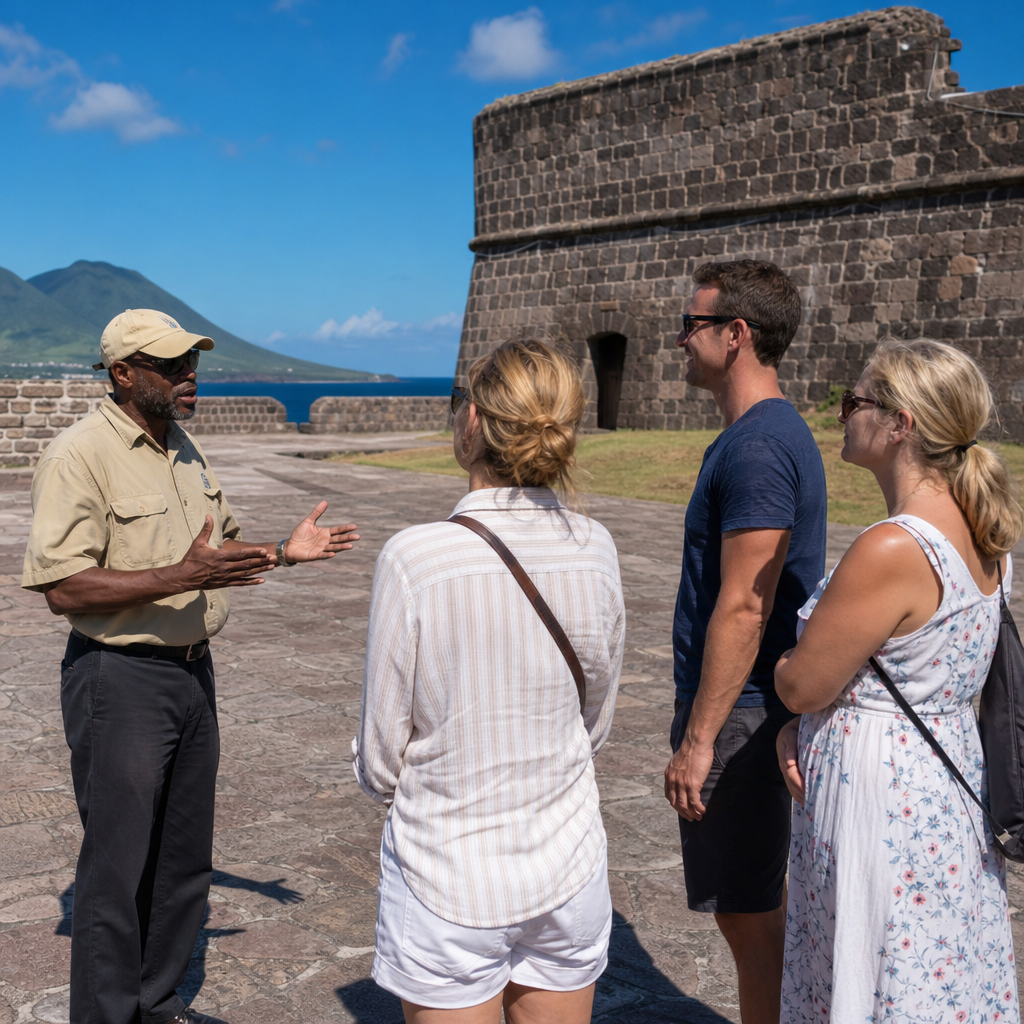
Turtle watching in Nevis is not a theme-park encounter or a guaranteed checklist activity. It is a guided wildlife experience centered on patience, timing, and strict field etiquette. Most outings take place at night during the nesting season, when female sea turtles come ashore to lay eggs above the high-tide line. Depending on the month, visitors may also join early-morning or dusk programs focused on hatchling emergence, though hatchlings are less predictable because they often surface after dark or during cooler periods. In practice, a typical guided outing begins with a briefing on species identification, red-light use, beach behavior, and why flash photography is prohibited. Groups then walk quietly with trained monitors who scan for tracks, body pits, and active nesting.
Nevis is associated most often with hawksbill turtles, though green turtles and leatherbacks are part of the wider regional picture in the eastern Caribbean. Hawksbills are recognized by their overlapping scutes and narrow, pointed beak, adaptations linked to feeding on sponges along coral reefs. Green turtles have a smoother carapace and are largely herbivorous as adults, grazing seagrass beds. Leatherbacks, the largest sea turtles in the world, are easy to distinguish by their leathery shell and elongated body. Knowing the species matters because nesting behavior, size, and conservation status shape how guides manage the encounter. Hawksbills, for example, often choose narrower beaches close to vegetation, so visitors may observe activity near dune plants and root systems that should never be trampled.
The emotional appeal is obvious, but the educational value is just as important. A good Nevis turtle watching tour explains false crawls, clutch size, incubation, sand temperature, and natal homing, the process by which adult females return to their birth region to nest. Guides often discuss why only a small fraction of hatchlings reach adulthood and how local protection efforts improve those odds. That context turns a short outing into a deeper understanding of island ecology.
Best time for turtle watching on Nevis
The best time for turtle watching on Nevis generally falls within the regional nesting window from spring through autumn, with peak activity often reported in the warmer months. Exact timing changes from year to year because sea turtle nesting is influenced by sea temperature, weather patterns, moon phase, and individual breeding cycles. For travelers, the most practical approach is to contact local conservation organizations or approved tour operators before booking. They can tell you whether nesting is active, which beaches are monitored, and whether hatchlings have started to emerge. If your schedule is flexible, aim for the middle of the nesting season, when the chances of seeing fresh tracks, nesting females, or recently marked nests are highest.
Weather matters more than many visitors expect. Heavy surf can reshape beaches and influence where turtles attempt to nest. Strong wind can mask tracks. Rain may reduce visibility but does not necessarily stop turtles from coming ashore. I have had productive nights after brief showers, when the beach cooled and human activity dropped off. Weekends and holidays can create extra light and noise near accessible beaches, so weekday tours are sometimes calmer. Because turtle watching is wildlife-based rather than performance-based, no operator can promise a sighting. The honest rule is simple: the more nights available in your itinerary, the better your chances.
Visitors should also understand the difference between nesting season and incubation period. After eggs are laid, incubation commonly lasts around two months, though temperature and moisture affect development. That means a beach active with nesting in June may produce hatchlings later in the summer. If your priority is seeing hatchlings, ask specifically about recent nest dates, not just whether turtles are nesting generally. This question saves disappointment and helps operators match expectations to current field conditions.
Where sightings happen and how tours are organized
Nevis is compact, but turtle activity is concentrated only on suitable nesting beaches, typically areas with relatively dark conditions, workable sand, and enough setback from wave action. Exact beach access may vary from season to season to protect active nests, and reputable guides do not publicize every location widely. That discretion is intentional. Publicizing a sensitive nesting site can increase disturbance from untrained visitors, photographers, and people using white flashlights. In the field, the best operators work in coordination with local environmental groups, beach monitors, and property owners when necessary. They know where recent crawls were recorded and which sites can handle a small group without compromising the animals.
A standard outing usually lasts two to four hours. Groups are intentionally small, often because fewer feet, fewer voices, and fewer lights reduce stress on nesting females. Many tours begin before a turtle is visible. Guests may spend significant time walking the beach, stopping to interpret tracks, or waiting at a distance while a guide confirms whether a turtle is in the digging, laying, or covering stage. Timing matters because turtles are most sensitive to disturbance as they emerge and select a nesting site. Ethical guides keep visitors farther back until egg laying has begun, when the turtle is typically less likely to abandon the attempt.
| Topic | What to expect in Nevis | Why it matters |
|---|---|---|
| Tour length | Usually 2 to 4 hours at night | Wildlife timing is unpredictable |
| Group size | Small, guide-led groups | Less noise and less light disturbance |
| Lighting | Red light only, often guide-controlled | Protects turtle orientation and behavior |
| Photography | No flash; restrictions may apply | Flash can disrupt nesting and hatchlings |
| Sightings | Never guaranteed | This is genuine wildlife observation |
If you are using this page as a hub for the miscellaneous side of Adventure and Activities, related planning topics naturally branch from here: guided night walks, family-friendly wildlife outings, ethical photography, beach safety after dark, and volunteer conservation programs. Those supporting articles help readers move from inspiration to practical planning.
How to watch responsibly without harming turtles
The first rule of responsible turtle watching is to treat the beach as nesting habitat, not open recreational space. Stay behind your guide, speak softly, keep phones dark, and never shine any light toward the sea or directly at a turtle. White light can disorient both adults and hatchlings because sea turtles use natural light cues, especially the brighter horizon over open water, to navigate. Even brief exposure from a phone flashlight or camera assist beam can alter movement. This is why experienced guides either ban personal lights or insist on red filters and strict handling.
Distance is another critical issue. A female turtle may abandon nesting if disturbed early in the process, creating a false crawl that costs her energy and leaves no eggs on the beach. Once she begins laying, guides may allow a closer but still controlled view. Never touch a turtle, block her path, stand in front of her, or crowd around the nest chamber. Hatchlings deserve the same restraint. People often want to help by picking them up and carrying them to the sea, but this should happen only under authorized conservation supervision when there is a clear threat. The crawl from nest to water helps hatchlings orient and imprint on the beach.
Foot placement matters too. Stay off marked nests and avoid compacting soft sand near the nesting zone. On developed beaches, support businesses that reduce beachfront lighting and use turtle-friendly fixtures. The broader conservation standard is well established across the Caribbean: lower light, lower noise, smaller groups, and stricter supervision produce better outcomes for turtles and better experiences for visitors. Responsible tourism is not a limitation on the experience; it is the reason the experience remains possible.
What to bring, what to wear, and how to prepare
Preparation for Nevis turtle watching is simple but specific. Wear dark, lightweight clothing so you blend into the environment and stay comfortable in tropical night conditions. Closed-toe sandals or water-friendly walking shoes are usually better than flip-flops because beaches can have roots, uneven sand, or debris after tide changes. Bring insect repellent if your operator permits it, but apply it before reaching the nesting area and avoid strong sprays near turtles. A reusable water bottle is useful on longer outings, especially in humid weather. Leave bright screens, noisy accessories, and heavy camera rigs in your room unless the operator has clearly approved them.
If you photograph wildlife regularly, this is the wrong setting for aggressive gear use. High-ISO, low-light capability and disciplined technique matter far more than flash. Some organizations prohibit photography altogether during sensitive stages, and that rule should be respected without debate. For families, the key question is whether children can remain quiet and patient for long periods. Many can, and the experience can be unforgettable, but parents should choose operators that explain age expectations honestly. I have seen excellent family tours succeed because the guide framed the evening as a conservation mission rather than a quick sighting hunt.
Travelers with mobility concerns should ask about walking distance, sand firmness, start time, and restroom access before booking. Night beach conditions are variable, and operators differ in the terrain they cover. This is one of those practical details that improves satisfaction if discussed in advance. Good preparation makes the difference between a tiring walk and a focused wildlife experience.
Conservation value and related activities on Nevis
The strongest reason to choose turtle watching on Nevis is that your visit can support active conservation when booked through the right channels. Across the Caribbean, community monitoring programs collect nesting data, protect vulnerable sites, educate residents, and work with hospitality businesses to reduce beachfront lighting. Those actions are grounded in established marine conservation practice and often align with guidance used by organizations such as the Wider Caribbean Sea Turtle Conservation Network and local fisheries or environmental departments. Visitor fees, donations, and volunteer interest can help fund patrols, nest monitoring, educational outreach, and beach cleanups.
This hub page also connects naturally to other miscellaneous activities that deepen the same theme. A daytime beach ecology walk explains dune vegetation, erosion, and why coastal plants are important for stabilizing nesting habitat. Snorkeling trips can introduce the reef and seagrass ecosystems used by juvenile and adult turtles, provided operators follow mooring and no-touch standards. Photography workshops can teach low-light ethics and storytelling rather than intrusive wildlife chasing. Even a simple beach cleanup becomes more meaningful when visitors understand how discarded fishing line, plastic packaging, and microtrash threaten marine animals. Together, these related experiences turn turtle watching from a single evening into a broader understanding of Nevis as an island system where tourism and conservation must work together.
Nevis’ turtle watching is memorable because it reveals something rare in modern travel: a genuinely wild event that follows nature’s schedule, not ours. Visitors who come prepared, book with responsible guides, and accept uncertainty are usually rewarded with more than a sighting. They leave with a clear picture of how sea turtles live, why nesting beaches need protection, and how small choices such as lighting, distance, and noise affect survival. For travelers exploring the miscellaneous branch of Adventure and Activities, this is the hub experience that links wildlife encounters, night excursions, family learning, photography ethics, and conservation action. The key takeaways are straightforward. Go in season, ask local experts about current activity, expect a guided and highly regulated outing, and follow every rule designed to protect turtles. Bring patience, dark clothing, and realistic expectations. Support operators and organizations that prioritize habitat over convenience. When you do, turtle watching on Nevis becomes more than a holiday activity; it becomes participation in the protection of an ancient migration. If you are planning your Nevis itinerary, start here, then explore the related articles on beach ecology, guided wildlife walks, and conservation-based activities to build a trip that is both memorable and responsible.
Frequently Asked Questions
What makes turtle watching on Nevis such a special experience?
Turtle watching on Nevis stands out because it is not simply a wildlife excursion; it is a rare chance to witness one of nature’s oldest and most powerful life cycles unfold on a small Caribbean island that still feels intimate and unspoiled. During nesting season, endangered sea turtles return to the very beaches where they began life, often under the cover of darkness, to dig nests and lay eggs in the sand. In the right part of the season, visitors may also see hatchlings emerge and instinctively make their way toward the sea. That combination of ancient behavior, vulnerability, and survival is what makes the experience so moving.
Nevis also offers an especially meaningful setting for turtle watching because conservation and community stewardship play a visible role in the experience. Guided observation is typically designed to minimize disturbance while helping visitors understand the turtles’ biology, threats, and the importance of protecting nesting beaches. Rather than feeling like a crowded attraction, turtle watching on Nevis tends to feel personal, respectful, and rooted in place. For many travelers, that balance of education, emotion, and low-impact adventure is exactly what turns a night on the beach into one of the most memorable moments of a Caribbean trip.
When is the best time to go turtle watching on Nevis?
The best time depends on what you hope to see. Turtle watching on Nevis generally centers on two key phases of the nesting cycle: adult females coming ashore to nest and hatchlings emerging later and heading to the ocean. Nesting activity usually occurs during the warmer months, often peaking in the middle of the sea turtle season, while hatchling sightings tend to happen later, after the incubation period has passed. Because exact timing can vary from year to year due to weather, species, and beach conditions, it is always wise to check locally with conservation groups, guides, or eco-tour operators for the most current seasonal information.
It is also important to understand that turtle watching is never guaranteed, even in peak season. These are wild animals following natural patterns, not scheduled performances. The most successful outings are often evening or nighttime excursions led by experienced guides who know which beaches are active and how to monitor conditions without interfering. If seeing turtles is a priority, plan flexibility into your trip and, if possible, book more than one guided outing. That approach improves your chances while allowing the experience to remain ethical and conservation-focused.
How should visitors behave during a turtle watching excursion?
Responsible behavior is essential because nesting and hatching are sensitive moments in a sea turtle’s life. Visitors should only go with authorized or conservation-minded guides and follow every instruction carefully. In most cases, that means keeping a respectful distance, staying quiet, avoiding sudden movement, and never touching turtles, nests, or hatchlings. Flash photography, bright phone screens, and white lights are typically prohibited because artificial light can disorient turtles and interfere with nesting females or hatchlings trying to find the sea. Even well-meaning actions can cause stress or change natural behavior, so restraint is a major part of ethical observation.
Practical preparation helps as well. Wear dark, non-reflective clothing, use only approved red-filter lights if instructed, and be ready for a patient, slow-paced outing that may involve walking on sand in low light. It is also a good idea to avoid leaving litter, making noise, or approaching nesting areas on your own before or after the tour. The goal is to let the turtles remain the focus while humans become as unobtrusive as possible. When visitors understand that respectful watching is part of conservation, the experience becomes more meaningful and helps protect the very miracle they came to see.
What species of sea turtles might you see on Nevis, and why are they protected?
Several species of sea turtles are associated with Caribbean waters, and on Nevis, the ones most often discussed in conservation and nesting contexts include hawksbill, green, and leatherback turtles. The exact species encountered can vary by beach and season, but all are important components of the marine ecosystem. Hawksbills help support reef health, green turtles are linked to seagrass habitat balance, and leatherbacks, the largest sea turtles in the world, are remarkable long-distance migrants. Seeing any of these animals on a nesting beach is significant because it reflects a fragile success in an environment where survival is far from easy.
These turtles are protected because they face numerous threats throughout their lives, including habitat loss, coastal development, artificial lighting, marine pollution, accidental capture in fishing gear, boat strikes, illegal harvesting, and climate-related pressures. Since sea turtles mature slowly and only a small fraction of hatchlings survive to adulthood, each nesting female and each successful nest matters enormously. Protection on Nevis is therefore about far more than preserving a tourist experience; it is about supporting the recovery of endangered or vulnerable species and safeguarding the health of the coastal and marine environments they help sustain. Guided turtle watching, when properly managed, can support that mission by raising awareness and encouraging long-term stewardship.
Can turtle watching on Nevis be part of a broader eco-friendly travel experience?
Absolutely. Turtle watching fits naturally into a wider eco-conscious visit to Nevis because the island’s small scale makes it easier to connect wildlife experiences, local culture, and responsible tourism choices. Visitors can pair an evening turtle excursion with other low-impact activities such as hiking, birdwatching, exploring coastal viewpoints, supporting locally owned businesses, and choosing accommodations that emphasize sustainability. In this way, turtle watching becomes more than a single outing; it becomes part of a travel style that values the island’s natural rhythms and contributes to the communities helping protect them.
If you want your visit to have a positive impact, look for operators who work with conservation initiatives, limit group sizes, and educate guests about nesting beaches and marine protection. You can also reduce your footprint by avoiding single-use plastics, respecting beach rules, choosing reef-safe products where appropriate, and keeping shorelines clean. Even simple decisions, such as not using bright beachfront lighting near nesting areas or supporting organizations involved in monitoring and education, can make a difference. On Nevis, that sense of close connection between visitor behavior and environmental well-being is part of what makes the experience feel so genuine and worthwhile.