Saint Kitts’ Carnival Adventures: Music, Dance, and Fun captures the island at its most vivid, when streets, villages, and seaside towns turn into stages for parades, soca competitions, folklore, food fairs, and late-night fêtes. In Saint Kitts, carnival is not a single parade day but a full season of celebration, usually building through December into New Year, with roots in African, European, and wider Caribbean traditions. Travelers searching for adventure and activities often focus on beaches, hikes, or catamaran trips, yet carnival belongs in the same conversation because it is an immersive, high-energy way to experience local culture firsthand. I have planned island itineraries around festival calendars before, and carnival consistently gives visitors the fastest, richest introduction to how a destination sounds, moves, and socializes. Understanding the music, dances, costume culture, events, and practical logistics helps visitors enjoy Saint Kitts’ carnival safely and meaningfully, while also opening the door to related adventures across the island.
What Saint Kitts Carnival Is and Why It Matters
Saint Kitts Carnival, often associated with the national season of Sugar Mas, is the country’s signature festival period and one of the most important cultural events on the island calendar. At its core, it blends emancipation-era expression, masquerade traditions, calypso and soca performance, pageantry, drumming, street processions, and community gatherings. For visitors, that means carnival is not only entertainment; it is a living archive of national identity. Music carries commentary and celebration. Dance preserves movement traditions while constantly evolving. Costumes showcase artistry, satire, glamour, and craft. Food and drink stalls keep the streets fed through long event days and even longer nights.
The festival matters because it concentrates many of Saint Kitts’ cultural experiences into one season. A traveler can hear brass and percussion in a J’Ouvert road session, watch children’s parades, attend a calypso show, see troupes perform traditional masquerade steps, and then spend the next morning recovering on South Friars Bay or exploring Basseterre’s historic core. That overlap is why this hub sits naturally under adventure and activities. Carnival is active, social, sensory, and participatory. Even if you never wear a costume, you are moving with crowds, navigating events, sampling street food, learning call-and-response songs, and meeting residents in a context that reveals how the island celebrates itself.
It also supports the wider tourism ecosystem. Hotels, guesthouses, drivers, makeup artists, tailors, sound crews, food vendors, and event promoters all benefit from the increased demand. That wider impact matters for travelers who want spending to stay local. Booking a guesthouse in Basseterre, using local taxis to events, buying from craft vendors, and attending community shows instead of only premium parties can turn a holiday into a more direct contribution to the island economy.
The Soundtrack: Soca, Calypso, Steelpan, and Street Energy
If you ask what defines Saint Kitts carnival most quickly, the answer is the music. Soca drives the road energy with fast tempos, bass-heavy production, and lyrics designed for movement, chant, and release. Calypso provides sharper storytelling, social commentary, political wit, and lyrical competition. Steelpan introduces a distinct tonal texture that is both melodic and deeply Caribbean, whether heard in formal performance or integrated into broader festival programming. Brass sections, DJs, drummers, and mobile sound systems fill in the rest.
In practical terms, visitors experience these styles in different settings. Calypso tends to reward listening: a competition or staged show gives room to appreciate wordplay, arrangement, and vocal delivery. Soca is built for participation, especially at fêtes, road marches, and J’Ouvert. Steelpan often connects generations because older listeners respect the musicianship while younger crowds still respond to the rhythm. On Saint Kitts, these genres are not museum pieces. They are current, loud, and embedded in public life during carnival.
I always advise first-time festival travelers to attend at least one event where the focus is on performance rather than nonstop partying. That context helps the rest of the season make more sense. Once you hear a calypsonian dissect current events or identity politics in a competitive setting, the festival stops being random noise and becomes a conversation. Once you stand near a live rhythm section and feel how drumming changes crowd movement, you understand why carnival has such physical force.
| Music form | What it sounds like | Where visitors usually experience it | Why it matters during carnival |
|---|---|---|---|
| Soca | Fast tempo, heavy bass, chant-driven hooks | Fêtes, road events, J’Ouvert, parade routes | Creates momentum, crowd participation, and nonstop dance energy |
| Calypso | Lyrical storytelling, satire, topical commentary | Competitions, concert stages, cultural showcases | Explains social issues and preserves carnival’s narrative function |
| Steelpan | Melodic percussion with bright, layered harmonies | Stage shows, community events, selected parade segments | Adds musicianship, heritage, and a recognizable Caribbean sound |
| Drum and brass street bands | Live rhythm, call-and-response, improvisational drive | Street processions, spontaneous roadside gatherings | Connects formal events to older masquerade and parade traditions |
Dance, Masquerade, and the Visual Language of Celebration
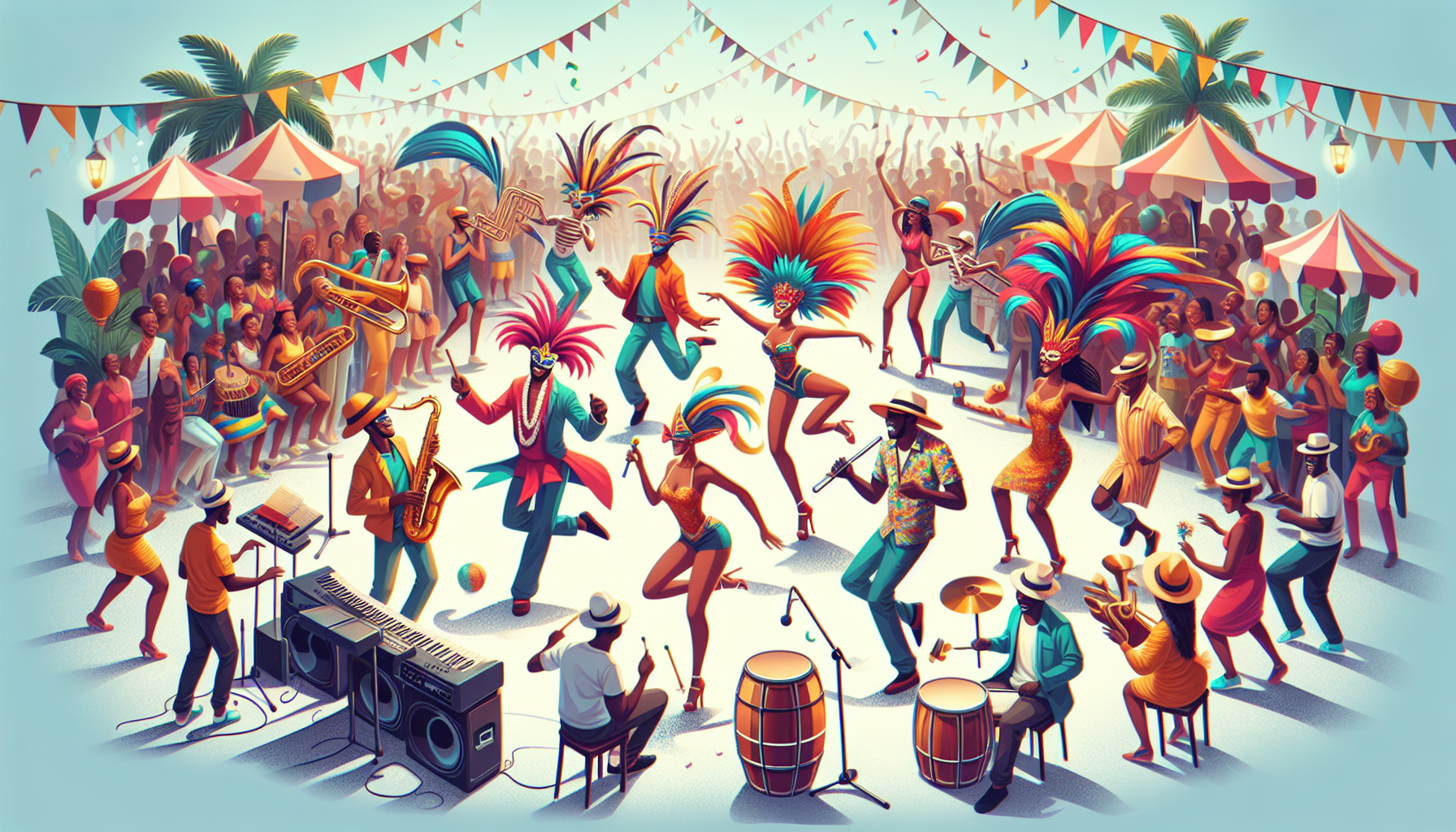
Dance is the second language of Saint Kitts carnival, and it ranges from highly traditional forms to contemporary party movement. Some performances are choreographed for judging and presentation, while others are intentionally loose and communal. The important point for travelers is that dance at carnival is not a side activity. It is how people occupy public space, respond to music, and perform identity. You will see polished costume sections, revelers following a truck, folklore-inspired characters, and dance styles shaped by both local custom and pan-Caribbean influence.
Masquerade traditions deserve specific attention because they connect present-day carnival to older Caribbean festive practices. In Saint Kitts and Nevis, masquerade performance historically combines costume, dance, drum patterns, ribbons, bells, and stylized movement. Watching these presentations gives visitors a more grounded perspective than simply chasing the largest party. The spectacle may feel festive, but it also reflects continuity, memory, and craftsmanship. Costumes are more than decorative outfits; they can signify status within a troupe, continuity with inherited forms, or creative reinterpretation for modern audiences.
For travelers who want photos, the best approach is respect first, camera second. Ask before taking close portraits, especially around children, performers preparing backstage, or vendors working in crowded spaces. Wide street scenes are generally easier, but intimate images should come with consent. In my experience, asking often opens better conversations and yields stronger photographs because people will explain their costume section, troupe role, or performance history. Those exchanges are part of the real adventure.
Signature Events and How to Build a Carnival Itinerary
The smartest way to experience Saint Kitts carnival is to think in layers: headline events, cultural events, and recovery time. Headline events usually include major parade days, J’Ouvert, popular fêtes, and competition finals. Cultural events can include pageants, calypso showcases, folklore presentations, family-friendly programs, and community gatherings that are less crowded but often more revealing. Recovery time matters because carnival tourism is physically demanding. Late nights, heat, alcohol, loud sound, and hours on your feet can flatten even experienced festivalgoers.
A strong first-time itinerary might look like this: arrive a few days before the busiest weekend, attend one music competition or cultural showcase early, book one premium fête if nightlife is a priority, reserve one parade or J’Ouvert morning for full participation, and leave one day open for beach recovery or light sightseeing. That structure lets you experience both intensity and context. It also reduces the common mistake of packing every night with events and then missing the island itself.
Because this hub covers miscellaneous carnival adventures, it should connect naturally to related activity planning. Visitors often pair festival attendance with Basseterre walking tours, Brimstone Hill Fortress excursions, beach club days, catamaran sails, rum tastings, and scenic railway outings. Carnival does not replace those experiences; it changes how you time them. A fort visit works well on a quieter afternoon. A catamaran trip is ideal the day after a late fête. Shopping in Basseterre is best done before heavy parade crowds close roads or slow transport.
Food, Drink, and Street-Level Cultural Discovery
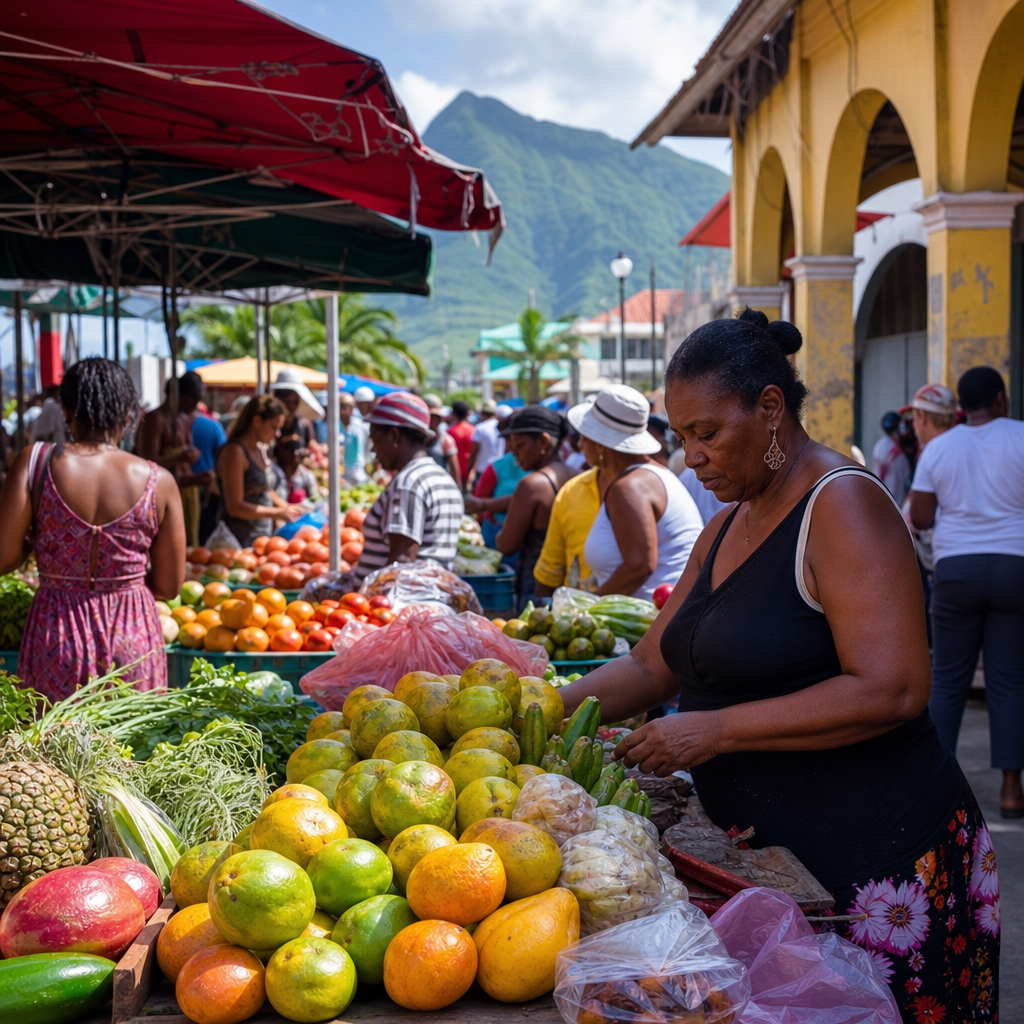
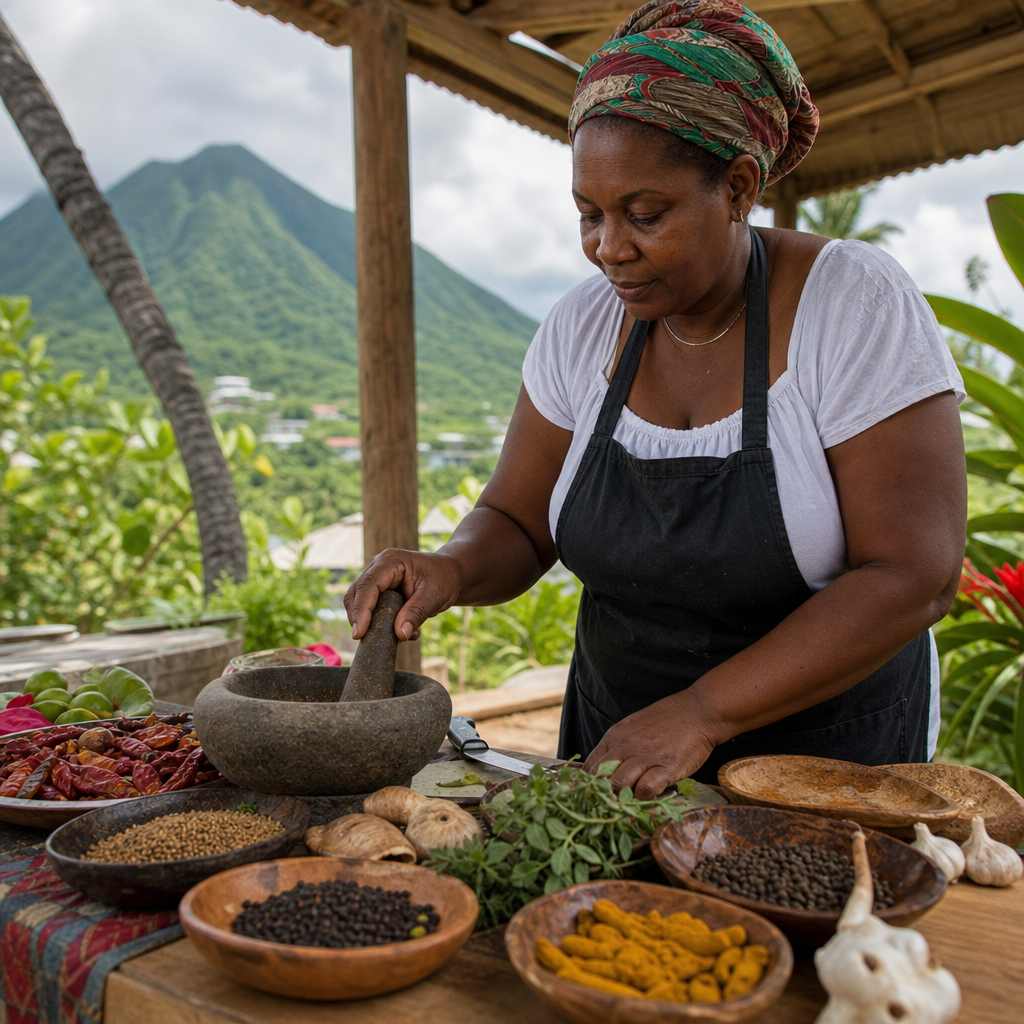
One of the most underrated parts of Saint Kitts carnival is how much you learn by eating where locals eat. Festival food is practical, flavorful, and social. Depending on the event and vendor, visitors may find barbecue, fried fish, chicken, goat dishes, rice sides, rotis, patties, grilled corn, festival snacks, sweets, and cold drinks built for Caribbean heat. Rum punches and local spirits are common, but so are simple hydration staples like water, juice, and coconut-based refreshment options.
The best food strategy is to alternate indulgence with caution. Choose busy stalls with active turnover, freshly cooked items, and visible cleanliness. Eat before major drinking sessions instead of after them, when lines are long and judgment is lower. Carry cash in small denominations because smaller vendors may not accept cards, and service moves faster when exact payment is possible. If you have dietary restrictions, ask direct questions rather than assuming. Street vendors are usually straightforward about ingredients, spice levels, and preparation methods.
Food also creates a useful bridge for travelers who feel uncertain about joining the action. Not everyone wants to jump immediately into a packed road event. Starting with a food fair, community stage show, or early-evening street scene gives you a softer entry point. From there, you can decide whether to stay for the louder portions of the night or move on. That flexibility is one of carnival’s strengths: there are many levels of participation, and visitors do not need to perform expertise to enjoy themselves.
Practical Tips: Safety, Budget, Transport, and Respect
Carnival rewards preparation. Book accommodation early if you plan to visit during the peak season, especially if you want to stay near Basseterre or in areas with easy event access. Confirm airport transfers in advance, and ask your host or hotel about expected road closures. On major parade days, distances that look short on a map can take much longer because streets are blocked, taxis are busy, and crowds move slowly. Comfortable shoes, a portable charger, ear protection for sensitive ears, sunscreen, and secure cross-body storage make a noticeable difference.
Budgeting also matters. Costs can escalate quickly when visitors buy multiple event tickets, rely on private transport at peak hours, and spend freely on drinks. A balanced budget usually includes one or two paid marquee events, several lower-cost or public events, daytime recovery activities, and a clear taxi allowance. If you plan to join a costumed band, ask what is included. Some packages cover security, drinks, food, or designated rest stops; others do not. Compare value, not just headline price.
Safety is mostly about basic festival discipline. Stay aware of your surroundings, keep valuables minimal, hydrate aggressively in daytime heat, and arrange a return plan before the night gets late. Travel in pairs or groups when possible. Respect barriers, marshal instructions, and performer space. Most importantly, treat carnival as culture first and nightlife second. Visitors who arrive only to consume the party often miss cues about etiquette, timing, and local norms. Those who ask questions, support community events, and pace themselves usually have the strongest experience.
Beyond the Parade Route: Why This Hub Opens the Door to More Adventures
Saint Kitts carnival works best as a hub because it connects so many kinds of travel. Music lovers can branch into live entertainment and nightlife coverage. Culture-focused visitors can explore heritage sites, local crafts, and folklore traditions. Active travelers can pair carnival with hiking, sailing, snorkeling, and rail excursions. Food-focused travelers can use festival season to map casual dining, street eats, and local drink culture. In other words, carnival is not an isolated attraction. It is a gateway to the island’s broader adventure and activities landscape.
The key takeaway is simple: Saint Kitts’ Carnival Adventures: Music, Dance, and Fun is one of the most complete ways to understand the island because it combines performance, participation, community, and movement in one season. You hear the island through soca, calypso, and steelpan. You see it in masquerade, costumes, and street processions. You taste it at food stalls and local gatherings. You feel it in the logistics, excitement, fatigue, and joy of following events from morning into night. Use this page as your starting point, then build outward into the many related experiences that make carnival travel in Saint Kitts unforgettable. Plan early, stay curious, and explore the festival with respect.
Frequently Asked Questions
What makes Saint Kitts Carnival different from other Caribbean carnival celebrations?
Saint Kitts Carnival stands out because it is not limited to one headline parade or a single weekend of events. It unfolds as a full festive season, typically building throughout December and carrying the excitement into New Year, which gives visitors many opportunities to experience different sides of the celebration. Instead of focusing only on costumes and street processions, the season blends music competitions, folklore performances, pageantry, food events, community gatherings, and energetic late-night fêtes. That broader structure makes it feel less like a one-day spectacle and more like a living cultural season woven into everyday island life.
Another reason it feels distinct is the way it reflects Saint Kitts’ layered heritage. The carnival tradition draws from African, European, and wider Caribbean influences, and that mix shows up in the rhythms, dance styles, masquerade traditions, storytelling, and social atmosphere. Visitors can move from modern soca-driven parties to performances rooted in older customs and village-based expressions of identity. For travelers seeking adventure and activities, Saint Kitts Carnival offers more than entertainment; it provides a vivid, on-the-ground way to connect with the island’s history, creativity, and community spirit.
When is the best time to visit Saint Kitts for carnival, and how long does the season last?
The best time to visit depends on the kind of carnival experience you want. In general, the season builds through December and reaches its peak around the transition into New Year, so travelers who want the fullest range of events should plan to be on the island during that period. Early-season visitors often get a chance to enjoy opening events, smaller shows, local gatherings, and the growing buzz across towns and villages. Those arriving closer to the peak can catch major parades, larger fetes, popular music competitions, and some of the most high-energy public celebrations.
If your schedule allows, staying several days rather than making a quick stop is the smartest approach. Carnival in Saint Kitts is best appreciated as a sequence of experiences rather than a single attraction. One night might be dedicated to a soca event, another to cultural performances, another to food and street celebration, and another to watching costumed revelers take over the roads. Booking accommodations and transport early is important, especially around the busiest dates, because carnival season attracts both international visitors and returning nationals. A longer stay also lets you balance the intensity of festivities with beach time, island tours, and visits to historical and scenic sites.
What kinds of events and activities can travelers expect during Saint Kitts Carnival?
Travelers can expect a wide variety of events that go far beyond a standard parade. Music is one of the biggest draws, especially soca competitions and live performances that bring together local talent, crowd participation, and high-energy dancing late into the night. Street parades remain central to the carnival atmosphere, with colorful costumes, bands, and revelers transforming ordinary roads into moving celebrations. At the same time, the season often includes folklore displays, pageants, food fairs, and community-centered events that reveal more traditional and family-friendly dimensions of the festival.
This variety is part of what makes carnival such a strong fit for adventure-minded visitors. You might spend the day exploring beaches, rainforest trails, or historic sites, then head into a village or town for evening festivities. Food fairs and street vendors add another layer, offering local dishes and drinks that deepen the cultural experience. Seaside towns and urban areas alike become social hubs, so even simply walking through busy districts can feel immersive. For visitors who want action, music, and a sense of discovery, Saint Kitts Carnival provides a packed calendar where each event offers a slightly different mood, from polished stage productions to spontaneous roadside excitement.
Is Saint Kitts Carnival suitable for first-time visitors and families?
Yes, Saint Kitts Carnival can be enjoyable for first-time visitors and families, especially if they plan ahead and choose events that match their comfort level. One of the strengths of the season is that it includes both high-energy nightlife and more accessible daytime or community-oriented celebrations. Families often appreciate public parades, cultural showcases, food fairs, and festive street scenes where they can enjoy music and local traditions without committing to late-night parties. First-time visitors also benefit from the welcoming nature of the island, where locals often take pride in sharing carnival traditions with guests.
That said, carnival is lively, crowded, and sometimes very late-running, so it helps to be selective. Travelers with children may prefer daytime events, earlier performances, and viewing areas with easier access and less congestion. Comfortable clothing, hydration, sun protection, and transportation planning all matter, especially during major parade days or busy evening events. Adults traveling without children may want to mix family-friendly cultural programming with a few nightlife experiences to get the full picture. Overall, the season is flexible enough to suit different travel styles, as long as visitors understand that carnival in Saint Kitts is dynamic, festive, and often fast-paced.
How can travelers make the most of Saint Kitts Carnival while also exploring the island?
The best strategy is to treat carnival as the centerpiece of a broader island itinerary rather than the only thing on your schedule. Saint Kitts offers beaches, scenic viewpoints, historical landmarks, and outdoor excursions that pair well with the festive calendar. Many travelers focus so heavily on the celebration that they miss the chance to experience the island’s natural beauty and cultural depth during the day. A smart plan is to reserve mornings and early afternoons for sightseeing, relaxation, or adventure activities, then dedicate evenings or selected days to carnival events.
It also helps to build flexibility into your schedule. Carnival timing can be lively and fluid, and some of the most memorable moments happen outside formal programs, in local gathering spots, roadside food scenes, or conversations with residents who can point you toward worthwhile events. Staying in a convenient location, arranging reliable transport, and keeping an eye on local event updates can make the experience much smoother. Most importantly, come ready to participate respectfully. Listen to the music, try the food, learn a bit about the traditions, and embrace the atmosphere. When approached that way, Saint Kitts Carnival becomes more than a festival stop; it becomes one of the most immersive and rewarding ways to experience the island.