Nevis is often introduced through its beaches and volcanic slopes, yet its identity was shaped just as deeply by warfare, raids, rebellion, and political struggle. Any serious account of iconic battles and conflicts in Nevis’ history must begin with a simple fact: this small Caribbean island sat at the center of imperial competition for more than three centuries. Spanish navigators passed through the region early, but it was the English and French who turned nearby waters and neighboring islands into a constant military frontier. In Nevis, conflict did not always mean formal battlefield engagements. It included naval attacks, militia mobilizations, privateering, plantation defense, enslaved resistance, colonial rivalry, and later political battles over labor, representation, and federation.
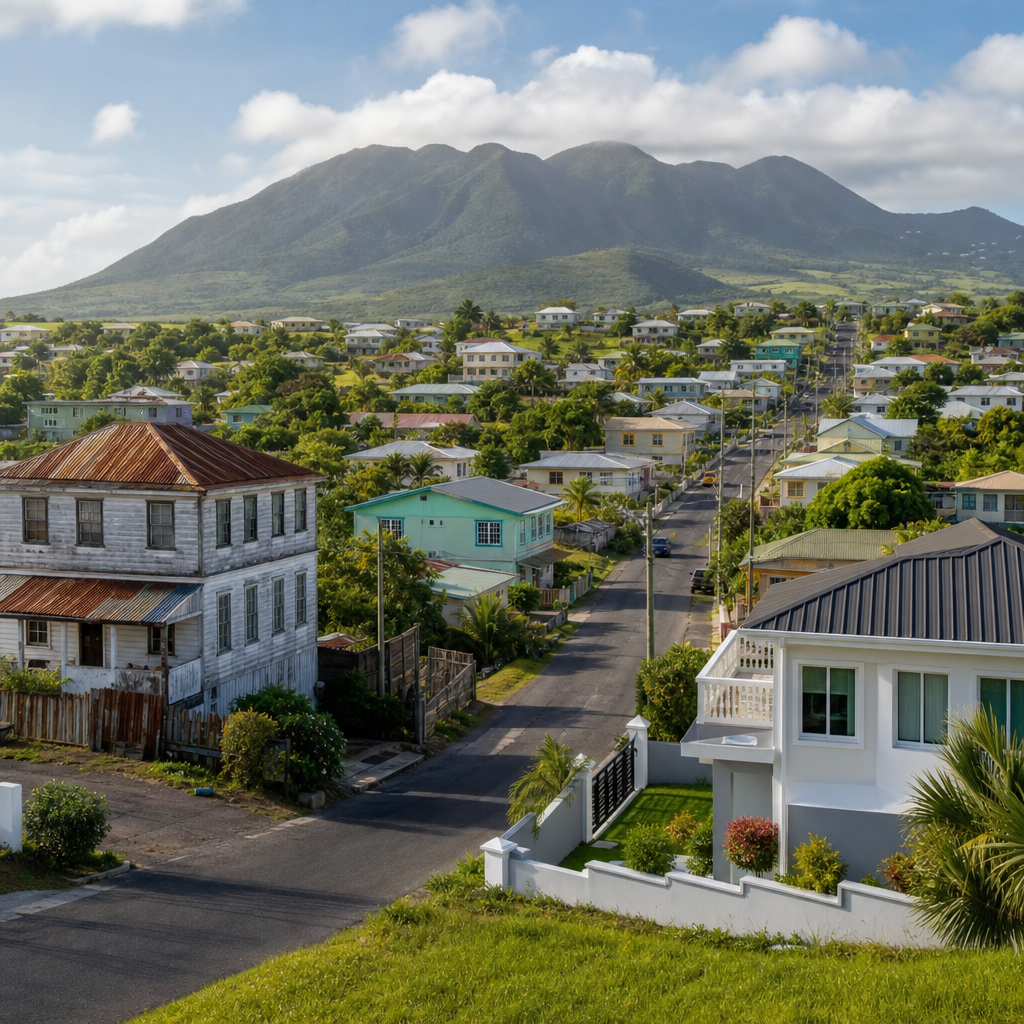
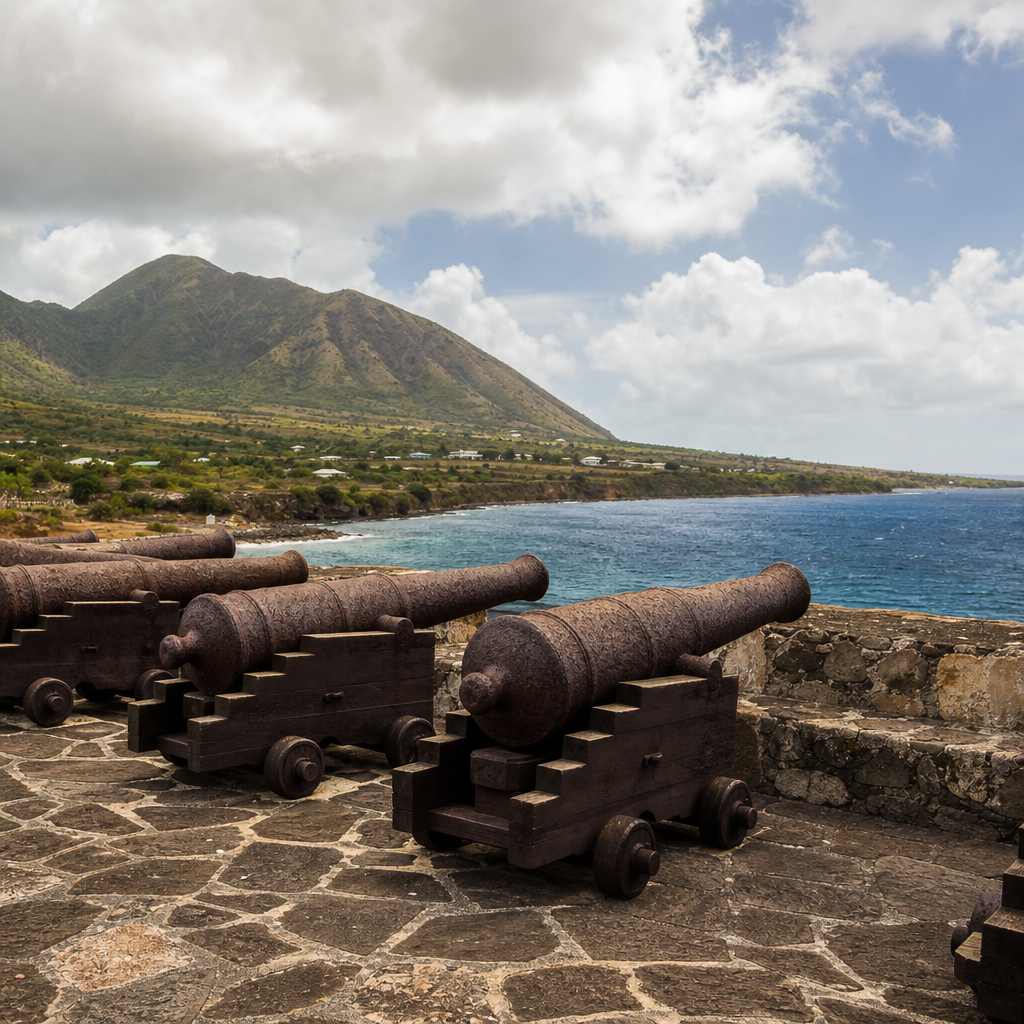
When historians discuss conflict in Nevis, they usually mean a broad range of events tied to the island’s strategic value and sugar economy. Nevis became one of the earliest and wealthiest English colonies in the Leeward Islands during the seventeenth century. Its prosperity made it a target. Wealth from sugar estates, merchant shipping, and enslaved labor financed fortifications and local militias, but it also attracted enemy fleets. Charlestown, the island’s main port, became both a commercial hub and a vulnerable shoreline settlement. Fort Charles and related batteries were not decorative structures; they were practical responses to repeated threats from sea.
The reason these conflicts matter today is not only military. They explain why Nevis developed the way it did, why estate society became so entrenched, why fortifications still mark the coast, and why political memory on the island connects struggle with survival. In my work on Caribbean history content, I have found that readers often ask whether Nevis had a single decisive battle comparable to famous wars elsewhere. The more accurate answer is that Nevis experienced a chain of interconnected conflicts. Some were dramatic assaults by foreign forces. Others were quieter but equally consequential contests over labor, sovereignty, and economic control. Taken together, they form the backbone of Nevis’ historical narrative and link directly to broader articles on colonization, plantation society, emancipation, and modern politics within the wider Culture and History hub.
Colonial Rivalry and the Making of a Military Frontier
Nevis was settled by the English in 1628, making it one of Britain’s earliest Caribbean colonies. That timing mattered. Early settlement meant early exposure to the intense Anglo-French rivalry that defined the Leeward Islands. St. Kitts, only a short distance away, had both English and French settlers in the seventeenth century, and violence there routinely affected Nevis. The islands functioned as a connected military zone, not as isolated territories. A raid in St. Kitts, a French maneuver in Guadeloupe, or a privateering campaign in surrounding waters could quickly place Nevis under threat.
By the mid-seventeenth century, planters and colonial officials understood that defense required local organization. Militias were raised from free white male populations, forts were improved, and artillery positions were established to protect anchorage points. These arrangements were common across the British Caribbean, but on Nevis they carried unusual importance because of the island’s wealth. Sugar transformed Nevis into a lucrative possession, and lucrative possessions invited attack. The island’s military landscape therefore grew from commercial success. Every estate, warehouse, and shipping point added to the incentive for enemy action.
Conflict in this period also involved privateers and irregular warfare. Licensed raiders operating under letters of marque blurred the line between commerce and combat. Merchant vessels leaving Nevis could be seized; enemy shipping could be hunted in return. For island residents, war was not distant diplomacy. It affected prices, insurance, labor management, and access to imported supplies. A planter on Nevis cared about European wars because those wars changed whether sugar reached Atlantic markets safely. That economic vulnerability helps explain why local memory treats even small engagements and alarms as major historical events.
French Attacks, Raids, and the Destruction of Charlestown
The most famous military crises in Nevis’ history came from French attacks during the late seventeenth and early eighteenth centuries. The Nine Years’ War and the War of the Spanish Succession turned the Caribbean into an active theater. Nevis, as a British colony near French possessions, became an exposed target. One of the defining episodes occurred in 1706, when French forces under Pierre Le Moyne d’Iberville attacked the island. Charlestown was heavily damaged, estates were ravaged, and much of the island’s accumulated wealth was destroyed or carried away.
The 1706 invasion stands out because it was not a minor raid. It demonstrated the limits of local defense against a well-organized expedition. Militias could resist sudden landings and discourage smaller attacks, but they struggled against experienced forces supported by naval power. Contemporary accounts and later histories describe destruction on a large scale, including damage to plantations, public buildings, and stores of trade goods. For residents, this was a transformational shock. Recovery was possible, but confidence in the island’s security was permanently weakened.
French assaults on Nevis should also be understood in strategic terms. The goal was not random destruction for its own sake. Attacking Nevis disrupted British wealth, shipping, and regional coordination. It also fit the wider logic of Caribbean warfare, where islands were economic engines and military prizes. A successful attack could deprive an enemy of customs revenue, food stores, enslaved labor, and shipping support. In practice, that meant civilians, port workers, and plantation laborers experienced the consequences immediately.
| Conflict episode | Approximate period | Main actors | Historical significance for Nevis |
|---|---|---|---|
| Early colonial rivalry | 1620s-1660s | English settlers, French colonies, militias | Established Nevis as a defended sugar colony within a contested island chain |
| Imperial wars and raids | 1690s-1710s | British and French naval and land forces | Linked Nevis directly to major European wars fought in the Caribbean |
| French attack on Charlestown | 1706 | French expedition under d’Iberville | Caused severe destruction and exposed the weakness of local defenses |
| Enslaved resistance and plantation conflict | 17th-19th centuries | Enslaved Africans, planters, colonial authorities | Revealed that conflict on Nevis was also internal, not only imperial |
| Labor and political struggles | 19th-20th centuries | Workers, estate owners, reformers, politicians | Shifted conflict from forts and fleets to rights, wages, and self-government |
Even after rebuilding, the memory of attacks lingered in fortification policy. Coastal batteries, lookout points, and militia readiness were not abstract precautions. They were responses to proven vulnerability. That is why visitors studying Fort Charles today should view it as part of a lived defense system shaped by repeated trauma. The fort symbolizes not one isolated battle but a recurring pattern of alarm, attack, and reconstruction.
Fortifications, Militias, and Everyday Defense on a Sugar Island
One of the most important but often overlooked conflicts in Nevis’ history was the constant effort to defend plantation society itself. In archival material across the British Caribbean, military preparedness appears not only in war dispatches but in routine administration: powder inventories, militia rolls, fort repair orders, and laws regulating arms. Nevis followed this pattern closely. Fort Charles in Charlestown served as a key coastal defense point, while smaller batteries and watch systems extended the island’s security network.
Local militias formed the backbone of land defense. These forces were not professional standing armies. They were composed largely of settlers and planters who could be called up during emergencies. That arrangement created obvious limitations. Training was inconsistent, discipline varied, and military capacity depended on local resources. But militias were central to island survival because imperial troops were not always present in sufficient numbers. In practical terms, Nevis defended itself through a combination of local initiative and imperial naval support.
Defense on Nevis was also shaped by geography. Charlestown’s roadstead made trade possible but left ships and shore installations exposed. High ground offered observation advantages, while plantation spread across the island required dispersed vigilance. In wartime, residents had to think about evacuation, storage, communication between estates, and the risk of enemy landings at multiple points. This is why conflict history on Nevis cannot be reduced to a single battlefield map. The entire island operated as a defensive space.
There was also a social dimension to everyday defense. Colonial authorities feared not only foreign enemies but internal unrest. Laws governing movement, assembly, and weapons reveal how tightly military thinking and plantation control were linked. On Nevis, as on other sugar islands, security policy was inseparable from the coercive system that sustained plantation profits.
Enslaved Resistance and Conflict Within the Plantation Order
No honest survey of iconic conflicts in Nevis’ history can focus only on European powers. The island’s deepest and most enduring struggle was internal: the conflict between enslaved Africans and the plantation regime. Nevis grew wealthy through sugar, and sugar depended on forced labor. That system produced resistance in many forms, including work slowdowns, sabotage, escape, preservation of African cultural practices, and at times open defiance. Records from Caribbean colonies often privilege planter voices, so resistance is undercounted. Even so, the pattern is clear. Plantation society was never stable in the way colonial elites claimed.
Across the British West Indies, fear of revolt shaped law, policing, and military planning. Nevis was part of that world. News of uprisings elsewhere, especially in larger colonies, influenced local responses. The Haitian Revolution after 1791 intensified anxieties across the Caribbean, and islands like Nevis tightened surveillance because elites understood that resistance could spread through rumor, maritime contact, and shared experience. Armed conflict did not have to erupt on a massive scale for the island to live under the pressure of possible insurrection.
This matters because it changes the meaning of conflict. On Nevis, violence was not limited to enemy troops landing from ships. It was present in the daily enforcement of slavery, the punishments imposed on laborers, and the constant preparation for rebellion. Emancipation in the British Empire in 1834, followed by full freedom after apprenticeship, did not erase conflict. It changed its form. Formerly enslaved people sought autonomy, fairer labor arrangements, access to land, and protection from planter domination. Estate owners sought to preserve production and hierarchy. The struggle continued through contracts, wages, tenancy, and local political power.
From Emancipation to Modern Political Struggle
After slavery, Nevis entered a new era in which the most important conflicts were increasingly political and economic rather than military in the classic sense. The decline and volatility of the sugar industry intensified hardship. Workers faced low wages, insecure employment, and dependence on estate systems that still reflected colonial inequalities. Across St. Kitts and Nevis, labor organization and demands for representation became defining features of public life in the late nineteenth and twentieth centuries.
These struggles belong in any hub article on miscellaneous conflicts because they shaped the modern identity of Nevis as profoundly as raids and fort battles did. Political conflict emerged over who controlled resources, how government represented local interests, and how the island related to larger state structures. The eventual independence of Saint Kitts and Nevis in 1983 did not end debate. Nevis developed a strong political culture around autonomy, constitutional rights, and local self-government. The 1998 referendum on secession, although unsuccessful because it fell short of the required threshold, remains one of the most significant modern conflicts in the island’s history. It was peaceful, legal, and democratic, but it reflected long-standing tensions over governance and representation.
Seen across four centuries, Nevis’ iconic conflicts move from cannons to constitutions. Early settlers fortified coastlines against French attack; later generations contested labor exploitation, electoral power, and the balance between local and federal authority. The continuity lies in the island’s determination to defend its interests under pressure.
Understanding iconic battles and conflicts in Nevis’ history means looking beyond a list of wars. The island’s past was shaped by repeated external attacks, by the military demands of a sugar colony, by the resistance of enslaved people, and by modern struggles over labor and political autonomy. The 1706 French assault on Charlestown remains the clearest example of large-scale devastation, but it was only one chapter in a longer story of vulnerability and resilience. Fort Charles, militia records, plantation laws, emancipation struggles, and constitutional debates all belong in the same historical frame because each reveals how Nevis confronted threats to its security, economy, and identity.
For readers exploring the wider Culture and History topic, this miscellaneous hub works best as a starting point. From here, it makes sense to continue into focused articles on colonial settlement, sugar and slavery, Charlestown’s historic landscape, emancipation, and modern Nevisian politics. Together, those subjects show that conflict in Nevis was never marginal. It was central to how the island was built, damaged, rebuilt, and ultimately defined. If you want to understand Nevis beyond scenery, follow these connected histories and read the island through the struggles that shaped it.
Frequently Asked Questions
Why was Nevis so important in Caribbean military history?
Nevis mattered far beyond its size because it sat inside one of the most contested maritime zones in the Atlantic world. From the seventeenth century onward, control of the Lesser Antilles meant access to shipping lanes, plantation wealth, naval anchorages, and regional influence. European empires did not view islands like Nevis as isolated outposts; they saw them as strategic links in a chain of commerce and war stretching from Europe to North America and South America. As English and French colonial ambitions expanded, nearby islands became military stepping-stones, and Nevis found itself exposed to repeated threats, raids, and rival claims.
Its prosperity also made it a target. Sugar transformed Nevis into an economically valuable colony, and wherever plantation wealth accumulated, military danger followed. Privateers, naval squadrons, and invading forces all understood that an island producing export wealth could finance war or weaken an enemy if captured or damaged. In practical terms, Nevis was important because it was both vulnerable and valuable: small enough to be attacked, rich enough to be worth attacking, and located close enough to competing colonies that conflict could erupt with little warning.
Just as important, Nevis cannot be understood in isolation from St. Kitts, Montserrat, Antigua, and the wider Leeward Islands. Many of the conflicts associated with Nevis were part of broader imperial wars between England and France, or tied to anti-colonial and labor struggles within the plantation system. That means the island’s military history was not defined by one single decisive battle, but by repeated episodes of assault, defense, occupation anxiety, militia mobilization, and political resistance. In that sense, Nevis is iconic not because it hosted the largest battlefields in the Caribbean, but because it reveals how global warfare played out on a small island with very high stakes.
What were the most significant colonial-era conflicts that affected Nevis?
The most significant colonial-era conflicts affecting Nevis were the recurring Anglo-French wars and raids that swept through the eastern Caribbean from the seventeenth into the early nineteenth century. Because England and France held nearby territories and frequently went to war in Europe, their Caribbean colonies became front-line targets. Nevis experienced the consequences through invasion scares, militia preparations, privateering attacks, and periodic military pressure that disrupted trade, settlement, and plantation life. Even when a major set-piece battle did not occur directly on the island, the threat of attack shaped fortifications, governance, and everyday colonial decision-making.
One of the most consequential moments came in the French attacks on English possessions in the Leeward Islands, especially during the wars of the late seventeenth and early eighteenth centuries. Nevis suffered heavily in 1706 when French forces raided the island during the War of the Spanish Succession. That attack was especially important because it exposed the island’s vulnerability despite its wealth and colonial standing. Plantations were damaged, property was destroyed, and the event left a deep impression on local memory. It underscored a basic reality of Caribbean history: military success was not measured only by holding territory permanently, but also by devastating an enemy’s economy and confidence.
Earlier and later imperial conflicts reinforced the same pattern. During periods such as the Nine Years’ War, the War of the Spanish Succession, the War of Jenkins’ Ear, the Seven Years’ War, and the wars of the French Revolutionary and Napoleonic eras, Nevis lived within a permanent strategic emergency. Naval warfare in surrounding waters, fear of invasion, and pressure on colonial defenses all mattered. The island’s conflict history therefore includes more than dramatic land engagements; it includes maritime warfare, raiding, and military preparedness across generations. These episodes collectively shaped Nevis far more deeply than any peaceful tourist-era image of the island might suggest.
Did Nevis experience any notable raids or attacks rather than large formal battles?
Yes, and in many ways raids were more characteristic of Nevis’ historical experience than conventional large-scale battles. In the Caribbean, war often took the form of sudden amphibious assaults, privateering expeditions, plantation burnings, and short campaigns designed to destroy resources rather than occupy territory for long periods. Nevis was especially susceptible to this style of warfare because its wealth was tied to plantations and trade infrastructure that could be attacked quickly. A raiding force did not need to conquer the island permanently to inflict serious damage; destroying estates, seizing goods, and spreading panic could achieve major strategic effects.
The French raid of 1706 stands out as one of the clearest examples. Rather than a single famous battlefield encounter, what made the event iconic was the scale of disruption it caused. The raid demonstrated how exposed Nevis was to strike forces operating from neighboring islands and from the sea. It also revealed the limits of local defenses when faced with larger imperial forces. For residents, enslaved laborers, planters, and officials, such attacks were not abstract geopolitical events. They were direct crises involving flight, destruction, shortages, and the collapse of normal authority.
Raids also mattered because they blurred the line between military and civilian life. On Nevis, war was not confined to distant forts. Plantations, harbors, roads, and settlements all became possible targets. This had long-term consequences: resources were poured into local militias, defense works, and communication networks, while political leaders had to think constantly about security. So when historians discuss conflict in Nevis, they are often talking about a pattern of recurrent raids and threats that shaped the island’s society as profoundly as any formal battle might have done.
How did slavery, rebellion, and internal conflict shape Nevis’ history of struggle?
Any serious discussion of conflict in Nevis must go beyond imperial warfare and include the violence of slavery and the resistance it produced. The plantation economy that made Nevis valuable to European powers depended on the labor of enslaved Africans and their descendants, and that system was enforced through coercion, punishment, surveillance, and armed authority. In that sense, internal conflict was built into the island’s social order. The threat feared by colonial elites was not only foreign invasion, but also revolt from the enslaved majority whose labor sustained the colony.
While Nevis is more often mentioned in connection with regional military struggle than with one singular island-wide uprising of the scale seen elsewhere in the Caribbean, that should not obscure the reality of resistance. Resistance took many forms: escape, sabotage, slowdowns, concealment, refusal, and participation in wider currents of anti-slavery unrest. Colonial records across the Caribbean often framed these actions as security problems because they challenged planter control and forced authorities to maintain militias and emergency measures. On islands like Nevis, the apparatus of defense was therefore aimed not only outward at French or Spanish enemies, but inward at the enslaved population.
The period surrounding emancipation and the post-slavery era also introduced new forms of political and labor conflict. Freedom did not erase inequality, and struggles over wages, land, representation, and colonial governance continued to define public life. So the history of conflict in Nevis includes multiple layers: imperial rivalry, plantation violence, enslaved resistance, and later social and political contestation. Taken together, these remind us that the island’s most important conflicts were not always fought between uniformed armies. Many were fought over power, labor, rights, and human freedom within Nevisian society itself.
What is the lasting legacy of these battles and conflicts in Nevis today?
The legacy is visible in how Nevis understands its past: not simply as a picturesque island with natural beauty, but as a place shaped by endurance under pressure. The repeated conflicts of the colonial era left marks on settlement patterns, fortification sites, local memory, and the island’s political culture. Even when physical traces are modest compared with larger Caribbean battle zones, the historical significance remains substantial. Churches, estates, ruins, and coastal vantage points gain deeper meaning when viewed through the lens of defense, raiding, and imperial contest.
These conflicts also left a legacy in Nevis’ identity within the wider Caribbean. The island’s history reflects the larger story of how small colonies became entangled in global wars, and how local communities had to navigate forces far beyond their control. At the same time, the memory of slavery, coercion, and unequal colonial power informs modern interpretations of heritage. Increasingly, historians and cultural institutions are interested not only in military episodes themselves, but in who suffered, who resisted, and how those experiences shaped social development over time.
For readers today, the most important takeaway is that Nevis’ iconic conflicts were not isolated episodes of violence; they were part of a long struggle over empire, economy, and freedom. That legacy still matters because it changes how the island is remembered. Nevis was a participant in world history, not a quiet bystander at its edge. Understanding its raids, military threats, and internal struggles helps explain both the island’s resilience and the complexity of its historical identity.