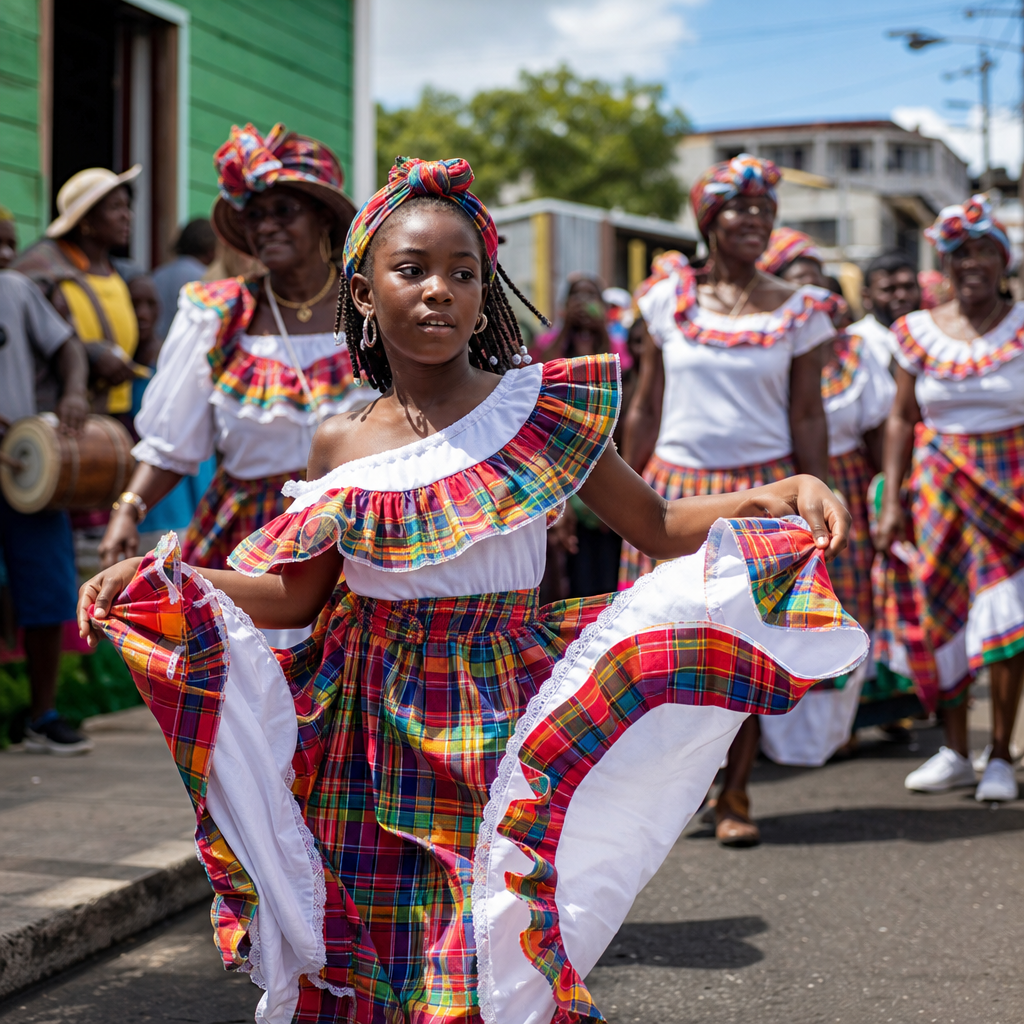
Preserving Saint Kitts’ cultural heritage for future generations is not a niche concern for museums or historians; it is a practical national priority that affects identity, education, tourism, land use, and social cohesion. In Saint Kitts, cultural heritage includes both tangible assets such as historic buildings, churches, estate ruins, archaeological sites, documents, landscapes, and museum collections, and intangible heritage such as storytelling, masquerade traditions, carnival arts, cuisine, music, crafts, place names, dialect, and community memory. When these elements are protected together, they give citizens a usable record of who they are and help visitors understand the island beyond beaches and cruise itineraries. When they are neglected, communities lose context, younger generations inherit fragments instead of living traditions, and development decisions become detached from history.
I have worked on heritage content and destination research long enough to see the same pattern across Caribbean islands: preservation succeeds when it is treated as an everyday system rather than a one-time restoration project. Saint Kitts offers a strong example because its heritage is layered and unusually visible. The island carries Kalinago presence, French and British colonial competition, plantation economies, African resilience and creativity, Christian institutions, emancipation-era transformations, labor movements, migration histories, and modern nation-building. Brimstone Hill Fortress National Park is the most internationally recognized site, but it should never be mistaken for the whole story. Village churches, family recipes, oral histories of sugar workers, cane train memories, Carnival performance practices, and the architecture of Basseterre are equally important threads in the cultural fabric.
This matters now because the risks are accelerating. Hurricanes, coastal erosion, humidity, termites, flooding, poor records management, underfunded maintenance, and pressure for new construction all threaten historic assets. Intangible heritage faces different but equally serious pressures: aging knowledge bearers, declining intergenerational transmission, imported media habits, and commercialization that strips practices of context. At the same time, there is a major opportunity. Well-managed heritage supports schools, strengthens civic pride, creates specialized tourism demand, and gives policymakers better tools for conservation zoning and community development. A hub page on miscellaneous cultural heritage must therefore do more than list attractions. It should explain the full preservation landscape, connect major themes, and help readers navigate the many ways Saint Kitts can safeguard its past while still planning for the future.
What Cultural Heritage Means in Saint Kitts
In practical terms, cultural heritage in Saint Kitts is the complete record of how people shaped the island and how the island shaped them. Tangible heritage includes forts, great houses, sugar estate remains, public buildings, cemeteries, archival records, archaeological artifacts, and historic streetscapes in places such as Basseterre, Sandy Point, Old Road, and Cayon. Natural settings can also carry cultural value when they are tied to memory and historic use, including former plantation landscapes, road alignments, and coastal landing points. Intangible heritage sits beside these places: Big Drum and string band influences, Christmas Sports, masquerade troupes, funeral customs, medicinal plant knowledge, boat-building skills, and speech patterns that encode local history.
One of the most common public misunderstandings is the idea that heritage only refers to old, monumental, or elite structures. That definition is too narrow for Saint Kitts. A modest village shopfront, a family-owned rum recipe, or a remembered route used by cane workers may reveal more about social history than an impressive building with little community meaning. UNESCO and ICOMOS practice has long emphasized this broader understanding, and local preservation efforts are strongest when they adopt it. The best results come from combining documentation, conservation planning, community consultation, and active use. A restored site that local people never enter is less resilient than a modest place with strong public ownership and regular educational programming.
Why Preservation Matters for Identity, Education, and the Economy
Heritage preservation delivers three immediate benefits. First, it supports identity. In a small island state, the sense of belonging attached to named places, ancestral occupations, and shared ceremonies is unusually strong. Students who learn about estate labor, emancipation, migration, and nationhood through local sites understand history as lived reality rather than abstract textbook chronology. Second, preservation improves education by giving teachers primary material close at hand. A church register, cemetery inscription, pottery shard, folk song, or old railway photograph can open discussions on slavery, trade, religion, ecology, engineering, and language change. Third, preservation supports economic diversification. Cultural travelers stay longer, spend more per day, and seek guided experiences, craft purchases, culinary interpretation, and museum visits.
Saint Kitts has already seen how flagship sites can shape reputation. Brimstone Hill Fortress National Park anchors international recognition, but the wider economic opportunity comes from distributing visitor attention across communities. Heritage trails, neighborhood walking tours in Basseterre, culinary storytelling linked to local agriculture, and interpretation of former sugar infrastructure can spread revenue while reducing pressure on a single landmark. The key is authenticity. Travelers quickly detect generic presentations. They respond better to trained local guides, accurate dates, named historical figures, and clear explanation of why a site mattered. In my experience, destinations gain the strongest long-term value when preservation is tied to jobs in conservation trades, archival work, guiding, performance, and small-scale cultural enterprise rather than souvenir retail alone.
Key Threats Facing Saint Kitts’ Cultural Heritage
The island’s heritage is vulnerable because threats arrive from both nature and policy. Climate is relentless. Salt-laden air corrodes metal, wind-driven rain penetrates masonry, tropical humidity accelerates mold and paper decay, and intense storms expose weaknesses in roofs, shutters, drainage, and foundations. Coastal sites face sea surge and erosion, while hillside ruins can suffer vegetation growth and slope instability. Historic buildings are especially at risk when maintenance is deferred; water intrusion turns minor defects into structural failures with surprising speed. Collections and archives face separate hazards, including poor storage, heat, pests, and accidental loss during office moves or building repairs.
Development pressure creates another category of risk. Without strong inventories and planning controls, old structures are demolished before their value is documented. Infrastructural upgrades can erase archaeological evidence, and well-intentioned renovations sometimes destroy significance through incompatible materials, sealed walls, cement renders, or replacement windows that alter character and trap moisture. Intangible heritage can also be weakened by superficial staging. When festivals are reduced to performance without transmission, costume-making, music knowledge, or ritual meaning, the visible event survives while the cultural system behind it fades. Preservation requires institutions, but it also requires habits: recording oral histories now, cataloging family photographs, teaching craft methods, and treating local knowledge as evidence rather than nostalgia.
Priority Sites, Traditions, and Records That Need Ongoing Care
Saint Kitts should think in terms of a heritage portfolio rather than a single list of monuments. The priority categories below represent the areas where preservation can produce immediate public value and where loss would be hardest to reverse.
| Heritage category | Why it matters | Practical preservation action |
|---|---|---|
| Historic forts and military sites | Explain colonial rivalry, defense strategy, and labor history | Condition surveys, masonry repairs, drainage control, guided interpretation |
| Plantation landscapes and sugar infrastructure | Connect slavery, emancipation, labor, and economic change | Map ruins, record machinery remains, stabilize walls, create community trails |
| Basseterre streetscapes and civic buildings | Show urban development, trade, governance, and everyday life | Conservation area rules, façade maintenance, signage standards, archival research |
| Churches, cemeteries, and registers | Preserve genealogy, demography, and local memory | Digitize records, clean markers carefully, improve drainage, train custodians |
| Carnival, masquerade, music, and oral traditions | Carry living identity, performance knowledge, and community continuity | Record interviews, support apprenticeships, document costume and repertoire |
| Family archives, photographs, and personal papers | Fill gaps left by official records and enrich social history | Scanning days, metadata templates, safe storage guidance, local repositories |
These categories work best when connected. For example, a sugar estate ruin becomes more meaningful when paired with oral testimony from former workers’ families, maps from land records, and school visits that explain how the industry shaped migration and settlement. Likewise, a carnival costume is not merely an object; it belongs to a chain of music, choreography, craftsmanship, and memory. Preservation plans should therefore mix site conservation with recording projects, exhibitions, and public interpretation. If policymakers focus only on buildings, they will miss the human knowledge that gives those places meaning.
How Communities, Schools, and Institutions Can Work Together
Successful heritage preservation in Saint Kitts depends on cooperation across government agencies, schools, churches, NGOs, tourism bodies, archivists, local historians, and families. No single institution can inventory every site, conserve every record, and transmit every tradition. The most effective model is shared stewardship. Government can establish legal protection, planning controls, and grants. Schools can integrate local case studies into history, geography, literature, and art. Churches and community groups can safeguard registers, memorials, and oral memory. Tourism authorities can support training standards so that interpretation remains accurate. Families can contribute photographs, letters, recipes, and testimony that formal archives often lack.
I have seen small, practical collaborations achieve more than expensive master plans that never leave the page. A school oral-history project can capture elder testimony before it disappears. A parish can digitize baptism and burial records using affordable scanners and clear file naming. A local guide association can standardize historical timelines and terminology to reduce myths repeated to visitors. Universities and regional partners can help with conservation assessments, GIS mapping, and collections management. The point is not to centralize everything; it is to create standards, backup systems, and public pathways so information remains usable. Every community in Saint Kitts holds part of the national archive, whether or not it looks like an archive at first glance.
Digital Preservation, Documentation, and Smarter Access
Digital preservation is often presented as a complete solution, but in reality it is a powerful support system for physical conservation and public access. Scanning documents does not eliminate the need to store originals properly, yet it dramatically reduces handling and allows researchers, teachers, and descendants to find information without damaging fragile materials. For Saint Kitts, the priority should be systematic documentation: high-resolution photography of buildings and objects, standardized metadata, geotagged site inventories, audio recording of oral histories, and cloud-backed copies stored in more than one location. The rule archivists follow is simple and sound: lots of copies, in multiple formats, with clear provenance.
Good digital practice also improves discoverability. A family photograph labeled “old house” has limited value; the same image tagged with parish, approximate date, family name, building type, and source becomes research material. Collections management tools such as Omeka, PastPerfect, or even carefully structured spreadsheets can support small institutions if staff are trained consistently. Public access matters too. Heritage gains supporters when people can actually use it. Online exhibits, school resource packs, map-based story collections, and searchable registers all turn preservation into a living civic asset. The caution is that digitization needs policy. Without file standards, rights management, and maintenance funding, digital collections become another endangered archive.
Building a Long-Term Preservation Strategy for Future Generations
Preserving Saint Kitts’ cultural heritage for future generations requires a long horizon and disciplined execution. The first step is to know what exists. That means island-wide inventories of historic buildings, ruins, collections, archives, performance traditions, and knowledge holders, updated regularly and linked to planning decisions. The second step is prioritization. Not every asset can receive the same level of investment, so criteria should include historical significance, rarity, community value, physical risk, and educational potential. The third step is sustained use. Heritage survives best when people encounter it in school curricula, public events, research, worship, tourism, and everyday local pride rather than only on commemorative dates.
The lasting benefit is not simply saving old things. It is giving future Kittitians a coherent inheritance: places they can recognize, stories they can verify, and traditions they can continue with understanding. Saint Kitts already has the raw material for this work in its landscapes, archives, neighborhoods, and living culture. What it needs is consistent stewardship, better documentation, and wider public participation. If you manage a site, teach a class, keep family records, guide visitors, or care about your village’s history, start with one practical action this month: record an elder’s story, label photographs, support a local heritage group, or advocate for the protection of a threatened place. Preservation becomes durable when many people do small, serious things well.
Frequently Asked Questions
Why is preserving Saint Kitts’ cultural heritage so important for future generations?
Preserving Saint Kitts’ cultural heritage matters because it protects the story of who the nation is, how its communities developed, and what values have shaped public life across generations. Heritage is not limited to old buildings or museum artifacts. It also includes language, oral history, music, carnival arts, masquerade traditions, culinary practices, religious customs, agricultural knowledge, and community rituals that continue to influence daily life. When these elements are protected, younger generations gain a stronger sense of identity and belonging, and they are better able to understand the historical experiences that shaped the island, from Indigenous presence and colonial encounters to emancipation, labor, migration, and nation-building.
There are also practical reasons heritage preservation must be treated as a national priority. Historic sites, landscapes, and traditional cultural expressions contribute to education, tourism, economic development, and community pride. Schools can use local heritage to make learning more meaningful and relevant. Visitors are often drawn to destinations with authentic cultural character, not just beaches or resorts. Well-preserved heritage districts, estate ruins, churches, archives, and festivals can support jobs in guiding, conservation, crafts, hospitality, and creative industries. Just as importantly, preservation helps communities maintain continuity during periods of rapid change, urban development, and globalization. Without active preservation, important places may be demolished, archival records may deteriorate, and traditional knowledge may disappear as elders pass on. In that sense, preserving cultural heritage is an investment in memory, resilience, and national confidence.
What counts as cultural heritage in Saint Kitts?
Cultural heritage in Saint Kitts includes both tangible and intangible forms, and understanding that distinction is essential. Tangible heritage refers to physical places and objects that carry historical, cultural, architectural, archaeological, or social significance. This can include historic churches, sugar estate ruins, plantation houses, public buildings, forts, cemeteries, museums, monuments, old roads, stone walls, archival documents, photographs, maps, artifacts, and culturally important landscapes. Archaeological sites also fall into this category, especially those that reveal information about Indigenous communities, colonial settlement, labor systems, and everyday life in earlier periods. Even places that may seem ordinary at first glance can be significant if they connect to shared memory, local traditions, or key historical events.
Intangible heritage is equally important, and in many cases more vulnerable because it lives in people rather than in structures. In Saint Kitts, this includes storytelling, music, dance, carnival arts, masquerade performances, folk beliefs, dialects, culinary traditions, seasonal celebrations, craft techniques, oral histories, and community knowledge passed down through families and neighborhoods. Intangible heritage also includes the meanings associated with places, such as the stories elders tell about a village, an estate, a churchyard, or a public gathering space. A complete preservation strategy must treat both forms of heritage as interconnected. A building without its stories loses depth, and a tradition without spaces, archives, or community support becomes harder to sustain. Protecting Saint Kitts’ heritage therefore means caring for both the physical record of the past and the living practices that give that record meaning.
What are the biggest threats to Saint Kitts’ cultural heritage today?
Saint Kitts faces a range of threats that affect both its physical heritage and its living traditions. One major challenge is unplanned or poorly managed development. Historic buildings and culturally significant landscapes can be altered or demolished when there is inadequate heritage review, weak enforcement, or limited awareness of what should be protected. Estate ruins, old village structures, and archaeological areas are especially vulnerable when land is cleared for construction, infrastructure, or commercial use without proper documentation or conservation planning. Natural hazards also pose serious risks. Hurricanes, heavy rainfall, coastal erosion, humidity, salt exposure, and vegetation growth can gradually damage masonry, wood, paper records, and buried archaeological remains.
At the same time, intangible heritage faces a different but equally serious set of pressures. As lifestyles change and younger generations spend less time in traditional community settings, practices such as oral storytelling, folk performance, craft knowledge, and inherited recipes may be passed on less frequently. Global media and imported cultural influences are not inherently negative, but they can overshadow local expressions if there is little support for cultural education and intergenerational exchange. Another threat is the loss of documentation. If oral histories are not recorded, if family photographs are discarded, or if community records remain scattered and unpreserved, valuable knowledge can disappear permanently. Funding constraints, limited conservation expertise, and gaps in public policy can make all of these problems harder to address. That is why preservation requires coordinated action from government, schools, cultural institutions, local communities, and private property owners rather than isolated efforts by a few dedicated individuals.
How can local communities and families help preserve Saint Kitts’ heritage?
Local communities and families are central to heritage preservation because much of Saint Kitts’ cultural memory lives outside formal institutions. One of the most effective things families can do is document what they already know and possess. That includes recording interviews with elders, writing down family histories, identifying people in old photographs, preserving letters and certificates, and noting the stories connected to homes, villages, churches, occupations, and community events. Families can also keep traditional practices alive by cooking local dishes, teaching songs and dances, participating in masquerade and carnival arts, and making sure children understand the meaning behind customs rather than seeing them only as performances or entertainment.
Communities can support preservation by organizing heritage walks, oral history projects, village exhibitions, school partnerships, clean-up campaigns around historic sites, and local archives or digital collections. Residents are often the first to notice when an old building is at risk, when a cemetery is neglected, or when a culturally important landscape is being altered. Their knowledge can help identify places and traditions that official records may overlook. Community groups, churches, youth clubs, and cultural associations can also advocate for stronger legal protection, better signage, and responsible restoration of important sites. Even small actions matter. Labeling family photographs, sharing memories with younger relatives, attending heritage events, and supporting local artists, craftspeople, and performers all contribute to cultural continuity. Preservation succeeds best when people see heritage not as something distant or owned only by experts, but as part of everyday life and shared responsibility.
What should Saint Kitts do to preserve cultural heritage more effectively in the long term?
Long-term preservation in Saint Kitts requires a balanced approach that combines policy, education, funding, technical expertise, and public participation. First, there needs to be clear identification of what is culturally significant. That means conducting inventories of historic buildings, archaeological sites, archival collections, cultural landscapes, and intangible traditions, and updating those records regularly. Once identified, important sites and practices need practical protection through heritage laws, planning regulations, conservation guidelines, and development review processes. Preservation should be built into land-use planning rather than treated as an afterthought. If decision-makers consider cultural value early, the country can reduce avoidable damage while still pursuing growth and modernization.
Education is equally important. Heritage should be integrated into school curricula in ways that connect students to local places, traditions, and histories. Museums, archives, libraries, and community organizations can expand public programs, digital access, and outreach so that heritage knowledge is shared widely, not concentrated in a few specialized institutions. Training is another key need. Conservators, archivists, heritage planners, craftspeople, teachers, and tour guides all play important roles, and building local capacity makes preservation more sustainable. Financial support also matters, whether through public grants, private sponsorship, tax incentives, international partnerships, or community fundraising. Finally, long-term success depends on treating heritage as a living national asset. Preservation is not about freezing Saint Kitts in time. It is about protecting meaningful places, records, and traditions while allowing communities to interpret, use, and pass them on in relevant ways. When preservation is thoughtful, inclusive, and future-focused, it strengthens cultural identity, supports the economy, and ensures that the island’s history remains visible and valued for generations to come.