Promoting biodiversity through tourism is not a slogan on Nevis; it is a practical strategy that protects habitats, strengthens local livelihoods, and gives visitors a deeper reason to choose the island over more crowded Caribbean destinations. In the context of Nevis’ eco-tourism attractions, biodiversity means the full variety of life across coastal reefs, mangrove systems, dry forests, cloud forest slopes, wetlands, pollinators, birds, marine species, and the human stewardship practices that keep those systems functioning. Eco-tourism, properly defined, is low-impact travel that supports conservation, respects culture, and creates measurable local benefit. I have worked on sustainable destination content and conservation-led visitor experiences long enough to know that the difference between genuine eco-tourism and green branding is operational: guide training, carrying-capacity limits, habitat restoration, waste control, and partnerships with farmers, fishers, and protected-area managers. Nevis matters because it still offers a rare combination of compact geography, high ecological diversity, and a tourism economy that can pivot toward quality rather than volume. For travelers, planners, and businesses, understanding Nevis as an eco-tourism hub means seeing each attraction not as an isolated stop, but as part of a living island system.
That systems view is especially important on a small island. Nevis rises from coral-fringed shores to the forested cone of Nevis Peak, creating steep ecological gradients within a short distance. In one day, a visitor can move from seagrass beds used by juvenile fish to coastal wetlands frequented by birds, then into higher-elevation rainforest where moisture, temperature, and species composition change dramatically. These linked environments support biodiversity directly, while also providing ecosystem services that tourism depends on: beaches buffered by reefs, cleaner water filtered by vegetation, cooler microclimates under forest canopy, and scenic value that underpins the destination brand. Miscellaneous eco-tourism attractions on Nevis therefore include more than headline beach spots or a single hiking trail. They include botanical gardens, heritage estates with conservation value, artisanal farms, turtle-friendly shorelines, birdwatching routes, reef excursions, community events, and educational tours that connect nature to local history. As a hub topic within sustainable tourism, this article maps those experiences comprehensively, explains why they matter, and shows how biodiversity promotion can be built into every visitor choice on the island.
Why Nevis Is Well Suited to Biodiversity-Focused Tourism
Nevis is well suited to biodiversity-focused tourism because its scale makes ecological relationships visible and manageable. The island is only about thirty-six square miles, yet it contains coastal, marine, agricultural, and montane habitats in close proximity. That concentration allows guides and visitors to interpret ecosystems as connected rather than separate. A reef snorkeling trip can be discussed alongside upland runoff, mangrove nursery habitat, and sustainable seafood. A mountain hike can be tied to watershed protection, invasive species pressure, and erosion control downstream. On larger destinations, those links are often too diffuse for visitors to perceive clearly. On Nevis, they are immediate.
The island also benefits from a tourism profile that can support low-density experiences. Nevis is not built around mass cruise throughput or high-volume entertainment corridors. That matters for conservation because biodiversity tourism works best where visitation can be dispersed across trails, beaches, gardens, and community sites instead of concentrated into a few overloaded hotspots. In practice, that means smaller guided groups, more room for interpretation, and less stress on wildlife. It also makes it easier for operators to implement standards such as reef-safe behavior briefings, no-feed wildlife policies, and leave-no-trace hiking practices without fighting against a mass-market pace.
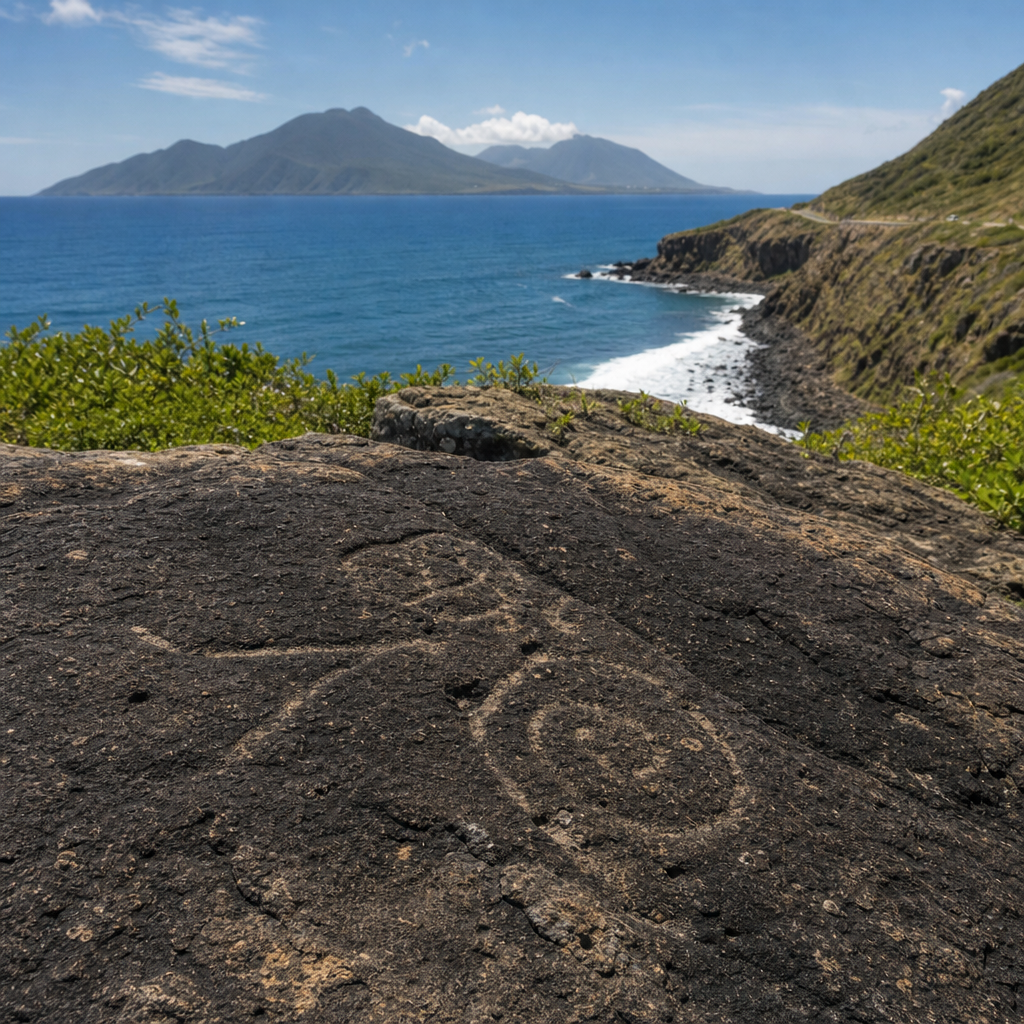
Another strength is the overlap between natural and cultural heritage. Historic sugar estates, village landscapes, medicinal plant knowledge, and small-scale agriculture all shape the visitor experience on Nevis. Eco-tourism here is not limited to untouched nature; it includes working landscapes where people and biodiversity coexist. That is a more realistic and resilient model for Caribbean sustainability. Protected areas are essential, but so are buffer zones, farm edges, gardens, and restored coastal parcels that support birds, bats, reptiles, pollinators, and native vegetation. When tourism revenue recognizes those mixed-use spaces as attractions, biodiversity gains a broader constituency.
Mountain, Forest, and Trail Experiences
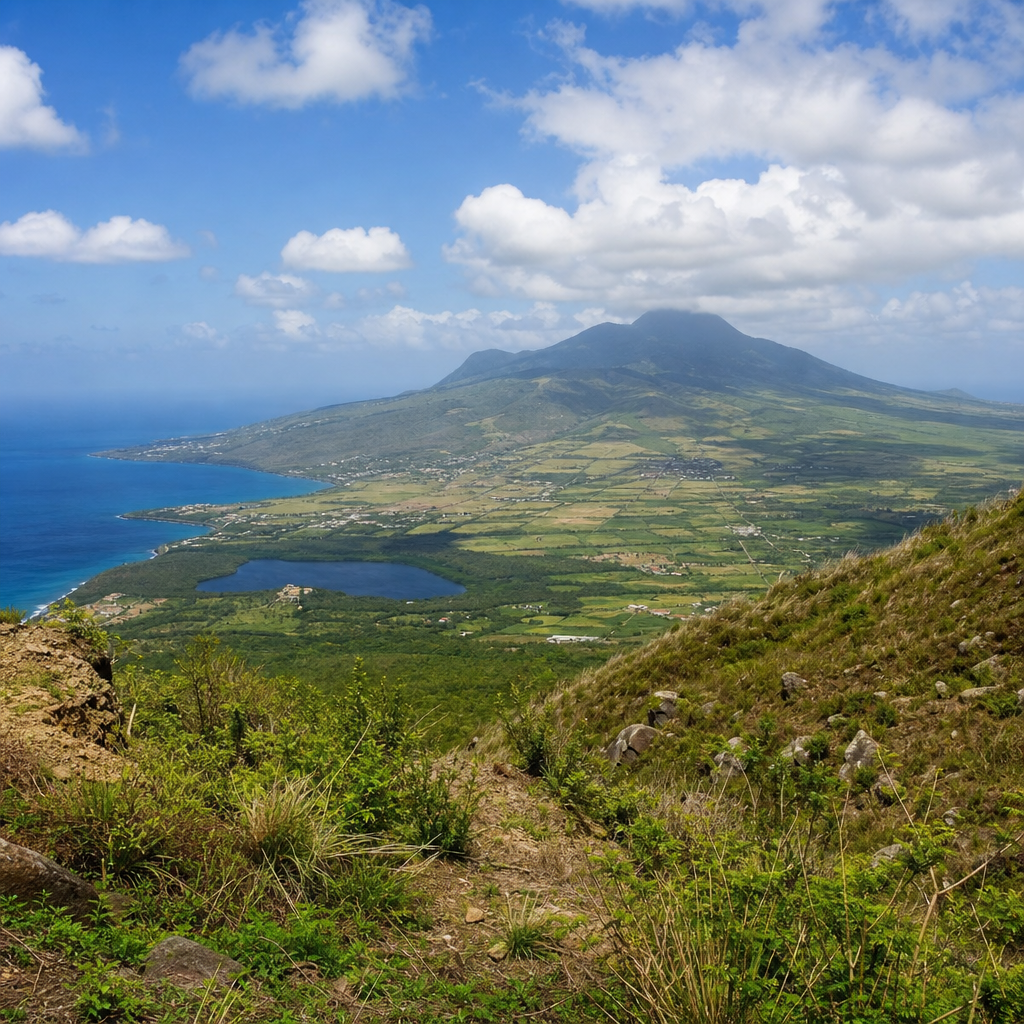
The defining inland eco-tourism attraction on Nevis is the Nevis Peak environment. Hiking the peak or lower forest trails exposes visitors to one of the island’s most important biodiversity assets: upland forest that regulates water, stabilizes soils, and supports native and migratory species. Trail conditions can be steep, muddy, and physically demanding, which is exactly why guided access matters. A qualified guide does more than navigate. They identify tree ferns, explain the role of canopy cover in moisture retention, point out signs of land crab movement or bird activity, and keep hikers on established routes to limit trampling and erosion.
From a biodiversity standpoint, mountain tourism works when interpretation is as strong as the scenery. Visitors should understand that montane vegetation intercepts rainfall, reducing flash runoff and helping maintain downstream water quality. That connection influences coral health and nearshore fisheries, so the forest is not only a hiking backdrop. It is infrastructure. I have seen destinations miss this opportunity by treating trail walks as pure adventure. Nevis can stand out by making every forest excursion educational: discussing endemic vulnerability on islands, the threat from invasive plants, and why trail maintenance is conservation work, not just visitor service.
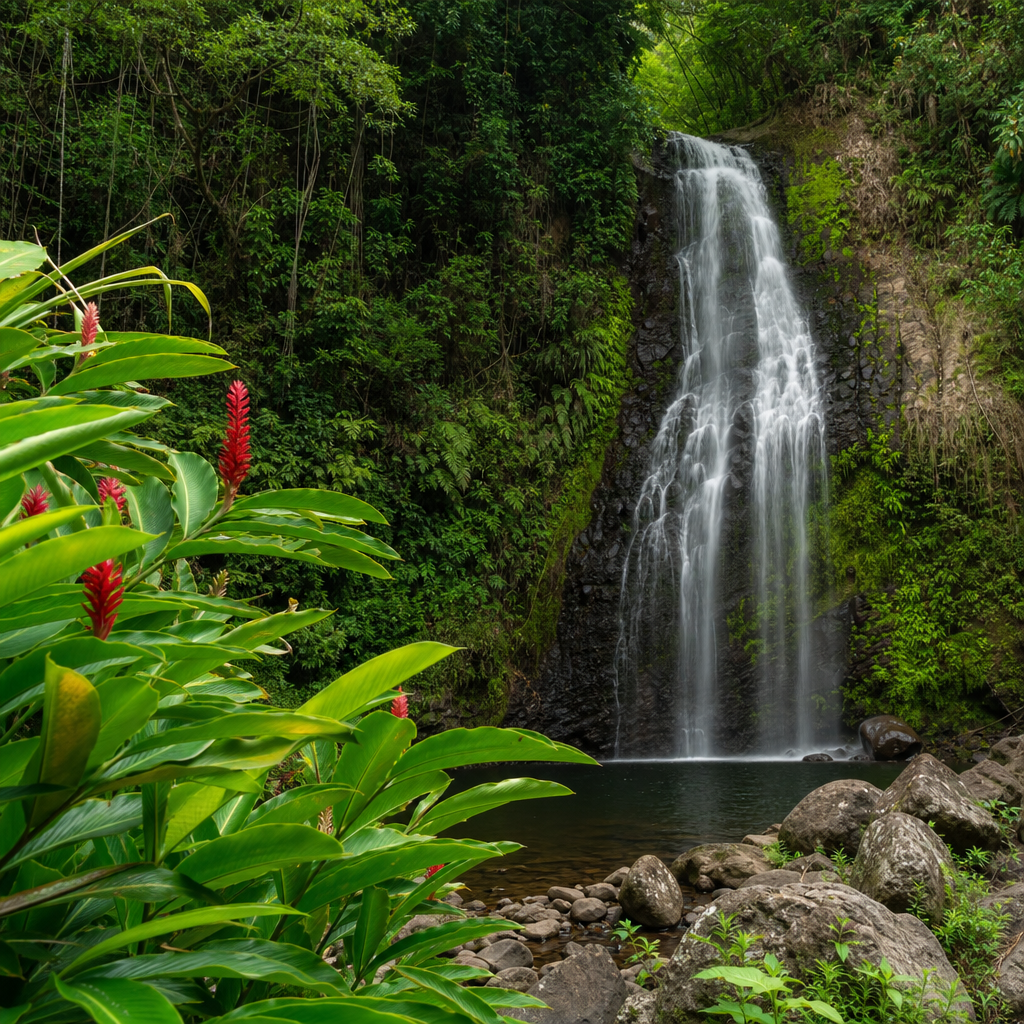
Secondary walks and nature routes also matter. Not every eco-tourist is ready for a peak ascent, especially families, older travelers, or visitors arriving for a short stay. Lower-elevation interpretive walks through estate grounds, village edges, and lighter forest can broaden access while reducing pressure on sensitive routes. These experiences are ideal for linking biodiversity with local livelihoods. Guides can discuss fruit trees, traditional crops, watershed gullies, and pollinator habitats in plain terms. That practical framing helps visitors see conservation as an everyday management issue rather than a remote scientific concept.
Marine Biodiversity, Reefs, and Coastal Waters
Nevis’ marine environment is central to any serious discussion of eco-tourism attractions. Coral reefs, seagrass beds, and sandy-bottom habitats support fish, invertebrates, turtles, and the scenic clarity that makes snorkeling and boat excursions marketable. Healthy marine systems are also the island’s first line of coastal defense, reducing wave energy and helping protect beaches from erosion. For that reason, reef-based tourism should always be framed as both recreation and conservation education. Operators who brief guests on buoyancy control, no-touch rules, and sunscreen impacts are not adding extras; they are protecting the product itself.
Snorkeling tours around calm coastal areas can reveal juvenile fish sheltering in seagrass, sea urchins grazing algae, and hard corals competing for light and space. Those simple observations open the door to larger explanations: why nutrient runoff can trigger algal overgrowth, how anchor damage breaks coral structure, and why warming seas create bleaching risk. The strongest eco-tourism operators connect what visitors see underwater to choices made on land, including wastewater management, hillside development, and stormwater control. That systems interpretation is what elevates a pleasant excursion into a meaningful biodiversity experience.
Kayaking and small-boat wildlife viewing can also support low-impact marine tourism when routes avoid sensitive nesting areas and shallow habitat scarring. Quiet, non-motorized access lets visitors observe shoreline ecology at a slower pace, including seabirds, coastal vegetation, and the transition zones between beach and reef. For photographers and families, these are often more accessible than diving. They also distribute tourism value beyond a single flagship activity. In biodiversity terms, diversified marine experiences are useful because they reduce overreliance on a few sites and encourage broader appreciation of coastal ecosystems.
Wetlands, Birds, and Quiet Observation Tourism
Wetlands are frequently overlooked in Caribbean tourism marketing, yet they are among the most productive habitats on Nevis. Ponds, seasonal wetlands, mangrove-associated areas, and salt-influenced coastal zones provide feeding and resting space for resident and migratory birds. For eco-tourism, these quieter landscapes offer a different kind of attraction: observation rather than adrenaline. Birdwatching, dawn walks, and guided photography outings are low-impact products that appeal to high-value travelers who tend to stay longer, hire local experts, and spend on specialized experiences.
Bird-focused tourism has practical conservation advantages. It creates economic reason to maintain vegetation buffers, reduce disturbance, and monitor seasonal wildlife use. Guides can help visitors identify shorebirds, herons, egrets, and other species while explaining migration timing, habitat needs, and the importance of water levels. Even where species lists change through the year, that variability is an asset because it encourages repeat visitation. Good interpretation turns uncertainty into discovery, which is the essence of nature tourism.
| Eco-tourism attraction type | Biodiversity value | Visitor benefit | Best management focus |
|---|---|---|---|
| Mountain hiking | Watershed protection, forest habitat, native flora | Scenic immersion, physical challenge, learning | Trail maintenance, guide standards, erosion control |
| Reef snorkeling | Coral, fish nurseries, seagrass links | Accessible marine wildlife viewing | Moorings, no-touch rules, runoff reduction |
| Wetland birding | Migratory stopovers, feeding habitat | Quiet observation, photography | Buffer zones, seasonal monitoring, low disturbance |
| Botanical and farm tours | Pollinators, crop diversity, habitat mosaics | Cultural context, food connection | Native planting, pesticide reduction, interpretation |
The broader point is that quiet observation tourism is not secondary to beaches and hikes; it is one of the most scalable forms of sustainable travel on a small island. It requires modest infrastructure, supports specialist guiding, and encourages respectful pacing. On Nevis, where biodiversity promotion depends on balancing access with protection, that is a major advantage.
Gardens, Farms, and Heritage Landscapes as Living Habitats
Some of Nevis’ most effective biodiversity attractions are semi-managed landscapes rather than wild sites. Botanical gardens, heritage properties with mature trees, and small farms can function as habitat corridors for birds, bats, butterflies, bees, and beneficial insects. They also make conservation tangible. Visitors can see native and introduced species side by side, learn which plants support pollinators, and understand how soil health, composting, and water management influence broader ecosystems. This is particularly useful for travelers who want to connect sustainability with food, wellness, and culture.
Farm visits are especially valuable because they bring biodiversity into the local economy. Agroecology, mixed cropping, shade trees, reduced chemical use, and rainwater harvesting are not abstract ideas when a grower can show how they affect yields, pests, and resilience in dry periods. On islands, agricultural land often sits between settlements and natural habitat, so how farms are managed has direct implications for runoff, invasive spread, and pollinator health. Tourism that rewards biodiversity-friendly farming helps keep that land productive and ecologically functional instead of pushing it toward neglect or insensitive development.
Heritage estates can also anchor eco-tourism if interpretation goes beyond architecture. Old sugar landscapes tell a story of environmental change, labor history, and land-use transition. They are ideal places to discuss reforestation, the return of wildlife to less intensively managed areas, and how modern hospitality can restore gardens with native species. In my experience, visitors remember biodiversity lessons better when they are linked to place-based stories, not just species lists. Nevis has the setting to do this exceptionally well.
How Travelers Can Support Biodiversity on Nevis
Visitors directly influence biodiversity outcomes through everyday decisions. Choosing locally owned guides keeps more revenue on the island and usually improves ecological interpretation. Booking small-group tours reduces disturbance. Using refillable bottles lowers waste pressure, which matters on islands with finite disposal capacity. On beaches and reefs, the basic rules are non-negotiable: do not touch coral, do not stand on reef structures, do not feed wildlife, and keep distance from nesting or resting animals. Responsible operators explain these points before the tour starts.
Accommodation choices matter as well. Properties that manage wastewater carefully, reduce single-use plastics, install efficient fixtures, and landscape with native or climate-appropriate plants create less ecological strain. Travelers should also ask practical questions: Does the hotel support local conservation groups? Are excursions led by trained naturalists? Is seafood sourced with attention to seasonality and species pressure? These are better indicators than generic green claims. On Nevis, where the tourism sector is visible and relatively intimate, operators who do the work can usually explain their methods clearly.
The long-term opportunity is for travelers to treat Nevis not as a checklist island but as a learning destination. Spend time in more than one habitat. Pair a reef trip with a forest walk, a garden visit, or a birding morning. Buy local products tied to sustainable land use. Share accurate information after the trip. Biodiversity promotion succeeds when visitor demand favors businesses that protect the island’s natural systems. If you are planning sustainable travel in the Caribbean, make Nevis a place where your itinerary actively supports conservation, not just scenery.
Nevis’ eco-tourism attractions demonstrate that biodiversity protection and visitor appeal are strongest when they are designed together. The island’s forests, reefs, wetlands, gardens, farms, and heritage landscapes each offer distinct experiences, but their real value lies in how they connect. Healthy uplands support cleaner coastal water. Productive wetlands strengthen birdlife and enrich guided observation. Biodiversity-friendly farms and botanical spaces extend habitat into everyday landscapes. For tourism businesses, this creates a more resilient destination identity. For travelers, it turns a simple holiday into a richer, more informed encounter with place.
As a hub within sustainable tourism, the miscellaneous attractions covered here show why Nevis deserves attention beyond its beaches and luxury reputation. Its strongest eco-tourism future will come from careful guiding, habitat-sensitive planning, and visitor choices that reward genuine stewardship. Explore the island with curiosity, ask operators how they protect nature, and choose experiences that leave Nevis more biodiverse than you found it.
Frequently Asked Questions
What makes Nevis a strong eco-tourism destination for promoting biodiversity?
Nevis stands out as an eco-tourism destination because its natural environments are closely connected, relatively accessible, and deeply tied to local life. Visitors can experience coral reefs, seagrass beds, mangroves, wetlands, coastal areas, dry forest, and the cooler cloud forest slopes around Nevis Peak within a compact island setting. That variety matters because biodiversity is not limited to a single beach or hiking trail; it depends on how all of these habitats support one another. Mangroves help protect shorelines and provide nursery areas for marine life, reefs support fish populations and coastal resilience, forests create habitat for birds and pollinators, and wetlands sustain species that rely on fresh or brackish water.
What also makes Nevis especially compelling is that biodiversity here is tied to stewardship rather than mass development. Eco-tourism on the island can encourage guided hikes, birdwatching, marine tours, heritage landscapes, and low-impact nature experiences that generate income without requiring the kind of large-scale infrastructure that often damages sensitive ecosystems. For travelers, this creates a more meaningful visit. Instead of simply consuming scenery, they are invited to understand how habitats function, why conservation matters, and how local communities benefit when natural systems remain healthy. In practical terms, that gives Nevis a competitive advantage over busier Caribbean destinations: it offers a quieter, more authentic experience rooted in nature, culture, and long-term environmental care.
Which habitats and wildlife can visitors expect to encounter through Nevis’ eco-tourism attractions?
Visitors to Nevis can encounter an impressive range of habitats for a small island, and that diversity is one of its greatest eco-tourism strengths. Along the coast, coral reefs and seagrass areas support fish, crustaceans, and other marine species while creating opportunities for snorkeling, diving, and guided educational boat trips. Mangrove systems are another key habitat because they serve as nurseries for juvenile marine life and provide shelter for birds and other organisms. Wetland areas can attract birdlife and help visitors appreciate how freshwater and coastal ecosystems overlap in ways that are essential for ecological balance.
Moving inland, the island’s dry forests and hillside vegetation offer habitat for reptiles, insects, and resident and migratory birds. Higher elevations on the slopes of Nevis Peak bring cooler, moister conditions that support cloud forest ecosystems, where plant life changes noticeably and the atmosphere feels entirely different from the coast. Pollinators such as bees, butterflies, and other insects are also an important part of the biodiversity story, even if they are less dramatic than reef fish or forest birds. They help sustain flowering plants, agricultural landscapes, and wild habitats alike.
For many travelers, the appeal lies not only in spotting individual species but in seeing how many forms of life are interconnected. A nature walk may reveal native trees, flowering plants, birdsong, and insect activity, while a coastal excursion may show how healthy nearshore habitats influence fisheries and shoreline protection. The most rewarding eco-tourism experiences on Nevis are often the ones that help visitors understand these relationships rather than simply checking wildlife off a list.
How does eco-tourism on Nevis support local communities as well as conservation?
When eco-tourism is managed well, it creates a direct link between healthy ecosystems and local economic opportunity. On Nevis, that can mean jobs and income for guides, boat operators, small lodging providers, farmers, craft producers, transport services, and food businesses that benefit from visitors seeking nature-based experiences. Instead of concentrating tourism value in a narrow resort model, eco-tourism can spread spending across locally owned and community-based enterprises. This makes biodiversity protection more than an environmental ideal; it becomes part of a practical development strategy that rewards preservation over degradation.
There is also a knowledge component that matters. Local guides and residents often hold valuable understanding of seasonal changes, traditional land use, fishing areas, bird activity, medicinal plants, and the historical relationship between people and landscape. Eco-tourism gives space for that knowledge to be shared and valued. In turn, visitors gain a richer experience, one that connects biodiversity with culture, food, heritage, and place. That kind of tourism can strengthen community pride and encourage younger generations to see conservation, land stewardship, and environmental education as worthwhile paths.
Just as importantly, revenue associated with responsible tourism can help justify habitat restoration, trail maintenance, marine protection efforts, and environmental awareness programs. The stronger the connection between visitor spending and local stewardship, the more durable the model becomes. In that sense, Nevis’ biodiversity is not just something tourists observe; it is part of a local system of livelihoods, identity, and resilience.
What are the best low-impact ways for travelers to experience Nevis’ biodiversity responsibly?
The best low-impact approach is to choose activities and operators that prioritize education, small group sizes, and respect for wildlife and habitats. Guided hikes, birdwatching outings, reef-safe snorkeling or diving excursions, and mangrove or coastal tours can all be excellent options when they are led responsibly. Travelers should stay on marked trails, avoid disturbing nesting or feeding wildlife, and resist the urge to remove shells, plants, coral fragments, or other natural materials. In marine environments, maintaining distance from reefs and never standing on coral are essential practices, as even brief contact can cause lasting damage.
Simple choices also make a real difference. Using reef-safe sunscreen, reducing single-use plastic, carrying reusable water bottles, and disposing of waste properly help protect both terrestrial and marine ecosystems. Visitors should support accommodations and businesses that demonstrate environmental responsibility, whether through water conservation, waste reduction, local sourcing, or participation in habitat protection efforts. Hiring knowledgeable local guides is another smart step because it improves the quality of the experience while ensuring tourism dollars remain connected to community expertise.
Perhaps the most important mindset is to approach Nevis as a living ecological system rather than a backdrop. Responsible travelers ask questions, learn about habitat pressures, and understand that even beautiful landscapes can be vulnerable to erosion, pollution, invasive species, and overuse. When visitors engage with the island this way, their trip becomes more rewarding and their presence more beneficial. Eco-tourism works best when enjoyment and care happen together.
Why is biodiversity protection so important to the long-term future of tourism on Nevis?
Biodiversity protection is central to Nevis’ tourism future because the island’s appeal depends heavily on the quality, health, and distinctiveness of its natural environments. If reefs decline, forests are fragmented, wetlands are neglected, or coastal systems are polluted, the visitor experience becomes less compelling and the island loses one of its strongest advantages. Travelers looking for authentic, nature-rich Caribbean destinations increasingly value places that feel intact, uncrowded, and responsibly managed. Protecting biodiversity helps Nevis preserve exactly those qualities.
There is also a resilience argument. Healthy ecosystems provide services that support both residents and tourism infrastructure. Mangroves and reefs can help buffer coastlines, forests influence water systems and reduce erosion, pollinators support plant reproduction and agriculture, and diverse habitats are generally better able to withstand environmental stress. In an era of climate uncertainty, those natural systems are not optional luxuries; they are part of the island’s long-term stability. Tourism that undermines them may create short-term gains but weakens the very foundation it depends on.
From a destination-brand perspective, biodiversity gives Nevis a story that is credible, differentiated, and forward-looking. Rather than competing only on beaches or conventional resort amenities, the island can position itself around conservation, quality of experience, and meaningful connection to nature and community. That is a powerful strategy because it aligns environmental stewardship with economic value. In the long run, protecting biodiversity is not separate from promoting tourism on Nevis; it is one of the clearest ways to ensure tourism remains attractive, sustainable, and genuinely beneficial.