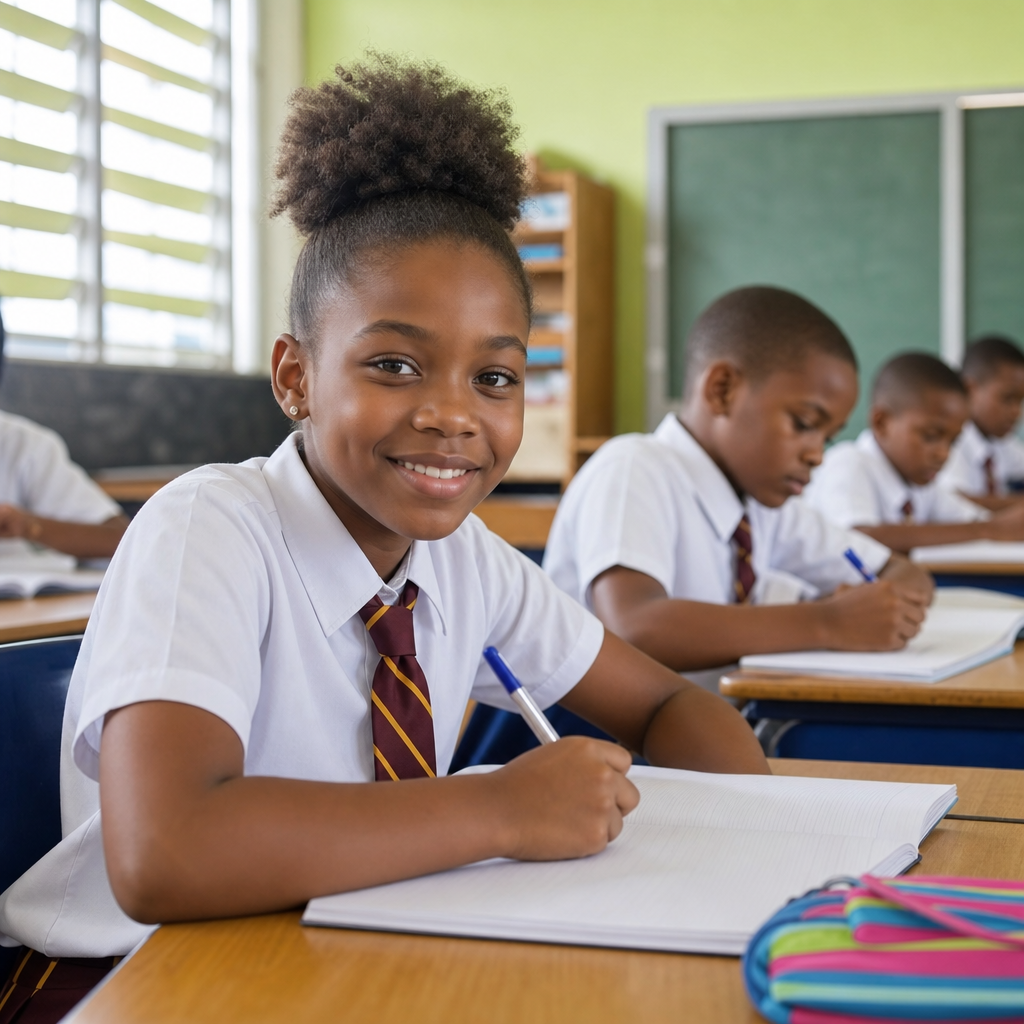
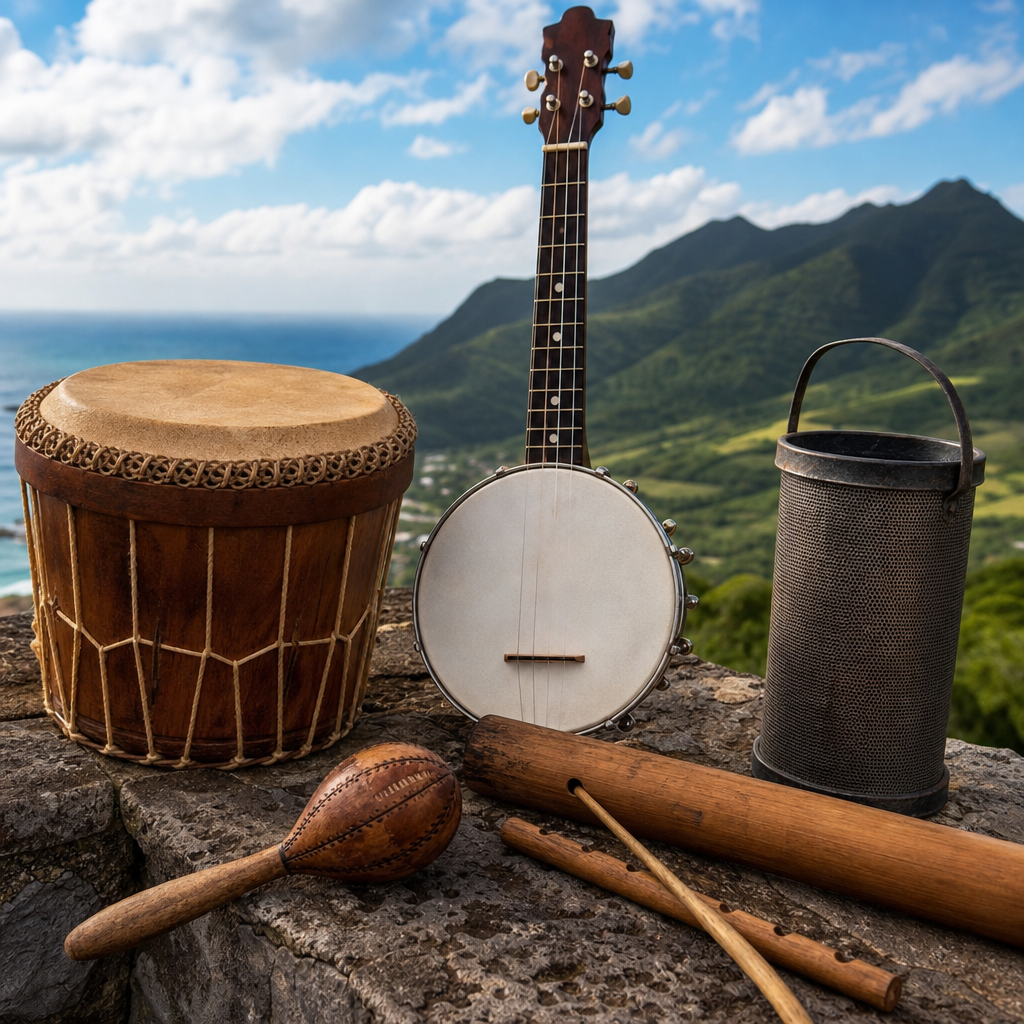
Learning traditional games in Nevis’ schools connects children to culture, community, movement, and memory in ways that textbooks alone cannot. In Nevis, traditional games include ring games, clapping games, chasing games, marble play, spinning tops, skipping routines, and call-and-response activities passed from older generations to younger ones. These games are not simply recess entertainment. They carry language patterns, social rules, rhythm, local history, and problem-solving habits that reflect everyday life on the island. When schools teach them deliberately, they preserve living heritage while supporting physical education, social development, and place-based learning.
I have seen that students usually engage fastest when lessons feel recognizably their own. A child who may not immediately respond to a formal lecture often lights up when a teacher introduces a game a grandparent remembers. That reaction matters. It creates a bridge between school and home, and that bridge is especially important in small island communities where identity can be strengthened or diluted within a generation. Learning traditional games in Nevis’ schools also matters because many forms of play are under pressure from screen time, imported media, shrinking informal play spaces, and packed school schedules.
As a hub within Local Life and Experiences, this topic sits inside a broad Miscellaneous category because it touches culture, education, youth life, tourism interpretation, health, oral tradition, and community events. Parents searching for school enrichment, teachers building lesson plans, researchers documenting Caribbean heritage, and visitors trying to understand Nevisian daily life all arrive at this subject with different questions. The direct answer is simple: traditional games belong in schools because they preserve culture and improve learning outcomes at the same time. The deeper answer is that they teach cooperation, timing, resilience, numeracy, language rhythm, and belonging through active participation rather than passive observation.
Schools in Nevis can use traditional games across age groups and subjects. In early primary, games develop coordination, turn-taking, and listening. In upper primary, they support counting, strategy, and local history. In secondary settings, they can be analyzed as cultural texts, compared with regional variants, and documented through student interviews. This article explains what these games are, why they remain educationally valuable, how schools can teach them well, and how this hub supports wider exploration of Nevisian local life. It also addresses the practical questions educators and families usually ask: which games fit the classroom, how to keep them safe, and how to preserve authenticity without freezing culture in the past.
What Traditional Games in Nevis Usually Include
Traditional games in Nevis are community games learned by observation, repetition, and participation rather than through commercial packaging. Some are highly physical, such as chasing or skipping games. Others center on rhythm and voice, including ring games and hand-clap sequences. Some involve simple objects: marbles, stones, string, sticks, tops, or chalked lines. What makes them traditional is not age alone but continuity. They are recognized across generations, adapted locally, and remembered as part of ordinary childhood on the island.
Examples commonly discussed in Caribbean school and heritage settings include ring games with singing, hopscotch-type movement patterns, marbles played with local rules, skipping games with chants, warri-style counting strategy where available, and top spinning contests that reward fine motor control. Even when the same basic game exists elsewhere, the Nevisian version may differ in words, pace, scoring, or social meaning. That local variation is educationally important because it shows children that culture is not abstract. It lives in pronunciation, turns of phrase, and shared expectations about fairness and skill.
Teachers should distinguish between documenting a game and standardizing it too rigidly. If one village remembers a chant slightly differently from another, that difference is useful evidence of oral transmission. In practice, schools can collect variants, compare them, and discuss why changes happen over time. That method turns play into cultural research. Students learn that heritage is not a museum object; it is something communities actively remake.
Why Schools Teach Traditional Games
The strongest reason schools teach traditional games is that they combine cultural preservation with measurable educational value. In physical education, they improve balance, coordination, reaction time, and spatial awareness. In social learning, they reinforce turn-taking, conflict resolution, empathy, and rule-following. In literacy, chants and repeated lines sharpen memory, rhyme awareness, diction, and listening accuracy. In mathematics, counting games and scoring systems support sequencing, addition, comparison, and probability thinking. These outcomes align with standard educational goals, which makes traditional games easier to justify within a formal timetable.
There is also a clear inclusion benefit. Traditional games usually require minimal equipment and can be adapted for mixed-age participation. That lowers barriers for schools with limited budgets. A chalk line, a rope, a few marbles, or an open yard can support a complete lesson. In my experience, this matters more than many curriculum planners admit. Programs survive when they are affordable, repeatable, and easy for teachers to implement without waiting for expensive purchases or specialist facilities.
Another reason is emotional relevance. Students often learn better when content reflects their environment. A lesson tied to familiar songs, speech patterns, and family memories encourages participation from children who may otherwise view school as disconnected from home. For diaspora-aware communities, traditional games also counter the idea that valuable knowledge only comes from outside. They show that local practices deserve study, respect, and careful teaching.
How Traditional Games Support the Curriculum
Traditional games are most effective in schools when they are integrated rather than treated as isolated heritage days. A music lesson can use ring-game rhythm to teach beat, tempo, syncopation, and call-and-response structure. An English lesson can compare chant lyrics, identify repetition and metaphor, and record oral histories from elders. A social studies class can map where certain games were played, who taught them, and how they changed over decades. Physical education can assess agility, teamwork, and safe movement using games students actually enjoy.
Project-based learning works particularly well. For example, a class might interview grandparents, collect three versions of a skipping chant, test them in the schoolyard, and present findings in writing and performance. That single project combines research methods, speaking, writing, data collection, and cultural analysis. Teachers can even connect it to digital literacy by having students create archived audio recordings or short documentaries. The key is to preserve the game’s original social context while making its learning value visible.
Assessment should be practical. Instead of testing only recall, schools can evaluate whether students explain the rules clearly, demonstrate safe participation, compare variants accurately, and reflect on the game’s cultural meaning. That approach respects the fact that embodied knowledge is still knowledge. Not every valuable lesson should be reduced to a worksheet.
Common Games and Classroom Uses
Schools do best when they choose games with clear rules, low equipment needs, and visible learning benefits. The table below shows how several traditional game types can be used in Nevisian school settings.
| Game type | Main skills developed | Typical school use |
|---|---|---|
| Ring games | Rhythm, memory, cooperation, listening | Music, language, assemblies, early primary social learning |
| Skipping games | Coordination, timing, endurance, chant recall | Physical education, recess clubs, performance activities |
| Marbles | Hand-eye control, strategy, counting, rule negotiation | Math enrichment, break-time structured play, heritage demonstrations |
| Hopscotch patterns | Balance, sequencing, number recognition | Early numeracy, playground marking projects, PE warm-ups |
| Top spinning | Fine motor skill, persistence, observational learning | Craft, physics discussion, after-school culture programs |
Each option can be scaled by age. Younger children may focus on imitation and rhythm, while older students can analyze mechanics, compare regional versions, or record oral testimony about play in earlier decades. This flexibility is one reason traditional games are such a strong hub topic within Miscellaneous local life content.
Teaching Methods That Preserve Authenticity
Authenticity does not mean refusing adaptation. It means identifying the core features that make a game culturally recognizable and keeping those intact. In Nevis’ schools, the most effective method is to involve community knowledge holders alongside teachers. Elders, retired educators, cultural practitioners, and parents can demonstrate original chants, explain local rules, and correct details that a generic internet source would miss. That community role gives students a credible chain of transmission.
I recommend a simple four-step model: document, demonstrate, practice, reflect. First, document the game by gathering names, rules, words, and known variants. Second, demonstrate it with an experienced person. Third, let students practice repeatedly until timing and confidence improve. Fourth, reflect on what the game teaches about communication, fairness, rhythm, or local history. This sequence keeps the activity educational without draining its fun.
Language should be preserved carefully. If a chant uses local pronunciation or older vocabulary, teachers should explain the wording rather than replace it automatically. At the same time, schools should note when lyrics contain outdated or exclusionary material and decide how to handle that responsibly. Preservation does not require uncritical repetition. Good teaching distinguishes cultural record from unquestioned endorsement.
Safety, Inclusion, and Practical Challenges
Any school program involving movement must address supervision, space, and physical safety. Ground surfaces should be checked for hazards. Equipment such as ropes or tops should be age-appropriate. Rules need to be taught explicitly, especially in games where competition can create disputes. None of these requirements are unusual; they are standard practice in physical education and child safeguarding. With proper planning, traditional games are no more difficult to manage than common school sports.
Inclusion needs equal attention. Some students have mobility limitations, sensory sensitivities, or little prior exposure to the games. Teachers can adapt roles, shorten rounds, modify movement patterns, or emphasize rhythm and leadership over speed. The objective is participation in heritage, not gatekeeping based on athletic ability. Mixed-format delivery helps. A student may contribute by chanting, scoring, interviewing an elder, drawing game diagrams, or filming demonstrations for class archives.
The biggest practical obstacle is often time. Schools already manage crowded curricula. The solution is integration, not addition. When a game supports music, language, mathematics, or social studies, it stops competing for time and starts serving multiple goals at once. Administrators are far more likely to support programs that produce visible educational outcomes.
Why This Topic Matters Beyond the Classroom
Learning traditional games in Nevis’ schools has effects beyond school walls. It strengthens intergenerational ties because children bring chants and rules home, prompting family conversations. It supports cultural events by creating a younger pool of participants who can perform and explain traditional play. It also enriches heritage tourism. Visitors seeking authentic local experiences understand an island more deeply when they see not only monuments and landscapes but also the everyday forms of play that shaped childhood.
As a hub page under Local Life and Experiences, this Miscellaneous subject also connects naturally to future articles on village festivals, oral history, school traditions, folk music, community sports, and Nevisian childhood memories. That is why it deserves comprehensive treatment. Traditional games are small in scale but large in meaning. They reveal how a community teaches rules, shares joy, handles rivalry, and transmits memory without formal institutions.
For Nevis, preserving these games in schools is a practical cultural policy, not nostalgia. It keeps local knowledge active, gives teachers low-cost tools, and helps students feel that their island life belongs inside education, not outside it. Schools, families, and community groups should document the games still remembered, teach them consistently, and create spaces where children can play them regularly. Start with one game, one chant, and one class, then build a living archive from there.
Frequently Asked Questions
Why are traditional games important in Nevis’ schools?
Traditional games matter in Nevis’ schools because they teach far more than play alone. When children learn ring games, clapping games, chasing games, marble play, spinning tops, skipping routines, and call-and-response activities, they are also learning how culture is carried from one generation to the next. These games preserve local speech patterns, rhythm, memory, teamwork, rules, and forms of social interaction that are deeply tied to community life in Nevis. In that sense, they function as living heritage rather than simple playground entertainment.
They are also valuable educational tools. Traditional games strengthen listening skills, coordination, timing, counting, decision-making, and cooperation. A skipping game can reinforce rhythm and sequencing. Marble play can sharpen focus, planning, and fine motor control. Ring games often help children practice turn-taking, observation, and confidence in group participation. Because the learning is active and enjoyable, students often absorb these skills naturally and remember them more easily than if the same ideas were taught only through worksheets or lectures.
Just as importantly, traditional games build identity and belonging. Many students feel a stronger connection to parents, grandparents, and elders when they realize that the same games were played decades earlier in villages, schoolyards, and family yards across Nevis. That connection helps children understand that culture is something they can participate in, not just read about. In schools, this creates a richer, more grounded educational experience that links movement, memory, and community in meaningful ways.
What kinds of traditional games are typically taught or shared in Nevis’ schools?
Traditional games in Nevis’ schools often include a wide variety of activities that combine movement, music, rhythm, strategy, and social interaction. Ring games are especially significant because they bring children together in a circle to sing, respond, act out roles, and follow shared patterns. These games often contain repeated phrases, local expressions, and musical elements that reflect the island’s oral traditions. Clapping games are also common and help students practice timing, coordination, memory, and verbal fluency at the same time.
Chasing games remain another important category because they encourage agility, quick thinking, spatial awareness, and rule-following. Marble play introduces strategy, aim, patience, and informal competition, while spinning tops can teach hand control, technique, and persistence through repeated practice. Skipping routines, whether done individually or in groups, support balance, endurance, rhythm, and teamwork. Call-and-response activities are especially useful in school settings because they develop attentive listening and group participation while reinforcing the oral patterns that are central to Caribbean cultural expression.
What makes these games especially valuable is that each one carries more than a single skill. A game may look simple on the surface, but it often contains layers of cultural knowledge, from songs and sayings to social rules and ways of cooperating. In schools, teachers may adapt games for different age levels, classroom goals, or available space, but the core purpose remains the same: to help children experience Nevisian heritage through active participation rather than passive observation.
How do traditional games support student learning beyond physical activity?
Traditional games support learning in academic, social, emotional, and cultural ways. Physically, they improve coordination, balance, motor control, and stamina, but their value extends much further. Many games require children to listen carefully, remember sequences, anticipate what comes next, and respond quickly. These are foundational cognitive skills that support classroom learning in subjects such as language arts and mathematics. For example, clapping and chanting games strengthen pattern recognition, auditory memory, and sequencing, all of which are important for reading and language development.
Traditional games also encourage problem-solving and strategic thinking. In marble play, children must judge distance, angle, force, and timing. In chasing games, they learn how to make quick decisions, read the movements of others, and adapt to changing situations. Group games teach negotiation, fairness, patience, and conflict resolution because children must agree on rules, settle disagreements, and take turns. These social lessons are essential in school life and often become more memorable when learned through experience rather than instruction alone.
Another major benefit is confidence and emotional connection. Students who may be quiet in formal classroom settings often participate more freely through singing, movement, and group play. Traditional games can create a sense of success for children with different strengths, especially those who learn best through action, rhythm, or collaboration. At the same time, these activities help students feel rooted in their own cultural environment. They are learning not only how to move or play, but also how to recognize that local knowledge has educational value. That message can be powerful in building pride, engagement, and respect for community traditions.
How can teachers include traditional games in the school curriculum effectively?
Teachers can include traditional games effectively by treating them as structured learning tools rather than optional extras. One strong approach is to connect specific games to subject goals. A skipping routine can be used to explore rhythm, counting, and pattern in mathematics or music. Ring games can support language development, oral expression, memory, and local history. Marble play can be linked to strategy, measurement, and estimation. When teachers clearly identify the learning outcomes behind each activity, traditional games become a purposeful part of instruction rather than a break from it.
It is also important for teachers to document and preserve the games accurately. This may involve inviting elders, parents, or community members into the school to demonstrate songs, movements, rules, and stories attached to particular games. Their participation helps ensure that students learn the cultural context along with the activity itself. Schools can also encourage students to interview relatives about games from earlier generations, creating projects that combine heritage research with oral history and classroom presentation. This kind of intergenerational exchange strengthens both the curriculum and community ties.
Successful integration also depends on inclusion and adaptation. Teachers may need to modify games for different ages, abilities, or spaces while keeping their core character intact. Clear rules, safety guidance, and reflection after play can deepen the educational impact. For example, after a game, students can discuss what skills they used, what language or song patterns they noticed, and what the game reveals about life in Nevis. This reflection turns activity into deeper understanding. Over time, traditional games can become a regular and respected part of school culture, reinforcing that local heritage belongs inside education, not outside it.
Can learning traditional games help preserve Nevisian culture for future generations?
Yes, learning traditional games in Nevis’ schools can play a major role in preserving Nevisian culture for future generations. Many traditional games survive through demonstration, repetition, and memory rather than formal written records. If children do not learn them, the songs, movements, expressions, and unwritten rules connected to those games can gradually disappear. Schools provide one of the most reliable spaces for cultural continuity because they bring young people together regularly and can ensure that local traditions are passed on intentionally rather than left to chance.
Preservation is not only about keeping a game alive in its basic form. It is also about maintaining the meanings carried within it. Traditional games hold traces of older community life, shared humor, forms of discipline, oral storytelling, rhythm, and neighborhood interaction. They reflect how children once learned cooperation, creativity, and resilience using simple materials and shared space. When schools teach these games, they help students understand that heritage is present in everyday practices, not only in museums, ceremonies, or national holidays. That understanding makes culture feel lived and relevant.
Perhaps most importantly, school-based learning gives students the opportunity to become future carriers of tradition. A child who learns a ring game or skipping chant today may teach it later to siblings, friends, or their own children. In that way, education becomes a bridge between memory and continuity. By valuing traditional games in the curriculum, Nevis’ schools are not just preserving old pastimes. They are protecting language, community knowledge, and a distinctly Nevisian way of learning through movement, rhythm, and shared experience.