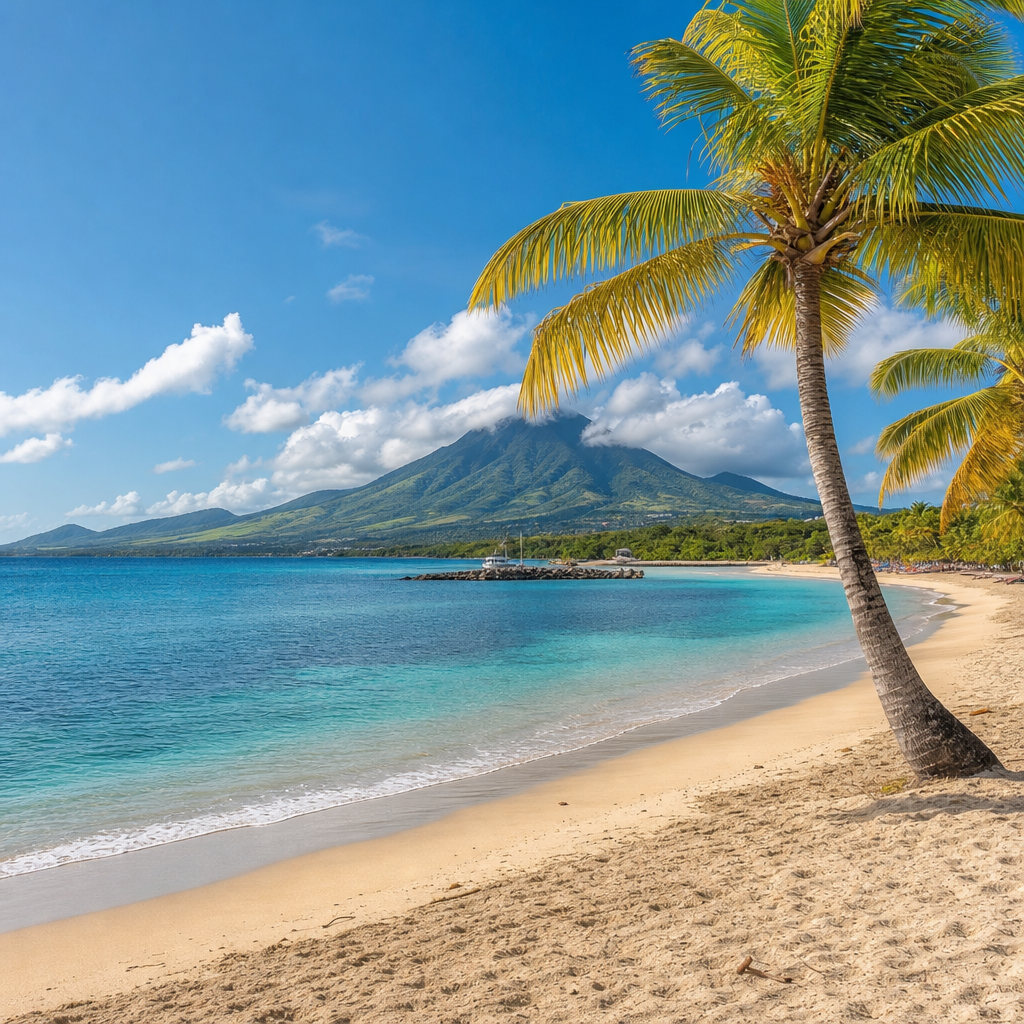
Promoting eco-tourism in Saint Kitts requires more than marketing green beaches and rainforest hikes; it depends on building a tourism model that protects biodiversity, supports local livelihoods, and gives visitors measurable low-impact ways to experience the island. Eco-tourism, in practical terms, means responsible travel to natural areas that conserves the environment and improves community well-being. In Saint Kitts, that definition matters because the island combines sensitive coastal ecosystems, volcanic mountains, historic plantations, small fishing communities, and a tourism economy shaped by cruise arrivals, boutique hotels, and growing interest in authentic Caribbean travel. When I have worked on sustainable destination content and visitor education programs, the strongest results always came from connecting environmental stewardship to real visitor choices: where people stay, who they book with, what they eat, how they move around, and what they leave behind.
Saint Kitts is well placed for eco-tourism because its scale is manageable, its natural assets are varied, and its cultural identity is still legible to visitors. The Central Forest Reserve National Park, the slopes surrounding Mount Liamuiga, coastal mangroves, coral reef systems, and agricultural landscapes create a compact but diverse destination. The challenge is that small islands face tight resource constraints. Freshwater, waste management capacity, reef health, energy costs, and land availability all limit how much tourism can grow without causing damage. That is why best practices for eco-tourism in Saint Kitts must be practical and destination-specific. They should help government agencies, hotels, guides, transport operators, farmers, restaurants, and community groups align around the same outcome: high-value tourism with lower ecological impact and stronger local benefits.
This hub article explains what successful eco-tourism promotion looks like in Saint Kitts, which standards and operating methods matter most, and how tourism businesses can turn sustainability from a slogan into an operating system. It also serves as a central reference point for related articles on conservation activities, community tourism, green hospitality, waste reduction, marine protection, and responsible visitor behavior. If the goal is to attract travelers who stay longer, spend more locally, and leave the island better than they found it, then every promotion effort must be backed by credible practice on the ground.
Build the eco-tourism product before promoting it
The first best practice is simple: promote only what can be delivered consistently. Eco-tourism in Saint Kitts is not a logo, a color palette, or a single beach cleanup. It is a product made of guided experiences, accommodation standards, transport choices, food sourcing, conservation access rules, and visitor education. A rainforest hike becomes an eco-tourism product when guides are trained in interpretation and safety, trail traffic is managed, erosion is monitored, and part of the revenue supports habitat protection or nearby communities. A farm visit becomes eco-tourism when visitors learn about soil, water use, and local crops while the host operation benefits economically without disrupting production.
Destinations often rush to advertise sustainability before they have reliable proof points. That approach backfires. Travelers who choose eco-tourism are often detail-oriented. They ask whether a hotel measures water use, whether reef tours use mooring buoys instead of anchors, whether sunscreen guidance is given before snorkeling, and whether local staff hold leadership roles. Saint Kitts can win these travelers by documenting specific operating practices. Properties can publish towel and linen policies, refill water programs, solar hot water use, composting systems, and local procurement percentages. Tour operators can explain group size limits, wildlife distance rules, and bad-weather cancellation standards. Specificity builds trust far better than generic claims about being natural or green.
From a destination management perspective, product readiness also means reducing mismatch between visitor expectations and site capacity. If a trail can safely support only small guided groups during the wet season, marketing should reflect that. If turtle nesting beaches need restricted evening access, that limitation should be framed as conservation value, not inconvenience. The most effective eco-tourism promotion tells the truth about what is protected, what is allowed, and why those rules improve the visitor experience.
Protect natural assets through standards, carrying capacity, and monitoring
Eco-tourism succeeds only when the ecosystems drawing visitors remain healthy. In Saint Kitts, that means reef protection, watershed care, trail management, invasive species control, and responsible coastal development. Carrying capacity is the key concept here. It refers to the level of visitor use a site can absorb without ecological degradation, safety risks, or a poorer experience. On small islands, carrying capacity should be treated as an operating threshold, not an academic exercise.
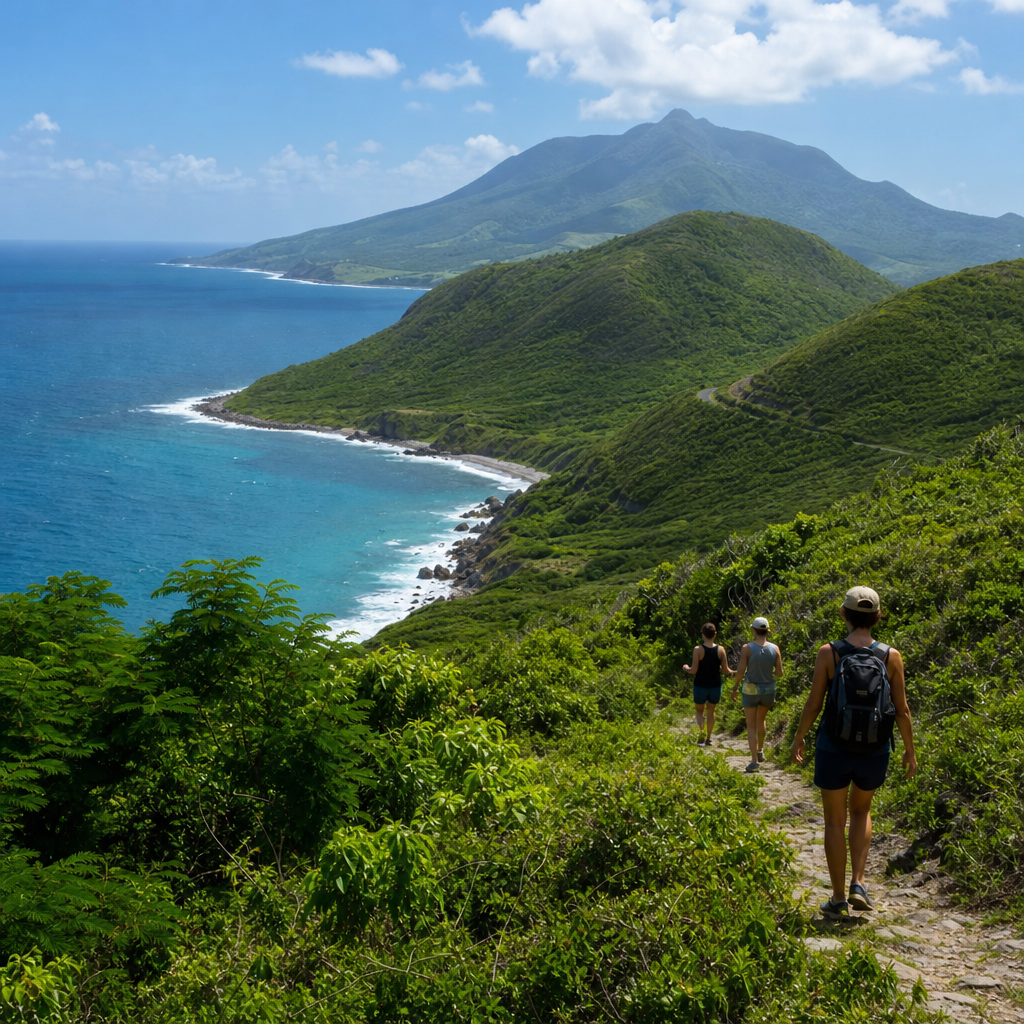
For marine tourism, best practice includes mooring systems at dive and snorkel sites, no-touch reef briefings, fish-feeding bans, and turbidity control near sensitive areas. Coral reefs across the Caribbean already face pressure from warming seas, disease, storm damage, and runoff. Tourism cannot solve those threats alone, but poor tourism operations can make them worse quickly. Operators in Saint Kitts should brief every guest before entering the water, require flotation for weak swimmers to reduce standing on coral, and coordinate with marine managers on site rotation. Similar principles apply on land. Trails on Mount Liamuiga and surrounding forest areas need drainage maintenance, switchback protection, litter controls, and guide protocols that keep guests on marked routes.
Monitoring should be routine and visible. Hotels can track kilowatt-hours per occupied room, liters of water per guest night, waste diversion rates, and percentage of local sourcing. Excursion providers can track guest numbers by site and season, incident reports, and habitat observations. Government and conservation partners can combine visitor counts with reef checks, beach condition surveys, and trail audits. When businesses monitor performance, they can market improvement honestly. That is stronger than claiming perfection.
| Eco-tourism area | Best practice in Saint Kitts | Why it matters |
|---|---|---|
| Accommodation | Measure water and energy use, cut single-use plastics, source local food | Reduces operating impact and keeps visitor spending on-island |
| Marine tours | Use moorings, cap group size, provide reef-safe behavior briefings | Protects coral and improves safety and experience quality |
| Hiking and nature tours | Train guides, maintain trails, enforce stay-on-path rules | Limits erosion, protects habitat, and reduces rescue incidents |
| Community experiences | Pay local hosts fairly, design small-group visits, share cultural context accurately | Builds resident support and creates authentic value for visitors |
| Destination marketing | Use verified claims, explain rules, highlight conservation outcomes | Builds trust with high-intent responsible travelers |
Center local communities and local spending
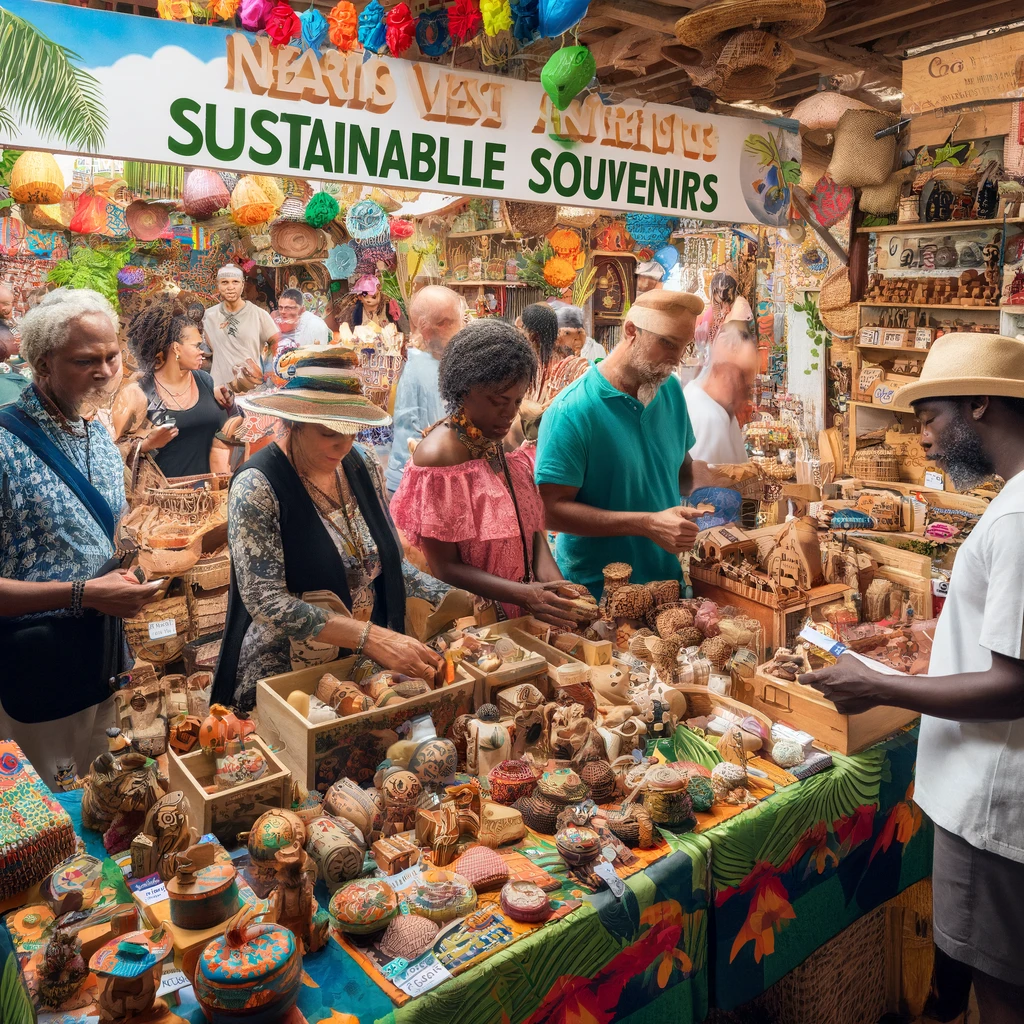
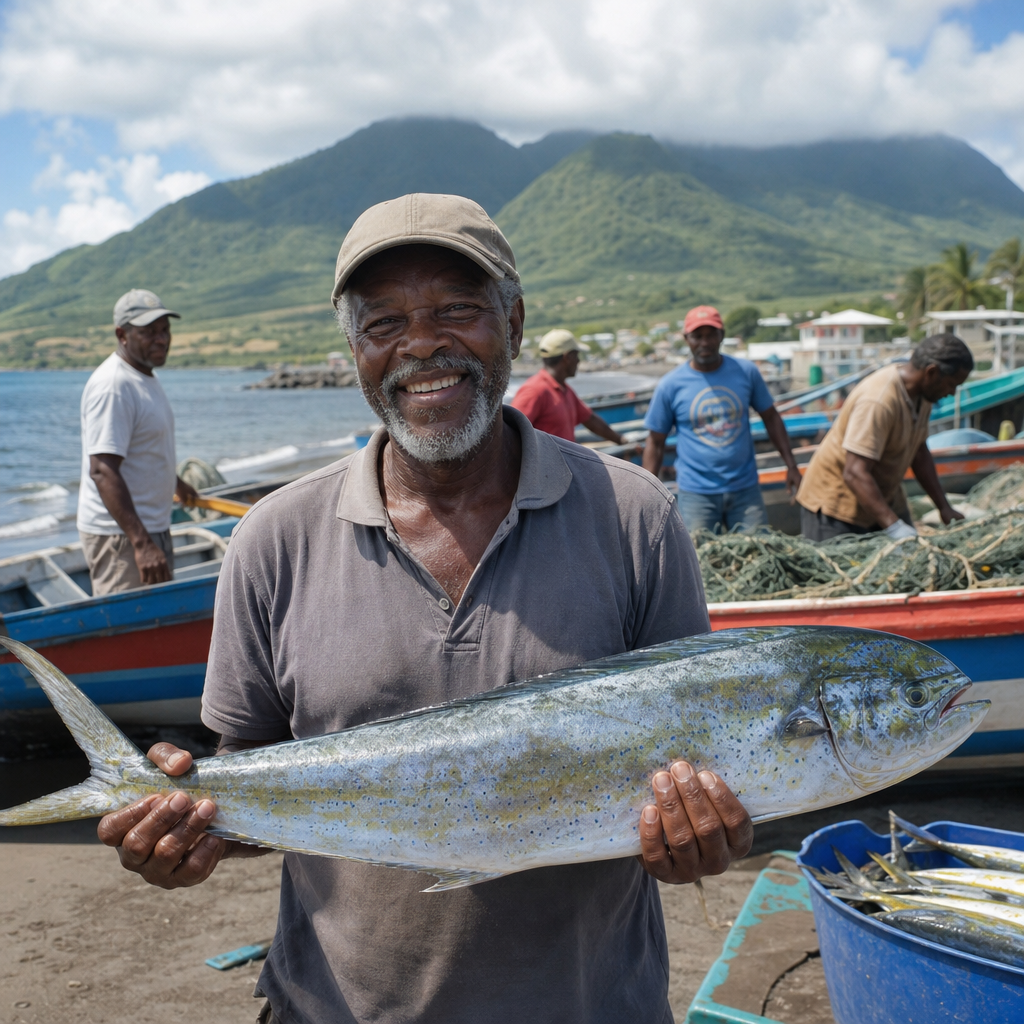
A common mistake in island tourism is assuming that nature alone creates eco-tourism value. In reality, visitors remember the guide who interpreted medicinal plants, the café serving breadfruit and fresh-caught fish, the artisan explaining batik technique, and the farmer showing how drought affects yields. Eco-tourism in Saint Kitts should therefore be designed to increase local economic retention. Money spent on imported inputs, foreign-owned intermediaries, and all-inclusive isolation produces weak community outcomes. Money spent on local guides, transport providers, farms, fisheries, musicians, and small accommodations circulates further.
Best practice starts with supplier mapping. Hotels and tour operators should know which products and services can be sourced locally, from produce and herbs to furniture, soaps, cultural performances, and maintenance services. They should also identify where local suppliers need support on packaging, consistency, scheduling, or food safety. I have seen destinations improve visitor satisfaction and local income at the same time simply by building stronger procurement links between tourism businesses and nearby producers. In Saint Kitts, that could include farm-to-table menus, visits to heritage estates, craft workshops, village food tours, and partnerships with community groups maintaining trails or coastal habitats.
Community inclusion also requires fair representation. Residents should help define which traditions are shared, how stories are told, and what visitor behavior is acceptable. Not every place needs more foot traffic, and not every cultural practice should be staged for tourists. Strong eco-tourism planning respects consent, privacy, pricing power, and the right of communities to say no. That balance is essential if promotion is meant to support long-term destination health rather than short-term volume.
Make hospitality operations visibly and measurably greener
Accommodation is where many tourism impacts concentrate, so hotels, villas, and guesthouses in Saint Kitts need operational discipline. The most credible eco-tourism properties manage energy, water, waste, procurement, landscaping, and guest communication with the same rigor they apply to revenue and service quality. Because electricity on Caribbean islands is often expensive and generation may rely heavily on imported fuel, energy efficiency is not just environmental; it is financially strategic. LED retrofits, occupancy sensors, inverter air-conditioning, solar water heating, reflective roofing, and preventive maintenance can cut energy use materially.
Water management is equally important. Small islands are vulnerable to drought, saltwater intrusion, and infrastructure strain. Best practice includes low-flow fixtures, leak detection, linen reuse programs, drought-tolerant landscaping, and where feasible, rainwater capture for non-potable use. Waste systems should prioritize reduction first, then reuse and recycling. Refillable bathroom amenities, filtered water stations, bulk purchasing, composting of organics, and supplier take-back programs are more effective than asking guests to sort complicated waste streams without guidance.
Third-party frameworks can help businesses structure these efforts. Green Key, EarthCheck, and Travelife are recognized programs used by hospitality operators to benchmark and certify performance. Certification is not mandatory to promote eco-tourism in Saint Kitts, but independent verification can strengthen credibility, especially for international travelers comparing islands. The key is to treat certification as a management tool rather than a badge. A property that trains staff, audits utilities monthly, and shares annual sustainability data will usually outperform one that relies on vague eco language.
Use interpretation, storytelling, and visitor guidance to shape behavior
Promotion is not only about attracting visitors; it is also about teaching them how to behave once they arrive. The best eco-tourism destinations make responsible action feel natural, informed, and rewarding. In Saint Kitts, that means every touchpoint should carry useful guidance: websites, booking confirmations, transfer briefings, room folders, trail signage, dive orientations, and restaurant menus. Visitors should know what to pack, where to refill water, why not to remove shells, how to respect wildlife distance, when trails are weather-sensitive, and why buying local products matters.
Interpretation turns a simple outing into a meaningful experience. A guide explaining the ecological role of mangroves, the history of sugar cultivation, or the pressure invasive species place on native habitats adds value that no generic excursion can match. Clear storytelling also supports conservation compliance. Travelers are more likely to accept beach access restrictions or no-anchor rules when they understand the nesting cycle, reef fragility, or erosion risk involved. Good interpretation is therefore not an add-on; it is core infrastructure for eco-tourism.
Digital content matters as well. Strong destination pages should answer direct traveler questions: What is the best eco-tourism experience in Saint Kitts? When is the best season for hiking? Are there protected marine areas? How can visitors reduce plastic waste? Which tours benefit local communities? Straight answers increase trust and reduce friction in trip planning.
Market Saint Kitts as a quality-led, low-impact destination
Effective eco-tourism promotion in Saint Kitts should prioritize visitor quality over visitor volume. The target traveler is not simply someone who likes nature photos. It is someone willing to pay for guided expertise, conservation-minded accommodation, local food, slower itineraries, and smaller groups. Marketing should therefore emphasize outcomes that matter to this audience: protected landscapes, knowledgeable local guides, traceable community benefit, and easy ways to travel responsibly. Instead of promising untouched paradise, it is better to present Saint Kitts as an island actively managing tourism in partnership with nature and residents.
Messaging should be concrete. Highlight guided volcano treks with trained interpreters, reef excursions following mooring protocols, heritage landscapes linked to local agriculture, and hotels publishing sustainability measures. Feature resident voices, not stock descriptions. Show how a visitor can spend three to five days combining hiking, marine activities, farm-linked dining, and cultural experiences without generating unnecessary waste or bypassing local businesses. That itinerary-based approach is especially useful for a hub page because it connects readers to deeper articles on marine conservation, community-based tourism, green lodging, and responsible travel tips.
Partnerships strengthen reach. Tourism boards, hotel associations, conservation NGOs, cruise stakeholders, and local entrepreneurs should coordinate around shared standards and shared language. When every operator defines eco-tourism differently, the market becomes confusing. When the destination uses a common baseline, travelers understand what responsible travel in Saint Kitts actually looks like.
Promoting eco-tourism in Saint Kitts works best when conservation, community benefit, and visitor experience are treated as one system rather than separate goals. The island already has the essentials: rainforests, reefs, heritage landscapes, talented guides, distinctive foodways, and a scale that allows thoughtful management. What turns those assets into a durable eco-tourism advantage is disciplined execution. Build products that are genuinely low impact, protect sites with standards and monitoring, keep spending local, operate accommodations efficiently, and teach visitors how to participate responsibly.
The main benefit is resilience. A well-managed eco-tourism model helps Saint Kitts protect the natural and cultural assets that make the island valuable in the first place while attracting travelers who appreciate quality and authenticity. It also gives businesses stronger stories to tell because those stories are backed by evidence, not slogans. As this sustainable tourism hub expands into supporting articles across the miscellaneous eco-tourism subtopic, use this page as the starting point for planning, benchmarking, and improving real practices on the ground.
If you manage, market, or support tourism in Saint Kitts, audit one part of your operation this month and improve it with a measurable standard. Then connect that improvement to the visitor experience. That is how eco-tourism earns trust, grows responsibly, and delivers lasting value for the island.
Frequently Asked Questions
What does eco-tourism really mean in Saint Kitts, and how is it different from traditional tourism?
In Saint Kitts, eco-tourism means much more than offering scenic nature tours or promoting beaches with a sustainability label. At its core, it is a tourism approach built around responsible travel to natural areas in ways that protect ecosystems, respect local culture, and create clear benefits for communities. That definition is especially important on an island where coastal habitats, rainforest areas, marine life, and small communities are closely connected. If tourism grows without care, the result can be shoreline damage, stress on water and energy systems, pressure on wildlife habitats, and limited economic value reaching local residents. Eco-tourism aims to reverse that pattern.
The main difference between eco-tourism and conventional tourism is impact management. Traditional tourism often prioritizes visitor volume, convenience, and short-term revenue. Eco-tourism focuses on low-impact experiences, conservation outcomes, and shared local prosperity. In practice, that can mean guided hikes that follow established trails instead of opening new ones, snorkeling programs that teach reef-safe behavior, accommodations that reduce water and energy use, and excursions led by local guides who interpret the island’s ecology and history. It also means measuring success differently. Instead of asking only how many visitors arrived, eco-tourism asks whether biodiversity was protected, whether residents benefited economically, and whether visitors left with a better understanding of the island.
For Saint Kitts, this model is particularly relevant because the island’s natural appeal is one of its strongest tourism assets. Protecting that asset is not separate from tourism development; it is the basis for long-term tourism success. When eco-tourism is done well, it strengthens the visitor experience while helping preserve the very landscapes and communities people come to enjoy.
What are the best practices for promoting eco-tourism in Saint Kitts without encouraging overuse of natural areas?
One of the most effective best practices is to promote quality over volume. Marketing should attract travelers who value nature, culture, and responsible experiences rather than simply driving as many visitors as possible to the same popular sites. That means positioning Saint Kitts as a destination for meaningful, low-impact travel and clearly communicating expectations around environmental behavior before visitors arrive. Travelers who understand the island’s conservation priorities are more likely to support them.
Another key practice is dispersing visitor activity thoughtfully. Instead of concentrating attention on a few fragile beaches, trails, or marine areas, tourism planners and operators can highlight a broader mix of experiences across the island, including community-based tours, heritage sites, agricultural visits, birdwatching areas, and guided nature walks in less congested locations. This reduces pressure on sensitive ecosystems while spreading income more fairly among communities and businesses.
Capacity management is also essential. Eco-tourism promotion should be tied to what natural areas can realistically sustain. That may include group size limits, timed entry systems, seasonal restrictions, designated routes, mooring controls for marine excursions, and rules about wildlife interaction. Promotion should never outpace management. If an area is environmentally sensitive, the marketing strategy should reflect that by emphasizing guided access, advance booking, and educational briefings instead of unrestricted visitation.
Finally, the strongest promotion connects every experience to stewardship. Operators, tourism boards, and hospitality businesses can explain how visitor spending supports conservation, local employment, habitat restoration, or cultural preservation. When travelers see that their choices have measurable benefits, eco-tourism becomes more credible and more appealing. In Saint Kitts, the goal is not simply to bring people into nature, but to do so in a way that leaves ecosystems healthier and communities stronger over time.
How can local communities benefit more directly from eco-tourism development in Saint Kitts?
For eco-tourism to be genuinely sustainable in Saint Kitts, local communities must be active participants and clear beneficiaries, not just observers of tourism growth. The most direct way to achieve that is by expanding locally owned and locally led tourism businesses. Community guides, small guesthouses, craft producers, farmers, transport providers, food vendors, and cultural educators should all have real opportunities to earn income from the visitor economy. When spending stays on the island and circulates through local enterprises, eco-tourism produces broader and more durable value.
Employment quality matters just as much as employment quantity. Best practice involves training residents for skilled roles in guiding, conservation interpretation, hospitality management, marine operations, trail stewardship, and sustainability monitoring. This helps communities capture more of the value chain and builds long-term professional capacity. Partnerships among government agencies, tourism bodies, schools, environmental groups, and private operators can support certification programs and practical training that align with eco-tourism standards.
Communities also benefit when they have a voice in planning and decision-making. Residents often know which sites are culturally significant, which areas are ecologically fragile, and what kinds of visitor activity are compatible with local life. Including community input in tourism development decisions improves both social acceptance and environmental outcomes. It can help prevent conflicts over land use, overcrowding, and uneven distribution of benefits.
In Saint Kitts, another important strategy is linking eco-tourism with agriculture, heritage, and conservation. Farm tours, locally sourced dining, medicinal plant education, traditional storytelling, and heritage walks can expand tourism beyond scenery alone. This creates more diverse income streams while presenting a fuller picture of island life. When local people help shape the visitor experience and share in the returns, eco-tourism becomes not only a conservation tool but also a pathway for community resilience and pride.
What environmental measures should tourism businesses in Saint Kitts adopt to support a credible eco-tourism model?
Tourism businesses in Saint Kitts need to go beyond broad sustainability claims and implement practical, visible measures that reduce environmental impact. A credible eco-tourism model usually starts with resource efficiency. Hotels, villas, tour operators, and restaurants should actively manage water and energy use through low-flow fixtures, efficient cooling systems, renewable energy where feasible, linen and towel reuse policies, leak monitoring, and staff training. On a small island, reducing pressure on utilities is a significant part of responsible tourism.
Waste reduction is another major priority. Businesses should minimize single-use plastics, improve recycling and composting where systems exist, and make responsible purchasing choices that reduce excess packaging and unnecessary disposables. For marine and coastal tourism operators, this also includes ensuring that no waste enters the ocean and that fuel handling and vessel maintenance are done carefully. Clean operations protect both ecosystems and the destination’s reputation.
Nature-based businesses should adopt strict site and wildlife protection protocols. This may include staying on marked trails, using moorings instead of anchors in sensitive marine zones, maintaining safe distances from wildlife, limiting noise, controlling group sizes, and suspending activities during periods of environmental stress. Operators should brief guests clearly on reef-safe sunscreen, litter prevention, respect for plants and animals, and appropriate behavior in protected areas. Visitor education is not an extra feature; it is part of the product.
Credibility also depends on transparency. Businesses should be able to explain what they are doing, why it matters, and how results are tracked. That might involve reporting reductions in water use, tracking waste diversion, supporting habitat restoration, or contributing financially to conservation and community projects. In Saint Kitts, where eco-tourism promotion can be a competitive advantage, businesses that demonstrate measurable action will be far more trusted than those relying on vague green messaging alone.
How can Saint Kitts market eco-tourism authentically and avoid greenwashing?
Authentic eco-tourism marketing starts with honesty. Saint Kitts should avoid presenting every tourism product as sustainable by default and instead distinguish clearly between experiences that genuinely meet eco-tourism principles and those that are simply nature-related. Travelers are increasingly alert to greenwashing, and credibility is built when marketing reflects real practices, real standards, and real limitations. If a tour supports conservation, uses trained local guides, limits group sizes, and follows habitat protection rules, that should be stated specifically. If a business is still improving its environmental performance, that should be communicated carefully rather than exaggerated.
Strong storytelling helps, but it must be evidence-based. The island can market eco-tourism effectively by showing how visitor experiences connect to rainforest protection, coastal stewardship, marine conservation, cultural preservation, and local livelihoods. Instead of relying on generic phrases such as “eco-friendly paradise,” promotional content should explain what visitors can do responsibly, what rules protect natural areas, and how spending supports communities and conservation efforts. This creates a more informed traveler and a more trustworthy destination brand.
Another best practice is to feature local voices. Community leaders, guides, conservation practitioners, farmers, artisans, and hospitality operators can all help tell the story of eco-tourism in Saint Kitts in a more grounded and persuasive way. Their perspectives add authenticity and demonstrate that sustainability is not just a marketing department theme but part of how tourism works on the island. This also helps showcase the human dimension of eco-tourism, which is central to its value.
Finally, authentic marketing should set expectations, not just sell inspiration. Visitors should understand that responsible travel may involve smaller groups, protected access rules, reef-safe requirements, conservation fees, and encouragement to choose locally owned businesses. These are not obstacles; they are signs that the destination is serious about preserving what makes it special. For Saint Kitts, the most effective eco-tourism brand will be one built on substance, transparency, and a clear commitment to protecting nature while improving community well-being.</p